
REVIEW · WALKING TOURS
Berlin: Sightseeing Walking Tour of the Top 20 Attractions
Berlin’s big stories fit into three hours. You get a private guide and a dry dose of Berlin humor that turns major landmarks into street-level scenes you can actually picture.
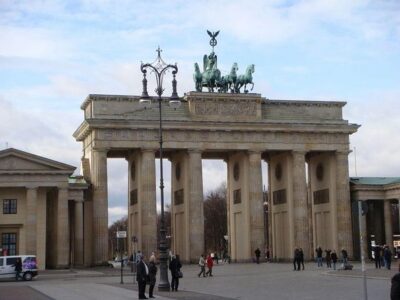
What I like most is the balance: you start with the big “postcard” symbols like Brandenburg Gate, then you move into the darker chapters without turning the day into a lecture. I also like that guides such as Carlos and Carlo often add personal, lived-in context when the route hits the Cold War and the Wall.
The one thing to plan for is effort. You’ll walk about 6 km, and the tour runs in all-weather conditions, so comfortable shoes matter and the pace can feel full once you get past the first hour.
In This Review
- Key highlights worth your time
- Three hours, about 6 km: the pace that still feels practical
- Paul-Löbe-Haus to the German Chancellery: opening with Berlin power
- Reichstag and the Holocaust Memorial: architecture plus reflection time
- Potsdamer Platz to Checkpoint Charlie: from city reinvention to Cold War tension
- Martin-Gropius-Bau and Topography of Terror: Nazi-era sites on foot
- Gendarmenmarkt, Bebelplatz, and Lustgarten: grand spaces with sharp moments
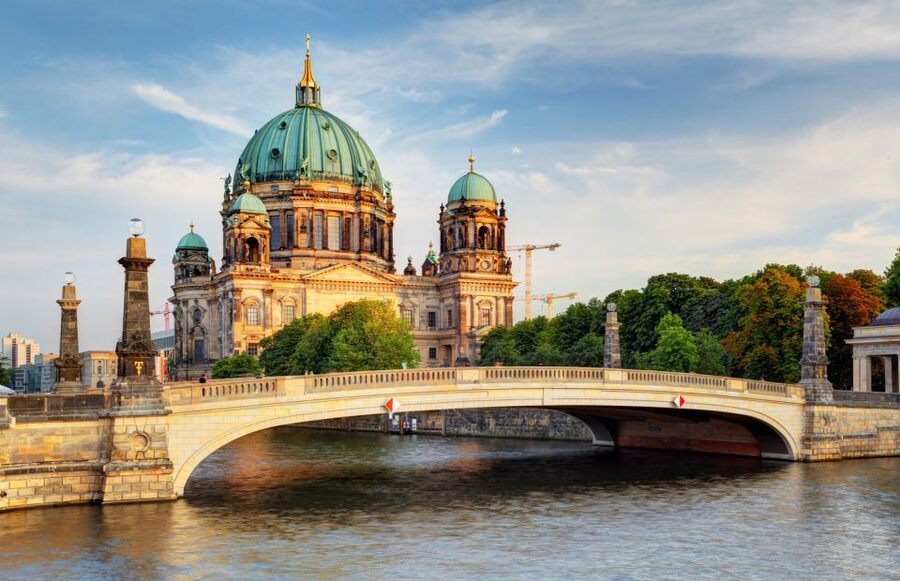
- Berlin Cathedral, Museum Island, and Alte Nationalgalerie: art as the last word
- New City Palace area and Unter den Linden-style orientation
- Finish at Friedrichsbrücke: where the day lands and what to do next
- What this tour is best for (and when to skip it)
- Price and value: is $94 for 3 hours fair?
- Should you book this Berlin Top 20 walking tour?
- FAQ
- What’s the duration of the Berlin walking tour?
- Where do I meet the guide, and when does the tour run?
- How much walking is involved?
- What languages are available?
- Is the tour wheelchair accessible?
- Can I pay later or get a full refund if my plans change?
Key highlights worth your time
- A Top 20 route in 3 hours, built for orientation without feeling like you’re speed-walking
- Dry humor plus serious places, so the day stays human even when topics get heavy
- Topography of Terror stop at the former Gestapo headquarters grounds, not just a photo op
- Checkpoint Charlie and longer Wall sections, giving you a clearer sense of how division shaped the city
- Museum Island art finale, so your last hour lands on something visually memorable
More of Berlin on foot
- Discover Berlin Half-Day Walking Tour★ 5.0 · 9,624 reviews
- Berlin City walk Government District and Places of Democracy★ 4.7 · 8,467 reviews
- Berlin: Third Reich & Cold War Guided Walking Tour★ 4.9 · 8,378 reviews
- Berlin: Discover Berlin Walking Tour★ 4.9 · 5,998 reviews
Three hours, about 6 km: the pace that still feels practical
This is a fast but structured walk. You’re out for about 180 minutes and you’ll cover roughly 6 km, which is enough distance to see a lot of Berlin, but not so much that the tour turns into a forced march.
The real advantage is how the guide manages time. You’re not just herded from one landmark to the next. The plan is designed so you get context while you move, then you still get moments to pause and look—especially at stops that benefit from a bit of breathing room.
Because it’s mostly on foot, the route helps you learn the city the way locals experience it: by orientation. You’ll come away knowing where the major “north-south” landmarks sit in relation to each other, and that makes the rest of your trip easier.
One more practical note: bring water and plan for rain. The tour runs in all weather, so a light layer and a small umbrella (if that’s your style) can save your mood.
Paul-Löbe-Haus to the German Chancellery: opening with Berlin power
The meeting point is in front of the Paul-Löbe Haus entrance, opposite the Federal Chancellery on Konrad-Adenauer-Straße 1. It’s a good start because it places you right beside Berlin’s political center, so the “why this matters” theme begins immediately.
From there, the tour heads into the government district and keeps the storytelling tied to what you’re looking at. This is one of the best parts of the design: you don’t have to imagine how politics shaped the city. You see the architecture and the public spaces, then you connect them to the larger story the guide is telling.
I also like that the guide invites questions. If you’re curious about how Berlin changed after division, or how everyday life shifted in different eras, you can usually ask on the spot and get an answer that fits the moment—not a generic history summary.
Reichstag and the Holocaust Memorial: architecture plus reflection time
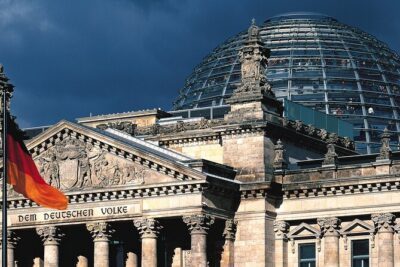
Next comes a serious shift. The Reichstag and the Holocaust Memorial are stops where you’ll want to slow down, not just look fast for a photo.
You get guided time here, and the pace is set up so you can absorb what you’re seeing. One of the smartest parts of the format is the short built-in breathing space at the Holocaust Memorial stop. It gives you a chance to reset mentally before you move on to the louder street scenes later.
If you’re someone who likes your history straight—grounded in what a place represents—this segment works well. If you prefer a lighter sightseeing day, you may feel the emotional weight more than on some city tours, because the route doesn’t skip the hard stops.
Potsdamer Platz to Checkpoint Charlie: from city reinvention to Cold War tension
After the memorial, the tour moves into Potsdamer Platz, then onward toward Checkpoint Charlie. This change of scenery is more than scenic contrast—it’s part of how Berlin tells its story.
Potsdamer Platz gives you the “city reboot” feeling: a modern, fast-moving area that helps you understand how post-reunification Berlin looks and functions today. Then Checkpoint Charlie brings you back to division-era geography, where the city’s layout reflects political reality.
Checkpoint Charlie is one of the stops that tends to land hard (in a good, grounding way). You’re not only seeing a landmark; you’re learning why this kind of border checkpoint mattered and what it did to movement and daily life.
Carlos and Carlo (among others) are the kind of guides who add personal, lived context when the conversation turns to the Wall era. That doesn’t make the story less serious—it makes it feel less distant.
Tip for this stretch: have your camera ready, but don’t treat it like a checklist. The most useful pictures are the ones where you can remember what you were just told while you’re standing there.


Martin-Gropius-Bau and Topography of Terror: Nazi-era sites on foot
The tour then moves through the Martin-Gropius-Bau area and into Topography of Terror. This is where the day’s “serious history” becomes very specific.
Topography of Terror is described as being on the grounds of the former Gestapo headquarters, and that framing matters. A guide can point out what you’re seeing in terms of location and meaning, so you understand why this stop can’t be reduced to plaques and dates.
This is also where the humor-and-darkness balance earns its keep. The guide’s tone stays respectful, but the stories are told in a way that doesn’t freeze the day. You’re guided through facts and context, then you move on while the information still feels connected to the street around you.
One drawback to watch for: if you’re doing this tour when you’re already mentally tired, the Nazi and Cold War material can feel like a lot in one sitting. The fix is simple—go in with energy, and don’t cram this right after a long museum day.
Gendarmenmarkt, Bebelplatz, and Lustgarten: grand spaces with sharp moments
Gendarmenmarkt is a contrast stop in the best way. It’s a beautiful, formal square that lets your eyes relax after heavy history. But the guide doesn’t let it become “just pretty.”
Then comes Bebelplatz, and this is one of the emotional turns you should expect. The tour includes the reality of burned books at Bebelplatz, which is a stark reminder of how culture was attacked as part of the broader political violence.
After that you pass through the Lustgarten area and continue toward Berlin Cathedral and onward. Lustgarten adds a sense of open space and city flow, which helps you keep moving without feeling like you’re trapped in the same emotional register for hours.
If you care about architecture as a way to understand power, this segment is useful. You see how Berlin’s public spaces can serve different purposes across different eras—ceremonial, political, reflective, and historical.
Berlin Cathedral, Museum Island, and Alte Nationalgalerie: art as the last word
The route culminates in the Museum Island area and ends with a focus on major museum highlights such as the Museum Island complex and the Alte Nationalgalerie.
This ending matters. After covering division, repression, and the meaning of borders, you finish on architecture and art-adjacent landmarks. It’s a smart way to keep your brain from ending the day in only heavy facts.
Museum Island is also a great “memory hook” because it looks like a destination even if you’ve never visited before. You’ll walk away with a clearer sense of why this area is such a focal point for Berlin visitors and why so many people build their itinerary around it.
If you’ve got a limited number of days in Berlin, this is one of the best ways to spend a chunk of time. Instead of trying to see everything in tiny doses, you get a concentrated overview—and you know where to return later if you want deeper museum time.
New City Palace area and Unter den Linden-style orientation
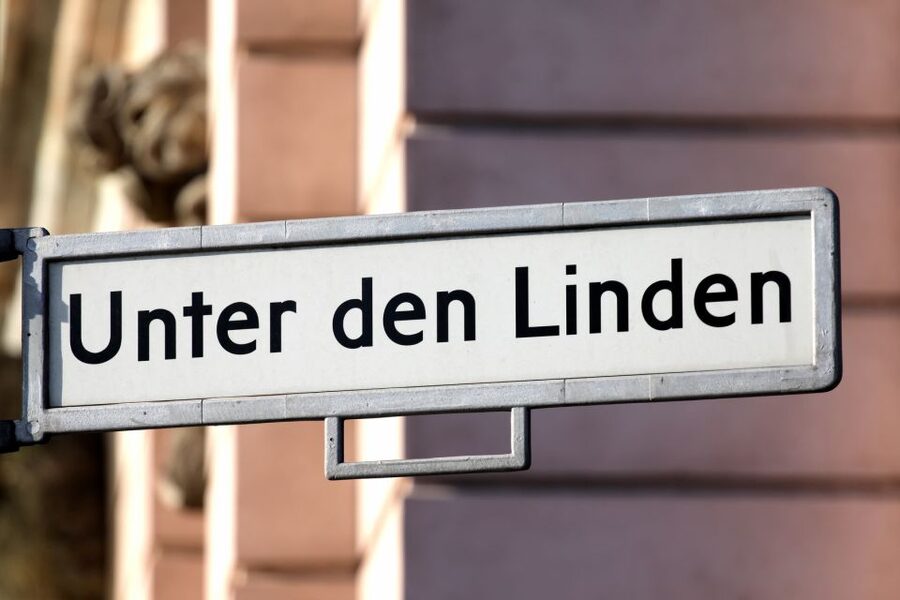
You’ll also get a guided thread that links the grand boulevard feel of central Berlin with imperial-era and later layers. The tour is framed to include landmark highlights like the New City Palace and to keep you oriented with the feel of Unter den Linden.
Even if you’re not a “major boulevard” person, this orientation helps. When you later walk on your own, those big streets become less confusing. You start recognizing sightlines, intersections, and the way major landmarks line up, which saves you time.
I like that this part of the tour doesn’t feel like filler. It’s part of the same storytelling goal: explain how Berlin’s identity keeps getting rewritten in the built environment.
Finish at Friedrichsbrücke: where the day lands and what to do next
The tour finishes at Friedrichsbrücke. Ending at a major crossing helps you keep your bearings. It’s the kind of ending point that makes it easy to continue on foot or connect to other parts of the city.
You’ll also leave with guide-led tips on what to eat, where to go at night, and which neighborhoods are worth your time next. That matters more than it sounds. Berlin has a lot going on, and a good local recommendation can help you pick wisely instead of guessing.
A practical mindset: use the last 15 minutes of the tour to ask where you should go next based on what you liked most. If you connected with Cold War stories, ask for ideas for follow-up stops. If you liked the art-and-architecture finish, ask what museums fit that mood.
What this tour is best for (and when to skip it)
This walking tour is ideal if you’re:
- Visiting Berlin for the first time and want a clear overview fast
- Someone who likes history but also wants it tied to the street, not just museum walls
- Planning to explore on your own afterward and want your bearings set early
- Traveling as a couple or a small group and prefer a more personal guide experience
It may not be the best fit if you:
- Want a slow, relaxed sightseeing day with lots of long sitting breaks
- Hate walking distances around 6 km
- Are feeling low-energy on days when you’d rather keep things light (the route includes difficult Nazi-era and Cold War topics)
Price and value: is $94 for 3 hours fair?
At $94 per person for about 3 hours, you’re paying for more than “a route.” You’re buying a live local guide with guided context across major landmarks, including Nazi and Cold War stops like Topography of Terror and Checkpoint Charlie, plus the architecture-and-art payoff on Museum Island.
You also get extra value from the tour format:
- A small-group or private experience option means you’re more likely to get your questions answered
- The guide’s humor and storytelling keep the day from becoming a dry march through facts
- The tour includes skip-the-ticket-line support when tickets are involved at relevant points
Is it the cheapest way to see Berlin? No. But it’s strong value if you want to understand what you’re seeing instead of just collecting photos. In a city where a lot of the meaning is tied to context, paying for a guide tends to save you time later.
Should you book this Berlin Top 20 walking tour?
I’d book it if you want a compact Berlin education that still feels like sightseeing. The route hits both the iconic and the essential, and the tone (humor mixed with respect) helps the hard stops land in a human way instead of a cold way.
Book it if you can do about 6 km of walking and you’re okay with a day that includes heavy historical material. If that sounds like your kind of trip, this is a smart use of a half-day that will make the rest of your Berlin days easier to enjoy.
FAQ
What’s the duration of the Berlin walking tour?
The tour lasts about 3 hours (180 minutes).
Where do I meet the guide, and when does the tour run?
You meet in front of the main entrance of the Paul-Löbe Haus, opposite the Federal Chancellery at Konrad-Adenauer-Straße 1, 10557 Berlin. Start times are daily at 10:00 AM and 2:00 PM.
How much walking is involved?
The tour covers approximately 6 km on foot.
What languages are available?
The live guide is available in English, Spanish, and German.
Is the tour wheelchair accessible?
Yes, the tour is listed as wheelchair accessible.
Can I pay later or get a full refund if my plans change?
Yes. You can reserve now and pay later, and you can cancel up to 24 hours in advance for a full refund.
More of Berlin on Foot

More Tours in Berlin


More Tour Reviews in Berlin
Round out your days in Berlin
Walking Tours, compared.
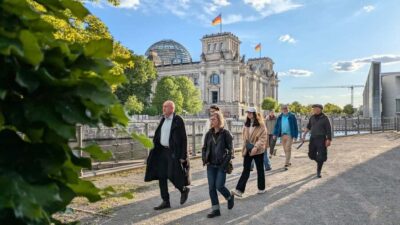 ★ 4.7Berlin City walk Government District and Places of DemocracyFrom $2948,467 reviews
 ★ 4.9Third Reich & Cold War Guided Walking TourFrom $238,378 reviews
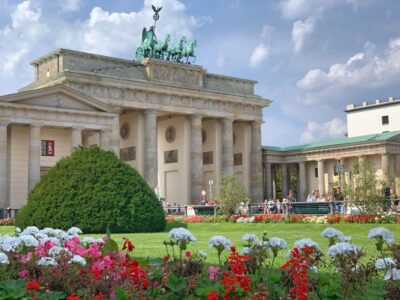 ★ 4.9Discover Berlin Walking TourFrom $235,998 reviews
 ★ 5.0Berlin’s Best: 2 Hour Walking Tour Third Reich and the Cold WarFrom $245,486 reviews
 ★ 4.8Hidden Backyards Guided Walking TourFrom $235,360 reviews
 ★ 5.0Third Reich Berlin: Hitler and WWII Walking TourFrom $243,301 reviews
 ★ 4.9Third Reich, Hitler, and WWII Walking TourFrom $191,757 reviews
 ★ 4.6Alternative Berlin Walking TourFrom $291,204 reviews
Browse the lists this tour appears in