
REVIEW · MUSEUMS
Berlin: Tickets to the Computer Games Museum
This museum lets you touch gaming history. One ticket in Berlin brings together old-school arcades, classic consoles, and hands-on stations across decades. I love the way the place turns game nostalgia into something you can actually do, not just watch.
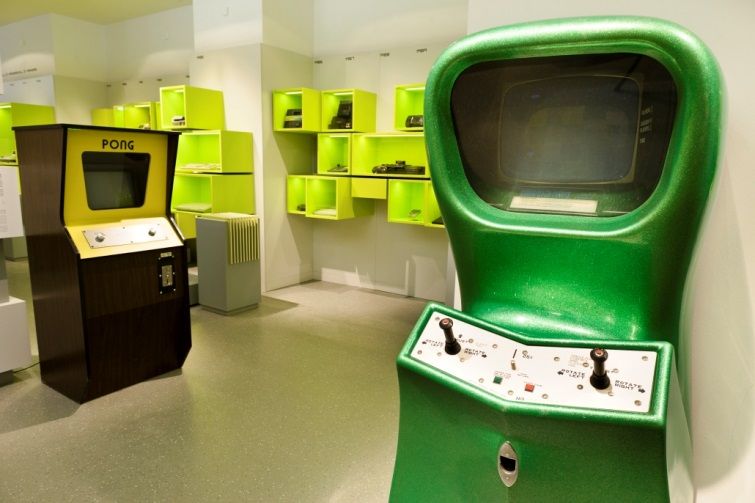
I really liked two things most. First, you get hands-on gameplay throughout, from legend-tier machines like Pong to coin-op cabinets where you can feed your inner kid. Second, the Wall of Hardware makes the tech timeline feel concrete, lining up machines from different generations so you can see what changed and when.
One thing to consider: the most popular playable areas can get busy, especially the arcade corner. If you hate waiting your turn, plan for short lines and build in time to try everything at your own pace.
In This Review
- Key things I’d highlight before you go
- Ticket Value for $22: What You Actually Get
- Finding the Museum on Karl-Marx-Allee (and why location helps)
- Permanent Exhibition: 70 Years of Gaming You Can Touch
- The Wall of Hardware: A Timeline You Can Actually See
- Coin-Op Arcade Corner: Fast Nostalgia, Real Turn-Taking
- Milestones and 3D: How the Museum Bridges Old and New
- Interactive Highlights: Giant Joystick and PainStation
- Special Exhibitions: Your Chance to See What’s New
- Optional Guided Tours: Worth it if you like context
- How Long Should You Plan? (So You Don’t Feel Rushed)
- Who This Museum Fits Best
- Practical Tips to Make Your Visit Smoother
- Should You Book This Ticket for Berlin?
- FAQ
- What is included in the ticket for the Computer Games Museum Berlin?
- How much does the ticket cost?
- How long is the experience?
- Is a guide included?
- Where is the museum located?
- Is the museum wheelchair accessible?
- Can I cancel for a full refund?
- Can I reserve now and pay later?
- Are there interactive games and playable exhibits?
- How do I know what time to go?
Key things I’d highlight before you go
- 300+ exhibits covering roughly 70 years of computer game history in one ticketed visit
- Wall of Hardware with machines from Commodore to Game & Watch to PlayStation
- Coin-operated arcade area with classics like Donkey Kong and Space Invaders
- Big “milestones” section featuring 52 highlight games such as Pacman, Bomb Jack, and GTA IV
- 3D game area with a 3D television and handheld 3DS experiences
- Interactive crowd favorites like the Giant Joystick and the PainStation
More Berlin tours to line up side by side
- Berlin: TV Tower Standard Entrance Ticket★ 4.4 · 15,883 reviews
- Berlin: Berlin Story Bunker Entry Ticket★ 4.6 · 6,759 reviews
- Berlin: Illuseum Berlin Entrance Ticket★ 4.1 · 3,970 reviews
- Berlin: Madame Tussauds Admission Ticket★ 4.6 · 3,941 reviews
Ticket Value for $22: What You Actually Get
At about $22 per person for a 1-day visit, this ticket is good value if you enjoy learning by doing. You’re not paying just to look at artifacts behind glass. The museum is built around stations where you can play, test, and compare old tech with newer game ideas.
Your ticket includes the permanent exhibition plus the special exhibitions. That matters because it means you’re not stuck seeing only one “loop” of displays. You get the core timeline experience, and you also get an extra layer through whatever special show is running during your visit.
Also pay attention to the duration reality. Some people breeze through in about 30 minutes, while others spend close to four hours. That spread tells you the museum doesn’t force a strict route. You can go fast if you’re focused, or slow down if you want to play everything that catches your eye.
Finding the Museum on Karl-Marx-Allee (and why location helps)
You’ll find the Computer Games Museum Berlin at Karl-Marx-Allee 93a, 10243 Berlin. The meeting point is the museum itself, so you’re not juggling transfer logistics or hunting down a separate pickup.
This kind of attraction also works well when you’re mixing it with other Berlin neighborhoods. Karl-Marx-Allee is a major artery, so it tends to be easier to reach than places tucked into side streets. You’re likely to feel less time-stressed and more time-ready for arcade games that reward patience.
If you’re building a half-day plan, I’d treat this as your “center piece.” It’s the sort of stop where you’ll keep drifting back to the machines you liked, and it’s hard to do that if you have a tight schedule later.
Permanent Exhibition: 70 Years of Gaming You Can Touch
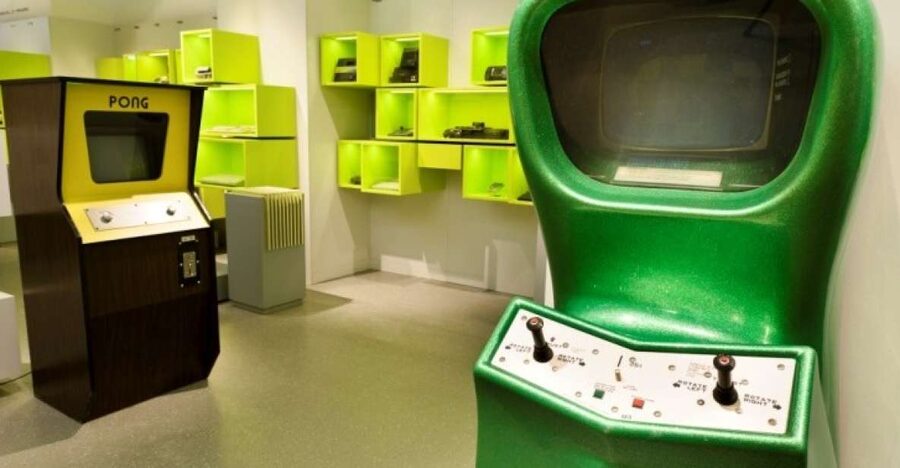
The permanent exhibition is where the museum earns its reputation. Expect 300+ exhibits and a strong sense of progression—how games evolved in hardware, graphics, controls, and game design.
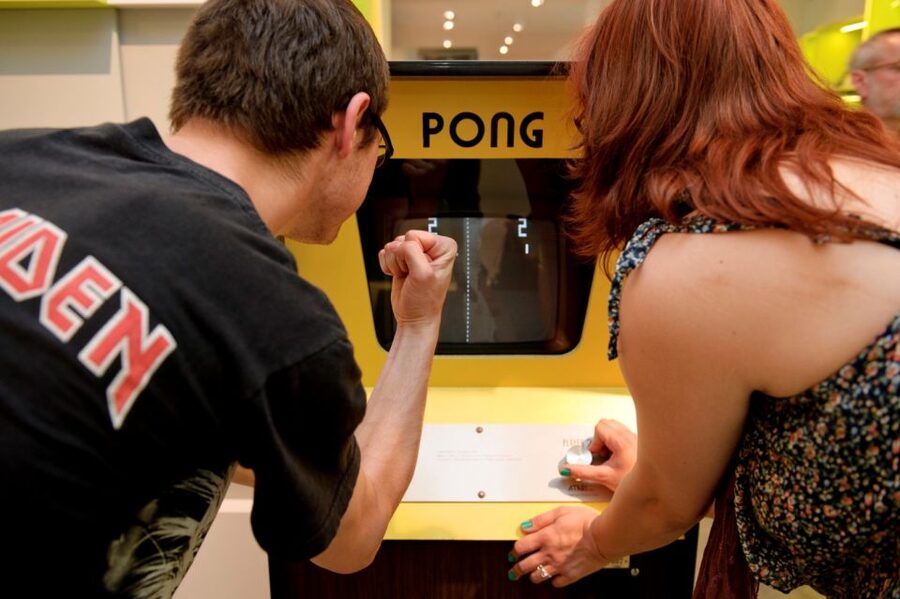
The standout feature is that this is not a passive museum. You’ll see legends like Pong and other famous systems, but the real point is that many stations are playable. You can walk up, pick a game, and test how it feels compared with what you remember. That comparison is what turns a museum day into an experience.
Inside, you’ll also find a structured look at milestones—52 highlights of famous games. You might spot titles like Pacman, Bomb Jack, and even GTA IV. That mix helps in a practical way: if you’re more into retro arcade classics, you’ll still have modern anchors to connect the dots.
The Wall of Hardware: A Timeline You Can Actually See

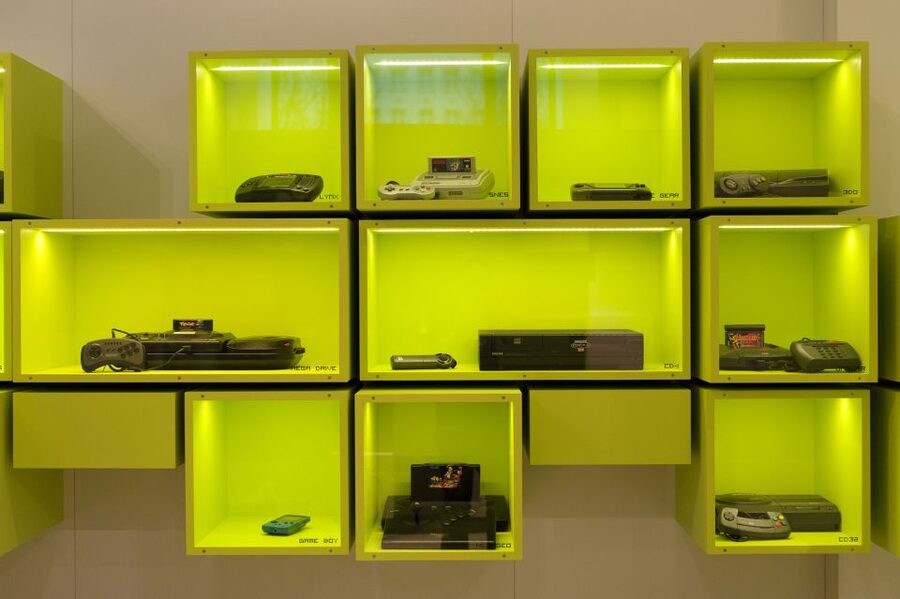
I love the Wall of Hardware because it makes the “timeline” idea feel physical. Instead of abstract tech talk, you get a visual lineup of machines from different eras. The museum describes favorites across generations, including Commodore, Game & Watch, and PlayStation.
This section works especially well if you’re traveling with mixed ages or mixed interests. Tech fans get the satisfaction of seeing the evolution. Casual gamers get the fun of recognizing names and form factors. It’s one of those sections where people stop saying I remember that and start saying I didn’t realize this came from here.
If you’re thinking about taking photos, do it here. The Wall of Hardware gives you a natural “browse and snap” zone, and it’s easier to frame compared with darker arcade corners.
More of Berlin's museums and galleries



Coin-Op Arcade Corner: Fast Nostalgia, Real Turn-Taking
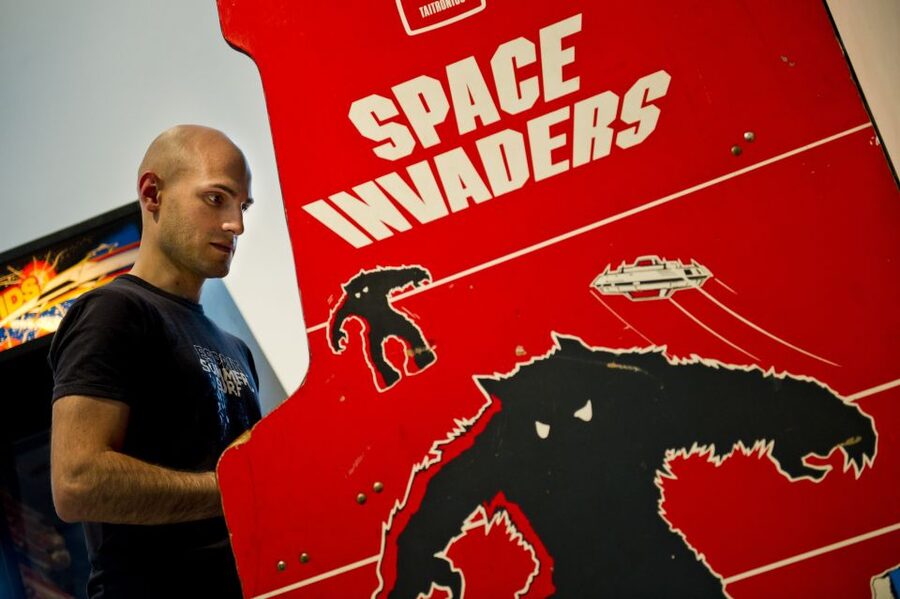
Right around the corner from the main galleries, you’ll hit a small amusement arcade with coin-operated machines. The museum specifically mentions classics like Donkey Kong and Space Invaders.
This is where you’ll feel the museum’s heartbeat. It’s also where lines can form, because these machines are simple, famous, and quick to start—so everyone wants a turn. If you’re the type who needs minimal waiting, aim to come ready for short queues or be strategic about when you try the arcade.
One more practical note: older arcade gameplay can feel slower and more basic than modern games. That’s not a flaw; it’s the point. If you go in expecting modern speed and polish, you might get a slightly frustrating surprise. If you go in expecting a historical experience, you’ll have more fun.
Milestones and 3D: How the Museum Bridges Old and New
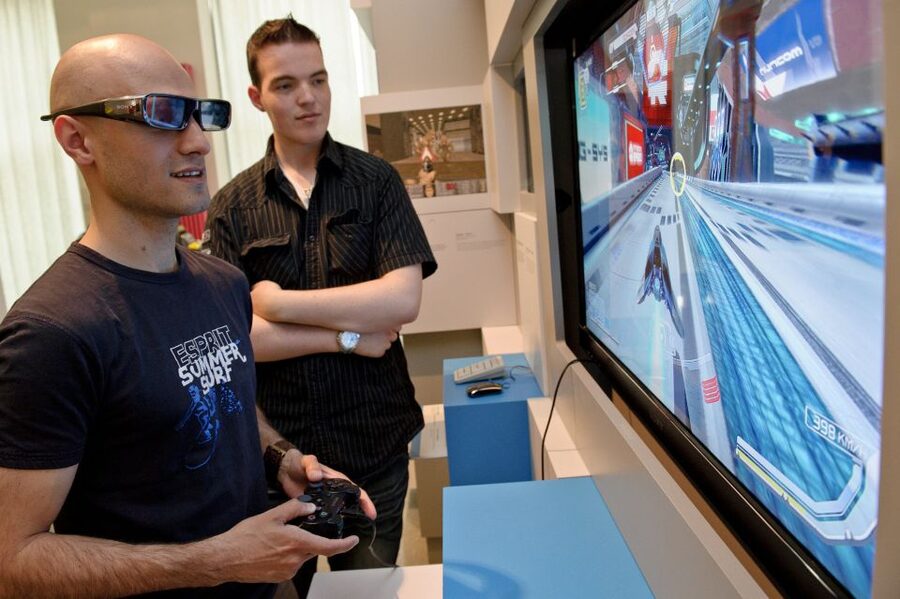
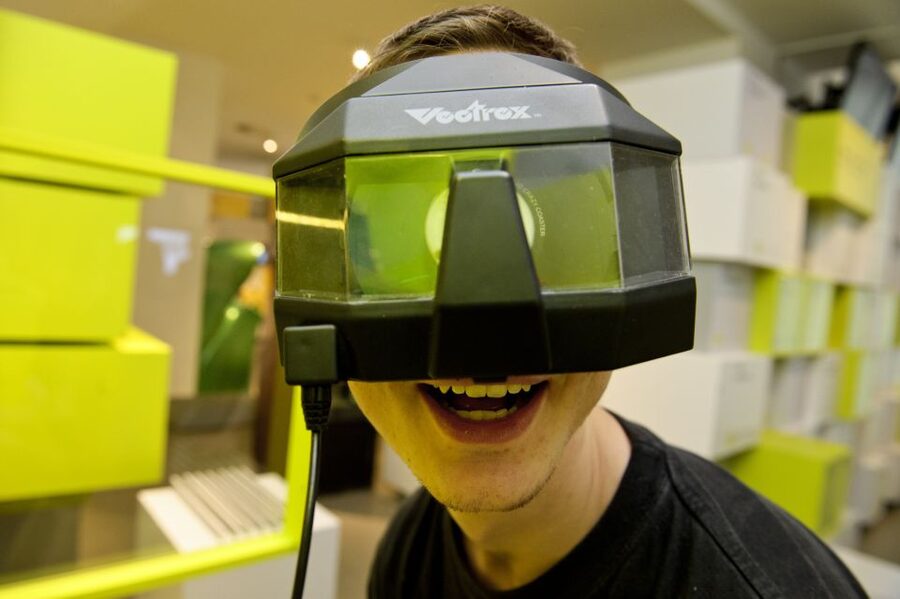
The museum doesn’t stop at retro. It includes experiences tied to newer game ideas, including 3D games on both a 3D television and through handheld 3DS experiences.
I like this bridge because it avoids the common problem of retro-only museums. You still get to enjoy classic machines, but you also get reminders of how far interaction moved once graphics and display tech improved.
In a museum like this, the “milestones” part also helps you connect gameplay trends over time. Seeing a famous game name next to a playable moment makes it easier to understand why certain design choices became standard—controls, scoring loops, difficulty pacing, and how players learn.
If you want the best odds of enjoying the 3D area, don’t treat it like a single quick stop. These stations can be popular, and you’ll do better if you have time to try more than one setup.
Interactive Highlights: Giant Joystick and PainStation
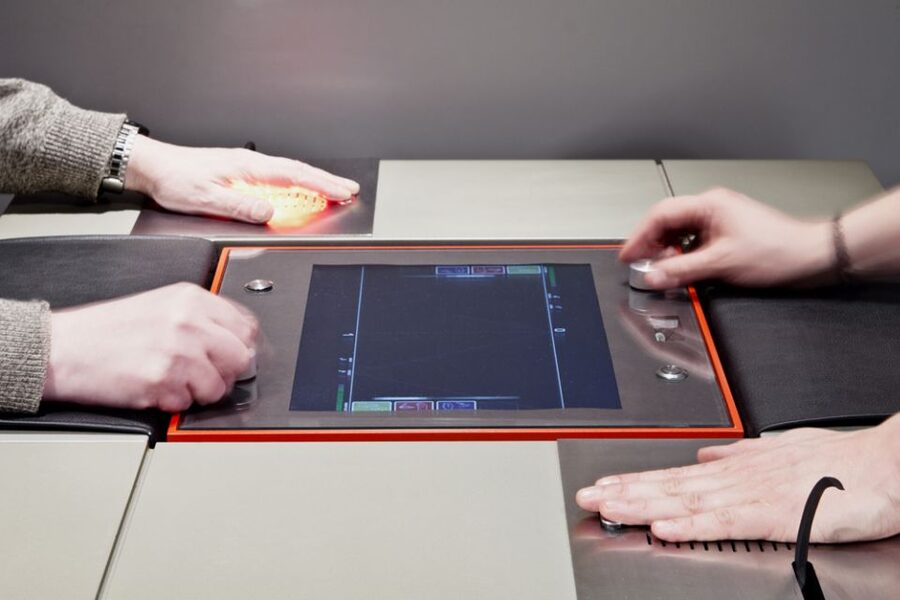
This is where the museum becomes a playground. You’ll see several interactive works of art and games that turn you from observer into participant.
Two of the most talked-about interactive moments are the Giant Joystick and the PainStation. The PainStation is the one that comes with an extra layer of nerves—reviews describe it as delivering shocks when you miss. That’s not for everyone, so if you’re sensitive to that kind of challenge, decide ahead of time whether you want to try it.
The Giant Joystick is the opposite vibe: it’s big, physical, and instantly understandable. You don’t need a gaming skill background. You just need to grab the controller and see what the game asks from your hands.
My practical advice: do the interactive challenges earlier in your visit. It’s easier to manage waiting and energy before you’ve already played for an hour. Plus, you’ll enjoy the rest of the museum more if you’ve already checked off the adrenaline or novelty stations.
Special Exhibitions: Your Chance to See What’s New
Your ticket includes special exhibitions, not just the permanent galleries. The exact content can vary depending on what’s on during your visit, so you should treat this section like the museum’s rotating “extra.”
How to use it well: don’t rush. If you only have time for one major “extra” area beyond the permanent timeline, let your curiosity pick it. You’ll likely spot something that adds a fresh angle—either a new theme within gaming history or a different kind of interactive approach.
If you’re a repeat visitor type, the special exhibition is often what keeps the museum from feeling like a one-and-done attraction. Even people who return say it improves over time, which usually comes down to what changes between visits.
Optional Guided Tours: Worth it if you like context
The ticket you’re buying doesn’t include a guide. Still, some reviews note that guided tours cost a few euros and provide more information.
I’d consider a guide if you care about the why behind the games. Without extra narration, you can still have a great time playing. With narration, you can better connect the hardware, design decisions, and social impact of gaming as a media form.
If you’re going with kids, guided context can also help you keep the visit from turning into only a fast arcade run. Even brief explanations can make older machines feel less confusing and more meaningful.
How Long Should You Plan? (So You Don’t Feel Rushed)
Because the visit is very hands-on, time management matters more here than in quiet museums.
Here’s a realistic way to plan based on what people experience:
- If you want a highlights-and-play-through, set aside around 1 to 2 hours.
- If you want the full timeline and a couple of rounds at popular stations, plan closer to 3 to 4 hours.
- If you’re serious about consoles, cabinets, and the 3D/interactive challenges, you could need longer to avoid skipping things.
Also, think about your group. Families often move in bursts: arcade time, then a hardware stop, then back to games. Couples sometimes settle into “favorite machine loops.” Either way, give yourself breathing room between sections.
Who This Museum Fits Best
This place fits best if you like any mix of these:
- classic arcade culture and early gaming tech
- console history and hardware design
- interactive museums where you play, not just watch
- family days where kids and adults both have something to do
It also works well for gamers who are older and want an easy nostalgia lane. Many visitors come away pleased that the history is laid out clearly and that the playable component keeps it from feeling like a lecture.
If you’re traveling with someone who dislikes crowds or gets impatient waiting for turn-taking, you can still go—but schedule with extra time and expect some congestion in the busiest stations.
Practical Tips to Make Your Visit Smoother
A few habits help a lot:
- Aim to try the arcade and the most popular interactive areas earlier, while you still have energy and time.
- Don’t force yourself to play everything. Pick a few classics—then compare how other eras feel.
- If you want modern tech, make time for the 3D television and 3DS experiences rather than treating them as an afterthought.
- If you’re with kids, expect excitement around the playable machines, not just the displays. Older games can feel basic, but that’s part of the learning fun.
One last note: older exhibits can tempt visitors to treat machines like toys. Keep an eye on your group so devices and controllers stay safe. You’ll enjoy the place more when it stays clean, organized, and usable for the next round of players.
Should You Book This Ticket for Berlin?
I’d book it if you want a high-play museum day with real interactivity, not a purely visual history stop. For the price, $22 feels fair because you’re getting both permanent and special exhibitions and plenty of time at stations where you can try classic gaming setups.
I’d skip it or reconsider if you only like modern graphics and you dislike waiting for interactive machines. The museum leans retro, and the arcade corner can draw lines because people want to play the classics.
If you’re on the fence, here’s my honest decision rule: if you’ll spend time playing multiple stations, this is a strong yes. If you only want a quick look at displays, you may not feel the ticket matches the time you’ll spend inside.
FAQ
What is included in the ticket for the Computer Games Museum Berlin?
Your ticket includes admission to the permanent exhibition and special exhibitions.
How much does the ticket cost?
The price is listed as $22 per person.
How long is the experience?
It’s valid for 1 day.
Is a guide included?
No. A guide is not included.
Where is the museum located?
The meeting point is Computer Games Museum Berlin, Karl-Marx-Allee 93a, 10243 Berlin.
Is the museum wheelchair accessible?
Yes, it is listed as wheelchair accessible.
Can I cancel for a full refund?
Yes. Free cancellation is available up to 24 hours in advance for a full refund.
Can I reserve now and pay later?
Yes. The option is listed as Reserve now & pay later.
Are there interactive games and playable exhibits?
Yes. The museum experience includes interactive exhibits you can play, along with examples like Pong and coin-operated arcade machines.
How do I know what time to go?
The ticket is valid for 1 day, and you should check availability to see starting times.
Berlin's Museums and Galleries


More Tickets in Berlin




More Tour Reviews in Berlin





Round out your days in Berlin




Museums, compared.
 ★ 4.6Natural History Museum Entrance TicketFrom $123,382 reviews
 ★ 4.4Museum Island Multiple Museum Entry TicketFrom $282,861 reviews
 ★ 4.1Skip-the-Line: Berlin Wall Museum at Checkpoint CharlieFrom $212,041 reviews
 ★ 4.1Interactive DeJa Vu Museum Entrance TicketFrom $171,338 reviews
 ★ 4.6“Pergamonmuseum. The Panorama” Exhibition TicketsFrom $161,245 reviews
 ★ 4.1East Side Gallery Spree Cruise in a Solar CatamaranFrom $281,086 reviews
 ★ 5.0Cold War, Berlin Wall, Spies and the East Side GalleryFrom $181,024 reviews
 ★ 4.3Berlin WelcomeCard: Museum Island & Public TransportFrom $70999 reviews
Browse the lists this tour appears in