
REVIEW · HISTORICAL TOURS
Berlin Uncensored: A History of Sex & Freedom
Sex and freedom have a Berlin backstory.
I love how this tour turns a taboo topic into clear, street-level history, with a professional sociologist guide, Jeff, who makes space for questions. You’ll also get AR extras (plus Mixies AR photos and a big stack of archival media) that keep the facts from feeling like a lecture. One possible drawback: the subject matter is inherently sensitive, so if you prefer a lighter nightlife story, this may feel heavier than you expect.
What I like most is the way the tour connects big turning points—nobody’s shy about that—to places you can actually point at on a map. You’ll learn about Berlin’s long thread of body freedom (FKK), but also the hard stop when the Nazis cracked down on sexual diversity. If you’re expecting graphic content or pure entertainment, aim instead for education and context; the guide keeps things responsible and respectful.
The group stays small (10 max), and the tone in the Q&A is practical. Reviews also highlight Jeff’s approach as respectful and trauma-informed, which matters when the material includes persecution and censorship. If you want a break for coffee, plan to grab one on your own, since drinks aren’t included.
In This Review
- Key highlights you should know before you go
- A 3.5-hour walk through sex science and resistance in Berlin
- Jeff the sociologist: how the tour stays respectful and practical
- Entering Nollendorfplatz: FKK, body freedom, and why it stuck
- Magnus-Apotheke and Hirschfeld’s Institute: sex science, real inventions, and real harm
- The Monument to Homosexuals Persecuted: the Nazi crackdown and the pink triangle symbol
- Kurfürstenstraße and Schwerinstraße 9: prostitution, kink culture, and lesbian Berlin
- Christopher Isherwood’s Berlin: why writers matter to queer history
- Eldorado Club at Denns BioMarkt: drag, danger, and the pre-crackdown spectacle
- After WWII: the Wall as a condom of the GDR and the AIDS crisis
- Today’s sex-positive Berlin: clubs, no-photo culture, and Folsom Europe
- AR photos, 200+ archival images, and why the tech isn’t just decoration
- Price and value: what $82.90 buys you (and what it doesn’t)
- Who should book, and who should think twice
- Should you book Berlin Uncensored: A History of Sex & Freedom?
- FAQ
- How long is the Berlin Uncensored tour?
- What group size should I expect?
- Is the tour only for adults?
- Is it offered in English?
- What’s included besides the walking tour?
- Where does the tour start and where does it end?
- Will the tour run in bad weather?
Key highlights you should know before you go
- Small-group Q&A with Jeff so you can ask questions without feeling rushed
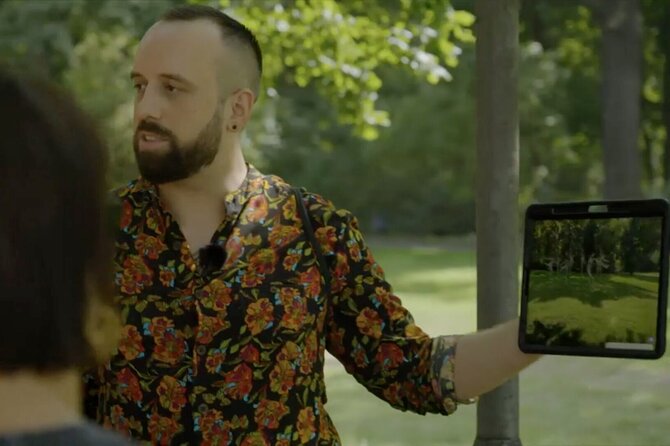
- AR history moments plus Mixies AR photos to make the stops stick
- Sex science origins in Berlin, including Magnus Hirschfeld’s work and the Institute for Sexual Science
- LGBTQIA+ persecution history tied to real memorials and symbols like the pink triangle
- Nightlife and community stories across kink culture, lesbian spaces, and famous writers
- East vs West Berlin contrast after WWII, including how the AIDS crisis is framed in Berlin’s story
More of Berlin's long history, guided
- Berlin: Natural History Museum Entrance Ticket★ 4.6 · 3,382 reviews
- Berlin: 3-Hour World Heritage Cruise to Potsdam★ 4.5 · 1,569 reviews
- Berlin: History of the Third Reich Guided Walking Tour★ 4.7 · 791 reviews
- Berlin: Berlin Charité Guided History Tour★ 4.4 · 660 reviews
A 3.5-hour walk through sex science and resistance in Berlin
This isn’t a typical “nightlife highlights” tour. It’s a guided walk through the ideas, institutions, communities, and crackdowns that shaped Berlin’s reputation for sex-positive freedom—and its sharp counter-history when repression hit. You move at a human pace for about 3 hours 30 minutes, hopping between locations that show how culture changes over time.
You’ll also feel how Berlin talks to itself. A place associated with experimentation in one decade can later become a site of fear, censorship, or propaganda in another. That cause-and-effect is the core value here: you’re not just hearing facts; you’re learning how Berlin’s social rules got rewritten—and by whom.
And yes, the guide brings the topic down to earth. Expect the tour to feel like a conversation guided by a professional sociologist who also works as a certified sex educator. That blend helps you understand the “why,” not just the “what.”
Jeff the sociologist: how the tour stays respectful and practical
Jeff’s role matters more than you might think. This guide isn’t only telling stories; he’s framing them with social context, so you can connect politics, culture, medicine, and everyday life. Reviews repeatedly mention how easy his English is to follow, and that he’s open to questions.
The best part is the tone. When a tour covers persecution—Nazis targeting LGBTQ people, sex workers, and anyone labeled degenerate—it has to be careful. The tour’s approach is described as respectful and trauma-informed, which means you’re getting education without turning trauma into spectacle.
If you’re the type who asks lots of “how did that work?” questions, this is a strong match. The format also keeps the group to 10 travelers max, so your questions have a real chance to get answered.
Entering Nollendorfplatz: FKK, body freedom, and why it stuck
The tour kicks off at Nollendorfplatz, where Jeff introduces Berlin’s long thread of nudism—often connected to FKK, a movement built on body freedom. The point isn’t just historical curiosity. You’ll learn how nudism shaped a city habit: parks, lakeside culture, and a calmer attitude toward bodies than you might expect in a “mainstream” European capital.
This is where the tour sets expectations for the kind of education you’ll get. The guide treats sex and bodies as part of culture, not only as taboo. The narration helps you see why some practices lasted, why others faced pushback, and how public attitudes can shift without ever fully disappearing.
One practical note: this part is more concept-heavy than nightlife-heavy. If you like your history anchored to places and ideas, you’ll enjoy it.
Magnus-Apotheke and Hirschfeld’s Institute: sex science, real inventions, and real harm
Next stop is Magnus-Apotheke, where the story centers on Berlin’s place in sexology. You’ll hear about the world’s first Institute for Sexual Science, founded by Magnus Hirschfeld, and how groundbreaking research influenced topics like desire, relationships, contraception, and gender identity.
The tour also highlights specific outcomes tied to Berlin’s science scene—like the rubber condom and early research described as precursors to Viagra. You’ll also hear how Berlin was a center for early gender affirmation surgeries involving figures such as Dora Richter, Lili Elbe, and Karl M. Baer.
Then the mood turns sharply. The Nazi regime is framed as seeing this kind of research as a threat, destroying the institute in 1933. That moment is crucial for understanding Berlin’s sexual freedom story: progress didn’t vanish because people stopped caring; it was actively attacked.
This stop is also a reminder that medical and social progress can be fragile. If you care about how policy and ideology shape healthcare and identity, this is one of the most meaningful parts of the route.

The Monument to Homosexuals Persecuted: the Nazi crackdown and the pink triangle symbol
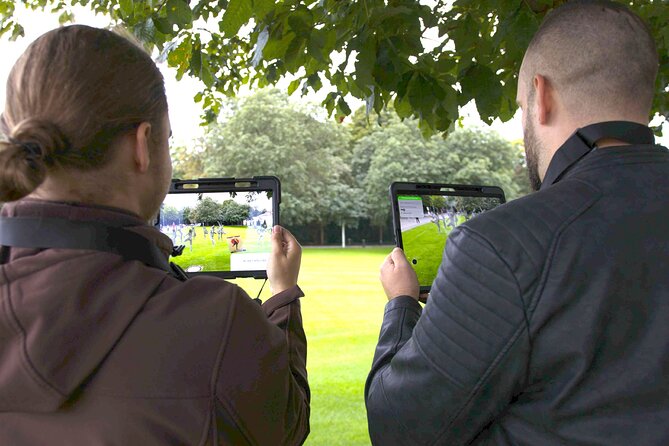
At the Monument to Homosexuals Persecuted Under National Socialist Regime, the tour shifts from institutions and culture to state violence. You’ll learn how the Nazis censored sex, shut down erotic venues, and outlawed sexual diversity.
A key example in the narration is the role of Ernst Röhm, including the execution tied to the Night of the Long Knives. The tour connects this to broader persecution: LGBTQIA+ people, sex workers, and those deemed “degenerate” by the regime were arrested and sent to concentration camps.
The guide also brings in the pink triangle, later reclaimed by the LGBTQIA+ rights movement. That’s an important angle: symbols can be forced on people through hate, then later turned into something that carries memory and resistance.
If you’re sensitive to heavy topics, pace yourself here. The value isn’t in shock—it’s in understanding the machinery of repression so Berlin’s freedoms feel earned, not assumed.
Kurfürstenstraße and Schwerinstraße 9: prostitution, kink culture, and lesbian Berlin
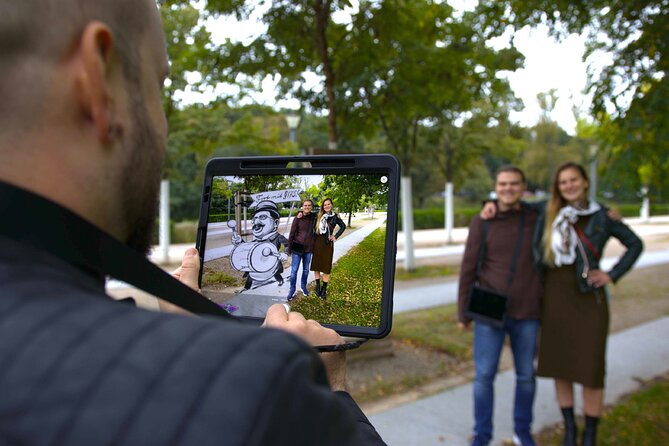
From Kurfürstenstraße, you’ll move into a period before the Nazi crackdown when Berlin’s sexual nightlife gained a reputation for being bold. You’ll walk locations where prostitution was practiced openly and where underground fetish and kink culture developed long before it became mainstream elsewhere.
A good way to think about this stop: it’s not just “sex for fun.” The guide frames these spaces as part of a bigger social ecosystem—where community formed, identities found a place to breathe, and entrepreneurs built around demand. That’s the cultural engine behind Berlin’s reputation.
Then you head to Schwerinstraße 9, tied to one of the strongest lesbian communities of the early 20th century. The tour points to places like the famous Toppkeller, described as a meeting place for women who pushed back against social norms. You’ll also hear about cabaret singer Claire Waldoff and references connected to the Lavender Song.
The stop also includes the story of Josephine Baker, framing her Berlin fame alongside racial discrimination. That part matters, because sex and freedom stories aren’t only about sexuality—they also involve race, acceptance, and exclusion. Berlin’s history includes more than one kind of struggle.
If you want your tour to show that queer history isn’t a single straight line, these two stops do that job well.
Christopher Isherwood’s Berlin: why writers matter to queer history
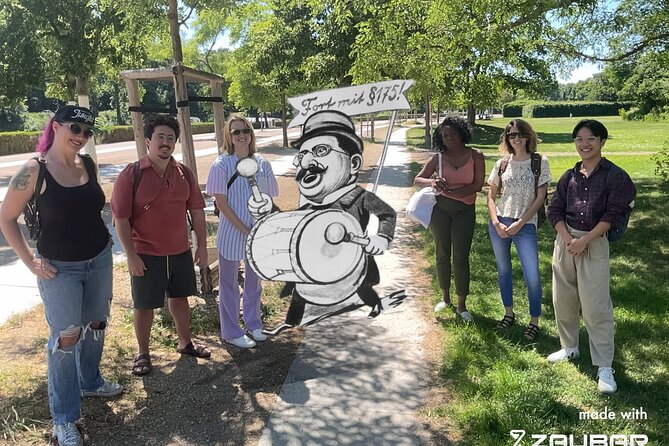
At the residential building connected to Christopher Isherwood, the tour shifts into literature and social atmosphere. Berlin in the 1920s and early 1930s drew gay men from across Europe, and Isherwood is presented as a writer who captured that feeling of possibility before the Nazi rise.
This stop works if you like history through people’s eyes. You’ll connect his memoir perspective to the broader cultural influence—how these stories later fed into adaptations like Cabaret.
It’s also a reminder that “freedom” is often described through art first. People write, perform, and publish before laws catch up, or before crackdowns try to wipe out the evidence.
Eldorado Club at Denns BioMarkt: drag, danger, and the pre-crackdown spectacle
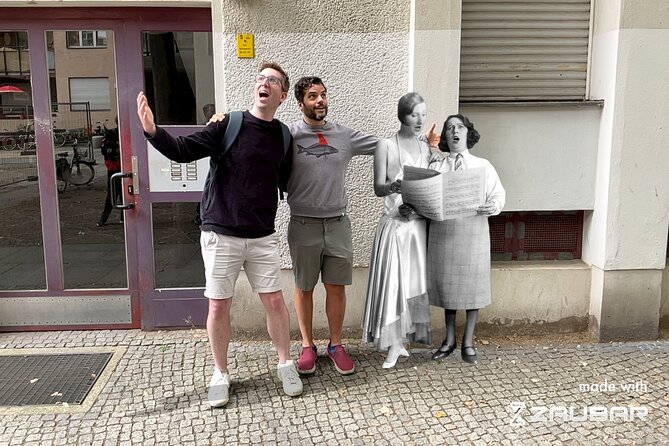
The tour then heads to Denns BioMarkt, used here as a landmark for nightlife history tied to the Eldorado Club. You’ll hear how the club was a meeting place for drag performers, sexually open people, and even high-ranking Nazi officials—at least during the early period before the regime tightened control.
One story included here: Ernst Röhm is described as someone known to frequent the club. You’ll also hear about a visit by a journalist from the US magazine Vogue, who named a drag queen the most beautiful woman in Berlin.
Then the tour brings you back to the hard reality: symbols of openness were shut down as the Nazis moved to enforce “degeneracy” rules. Eldorado becomes less about a single venue and more about the tension between performance and power.
This stop can feel fun on the surface, but it lands with a warning. Berlin’s permissiveness wasn’t protected by the universe. It depended on political conditions.
After WWII: the Wall as a condom of the GDR and the AIDS crisis
At Internationale Stele GEGEN DAS VERGESSEN, you’ll tackle Berlin after WWII, when the city split and so did approaches to sexuality. In West Berlin, the tour describes how the sexual revolution influenced attitudes toward relationships, pornography, and alternative lifestyles.
In East Berlin, the state restricted many freedoms, but public nudism (FKK) became extremely popular. The guide also addresses how the Wall was referred to as the condom of the GDR—an angle that’s both humorous and telling. It points to how people adapted to division in ways they could control, even when other choices were limited.
Then you’ll hear about the AIDS crisis and a conservative politician who saved thousands of lives. The tour doesn’t offer a lot of extra detail in the information you have here, but the point is explicit: policy choices can be life-saving even when they come from unexpected political directions.
This section is valuable because it avoids flattening East and West Berlin into stereotypes. It shows that culture can shift differently under constraint—and that public health isn’t always aligned with who seems ideologically “progressive.”
Today’s sex-positive Berlin: clubs, no-photo culture, and Folsom Europe
The final stop brings you back to Nollendorfplatz with a modern lens. The tour covers today’s open nightlife scene, including Berghain, famous for its strict no-photo policy, plus places like KitKat Club, Insomnia, and Lab.Oratory.
You’ll also hear about Folsom Europe, described as the largest fetish festival in the world, drawing thousands of visitors to Berlin each year. For a lot of people, this is the moment the tour feels most like what they expected to find on a Berlin trip—except now you understand how Berlin got here.
The key value isn’t name-dropping clubs. It’s linking today’s freedom with older cycles of openness and repression. You’ll leave knowing why these scenes exist, what social permission looks like, and how Berlin’s identity keeps reinventing itself.
If you’re planning a night out afterward, this is a good way to get oriented.
AR photos, 200+ archival images, and why the tech isn’t just decoration
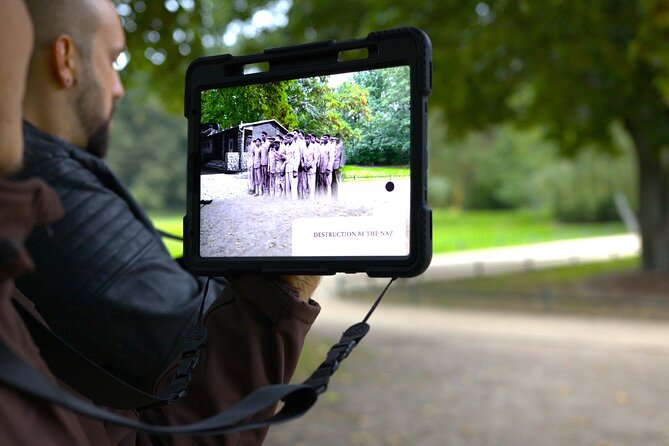
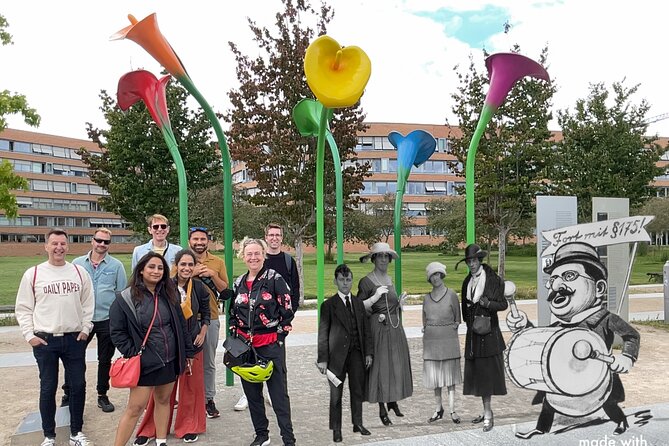
This tour includes augmented reality elements, plus Mixies for personalized AR photos. It also provides access to 200+ rare historical photos, videos, and archival materials. That matters because sex and censorship history can be hard to picture from a sidewalk.
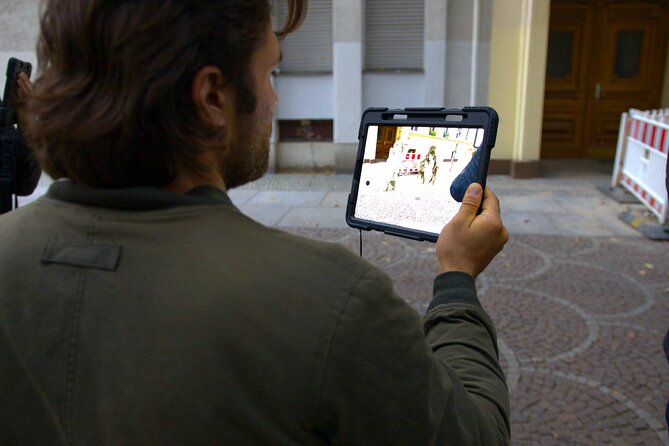
The AR can help you see what the guide is describing: the vibe of a place, how something functioned, and why an earlier moment mattered. One review note says the virtual imagery sometimes felt unnecessary at times, but it still often offered strong visual support for what the guide was explaining.
Think of the tech as a tool, not the main event. The core experience is still the walking conversation. The added visuals help you remember.
Price and value: what $82.90 buys you (and what it doesn’t)
At $82.90 per person for about 3.5 hours, the price is competitive for a guided specialty tour—especially one led by a sociologist and certified sex educator. You’re paying for more than a route. You’re paying for structured context, respectful handling of sensitive history, and a guided Q&A format capped at 10 people.
You also get a set of included extras: AR elements, Mixies AR photos, and access to a large library of archival media. Plus, the tour’s stop sequence is presented with ticket-free admissions for each segment, so you’re not hit with extra entry fees mid-walk.
What’s not included is simple: coffee or tea if you take a break. If you’re the type who likes a caffeine pause while you process heavy topics, plan to grab it on your own before or after.
If you’re already paying for tours on your trip, this one can feel like “money well spent” because it reframes Berlin beyond museums and monuments.
Who should book, and who should think twice
You’ll likely love this tour if you want sex and LGBTQ history treated seriously, not as gossip. It suits curious adults who like social history, public health angles, and the way nightlife connects to identity.
It’s also a solid fit if you’re traveling with friends and want a shared conversation afterward. The small group size and Q&A make it less awkward and more real.
Think twice if you want a purely light, entertainment-first evening. This tour includes persecution history and topics around Nazi censorship and concentration camps. Even with a trauma-informed tone, the subject matter is not effortless.
If you’re sensitive, you might still enjoy it—just go in expecting history with emotional weight, not a party.
Should you book Berlin Uncensored: A History of Sex & Freedom?
Based on what you’re getting—Jeff’s sociologist-led education, a small group, AR support, and a stop-by-stop route through Berlin’s freedom and repression—you should book it if you care about how societies shape sex, identity, and public health.
I’d skip it only if you’re uncomfortable with heavy historical content or if you want nightlife only, with no context. Otherwise, this is one of those tours that helps Berlin make sense fast: you’ll walk away with both names and cause-and-effect, plus practical insight into why today’s clubs and festivals exist.
If Berlin is your only big city stop on the trip, I’d seriously consider it a top “meaningful” experience.
FAQ
How long is the Berlin Uncensored tour?
It runs for about 3 hours 30 minutes.
What group size should I expect?
The tour maximum is 10 travelers.
Is the tour only for adults?
Yes. The minimum age is 18.
Is it offered in English?
Yes, the tour is offered in English.
What’s included besides the walking tour?
You get AR elements, Mixies personalized AR photos, access to 200+ rare historical photos/videos/archival materials, and insider tips on modern sex-positive nightlife and events.
Where does the tour start and where does it end?
It starts at Alnatura Super Natur Markt on Else-Lasker-Schüler-Straße 18, 10783 Berlin, and it ends back at the same meeting point.
Will the tour run in bad weather?
The tour can be canceled in extreme weather conditions like heavy rain or storm, and you’ll receive a full refund.
More Berlin History
More Tour Reviews in Berlin

Round out your days in Berlin
Historical Tours, compared.
 ★ 4.6Natural History Museum Entrance TicketFrom $123,382 reviews
 ★ 4.53-Hour World Heritage Cruise to PotsdamFrom $251,569 reviews
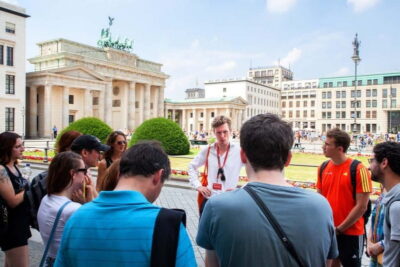 ★ 4.7History of the Third Reich Guided Walking TourFrom $30791 reviews
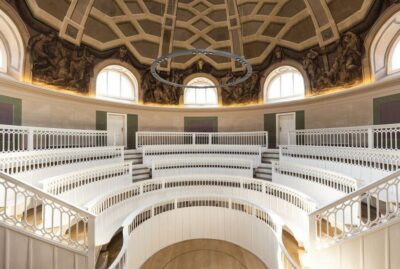 ★ 4.4Berlin Charité Guided History TourFrom $28660 reviews
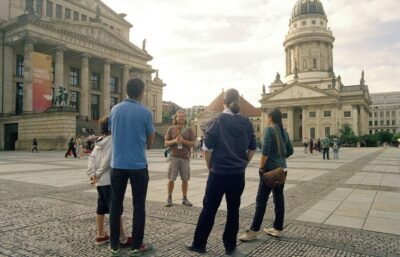 ★ 4.9Berlin Historical Highlights Walking TourFrom $389657 reviews
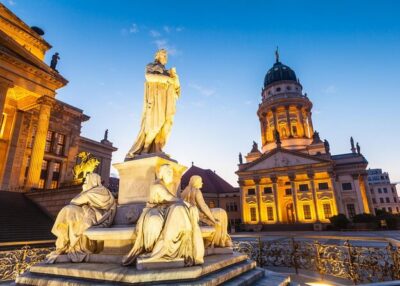 ★ 5.0Berlin Private Complete History All Day Walking TourFrom $253474 reviews
 ★ 4.8Cold War & Berlin Wall History Guided Bike TourFrom $41422 reviews
 ★ 4.5Historic Boat Sightseeing City Center TourFrom $33415 reviews
Browse the lists this tour appears in