
REVIEW · HISTORICAL TOURS
Berlin: Urbex Abandoned Places & History Tour
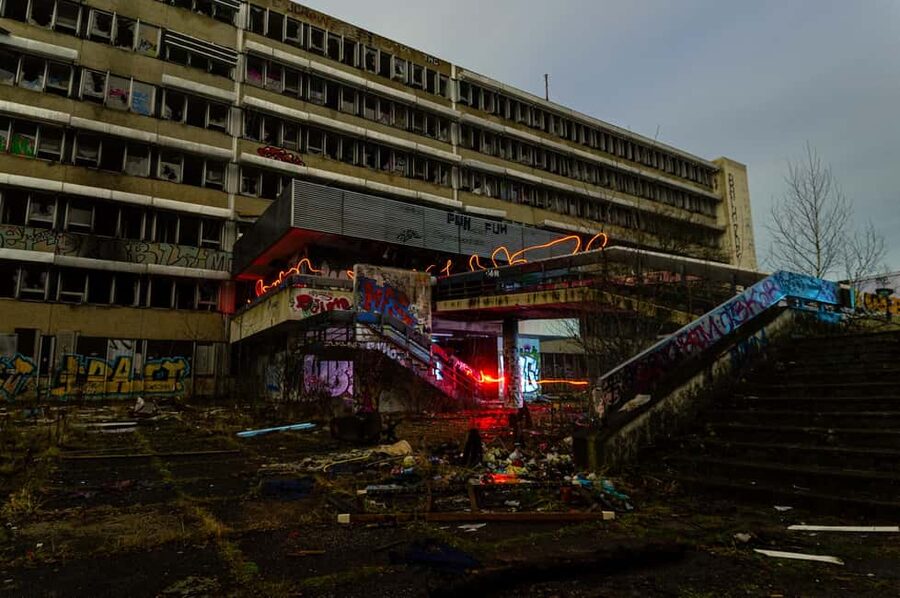
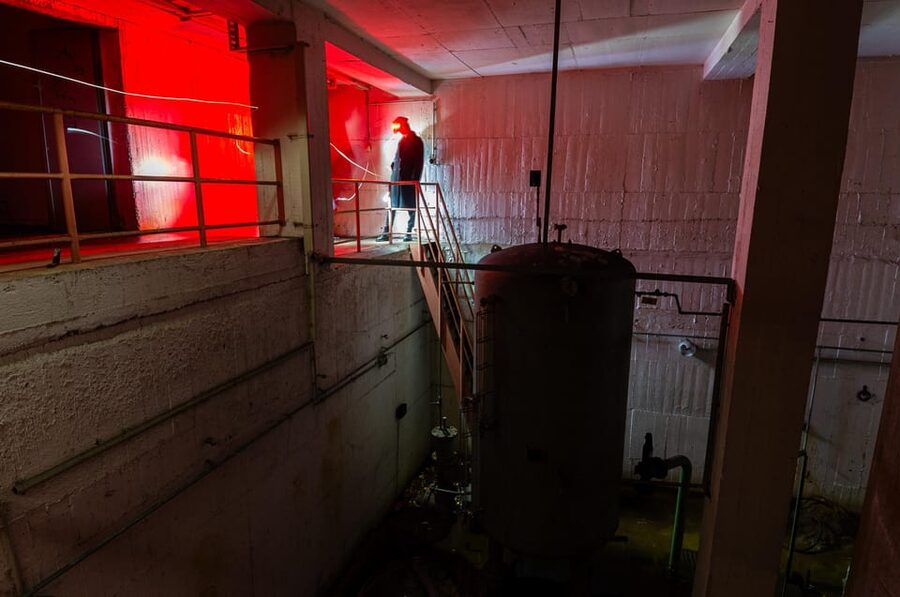
A decaying hospital complex in Berlin feels unreal. This 3-hour Urbex Abandoned Places & History Tour takes you through former Stasi medical sites, then down into dungeons and up to rooftops for views, with an English guide keeping it safe and legal. I especially like the combination of atmosphere and context, so the buildings aren’t just scenery, and I like the hands-on way you’re guided into urbex photography and exploring. The main thing to consider is that the site’s condition and access can be uneven, so you should go in expecting rough, sometimes less-than-Instagram interiors.
Here’s the big idea: the tour blends post-apocalyptic vibes with real political history. You’re not just walking around ruins. You’re learning how the Stasi used a medical network for secrecy, and why these spaces were built to be cut off from the public. Expect a small group of up to 6, torches included, and a steady pace that helps you actually see what’s there.
Before you book, check whether the tour’s physical demands match your comfort level. It’s not set up for wheelchair users, and it isn’t for children under 10, pregnant women, people with high blood pressure, or anyone over 70. I’d also be cautious if you hate dirty clothes and uneven ground.
In This Review
- Key highlights you’ll care about
- Former Stasi hospitals: why this Berlin ruin hits differently
- The 3-hour route: hospitals, tunnels, and rooftops in one flow
- Yoorii (Yuriy) and what a “real explorer” guide brings
- Torches and photo gear: how to avoid turning this into a pain
- Price and value: is $116 worth it for a 3-hour ruin tour?
- Who this Urbex Stasi hospital tour is best for
- Should you book? My straight answer
- FAQ
- FAQ
- How long is the Berlin Urbex Abandoned Places & History Tour?
- What’s included in the tour price?
- Where do I meet the guide?
- Is the tour guided in English?
- How big is the group?
- If I want to take photos, what should I bring?
- What items are not allowed?
- Who is the tour not suitable for?
- Can I cancel and get a refund?
Key highlights you’ll care about
- Stasi hospital history tied to how the Stasi kept agents and operations hidden
- 3-hour route with abandoned interiors, tunnels/dungeons, and rooftop time
- Torches rental included, so you’re not hunting gear last-minute
- Small group (max 6), which helps with navigation and attention
- Photo-focused exploring, plus guidance on getting memorable shots
More of Berlin's long history, guided
- Berlin: Natural History Museum Entrance Ticket★ 4.6 · 3,382 reviews
- Berlin: 3-Hour World Heritage Cruise to Potsdam★ 4.5 · 1,569 reviews
- Berlin: History of the Third Reich Guided Walking Tour★ 4.7 · 791 reviews
- Berlin: Berlin Charité Guided History Tour★ 4.4 · 660 reviews
Former Stasi hospitals: why this Berlin ruin hits differently
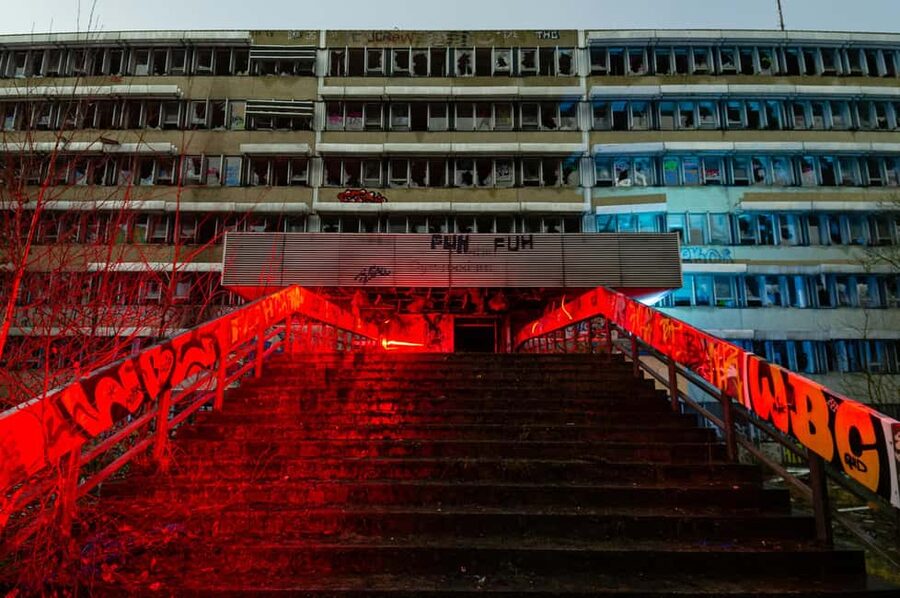
Berlin has plenty of abandoned spots, but the Stasi hospital sites are a specific kind of eerie. These were part of East Germany’s secret police system. The Stasi ran a network of hospitals largely for agents and high-ranking officials, with medical professionals sworn to secrecy. In other words, medicine wasn’t just medicine here. It was wrapped in control, compartmentalization, and protection from prying eyes.
What I like about this kind of tour is that the walls come with an explanation. You can look at a decaying room and think, cool, graffiti. Or you can also understand why the place existed in the first place, how it functioned as a closed system, and why it was positioned away from public scrutiny. The story is tied to confidentiality and security, not just drama.
When the Berlin Wall fell in 1989 and East Germany collapsed, these secret institutions lost their purpose. Once the Stasi regime dissolved, the hospitals were left behind. That’s the moment you’re touring: spaces that were built for secrecy, now open to the public in a way they never were before.
The 3-hour route: hospitals, tunnels, and rooftops in one flow
The tour runs for about 3 hours, and it’s structured around moving through different “levels” of the site. You’ll start by exploring abandoned areas of the hospital complex, then head into the darker, underground portions (often described as tunnels and dungeons), and later climb up to higher ground for rooftop views.
Here’s how that matters in real life:
1) Abandoned hospital sections feel educational, not random.
Even if you’ve never studied the Stasi before, you’ll see how the buildings were used. Hospital spaces have a logic: corridors, rooms, service areas. When those spaces are abandoned, the layout becomes a map of how the system worked.
2) Underground time changes your pace and senses.
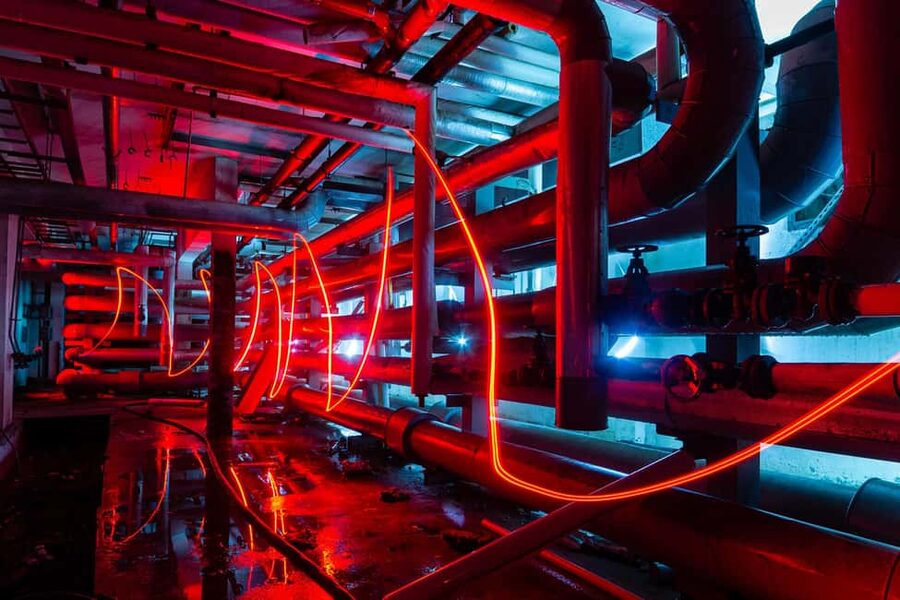
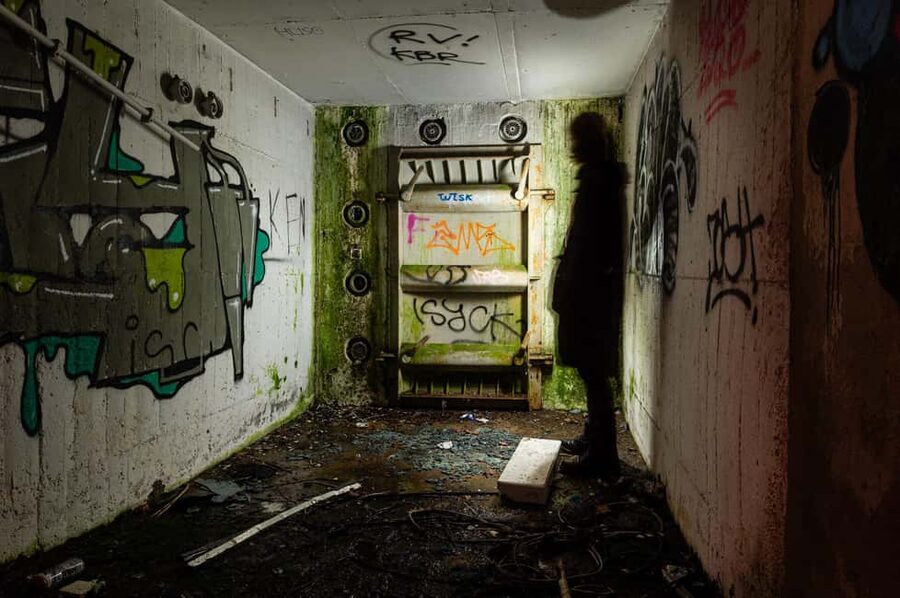
Once you’re in tunnels and dungeons, the lighting and surfaces take over. This is where the tour’s torches (rental included) and your guide’s lead become important. Your job is simple: keep close, follow instructions, and watch your footing. You’re there for atmosphere and history, but also for safe, controlled exploration.
3) Rooftop time gives you a payoff view.
After the underground sections, climbing back up is a mood shift. You get better visibility and a sense of scale. Rooftops are also where photos often turn out best because you can step back and frame the bigger picture of the complex.
A quick heads-up: one account of the experience flagged that parts of the building may be damaged or partially demolished, and some areas might be less accessible than expected. That doesn’t mean the tour is a bust. It means you should treat it like exploration. You’ll likely see a lot, but the exact mix of accessible rooms can vary.
Yoorii (Yuriy) and what a “real explorer” guide brings
This tour is led by an experienced city explorer with English live guiding. The best part isn’t just what you learn, it’s how you’re taught to move through a fragile, complicated space without turning the visit into chaos.
In the guide reports you’ll see a pattern: names like Yoorii (sometimes spelled Yuriy) show up with a reputation for balancing seriousness and humor. That matters because urbex sites can make people act impulsive. A calm guide keeps the group together, helps you avoid wandering into the same-looking corridors for too long, and pushes you to look harder at what you might otherwise skip.
I also like that the guide focus is on learning the urbex culture in a safe and legal way. That’s different from doing it solo. You’re not just chasing adrenaline. You’re being shown how to interpret spaces, how to handle the visit responsibly, and how to enjoy photography without becoming reckless.
Small group size helps too. With 6 participants max, you’re not fighting for the guide’s attention. You also get more control over your own photo rhythm since you’re not constantly re-forming after every turn.
Torches and photo gear: how to avoid turning this into a pain
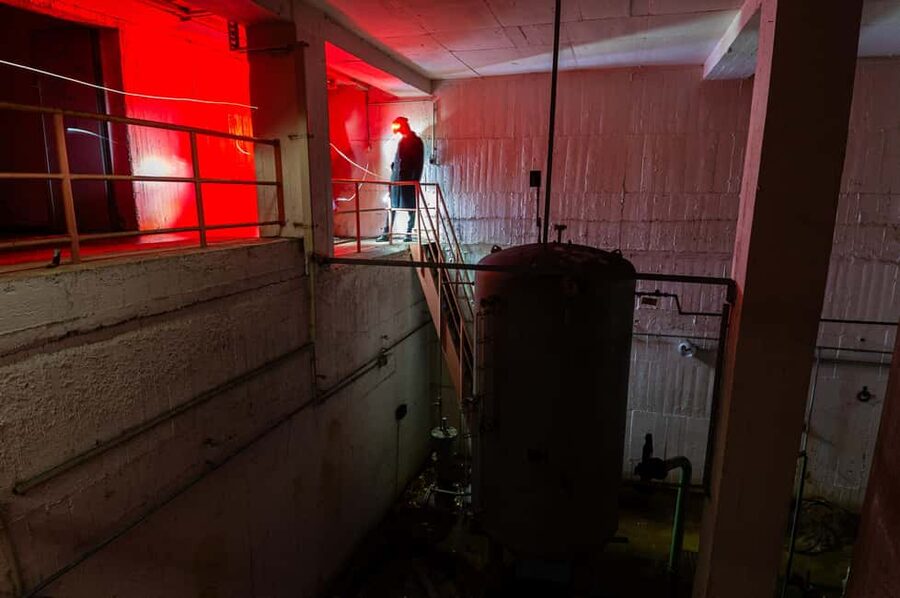
Urbex photography is a big part of the pitch here, and it’s practical. Darkness, angles, and texture are what make old buildings look like stories. The tour supports that with torches rental included, which is huge for avoiding last-minute rental stress.
If you care about photos, bring a tripod (the tour info specifically suggests it). That’s especially useful for low-light interior shots where you’d otherwise end up with blurry frames. Tripods also help you spend less time fiddling and more time composing.
Also, don’t bring a huge bag. The tour guidance says to avoid massive backpacks. That’s about safety and comfort, and it also makes moving through narrow areas easier.
Clothing matters a lot. You’ll want comfortable clothes you don’t mind getting a little dirty. The tour also suggests wearing a cap or something on your head. In abandoned spaces, your biggest enemies tend to be dust, low clearance, and uneven footing, not glamorous weather.
One more factor: you might end up walking on surfaces that are less stable than you’d like. One shared experience mentioned constantly stepping through broken glass and suggested the condition reduced how much historical detail you could comfortably take in. Even if your day looks different, treat the site like it’s rough and prepare accordingly by keeping your gear simple and your focus on safe movement.





Price and value: is $116 worth it for a 3-hour ruin tour?
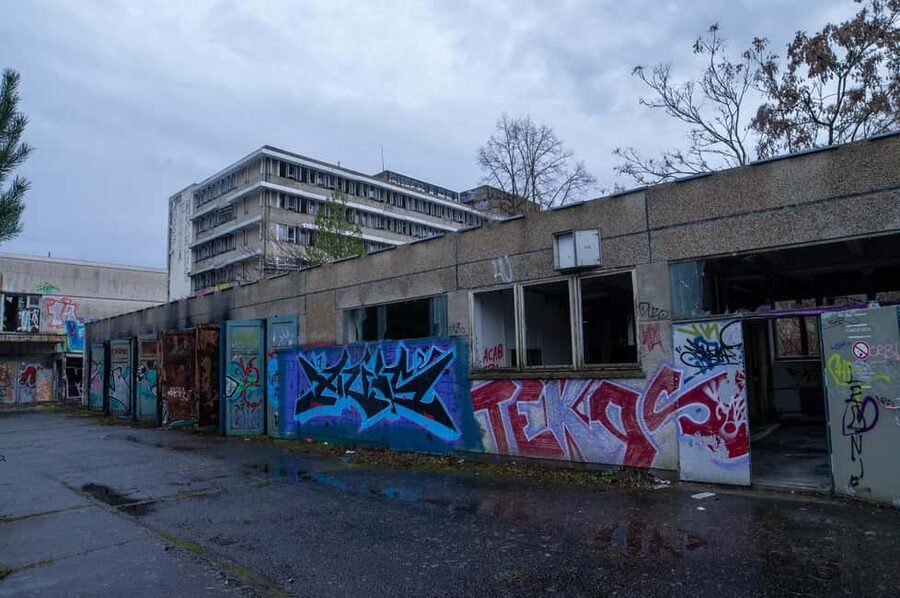
At $116 per person for about 3 hours, this isn’t a throwaway activity. You’re paying for three main things:
1) Access with a guide.
Urbex and historical exploring in a real site is easier and safer when someone experienced handles the route and keeps the group together.
2) A small group format.
Up to 6 participants means you’re not packed in like you’re on a bus, and that translates into better photo opportunities and fewer moments of getting lost.
3) Included torch rental + built-in photo help.
Torches might sound minor, but they’re the difference between seeing something and actually photographing something.
So when is it worth it? If you want a guided experience that mixes Stasi context with hands-on exploration and photography. If you want to be pushed out of your comfort zone in a controlled way, but still feel you’re with someone who knows what they’re doing.
When might it feel pricey? If you expected a perfectly intact, museum-like site. One account pointed out that the building was partially demolished and that some parts felt less “tour-worthy” than you might hope at this price. If you have a strict preference for pristine interiors, you may be disappointed by the realities of abandoned structures.
My advice: treat the $116 as paying for guided access to an atmospheric, history-heavy place, not for guaranteed spotless rooms. If that matches your mindset, it’s a strong value.
Who this Urbex Stasi hospital tour is best for
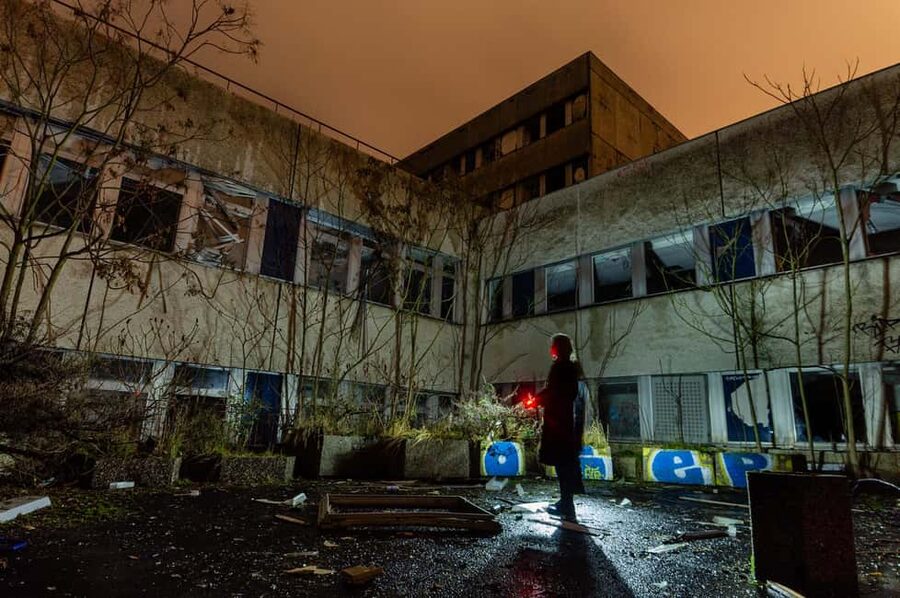
This is very much an adults-only style adventure, with specific limits. It’s not suitable for children under 10, pregnant women, wheelchair users, people with high blood pressure, people over 287 lbs (130 kg), and people over 70.
If you fit the physical requirements, you’re the kind of traveler who enjoys:
- history that’s tied to real systems, not just names and dates
- exploring with rules (so you don’t turn exploration into damage)
- taking photos that show texture, lighting, and scale
- walking through a site at a guided pace instead of guessing your way around
The tour also bans a few things: bikes, alcohol and drugs, and baby strollers/baby carriages. It’s set up for movement on foot, with controlled group behavior.
If you’re on the fence, ask yourself one question: are you okay with a site that’s not pristine? If the answer is yes, you’ll likely enjoy the atmosphere and the story connection. If the answer is no, look for a more standard history walk.
Should you book? My straight answer
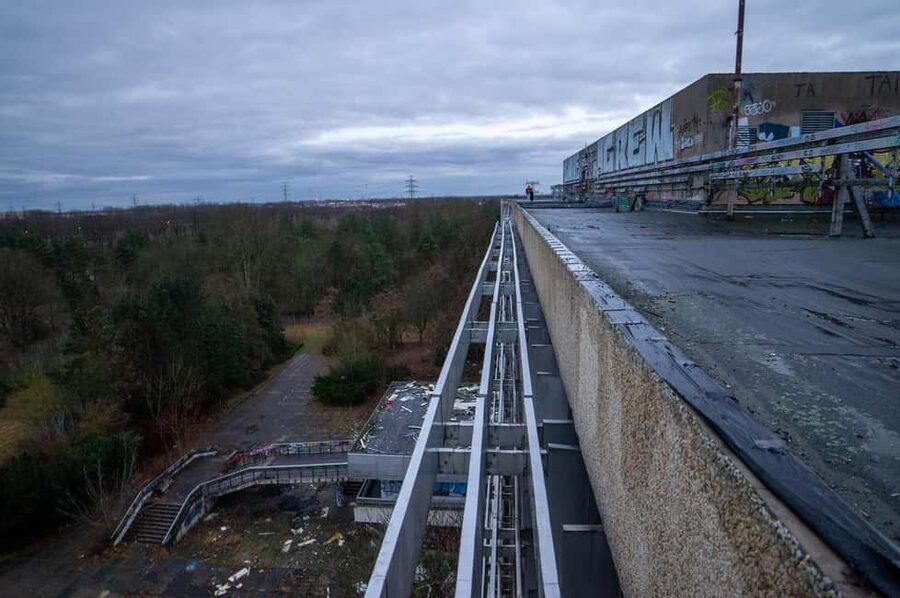
Book this tour if you want Berlin history with an urbex edge. I think the best reason to come is the combo: Stasi hospital background, a route that includes dungeons/tunnels and rooftops, and a guide who helps you see and photograph what’s there without turning it into reckless wandering.
Skip or reconsider if you need a fully intact, comfortable interior experience, or if your health/mobility situation makes uneven ground and low-light areas a bad match. Also, if you’re the type who hates any sense of dirt, dust, or mess, this isn’t built for that mood.
FAQ
FAQ
How long is the Berlin Urbex Abandoned Places & History Tour?
It lasts 3 hours.
What’s included in the tour price?
Torch rental is included.
Where do I meet the guide?
Meet at the S-Bahn Buch exit on the side to the Netto Supermarked. Turn left after you go downstairs.
Is the tour guided in English?
Yes, the tour has a live guide in English.
How big is the group?
It’s a small group, limited to 6 participants.
If I want to take photos, what should I bring?
If you’re interested in photos, bring a tripod.
What items are not allowed?
Baby strollers, bikes, alcohol and drugs, and baby carriages are not allowed.
Who is the tour not suitable for?
It’s not suitable for children under 10, pregnant women, wheelchair users, people over 287 lbs (130 kg), people with high blood pressure, and people over 70.
Can I cancel and get a refund?
Yes. You can cancel up to 24 hours in advance for a full refund. You can also reserve now and pay later.
More Berlin History






More Tours in Berlin


More Tour Reviews in Berlin
Round out your days in Berlin


Historical Tours, compared.
 ★ 4.6Natural History Museum Entrance TicketFrom $123,382 reviews
 ★ 4.53-Hour World Heritage Cruise to PotsdamFrom $251,569 reviews
 ★ 4.7History of the Third Reich Guided Walking TourFrom $30791 reviews
 ★ 4.4Berlin Charité Guided History TourFrom $28660 reviews
 ★ 4.9Berlin Historical Highlights Walking TourFrom $389657 reviews
 ★ 5.0Berlin Private Complete History All Day Walking TourFrom $253474 reviews
 ★ 4.8Cold War & Berlin Wall History Guided Bike TourFrom $41422 reviews
 ★ 4.5Historic Boat Sightseeing City Center TourFrom $33415 reviews
Browse the lists this tour appears in