
REVIEW · BERLIN WALL & COLD WAR
Berlin Wall: City Tour of Divided Germany
Berlin’s border is still visible. This 2-hour city tour strings together the Wall’s impact on daily life and how two hostile systems played out on your route. I especially like the way the guide links big landmarks to the human routines around Friedrichstraße and the border crossings that shaped ordinary days.
I also love the mix of places you recognize fast and spots that usually get overlooked. The best part is the personal storytelling: the tour guide experience is often praised for firsthand-style explanations, with guide names like Stephan and Stefan showing up in feedback. One consideration: it’s a street walk with outdoor stops, so comfortable shoes matter, and you’ll get the narration in German.
In This Review
- Key moments and why they matter
- Price and what your money buys for 2 hours
- Where you start: Tränenpalast by Friedrichstraße station
- Friedrichstraße: the border station and daily-life effects
- Walking along the Spree toward parliament and the government district
- Brandenburg Gate: symbol of division right at the border line
- The Holocaust memorial and the former death strip: a hard stop
- Potsdamer Platz and Tiergarten Triangle: where the split is still visible
- Longest remaining wall stretch and Checkpoint Charlie
- What makes the guide experience so highly praised
- Tips to make your 2-hour walk easier (and better)
- Who should book this Berlin Wall city tour
- Should you book?
- FAQ
- How long is the Berlin Wall city tour?
- How much does it cost?
- Where do I meet the guide?
- What language is the live guide?
- What’s included in the price?
- What should I bring?
- Is there free cancellation?
- Can I reserve and pay later?
- Which major stops are part of the tour?
- Who is this tour best suited for?
Key moments and why they matter
- Friedrichstraße’s border station feel: See the crossing point style, including the single border station role during the Cold War.
- Following the Spree toward power: Watch how government buildings and the border strip shared the same geography.
- Brandenburg Gate as a living symbol: Understand why the border passed right by this iconic landmark.
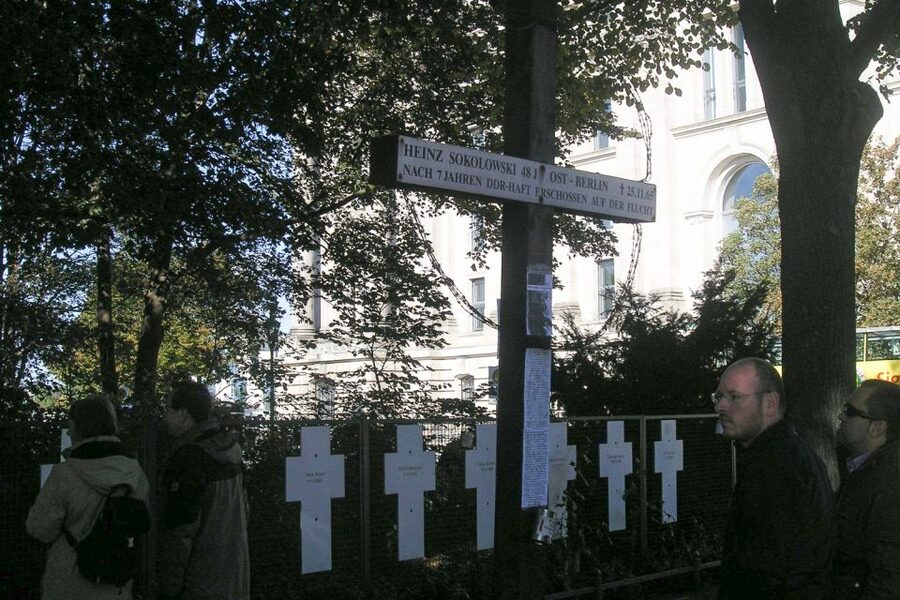
- Holocaust memorial at the former death strip: Hold the emotional weight of the place without rushing past it.
- Potsdamer Platz and Tiergarten Triangle: Spot how the split stayed visible even after the city rebuilt around it.
- Checkpoint Charlie plus the longest wall stretch: End with two famous reference points that make the Wall’s scale concrete.
More of the Wall and the divided city
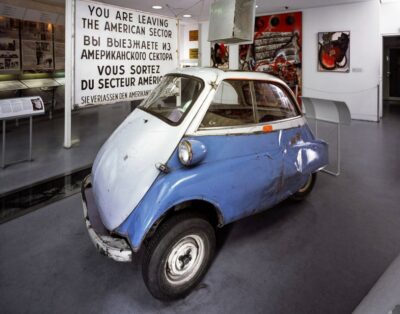
- Berlin’s Best: 2 Hour Walking Tour Third Reich and the Cold War★ 5.0 · 5,486 reviews
- Skip-the-Line: Berlin Wall Museum at Checkpoint Charlie★ 4.1 · 2,041 reviews
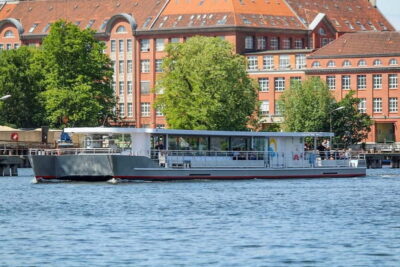
- Berlin: East Side Gallery Spree Cruise in a Solar Catamaran★ 4.1 · 1,086 reviews
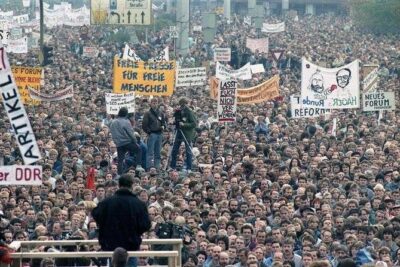
- Cold War, Berlin Wall, Spies and the East Side Gallery★ 5.0 · 1,024 reviews
Price and what your money buys for 2 hours
At $21 per person for a 2-hour live guided walk, this is the kind of Berlin deal that makes sense if you want structure without signing up for a half-day museum marathon. You’re not paying for a ride. You’re paying for a guided route that organizes the chaos of Cold War Berlin into something you can actually picture.
You also get stops that connect emotionally and geographically: a border station area (Friedrichstraße), a major symbol (Brandenburg Gate), a memorial site tied to the Wall’s darkest “no-man’s-land” area, and then the Wall’s remaining segments plus Checkpoint Charlie. In other words, it’s practical sightseeing that tries to explain how the Wall shaped people’s decisions—where they could go, what they feared, and what they saw every day.
Where you start: Tränenpalast by Friedrichstraße station
You begin at the entrance of Tränenpalast (Palace of Tears) in front of Friedrichstraße station, right by Reichstagufer (10117 Berlin). The key detail: Tränenpalast has only one entrance, so don’t waste time circling the building.
This start point matters because it sets the tone fast. Tränenpalast isn’t just a place name; it’s a reminder that border crossings were emotional events, not just lines on a map. Before you ever reach the big photogenic sites, you’re already thinking about waiting, separation, and paperwork reality—stuff that turned daily life into a negotiation.
Practical tip: arrive a touch early. Tränenpalast is right where streets and transit meet, so you’ll want a clean start rather than sprinting to find the group.
Friedrichstraße: the border station and daily-life effects
From the meeting area, the tour focuses on Friedrichstraße station, including its role as a key Cold War border crossing station. If you’ve only seen Berlin Wall history as photos or diagrams, this stop helps you reframe it. A station is where routines happen: arriving late, missing connections, running errands, getting stressed about time.
That’s exactly why this stop works. You’re not just hearing about division—you’re seeing the kinds of places where division became part of everyday movement. Even if you don’t know the specifics of who was allowed to travel and when, the location tells the story. The architecture and the flow of the area help you picture how people adjusted their lives around border realities.
The tour guide’s style is a big part here too. Feedback often points to guides delivering personal, story-driven explanations rather than just reciting dates. If you’re hoping for a tour that explains what it felt like to be there—this is where you usually feel it.
Walking along the Spree toward parliament and the government district
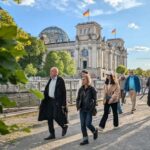
Next, you follow the Spree toward the parliament and government district—buildings that were positioned along part of the border strip. This part of Berlin is a smart choice for a Wall tour because it stops the narrative from staying trapped in the past.
You get a sense of how power and control sat physically close to the boundary. The river helps too. It’s a natural guide, and it keeps the walk from turning into an endless list of stops. As you move, the border story becomes a geography story: where the Wall ran, how close it was to major institutions, and how that closeness shaped the feel of the city.
Possible drawback to note: the walking pace can feel purposeful, not slow and scenic. If you want long breaks for photos or want to read every plaque, plan for a bit less “meandering” than you might expect.
More Berlin tours to line up side by side



Brandenburg Gate: symbol of division right at the border line
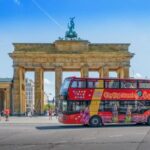
Then you reach Brandenburg Gate, and the tour zeroes in on why the border ran by it. This is the classic Berlin image—so it’s worth slowing down mentally. The gate is famous, sure, but the Wall-era context changes the meaning.
Instead of seeing it only as a landmark, you start seeing it as a checkpoint of emotions: separation and separation again. It’s one thing to know the Wall existed. It’s another to stand where the symbolism meets geography—where a city icon became a witness.
The tour does well here by linking the gate to the daily consequences of division. You’re not just looking at stone and structure. You’re learning how the border turned familiar public space into something more complicated.
The Holocaust memorial and the former death strip: a hard stop
After the gate, the route continues to the Holocaust memorial at the former death strip. This is the most serious stop on the tour, and it deserves a slower headspace.
The value here is simple: the Wall story isn’t only about Cold War politics. It’s also about the brutal consequences of human cruelty and state control. Standing at a memorial area that connects to the “death strip” concept makes the history hit differently than reading about it on a couch.
I recommend approaching this section with the right expectations. If you’re the type who prefers cheerful travel content only, this stop might feel heavy. But if you want your Wall tour to respect the full weight of what happened in Berlin, this is where the tour earns trust.
Potsdamer Platz and Tiergarten Triangle: where the split is still visible
From the memorial area, the tour moves to Potsdamer Platz, where the division becomes particularly visible—followed by the Tiergarten Triangle area. This is a great pairing because Potsdamer Platz is modern enough that you can compare “then versus now” right in front of you.
Even if Berlin has rebuilt, division shaped the city’s layout in ways that still show up. The Tiergarten Triangle reference helps explain why certain parts of the city feel different: you can start to see how streets, access, and sightlines changed under division.
This portion tends to satisfy two types of travelers:
- Those who love architecture and how cities evolve after major disruption.
- Those who want to understand the Wall story as an urban design story, not just a political one.
Longest remaining wall stretch and Checkpoint Charlie
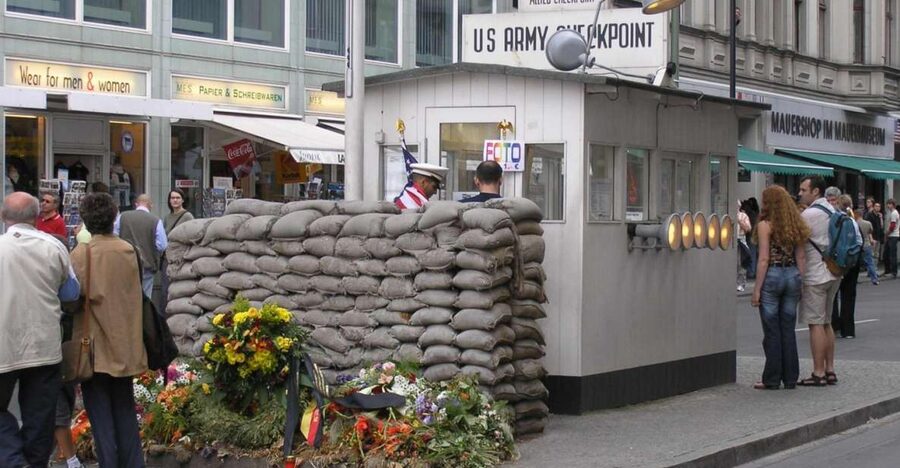
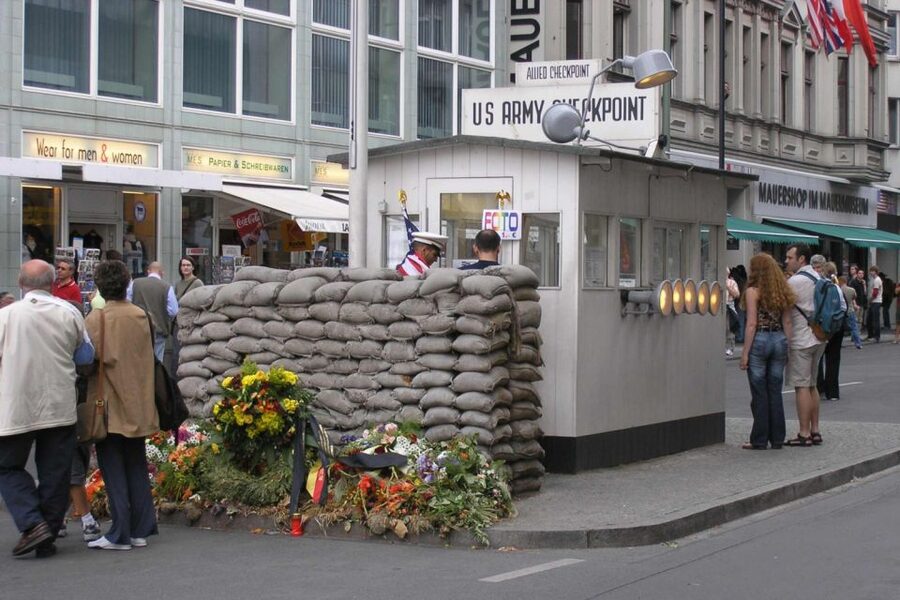
The tour then heads to the longest remaining stretch of the wall and finishes at the world-famous Checkpoint Charlie area. This is where the tour becomes extremely concrete.
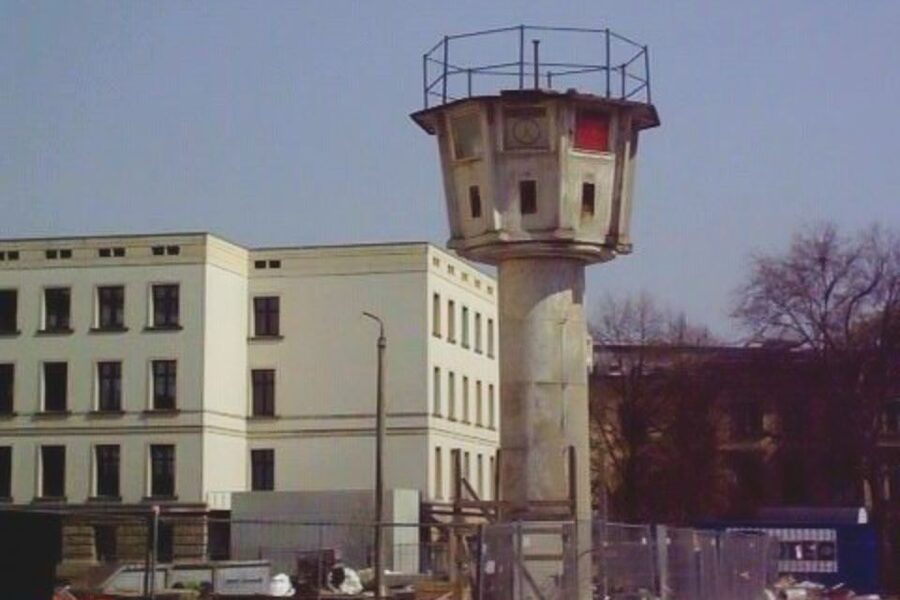
A Wall tour can sometimes feel abstract: you hear about the border, but you don’t see much original structure. Here, the longest remaining stretch helps you grasp scale and texture—how “small” the physical wall can look from a distance versus how controlling it was in reality.
Then you arrive at Checkpoint Charlie, which is famous enough to be tempting to treat like a photo stop. The guide focus (as described in highlights) keeps it from becoming just sightseeing. You use Checkpoint Charlie as a reference point to understand the border’s role in everyday movement—and the fate of people trapped in systems beyond their control.
If you like tours that end with both recognition and meaning, this finish works.
What makes the guide experience so highly praised
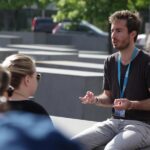
A lot of the positive feedback centers on one thing: the guide’s personal narration. People highlight that the tour feels small-group and intensive, with explanations that go beyond the obvious landmarks.
Guide names like Stephan and Stefan appear in feedback tied to strong storytelling. And one note that stands out: a guide reportedly extended the tour by about an hour, which suggests the pace can flex if the group is engaged.
I can’t promise every tour will run long, but it’s a good sign. It usually means you’re not getting a rushed conveyor-belt walk. You’re getting someone who cares whether the story lands.
Tips to make your 2-hour walk easier (and better)
- Wear comfortable shoes. This is non-negotiable for Berlin sidewalks and curb changes.
- Dress for the weather. Even a short walk gets cold fast when you’re standing still at memorial-adjacent stops.
- Come with one question. Something like: How did the Wall affect daily movement? That helps the guide’s details click.
- Expect a mix of tones. You’ll have iconic sightseeing energy, but you’ll also hit serious ground at the memorial/death strip area.
Who should book this Berlin Wall city tour
Book it if you want:
- A guided route that connects landmarks to daily life under division.
- A structured way to understand Friedrichstraße, Brandenburg Gate, memorial sites, Potsdamer Platz, the longest wall stretch, and Checkpoint Charlie in one walking loop.
- A guide style that prioritizes human stories over a date-heavy lecture.
Skip it if you:
- Need the tour content in a language other than German.
- Want only light, happy photos with no solemn stops.
Should you book?
If your goal is to understand how the Wall shaped Berlin beyond the headlines, this tour is a smart match. For the price, you get a guided route through key sites that make the division visible in space, not just on paper. The strongest reason to book is the consistently praised personal storytelling from the German-speaking guides, including named examples like Stephan and Stefan.
If you’re comfortable walking for 2 hours and you’re okay with a serious memorial stop, I’d say yes. It’s the kind of Berlin experience that leaves you with a clearer mental map—and a more honest understanding of what those borders did to real lives.
FAQ
How long is the Berlin Wall city tour?
The tour lasts 2 hours.
How much does it cost?
It’s listed at $21 per person.
Where do I meet the guide?
Meet at the entrance of Tränenpalast (Palace of Tears) in front of Friedrichstraße station on Reichstagufer, 10117 Berlin. Tränenpalast has only one entrance.
What language is the live guide?
The live tour guide is German.
What’s included in the price?
The city tour itself is included.
What should I bring?
Wear comfortable shoes.
Is there free cancellation?
Yes. You can cancel up to 24 hours in advance for a full refund.
Can I reserve and pay later?
Yes. You can reserve now and pay nothing today.
Which major stops are part of the tour?
You’ll visit Friedrichstraße station, Brandenburg Gate, the Holocaust memorial at the former death strip, Potsdamer Platz (including the Tiergarten Triangle area), the longest remaining stretch of the wall, and Checkpoint Charlie.
Who is this tour best suited for?
It’s best for people who want a guided walk through divided Germany’s story, focusing on how the Wall influenced everyday life and learning hidden places and stories.
More Tours in Berlin




More Tour Reviews in Berlin

The Wall and the Cold-War City



Round out your days in Berlin
Berlin Wall & Cold War, compared.
 ★ 4.9Third Reich & Cold War Guided Walking TourFrom $238,378 reviews
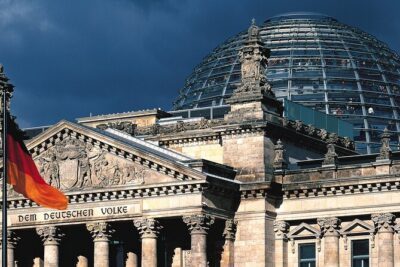 ★ 5.0Berlin’s Best: 2 Hour Walking Tour Third Reich and the Cold WarFrom $245,486 reviews
 ★ 4.1Skip-the-Line: Berlin Wall Museum at Checkpoint CharlieFrom $212,041 reviews
 ★ 4.1East Side Gallery Spree Cruise in a Solar CatamaranFrom $281,086 reviews
 ★ 5.0Cold War, Berlin Wall, Spies and the East Side GalleryFrom $181,024 reviews
 ★ 4.8Wall Tour – Fates, Love Stories, and HeroesFrom $282585 reviews
 ★ 4.5THE WALL: asisi Panorama Berlin TicketFrom $16580 reviews
 ★ 4.8The Wall and Third Reich Guided Bike TourFrom $41578 reviews
Browse the lists this tour appears in