
REVIEW · BERLIN WALL & COLD WAR
Berlin Wall History Small Group Cycling Tour
Follow the Wall on two wheels. You’ll trace the Berlin Wall along the Mauerweg on a guided bike ride, from Bornholmer Straße to Checkpoint Charlie, including the Death Strip area and views from the last watchtower spots. The ride starts where the border opened on 9 November 1989, then flows into Mauerpark with enough context to make the streets feel like part of the story.
I also love the small-group feel (3 to 8 people) and how guides like Ferenz balance clear facts with a personal lens on the Wende years. You’ll hit key memorial areas like Bernauer Straße and Chausseestraße, then move through Invaliden Cemetery, the Parliament of Trees route, and on to Tränenpalast. One big thing to keep in mind: you won’t see long stretches of intact wall today, so the meaning comes from the guidance and the remaining traces.
In This Review
- Key highlights worth planning for
- Bornholmer Straße to 9 November 1989: the border’s sudden opening
- Riding Mauerpark: where the story turns from concrete to everyday life
- Bernauer Straße memorials: when the Wall becomes personal and specific
- Chausseestraße border crossing: the Chapel of Reconciliation and the cost of trying
- Invaliden Cemetery and the Gunter Litfin memorial: names that don’t fade
- Government Bank ride to the Parliament of Trees: change you can feel in the routing
- Brandenburg Gate, Potsdamer Platz, and Checkpoint Charlie: the classics with purpose
- Tränenpalast: the Palace of Tears and why it hits harder on a bike
- What 4 hours on a bike feels like in Berlin
- Price and value: $40 is less about the bike, more about the story
- Who should book this Berlin Wall cycling tour
- Should you book it
- FAQ
- How long is the Berlin Wall history small group cycling tour?
- What is the group size for the tour?
- Where do I meet the guide?
- What language is the tour guide?
- What should I bring with me?
- Is food and drink included?
- Can I bring luggage or large bags?
Key highlights worth planning for
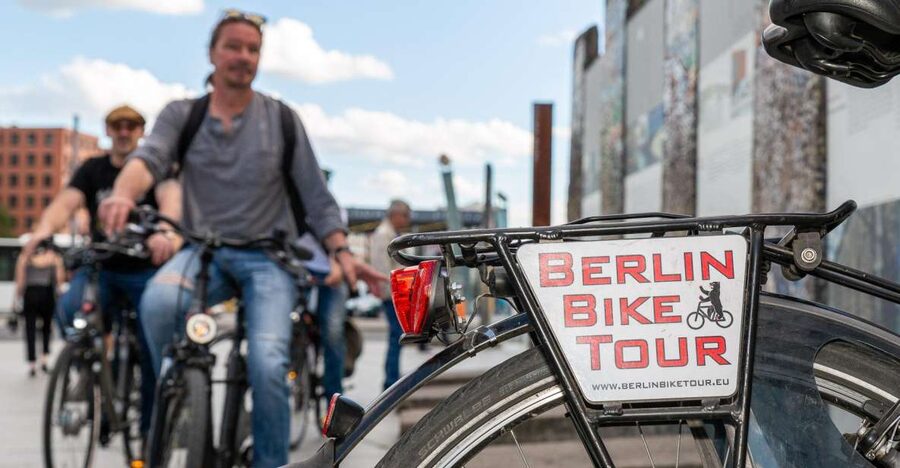
- Cross Bornholmer Straße and ride into Mauerpark with the wall story built in
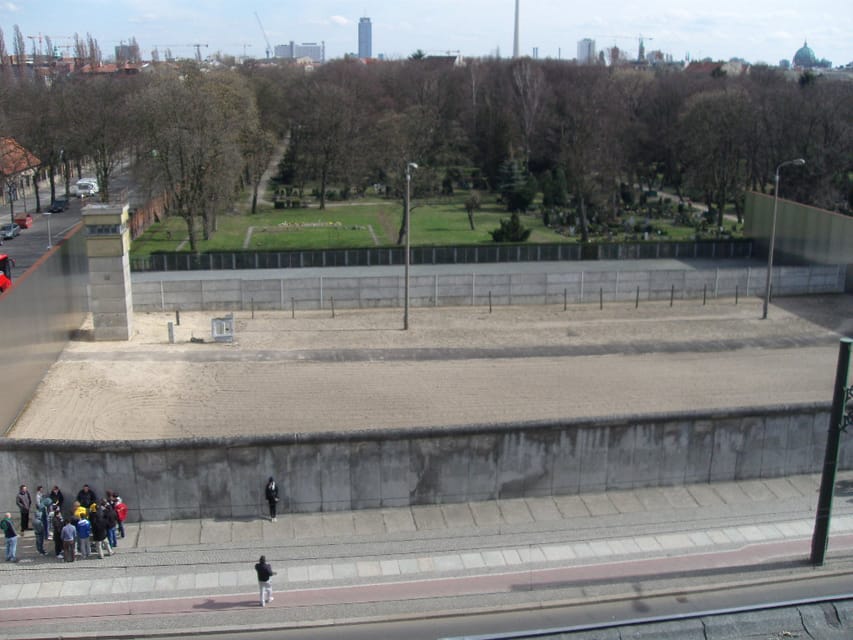
- Bornholmer Straße watchtowers and Death Strip traces help you visualize what vanished
- Bernauer Straße and Chausseestraße memorials where escape attempts are explained on the ground
- Invaliden Cemetery and the Gunter Litfin memorial connect names to desperate moments
- Big photo stops, carefully threaded in: Brandenburg Gate, Potsdamer Platz, Checkpoint Charlie, Tränenpalast
- 4-hour structure that stays practical without requiring you to do museum marathons
More of the Wall and the divided city
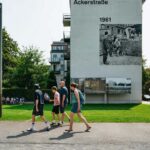
- Berlin’s Best: 2 Hour Walking Tour Third Reich and the Cold War★ 5.0 · 5,486 reviews
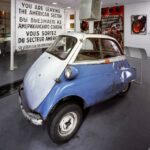
- Skip-the-Line: Berlin Wall Museum at Checkpoint Charlie★ 4.1 · 2,041 reviews
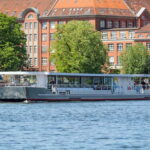
- Berlin: East Side Gallery Spree Cruise in a Solar Catamaran★ 4.1 · 1,086 reviews
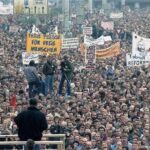
- Cold War, Berlin Wall, Spies and the East Side Gallery★ 5.0 · 1,024 reviews
Bornholmer Straße to 9 November 1989: the border’s sudden opening
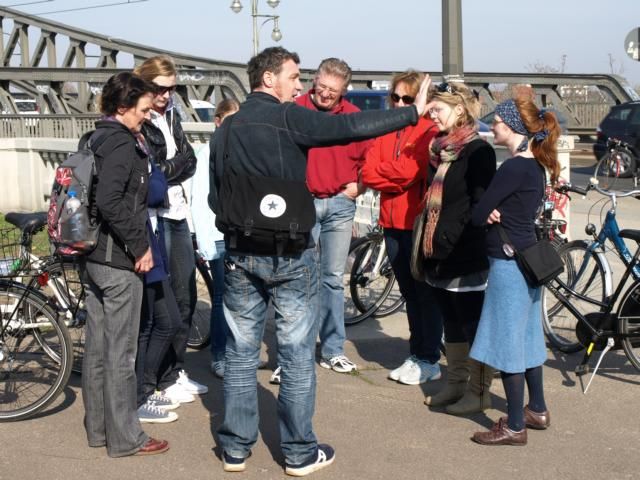
Most Berlin Wall tours start with walls. This one starts with the moment the border broke open. You meet at 75 Bornholmer Straße, then begin right in the area tied to the Square of the 9th November 1989—the place associated with the first East German citizens crossing when events accelerated.
This is a smart way to start because it flips the usual “concrete and fences” mindset. Here, you’re guided to think about timing, rumor, fear, and then sudden choice. Even if the original wall is mostly gone, the streets still “hold” the sequence of what happened.
You’ll also pick up details that make the route feel real. For example, you’ll see how cherry trees came to be grown along Bornholmer Straße, and you’ll get pointed toward surviving features like the watchtower area and the idea of the Death Strip—not as a vague term, but as a concept tied to how the border system worked.
Riding Mauerpark: where the story turns from concrete to everyday life
From Bornholmer Straße, the ride moves through the area linked to Mauerpark. This section is a good example of why cycling works for this kind of history. On foot, you’d be stuck reading plaques. On a bike, you get momentum—and momentum is what helps you connect places.
The tour follows the traces along the Mauerweg route, and you’ll hear how the border line shaped movement, neighborhoods, and daily life. Then, as the city fabric reknits itself, you get to see how the park atmosphere contrasts with what the space used to mean.
A neat touch here is the way the route uses visible markers and “visual guidance” around the wall theme. You’ll even be directed to follow rabbit pictures on the ground on parts of the route—oddly memorable, and that’s the point. You remember it because it’s unusual, and it gives you a mental thread you can keep pulling.
Bernauer Straße memorials: when the Wall becomes personal and specific
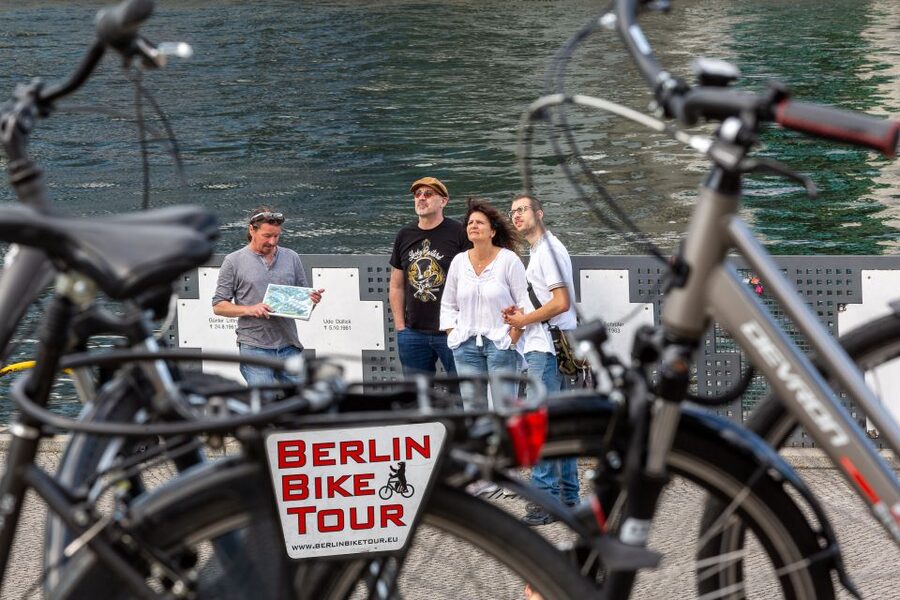
One of the most powerful sections happens at the Bernauer Straße area. This is where the story moves from broad Cold War talk into very specific human outcomes. You’ll visit Wall memorials at Bernauer Straße, and the way the guide frames the site matters: the explanation focuses on what people faced at the border, not just what happened in the abstract.
Bernauer Straße is also a place where you can’t pretend the wall was just a “line on a map.” It was a system that controlled movement and separated families. You’ll hear fateful stories tied to escape attempts and the consequences that followed.
If you like history with tight geography—if you want to stand where the events connect—you’ll appreciate this stop. It’s not just about watching buildings. It’s about understanding why certain spaces were chosen and how surveillance and control worked.
Chausseestraße border crossing: the Chapel of Reconciliation and the cost of trying
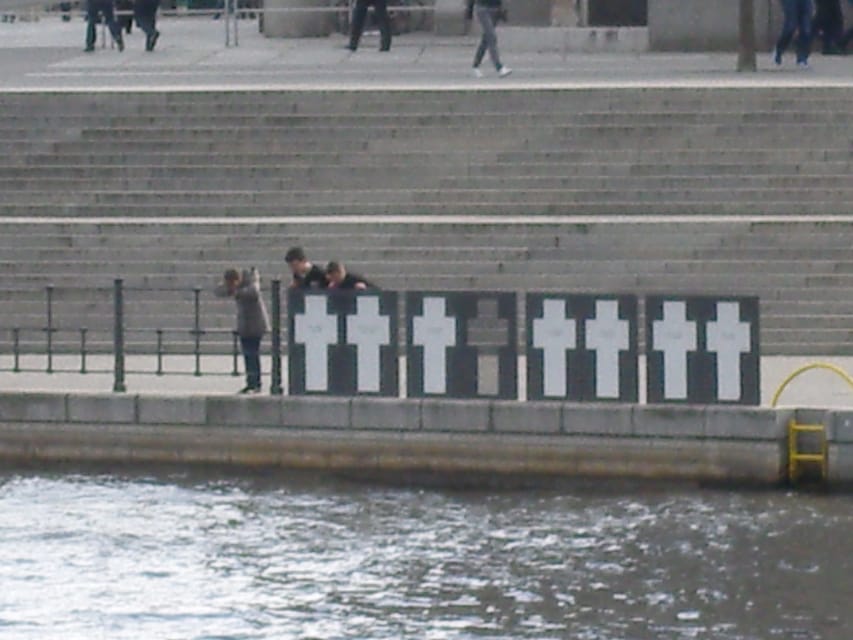
After Bernauer Straße, the tour continues toward Chausseestraße, including the border crossing area and the Chausseestraße memorial context. This is another place where the tour’s pacing helps: you arrive already thinking like a border system, so the memorial meaning lands faster.
You’ll also experience the Chapel of Reconciliation area on the route. That matters because it shifts the emotional register. You’re not only processing tragedy; you’re seeing how Berlin marked the need for meaning, remembrance, and coming to terms with what happened.
This section is also a strong choice for travelers who like their history to come with named stories and concrete locations. You’re not left with generalities. The guide ties what you see to what it meant for people at the time.
More of Berlin by bike


Invaliden Cemetery and the Gunter Litfin memorial: names that don’t fade
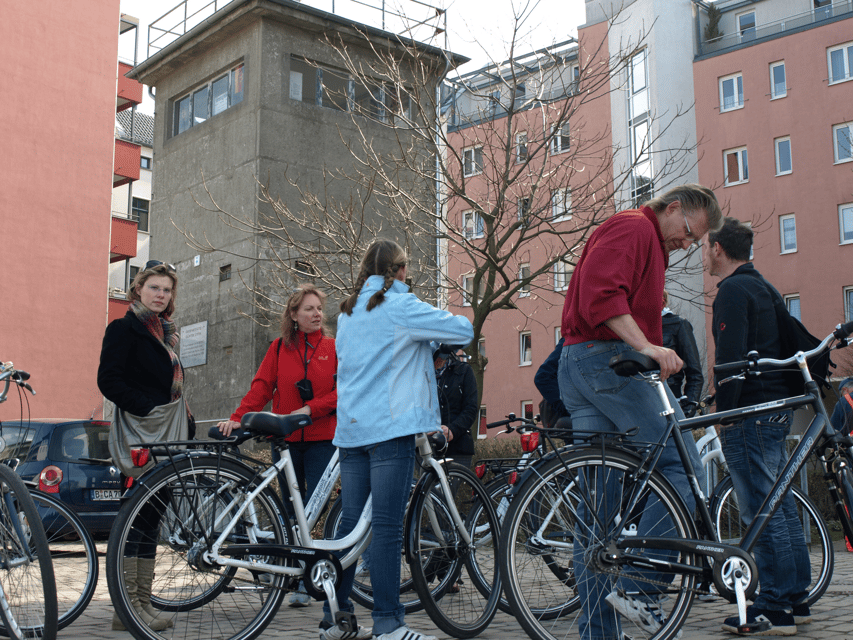
Next up is Invaliden Cemetery and the former Invalidenstraße border crossing traces. This stretch is, in my opinion, one of the tour’s most affecting parts—not because it’s the loudest, but because it’s direct.
The tour includes the Memorial Gunter Litfin, which helps turn the tragedy into a person you can hold onto. When a name is anchored to a specific site, it stops feeling like background information and starts feeling like a real moment with real stakes.
You’ll also hear how the cemetery and surrounding border traces relate to escape attempts and the harsh reality of crossing or trying to cross. The lesson here is grim, but it’s valuable: the wall wasn’t just a physical barrier. It was enforced policy backed by deadly risk.
Bring your ability to focus for a few minutes. This stop rewards calm attention more than speed.
Government Bank ride to the Parliament of Trees: change you can feel in the routing
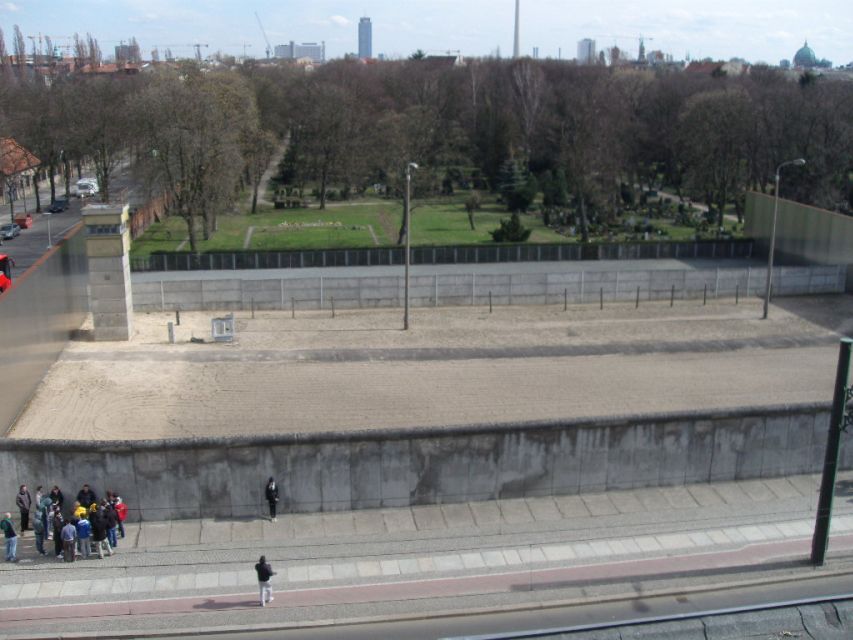
After the heavier memorial sections, the tour shifts tone with a ride along the Government Bank and toward the Parliament of Trees. This part is practical history—less about dramatic moments, more about how Berlin redeveloped power, memory, and space after reunification.
You’ll likely notice how the route moves you through areas tied to modern governance while still keeping the wall context alive. Even if you’re not staring at a wall segment, you’re riding through the city’s reshaped structure, which is exactly what you want after you’ve just been standing with the past.
The Parliament of Trees stop also works as a mental reset. You’ve been hearing difficult stories; now you’re shown how the city has tried to reframe public space and forward motion.
Brandenburg Gate, Potsdamer Platz, and Checkpoint Charlie: the classics with purpose
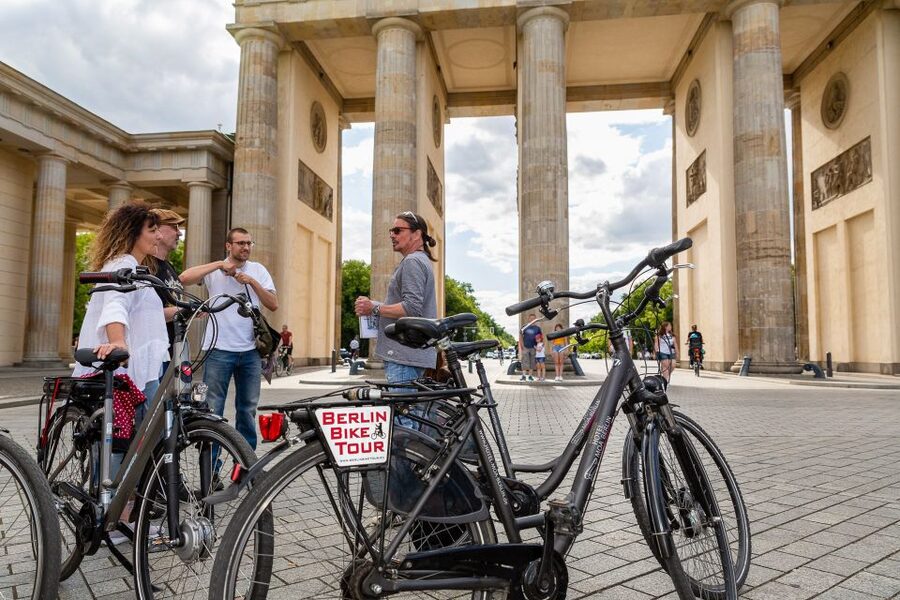
Now the tour heads into big-ticket Berlin territory: Brandenburg Gate, Potsdamer Platz, and Checkpoint Charlie. These are popular stops for a reason. They’re visually iconic. Still, the smart move is how the tour threads them into the wall story rather than treating them like a photo checklist.
The guide’s explanations help you interpret why these places mattered during division—how people moved, where restrictions concentrated, and how the political “center stage” shaped the way the world saw Berlin.
You’ll even be guided along a route that connects these landmarks with the wall trail feel, including those rabbit route markers you’re following earlier. It sounds playful, but it’s actually useful. It keeps you from getting lost when the city starts to look like… well, a modern city again.
At Checkpoint Charlie, the emphasis is on what this point represented during Cold War life: a controlled interface between systems. Then the tour continues on to Tränenpalast so you don’t stop at the spectacle. You get the human side too.
Tränenpalast: the Palace of Tears and why it hits harder on a bike
The ride ends in the orbit of Tränenpalast (the Palace of Tears) on Friedrichstraße. This is a powerful capstone because it turns border policy into an emotional memory space.
The tour also has you cycling through the surrounding historic layers along the way, so Tränenpalast doesn’t feel isolated. You’ll ride past areas including the Friedrichstadt Palace, Museum Island, the New Synagogue, and the Old Berlin Post Office. Even when you’re just passing by, the guide helps connect the urban geography to how division and reunification played out in real neighborhoods.
The best part is that you’re not just arriving at a landmark. You’re arriving after hours of building context—watchtowers, death-strip concepts, memorial names, and border traces. By the time you reach Tränenpalast, you’re primed to understand why people associate borders with grief, pressure, and last chances.
What 4 hours on a bike feels like in Berlin
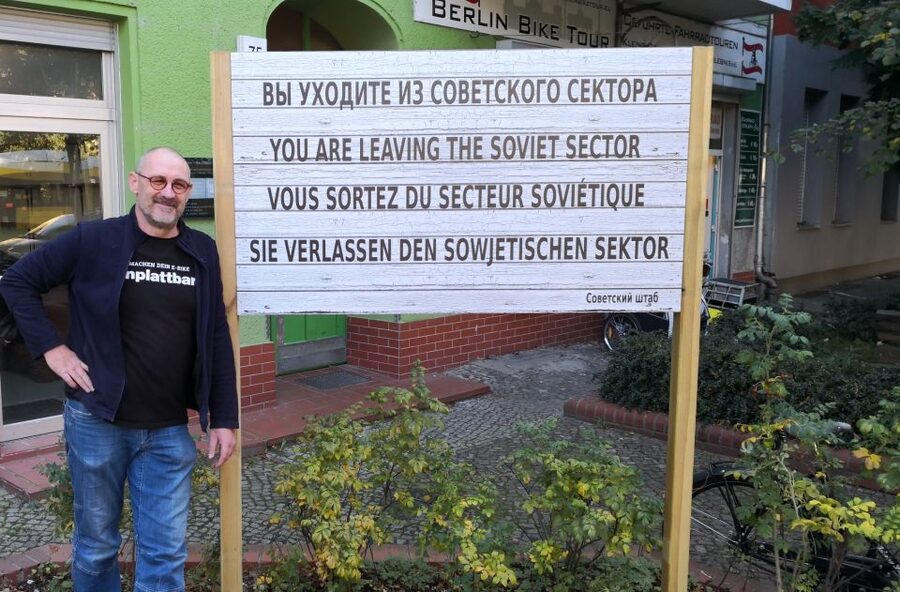
This is a 4-hour small group cycle tour, limited to 8 participants and starting with a minimum of 3. In practice, that group size is a big deal. You’re more likely to get a guide’s attention, and you can ask questions without the tour turning into a moving train of people.
You’ll have a bicycle included. The rides are city-focused, so think straightforward streets and normal urban cycling demands. You won’t need off-road gear. Still, you should show up ready to pedal and concentrate—this isn’t a slow “roll and gossip” tour.
Also plan for weather. The tour runs in all weathers, and you’ll receive a rain poncho if necessary. That’s one of those small inclusions that prevents your day from turning into a soggy misery contest.
One practical note: no luggage or large bags are allowed. Bring a day-sized setup and keep it light.
Price and value: $40 is less about the bike, more about the story
At $40 per person for a 4-hour guided small-group cycling tour, the value comes from what’s included: bicycle, fees, and a city guide, plus a rain poncho if needed.
That matters because this route is hard to assemble on your own unless you already know what you’re looking for. The physical Wall is mostly gone, so what you need isn’t more walking—it’s the interpretive layer. The guide is the difference between seeing memorials and understanding what they mean in sequence.
Food and drink aren’t included. You’ll want to handle that before you start (or plan a snack after). This tour is the kind of experience where the schedule is part of the quality. You shouldn’t feel forced to pause for meals mid-story.
Who should book this Berlin Wall cycling tour
This one suits you best if:
- you want a Wall-focused route that’s still connected to everyday Berlin
- you like history explained with specific places, not just broad facts
- you’re comfortable cycling in a city setting for a few hours
- you want a small group so the guide can keep explanations personal
It may not be the best fit if:
- you expect long visible stretches of the original Wall (there aren’t many left)
- you need English guidance on every detail, since the live guide is German
- you prefer a slow, museum-heavy day instead of a moving route with frequent context stops
Should you book it
If you want one strong Berlin experience that blends the big “icon sites” with the more intimate memorial geography, I’d say yes. This tour is built for momentum: it starts at the border’s breaking point, pushes through key memorial zones like Bernauer Straße and Invaliden Cemetery, and then lands at Tränenpalast with the emotional weight already earned.
Book it if you’re ready to ride, listen, and let the guide stitch the remaining traces into a clear timeline. Skip it only if you’re chasing intact wall walls for photos above all else.
FAQ
How long is the Berlin Wall history small group cycling tour?
The tour lasts 4 hours.
What is the group size for the tour?
It runs in a small group with a minimum of 3 participants and a maximum of 8.
Where do I meet the guide?
Meet at 75 Bornholmer Straße, Berlin 10439.
What language is the tour guide?
The live tour guide speaks German.
What should I bring with me?
Bring a passport or ID card, sunglasses, a sun hat, and a camera.
Is food and drink included?
No. Food and drink are not included.
Can I bring luggage or large bags?
No. Luggage or large bags are not allowed.
More Tour Reviews in Berlin

Berlin by Bike
The Wall and the Cold-War City
Round out your days in Berlin
Berlin Wall & Cold War, compared.
 ★ 4.9Third Reich & Cold War Guided Walking TourFrom $238,378 reviews
 ★ 5.0Berlin’s Best: 2 Hour Walking Tour Third Reich and the Cold WarFrom $245,486 reviews
 ★ 4.1Skip-the-Line: Berlin Wall Museum at Checkpoint CharlieFrom $212,041 reviews
 ★ 4.1East Side Gallery Spree Cruise in a Solar CatamaranFrom $281,086 reviews
 ★ 5.0Cold War, Berlin Wall, Spies and the East Side GalleryFrom $181,024 reviews
 ★ 4.8Wall Tour – Fates, Love Stories, and HeroesFrom $282585 reviews
 ★ 4.5THE WALL: asisi Panorama Berlin TicketFrom $16580 reviews
 ★ 4.8The Wall and Third Reich Guided Bike TourFrom $41578 reviews
Browse the lists this tour appears in