
REVIEW · STREET ART & ALTERNATIVE BERLIN
East Meets West: Berlin Food Culture & Street Art
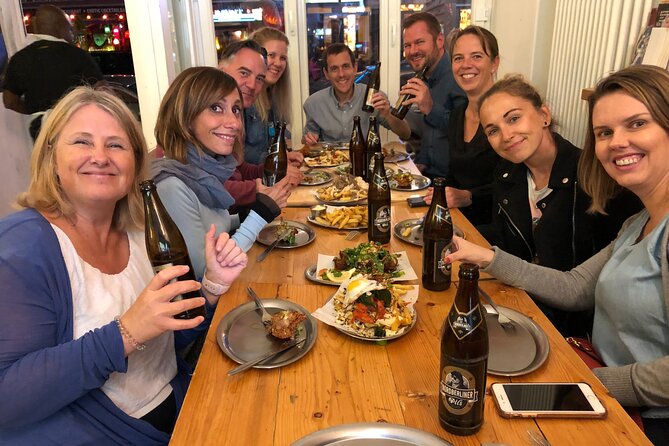
Berlin tastes like a story you walk. This 3.5-hour small-group tour strings together street art and food culture with hands-on stops like the East Side Gallery and real Wall sections, plus neighborhood history from Nazi and Communist eras. I love how the guide ties what you eat to what Berlin became, and I love the intimate pacing (max 8 people) with guides named Lee, Elena, Tiago, and Will showing up in the tour’s crowd of loyal fans for mixing strong city context with lots of food talk.
One possible drawback: you’ll be on your feet for a moderate walk with frequent short tasting stops. If you want one big “sit-down” meal or long museum time, this format may feel more like a moving snack-and-sight day than a slow deep-dive.
In This Review
- Key things to know before you go
- How this 3.5-hour Berlin mix of food and street art actually feels
- Friedrichshain start: East Berlin vibes and why the neighborhood matters
- East Side Gallery and the Wall: art that you can physically point to
- Crossing into Kreuzberg for food trends and street-level history
- Schnitzel, currywurst, and the Berlin classics you’ll understand better after tasting
- Street art stop: creative culture as a living map
- Ukrainian soul food and nalivanki: Slava Berlin! makes the immigrant story taste real
- Turkey in Kreuzberg: Leylak and Little Istanbul flavors
- Markthalle Neun: the market hall that survived the war
- Vegan donuts at Brammibal’s: Berlin’s plant-forward streak
- Coffee and drinks: why the tour includes them for a reason
- Price and value: what $169.38 buys you in real-world terms
- What I’d pack and how to keep the day easy
- Who should book this Berlin tour
- Should you book East Meets West: Berlin Food Culture & Street Art?
- FAQ
- How long is the tour?
- What does the tour cost?
- What food and drinks are included?
- Is there a vegetarian option?
- Where do I meet, and where does the tour end?
- Do I need a BVG transport ticket?
Key things to know before you go
- Maximum 8 people: small group means more back-and-forth and fewer bottlenecks at food stops
- 6 tastings + drinks: you’re not just grazing; the plan includes beverages and Berliner Pilsner beer
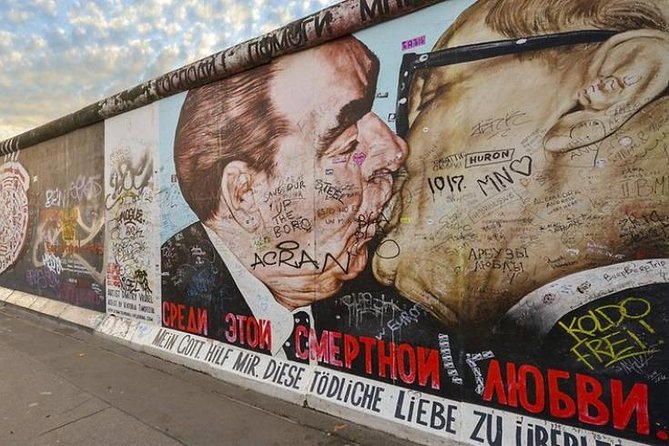
- Wall art you can touch: the East Side Gallery includes time at the longest still-standing stretch of the Berlin Wall
- Food spans multiple cultures: German classics show up next to Turkish, Ukrainian, and other international bites
- Kreuzberg is the payoff: you end in the neighborhood where the city’s immigrant communities shape what you eat
More murals and back-street Berlin
- Berlin: City Street Art Guided Walking Tour★ 4.8 · 1,051 reviews
- Berlin: 3-Hour Street Art Tour★ 4.7 · 778 reviews
- Berlin: Alternative Bike Tour of Kreuzberg & Friedrichshain★ 4.7 · 548 reviews
- Berlin Off-the-Beaten-Path Walking Tour: Kreuzberg, Mitte and Friedrichshain★ 5.0 · 412 reviews
How this 3.5-hour Berlin mix of food and street art actually feels
This is the kind of tour that works well when you want to understand Berlin fast, without turning your day into a checklist. You start at Friedrichshain and work toward Kreuzberg, with street art and political history threaded through the food stops instead of treated like separate worlds.
The pacing is practical: you get multiple tastings, plus coffee, plus a beer, while the walk keeps your brain engaged. Expect a steady rhythm—short segments of history or street-art context, then taste, then move on. It’s ideal if you like your travel days active, but still guided.
Also, it starts at 12:00 pm (so it’s more of an afternoon start than a morning one). I’d plan to arrive hungry, with breakfast already handled. One of the most consistent pieces of advice from people who loved the tour is simple: skip the heavy meal beforehand, because you’ll have plenty to eat as you go.
Friedrichshain start: East Berlin vibes and why the neighborhood matters
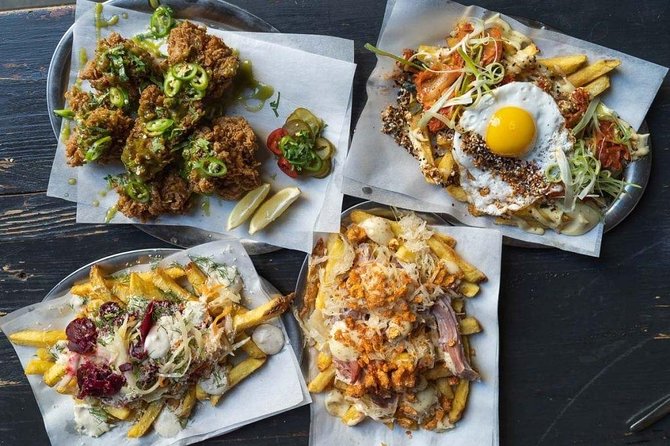
Your meet-up is at Industriepalast Hostel, Warschauer Str. 43, in Friedrichshain. From there, you get your bearings in a part of town known for its East Berlin energy—revolutionary in reputation, and historically important in the city’s divided past.
Stop 1 is right in the neighborhood: you get about 20 minutes here, with no admission ticket needed. This is more than warm-up time. Friedrichshain sets the tone for the whole walk: Berlin isn’t just one style or one chapter. You’re about to see how the city’s politics, migration, and creativity all overlap on the street.
If you like “why this street looks like this” rather than just “what street it is,” you’ll enjoy this opening phase.
East Side Gallery and the Wall: art that you can physically point to
Next comes one of Berlin’s most famous outdoor galleries: the East Side Gallery. You’ll spend about 20 minutes here, and you also get something special: the chance to touch a still-standing portion of the Wall.
That matters because street art can be photographed, but the Wall is different. Standing near the real remnants turns the stories more concrete. Even if you’re only passingly familiar with Berlin Wall history, your guide’s job here is to connect the messages in the murals to the political reality that created them.
You’ll also hear how this stretch became the longest still-standing segment of the Wall. The practical takeaway: use this stop to understand what changes in Berlin look like on the ground—then watch how the neighborhoods you walk into later reflect that shift.
Crossing into Kreuzberg for food trends and street-level history
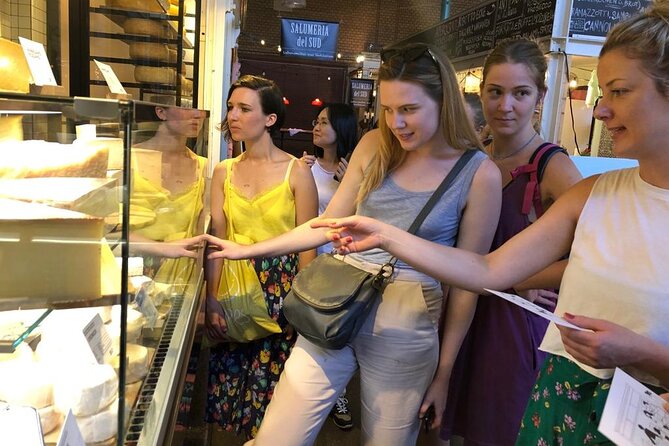
After the Wall-side art time, you cross over into Kreuzberg. You get roughly 30 minutes here before diving into specific food stops. This part of the route is where the tour starts to feel like it’s moving through Berlin’s modern identity—creative, mixed, and shaped by waves of communities settling and building new food traditions.
Kreuzberg is where the tour’s “East meets West” theme makes sense. You’ll see it in how the guide explains neighborhood meaning, and then you’ll see it immediately in what you taste: German comfort food first, then bolder, immigrant-influenced choices.
One practical note: this section is where you’ll want to keep your energy up. Short tastings add up fast, but the walking and the cultural context can also make you feel like you’re running on a busy brain. Good shoes help.
More Berlin tours to line up side by side


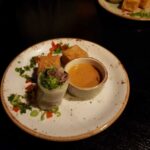
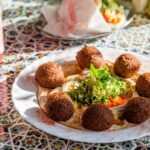
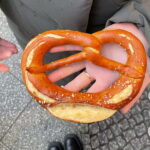
Schnitzel, currywurst, and the Berlin classics you’ll understand better after tasting
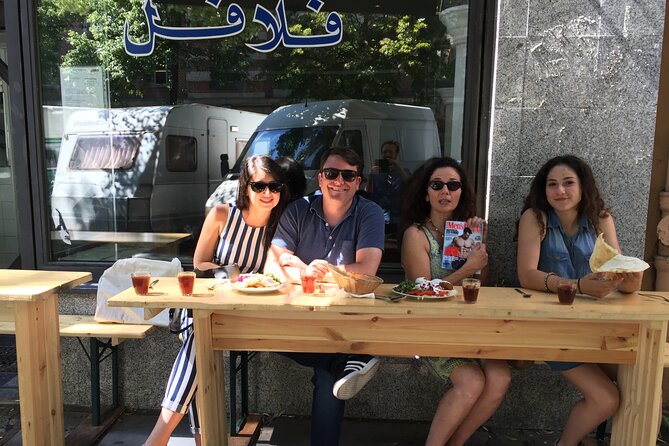
A true Berlin food tour needs a classic, and you get it: Scheers Schnitzel, a Berlin-style schnitzel institution. It’s a short stop (about 15 minutes), but the idea is clear—you’re tasting the kind of food that locals have made routine, not trendy.
Then you hit Ketels Curry, with about 20 minutes here focused on currywurst. The tour frames the story in a way that sticks: currywurst isn’t just a snack, it’s a piece of Berlin food culture that changed the way the city eats. You learn the origin story behind what many people treat like a default order.
If you’re wondering what to do with this tasting later, here’s my best advice: order similar things later in Berlin and use the tour context to spot what’s typical versus what’s a chef’s variation. That’s where the value shows up—you start reading menus like a local.
Street art stop: creative culture as a living map
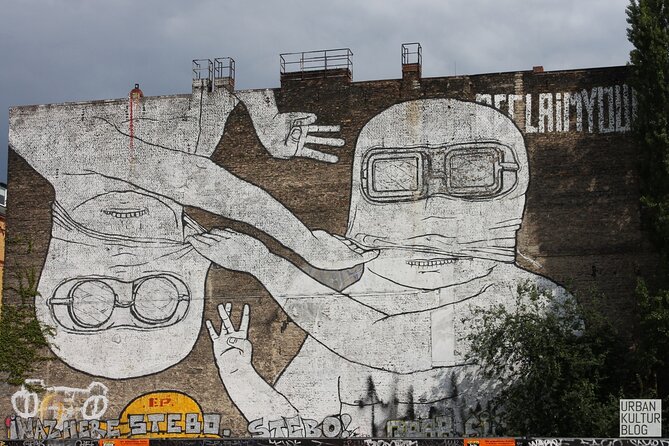
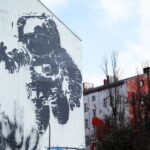
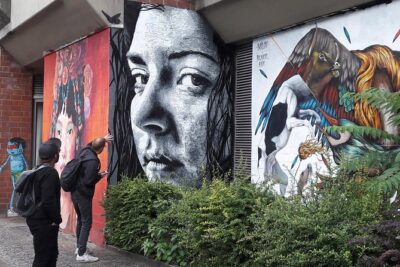
Between the food hits, you get time allocated to street art and creative culture. One stop is labeled as Street Art Berlin, with about 15 minutes focused on one world-famous mural.
This is also where Berlin’s themes click for a lot of people. The murals don’t just decorate. They communicate—history, identity, and politics in one layer. And because the tour connects the murals back to the neighborhoods you’re walking through, you don’t feel like you’re just looking at art. You’re tracing meaning through geography.
A quick practical tip: bring your phone battery habits. If you like photos, you’ll want enough charge for murals plus tastings plus street corners.
Ukrainian soul food and nalivanki: Slava Berlin! makes the immigrant story taste real
Next is Slava Berlin! Ukrainian Soulfood & Nalivanki, with around 20 minutes here. This stop is about more than food—it’s about how immigrant communities build their own everyday culture, and how that culture becomes part of the city’s mainstream food identity.
You’re tasting modern Ukrainian food in a restaurant led by women (that’s part of how the tour presents the story). The bar here is clear: you should leave understanding that Berlin’s food isn’t only national German tradition. It’s a practical mix of many cuisines that have become permanent fixtures.
If you’re the type who loves learning by eating (and not just reading plaques), this is a strong stop.
Turkey in Kreuzberg: Leylak and Little Istanbul flavors
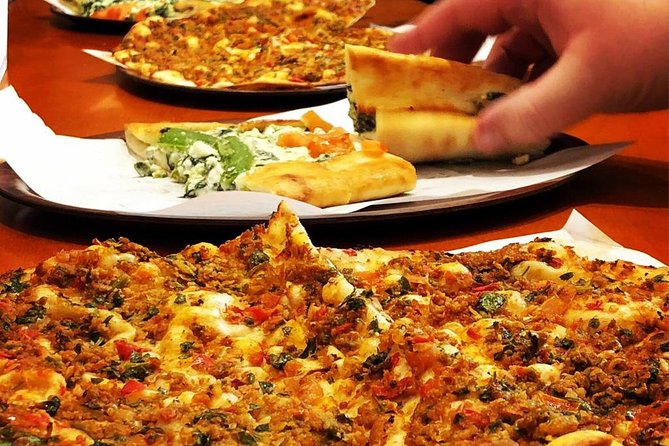
Then the route brings you into the heart of Kreuzberg’s Turkish food influence. You’ll spend about 20 minutes at Leylak, where the tour points to the Turkish community known as Little Istanbul—said to be the largest Turkish community outside of Turkey.
This is where the tour’s “food culture” promise becomes concrete. You’re tasting typical street-food recipes from the Anatolian region, and the guide’s job is to connect what you’re eating to how the neighborhood got shaped over the decades (including the 1980s and 1990s, as the tour describes).
A good way to get more out of this stop: ask questions about how the flavors differ from what you’ve had in Turkish food elsewhere. This is one of those moments where your taste memory becomes a map for the rest of your trip.
Markthalle Neun: the market hall that survived the war
One of the most atmospheric stops is Markthalle Neun, with about 30 minutes inside. This market hall is a beautifully refurbished space from the 1900s, and it’s tied to real historical survival—the tour notes it endured WW2 annihilation and avoided the near-inevitable fate of getting replaced.
The value here isn’t only the building. It’s the idea that the city’s food culture is institutional, not just scattered in restaurants. Markthalle Neun is described as a hub with an event calendar that connects top local food and beverage people with international visitors, while promoting the producers behind what you’re eating.
If you like checking out how a city supports its food scene, you’ll appreciate this stop. It’s also a nice breathing point in the walking flow.
Vegan donuts at Brammibal’s: Berlin’s plant-forward streak
The final stretch leans playful and a little sweet. You’ll stop at Brammibal’s Donuts (Maybachufer), spending about 20 minutes there. This is explicitly about vegan donuts—plus the tour’s point that Berlin is a city that does vegan choices well.
This is a great closer because it refreshes your palate after savory tastings and also gives you something easy to take away as a memory. If you’ve been eating hearty things all day, the donuts also act like a reset button.
Just don’t skip the last bite. It’s often the part you’ll crave later when you’re back home.
Coffee and drinks: why the tour includes them for a reason
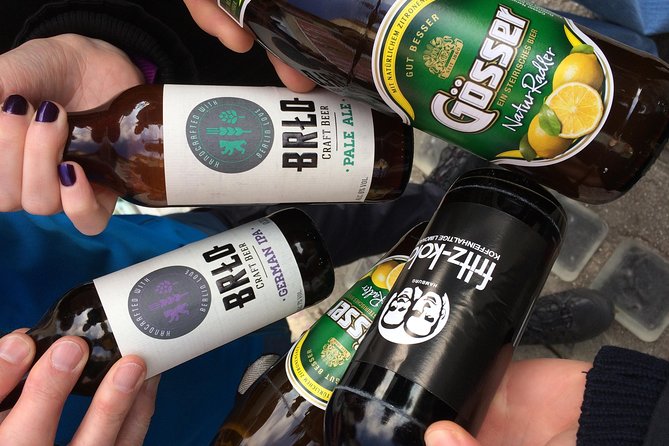
The tour includes a visit to one of the neighborhood’s hippest coffee shops. You’ll also get beverages and at least one included round of Berliner Pilsner beer as part of the tastings.
This is smart for value. You don’t have to pay extra in between stops or hunt for a place that matches your pace. More importantly, coffee and beer are Berlin signals: they reflect how people take breaks in real neighborhoods.
If you’re sensitive to alcohol, you can still treat beer as a learning moment and ask what you’re tasting. The tour is designed to keep you comfortable while you sample a range of flavors.
Price and value: what $169.38 buys you in real-world terms
At $169.38 per person for about 3 hours 30 minutes, this sits in the mid-range for a guided food tour. The main value isn’t just the guide—it’s the fact that the tour bundles 6 local tastings, beverages, and Berliner Pilsner beer into the ticket price.
To judge if it’s worth it for you, think like this: if you’d normally spend money on two meals plus drinks while moving between neighborhoods, you’d likely spend similar amounts anyway. The tour’s edge is that you’re paying for guidance, timing, and a curated set of places that blend German staples with immigrant-influenced food and street-art context.
It’s also a small group (maximum 8). For me, that matters because it keeps the day from feeling like a sprint through lines. Your guide can answer questions while you’re eating, not after you’ve already moved on.
What I’d pack and how to keep the day easy
The tour recommends comfortable walking shoes and a rain jacket or poncho depending on weather. That’s exactly what I’d do here. Berlin weather can change fast, and you’ll be outside for street art and Wall-related stops.
Also plan your day around the tour’s start time. Because you’re getting multiple tastings and drinks, arriving too full is the easiest way to make portions feel less satisfying.
And one very practical item: the tour does not include a BVG transport ticket. Since you’re near public transportation, you can usually connect easily, but you should still budget for local transit on your own.
Who should book this Berlin tour
You should book if you want a day that connects three things: food, street art, and history—without waiting in museums or trying to plan neighborhood hopping yourself. This works especially well for first-timers who want to understand why Kreuzberg and Friedrichshain feel the way they do.
You might skip it if your ideal day is long sit-down meals only, or if you dislike walking with lots of quick transitions between stops.
Dietary needs can be accommodated in a couple of ways. The tour says you should advise specific dietary requirements at booking time, and it notes a vegetarian option is available if you request it.
Should you book East Meets West: Berlin Food Culture & Street Art?
If your Berlin goal is to taste the city while learning what shaped it, I think this is a strong choice. The best reason is the blend: Wall art and street messages on one side of the day, then German classics, Turkish and Ukrainian food, plus a market hall that survived wartime damage on the other.
My second reason is the pacing and group size. With up to 8 people, the guide can keep the history attached to the food in a way that feels usable, not like a lecture.
One last check before you book: if you know you prefer museums over walking snack stops, you may find this too movement-heavy. But if you like to eat your way through neighborhoods, this is a fun, well-structured way to understand Berlin in a single afternoon.
FAQ
How long is the tour?
It lasts about 3 hours 30 minutes.
What does the tour cost?
The price is $169.38 per person.
What food and drinks are included?
You get 6 local tastings, beverages, and a local Berliner Pilsner beer.
Is there a vegetarian option?
Yes. You can request a vegetarian option when booking, and you should also advise any dietary requirements.
Where do I meet, and where does the tour end?
You meet at Industriepalast Hostel, Warschauer Str. 43, 10243 Berlin (near the U8 and U1). The tour ends at U Kottbusser Tor (U8/U1 area).
Do I need a BVG transport ticket?
No BVG transport ticket is included. The tour is near public transportation, but you’ll need your own BVG ticket if you plan to ride transit.
More Food & Drink in Berlin



More Tour Reviews in Berlin



Street Art and Alternative Berlin

Round out your days in Berlin
Street Art & Alternative Berlin, compared.
 ★ 4.6Alternative Berlin Walking TourFrom $291,204 reviews
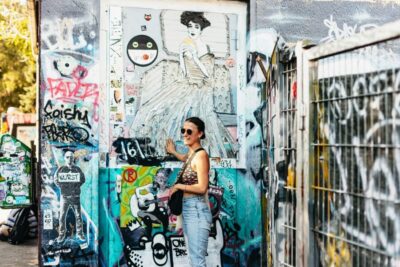 ★ 4.8City Street Art Guided Walking TourFrom $231,051 reviews
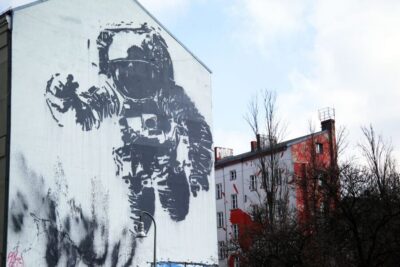 ★ 4.73-Hour Street Art TourFrom $23778 reviews
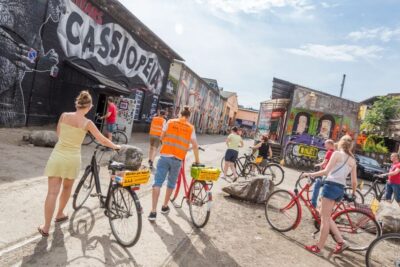 ★ 4.7Alternative Bike Tour of Kreuzberg & FriedrichshainFrom $41548 reviews
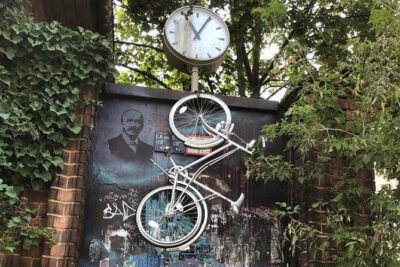 ★ 5.0Berlin Off-the-Beaten-Path Walking Tour: Kreuzberg, Mitte and FriedrichshainFrom $30412 reviews
 ★ 4.8Experience the Alternative Kreuzberg on a Bike TourFrom $41395 reviews
 ★ 5.0Berlin Street Art Walking Tour – Off The GridFrom $24270 reviews
 ★ 5.0Kreuzberg Berlin: Off the Beaten Track PRIVATE Walking TourFrom $123128 reviews
Browse the lists this tour appears in