
REVIEW · STREET ART & ALTERNATIVE BERLIN
Kreuzberg Berlin: Off the Beaten Track PRIVATE Walking Tour
Berlin has a counterculture map.
This private, off-the-beaten-track walk is built for people who want Kreuzberg street life, not check-the-box sightseeing. You start at Hackescher Markt and go neighborhood-by-neighborhood, with your local guide steering you toward the corners where art, identity, and change collide. I like that you can shape the day as you go, including after booking.
Two things I especially like: first, the tour clearly ties visuals to meaning, from the Pink Man graffiti by Blu protesting gentrification to the East Side Gallery’s Berlin Wall murals. Second, it’s structured enough to guide you (three focused stops), but flexible enough that you can ask questions and steer toward what you actually care about. One possible drawback to consider: it is a walking tour for about three hours, and the experience depends a lot on your guide’s style and depth—if you want heavy context, ask early and set that expectation.
In This Review
- Key Highlights You Should Care About
- Kreuzberg and Street Art That Tell You Why Berlin Changed
- Price and What You Get for $123.36 in 3 Hours
- Start at Hackescher Markt and Use Transit Like a Local
- Stop 1: Kreuzberg Walk Focused on Courts, Courtyards, and Neighborhood Change
- Stop 2: East Side Gallery as International Street Art With Political Weight
- Stop 3: Urban Spree Gallery and Berlin’s Urban Art Scene Today
- How the Route Flexes: Customization After Booking and On the Day
- Street Art, Underground Culture, and the Questions You Should Ask
- Pace, Timing, and Small Things That Make the Day Better
- Who This Private Kreuzberg Street Art Tour Suits Best
- Should You Book This Off-the-Beaten-Track Kreuzberg Tour?
- FAQ
- How long is the Kreuzberg Berlin off the beaten track private walking tour?
- Is this tour private or in a group?
- Where does the tour start and end?
- Is a metro ticket included?
- What language is the tour offered in?
- Can I change the itinerary after booking or on the day?
- Is hotel pick-up or drop-off included?
- Are there admission tickets you need to pay for the main stops?
- What’s the cancellation policy for a full refund?
Key Highlights You Should Care About
- Private, you-and-your-guide format means you can move at your pace and ask nonstop questions.
- Berlin Wall street art, up close via the East Side Gallery and related alternative-culture stops.
- Gentrification brought into focus through the Pink Man work by Blu and the neighborhood stories around it.
- Urban art as a living scene at Urban Spree Gallery, not just something to photograph.
- Customizable routing after booking and even on the day, so you can match the walk to your interests.
- Metro ticket included so you’re not doing extra planning just to get between neighborhoods.
Deeper into Kreuzberg and the eastern districts
- Berlin: Kreuzberg Guided Walking Evening Tour★ 4.7 · 555 reviews
- Berlin: Alternative Bike Tour of Kreuzberg & Friedrichshain★ 4.7 · 548 reviews
- Berlin: 2.5-Hour Walking Tour through Kreuzberg 61★ 4.9 · 525 reviews
- Berlin Off-the-Beaten-Path Walking Tour: Kreuzberg, Mitte and Friedrichshain★ 5.0 · 412 reviews
Kreuzberg and Street Art That Tell You Why Berlin Changed
Berlin street art isn’t only decoration. It’s opinion, memory, and sometimes a protest written in color. This tour leans into that idea with an approach that feels practical: you walk through Kreuzberg, you hit the East Side Gallery, then you move on to Urban Spree Gallery, where urban culture is treated like an ongoing conversation.
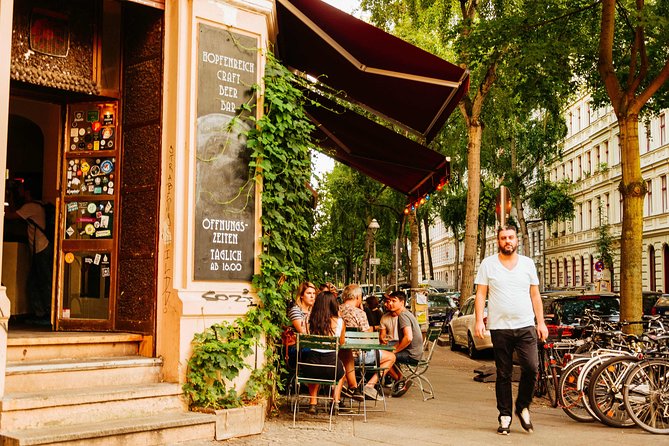
The best part is how the stops connect. Kreuzberg gives you the neighborhood texture—courtyards, side streets, and the feel of a district that has layers. Then the Berlin Wall art becomes more than a landmark; it becomes a visual record of how international artists responded when the Wall existed as history in motion. Finally, Urban Spree keeps you pointed toward the present-day scene instead of letting the whole trip turn into nostalgia.
Price and What You Get for $123.36 in 3 Hours
At $123.36 per person for about three hours, you’re paying for three things that matter in Berlin: privacy, local context, and flexibility. A group tour can be cheaper, but you often spend part of the day “watching” while standing in line with everyone else. Here, it’s just you and your guide, which makes it easier to ask follow-up questions when something hits you—an artwork, a courtyard, a sudden change in the block.
Your tour includes a metro ticket and is listed as a sustainable carbon neutral experience. That doesn’t replace your own good choices, but it’s a nice signal that the operator thinks about how travel impacts the city. Also, the main stops listed for the route show admission ticket free, which helps keep the day simple.
The value question is this: do you want a curated “view” or do you want a guided sense of place? If your goal is to understand Berlin’s alternative side—street art, underground culture, and how it’s shifting—this format tends to make sense.
Start at Hackescher Markt and Use Transit Like a Local
The meeting point is Hackescher Markt 4, 10178 Berlin, and the tour ends back at the meeting point. That matters more than it sounds. You get a clean start, you don’t have to plan a second return plan, and your guide can choose routes that connect logically instead of zigzagging just to hit sights.
You’ll also have a metro ticket included. That’s a small detail, but it changes your day. You can focus on walking and looking, not on figuring out which station to use when your energy is already mid-afternoon.
One practical note: this is near public transportation, and the tour is for people with moderate physical fitness. Plan for steady walking during a 3-hour block, and wear shoes that won’t punish you on cobblestones or uneven sidewalks.
Stop 1: Kreuzberg Walk Focused on Courts, Courtyards, and Neighborhood Change
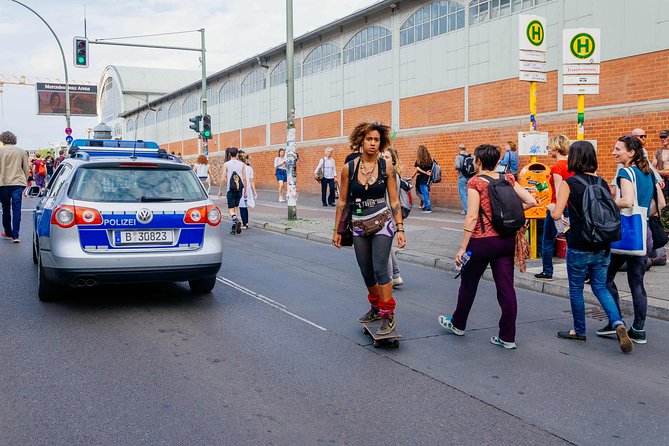
Kreuzberg is the right opening act. It’s a district where you can feel multiple eras rubbing shoulders—immigration waves, punk and alternative culture, and the kind of neighborhood makeover that creates friction and debate. The tour starts here for a reason: you need that ground-level context before you see Berlin Wall art later.
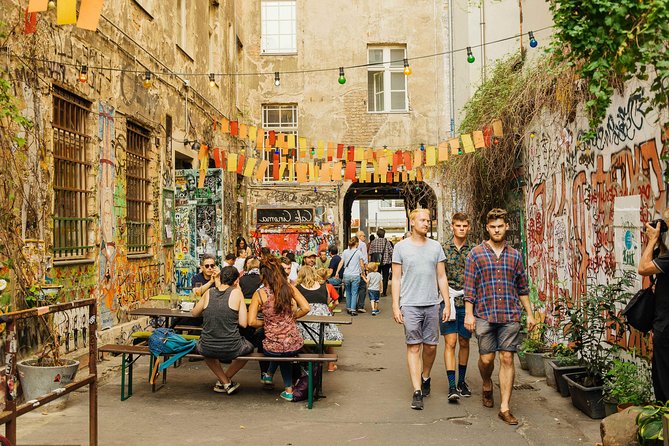
Expect to visit a courtyard that contemporary artists love, learning about the history of the spot and the meanings behind the art there. This kind of stop is valuable because it teaches you a Berlin skill: reading a city beyond the main street. Courtyards and side passages are where Berlin’s layers show up fast.
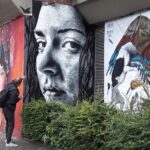
You may also notice how the route frames change. One key example mentioned in the tour description is the Pink Man, a graffiti piece by Blu protesting gentrification in parts of the city. Even if you’re not a street-art expert, that detail gives you a lens: you’re not just collecting images, you’re watching people react to power, money, and who gets to stay.
A small drawback to watch for: Kreuzberg can be so interesting that you might wish the stops were longer. The tour keeps it tight, so lean into questions. If you want more history or more context on social change, ask your guide to slow down in the places that spark your curiosity.
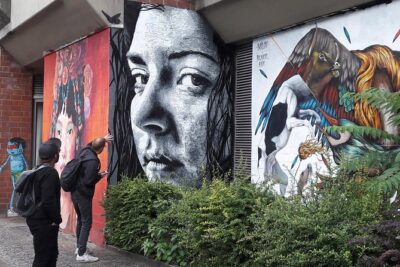
More murals and back-street Berlin

Stop 2: East Side Gallery as International Street Art With Political Weight
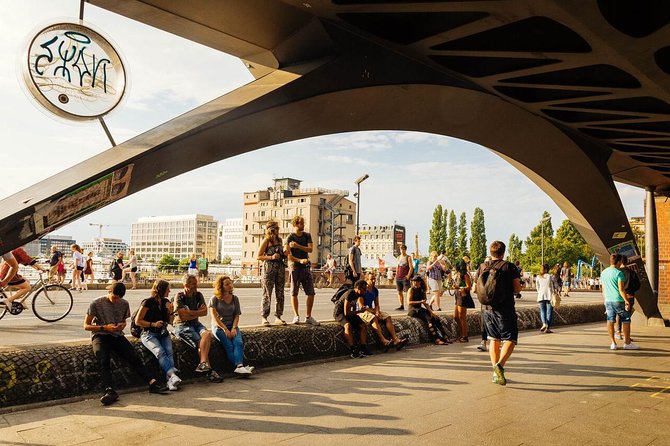
The East Side Gallery is one of Berlin’s most famous pieces of Wall art. But the tour approach makes it feel less like a monument and more like a street conversation between artists from different countries.
You’ll spend about an hour here, with your local guide showing you the Wall murals and street-art vibe from a different angle—away from the most common tourist patterns. The value is not only seeing the art, but understanding why it mattered to the people who made it and why it still matters now.
One of the big wins: your guide’s job is to connect what you see to the larger Berlin story. Street art here often carries ideas about freedom, memory, division, and rebuilding—plus the human reality that these artworks are part of an evolving city, not frozen history.
If you’re the kind of person who likes to stop and stare, this is a good match. If you need constant movement and quick photo stops, tell your guide early. That’s part of the “private” advantage: you can decide how long to linger without slowing a big group behind you.
Stop 3: Urban Spree Gallery and Berlin’s Urban Art Scene Today
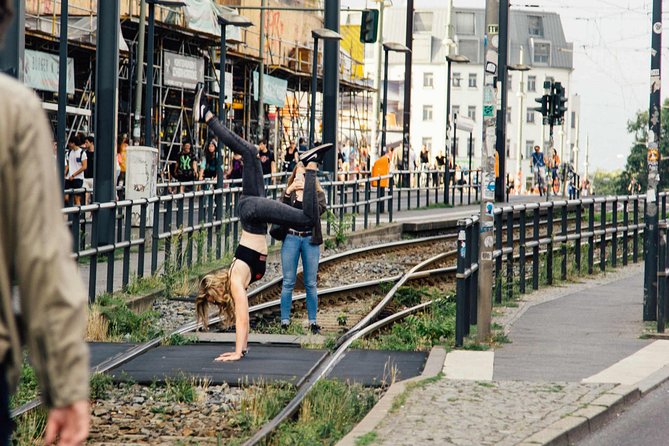
After the Wall art, Urban Spree Gallery brings you forward into the present. It’s described as a big artistic and cultural center dedicated to urban art, so it’s a shift from “history on a wall” to “culture in motion.”
This stop is useful even if you’re not sure you like galleries. Berlin street art isn’t only what’s on concrete outdoors. Urban Spree can help you understand how the city supports, documents, and sells ideas around street culture. It’s where you can see the scene as a living ecosystem: art, community, events, and people who pay attention.
Your guide may also recommend places to eat or where to take a break nearby after the tour. That’s one of those practical touches that turns a good walk into a full half-day plan. You’ll spend time looking during the tour, then you won’t be stuck Googling what to do next.
How the Route Flexes: Customization After Booking and On the Day
This tour is built around customization. That means you’re not trapped inside someone else’s checklist. You can make changes after booking and then again on the day of the tour, which is great if your interests shift once you’re on the ground.
In practical terms, it helps if you show up with a few priorities. For example:
- If you care about street art meaning, emphasize that right away.
- If you want more neighborhood feel than murals, tell your guide you want more side streets and courtyards.
- If you want a mix of art and history, say so and ask the guide to connect themes across stops.
Some routes may include additional spots depending on your guide’s chosen way through the area. In past experiences, guides have led people to places like the Jewish quarter courtyards, Dead Cat Alley (another street-art hotspot), and museums focused on WWII-era stories like the Otto Weidt museum, which tells the story of a blind man who employed blind people, including Jews, during the war. You might also see other installation-style art spots that live where institutions used to be.
That flexibility is the heart of “off the beaten track.” It lets the day match your curiosity, not just Berlin’s most photographed corners.
Street Art, Underground Culture, and the Questions You Should Ask
Street art tours can go two ways. One option is “here’s a picture, enjoy.” The other option is “here’s what the image is arguing.” This tour description leans toward the second approach.
At stops like the Pink Man, you’re given the core idea: it’s by Blu and it protests gentrification. That’s already a strong start. But what makes the experience really work is how your guide frames it with neighborhood stories, and how they invite you to ask questions.
Based on guides praised by name such as Betty, Seth, Miha, Amelia, Michelle, Leah, Pedro, and Dave, the strongest versions of this tour tend to combine facts with attitude. Betty and Seth, for example, are described as passionate and enthusiastic about Berlin’s local art scene and the history of ideas around it. Miha is praised for neighborhood storytelling and flexibility. Pedro is noted for being by the neighbourhood level while also connecting broader history and the rougher, less-polished side of Berlin.
If you want to get the most out of your walk, ask questions like:
- What does this artwork want the neighborhood to notice?
- Who benefits from redevelopment here, and who gets pushed out?
- How has the alternative scene changed over time?
- What should I look for beyond the obvious wall art?
You’ll still have your eyes open for the cool stuff, but you’ll also leave with a clearer map of what the street art is saying.
Pace, Timing, and Small Things That Make the Day Better
This is about three hours on foot, and you’ll likely spend roughly an hour at each main stop. That’s long enough to feel the neighborhoods shift under your feet, but short enough that you won’t feel trapped.
Bring water. Wear comfortable shoes. Keep your phone charged if you’re taking photos of murals and courtyard details.
Also, do the smart thing before you meet your guide: pick a couple of “musts” and a couple of “maybe later.” Because the tour is customizable, your guide can turn your preferences into route choices. If you show up with zero direction, you might get a great tour anyway—but it’s harder for the guide to match your exact interests.
Who This Private Kreuzberg Street Art Tour Suits Best
This tour fits you if:
- You love street art and want to understand what it means.
- You care about Berlin’s alternative culture and how it’s evolving.
- You want a private guide so you can ask questions without being rushed.
- You’re okay walking steadily for about three hours.
It’s especially good as an early or mid-trip “orientation” day. You’ll see parts of Berlin that feel more like a lived-in city than a museum of landmarks, and you’ll get transit practice so you can navigate afterward with more confidence.
If you hate walking, or you want a purely iconic-sights day with minimal discussion, this might feel like too much footwork and too much interpretation. But if you like stories and you want to leave with a better sense of place, it’s a strong match.
Should You Book This Off-the-Beaten-Track Kreuzberg Tour?
I’d book it if your goal is Berlin with context. The mix of Kreuzberg, the East Side Gallery, and Urban Spree Gallery gives you a full arc: neighborhood life, Wall-era visual politics, then the urban art scene as it exists now. The private format and the ability to tailor the route mean you’re not forced into a one-size plan.
I’d pause and set expectations if you’re very sensitive to guide quality. This is a private tour, so your experience will depend on how well your guide explains what you’re seeing. If that matters to you, arrive with questions ready, and communicate what kind of history and street-art meaning you want.
If you want a Berlin day that feels like you found something real, not just something famous, this is the kind of tour that usually delivers.
FAQ
How long is the Kreuzberg Berlin off the beaten track private walking tour?
It’s listed as about 3 hours.
Is this tour private or in a group?
It’s private. It includes only you and your local guide.
Where does the tour start and end?
The tour starts at Hackescher Markt 4, 10178 Berlin, and it ends back at the meeting point.
Is a metro ticket included?
Yes. A metro ticket is included with the tour.
What language is the tour offered in?
The tour is offered in English.
Can I change the itinerary after booking or on the day?
Yes. The tour is completely customizable, and you can make changes after booking and also on the day of the tour.
Is hotel pick-up or drop-off included?
No. Hotel pick-up and drop-off are not included.
Are there admission tickets you need to pay for the main stops?
The main stops listed for the route show admission ticket free.
What’s the cancellation policy for a full refund?
You can cancel up to 24 hours in advance for a full refund. If you cancel less than 24 hours before the start time, the amount paid will not be refunded.
More Tour Reviews in Berlin



Street Art and Alternative Berlin
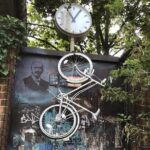
Kreuzberg and the Eastern Districts

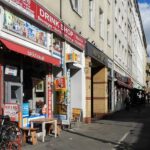
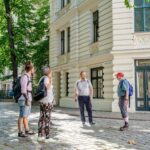
Round out your days in Berlin
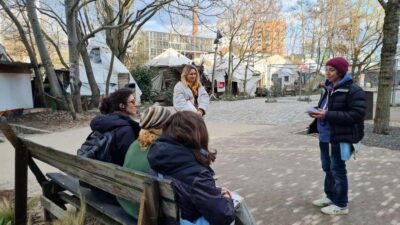
Street Art & Alternative Berlin, compared.
 ★ 4.6Alternative Berlin Walking TourFrom $291,204 reviews
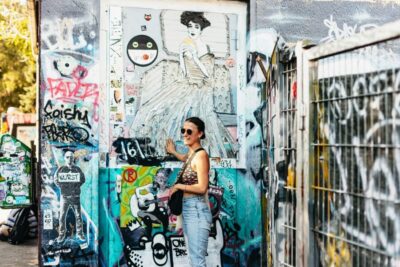 ★ 4.8City Street Art Guided Walking TourFrom $231,051 reviews
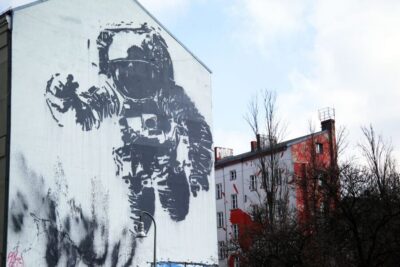 ★ 4.73-Hour Street Art TourFrom $23778 reviews
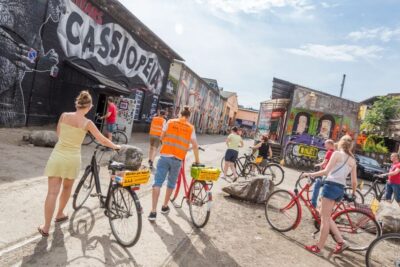 ★ 4.7Alternative Bike Tour of Kreuzberg & FriedrichshainFrom $41548 reviews
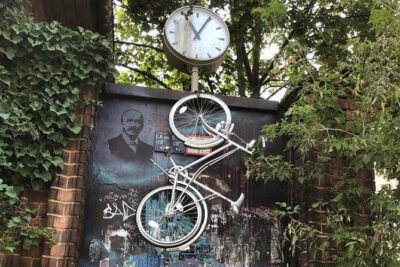 ★ 5.0Berlin Off-the-Beaten-Path Walking Tour: Kreuzberg, Mitte and FriedrichshainFrom $30412 reviews
 ★ 4.8Experience the Alternative Kreuzberg on a Bike TourFrom $41395 reviews
 ★ 5.0Berlin Street Art Walking Tour – Off The GridFrom $24270 reviews
 ★ 5.0East Meets West: Berlin Food Culture & Street ArtFrom $169157 reviews
Browse the lists this tour appears in