
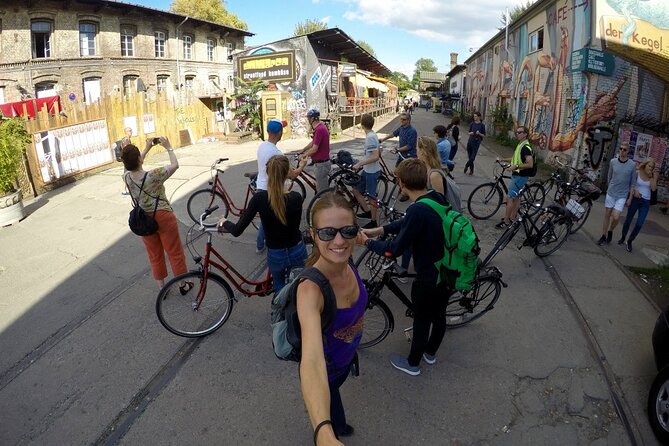
REVIEW · STREET ART & ALTERNATIVE BERLIN
Berlin: Experience the Alternative Kreuzberg on a Bike Tour
Berlin has a different rhythm on two wheels. I love how this ride mixes alternative neighborhoods once shaped by the Wall with everyday street life, and you’ll glide along the Spree River where the city looks both polished and rough around the edges. It’s relaxed, local-led, and paced for talking, looking, and taking photos.
One thing to consider: you’re covering about 17 kilometers in roughly three hours, mostly on bike paths and quieter side streets, so it’s ideal if you’re comfortable riding at an easy pace and stopping often.
In This Review
- Key things you’ll notice right away
- Meeting at Poststraße 11: how the tour starts without stress
- From Nikolaiviertel to the Wall’s afterlife: the ride’s smart geography
- Treehouse Berlin and Berghain’s panorama: culture in plain sight
- East Side Gallery and RAW-Gelände: art that still works as history
- Oberbaumbrücke: the bridge view that explains Berlin’s halves
- Along the Spree: houseboats, Molecule Man, and creative installations
- Club der Visionäre and Wrangelkiez: everyday Berlin with a subculture pulse
- Görlitzer Park to Maybachufer: parks, projects, and the city’s shifting edges
- Admiralbrücke, Kottbusser Tor, and Rio-Reiser-Platz: where the vibe turns loud
- Künstlerhaus Bethanien and the return: seeing how art gets institutional
- Price and value: what $41 buys you in real terms
- Who should take this bike tour in Berlin
- Should you book it or not?
- FAQ
- How long is the bike tour and how much distance is covered?
- What’s included with the ticket price?
- Where do I meet the guide?
- Is this tour suitable for kids or families?
- What languages are the tour guides available in?
- Are there private or small-group options?
Key things you’ll notice right away
- A local, story-first guide style with frequent stops every 5–10 minutes
- Wall-era contrasts played out in Kreuzberg, Friedrichshain, Neukölln, and Treptow
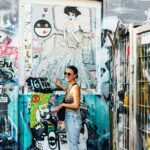
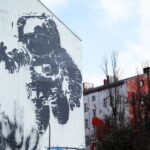
- Art and everyday Berlin side-by-side, from iconic murals to club and park corners
- A small group feel (up to 15) that keeps the ride friendly and moving
- Route flexibility so your tour can shift with group interests and current events
Deeper into Kreuzberg and the eastern districts
- Berlin: Kreuzberg Guided Walking Evening Tour★ 4.7 · 555 reviews
- Berlin: Alternative Bike Tour of Kreuzberg & Friedrichshain★ 4.7 · 548 reviews
- Berlin: 2.5-Hour Walking Tour through Kreuzberg 61★ 4.9 · 525 reviews
- Berlin Off-the-Beaten-Path Walking Tour: Kreuzberg, Mitte and Friedrichshain★ 5.0 · 412 reviews
Meeting at Poststraße 11: how the tour starts without stress
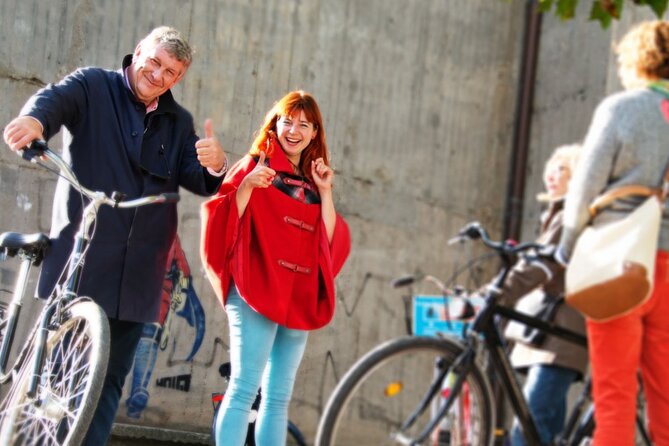
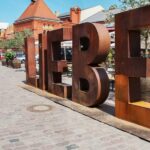
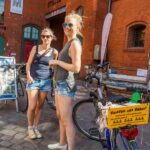
I like that this begins in a clear, central place: meet at the office in the courtyard entrance of Poststraße 11. Look for the FREE BERLIN sign, then you’ll hook up with your guide and get organized fast.
The bike rental is built into the experience. Your bike comes with baskets, it’s regularly serviced, and there’s space for larger baggage to be left with the operator during the ride. If you want a helmet, you can request one, and if the weather turns, waterproof ponchos are part of the plan.
This kind of smooth start matters in Berlin, where you don’t want your day to hinge on hunting for the right street at the wrong time.
From Nikolaiviertel to the Wall’s afterlife: the ride’s smart geography
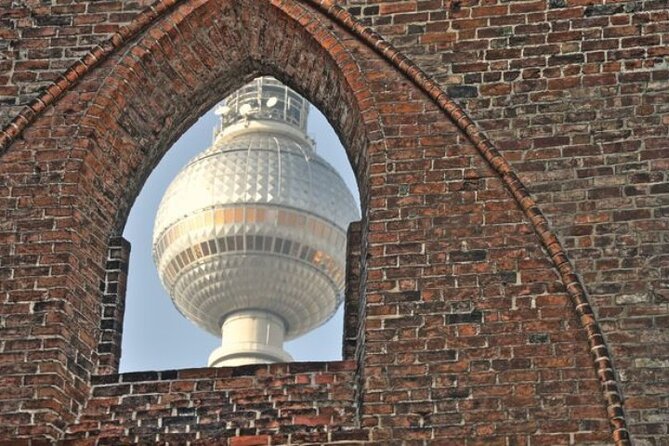
The tour kicks off in Nikolaiviertel, right in the center and about five minutes from the TV Tower. It’s a good warm-up area: you get oriented quickly, and the guide can frame what you’re about to see—Berlin’s modern life, but with the Wall’s long shadow still showing.
From there, you cycle through the neighborhoods that became the real stage for alternative culture over decades. Your route works like a guided argument for Berlin being a city of contrasts: creativity and community projects on one block, gentrification and shiny new structures just a few turns away.
I also like the way the ride is mostly on quiet side streets and scenic bike routes. That means you spend less time fighting traffic and more time noticing details—storefronts, courtyards, street art, and the everyday human stuff that makes Kreuzberg and beyond feel alive.
Treehouse Berlin and Berghain’s panorama: culture in plain sight
The Treehouse, Berlin is one of those places that helps you understand Berlin without needing a textbook. You’ll get a short guided moment there, enough to set the context for how Berlin builds identity through community spaces and unusual creative hubs.
Next comes a stop connected to Berghain Panorama Bar—another quick guided stop designed for perspective, not long lingering. Even if you’ve never stepped into that world, the point is to show how Berlin’s nightlife culture and alternative spaces became magnets for people, ideas, and reinvention after the Wall fell.
If you’re the type who likes cities through their landmarks, this is where you’ll feel satisfied. If you’re more into street-level atmosphere, the guide’s explanations help you connect these recognizable spots to what’s going on around them.
East Side Gallery and RAW-Gelände: art that still works as history
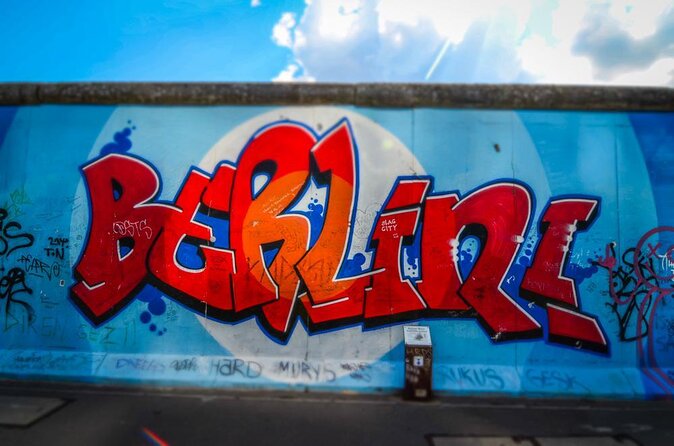
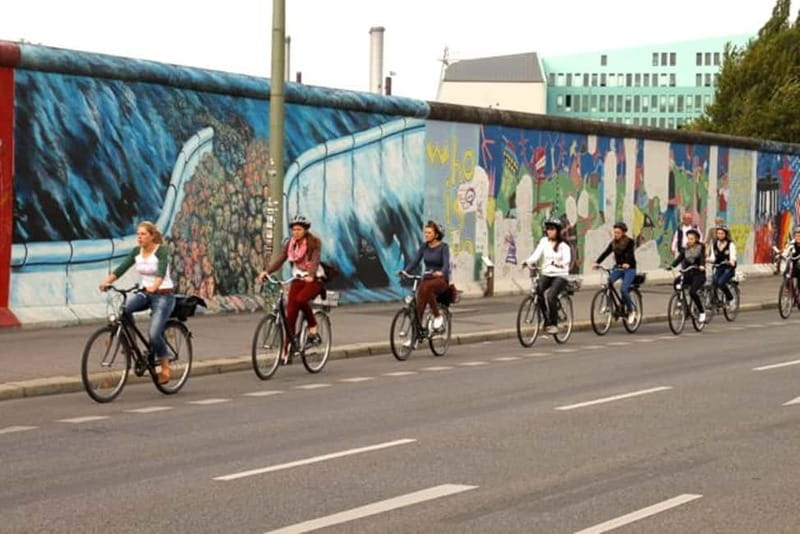
You’ll reach the East Side Gallery for a photo stop. It’s famous, yes, but it’s still powerful because it isn’t museum-in-a-building history—it’s history you ride past, history that sits in the flow of the city.
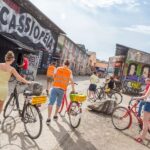
Then you head to RAW-Gelände, another guided stop that ties art, repurposed industrial space, and post-Wall reinvention together. This area helps explain why Berlin’s “alternative” reputation isn’t just branding. It’s also about buildings, ownership shifts, and how communities keep finding ways to make space for themselves.
A practical note: photo stops are usually short. Bring your camera ready, and don’t count on extra time for wandering. The value here comes from the guide’s storytelling in between landmarks.
More of Berlin by bike


Oberbaumbrücke: the bridge view that explains Berlin’s halves
At Oberbaumbrücke you’ll have another photo stop with guided context. Bridges matter in Berlin because they’re physical connectors and symbolic ones. This stop is a neat way to connect the neighborhoods on either side of the historic divide—visually, you’ll see the city’s layers, and your guide will help you read them.
After this point, the tour keeps moving toward a different kind of “alternative Berlin”—one that’s less about a single monument and more about how people live with the city’s contradictions.
Along the Spree: houseboats, Molecule Man, and creative installations
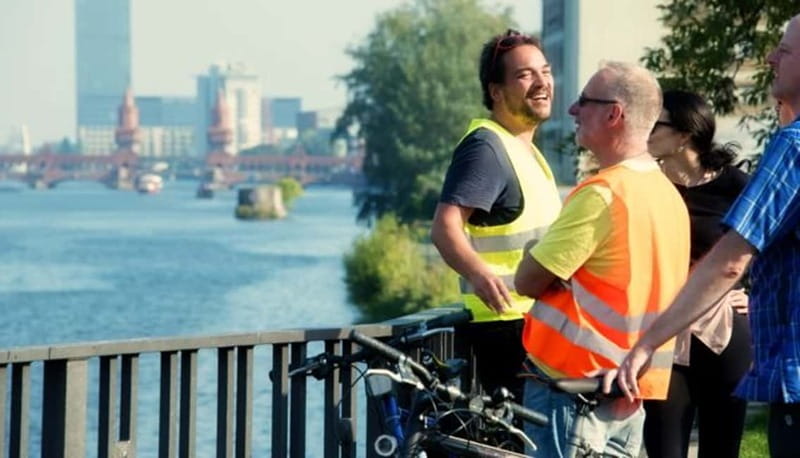
One of the best parts of the route is how often you’re riding by water. The tour includes a scenic stretch along the Spree River, and the contrast is clear: modern structures and alternative projects look more dramatic when you’re gliding beside the water.
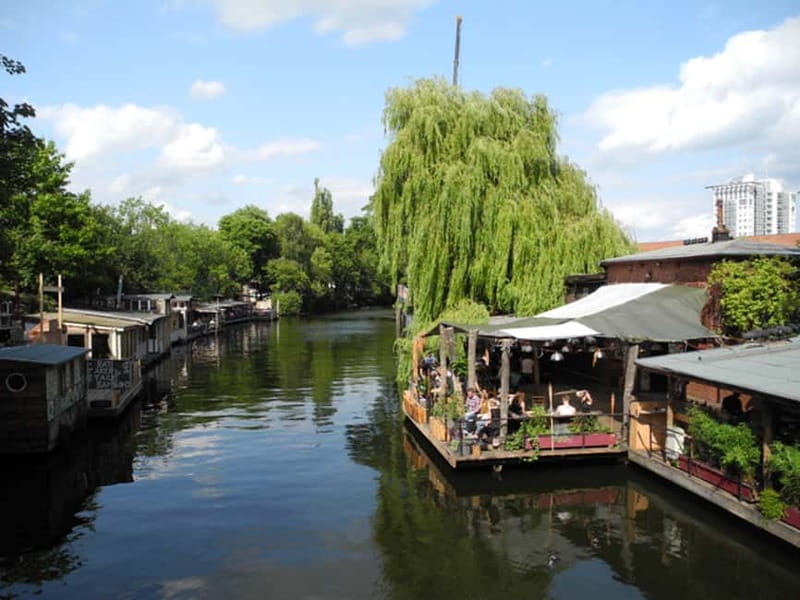
You’ll make a guided stop at a Berlin Tag und Nacht houseboat. The idea isn’t just to see a quirky floating residence; it’s to understand how Berlin allows unusual living arrangements and how the city has repeatedly made room for outsiders and inventors.
Then there’s a photo stop at Molecule Man. It’s brief, but it’s the kind of landmark that helps you grasp Berlin’s creative language—often playful, sometimes weird, always intentional.
If you like architecture and public art, you’ll probably want to slow down mentally during these sections. The route is doing something smart: letting you see the “soft details” while you still cover serious ground.
Club der Visionäre and Wrangelkiez: everyday Berlin with a subculture pulse
Next up is Club der Visionäre, a guided stop that fits the tour’s big theme: Berlin’s alternative identity isn’t only street art and old walls. It’s also clubs, makers, and spaces where people gather around ideas.
Then you’ll pass through Wrangelkiez with a guided stop. This is where the tour starts feeling like “modern Berlin life” rather than “Berlin highlights.” You’ll learn how neighborhoods evolve—sometimes slowly, sometimes abruptly—especially after the Wall era ended and the city had to reinvent itself with the whole world watching.
You’ll hear stories that link past divisions to what’s happening now, including social transformation. The guide’s job here is to show you cause-and-effect, not just point at sights.
Görlitzer Park to Maybachufer: parks, projects, and the city’s shifting edges
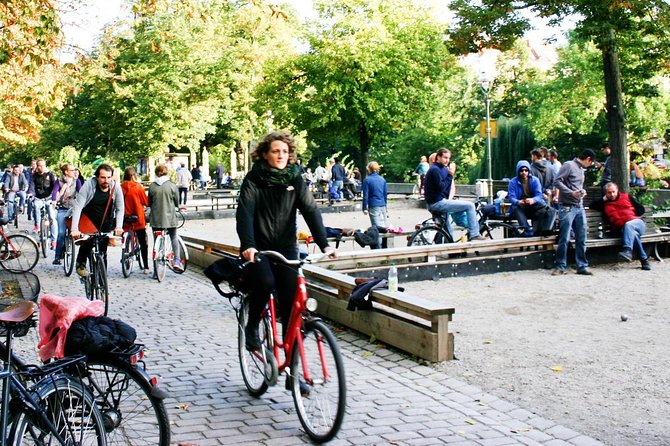
Görlitzer Park is a guided stop, and it’s a key contrast point in this kind of tour. Parks in Berlin can look relaxed while still carrying the weight of social history and current change.
After that, you’ll visit CarLoft Modul GmbH with a guided stop. This is one of those places that helps you understand Berlin’s willingness to experiment with form and function. Even if you don’t know the architectural vocabulary, you’ll get what the tour is trying to prove: creative problem-solving is part of daily life here.
Then you’ll ride toward Maybachufer for another guided stop. This area reinforces the “contrasts side by side” feeling—different eras and different versions of Berlin negotiating space in the same photo.
If you’re traveling with someone who thinks Berlin is only about monuments, this section usually wins them over.
Admiralbrücke, Kottbusser Tor, and Rio-Reiser-Platz: where the vibe turns loud
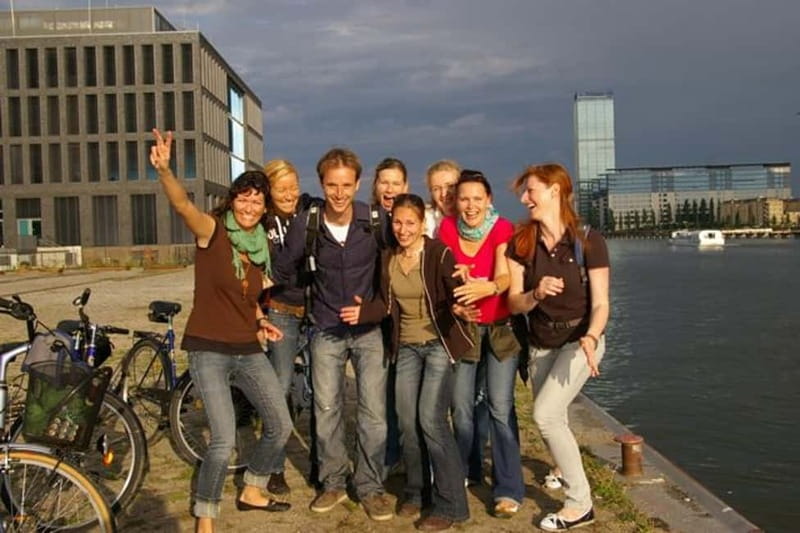
You’ll reach Admiralbrücke for a photo stop. This one works as a visual punctuation mark: water again, moving views, and a break from the dense street-corner feeling.
Then Kottbusser Tor comes up with a guided stop. It’s an energetic point in the city, and the tour uses it to talk about modern urban life—how change looks on the ground, not just in history books.
Next is Rio-Reiser-Platz with a guided stop. The purpose here is to connect the city’s creative identity to its real streets. Berlin doesn’t treat art and music as separate from politics and daily living; it folds them into the city’s voice.
Künstlerhaus Bethanien and the return: seeing how art gets institutional
Your final guided stop is Künstlerhaus Bethanien. This is a good capstone because it connects alternative culture to the idea of institutions—how creativity can be both informal and organized, street-level and supported.
As you bike back toward Free Berlin Bike Tours & Rental, the tour’s main message clicks into place: Berlin’s post-Wall story isn’t only about restoration. It’s about reinvention, sometimes messy, sometimes inspiring, and always visible if you’re willing to ride through the neighborhoods—not just stop at the famous points.
Along the way, your guide will keep bringing each location to life with stories and historical insights. That’s also where you’ll notice the best guides: people like Vincent, Carl, Fiona, Peter, Theo, Björn, Jake, and Stefanie are repeatedly praised for making the talk personal, lively, and easy to follow—exactly what you want when you’re cycling and still trying to take in the city.
Price and value: what $41 buys you in real terms
At about $41 per person for roughly three hours, this tour can feel like strong value because bike rental is included—plus the “small stuff” that makes a difference. You get waterproof ponchos if it rains, and you can request a helmet. The bike itself is set up for comfort and practicality with baskets, and it’s serviced regularly.
But the bigger value is the format: you’re not just getting a scenic ride. You’re getting frequent guided stops, short enough to keep momentum but spaced enough to matter. And the tour uses a route that shows you Berlin’s layers across Kreuzberg, Friedrichshain, Neukölln, and Treptow—so you get a sense of how one city contains multiple realities at once.
Also, you’re traveling in a small group (up to 15), which helps the guide keep the ride smooth and the questions flowing.
Who should take this bike tour in Berlin
You should book if you want Berlin beyond the postcard, with a local guide who can connect Wall-era history to what you’ll see on streets right now. It fits solo travelers who like meeting people without losing their independence, and it works well for couples and families who prefer a shared plan over navigating on your own.
You’ll especially enjoy it if you like:
- bike-friendly sightseeing
- street art and alternative culture
- history told through real neighborhoods, not only plaques
You might choose something else if you’re expecting a slow, leisurely “stroll and chat” style. This is still a cycling tour with about 17 kilometers to cover, even though the pace is relaxed.
Should you book it or not?
Yes, if you want a guided route that shows you the alternative side of Berlin while still covering major story locations like the East Side Gallery and the bridge viewpoints. The $41 price makes more sense here than in tours where you pay for access but don’t get much guiding time.
If you’re short on time and you want the city’s contrasts in one package, this is a smart pick.
FAQ
How long is the bike tour and how much distance is covered?
The tour lasts about 3 hours and covers roughly 17 kilometers.
What’s included with the ticket price?
Bike rental is included (of your choice), along with bike baskets. You can also get a bike helmet if requested and waterproof ponchos if it rains.
Where do I meet the guide?
Meet at the office in the courtyard entrance at Poststraße 11. Look for the FREE BERLIN sign.
Is this tour suitable for kids or families?
Yes. It’s family-friendly, children are welcome, and infant seats can be provided on request.
What languages are the tour guides available in?
The live guide is available in English, German, and French.
Are there private or small-group options?
Yes. The tour offers private or small groups, and the group size is kept small (up to 15 people).
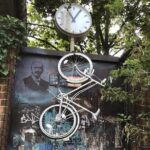
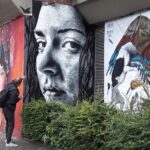
Street Art and Alternative Berlin
Berlin by Bike
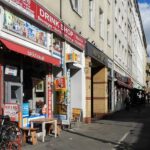
Kreuzberg and the Eastern Districts

Round out your days in Berlin
Street Art & Alternative Berlin, compared.
 ★ 4.6Alternative Berlin Walking TourFrom $291,204 reviews
 ★ 4.8City Street Art Guided Walking TourFrom $231,051 reviews
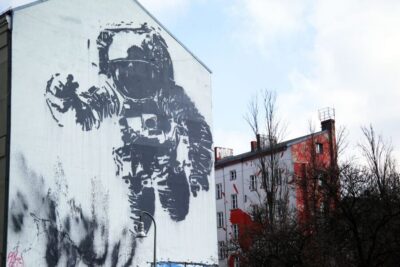 ★ 4.73-Hour Street Art TourFrom $23778 reviews
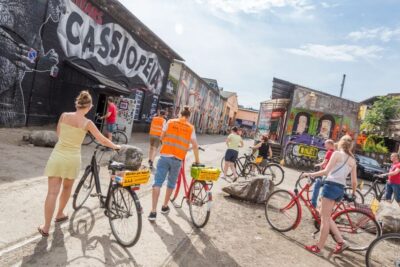 ★ 4.7Alternative Bike Tour of Kreuzberg & FriedrichshainFrom $41548 reviews
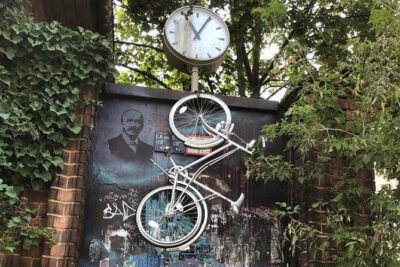 ★ 5.0Berlin Off-the-Beaten-Path Walking Tour: Kreuzberg, Mitte and FriedrichshainFrom $30412 reviews
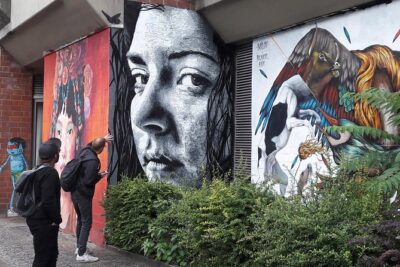 ★ 5.0Berlin Street Art Walking Tour – Off The GridFrom $24270 reviews
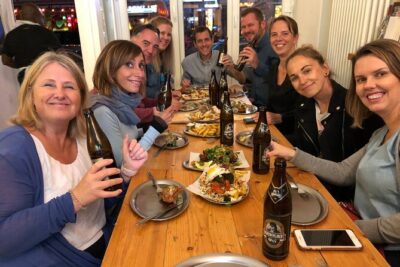 ★ 5.0East Meets West: Berlin Food Culture & Street ArtFrom $169157 reviews
 ★ 5.0Kreuzberg Berlin: Off the Beaten Track PRIVATE Walking TourFrom $123128 reviews
Browse the lists this tour appears in