
REVIEW · BERLIN WALL & COLD WAR
From Berlin: Kings, Crimes, & Spies Potsdam Day Trip by Van
Frederick’s palaces meet secret prisons. This Potsdam day trip turns Berlin-era history into a clear, walkable story, with a van that keeps you comfortable while your guide connects Prussian power to Cold War tension. In one day, you bounce between grand gardens, spy geography, and the kind of border history you do not forget.
I especially love the small group size (max 7) because it makes the pacing feel human, not rushed. I also love that the stop list is built around cause-and-effect: Frederick the Great’s show of control, then espionage routes like the Bridge of Spies, and finally how real people were processed by violent regimes.
One consideration: the day runs rain or shine, and several parts involve short walks and outside viewing. Also, food isn’t included, so you’ll want a plan for meals that keeps you from getting hangry mid-history.
In This Review
- Key things that make this tour work
- From Alexanderplatz to Potsdam: how the day stays manageable
- Sanssouci Palace: the power of looking at it slowly
- Brandenburger Tor as a quick context reset
- Gedenkstätte Lindenstraße 54/55: where regimes used fear as a system
- Potsdam’s meeting place: the Potsdam Conference in real space
- Glienicke Bridge: real espionage geometry, not just a movie scene
- Allied Checkpoint Bravo: standing where the Cold War had teeth
- Nazi and Stasi prison sites plus a secret KGB prison: the emotional weight, handled properly
- What guide quality feels like on the ground
- Small group logistics, timing, and what to pack
- Price and value: is $152 worth a full day?
- Should you book this Potsdam day trip?
- FAQ
- How long is the Potsdam day trip?
- Where do I meet the tour guide?
- Is the tour in English?
- How many people are in the group?
- What transportation is included?
- Is Wi‑Fi included?
- What is included in the price?
- Is food included?
- Does the tour run in bad weather?
- What should I bring?
Key things that make this tour work
- Sanssouci Palace, Frederick the Great’s statement piece: guided viewing plus time to take it in at your pace
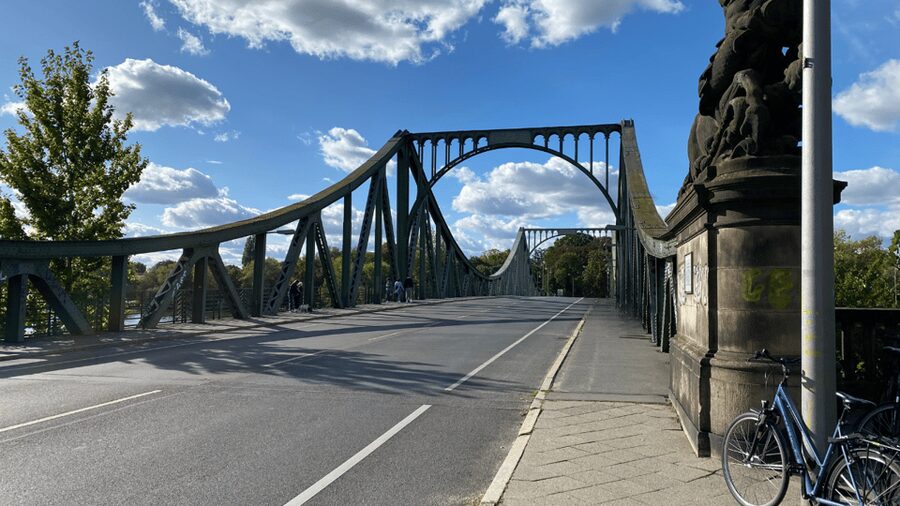
- Glienicke Bridge, the real-life spy swap location made famous in pop culture
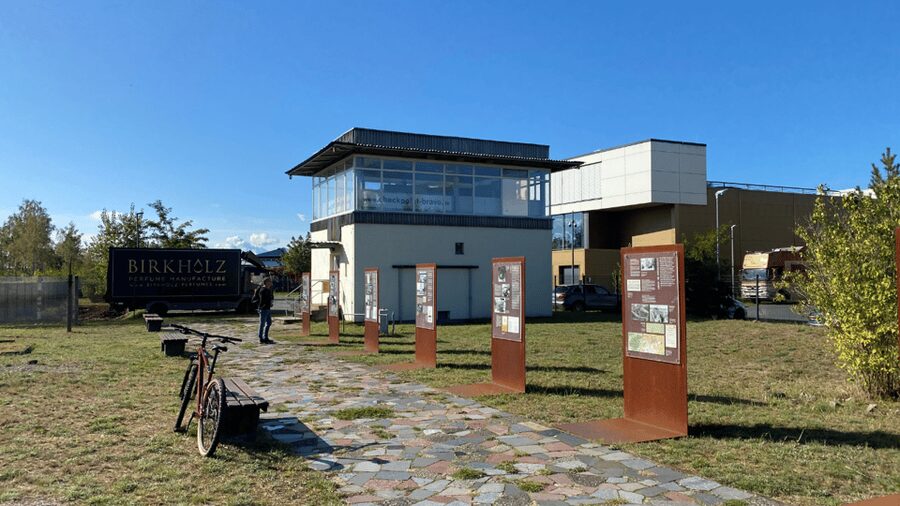
- Checkpoint Bravo: the border-crossing logic of East and West Berlin, shown in context
- A sober stop at Nazi and Stasi prison sites, including a secret KGB prison with time to reflect
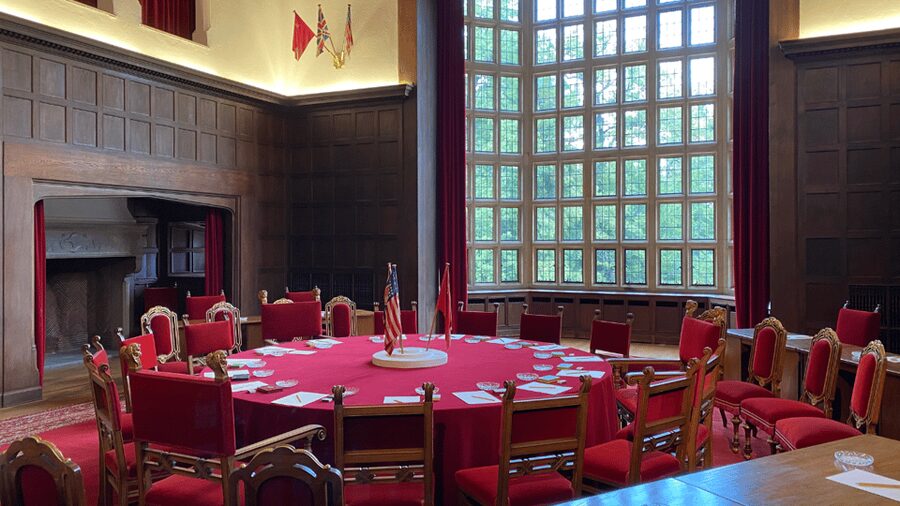
- Potsdam Conference meeting place: where post-WWII Europe was reshaped
- Van comfort with Wi‑Fi, a water bottle, and then-and-now photos/maps so the story sticks
More of the Wall and the divided city
- Berlin’s Best: 2 Hour Walking Tour Third Reich and the Cold War★ 5.0 · 5,486 reviews
- Skip-the-Line: Berlin Wall Museum at Checkpoint Charlie★ 4.1 · 2,041 reviews
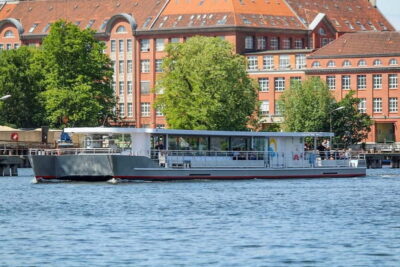
- Berlin: East Side Gallery Spree Cruise in a Solar Catamaran★ 4.1 · 1,086 reviews
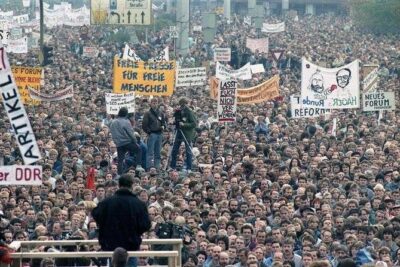
- Cold War, Berlin Wall, Spies and the East Side Gallery★ 5.0 · 1,024 reviews
From Alexanderplatz to Potsdam: how the day stays manageable
You start at the main entrance of the Park Inn by Radisson Berlin Alexanderplatz, on Alexander Straße. The first win here is simplicity: you’re not piecing together transit with multiple changes. Instead, you get a guide-led flow plus van transportation with onboard Wi‑Fi, which is handy if you want to quickly check train times, maps, or just rest your phone eyes between stops.
Because this is a 7-hour day, the schedule has a rhythm. Some spots are short and focused (think quick guided context plus photos), while others give you a meaningful chunk of time to walk and absorb. That balance matters. If you try to do all of Potsdam plus Cold War Berlin on your own, you’ll often lose time to logistics and still miss the “why it matters” story thread.
Sanssouci Palace: the power of looking at it slowly
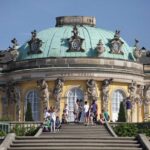
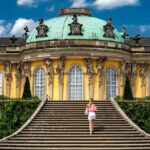
Sanssouci Palace is the first big anchor. The guide frames it as a symbol of Prussian kingship and competition for power, and you’ll get a guided look at the outside first. Even if you never step inside any museum galleries on this day, the palace grounds already tell a political story: symmetry, control of sightlines, and the confidence to build beauty that also signals authority.
What I like about including Sanssouci twice is that it gives you two different ways to experience the place. One pass is about understanding what you’re seeing; the other is about letting your eyes catch details without someone narrating every second. If you’re lucky with timing, you may run into a less-crowded window on the grounds, which makes it easier to take your time around the areas you can reach comfortably.
Practical tip: wear shoes you can walk in for the palace grounds and any outside routes. There’s no way around it—this is a “see it in person” experience, not a sit-and-watch-and-go.
Brandenburger Tor as a quick context reset
You’ll also get a brief pass by the Brandenburger Tor. It’s not a long stop, but it’s a useful reset if your day is otherwise focused on Potsdam. Think of it as a visual punctuation mark between eras: grand capital symbolism, then back to the story of who controlled what and when.
Because this is a quick moment, treat it as photo-and-move. Don’t plan on lingering. The tour keeps the day moving so you can still fit in the heavier stops later.
Gedenkstätte Lindenstraße 54/55: where regimes used fear as a system
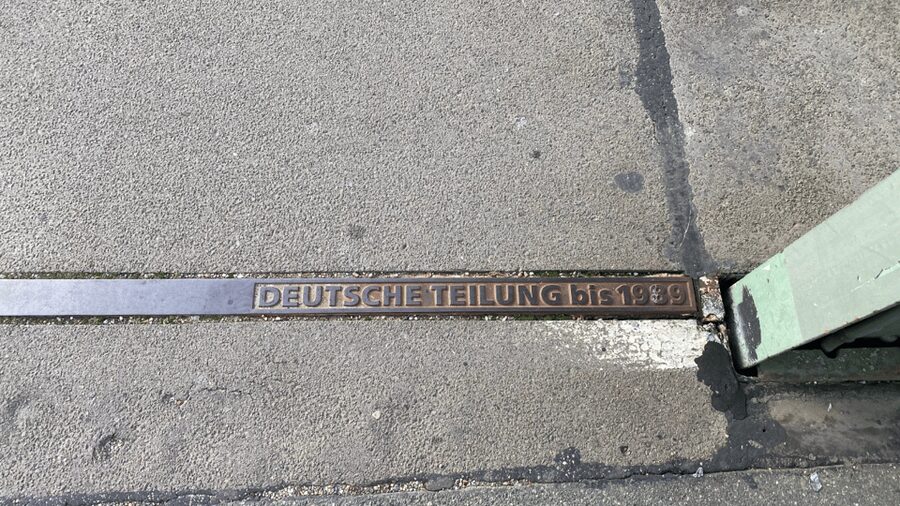
Then the tour turns serious at the memorial site on Lindenstraße 54/55 (Gedenkstätte Lindenstraße 54/55). This is one of those places where a guided explanation changes everything. Without context, it can feel like just another historic building. With context, you start to understand the mechanism: how violent regimes didn’t just act—they organized fear so it worked like a machine.
The tour includes time for guided understanding plus free time to look around and walk. The overview also specifies that this stop addresses Nazi and Stasi imprisonment, and even a secret KGB prison. That combination is heavy, and the value of the tour format is that you get history presented in a way that helps you keep your bearings.
If you’re the kind of person who gets emotionally impacted by history sites, plan for that. This stop isn’t about quick sightseeing; it’s about letting the story land. Comfortable shoes still matter, but you’ll also want a calm mindset.
More palace-and-park days out in Potsdam
Potsdam’s meeting place: the Potsdam Conference in real space
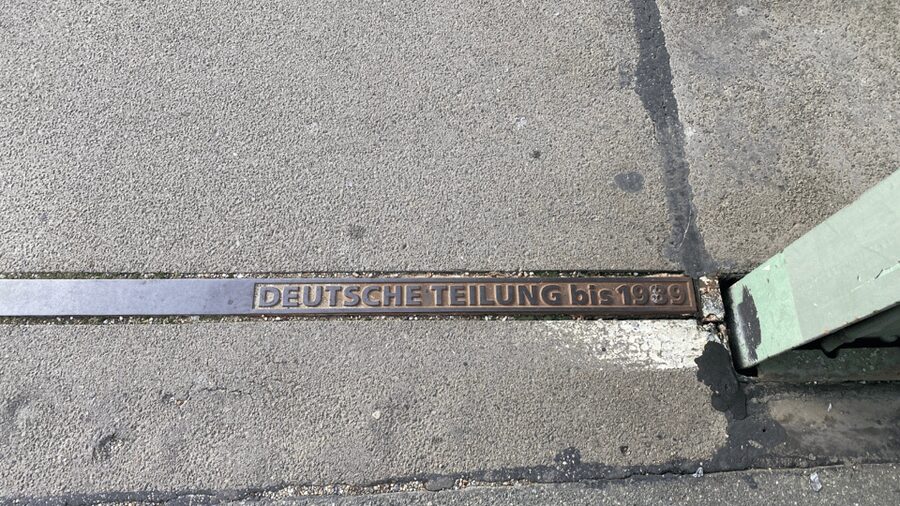
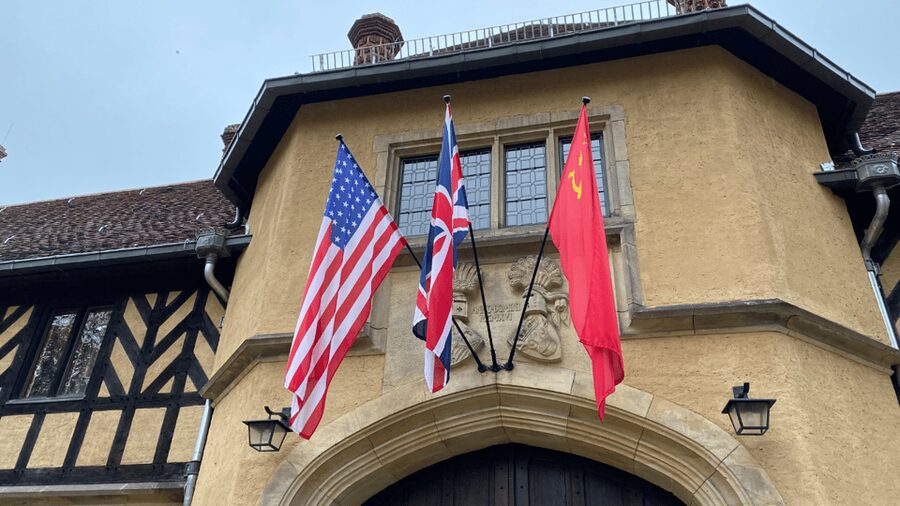
Next comes a stop at the memorial and meeting area on Leistikow Street in Potsdam. This is where the day shifts from brutal enforcement to diplomatic reshaping. The goal here is simple but powerful: you see the place connected to the Potsdam Conference, where post-WWII Europe was reshaped.
Why this matters for you: after you’ve visited checkpoints and prison sites, it’s easy to think only in terms of oppression and walls. The Potsdam Conference reminds you that the Cold War was also built through decisions on paper—agreements, negotiations, and the framing of borders. Standing in the right location helps your brain connect policy to real-world outcomes.
This is a guided stop with free time and walking time, which is helpful. You don’t want your understanding rushed. You want a few minutes to process what you’ve just learned and then connect it to the next location.
Glienicke Bridge: real espionage geometry, not just a movie scene
Glienicke Bridge is famous for good reason, because it sits right in the Cold War spy universe. It’s also the spot many people associate with the pop-culture version of spy exchanges, which is why the guide can meet you where you are and then correct or expand the story with real-world detail.
At the bridge, you’ll get a short guided window plus a bit of time to look around and walk. The value is how the guide links espionage to geography. Bridges aren’t just nice architecture. In this era, they were routes—controlled routes—where the balance of power played out in human form.
If you like history that feels tactical rather than abstract, this is one of the best stops on the day. It turns “spies” into a map you can almost visualize: who could cross, who couldn’t, and why negotiation could look like choreography.
Allied Checkpoint Bravo: standing where the Cold War had teeth
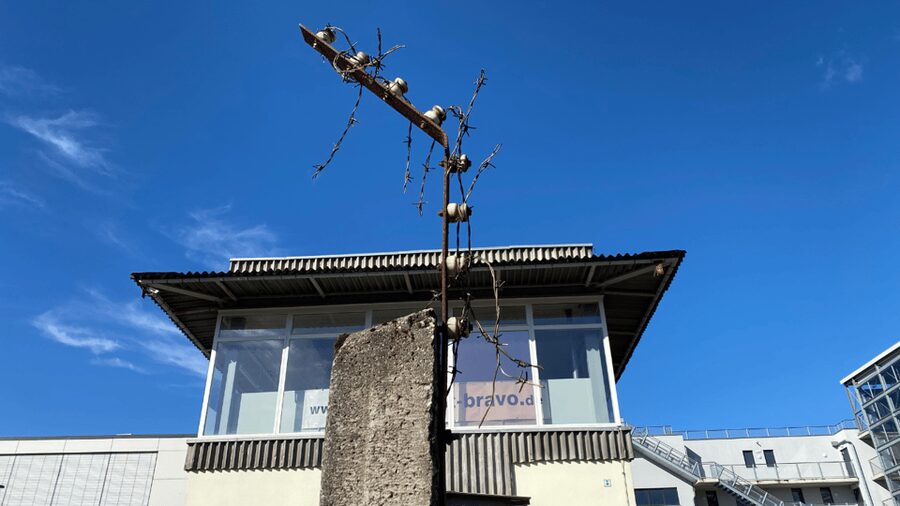
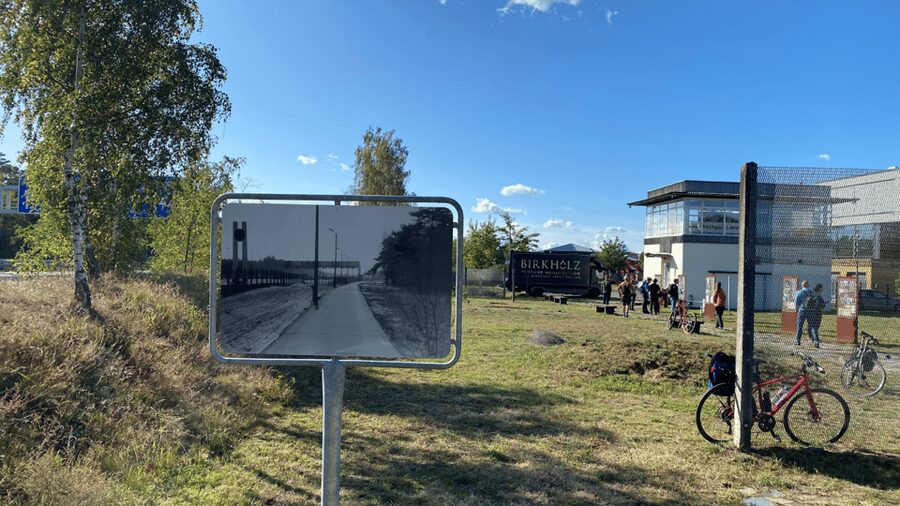
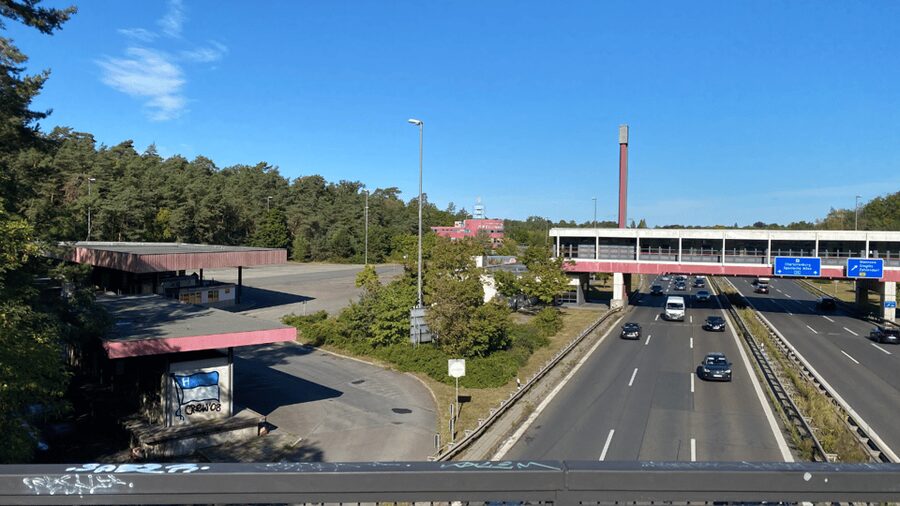
Checkpoint Bravo is the other major anchor, and it’s the stop that makes the Cold War feel immediate. The tour focuses on the border-crossing idea, including the fact that this was the Autobahn crossing between East and West Berlin.
That detail is the point. If you only hear Cold War history as a timeline, it can feel vague. But standing near where movement was controlled, you start to understand the everyday impact: travel, family separation, trade restrictions, and the way rules could be enforced at the level of a single crossing point.
You’ll spend guided time here plus free time and walking time. Keep your expectations realistic: you’re not touring an enormous museum building for hours. You’re getting the story and then letting the location do what it does best—make the history physical.
Nazi and Stasi prison sites plus a secret KGB prison: the emotional weight, handled properly
Even with guided context, this part of the day can land hard. The overview makes it explicit: you’ll reflect at Nazi and Stasi prison sites and also hear about a secret KGB prison. When a tour includes this, it’s not trying to entertain you. It’s trying to help you understand how different regimes used the same methods: confinement, interrogation, and the threat of being erased from normal life.
This is also where the “small group” aspect becomes more than a comfort perk. In a small group, you’re less likely to get lost in noise. You can hear the guide’s explanations, but you can also take your own quiet moment when you need it.
If you’re traveling with teens or friends who want to understand more than just names and dates, this is one of the best places for guided questions. The tour format gives you both structured information and space to think.
What guide quality feels like on the ground
This is a live, English-language guided trip led by small-group guides from On the Front Tours. In the feedback you can see a pattern: people react strongly to guides who can explain while still letting the conversation breathe.
I’ve seen notes about guides like Jochen being conversational, and about guides such as Steve and Matt running thorough, structured explanations. In at least one private-style situation, a guide even included a public-transport segment so you could see how local transit works in the area. That kind of flexibility can make the day feel less like a script and more like your guide is tailoring the story to your interests.
Small group logistics, timing, and what to pack
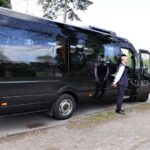
You’ll be in a group capped at 7 participants, which usually means easier listening and fewer “rendezvous chaos” moments. The van ride also matters: it reduces the stress of Berlin traffic and helps you stay in a steady historical line without burning time on transit research.
Because it runs rain or shine, pack for weather reality. Bring comfortable shoes and an umbrella. Weather can change fast in Germany, and you’ll be doing short walks at multiple stops. Also remember that food isn’t included, so plan a meal before you start or bring snacks you can eat during free time. A water bottle is included, which is a nice baseline.
Price and value: is $152 worth a full day?
At $152 per person for about 7 hours, you’re paying for three main things: expert guidance, transport, and time efficiency.
1) Guided context: Several stops are emotionally and politically loaded. A good guide helps you connect the dots without turning the day into a textbook read-aloud.
2) Van transportation: You’re not figuring out routes, timing, and parking. That matters because you’ll still have multiple brief stops where being late is expensive.
3) Smart add-ons: The included “then and now” photographs and maps are small, but they help your brain visualize changes in the city and grounds from one era to another.
If your travel style is DIY sightseeing with museum tickets and long self-guided wandering, you might feel boxed by a schedule. But if you want a focused day that connects major Potsdam and Cold War sites into one coherent story, the price is easier to justify.
Should you book this Potsdam day trip?
Book it if you want a guided day that connects Sanssouci, spy geography, border history, and postwar negotiations without you having to plan every transit hop. This is especially worth it if you care about understanding motivations—power, fear, and bargaining—more than ticking off random landmarks.
Skip it or rethink it if you hate walking in the rain, want long unstructured time at each site, or you strongly prefer a food-and-rest-centered day. Also, be aware that the prison-related stops are intense. If you know you prefer lighter sightseeing, this itinerary may feel too heavy.
If you do book, come with comfortable shoes, an umbrella, and a snack plan. Then let the guide do what you hired them for: turn places you’ve seen in photos into places that make sense.
FAQ
How long is the Potsdam day trip?
The duration is 7 hours.
Where do I meet the tour guide?
Meet at the main entrance to the Park Inn by Radisson Berlin Alexanderplatz, along Alexander Straße. Look for the guide holding the Potsdam Tour – Kaiser to Cold War sign.
Is the tour in English?
Yes, the live tour guide speaks English.
How many people are in the group?
This is a small group limited to 7 participants.
What transportation is included?
You travel by van, and the van includes Wi‑Fi on board.
Is Wi‑Fi included?
Yes, Wi‑Fi is included on the van.
What is included in the price?
The tour includes the guide, van transportation with Wi‑Fi, a bottle of water, and then and now photographs and maps.
Is food included?
No, food is not included.
Does the tour run in bad weather?
Yes, it runs rain or shine.
What should I bring?
Bring comfortable shoes and an umbrella, plus weather-appropriate clothing.
More Tour Reviews in Berlin

A Day in Potsdam
The Wall and the Cold-War City

Round out your days in Berlin
Berlin Wall & Cold War, compared.
 ★ 4.9Third Reich & Cold War Guided Walking TourFrom $238,378 reviews
 ★ 5.0Berlin’s Best: 2 Hour Walking Tour Third Reich and the Cold WarFrom $245,486 reviews
 ★ 4.1Skip-the-Line: Berlin Wall Museum at Checkpoint CharlieFrom $212,041 reviews
 ★ 4.1East Side Gallery Spree Cruise in a Solar CatamaranFrom $281,086 reviews
 ★ 5.0Cold War, Berlin Wall, Spies and the East Side GalleryFrom $181,024 reviews
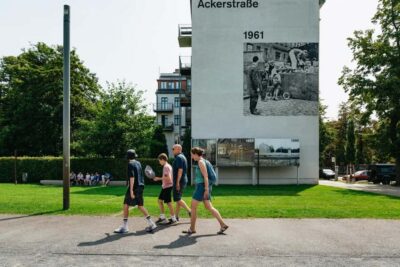 ★ 4.8Wall Tour – Fates, Love Stories, and HeroesFrom $282585 reviews
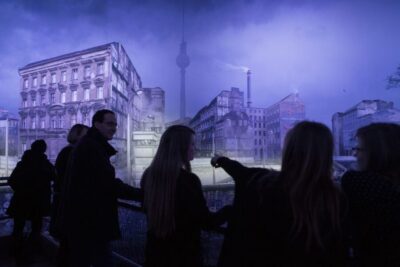 ★ 4.5THE WALL: asisi Panorama Berlin TicketFrom $16580 reviews
 ★ 4.8The Wall and Third Reich Guided Bike TourFrom $41578 reviews
Browse the lists this tour appears in