
REVIEW · LGBTQ-FRIENDLY
Historyof the Trans, Queer & Gay communities of Berlin tour
Berlin has a story you can walk through. This Trans, Queer & Gay communities of Berlin tour brings real people into the foreground with an expert Trans woman guide, and it steers you into less toured areas where the city’s LGBTQIA+ story shows up in everyday places, not just postcards. Expect a light, colorful feel while you learn how Berlin’s queer and trans communities formed, pushed back, and built spaces that lasted.
I also like the small-group setup and the way the guide keeps things engaging. There’s one catch: you’ll need a valid Berlin public transport ticket for the short ride between stops.
In This Review
- Key highlights I’d plan around
- Why a Trans, Queer & Gay Berlin Walk Works So Well
- From Reichstag to the Spree: Hirschfeld’s Institute in the Open Air
- The Short Ride to Schöneberg and Nollendorf: The Neighborhood That Changed the City
- Guided Time in Schöneberg: Turning Streets into Stories
- Urban Nation Gallery: Optional Street Art, Optional Extra Flavor
- The Final Stroll and How to Notice What Matters
- Group Size, Timing, and the Pace That Doesn’t Burn You Out
- Price and Value: Is $58 Worth It for a Berlin Specialist Guide?
- Who This Tour Is Best For (and Who Might Skip It)
- Should You Book This Tour in Berlin?
- FAQ
- How long is the Trans, Queer & Gay communities of Berlin tour?
- Where does the tour start?
- Do I need a Berlin public transport ticket?
- How many people are in the group?
- Is the Urban Nation Gallery stop included?
- What languages is the tour available in, and is it suitable for children?
Key highlights I’d plan around
- Spree river start by the Magnus Hirschfeld Institute for the Science of Sexuality
- Nollendorf-Schöneberg focus on the LGBTQIA+ heart of the area for over 100 years
- Specialist perspective from Gali Jaffe, with a Trans woman-led approach
- Urban Nation Gallery as an optional street-art stop with time to look around
- Practical take-home: a free Berlin Gay Map for exploring after the tour
More Berlin tours to line up side by side
- Berlin: Gay Berlin Out in Schöneberg Walking Tour★ 4.8 · 281 reviews
- Berlin’s Gay, Lesbian, and Queer Scene Small-Group Walking Tour★ 4.5 · 66 reviews
- Queer Berlin Tour: Birthplace of LGBTQ+ Movements★ 5.0 · 6 reviews
- Berlin: BKA Theater “Operetta for two gay tenors”★ 4.0 · 4 reviews
Why a Trans, Queer & Gay Berlin Walk Works So Well
Berlin can be overwhelming in the best way. You’ll find memorial plaques, big monuments, and lots of official history. This tour feels different because it centers the queer and trans community story where it actually happened—on streets, in neighborhoods, and around places connected to public life.
You also get a guide who’s not just repeating dates. Gali Jaffe (Archaeology Online) is the kind of host who keeps the conversation moving and adjusts to what your group wants to notice. In practice, that makes the tour easier to follow and more satisfying, especially if you care about identity, art, and community building—not only laws and headlines.
It’s also short: 2 hours. That’s important. A long walking tour can turn into survival mode. Here, the route is compact enough that you can learn a lot without getting exhausted.
From Reichstag to the Spree: Hirschfeld’s Institute in the Open Air
You meet at the Reichstag area, next to the white entrance buildings. Then you get right into the vibe with a walk along the Spree river, where the tour places you near the spot connected to Dr. Magnus Hirschfeld’s world-famous Institute for the Science of Sexuality.
This is a smart start for a few reasons:
- You’re outdoors, so it feels like a story unfolding in real space, not a lecture in a museum.
- Hirschfeld’s institute matters because it was presented as the first of its kind and became internationally known—something you can appreciate right away when you learn why Berlin mattered to these conversations.
- Starting near the Spree helps you understand how Berlin’s major waterways connect different parts of the city and how ideas traveled through the city’s public spaces.
If you’re the type who likes context, this section gives you a strong anchor point before the tour shifts into neighborhood history. If you’re the type who likes photos, this river walk is also a good warm-up.
The Short Ride to Schöneberg and Nollendorf: The Neighborhood That Changed the City
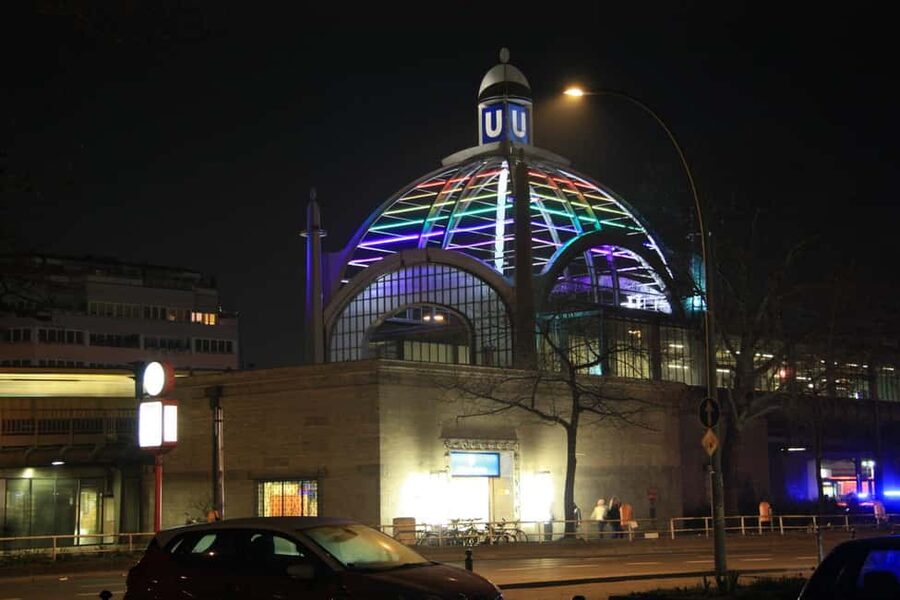
After the river, there’s a short bus ride to the Schöneberg area, where the tour goes deep into the Nollendorf neighborhood—described as the heart of LGBTQIA+ activity for over 100 years.
This is where the tour becomes more than history. It becomes geography of belonging.
Here’s what you’ll take away:
- The neighborhood didn’t happen by accident. People lived, organized, created, and showed up there long enough that the area became a reference point for queer life.
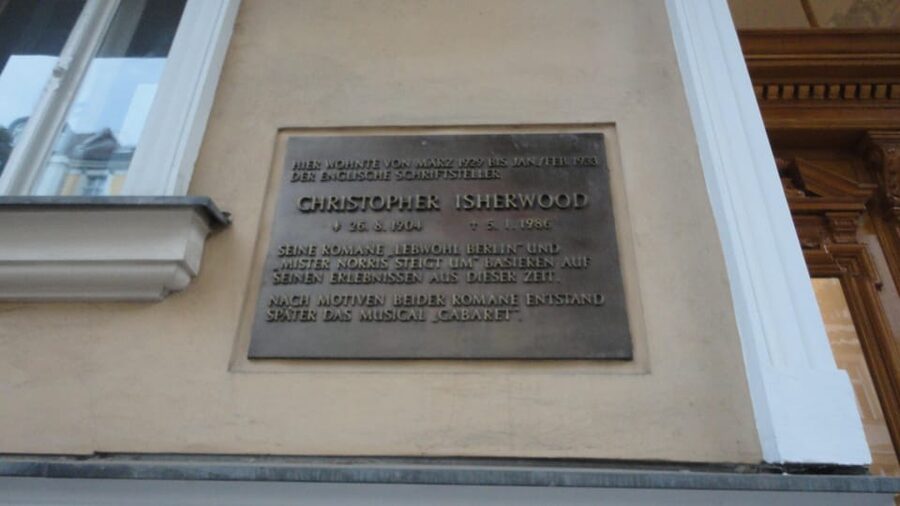
- You’ll talk about the history of the neighborhood, plus famous figures who lived there and important spots tied to how the community formed over time.
- The guide points out what to notice so you don’t just walk past old streets and shrug.
A quick practical thought: Nollendorf-Schöneberg is the kind of area where details matter. You’ll get more from this part if you slow down when your guide stops you, and if you’re willing to ask questions. If you like asking, bring that energy—this tour works well with interaction.
One mild consideration: this is not a drive-by. You’ll do walking alongside the guided segments, so wear shoes you trust.
Guided Time in Schöneberg: Turning Streets into Stories
The tour’s guided time in Schöneberg is designed to help you link names to places. That sounds simple, but it changes how you experience the city.
Instead of thinking, I’m walking through Berlin, you start thinking:
- Where would people gather?
- Which locations would matter for nightlife, visibility, or community support?
- How did the neighborhood’s identity persist through time?
The guide’s approach makes the area feel legible. You’re shown “important spots” rather than being given a random route. That means you can look back later and remember more than just a few landmarks.
And because the group is small (limited to 10 participants), it’s easier to keep track of what’s going on. You’re not fighting over audio or waiting for the guide to finish talking with the entire class.



Urban Nation Gallery: Optional Street Art, Optional Extra Flavor
There’s an optional stop at Urban Nation Gallery, a street-art related add-on that gives the tour a different kind of entry point.
If you choose this part, you’ll get:
- A short guided look connected to the art context
- Then about 20 minutes of free time to move at your own speed
This is a good option for people who think street art is more than decoration. When it’s connected to queer life and community expression, it becomes a kind of language—visible, public, and often political.
One reason I like that it’s optional: it lets you match your curiosity. If you want art, you’ll probably enjoy the extra time. If you’d rather keep momentum and head straight into the final walking section, you can skip and still get the core LGBTQIA+ neighborhood history.
The Final Stroll and How to Notice What Matters
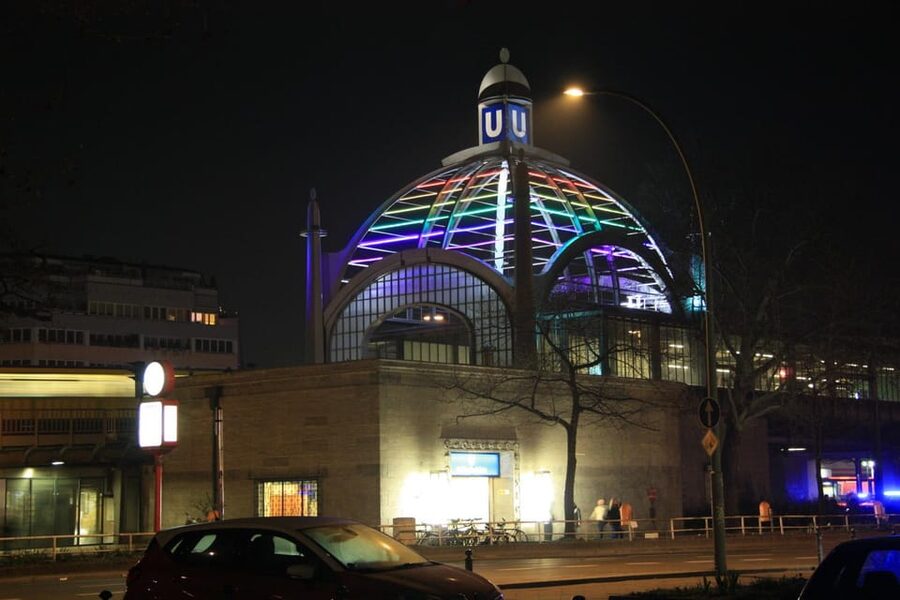
The last walking segment returns to Schöneberg for sightseeing and another stretch of guided look. This is where you start connecting the dots you learned earlier.
By now you’ve got:
- An early anchor point near Hirschfeld’s institute
- A neighborhood-focused story in Nollendorf-Schöneberg
- A chance to broaden the lens with street art (if you opt in)
So the final stops feel less like new information and more like reinforcement. You’re better prepared to read the street-level cues—what’s likely tied to community identity, what places the guide says were meaningful, and what you might want to revisit on your own.
The tour ends at Wittenbergplatz (Wittenbergpl., Berlin-Bezirk Tempelhof-Schöneberg). That’s a handy finish point because it sits in an area where you can keep moving around Berlin after the tour without being stranded far from transit.
Group Size, Timing, and the Pace That Doesn’t Burn You Out
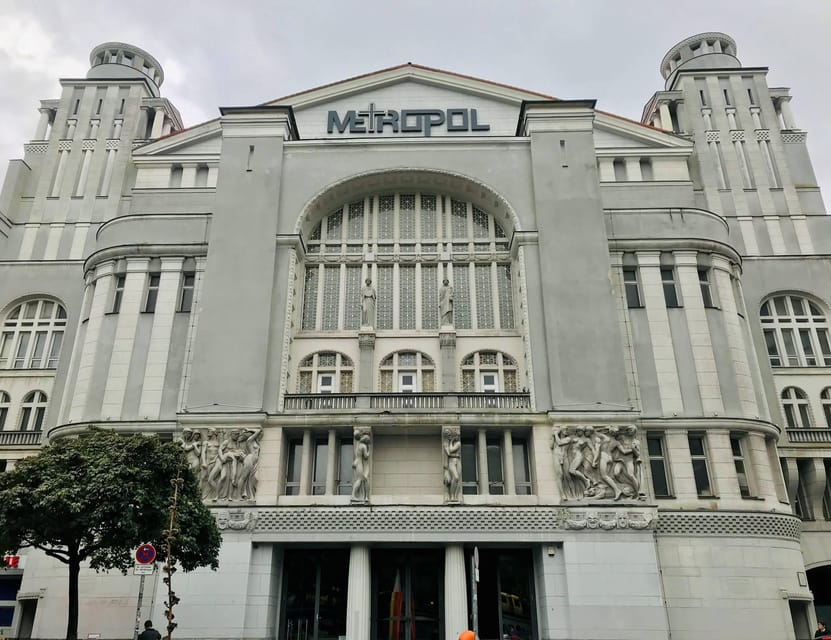
At 2 hours with a group limited to 10 participants, this tour is built for focus, not endurance. You’ll spend time walking and stopping, plus you’ll have that short bus ride to shift neighborhoods efficiently.
For your comfort, plan around two realities:
- It’s an outdoor-heavy experience, with at least the Spree river walk and neighborhood strolling.
- You’ll want your brain awake for the story parts. This is the kind of tour where paying attention actually pays off.
If you’re traveling with friends who get impatient on history tours, this format helps. It’s light and colorful in tone, but still grounded in real community development. And because the guide can personalize, you’re less likely to feel like you’re stuck hearing the same script no matter what you care about.
Price and Value: Is $58 Worth It for a Berlin Specialist Guide?
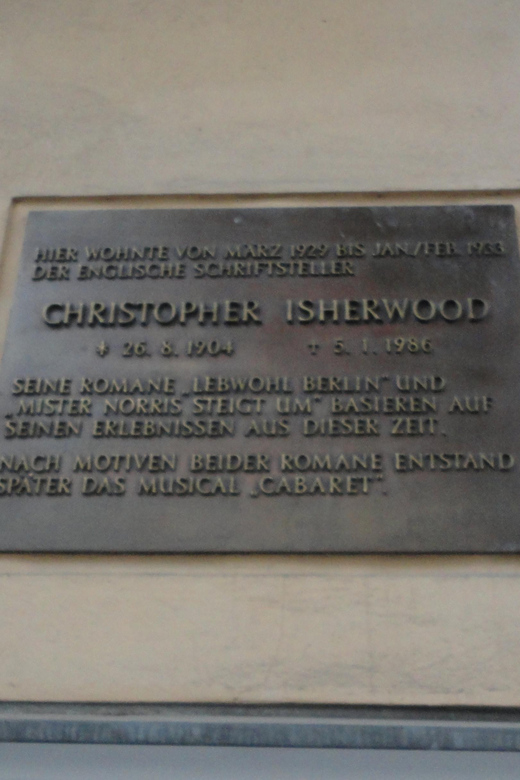
The price is $58 per person for a 2-hour guided experience. On the surface, that might feel like “just a walking tour.” But here’s what pushes the value up.
You’re paying for:
- A specialist-led approach centered on Trans, Queer & Gay community history (not a generic city tour with a token stop)
- An expert Trans woman guide, Gali Jaffe, who tailors the experience to the group’s interests
- A route that aims for “less commonly known” places rather than only the biggest, most obvious sights
- A practical take-home item: a free Berlin Gay Map
That map piece matters more than you might expect. A tour is great for context, but the real win is what you do after. With the map, you can keep exploring the LGBTQIA+ quarter and related areas on your own time—without needing another guided session.
So, yes, it’s not the cheapest option. But if your goal is to understand Berlin through the lens of LGBTQIA+ and trans community life—especially in Schöneberg and Nollendorf—it’s priced like an experience with real expertise behind it.
Who This Tour Is Best For (and Who Might Skip It)
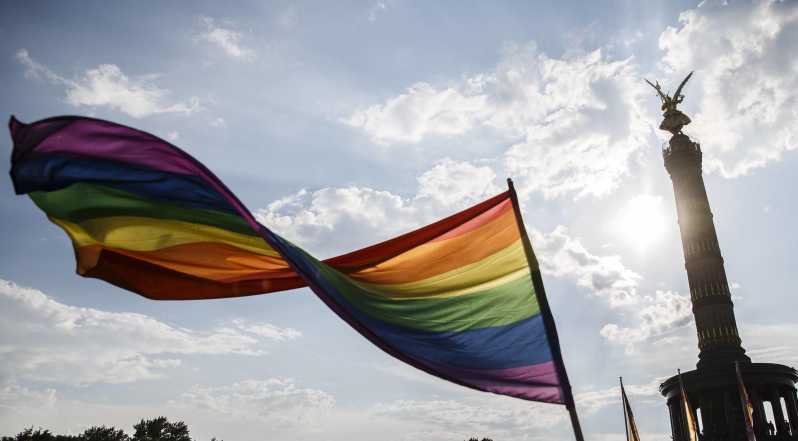
This is a strong match if you:
- Care about Trans, queer, and LGBTQIA+ history told through real places
- Want a neighborhood-focused experience in Schöneberg and Nollendorf rather than an all-over-the-city sampler
- Like art connections, especially if you’ll take the Urban Nation Gallery optional stop
- Prefer small groups where you can ask questions and get personal attention
It’s not a fit if:
- You’re traveling with children under 16, since the tour is not suitable for them
- You don’t want to deal with public transport for a short ride (you’ll need a valid ticket)
Also consider timing. If you’re rushing Berlin on a tight schedule, this tour’s 2-hour length is a plus. If you want a slow day of cafés and long museum hours, you might feel a walking tour interrupts your rhythm.
Should You Book This Tour in Berlin?
Book it if you want a smarter way to understand queer Berlin—through a guided route that connects Hirschfeld’s legacy to the lived history of Nollendorf-Schöneberg. The combination of an expert Trans woman guide, smaller group size, and “less commonly known” locations makes this feel like a real cultural orientation, not just entertainment.
Skip or look for another option if you dislike walking, don’t want any public transport involved, or you’re only chasing major mainstream landmarks. This tour is for people who want depth in a short time—and who care about how community history shows up on streets.
If that sounds like you, this is one of the more purposeful LGBTQIA+ history tours you can slot into your Berlin days.
FAQ
How long is the Trans, Queer & Gay communities of Berlin tour?
It lasts 2 hours.
Where does the tour start?
The meeting point is next to the white entrance buildings to the Reichstag.
Do I need a Berlin public transport ticket?
Yes. The tour requires a valid Berlin public transport ticket because there is a short bus ride during the experience.
How many people are in the group?
The group is limited to 10 participants.
Is the Urban Nation Gallery stop included?
Urban Nation Gallery is optional. If you choose it, you’ll get a guided visit plus time to look around.
What languages is the tour available in, and is it suitable for children?
The tour is available in English and Hebrew. It is not suitable for children under 16 years.
More LGBTQ-Friendly in Berlin

More Tours in Berlin


More Tour Reviews in Berlin
Round out your days in Berlin
LGBTQ-Friendly, compared.
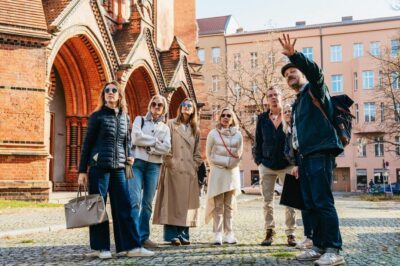 ★ 4.8Gay Berlin Out in Schöneberg Walking TourFrom $23281 reviews
 ★ 4.5Berlin’s Gay, Lesbian, and Queer Scene Small-Group Walking TourFrom $2466 reviews
 ★ 5.0Queer Berlin Tour: Birthplace of LGBTQ+ MovementsFrom $1536 reviews
 ★ 4.0BKA Theater “Operetta for two gay tenors”4 reviews
Browse the lists this tour appears in