
REVIEW · KREUZBERG & ALTERNATIVE DISTRICTS
Berlin: Gay Berlin Out in Schöneberg Walking Tour
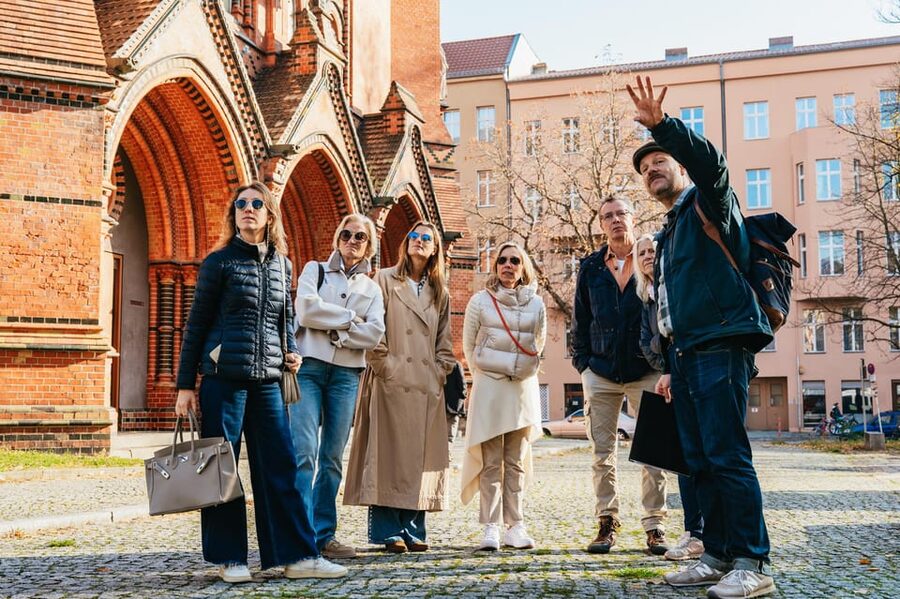
Berlin changes fast when you know where to look. This 2.5-hour Gay Berlin Out in Schöneberg walking tour uses street corners to explain how queer life in Berlin formed, faced pressure, and then returned with force. You’ll follow a route around Nollendorfplatz that links interwar gay culture to the West Berlin resurgence you still see in shopfronts and street names.
I especially love how the tour makes the past feel physical. Tobias’ storytelling is built around specific places like the Nationalhof site and the El Dorado cabaret location on Motzstraße. I also like the pacing: there are comfort stops and plenty of time to look up at the architecture while you learn.
One watch-out: the walk is active and food and drinks aren’t included, so you’ll want to plan for snacks and rest breaks. Also, if you’re hoping for a smooth end-of-tour cafe moment, past experiences with an add-on stop have been mixed.
In This Review
- Key highlights to expect
- Schöneberg After the War: Why This Walk Feels Important
- Where You’ll Start Around Nollendorfplatz (and What That Tells You)
- Tobias’ Style: Humor, Personal Stories, and Archive Clues
- Nationalhof and the Gay Rights Movement That Happened in Plain Sight
- Hollandais Club, Kleist Casino, and the Venue Map of Interwar Berlin
- Motzstraße and the El Dorado Cabaret Club Location
- Christopher Isherwood on Nollendorfstraße: Literature as a Political Signal
- Schwerin Straße Lesbian Quarter and Eisenacher Straße in the Present
- Price and Pace: Why $23 for a 2.5-Hour Walk Can Be a Great Deal
- Practical Tips Before You Go
- Should You Book This Schöneberg Queer History Walk?
- FAQ
- How long is the Berlin Gay Berlin Out in Schöneberg Walking Tour?
- How much does the tour cost?
- Where does the tour start?
- What’s included in the ticket price?
- Are food or drinks included?
- What languages is the tour offered in?
- Is the tour wheelchair accessible?
Key highlights to expect
- Nationalhof site: the heart of the gay rights movement, explained in plain language
- Motzstraße and the El Dorado cabaret: where nightlife and public identity collided
- Hollandais club and Kleist Casino areas: interwar venues that shaped a community
- Christopher Isherwood connection on Nollendorfstraße: a literary link to Gay Liberation
- Schwerin Straße lesbian quarter: you’ll see how queer spaces evolved in West Berlin
- Eisenacher Straße today: the route ends where the neighborhood still shows its character
Deeper into Kreuzberg and the eastern districts
- Berlin: Kreuzberg Guided Walking Evening Tour★ 4.7 · 555 reviews
- Berlin: Alternative Bike Tour of Kreuzberg & Friedrichshain★ 4.7 · 548 reviews
- Berlin: 2.5-Hour Walking Tour through Kreuzberg 61★ 4.9 · 525 reviews
- Berlin Off-the-Beaten-Path Walking Tour: Kreuzberg, Mitte and Friedrichshain★ 5.0 · 412 reviews
Schöneberg After the War: Why This Walk Feels Important
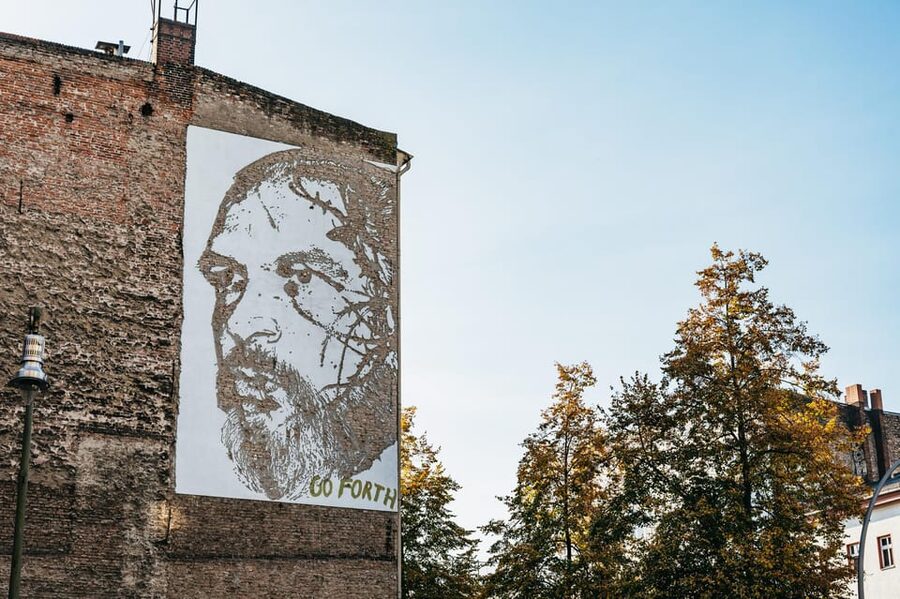
Schöneberg isn’t famous just because it once had nightlife. It matters because this is the kind of district where social life, politics, and culture kept colliding on the street. On this tour, you’re not asked to memorize dates. You’re guided to the exact blocks where change happened, then you’re shown what to notice in the buildings and street layout.
I like that the tour frames queer Berlin as a real timeline, not a museum display. You start with the interwar years right after World War I—especially the period leading up to the Nazi Party in the early 1930s—then you track what happened after. From there, the story turns to the resurgence that built from the late 1960s, when West Berlin developed its only gay district. That arc helps you understand why the neighborhood looks like a patchwork of eras rather than one uniform style.
Where You’ll Start Around Nollendorfplatz (and What That Tells You)
You’ll meet near Nollendorfplatz, though the exact point can vary depending on the option you book. That variation is normal for walking tours in Berlin, but it’s still worth checking the day-of details so you don’t wander in circles.
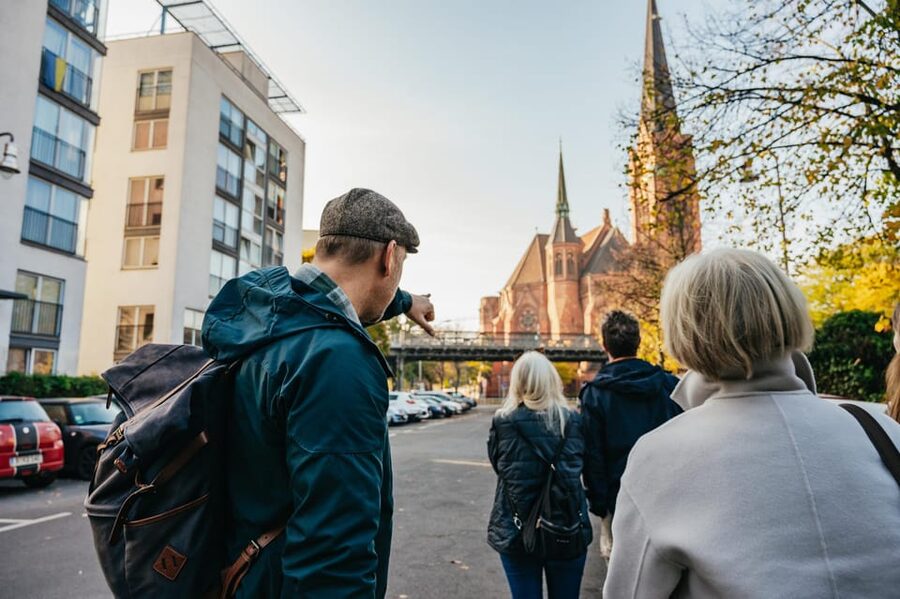
Once you’re with the guide, the plan is simple: walk, stop, listen, look around. The tour runs about 2.5 hours, which is long enough to get meaningful context but short enough that you don’t feel trapped. Since it’s a live guided walk in German or English, you’re not stuck reading a brochure. You get real-time explanations and you can ask questions as you go.
And because it’s wheelchair accessible, the route is designed to be practical for more than just the most athletic walkers.
Tobias’ Style: Humor, Personal Stories, and Archive Clues
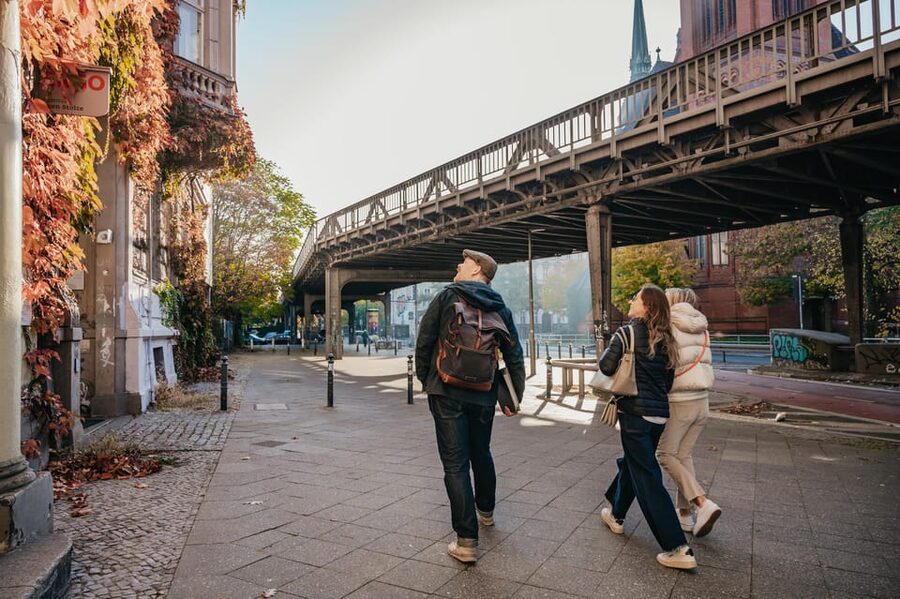
A big reason this tour works is how Tobias teaches. People consistently point to his in-depth local grasp and his ability to keep the pacing lively, with humor that doesn’t turn the topic into a joke. He also uses personal anecdotes, which helps you connect to the facts without losing focus.
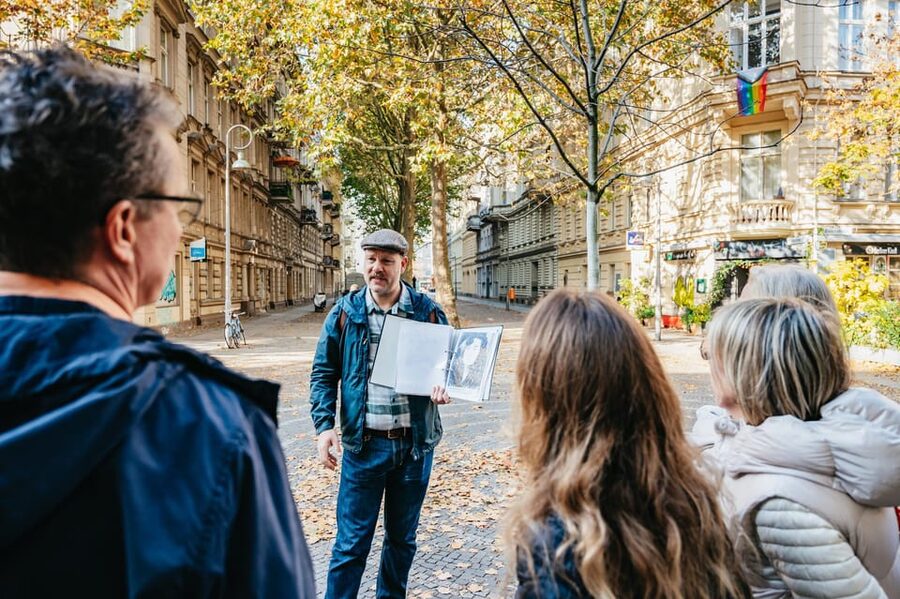
Another detail I appreciate: you’re not only learning from street signs. The tour uses archive pictures and text. That matters because a lot of queer history can feel abstract until you see how people dressed, how venues looked, and what language was used at the time. Even if you know Berlin well, this approach makes the neighborhood feel newly readable.
Nationalhof and the Gay Rights Movement That Happened in Plain Sight
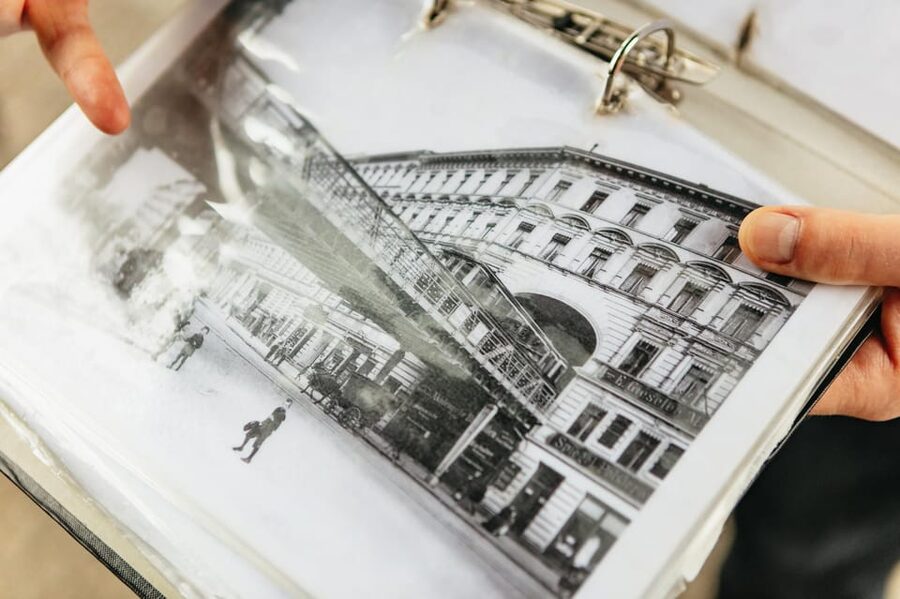
One of the centerpieces is the Nationalhof location. The tour treats this spot as more than a landmark. It’s presented as the heart of the gay rights movement, and you learn why that’s true in context: this wasn’t only about nightlife; it was about visibility, community, and organized resistance in a society that could turn hostile.
When you stand where a movement’s social hub once operated, you naturally start asking better questions:
- What did people risk by gathering here?
- How did legal and cultural pressure shape the community’s behavior?
- Why did certain venues become magnets for organizing?
The guide nudges you toward those questions without making the tour heavy or overly academic. Expect clear explanation, plus context about the broader interwar era—especially how activism and community life evolved during the years before the Nazi Party took power.
More of Berlin on foot
Hollandais Club, Kleist Casino, and the Venue Map of Interwar Berlin
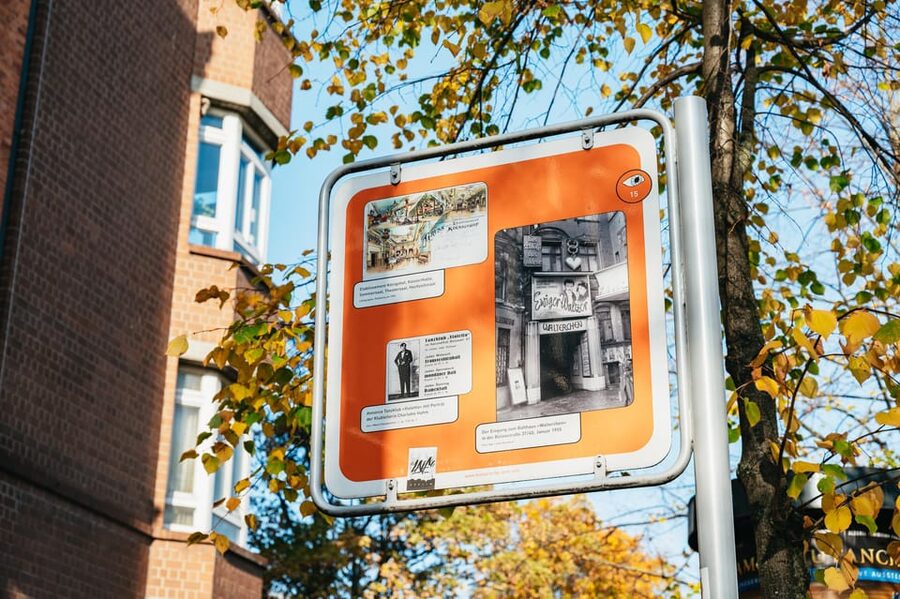
The tour also brings you past key areas linked to places like the Hollandais club and the Kleist Casino. The point isn’t to do a trivia checklist. It’s to help you understand how queer life had geography.
In cities, venues don’t just entertain. They create networks. They concentrate information. They help strangers become a community because they’re standing in the same doorway under the same rules. This is why a walking route is such a smart format for queer history: the street layout still carries the logic of the old nightlife economy.
As you move from stop to stop, you’ll get an interwar snapshot of how spaces functioned—how they brought people together, how people found each other, and how the culture could rebound when it had room to breathe.
Motzstraße and the El Dorado Cabaret Club Location
On Motzstraße, you’ll visit the site connected to the famed El Dorado cabaret club. Cabaret matters in queer history because it often sat at the intersection of performance and social permission. Even when public life was restricted, stage culture could create a space where identity felt both coded and celebrated.
The tour helps you see cabaret as more than entertainment. It’s a social technology: it creates characters, languages, and inside references. It also brings in a broader audience, which can increase visibility—sometimes empowering the community, sometimes making it a target.
As you walk Motzstraße, look at how the street still functions today. The tour doesn’t ask you to imagine it the same way. It asks you to notice what has stayed useful about the location: foot traffic, street connections, and why this kind of street was perfect for meeting, performing, and being seen.
Christopher Isherwood on Nollendorfstraße: Literature as a Political Signal
Another thoughtful stop is the former home of novelist Christopher Isherwood on Nollendorfstraße. This is where the tour expands beyond nightlife and activism into culture’s wider influence. You learn how Isherwood’s writing helped form part of the cultural foundation tied to Gay Liberation.
If you enjoy connecting a city to books or films, this stop is a strong payoff. Berlin becomes more than a set of events; it becomes a story that authors helped carry into the modern world. In practice, it also makes your walk feel more varied: you’re not only learning about clubs and organizing spaces. You’re learning about how language, attention, and storytelling can shift what society believes is possible.
Schwerin Straße Lesbian Quarter and Eisenacher Straße in the Present
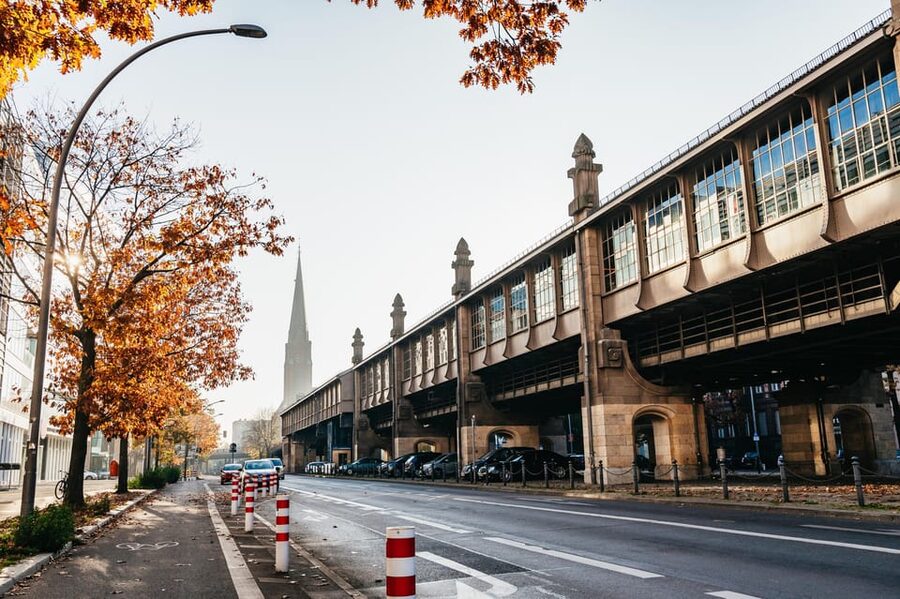
The tour doesn’t treat queer history as only male or only interwar. You’ll specifically walk through the lesbian quarter on Schwerin Straße. That’s a meaningful shift, because it changes the lens from one kind of nightlife to a broader neighborhood model of community life.
From there, the route continues along Eisenacher Straße, which still reflects the varied life of a thriving queer area. This part is valuable because you get the present-day reality right after the older context. You can literally see how a neighborhood can evolve without losing its identity.
I find this sequence helpful when you’re traveling on limited time. It turns the walk into more than remembrance. It becomes orientation: you finish with a better sense of where queer Berlin’s energy currently shows up, not only where it used to happen.
Price and Pace: Why $23 for a 2.5-Hour Walk Can Be a Great Deal
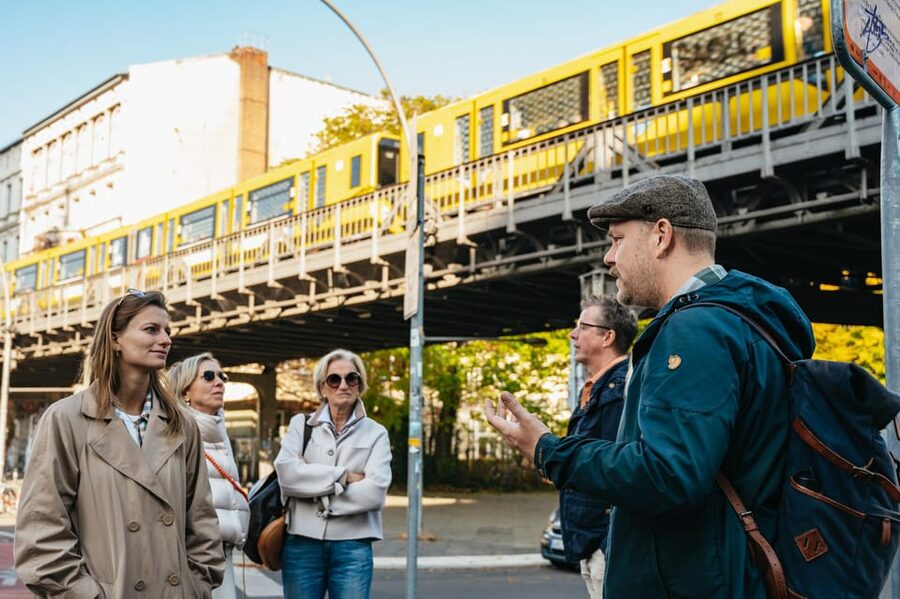
At about $23 per person for 2.5 hours, this tour fits well into a mid-price travel day. You’re paying for a guide and a coherent route with multiple major stops tied to queer history, not just a generic neighborhood stroll.
The value shows up in three practical ways:
- You get a real guide, in English or German, not an audio-only experience
- You cover a focused route with major named sites—Nationalhof, El Dorado (Motzstraße), and the Isherwood home connection
- You get storytelling tools like archive images and text, which helps you retain what you learn
The pace is also sensible. One review highlights that there are comfort stops, and another notes Tobias being accommodating when transport was delayed. That kind of flexibility matters when you’re sightseeing in a real city with real schedule problems.
Just remember: food and drinks aren’t included. If you’re sensitive to walking fatigue, plan a light snack before you start, and think about bringing a water bottle for longer days.
Practical Tips Before You Go
- Wear shoes that can handle Berlin sidewalks and occasional uneven patches.
- Bring a layer. Even in mild seasons, a 2.5-hour outdoor walk can feel longer than it sounds.
- If you’re arriving by public transit, give yourself a small buffer. The guide has shown flexibility when things run late, but it’s still easier when you’re on time.
- If you’re a photo person, consider bringing your camera ready; the tour uses archive visuals, and that kind of learning often makes you want to capture details.
Should You Book This Schöneberg Queer History Walk?
I’d book it if you want queer Berlin history tied to street-level reality. This isn’t a vague overview. You’ll visit recognizable sites like the Nationalhof, get a stop on Motzstraße for the El Dorado cabaret, and include a culture link through Christopher Isherwood on Nollendorfstraße. You’ll also get the wider view with the lesbian quarter on Schwerin Straße, plus the sense of what persists in places like Eisenacher Straße.
Skip it only if you want food included or you’re expecting a mostly indoor experience. This is a walking tour, and its power comes from seeing the neighborhood itself.
If you’re trying to choose between a general Berlin history tour and something more specific, this one is a strong pick. It helps you read Schöneberg, not just pass through it. And with Tobias leading, the combination of humor, personal anecdotes, and archive materials makes the whole route easier to follow and harder to forget.
FAQ
How long is the Berlin Gay Berlin Out in Schöneberg Walking Tour?
The tour lasts about 2.5 hours.
How much does the tour cost?
The price is $23 per person.
Where does the tour start?
The meeting point may vary depending on the option booked, but it’s around the Nollendorfplatz area.
What’s included in the ticket price?
You get a guided walking tour with a live guide.
Are food or drinks included?
No. Food and drinks are not included.
What languages is the tour offered in?
The live tour guide is available in German and English.
Is the tour wheelchair accessible?
Yes, it is wheelchair accessible.
More Tours in Berlin



More Tour Reviews in Berlin

Kreuzberg and the Eastern Districts

Round out your days in Berlin
Kreuzberg & Alternative Districts, compared.
 ★ 4.5Kreuzberg: Culinary Food TourFrom $589770 reviews
 ★ 4.7Kreuzberg Guided Walking Evening TourFrom $27555 reviews
 ★ 4.7Alternative Bike Tour of Kreuzberg & FriedrichshainFrom $41548 reviews
 ★ 4.92.5-Hour Walking Tour through Kreuzberg 61From $23525 reviews
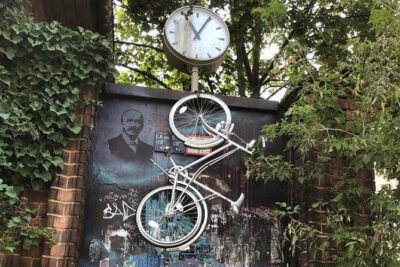 ★ 5.0Berlin Off-the-Beaten-Path Walking Tour: Kreuzberg, Mitte and FriedrichshainFrom $30412 reviews
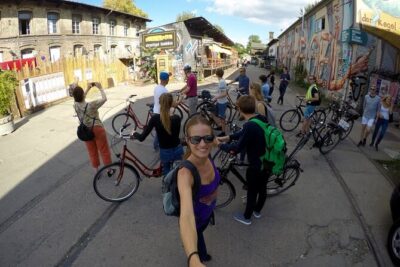 ★ 4.8Experience the Alternative Kreuzberg on a Bike TourFrom $41395 reviews
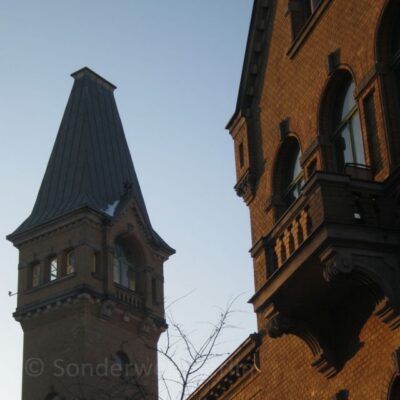 ★ 4.9Prenzlauer Berg District Guided Walking TourFrom $23316 reviews
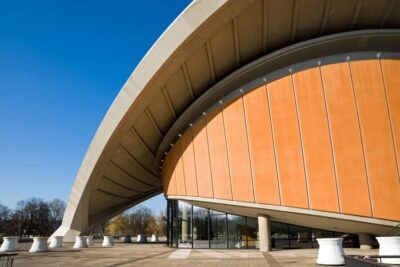 ★ 5.0Hansaviertel “The City of Tomorrow” Guided TourFrom $23219 reviews
Browse the lists this tour appears in