
REVIEW · WALKING TOURS
Berlin’s Gay, Lesbian, and Queer Scene Small-Group Walking Tour
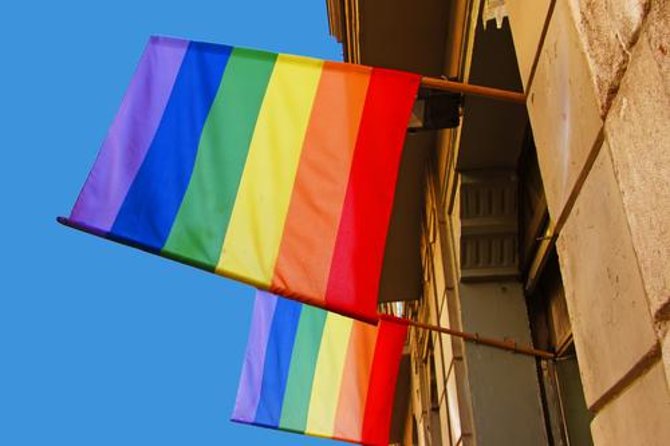
Queer Berlin has layers you can walk. This small-group English-language tour traces queer culture from the 19th century to today across Schöneberg and Kreuzberg with an expert guide.
I especially like how the walk is built around real places, not just names—so you connect neighborhoods like Schöneberg and Kreuzberg to the larger story.
I also like the stop at the Schwules Museum, which helps turn the street-level anecdotes into clearer context about LGBT history and culture. The main thing to consider: it runs in all weather and lasts about 3 hours 30 minutes, so you’ll want to dress for heat or rain and be ready for a good amount of walking.
In This Review
- What Makes This Gay, Lesbian, and Queer Walking Tour Worth Your Time
- A 3.5-Hour Walk That Turns Berlin into a Timeline
- Start at Neue Promenade, Finish Near Nollendorfplatz
- Schöneberg and Tiergarten: Getting Oriented to Queer Berlin’s Older Roots
- Kreuzberg’s Modern Alternative District Stop: How the Story Lives Today
- Südblock: Why This Queer-Run Bar and Restaurant Matters
- From 90s Club Roots to Open-All-Hours Berlin
- Europe’s Oldest LGBTQ Neighborhood and Christopher Isherwood
- Schwules Museum Stop: Turning Street-Level Stories into Context
- Price and Value: $24.14 for a Small-Group Story Tour
- How to Avoid Mix-Ups (And Get the Right Kind of Tour)
- Who This Tour Is For (and Who Might Want to Rethink It)
- Should You Book It?
- FAQ
- How long is the Berlin Gay, Lesbian, and Queer Scene Small-Group Walking Tour?
- Where does the tour start and end?
- Is the tour offered in English, and what’s the group size?
- What’s included in the ticket price?
- Do I need a transport ticket?
- Does the tour run in bad weather?
- Can I get a refund if my plans change?
What Makes This Gay, Lesbian, and Queer Walking Tour Worth Your Time
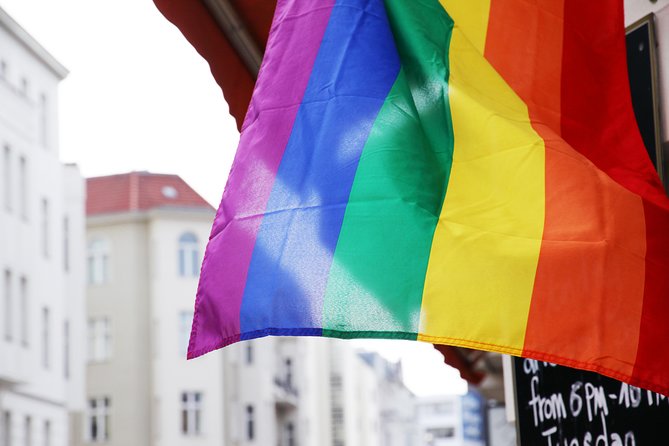
- A centuries-spanning route across Schöneberg, Tiergarten, and Kreuzberg, so you see how the city’s queer story shifts over time.
- Small-group size (max 15), which keeps the pace human and makes it easier to ask questions.
- Südblock as a community anchor, not just a place to grab a drink—this stop is treated like part of the history.
- Club lore with roots in the 1990s, carried forward into today’s all-hours energy.
- A Schwules Museum visit that gives you the “why it matters” background behind what you’re seeing on the streets.
More of Berlin on foot
- Discover Berlin Half-Day Walking Tour★ 5.0 · 9,624 reviews
- Berlin City walk Government District and Places of Democracy★ 4.7 · 8,467 reviews
- Berlin: Third Reich & Cold War Guided Walking Tour★ 4.9 · 8,378 reviews
- Berlin: Discover Berlin Walking Tour★ 4.9 · 5,998 reviews
A 3.5-Hour Walk That Turns Berlin into a Timeline
This is a walking tour designed for story-lovers. You don’t just skim the surface of Berlin’s queer scene—you follow it from older eras to the present, using neighborhoods and landmarks as your guideposts. In about 3 hours 30 minutes, you get a sense of how queer life has been shaped by politics, visibility, and community spaces.
I like that the tour doesn’t try to be one-note. It moves between where people lived, where they gathered, and where culture took off. That structure makes the whole topic feel grounded. You’ll leave with a clearer mental map of Berlin, not just a list of famous dates.
Start at Neue Promenade, Finish Near Nollendorfplatz
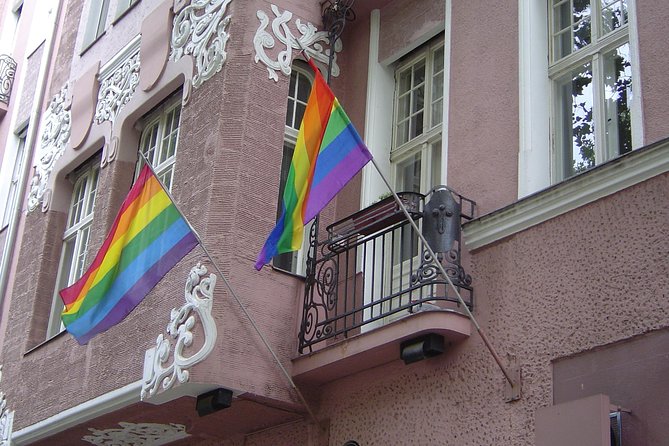
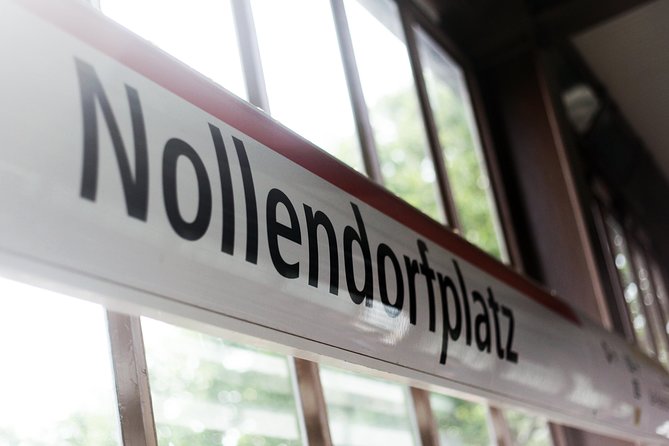
Your day starts in central Berlin at Neue Promenade 3 (10178). The tour ends at or near Nollendorfplatz (10787). That matters because you’re not stuck retracing your steps—your route naturally carries you toward an area that’s easy to work with for the rest of the evening.
The tour also gives you a mobile ticket, and you’ll receive confirmation at booking. In practice, that reduces friction: you can focus on meeting your guide and getting oriented rather than hunting paperwork. Also, since the tour is near public transportation, you should be able to plug it into the rest of your Berlin plans without a big detour.
Schöneberg and Tiergarten: Getting Oriented to Queer Berlin’s Older Roots
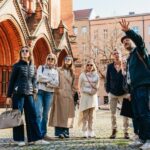
Early on, your guide sets the tone by explaining how queer culture has been part of Berlin for centuries. Then the tour starts connecting that idea to real geography—Schöneberg, Tiergarten, and nearby streets are treated like chapters in the same book.
One reason I like this approach is that it teaches you how to read the city. You begin to notice that some places are significant because they hosted community life, and others matter because of the people attached to them. You’ll learn about main personalities tied to Berlin’s queer story, including Marlene Dietrich and Mayor Klaus Wowereit, so the history has faces—not just concepts.
If you’re visiting Berlin for the first time, this early framing helps. It’s easier to understand what you’re seeing later when you already know which neighborhood themes your guide is building.
Kreuzberg’s Modern Alternative District Stop: How the Story Lives Today
Next, the tour shifts into present-day energy by taking you through Berlin’s modern alternative district. This part is useful even if you’ve read about Berlin before. You get a sense of how today’s queer spaces sit alongside the older story your guide has been tracing.
I think this stop works because it’s not presented as a separate topic. It feels like the story continues, just in a new vocabulary. Berlin’s queer culture isn’t only about historical milestones—it’s also about how community and identity express themselves in everyday life.
A practical note: since the tour runs in all weather, bring a light layer and consider how your outfit will handle wind and rain. You’ll appreciate not having to stop early just because you’re uncomfortable.
More Berlin tours to line up side by side

Südblock: Why This Queer-Run Bar and Restaurant Matters
One of the key stops is Südblock, described as a queer-run bar and restaurant. The tour doesn’t treat it like a casual pause—it treats it as an integral pillar of the LGBTQ+ community.
This is one of those moments where the tour becomes more than sightseeing. You’ll learn how places like Südblock function socially and culturally: they’re gathering points, support networks, and visibility spaces all at once. Even if you’re only having a short sit-down, you’ll understand why the location is part of the cultural map.
If you like learning through food-and-drink places (rather than only museums and memorials), this stop is a big part of the appeal. It’s also a good chance to reset your energy before the later club-history segment.
From 90s Club Roots to Open-All-Hours Berlin
Later, you’ll hear the history of one of the world’s most famous clubs. The tour frames it with roots in the 90s gay scene, then links that origin story to today’s open-all-hours style.
I like this segment because it turns nightlife history into something you can picture. You’re not just hearing dates—you’re hearing a narrative of how club culture evolves when a city’s queer community changes, grows, and adapts.
Timing-wise, it also adds variety to the walking rhythm. After older-personality history and neighborhood context, club history gives you a different lens: how queer community energy shows up when music, performance, and late-night life become part of the public story.
Europe’s Oldest LGBTQ Neighborhood and Christopher Isherwood
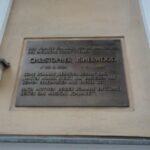
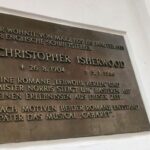
Another highlight is seeing one of Europe’s oldest and most established LGBTQ neighbourhoods. Your guide also brings in Christopher Isherwood, focusing on his life and times within this setting.
This is the part that feels most like walking with a cultural guidepost. Instead of jumping around, you’re moving through an area tied to long-standing community presence. The Isherwood element helps you connect the dots between the people who documented or shaped perceptions and the lived reality of the neighborhood.
If you enjoy literature, culture, and how creatives interact with social change, you’ll likely latch onto this stop. Even without deep background, the tour structure should help you understand why this name shows up in the story.
Schwules Museum Stop: Turning Street-Level Stories into Context
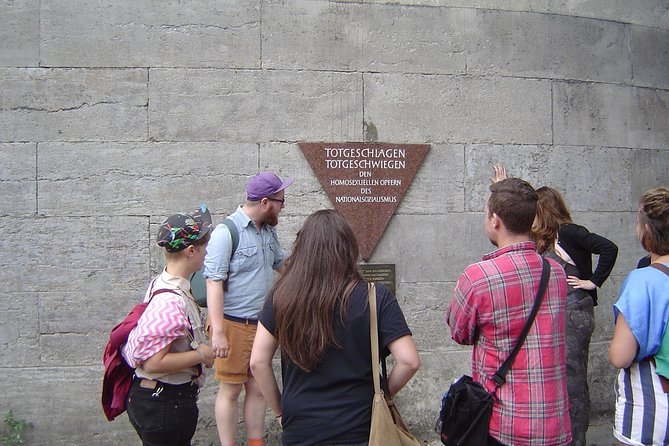
The tour includes a visit to the Gay Museum, officially known as the Schwules Museum. This matters because earlier parts of the walk are built on places, anecdotes, and guiding interpretation. The museum helps you slow down and absorb the bigger picture.
Since the tour also aims to retrace history from the 19th century to today, the museum visit is where that broad scope can become clearer. You’re getting deeper comprehension of LGBT history and culture, which helps if you want more than a guided overview.
One practical thing to watch: the tour info only lists the professional guide as included. Admission costs are not stated in the details you provided, so it’s smart to plan for the possibility that you may need to cover museum entry separately. Your guide should be able to clarify what’s covered once you’re meeting them.
Price and Value: $24.14 for a Small-Group Story Tour
At $24.14 per person, this tour is priced in a way that feels accessible for a specialized topic. You’re paying for something real: a professional guide and a structured route across major queer-linked neighborhoods, plus an official museum stop.
What you should budget for separately:
- A Berlin Transport AB Zone ticket (day pass) is about 7.00 Euros, and the guide can make it available on the day.
- Food and drinks are not included.
To me, the value calculation comes down to group size and scope. With a maximum of 15 people, you’re not just buying a cheap walk—you’re paying for interpretation and pacing across multiple themed stops. If you’re short on time in Berlin but want a strong foundation in queer history, this ticket price is a good trade.
How to Avoid Mix-Ups (And Get the Right Kind of Tour)
This is the kind of tour where your expectations should match the format. It’s a queer culture history walk with set stops, including Südblock and Schwules Museum. If you’re hoping for a different style of Berlin walk—like one focused more on street art—you’ll want to confirm the emphasis when you arrive.
Here’s the simple way to avoid confusion: arrive a little early and watch for the guide’s loud opening. The tour guides typically announce themselves clearly at the start—so if you don’t hear or spot that, ask. If you’re unsure, it’s always better to verify right away rather than follow the wrong group down the wrong street.
I’d also keep an eye on the time. The start is at 12:00 pm, and the tour runs about 3 hours 30 minutes, ending near Nollendorfplatz. If you schedule a strict dinner reservation immediately after, give yourself buffer time.
Who This Tour Is For (and Who Might Want to Rethink It)
This tour makes sense if you want a guided orientation to Berlin’s queer history—especially if you’re interested in how communities and public culture shifted from older eras into modern nightlife and institutions.
It’s also a good fit if you:
- want English interpretation with a professional guide
- appreciate a small-group experience rather than a crowd tour
- enjoy mixing neighborhoods, personalities, and a museum visit
You might rethink it if you’re only interested in one narrow slice of the topic. For example, this is not a street-art-only tour—it’s queer culture history with specific landmark stops. Likewise, since it includes museum time as part of the program, you should be comfortable with a context-building stop.
Should You Book It?
Yes—if you want an organized, story-driven introduction to Berlin’s queer culture. At $24.14 for a small-group walk that spans Schöneberg, Tiergarten, and Kreuzberg, includes Südblock, and features Schwules Museum, the value is strong.
Book it especially if you like learning through real places and want a timeline you can carry around in your head after you leave. Just come prepared for a longer walk, dress for weather, and be ready to pay for the transport day pass and possibly museum entry, since those costs aren’t listed as included.
FAQ
How long is the Berlin Gay, Lesbian, and Queer Scene Small-Group Walking Tour?
It runs for about 3 hours 30 minutes.
Where does the tour start and end?
It starts at Neue Promenade 3, 10178 Berlin and ends near Nollendorfplatz, 10787 Berlin.
Is the tour offered in English, and what’s the group size?
Yes, it’s offered in English. The group size is capped at a maximum of 15 travelers.
What’s included in the ticket price?
The tour includes a professional guide. Food and drinks are not included.
Do I need a transport ticket?
A Berlin Transport AB Zone ticket (about 7.00 Euros for a day pass) is not included, but it’s available from your guide on the day.
Does the tour run in bad weather?
Yes. It operates in all weather conditions, so dress appropriately.
Can I get a refund if my plans change?
Free cancellation is available up to 24 hours before the experience for a full refund.
More of Berlin on Foot

More Tours in Berlin





More Tour Reviews in Berlin

Round out your days in Berlin
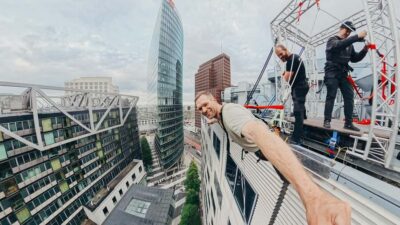
Walking Tours, compared.
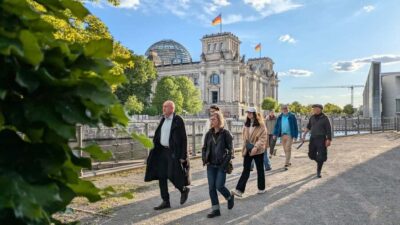 ★ 4.7Berlin City walk Government District and Places of DemocracyFrom $2948,467 reviews
 ★ 4.9Third Reich & Cold War Guided Walking TourFrom $238,378 reviews
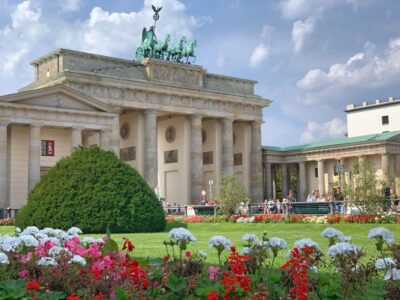 ★ 4.9Discover Berlin Walking TourFrom $235,998 reviews
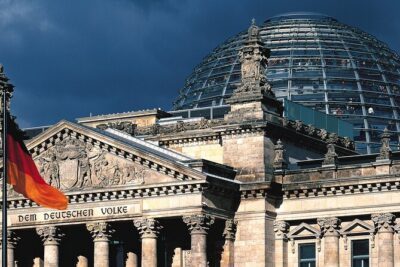 ★ 5.0Berlin’s Best: 2 Hour Walking Tour Third Reich and the Cold WarFrom $245,486 reviews
 ★ 4.8Hidden Backyards Guided Walking TourFrom $235,360 reviews
 ★ 5.0Third Reich Berlin: Hitler and WWII Walking TourFrom $243,301 reviews
 ★ 4.9Third Reich, Hitler, and WWII Walking TourFrom $191,757 reviews
 ★ 4.6Alternative Berlin Walking TourFrom $291,204 reviews
Browse the lists this tour appears in