
REVIEW · LGBTQ-FRIENDLY
Queer Berlin Tour: Birthplace of LGBTQ+ Movements
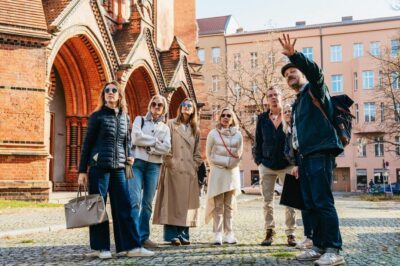
Queer Berlin history hits fast on foot. This 3-hour walk through Schöneberg and key landmarks turns famous names into real street-level context, and it’s led in English or German by guides who can connect people, politics, and nightlife. I particularly like the way it pairs big ideas like Magnus Hirschfeld’s work with specific places you can still stand in front of today, and I like the focus on both the joy and the harm that shaped queer Berlin. One drawback to plan for: you’ll cover heavy material about Nazi persecution and Cold War suffering, so it’s not a light stroll.
You start near Nollendorfplatz and move through Berlin’s gay-history “map” at a steady walking pace. Stops include the Memorial to the Homosexuals Persecuted Under Nazism, the Hirschfeld Institute site, Schöneberg’s changing queer scene, and an East Berlin ending around Alexanderplatz. If you’re sensitive to dark chapters or you need frequent breaks, consider that you’ll be on your feet for the full 3 hours.
In This Review
- Key Highlights You’ll Care About
- Starting at Nollendorfplatz: Why This Walk Begins in Schöneberg’s Orbit
- The Memorial to the Homosexuals Persecuted Under Nazism: History With Weight
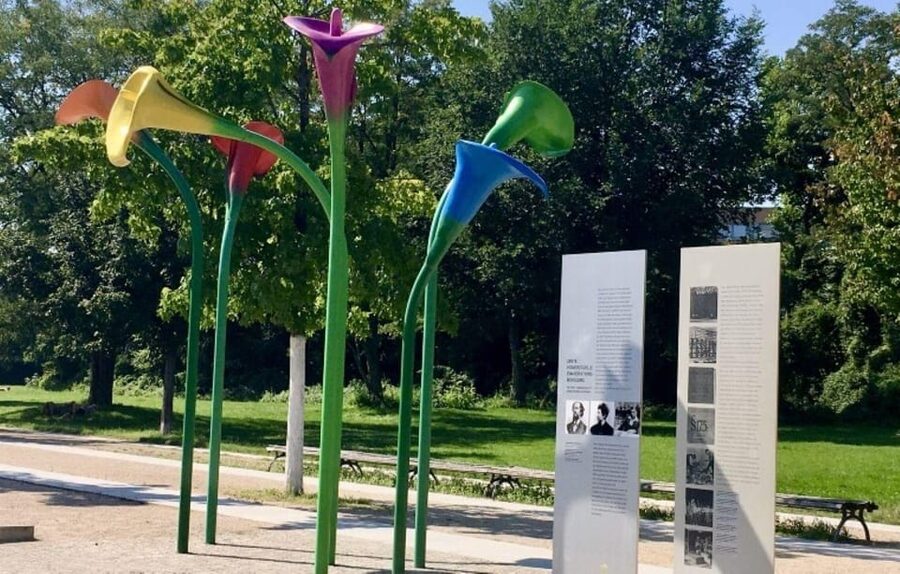
- Tiergarten and the Gay Emancipation Monument: From Advocacy to Attacks
- Hirschfeld’s Institute: What It Meant and Why It Still Matters
- Schöneberg Strolls: Bars, Neighborhood Codes, and the Cabaret Connection
- Real De Catorce and the Nightlife Thread: Where Stories Live After Dark
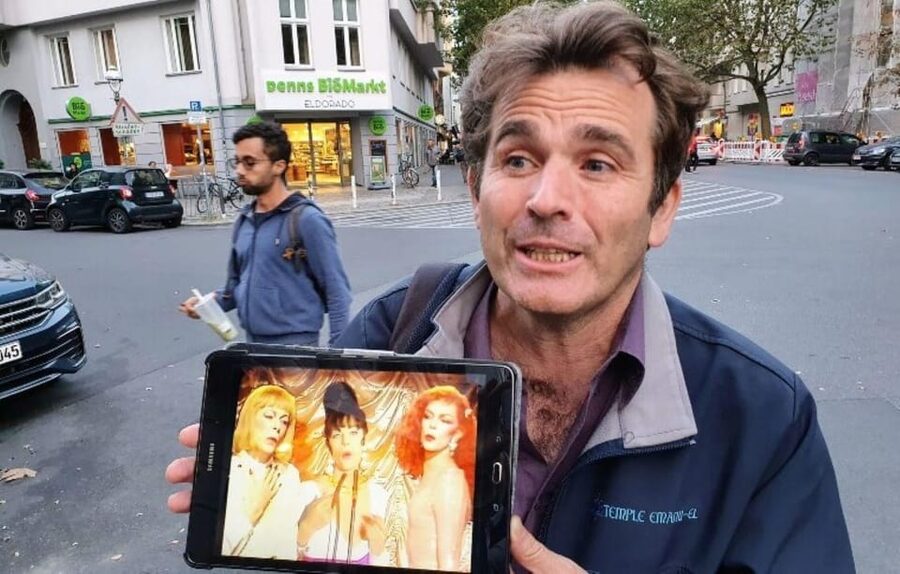
- El Dorado Cabaret, Marlene Dietrich, and Ernst Röhm’s Double Life
- Unter den Linden: When Famous Men Hid Their Selves
- Chez Romy Haag and Bowie’s Heroes: 1970s Love, Loss, and Legend
- Alexanderplatz and Cold War East Berlin: What Life Cost Behind the Iron Curtain
- Price and Pace: Is $153 Worth 3 Hours?
- Who This Tour Fits Best (and Who Might Not Love It)
- Should You Book This Queer Berlin Tour?
- FAQ
- How long is the tour?
- How much does the tour cost?
- Where does the tour start and end?
- What sites will I see?
- What languages are offered?
- Is the metro fare included?
- Is this tour private or small-group?
- Is the tour suitable if I have mobility issues?
- Can I pay later and cancel if plans change?
Key Highlights You’ll Care About
- Schöneberg, described as the world’s first gay ghetto, with real anchors for the stories behind it
- Magnus Hirschfeld’s Institute for Sexual Science, including how it shaped ideas and what the Nazis did to it
- Tiergarten’s Gay Emancipation Movement monument, tied to the broader push for rights and recognition
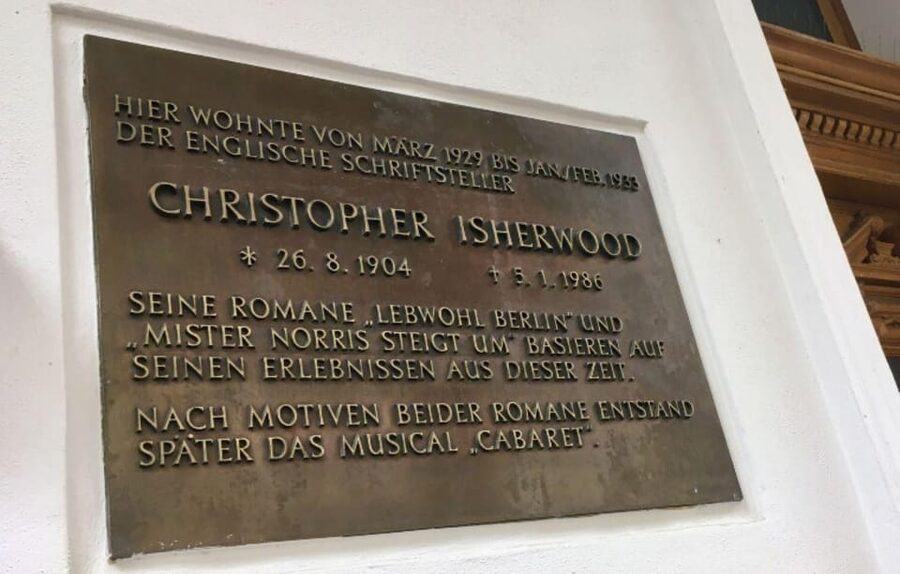
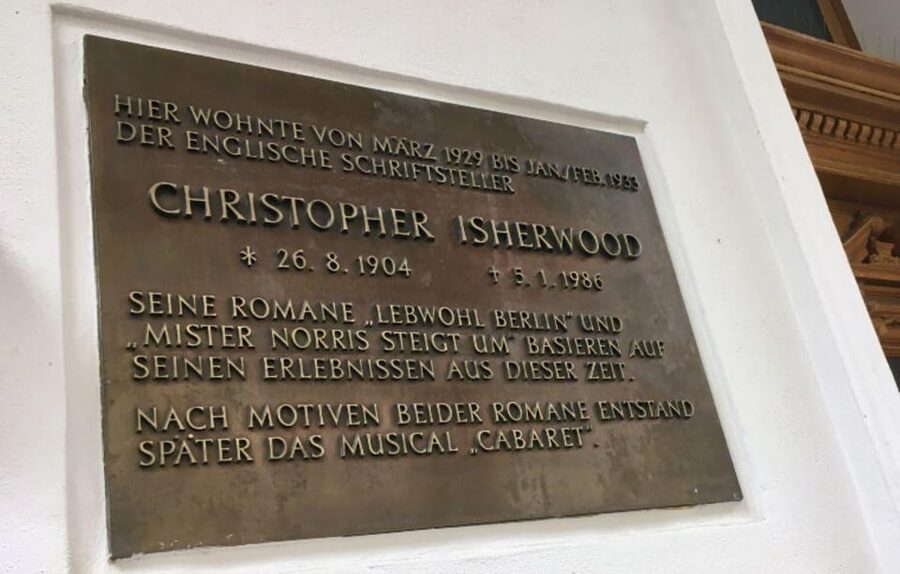
- Weimar-era queer culture on the ground, including Christopher Isherwood’s former flat and connections to Cabaret
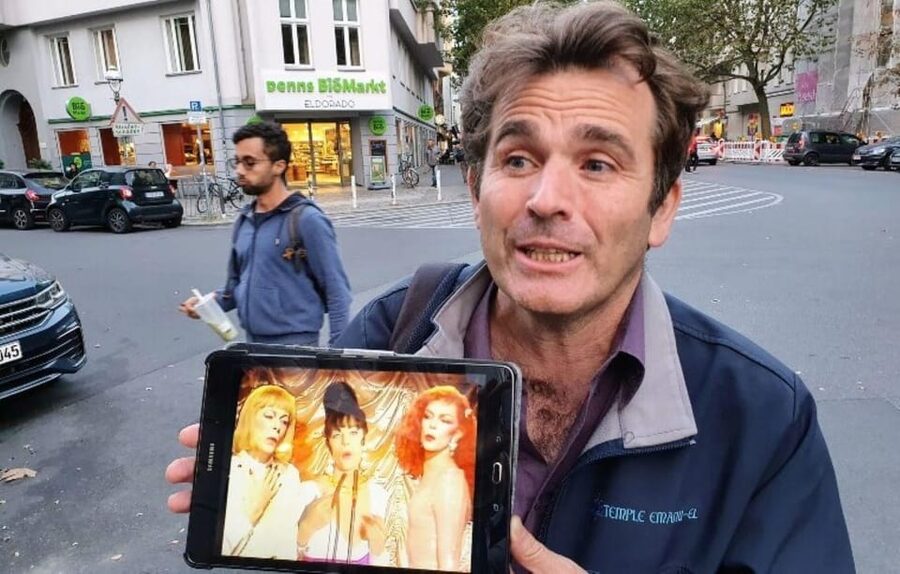
- Marlene Dietrich, Ernst Röhm, and the El Dorado Cabaret era, with the danger that followed
- A 70s Berlin thread linking Romy Haag and David Bowie’s Heroes
More Berlin tours to line up side by side
- Berlin: Gay Berlin Out in Schöneberg Walking Tour★ 4.8 · 281 reviews
- Berlin’s Gay, Lesbian, and Queer Scene Small-Group Walking Tour★ 4.5 · 66 reviews
- Queer Berlin Tour: Birthplace of LGBTQ+ Movements★ 5.0 · 6 reviews
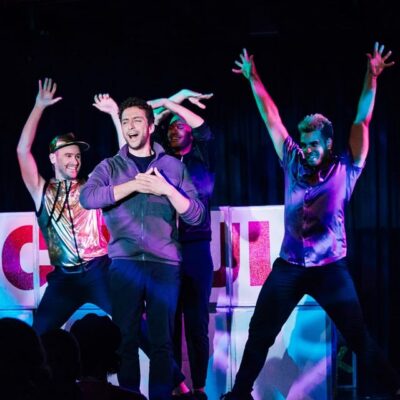
- Berlin: BKA Theater “Operetta for two gay tenors”★ 4.0 · 4 reviews
Starting at Nollendorfplatz: Why This Walk Begins in Schöneberg’s Orbit
I like that this tour doesn’t start with a museum door. It starts in the Schöneberg gravitational field, where so much of Berlin’s queer story took physical form—bars, cruising corners, activism, scandal, and community-building. You get the sense early on that these weren’t just “events in history.” They were daily life, pushed and pulled by law, policing, and public opinion.
Your route is about 3 hours on foot, so you’ll want shoes that handle cobblestones and long city blocks without drama. You’ll also spend time outside, so bring whatever you need for Berlin weather—because the story is happening in the open.
Group size can matter a lot on a history walk, and this one works best when you’re with a private or small group. Some guides bring a tighter, more conversational flow, and that helps when you’re juggling names, dates, and places.
The Memorial to the Homosexuals Persecuted Under Nazism: History With Weight
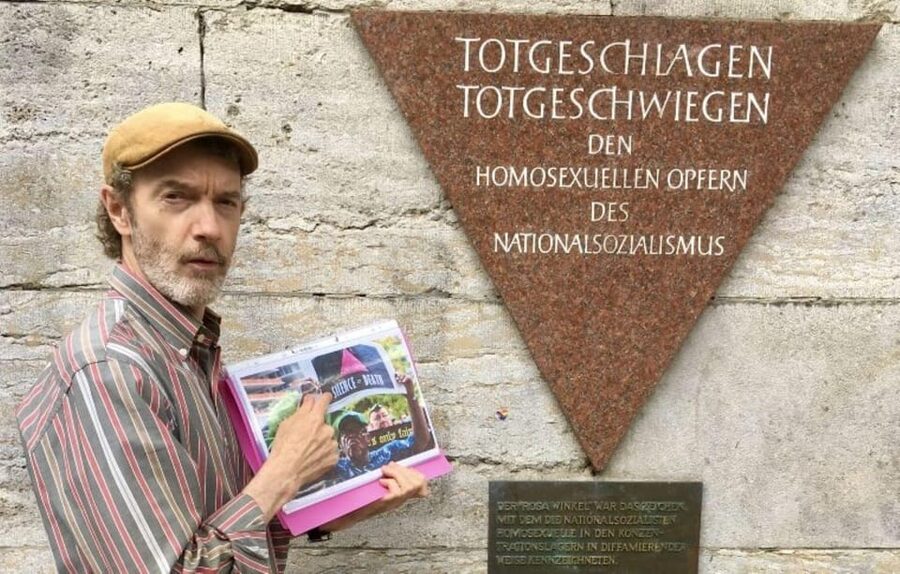
The walk hits its first hard point with the Memorial to the Homosexuals Persecuted Under Nazism. This isn’t presented as a sidebar. It’s treated as a necessary anchor for understanding why Berlin’s queer visibility kept being interrupted—sometimes by ideology, sometimes by state power, and often by both at once.
You’ll learn how Nazi persecution didn’t just target people in the abstract. It attacked real bodies, real relationships, and real communities. The guide’s job here is to make the geography match the emotional reality: you’re in Berlin, not in a textbook.
If you’re coming just for culture and nightlife stories, this section will still matter. It explains the cost behind why so much queer life became both more coded and more fragile during the worst periods.
Tiergarten and the Gay Emancipation Monument: From Advocacy to Attacks
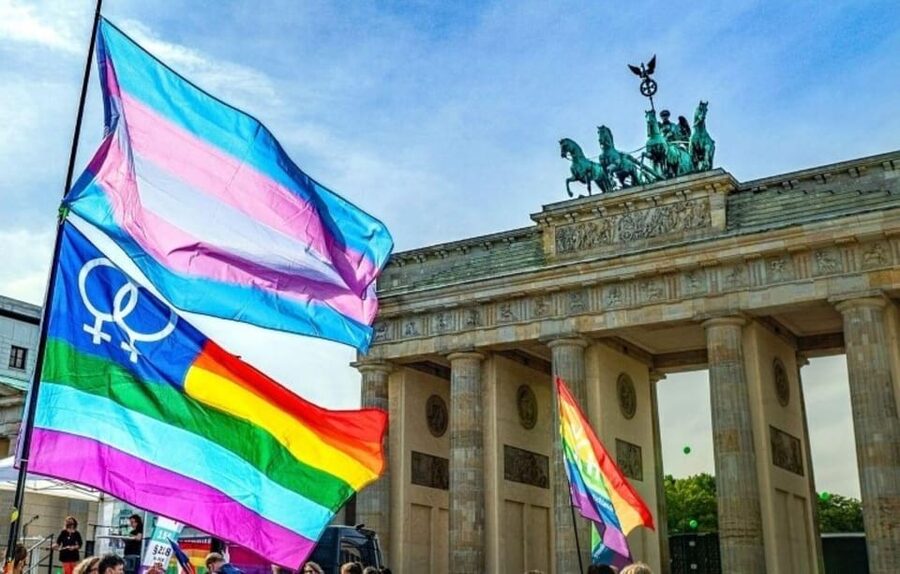
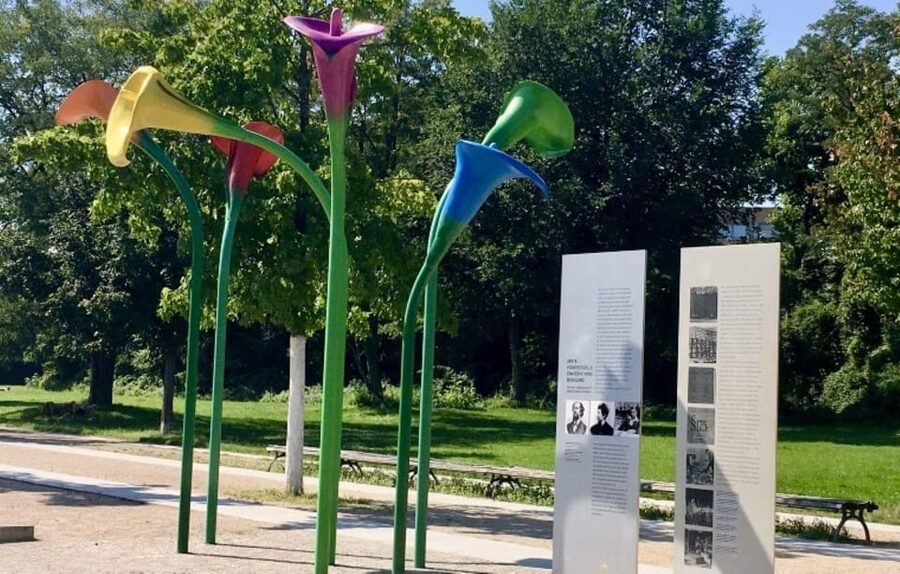
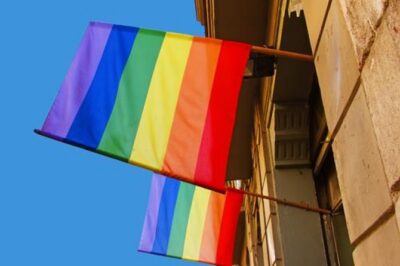
One of the tour’s smartest choices is how it links public symbols to private risk. You’ll see a colorful monument to the Gay Emancipation Movement in the Tiergarten area, and the guide connects it to the broader fight for rights and recognition.
This is where Magnus Hirschfeld’s story becomes more than a name on a timeline. You’ll learn that his Institute for Sexual Science was founded on this site, and that Hirschfeld helped shape early understanding of sex and gender by coining the term transsexualism. You’ll also hear about his film work, including the pro-gay film Anders als die Andern (Different from the Others) in 1919.
Then comes the sharp turn: Nazis closed the Institute in 1933 and burned its library. Standing near where it all happened, you start to feel the brutality of censorship as a physical act, not just an idea. It’s one thing to know institutions were destroyed. It’s another to walk near the actual location and realize what was lost.
Hirschfeld’s Institute: What It Meant and Why It Still Matters
The Institute for Sexual Science is the tour’s major intellectual landmark. Hirschfeld’s work isn’t framed as distant scholarship. It’s framed as a direct attempt to make society look at queer lives with less ignorance and more scientific and human clarity.
I like that the tour connects research, media, and activism. Hirschfeld didn’t only write. He also pushed ideas into public view—through film and through the Institute itself. That matters because it shows how visibility can be both protective and dangerous, depending on who holds power.
You’ll also get a sense of how quickly a supposedly progressive project can become a target. Nazis didn’t just disagree; they obliterated. That’s the part you carry with you when the tour turns from early reforms to the era when conformity was enforced.




Schöneberg Strolls: Bars, Neighborhood Codes, and the Cabaret Connection

Schöneberg is where the tour earns its reputation as more than a lecture. You’ll walk through the neighborhood context that made it famous, including the idea of a world-first gay ghetto. The guide also points out the legendary lesbian bars that made Schöneberg a social center, not just a political story.
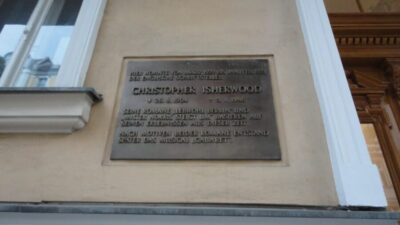
You’ll then move into the Weimar-era vibe tied to Christopher Isherwood. You’ll see Isherwood’s former flat and hear how his adventures fed the creative atmosphere that later inspired Cabaret. This is one of those moments where the tour shows you how art and real life fed each other. The city wasn’t background scenery—it was the engine.
A practical note: this stretch can include more “passing by” than stopping at every corner. That’s not a flaw if you like a narrative walk where the guide keeps time with the city’s layout. If you prefer lots of quiet time to look at one specific site, you might want to ask the guide to slow down when you stop.
Real De Catorce and the Nightlife Thread: Where Stories Live After Dark
You’ll make a stop at Real de Catorce as part of the tour’s nightlife storyline. Even when a location isn’t explained with museum-level detail, the guide uses it like a bookmark—tying today’s streets to the layered history of queer social spaces.
The tour also has a practical, real-world edge: you’ll pass nightclubs people frequented and a rent-boy dive that remains gay-run to this day. That kind of detail helps the tour feel current. It’s not only about what Berlin used to be. It’s about how certain roles and spaces have persisted even as the political weather changed.
If you’re the type who loves hearing how communities make themselves resilient, this part will land well. Queer Berlin wasn’t only about famous events. It was about places where people could find each other, even when finding each other was risky.
El Dorado Cabaret, Marlene Dietrich, and Ernst Röhm’s Double Life
One of the most compelling turns is the stop at the former El Dorado Cabaret, where Marlene Dietrich performed. The tour frames this as a key node in the Weimar and pre-Nazi entertainment world—where theatrical glamour and real danger could sit close together.
Then you get the Ernst Röhm thread. You’ll hear about notable regulars like Röhm, described here as the openly gay head of the Sturmabteilung (SA). This is not just gossip. It’s a lesson in how even people embedded in power could be discarded when the political lineup shifted.
Röhm was later executed in the Night of the Long Knives (Nacht der langen Messer) in 1934. The tour uses that shift to explain how quickly power dynamics can turn lethal. In Berlin, you can’t separate “nightlife legend” from “state violence.” This tour keeps that truth in view.
Unter den Linden: When Famous Men Hid Their Selves
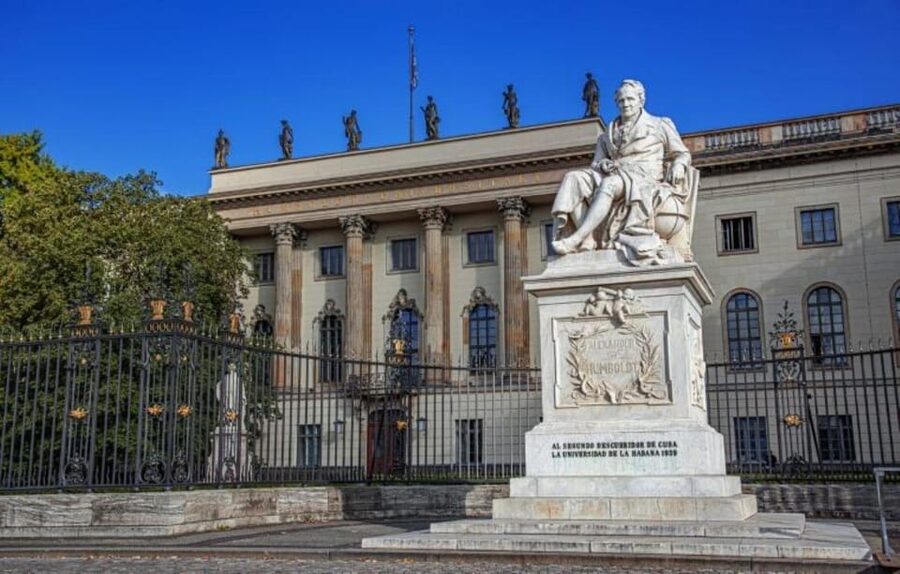
This stop changes the tone again. On Unter den Linden, you’ll hear about early gay Berlin figures like Prussian King Frederick the Great and explorer Alexander von Humboldt—and you’ll learn how they disguised their sexuality.
This is interesting for two reasons. First, it shows you that queer life didn’t begin in the 20th century. Second, it shows the pressures that shaped behavior: secrecy wasn’t only a personal choice; it was a survival strategy in a world that punished difference.
I also like that this portion is less about a single “site” and more about how to read a city’s stories through the people who lived in it. You start seeing history not as a straight line, but as a pattern of constraints and creativity.
Chez Romy Haag and Bowie’s Heroes: 1970s Love, Loss, and Legend
The tour gives you a genuine emotional payoff with a stop tied to the iconic nightclub Chez Romy Haag in the 70s. You’ll learn about Romy Haag, described as a transgender actress, singer, and dancer, and how she met and began an affair with David Bowie.
This relationship is tied to Bowie’s iconic song Heroes. That’s the kind of connection people enjoy because it links art history to street history. You’re not only hearing about queer culture as a political movement. You’re seeing it as the source of songs, stories, and myth.
The tour also keeps it balanced. Even when it’s romantic, it doesn’t pretend it was consequence-free. The guide emphasizes the tragic side of the relationship, and that prevents the stop from becoming a simple pop-culture detour.
Alexanderplatz and Cold War East Berlin: What Life Cost Behind the Iron Curtain
By the time you reach Alexanderplatz, you’re in the Cold War story territory. The tour focuses on the suffering endured by gays and lesbians behind the Iron Curtain and frames this as part of Berlin’s long arc of exclusion and endurance.
This section works best if you let it change your expectations. In the earlier stops, the city’s queer story includes nightlife, public advocacy, and cultural creativity. Here, the emphasis becomes repression and survival—less about flamboyance, more about the limits imposed by ideology.
Still, it doesn’t end in despair. The tour moves toward today, pointing to the rebirth of Schöneberg as the gay-heart of the city after WWII, and it concludes with an introduction to today’s queer Berlin.
Price and Pace: Is $153 Worth 3 Hours?
At $153 per person for a 3-hour guided walking tour, you’re paying for more than sightseeing. You’re paying for narrative structure: a guide who can connect Hirschfeld’s institute, film and activism, Weimar cabaret culture, Nazi persecution, and Cold War repression into one city-walk that actually makes sense.
This price starts to feel fair if you value deep context and you like walking tours with clear stops and story beats. It also helps that the tour offers private or small groups, which usually means better interaction and less time lost to logistics chatter.
One thing to consider: if you only want light entertainment history and don’t care about persecution and genocide topics, this tour might feel heavy for the cost. If you want queer Berlin as a full human story—joy, creativity, and danger included—then the price buys you that full arc.
Who This Tour Fits Best (and Who Might Not Love It)
I’d send this tour to you if you want queer Berlin to feel grounded in place. If you like walking between meaningful sites, and you enjoy guides who can explain why people acted the way they did, you’ll get a lot out of it.
It also fits well if you’re a fan of the links between queer history and mainstream culture—Hirschfeld’s work, Cabaret, Bowie, and the way Berlin keeps reinventing its cultural export.
You might not love it as much if you want only upbeat nightlife history or if long walking times are a dealbreaker. This is a walking tour, and the material includes harsh chapters.
Should You Book This Queer Berlin Tour?
Yes, if you want queer Berlin in a way that’s not just name-dropping. This tour is built around specific places—Hirschfeld’s Institute site, the emancipation monument, Schöneberg’s street context, and Alexanderplatz’s Cold War reality. It also includes both high-profile culture and the consequences that came with visibility.
If you’re the kind of traveler who likes your history with real geography and real names—Frederick the Great, Alexander von Humboldt, Christopher Isherwood, Marlene Dietrich, Ernst Röhm, Romy Haag, David Bowie—this is a strong match.
FAQ
How long is the tour?
The tour lasts 3 hours.
How much does the tour cost?
The price is $153 per person.
Where does the tour start and end?
Pickup depends on the option you choose, and there are two drop-off locations that include Berlin, Impala Coffeeshop.
What sites will I see?
You’ll visit sites including the Memorial to the Homosexuals Persecuted Under Nazism, Schöneberg, the Gay Emancipation Movement monument in the Tiergarten, the Institute for Sexual Science founded by Magnus Hirschfeld, Christopher Isherwood’s former flat, the former El Dorado Cabaret, and Alexanderplatz, with stops that also include Unter den Linden and other named locations on the route.
What languages are offered?
The live guide is available in German and English.
Is the metro fare included?
No. Metro fare is not included.
Is this tour private or small-group?
Private or small groups are available.
Is the tour suitable if I have mobility issues?
It is a walking tour, so if you have mobility concerns, contact the operator to discuss.
Can I pay later and cancel if plans change?
You can reserve now and pay later, and cancellation is free up to 24 hours in advance for a full refund.
More LGBTQ-Friendly in Berlin


More Tours in Berlin


More Tour Reviews in Berlin
Round out your days in Berlin
LGBTQ-Friendly, compared.
 ★ 4.8Gay Berlin Out in Schöneberg Walking TourFrom $23281 reviews
 ★ 4.5Berlin’s Gay, Lesbian, and Queer Scene Small-Group Walking TourFrom $2466 reviews
 ★ 4.8Historyof the Trans, Queer & Gay communities of Berlin tourFrom $5817 reviews
 ★ 4.0BKA Theater “Operetta for two gay tenors”4 reviews
Browse the lists this tour appears in