
REVIEW · WALKING TOURS
Queer Berlin Walking Tour
Queer Berlin hits different on foot. This Queer Berlin Walking Tour strings together Schöneberg’s famous queer scene, the Tiergarten meeting spots, and the stories behind Eldorado, Magnus Hirschfeld, and the Nazi-era persecution that shaped modern Berlin. It’s history with real people attached, told in a way that keeps you moving and paying attention.
I love how the walk turns neighborhoods into a readable timeline, from Marlene Dietrich’s Schöneberg to Christopher Isherwood and Otto Dix mapping Berlin’s nightlife culture. I also really like the guide energy; I’ve heard from guides such as Tobi and Tom, and the common thread is clear explanations plus room for questions.
One consideration: plan for lots of walking and some heavier emotional stops, since the route also includes memorials tied to Nazi persecution. And it runs in all weathers, so bring rain protection even when the forecast looks friendly.
Key highlights in plain terms
- Schöneberg, Berlin’s iconic gay neighborhood: streets and building sites tied to queer life over time
- Eldorado’s former location: one of Berlin’s oldest queer and trans venues
- Hirschfeld’s impact: the Institute for Sexual Science and what the Nazis destroyed
- Nazi persecution memorials: a clear reminder of what was criminalized and punished
- Tiergarten in the shadow of the Berlin Wall: a meeting spot shaped by politics
In This Review
- Schöneberg and the Tiergarten: Why this route matters
- Marlene Dietrich, cabaret writers, and the street-corner timeline
- The former Eldorado site: where community formed in plain sight
- Hirschfeld and the Institute for Sexual Science: progress cut short
- Frederick the Great to today’s mayor: Berlin’s queer political arc
- Nazi persecution memorials: learning the cost of visibility
- Tiergarten and the Berlin Wall: meeting spots under pressure
- Stops that may surprise you: cemeteries and lesbian bar locations
- How long is 3.5 hours, and what to pack for this walk
- Guides, tone, and questions: why the storytelling feels personal
- Cost and value: is $23 a good deal
- Should you book the Queer Berlin Walking Tour?
- FAQ
- What’s the duration of the Queer Berlin Walking Tour?
- How much does the tour cost?
- Where does the tour start?
- Is the tour offered in English?
- Does the tour run in bad weather?
- What’s included in the price?
- Are entrance fees included?
- Is public transport included?
- How does cancellation work?
- Does the tour have a pay-later option?
Schöneberg and the Tiergarten: Why this route matters
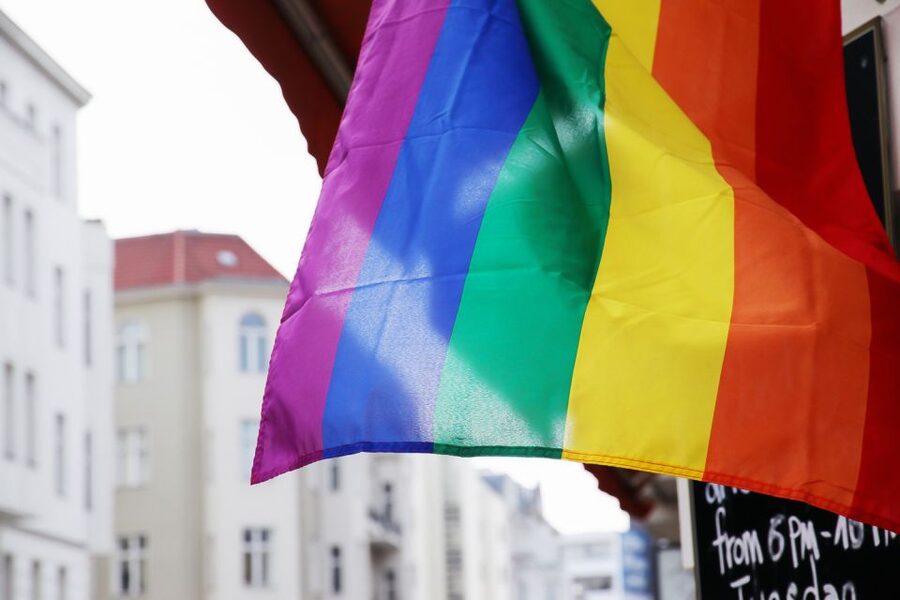
If you want queer Berlin in context, this tour does a smart thing: it doesn’t treat LGBTQIA+ history like a side quest. It places it inside Berlin’s bigger political story—Prussian rule, Weimar-era visibility, Nazi repression, post-war laws like Section 175, and the city’s ongoing fight for rights.
Schöneberg is the spine of the experience. This is where the city’s queer community became especially visible over time, and it’s where you can still feel the layering: cabaret-era nightlife, famous residents, and later generations shaping culture again. You’ll also get to see the Tiergarten, Berlin’s best-known gay meeting area, including references to its place in the shadow of the Berlin Wall. That detail matters. It’s not just geography; it’s how public space became political space, then community space again.
And because Berlin is Berlin, the tour keeps pointing out that progress and backlash often happened at the same time. You’ll hear how the city pioneered gay and lesbian rights since the late 19th century, while also dealing with the ugly reality of criminalization—especially under Section 175, which criminalized male homosexuality for decades after World War 2.
More of Berlin on foot
- Discover Berlin Half-Day Walking Tour★ 5.0 · 9,624 reviews
- Berlin City walk Government District and Places of Democracy★ 4.7 · 8,467 reviews
- Berlin: Third Reich & Cold War Guided Walking Tour★ 4.9 · 8,378 reviews
- Berlin: Discover Berlin Walking Tour★ 4.9 · 5,998 reviews
Marlene Dietrich, cabaret writers, and the street-corner timeline
One of the reasons I like this tour format is that it teaches you how to look at buildings. In Schöneberg, you’ll learn about Marlene Dietrich’s home and work areas, and you’ll connect those names to the broader entertainment world that helped shape Berlin’s identity. You’ll also hear how Christopher Isherwood and Otto Dix chronicled the city’s cabaret and nightlife scene.
Here’s the value for you: once you learn these reference points, Berlin turns from postcard shots into a map you can read. You’ll start recognizing why certain neighborhoods draw artists, outsiders, and people who don’t fit the neat categories of their time.
There’s also a running theme of openness versus risk. Berlin’s queer scene wasn’t just about parties. It was about expression under threat, and the stories you hear show how visibility can be both protection and danger. Even when the names are famous, the tour uses them to explain the social climate around them, not just the celebrity.
The former Eldorado site: where community formed in plain sight
Eldorado is the kind of stop that earns its place on any queer-history walk. You’ll visit the site of the former Eldorado, described as one of Berlin’s oldest queer and trans bars.
What makes this kind of landmark so important is that bars and clubs weren’t only nightlife. They were safety systems. They were places to meet people who understood you, and they were social infrastructure—especially in eras when official support was missing or hostile. When the tour brings up Eldorado, it’s really about how a community found ways to survive socially even when the law and mainstream society were working against them.
A nice bonus here is that the tour doesn’t present this as nostalgia. It uses the bar as a gateway into broader changes: how queer life grew, how it was targeted, and how it rebuilt itself.
Hirschfeld and the Institute for Sexual Science: progress cut short
Magnus Hirschfeld is one of the tour’s biggest anchors, and for good reason. You’ll learn about his unique work and the Institute for Sexual Science, including what happened when it was shut down in 1933 and how its library was destroyed during the Nazi book-burnings.
This stop is one of the clearest reminders on the route that LGBTQIA+ history isn’t just about culture and visibility. It’s also about science, documentation, and the terrifying fragility of knowledge. Hirschfeld’s work represents a serious attempt to study sex and identity and to challenge prevailing misinformation. The Nazis didn’t just disagree. They went after institutions and evidence.
That’s why this part of the walk feels so grounding. It gives you a line of thinking you can carry into the rest of the tour: when oppression rises, it often comes with an attack on learning, archives, and public understanding.
Frederick the Great to today’s mayor: Berlin’s queer political arc
Expect a timeline that travels far beyond modern Berlin. The tour connects queer figures across centuries, including Prussian King Friedrich the Great and references to an openly gay Nazi leader (the guide explains the story in a way that fits Berlin’s dark complexity).
Then it brings you right into the present with Klaus Wowereit, described as an openly gay mayor today. That kind of jump can sound too neat if a tour rushes it. Here, the pacing helps. You’re repeatedly reminded that Berlin’s queer story has political consequences—rights expand, rights collapse, and then Berlin rebuilds again.
For you, this section is useful because it prevents the common mistake of treating queer history like it starts in one era. Instead, you get a sense of continuity: people have always existed openly or semi-openly, and societies have always reacted—sometimes with laws, sometimes with culture, sometimes with both.





Nazi persecution memorials: learning the cost of visibility
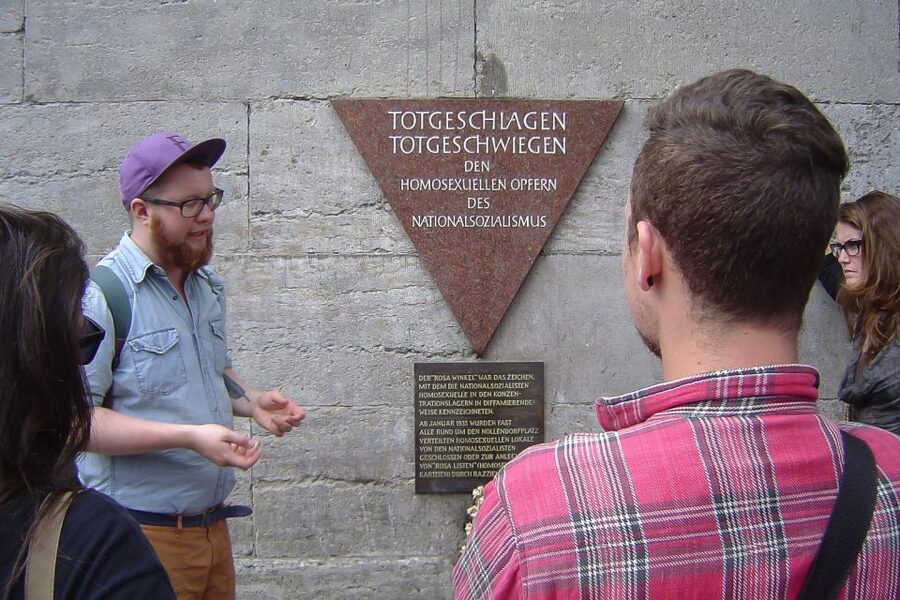
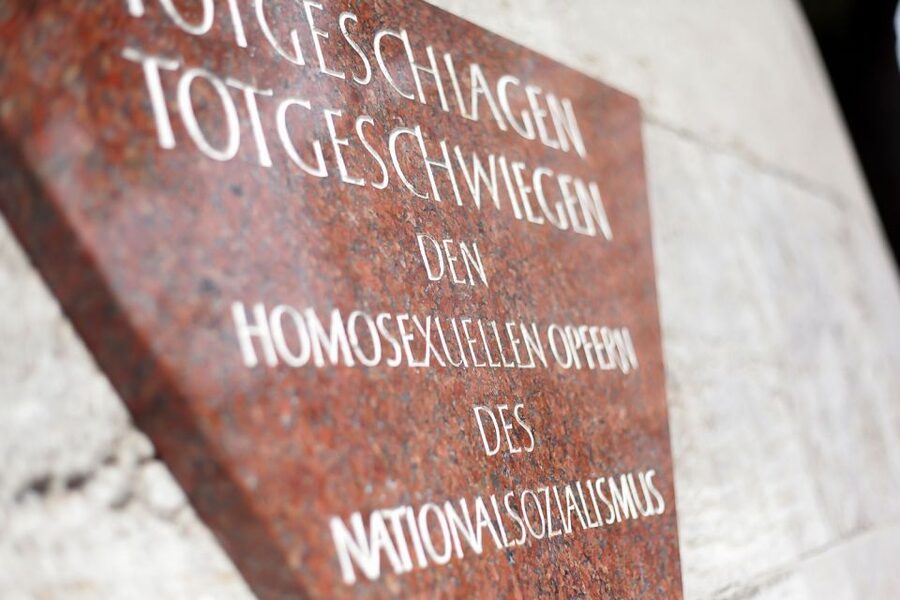
You’ll stop at the memorial to the homosexuals persecuted by the Nazis and sent to concentration camps. This is where the tour gets quiet in tone, even if the guide keeps moving at a steady walking pace.
This matters because it stops the story from becoming only about triumph. You’ll see how long criminalization lasted, and you’ll connect it to Berlin’s broader legal and political machinery, not just individual acts of cruelty. The tour also frames the cruelty as systematic: punishment, forced removal, and destruction of records all show up in what you learn.
If you’re sensitive to heavy subjects, plan for it. Bring a moment of patience for yourself, and treat this stop as an educational checkpoint, not a speed bump. The guide’s job is to keep the facts human and understandable, and the best tours are the ones that don’t rush grief.
Tiergarten and the Berlin Wall: meeting spots under pressure
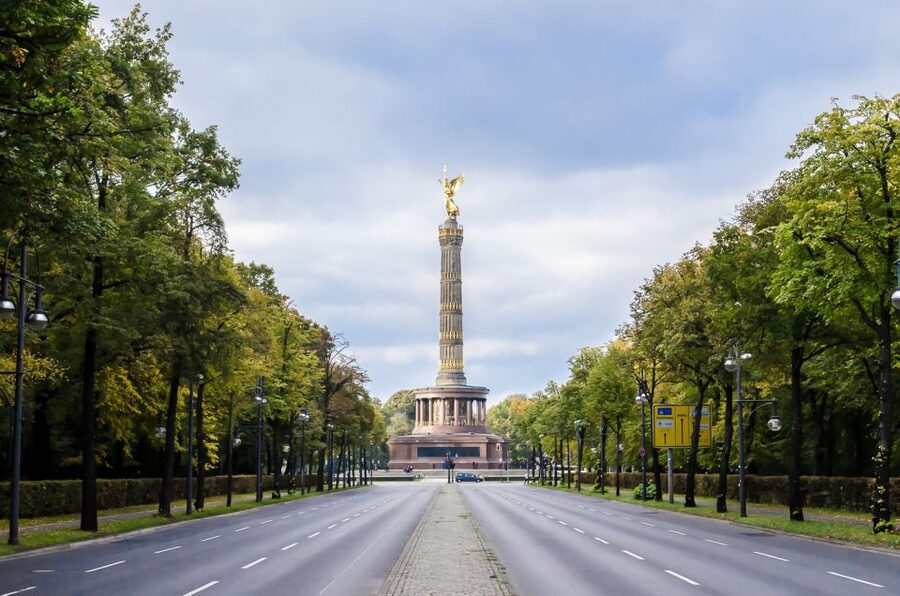
The Tiergarten stop is one of the most atmospheric parts of the experience. You’ll walk through Berlin’s best-known gay meeting area, with the guide connecting it to the Berlin Wall’s shadow.
That detail helps you understand the choreography of daily life: where people could gather, where they had to hide, and how public spaces became coded. When the tour talks about queer lives shaped by public policy, this is the kind of place it becomes real. It’s hard to fully grasp that from photos.
For your own planning, this is also a good reminder to look up while you walk. Berlin parks and paths hold their own meaning, even when nothing obvious looks historical. The guide gives you the context so the space starts to speak.
Stops that may surprise you: cemeteries and lesbian bar locations
On at least some versions of the route, you might encounter additional stops that broaden the story in welcome ways. For example, one review mentioned a cemetery stop with graves of notable persons who died from HIV/AIDS, plus locations connected to former lesbian bars.
If those themes matter to you, it’s worth knowing the tour can go beyond the headline sites. That flexibility can make the walk feel more complete, because it reminds you that LGBTQIA+ history includes multiple communities and multiple kinds of loss.
If you’re the type who wants every stop to match a checklist, this is the only potential downside: you may not get exactly the same set of “must-see” locations every time. But you’ll still get the main spine—Schöneberg, Eldorado, Hirschfeld, the Nazi memorial, and the Tiergarten connection.
How long is 3.5 hours, and what to pack for this walk
At 3.5 hours, this is a proper walking tour, not a quick taste. You’ll want comfortable shoes and a plan for pacing. The tour runs in all weathers, so check the sky and dress accordingly.
From the practical side, I’d follow the advice that shows up in the reviews: pack light, and bring something small to eat and drink if you’re prone to getting hungry mid-walk. Berlin walking can be deceptively tiring, and you’ll get more out of the stories if your energy stays steady.
Also, when you arrive, look for your guide’s blue Original Berlin Walks name badge. Meeting points can vary depending on the option booked, so this badge detail is one of the easiest ways to locate the right person fast.
Guides, tone, and questions: why the storytelling feels personal
A big reason this tour earns repeat praise is the guide style. I’ve heard names like Tobi, Tom, Kyle, Finn, and Beth connected to excellent experiences, and the common thread is the balance of history facts with human stories. The guides also seem willing to answer questions, which is huge on a topic like this.
You’re dealing with complicated topics: queer life across eras, legal persecution, and how communities formed under pressure. When a guide can explain without getting defensive or dismissive, the tour feels respectful and real.
I also like that the tour’s tone is entertaining without turning tragedy into a joke. The guide uses anecdotes and historical facts together so you don’t just memorize dates—you understand why people made choices under the conditions they faced.
Cost and value: is $23 a good deal
At $23 per person for about 3.5 hours, this tour is priced like a value play, not a splurge. You’re paying for more than a walk: you’re buying context for Berlin’s most specific queer landmarks, plus a guided explanation of people and institutions that shaped real outcomes.
The value part isn’t just the price. It’s what you get for it:
- Focused neighborhood access in Schöneberg and key space in the Tiergarten
- A structured narrative that connects queer culture to law and repression
- Stops at major queer/trans community touchpoints like the Eldorado site
- A clear Hirschfeld thread that explains why archives and institutions matter
One practical note: entrance fees and public transport aren’t included. If you expect to hop on transit during the tour, plan on paying for it separately. If the route is walkable from your start point, you’ll likely keep costs to the ticket price.
Should you book the Queer Berlin Walking Tour?
If you want Berlin queer history in a way you can actually feel—through streets, landmarks, and a timeline that connects politics to everyday life—this is an easy yes. It’s especially good for your first days in Berlin if you want a guided map of what to notice later on your own.
Book it if:
- you care about Schöneberg’s queer story and want the Tiergarten connection too
- you want Hirschfeld and the Institute for Sexual Science explained clearly
- you prefer walking tours with room for questions and real conversation
Maybe skip it (or be selective) if:
- you don’t handle heavier topics well, since the route includes Nazi persecution memorials
- you’re looking for purely modern nightlife vibes rather than historical context
- you really struggle with walking in all-weather conditions
If those don’t apply, you’ll come away with a sharper understanding of how queer Berlin became what it is today—by courage, community building, and hard lessons that Berlin still carries on its streets.
FAQ
What’s the duration of the Queer Berlin Walking Tour?
The tour lasts 3.5 hours.
How much does the tour cost?
The price is $23 per person.
Where does the tour start?
The meeting point may vary depending on the option booked.
Is the tour offered in English?
Yes. The guide is English-speaking, and the tour also lists German as an option.
Does the tour run in bad weather?
Yes. The tour runs in all weathers.
What’s included in the price?
An English-speaking guide is included.
Are entrance fees included?
No. Entrance fees are not included.
Is public transport included?
No. Public transport is not included if you need it.
How does cancellation work?
Free cancellation is available up to 24 hours in advance for a full refund.
Does the tour have a pay-later option?
Yes. You can reserve now and pay later, keeping your travel plans flexible. The tour also notes reserve & pay later as part of the booking terms.
More of Berlin on Foot

More Tours in Berlin


More Tour Reviews in Berlin
Round out your days in Berlin
Walking Tours, compared.
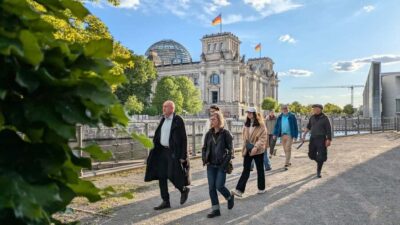 ★ 4.7Berlin City walk Government District and Places of DemocracyFrom $2948,467 reviews
 ★ 4.9Third Reich & Cold War Guided Walking TourFrom $238,378 reviews
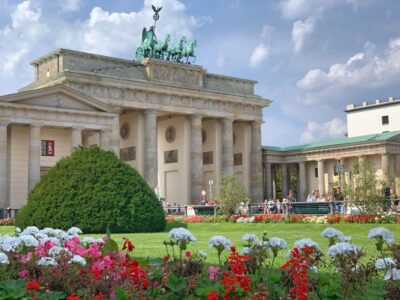 ★ 4.9Discover Berlin Walking TourFrom $235,998 reviews
 ★ 5.0Berlin’s Best: 2 Hour Walking Tour Third Reich and the Cold WarFrom $245,486 reviews
 ★ 4.8Hidden Backyards Guided Walking TourFrom $235,360 reviews
 ★ 5.0Third Reich Berlin: Hitler and WWII Walking TourFrom $243,301 reviews
 ★ 4.9Third Reich, Hitler, and WWII Walking TourFrom $191,757 reviews
 ★ 4.6Alternative Berlin Walking TourFrom $291,204 reviews
Browse the lists this tour appears in