
REVIEW · HISTORICAL TOURS
Where It All Began: Berlin’s Queer & Trans History Tour
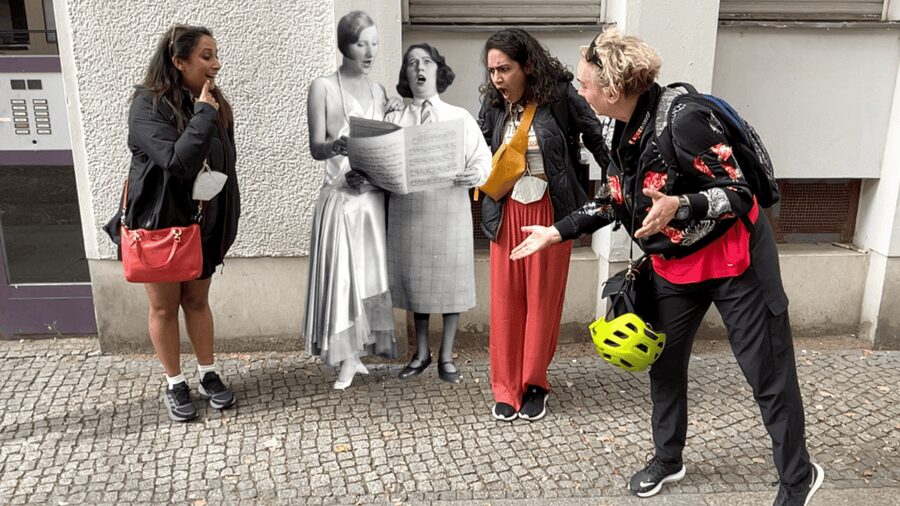
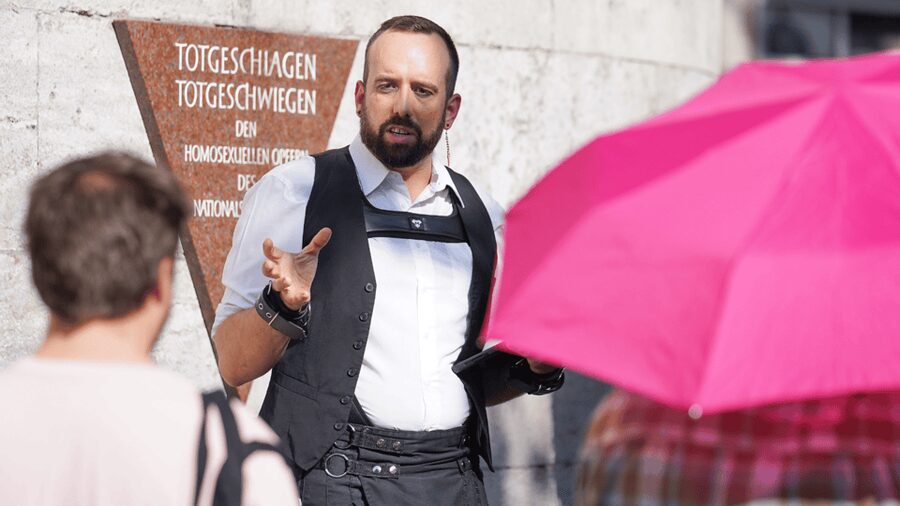
Berlin’s queer story starts in the street names. On this 3-hour walk, I love the 200+ archival photos, videos, and audio that make history feel immediate, and the AR Mixies selfies that turn key figures into memorable, personal moments. It’s led by Jeff, a queer activist and gender scholar approach, so the facts land with both care and clarity.
One heads-up: this tour does not shy away from hard topics like Nazi persecution, HIV/AIDS, sexual violence, racism, and homophobia/transphobia. You’ll also spend time in parts of Berlin with high sensory input (think bright lights and louder streets), so it helps to know what you’re signing up for.
In This Review
- Key takeaways before you go
- Nollendorfplatz: Starting With Place, Not a Lecture
- From Ulrichs to Hirschfeld: How the Movement Began Here
- Trans History and Gender-Affirming Care: Seeing It as Lived Reality
- Lesbian Bars, Feminism, and Cabarets: Community in the 1920s
- Nazism, Concentration Camps, and the Need to Remember
- AIDS Crisis, Activism, and Divided Berlin’s Reality
- From Chez Romy Haag to Berghain: Berlin’s Club Scene as Legacy
- The Multimedia Magic: Archives, Subtitles, AR Scenes, and Quizzes
- Price and What $81 Buys You in Real Value
- Who Should Book This, and Who Might Want to Skip It
- Practical Tips for a Smooth, Respectful Walk
- Should You Book This Tour?
- FAQ
- How long is the tour?
- How much does the tour cost?
- Where do I meet the guide?
- What language is the tour in?
- Is the group size small?
- Does it include AR and photos?
- Is the tour wheelchair accessible?
- Is this tour suitable for children?
Key takeaways before you go
- 200+ rare archives: photos, videos, and audio clips with subtitles available on videos
- AR Mixies selfies: playful, personalized photos with historic LGBTQIA+ figures
- Small group (max 10): more time for questions and a calmer pace
- Jeff’s approach: queer activist, social scientist, and certified sex educator style of storytelling
- Quizzes and interaction: checkpoints that keep you sharp without turning it into school
- Nightlife thread from the 1920s to today: Berlin’s scene as culture and as resistance
More of Berlin's long history, guided
- Berlin: Natural History Museum Entrance Ticket★ 4.6 · 3,382 reviews
- Berlin: 3-Hour World Heritage Cruise to Potsdam★ 4.5 · 1,569 reviews
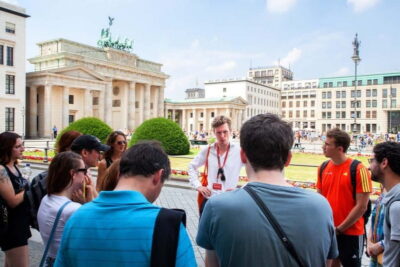
- Berlin: History of the Third Reich Guided Walking Tour★ 4.7 · 791 reviews
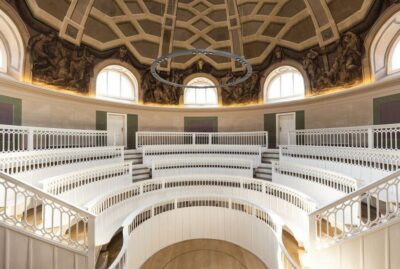
- Berlin: Berlin Charité Guided History Tour★ 4.4 · 660 reviews
Nollendorfplatz: Starting With Place, Not a Lecture
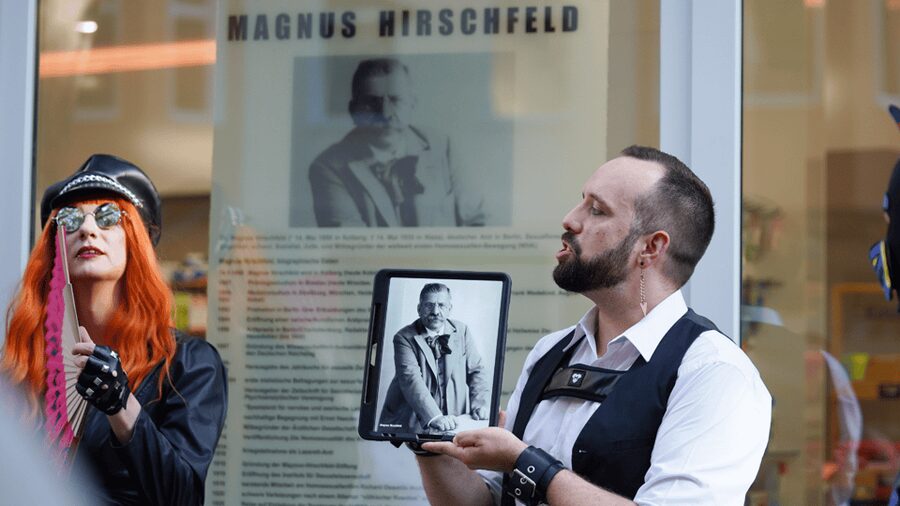
You meet at Nollendorfplatz, in front of Alnatura Super Natur Markt on Else-Lasker-Schüler-Straße 18. I like this kind of start because you’re not just sitting with a museum voice—you’re learning while standing in the real neighborhood, with Berlin moving around you.
The group stays small (10 people max), which matters for a tour like this. It lets Jeff set a pace that feels human, and it makes it easier to ask questions when something hits personally.
At 3 hours total, it’s long enough to cover serious ground (and lots of media), but short enough that you’ll still have energy for a Berlin evening after.
From Ulrichs to Hirschfeld: How the Movement Began Here
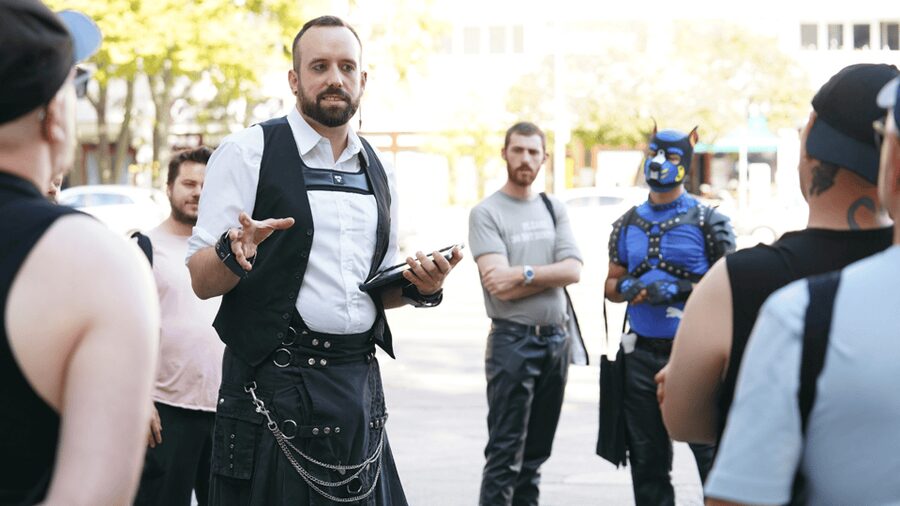
Early on, Jeff takes you to Karl-Heinrich-Ulrichs-Straße for a beginning you can actually feel. You’ll trace the origins of the modern LGBTQIA+ movement to pioneers like Karl Heinrich Ulrichs and Magnus Hirschfeld, framed as more than names in a book—this was organized identity, public speech, and early rights activism.
The tour’s multimedia style helps a lot here. You’re not only hearing stories; you’re seeing and listening through 200+ archival materials, including rare audio clips and historic footage. It helps you understand what people said, not just what happened to them.
You’ll also get interactive moments like quizzes, which sounds simple, but it works. It nudges your brain to connect dates, ideas, and locations, instead of letting the information blur together.
Trans History and Gender-Affirming Care: Seeing It as Lived Reality
One of the most important parts of the tour is how it treats trans history as something concrete. You’ll learn about some of the world’s first trans identities and gender-affirming surgeries, plus how some trans people lived openly using transvestite certificates.
That framing matters because it rejects the idea that trans identity is a modern concept. It shows you how identity, documents, community, and visibility have long had stakes—and long had pushback.
The Nazi era section is also connected directly to erasure. Jeff explains how the Nazis tried to erase queer and trans history, and you’ll see the emotional weight of that in how the tour shifts from activism and nightlife to persecution and survival.
Lesbian Bars, Feminism, and Cabarets: Community in the 1920s
The tour doesn’t treat nightlife as a side quest. It presents Berlin’s queer scene—especially lesbian spaces—as where people built community and resistance.
Jeff walks you through 1920s lesbian bars and cabarets, highlighting how queer women found belonging in a city that became a global center for LGBTQIA+ expression. Along the way, you’ll hear about icons like Claire Waldoff, Marlene Dietrich, and Josephine Baker, and how these cultural figures connected to a larger movement of visibility and agency.
This is also where the tour’s format really works. You’re constantly switching between street-level reality and historic media—photos, videos, and sound—so you can picture what it might have felt like to show up somewhere and be understood.
And yes, there are AR scenes and interactive check-ins that make the nightlife thread feel more like a story you follow than a list you collect.


Nazism, Concentration Camps, and the Need to Remember
The tour confronts a hard truth: Hitler’s stance on homosexuality was contradictory, and queer people were still persecuted. Jeff explains how queer people were targeted, including through concentration camps, and how queer resistance persisted anyway.
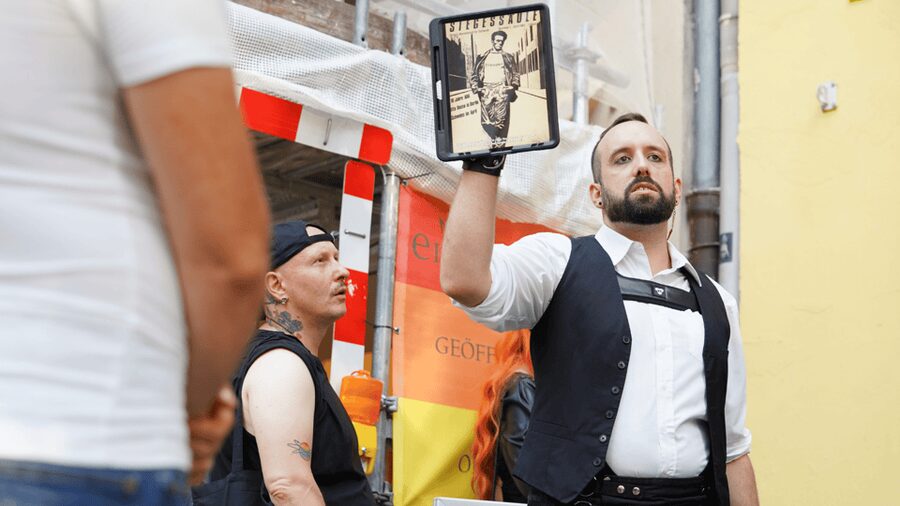
One of the stops—Internationale Stele GEGEN DAS VERGESSEN—helps anchor this part with a message you can’t ignore: remembering isn’t optional. It’s the kind of pause that lets the story settle, especially if you’ve been processing media-heavy content for most of the walk.
You should expect the tone to shift. This is not a casual history stroll. It’s a guided account that includes content notes covering antisemitism and racism, plus violence, sexual abuse, nudity, poverty, and more.
If you need to mentally prepare, do it before you arrive. Once you start, the tour doesn’t soften the edges.
AIDS Crisis, Activism, and Divided Berlin’s Reality
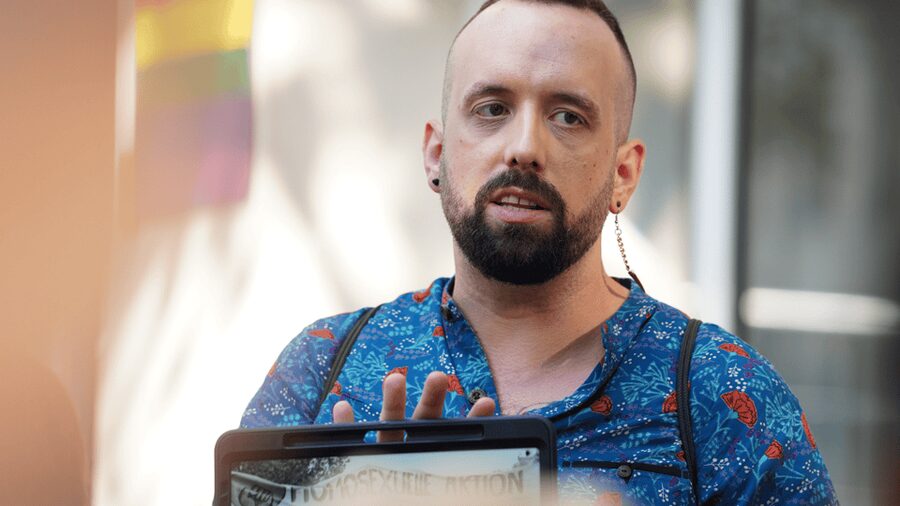
Berlin doesn’t just move through time here; it moves through pressure. Jeff connects the community’s endurance to the AIDS crisis, explaining how LGBTQIA+ Berliners fought for survival during a period filled with fear and stigma.
You’ll hear about SchwuZ as an activism hub, which gives the story a specific anchor instead of leaving it as a general historical event. Jeff also covers why the Berlin Wall was called the condom of the GDR, tying language, politics, and public health into one memorable idea.
This section is valuable because it shows how activism adapts. People didn’t only respond with signs and speeches; they built spaces, networks, and nightlife that functioned as community infrastructure.
The tour’s quizzes and multimedia also help you stay engaged through heavy material, without turning it into trivia.
From Chez Romy Haag to Berghain: Berlin’s Club Scene as Legacy
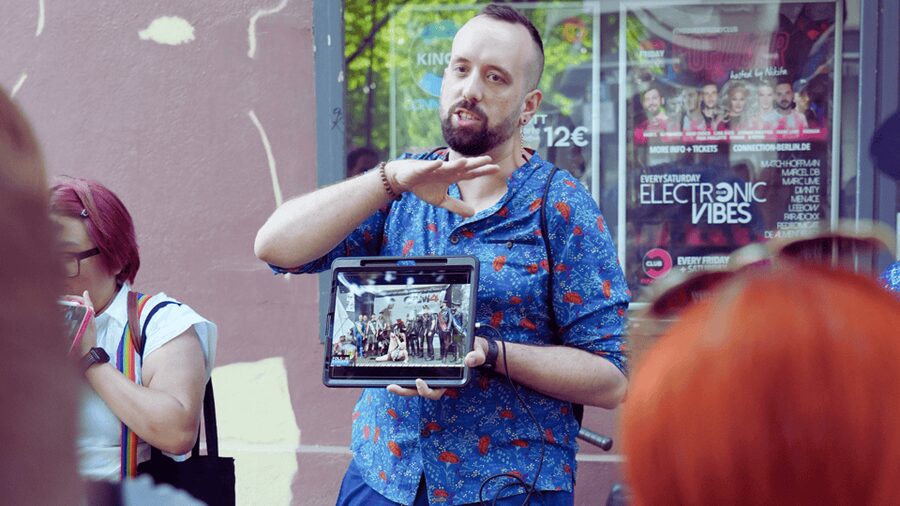
After the darker chapters, Jeff brings you back into Berlin’s present-day influence—how queer culture shaped global nightlife and pride. You’ll learn how the legacy runs through famous names like Chez Romy Haag and Berghain, and how Pride culture connects to major events such as Dyke March and Folsom Europe.
I like this because it answers a question you might not even realize you have: what does history have to do with tonight’s plans? Here, the tour argues that Berlin’s nightlife wasn’t only entertainment. It was identity made visible—and sometimes protected.
Stops like Connection Club and Metropol (along with other nightlife-related locations on the route) help bridge the timeline. You’re standing near places where the city continues to host queer community, not just remember it.
The Multimedia Magic: Archives, Subtitles, AR Scenes, and Quizzes
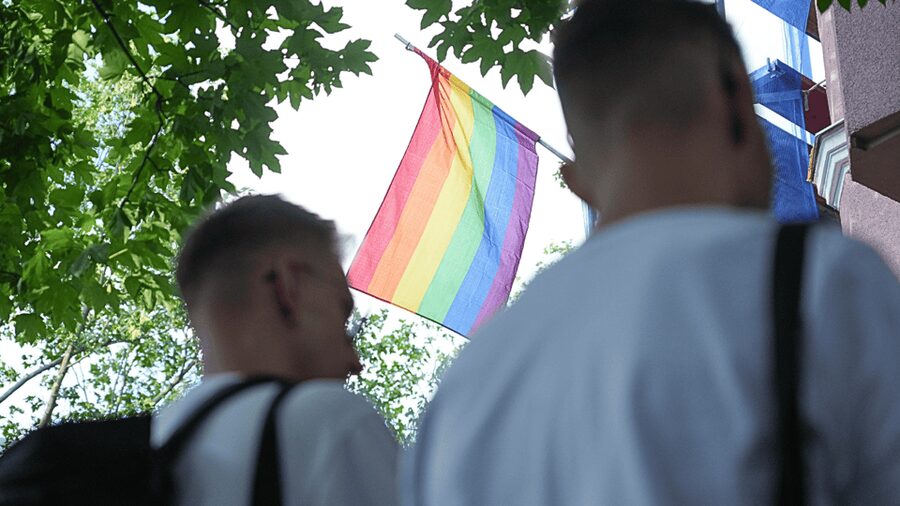
A big reason this tour feels different is how often it uses multimedia. You’ll see 200+ rare historical photos, videos, and rare audio clips, and the videos include subtitles in German, English, or both.
For visual learners, that’s a plus. For accessibility, it matters that Jeff can also describe visual materials for guests with visual disabilities. It’s the kind of detail that tells you the tour design is meant for more than one type of participant.
Then there’s the interactive stuff: quizzes to test your knowledge and AR Mixies for personalized selfies with historic queer activists. The AR part isn’t just for fun—when you get a photo with a historic figure, your brain files the story under something personal. That’s how facts stick.
Also note: some parts take place in areas with higher sensory stimulation. If you’re sensitive to noise or bright light, bring a strategy for short breaks during the walk.
Price and What $81 Buys You in Real Value
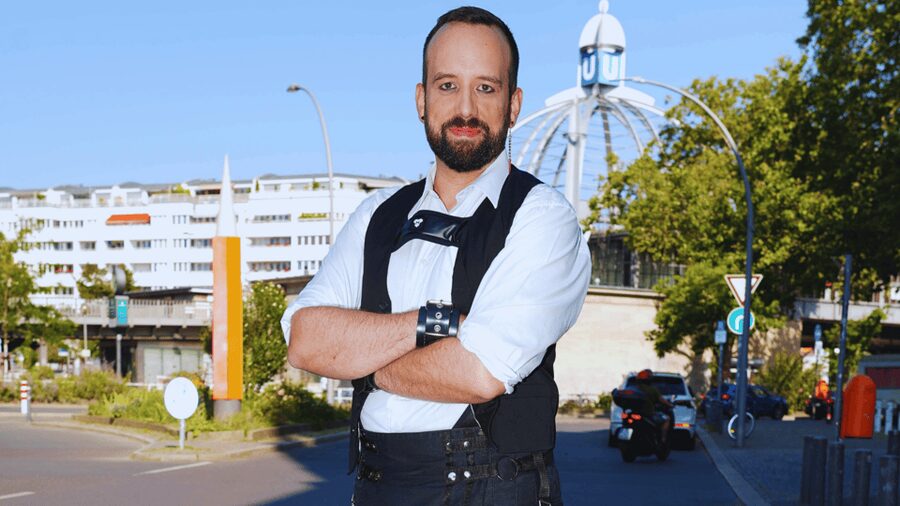
At $81 per person for 3 hours, you’re paying for more than a guide with good stories. You’re paying for a specific production: 200+ archival media elements, AR experiences (Mixies), and interactive quizzes, all led in a small group capped at 10.
That small group detail changes the value equation. You get a human pace, not a shuffle through history. And with a guide like Jeff—queer activist and gender scholar approach—you’re getting context and interpretation, not just dates.
I’d call this a strong value option if you want Berlin’s queer history in a format that feels alive. If you only want a basic overview, you might find it heavier than you expected.
Who Should Book This, and Who Might Want to Skip It
This is clearly built for LGBTQIA+ travelers and allies who want an authentic queer experience grounded in history. It’s also a good fit for history lovers and Berlin locals who want to connect their city to the queer and trans stories that shaped it.
But it’s also not a casual fit for everyone. The tour includes content covering antisemitism, racism (including sexualized racism), homophobia, transphobia, queerphobia, drugs/HIV/AIDS, Nazi Germany and mass murder, nudity, sex and sexism, sexual abuse, violence, and suicide. It’s also not suitable for children under 18.
If you know you prefer lighter subject matter, this may be too intense. If you’re the kind of traveler who wants honesty and context, you’ll likely find it meaningful and well-structured.
Practical Tips for a Smooth, Respectful Walk
Wear comfortable clothes and plan for weather. This is a walking tour, and you’ll move through different street conditions.
Accessibility is addressed: the route is wheelchair accessible, though some paths may be bumpy. Accessible toilets are available upon request, and Jeff can describe all visual materials if needed.
Videos have subtitles, and the tour also notes possible sensory stimulation. If you need extra care, you can ask about options like mandatory mask usage indoors if it’s needed for health and safety.
If your schedule is flexible, you can reserve now and pay later, and you can cancel up to 24 hours in advance for a full refund.
Should You Book This Tour?
I think you should book it if you want Berlin’s LGBTQIA+ history as a story you experience through archives, AR selfies, and guided interpretation, not as a dry timeline. The small group and Jeff’s educator-meets-activist approach are the combo that makes the tour feel both personal and serious.
Book it with a mindset of respect and readiness. This walk deals with trauma and oppression, and that’s part of what makes it real.
If you’re sensitive to the topics listed in the content notes, read them carefully before you go. If you can handle heavy history and you want the context behind Berlin’s queer nightlife legacy, this is one of the best ways to spend a 3-hour window in the city.
FAQ
How long is the tour?
The tour lasts 3 hours.
How much does the tour cost?
It costs $81 per person.
Where do I meet the guide?
Meet at Nollendorfplatz in front of Alnatura Super Natur Markt, Else-Lasker-Schüler-Straße 18.
What language is the tour in?
The tour is in English.
Is the group size small?
Yes. The tour is limited to a small group of up to 10 participants.
Does it include AR and photos?
Yes. It includes Augmented Reality (AR) elements and Mixies for personalized AR selfies with historic figures.
Is the tour wheelchair accessible?
The route is wheelchair accessible, though some paths may be bumpy. Accessible toilets are available upon request.
Is this tour suitable for children?
No. It is not suitable for children under 18.
More Berlin History

More Tours in Berlin


More Tour Reviews in Berlin
Round out your days in Berlin
Historical Tours, compared.
 ★ 4.6Natural History Museum Entrance TicketFrom $123,382 reviews
 ★ 4.53-Hour World Heritage Cruise to PotsdamFrom $251,569 reviews
 ★ 4.7History of the Third Reich Guided Walking TourFrom $30791 reviews
 ★ 4.4Berlin Charité Guided History TourFrom $28660 reviews
 ★ 4.9Berlin Historical Highlights Walking TourFrom $389657 reviews
 ★ 5.0Berlin Private Complete History All Day Walking TourFrom $253474 reviews
 ★ 4.8Cold War & Berlin Wall History Guided Bike TourFrom $41422 reviews
 ★ 4.5Historic Boat Sightseeing City Center TourFrom $33415 reviews
Browse the lists this tour appears in