
REVIEW · STREET ART & ALTERNATIVE BERLIN
Alternative Berlin Private Tour with Jacob – Graffiti and Squats
Berlin has more than monuments.
This is a private, walking-focused alternative tour that strings together LGBTQ landmarks, postwar memory, and the street-art + squat culture you’ll actually want to talk about later. I especially like how the route connects the visible city icons to the local creative scene, so you’re not just staring at walls—you’re learning why Berlin treats art and protest like everyday life. One thing to consider: this tour works best if you’re comfortable walking for a solid 2 hours 45 minutes and you’re curious about alternative culture topics, not just classic sightseeing.
The other part I really like is the hotel/airport-area pickup and the fact that you get dedicated attention on a private group tour (up to 15 people). You’ll get practical extras too, like an A3 picture folder and a big subway map to help you keep moving after the tour. The main drawback for some people is the price structure: $310 is per group, so it’s value-packed when your group fills up, but it can feel steep if you’re only a couple travelers.
In This Review
- Key highlights to look for
- A 2-hour 45-minute route through Berlin’s alternative edges
- Pickup and the private-group setup (what it means for your day)
- Victory Column: LGBTQ history in a landmark-sized frame
- Potsdamer Platz and Brandenburg Gate: from culture crossroads to wall-era meaning
- Hackesche Höfe: renovated courtyards and nightlife energy
- Hackescher Markt: street food culture, from currywurst to donner kebab
- Haus Schwarzenberg: Tachles and the story-energy of squat culture
- Warschauer Straße and Kreuzberg: hanging out zones, murals, and graffiti
- East Side Gallery: the longest wall-art stretch and why it matters
- What’s included (and how that affects real value)
- Price and logistics: when $310 feels like a deal
- Who this tour suits best (and who should skip it)
- A practical tip: how to get the most from a short wall-to-wall schedule
- Should you book the Jacob alternative Berlin tour?
- FAQ
- How long is the alternative Berlin private tour with Jacob
- What’s the group size limit?
- Is hotel or airport pickup included?
- Do I need to pay for admissions at the stops?
- Is food included?
- Are public transport tickets included?
- What if I need to cancel?
Key highlights to look for
- Jacob’s alternative Berlin angle: graffiti, squats, and cultural side streets with a local lens
- Fast stops at major sites: Victory Column through the East Side Gallery in one tight route
- Pickup included in Berlin: you can start from your hotel, apartment, or train/airport area
- Food pause built in: Hackescher Markt street food culture shows up in the plan
- Visual aids included: A3 guidance picture folder plus a subway map to keep for later
- Private tour feel: only your group participates, with WhatsApp support for questions
More murals and back-street Berlin
- Berlin: City Street Art Guided Walking Tour★ 4.8 · 1,051 reviews
- Berlin: 3-Hour Street Art Tour★ 4.7 · 778 reviews
- Berlin: Alternative Bike Tour of Kreuzberg & Friedrichshain★ 4.7 · 548 reviews
- Berlin Off-the-Beaten-Path Walking Tour: Kreuzberg, Mitte and Friedrichshain★ 5.0 · 412 reviews
A 2-hour 45-minute route through Berlin’s alternative edges
This tour is designed like a good night out: purposeful, walkable, and packed with “wait, tell me more” moments. You’ll spend about 165 minutes moving through central Berlin, mixing big-photo landmarks with the kind of places you’d miss if you only did the postcard loop.
The “alternative” theme matters here. Instead of treating graffiti and squats as random curiosities, you’ll see how Berlin’s cultural identity grew from conflict, community, and reinvention. That’s what makes the walk feel less like a checklist and more like a guided narrative.
And yes, it’s active. There’s no slow, sit-down museum pace—expect to keep your feet moving and your eyes open.
Pickup and the private-group setup (what it means for your day)
One of the smart perks is pickup from places like your hotel, apartment/Air B&B, or even from the train station or airport area in Berlin. That matters because Berlin transit can be confusing when you’re tired, and this tour starts by removing that friction.
The tour is private for your group, with a maximum of 15 people. That’s still a “small tour” size, not a solo experience, but you won’t be mixed into a random crowd. You’ll also get a mobile ticket, so you’re not stuck hunting for paperwork.
You’ll have WhatsApp availability for help or questions during your visit. That’s practical when your phone battery is low or when you’re meeting at the wrong spot and need quick correction.
Victory Column: LGBTQ history in a landmark-sized frame
Your first stop is the Victory Column, with time set aside to talk about gay parade history and the broader LGBTQ community in Berlin. This is a great opener because it tells you what the tour is really about: how people claim space, even when the city has other stories competing for attention.
Victory Column is a “big Berlin” photo spot, but the guide’s angle gives it meaning beyond architecture. You’ll get context on why public celebrations and rights movements matter in a place like Berlin—where identity and politics have always had a visible footprint.
How it fits the tour: starting here helps you understand why graffiti and alternative culture aren’t just style choices. They’re often tied to visibility, safety, and community.
Potsdamer Platz and Brandenburg Gate: from culture crossroads to wall-era meaning
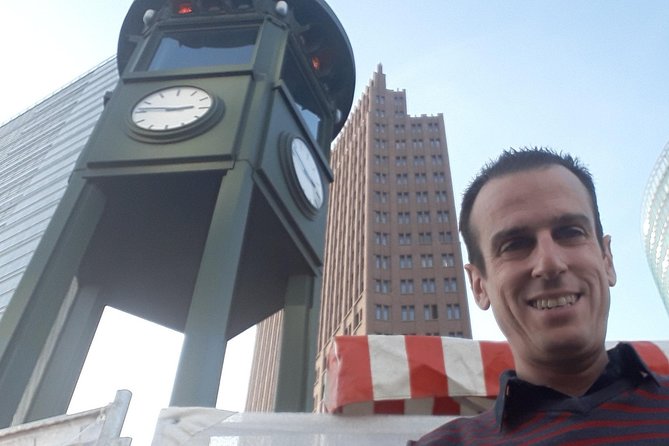
Next comes Potsdamer Platz, described as a center of culture, cinema, and business. This stop is shorter, but it sets a useful contrast. You’ll be in the modern, moving part of Berlin, where the city feels like it’s always doing something—showing movies, selling tickets, and reinventing itself.
Then you head to the Brandenburg Gate, where the tour connects the Wall-era story and the hippie scene. This is one of those “Berlin always has layers” stops. The classic landmark is here, but the tour focuses on what people did around it—how youth culture and political change collided in real time.
If you like your history with people attached to it (instead of just dates), this part will land well.
More private tours of Berlin



Hackesche Höfe: renovated courtyards and nightlife energy
At Hackesche Höfe, you get the feel of Berlin courtyard life: renovated yards that act like mini stages. This stop is built for atmosphere—less about a single artifact, more about understanding how these spaces work for social life, creative energy, and late-night culture.
There’s also a practical side. If you’ve never walked these courtyard blocks before, this is one of the better ways to get oriented in the area. You’ll see why this part of Berlin is a magnet for people who like the city after dark.
Time-wise it’s about 20 minutes, so it’s not long enough to wander endlessly. But it’s enough to let the guide point out what to notice.
Hackescher Markt: street food culture, from currywurst to donner kebab
Then it’s off to Hackescher Markt, where the tour leans into Berlin’s famous street food culture—specifically currywurst and donner kebab.
This is a smart stop for two reasons. First, it breaks up the walk with a quick palate of what “normal Berlin” tastes like, not just what tourists eat. Second, it gives your brain a reset so you stay sharp for the more intense alternative-cultural stops later.
A tip: if you plan to eat, bring cash or check what payment methods are common in the spot you choose. The tour doesn’t include food in the info provided, so treat this as a cultural stop where you can decide how hungry you are.
Haus Schwarzenberg: Tachles and the story-energy of squat culture
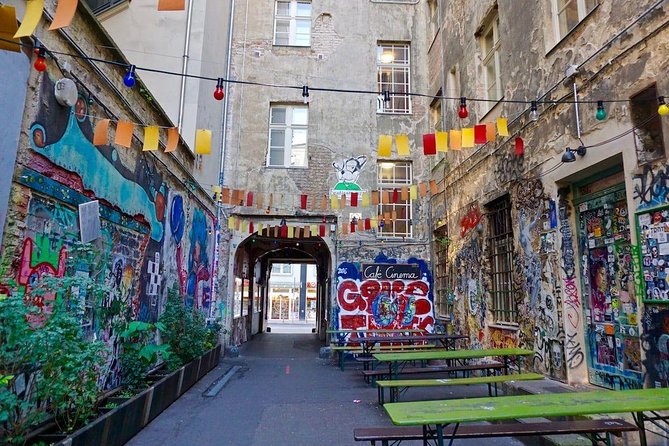
Your longest stop is Haus Schwarzenberg (about 30 minutes), tied to Tachles and the idea of dead chicken squats. Even if you’re not deeply into squat history, you’ll get the “why” behind it: how underused space becomes a community tool, and how art can live outside official permission.
This stop is the heartbeat of the alternative vibe. It’s also where you’ll likely feel the guide’s specialty most strongly—street-level creativity and memorial-style meaning can sit next to each other in Berlin, and this is where that connection comes into focus.
The review comments I found most convincing highlight how the guide shared local artist work and helped connect art to WWII memory. This is exactly the kind of stop where that combination makes sense: Berlin doesn’t keep its art and its history in separate boxes.
Warschauer Straße and Kreuzberg: hanging out zones, murals, and graffiti
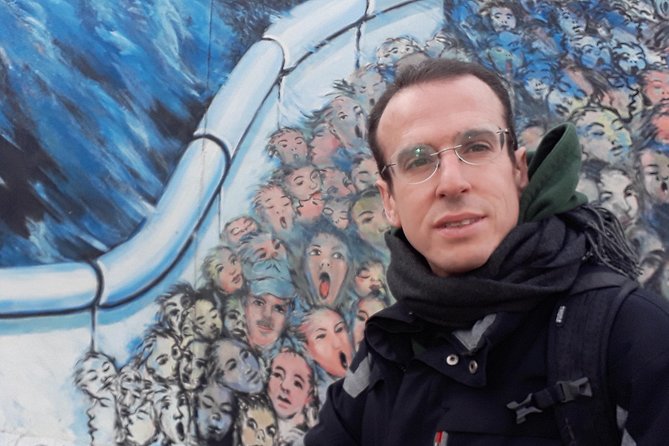
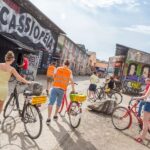
After Haus Schwarzenberg, you’ll move to Warschauer Strasse, described as a hanging out area of Berlin. This is an “energy” stop. You’re not meant to treat it like a museum—you’re meant to understand how Berlin neighborhoods create social gravity.
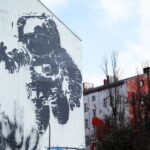
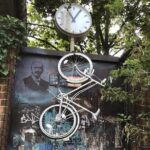
Then you get into Kreuzberg with a short but impactful 10-minute stop centered on murals and graffiti. Short time can sound limiting, but graffiti changes fast and is often best understood with a quick guided lens: what symbols mean, what styles signal, and how artists use walls like public opinion.
If you want something deeper than a quick pass, you’d need an extra street-art focused add-on. But as part of this route, Kreuzberg works as the visual payoff for everything you heard earlier.
East Side Gallery: the longest wall-art stretch and why it matters
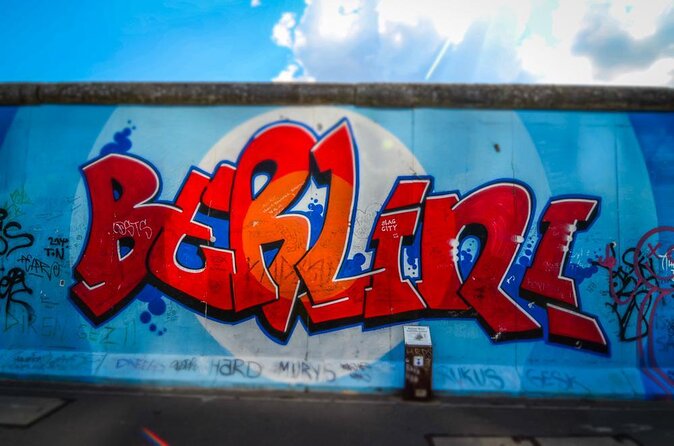
The tour ends at the East Side Gallery, noted as the longest gallery in the world. You’ll have about 10 minutes here—enough time to absorb the idea and pick a few scenes that catch your eye, but not enough for a long, slow reading of every mural detail.
Even so, the East Side Gallery is a high-impact finale because it’s art made from a major political turning point. You’ll likely find yourself thinking about how public walls became record-keepers for freedom dreams, grief, and bold messages.
If you want to linger after the official time, plan to do it. Take your favorite mural and spend extra minutes there on your own.
What’s included (and how that affects real value)
Here’s what you’re getting without extra fees:
- Local guide (Jacob / Nadav Jacobs Berlin experience)
- Private tour
- Pickup from Berlin hotels/apartments/Air B&B/trains/airport area
- A3 guidance picture folder
- Subway system map (big map)
- WhatsApp availability
- Mobile ticket
In practice, those add up. The picture folder and subway map mean you’re not just leaving with photos—you leave with tools to keep navigating, which saves you time later. And WhatsApp support can cut down stress if you’re running late or mis-sorting directions.
Also, admission is listed as free for each stop. That’s a nice perk when you’re trying to keep the trip’s day-by-day costs predictable.
Price and logistics: when $310 feels like a deal
The price is $310 per group, for groups up to 15 people, for about 2 hours 45 minutes. That’s the key math.
- If your group is close to 15 people, the cost per person is low and the pickup + private guide becomes excellent value.
- If it’s just a small group, you’re still paying for the private guide and pickup, so the per-person cost goes up fast.
So I’d treat this as a great choice if you’re traveling with friends, a small family group, or anyone who likes moving together through the city. If you’re solo, it may still be worth it for the pickup and guide attention, but you’ll want to compare against other Berlin walking options.
You should also expect that any public transport tickets you might use cost 3–11 euro per person (one time or daily ticket). The tour includes pickup, but Berlin walking routes often still mix in short transit pieces.
Who this tour suits best (and who should skip it)
You’ll probably love this if:
- You like graffiti and street art and want it explained, not just photographed
- You’re curious about alternative culture in Berlin, including squat-related history
- You want a guide who can connect art to bigger historical themes
- You prefer a private group style over hopping on and off public tours
You might not be the best match if you want a slow, sit-down tour of only major museums, or if alternative topics make you roll your eyes.
A practical tip: how to get the most from a short wall-to-wall schedule
With stops that range from about 10 to 30 minutes, your job is to show up with a few mental hooks. Here are easy ones:
- In each neighborhood, ask yourself what kind of message you think the buildings are sending.
- When you see graffiti or courtyard spaces, notice whether they feel temporary or claimed by community.
- In the Wall-era and WWII-adjacent conversations, look for why the stories were told where they were told.
This kind of tour moves fast, but if you stay curious, it ends up feeling surprisingly complete.
Should you book the Jacob alternative Berlin tour?
I’d book it if you want an active, guided walk that treats Berlin’s alternative culture as part of the main story, not a side quest. The strongest selling points are the private attention and the way the route links creative spaces with memory and meaning, especially with the guide’s focus on local artist work and WWII art memorial connections.
Pass for now if you prefer quiet, traditional sightseeing or if you’re not interested in graffiti, squats, or LGBTQ-centered history. Also do the per-person math before you commit. This is best value when your group size is high enough to spread the group price.
If you match the vibe, this tour is one of those Berlin experiences that leaves you with images and a clearer sense of why those images exist.
FAQ
How long is the alternative Berlin private tour with Jacob
The tour runs about 2 hours 45 minutes.
What’s the group size limit?
It’s a private tour for your group, with up to 15 people.
Is hotel or airport pickup included?
Yes. Pickup is included from hotels, apartments/Air B&B, train stations, and airports in Berlin.
Do I need to pay for admissions at the stops?
Admissions are listed as free for the stops included on the route.
Is food included?
Food like currywurst and donner kebab is part of the street-food stop, but meals are not listed as included.
Are public transport tickets included?
Public transport tickets are not included. They’re listed as 3–11 euro per person (one time or daily ticket).
What if I need to cancel?
You can cancel for free up to 24 hours in advance for a full refund.
More Tours in Berlin



More Tour Reviews in Berlin

Street Art and Alternative Berlin

Round out your days in Berlin
Street Art & Alternative Berlin, compared.
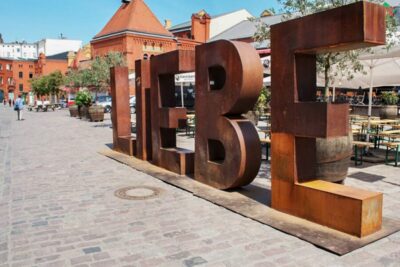 ★ 4.6Alternative Berlin Walking TourFrom $291,204 reviews
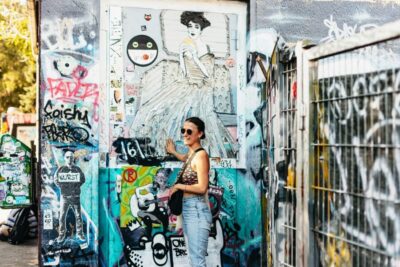 ★ 4.8City Street Art Guided Walking TourFrom $231,051 reviews
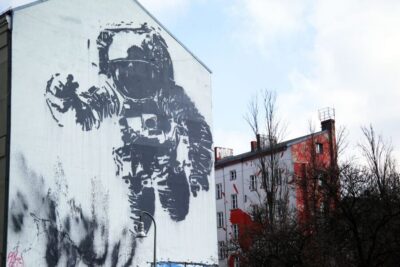 ★ 4.73-Hour Street Art TourFrom $23778 reviews
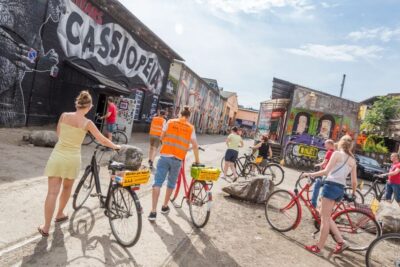 ★ 4.7Alternative Bike Tour of Kreuzberg & FriedrichshainFrom $41548 reviews
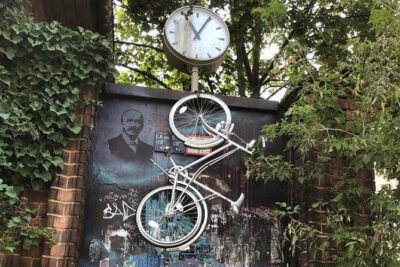 ★ 5.0Berlin Off-the-Beaten-Path Walking Tour: Kreuzberg, Mitte and FriedrichshainFrom $30412 reviews
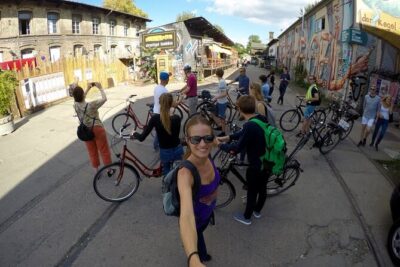 ★ 4.8Experience the Alternative Kreuzberg on a Bike TourFrom $41395 reviews
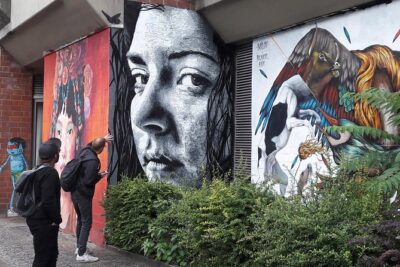 ★ 5.0Berlin Street Art Walking Tour – Off The GridFrom $24270 reviews
 ★ 5.0East Meets West: Berlin Food Culture & Street ArtFrom $169157 reviews
Browse the lists this tour appears in