
REVIEW · BERLIN WALL & COLD WAR
Berlin: Berlin Wall and the Cold War Walking Tour
The Wall still has teeth. This 2-hour Berlin Wall and Cold War walking tour at Bernauer Straße Wall Memorial turns big history into concrete street-level scenes you can actually stand inside.
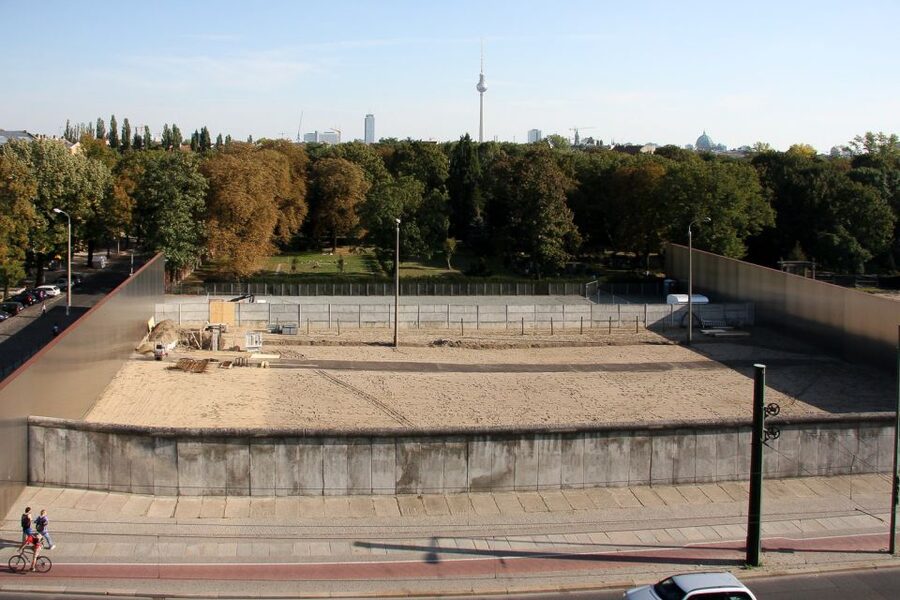
I especially like two things: the way the guide makes everyday life in East Germany feel real, with spy pressure and escape attempts that could go wrong fast. And I love that you get to see the original death strip, including the watchtower, walls, and barriers, not just photos in a museum.
One consideration: the tour uses public transport and has a couple of possible starting points, so you’ll want to book the option that matches your transport needs and double-check the exact meeting place you selected.
In This Review
- Key Things You’ll Notice on This Tour
- Why Bernauer Straße Makes the Cold War Feel Real
- The 15-Minute Transit Handoff (and Why It Matters)
- Guided Walk at Berlin Wall Memorial: What You’ll See Up Close
- Everyday Life in the GDR: How Neighbors Became Watchers
- Escape Attempts and the Price of Trying
- Tunnel 57: The Engineering Side of Desperation
- Ghost Stations: When Transit Became a Border Problem
- Finding the Human Cost: Victims and Memorial Meaning
- Stories That Keep Pace With Your Group
- Price and Value: Is $23 Worth It?
- Who This Tour Suits Best
- Should You Book the Berlin Wall and Cold War Walking Tour?
- FAQ
- How long is the Berlin Wall and Cold War walking tour?
- Where does the tour take place?
- Does the tour include a guided visit, or is it self-guided?
- Do I need to use public transport?
- What languages are available?
- How much does it cost?
- Is cancellation possible?
- Is there a reserve now and pay later option?
Key Things You’ll Notice on This Tour
- Bernauer Straße Wall Memorial focus, so you learn the Wall’s logic from one of Berlin’s most powerful stretches
- Original border features, including the death strip, watchtower, and barriers
- Tunnel 57 and ghost stations, explained in a way that connects engineering to human desperation
- Everyday GDR life plus escape stories, including how the border regime affected normal routines
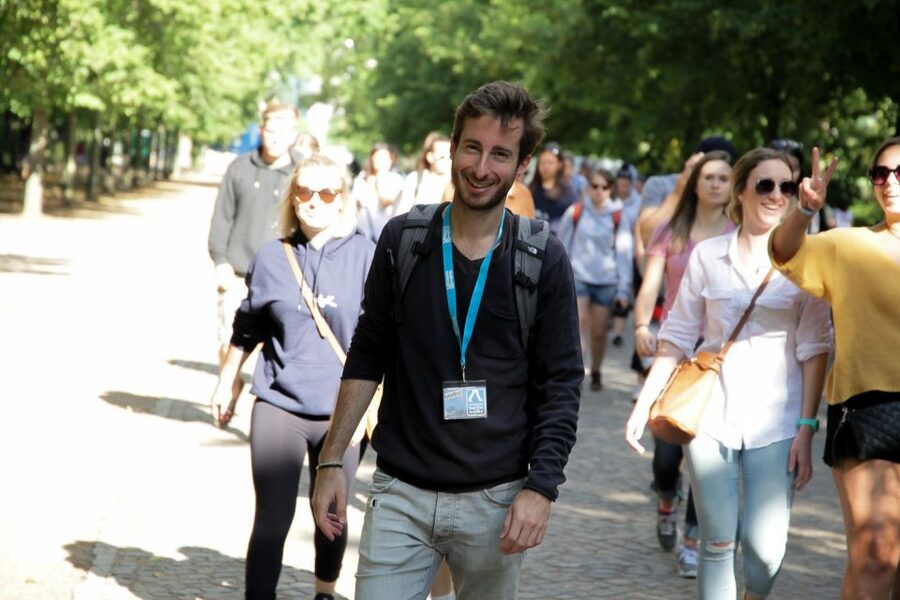
- Guides who keep the group engaged, with Nathan and Rebecca specifically noted for clarity and pacing
More of the Wall and the divided city
- Berlin’s Best: 2 Hour Walking Tour Third Reich and the Cold War★ 5.0 · 5,486 reviews
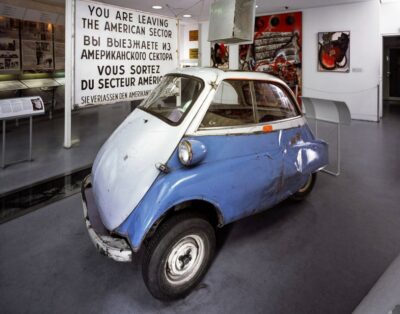
- Skip-the-Line: Berlin Wall Museum at Checkpoint Charlie★ 4.1 · 2,041 reviews
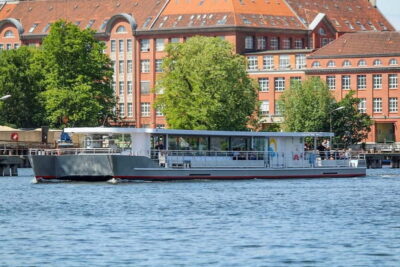
- Berlin: East Side Gallery Spree Cruise in a Solar Catamaran★ 4.1 · 1,086 reviews
- Cold War, Berlin Wall, Spies and the East Side Gallery★ 5.0 · 1,024 reviews
Why Bernauer Straße Makes the Cold War Feel Real
Berlin did not simply get divided on paper. Overnight, it became a lived border, with neighbors on opposite sides and rules that could change your whole life. Bernauer Straße is one of the best places to understand that shock because the memorial zone is built around the Wall line itself, not around an abstract map.
What I like about this tour’s approach is that it keeps pulling you back to cause and effect. You learn how the Wall was set up, why it mattered to both East and West, and how the border system shaped behavior. That includes the uncomfortable parts: secret police pressure, a culture of watching, and escape attempts that were both tempting and deadly.
Also, the fact that this tour is led by a licensed guide matters. You are not left to wander and guess. You get stories tied to the actual structures around you, so the facts stick.
The 15-Minute Transit Handoff (and Why It Matters)
Before you settle into the memorial area, there’s a short hop by public transport from your chosen meeting point. Your starting location can vary depending on what you booked, including an option that begins at a Starbucks on Gartenstraße 85.
Why that small transit segment is worth paying attention to: it sets the tone. You are moving from normal city Berlin into the kind of Berlin where geography became a weapon. Even that quick transfer helps you shift mental gears, so when you reach the Wall Memorial you’re ready to see why the border looked the way it did.
Practical tip: the tour offers different public transport options. If you’re relying on transit, make sure you pick the option that matches whether you need a train ticket or already have one. It’s the simplest way to avoid awkward last-minute sorting.
Guided Walk at Berlin Wall Memorial: What You’ll See Up Close
The heart of the experience is the guided visit through the Berlin Wall Memorial area, built around where the border system operated. The guide keeps the pace brisk but readable, and the content is anchored in the physical layout around you.
Here’s what stands out most as you walk:
- You can view the original death strip, including how it was laid out to restrict movement and increase exposure.
- You see the watchtower, walls, and barriers as parts of a single goal: control and deterrence.
- You hear stories that connect those structures to what people tried to do when hope was stronger than risk.
This is the kind of tour where the details matter. It’s easy to think of the Wall as one big concrete strip. In person, you start seeing it as a system: layered barriers, controlled sight lines, and a buffer zone that existed to make escape nearly impossible.
Everyday Life in the GDR: How Neighbors Became Watchers
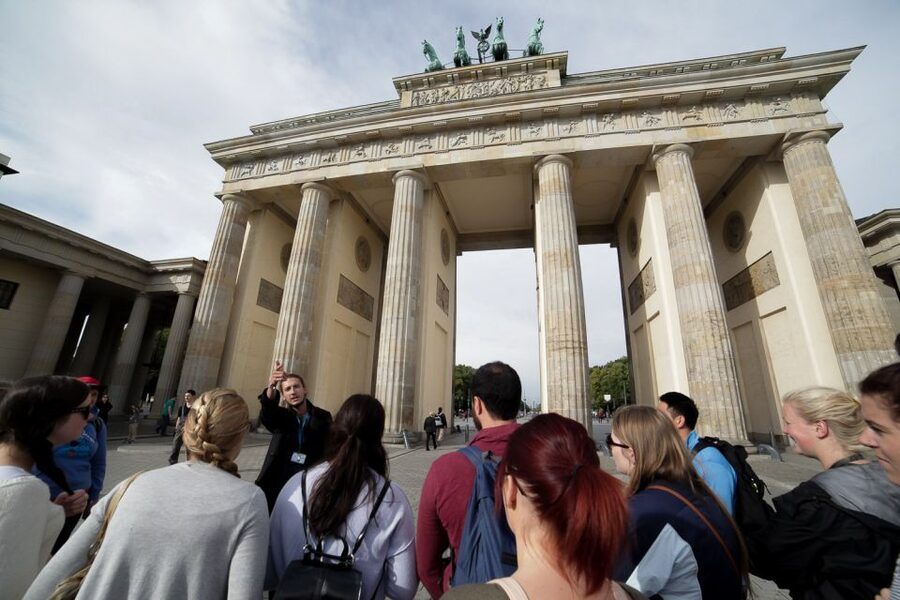
A big reason this tour works is that it doesn’t treat Cold War life as a distant movie plot. You get explanations about East Germany that focus on how the border regime affected daily routines.
You’ll learn how the GDR encouraged spying and how that changed the emotional temperature of ordinary neighborhoods. That doesn’t mean every person acted as an informant, but the pressure to look, report, and stay cautious was real. The guide connects these themes to the fear that surrounded the Wall line, especially for people living near it.
What I like is that the stories are not only about dramatic escapes. They also cover the tension of simply living in a divided city: the sense that you might not know who knew what, and the worry that a single mistake could have serious consequences.
If you want the Cold War explained in human terms, this is where the tour shines.
More of Berlin on foot



Escape Attempts and the Price of Trying
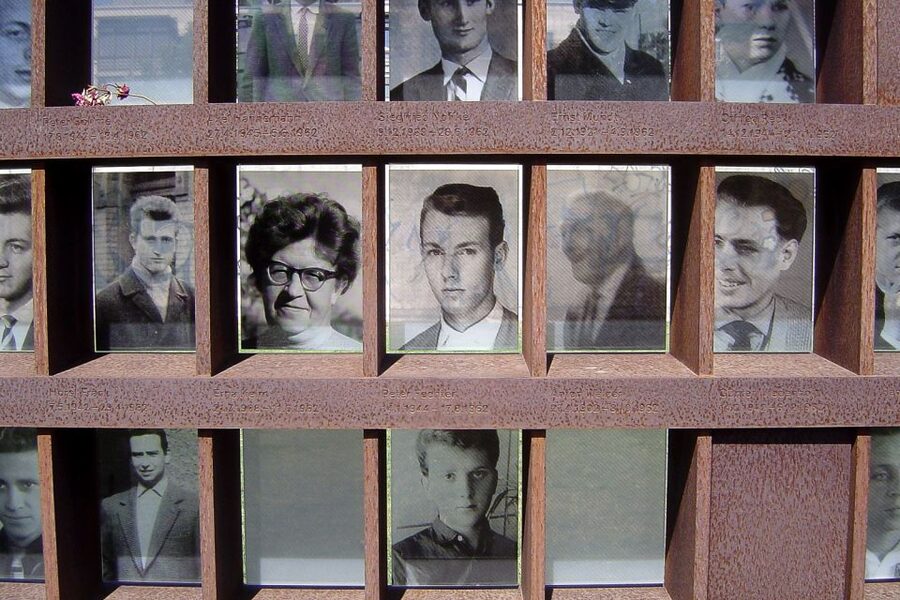
Once the tour sets up the reality of everyday GDR life, it moves into the escape attempts and what those efforts meant on the ground. Escaping across the Wall is presented as temptation, not just legend. You understand why people tried—freedom, family, a future that felt blocked—and why the system was engineered to punish.
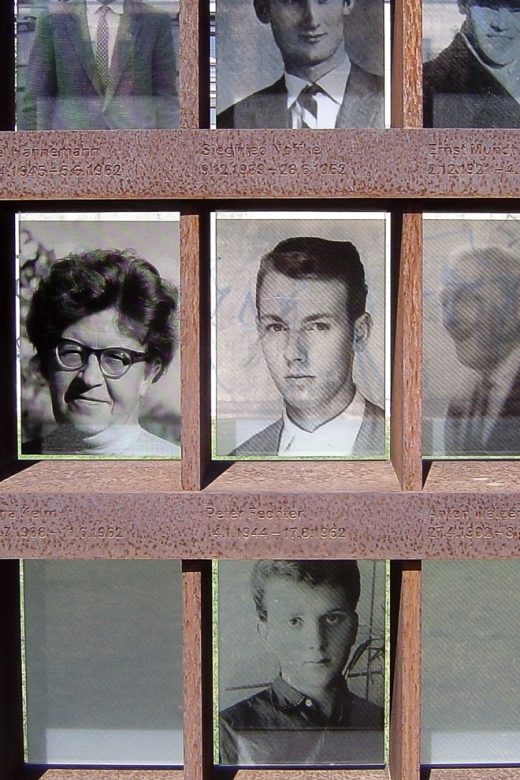
You also see memorials dedicated to victims of the border regime. This turns the Wall from a historical artifact into a moral question you can’t shrug off: what it costs when an entire city becomes a border zone.
A helpful part of the experience is that your guide keeps bringing the discussion back to cause and effect. You hear how border security decisions made certain routes and methods more dangerous. You get the sense that the Wall wasn’t only meant to stop movement; it was meant to prevent attempts from even starting.
Tunnel 57: The Engineering Side of Desperation
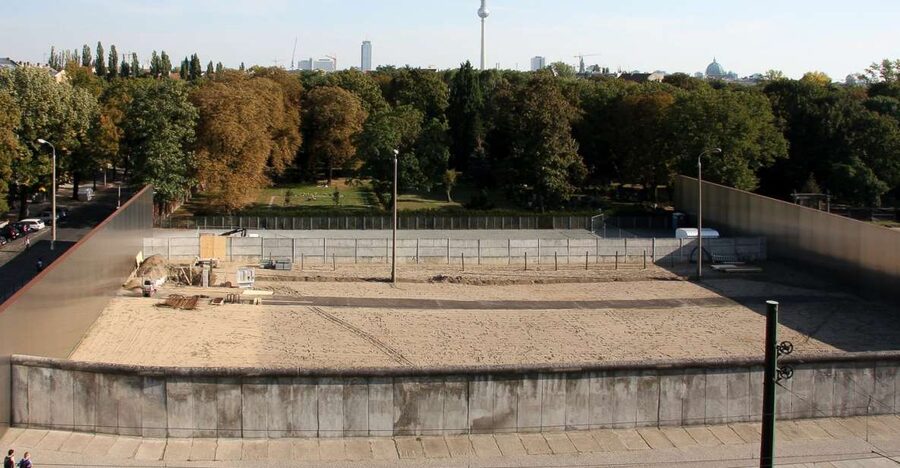
When the tour gets into Tunnel 57, it does something smart: it connects technical planning to the emotional push behind it. You aren’t just told that tunnels existed. You hear about why digging was possible, why it took effort, and how the escape system became a cat-and-mouse relationship.
That helps you understand the Cold War as more than speeches and slogans. It was also logistics and risk management, with people gambling everything on a plan.
If you like history that has both brains and heart, Tunnel 57 is one of the standout parts of the walk. The guide frames it so you can see both the method and the desperation in the same moment.
Ghost Stations: When Transit Became a Border Problem
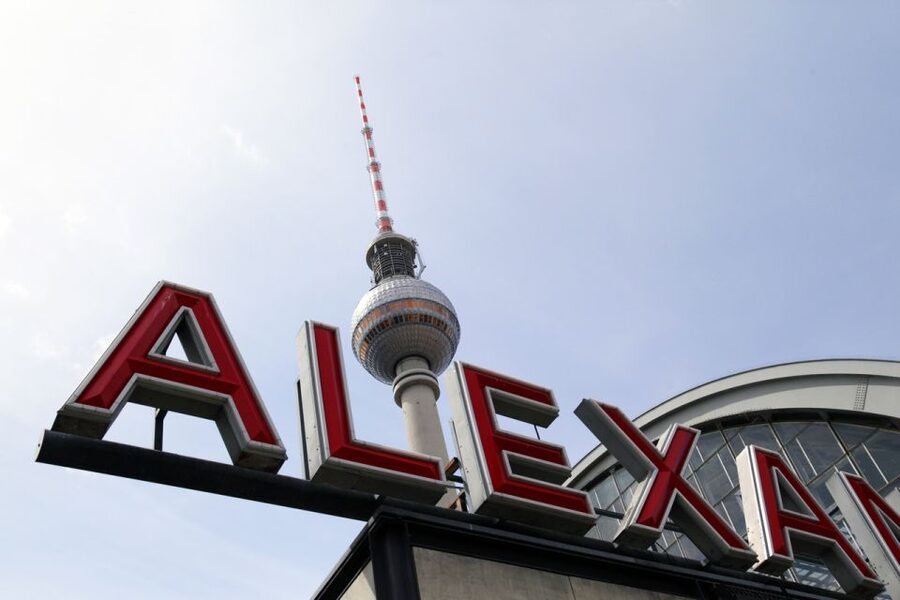
The tour also addresses ghost stations, which are tied to how the border changed even public transportation. That sounds technical, but it’s actually a powerful idea: a city’s movement patterns can be broken, rerouted, or frozen by political decisions.
As you learn about these stations, you start noticing the strange contradiction. Berlin was a city built for connection, and yet the border created spaces designed for absence. You see how the Cold War shaped everyday movement, turning routes into obstacles and stations into symbols.
This part of the tour is especially good if you’ve ever wondered how borders disrupt more than borders themselves. The answer is: they disrupt routines, routes, and mental maps. Ghost stations are history you can interpret even without taking photos.
Finding the Human Cost: Victims and Memorial Meaning
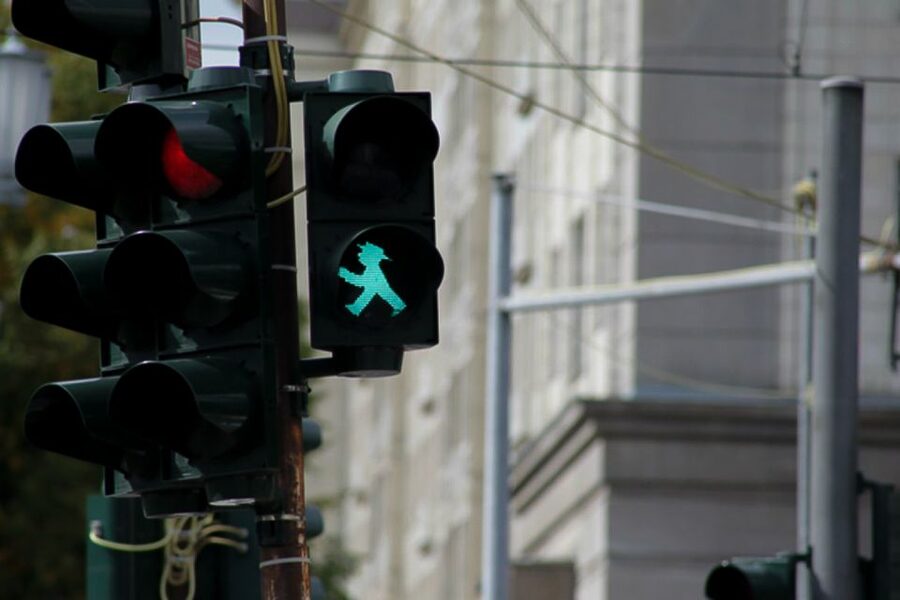
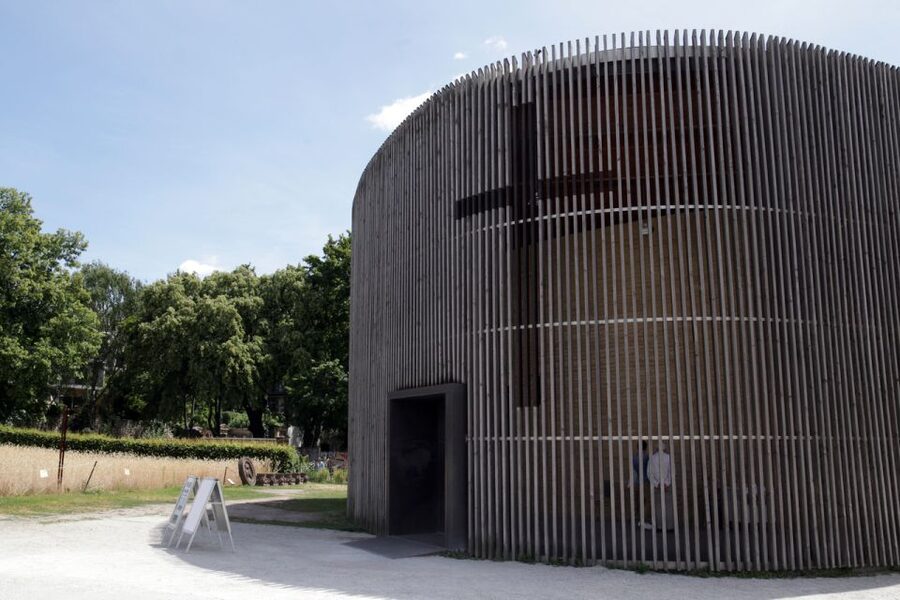
Memorials are not just stops on a walking tour. At Bernauer Straße, the memorial sections are part of how the story lands. You are guided toward reminders of people who lost their lives trying to reach the West, and the guide ties those losses to the border regime’s structure.
What you get from this isn’t sadness for sadness’ sake. It’s context. When you understand the watchtower, barriers, and death strip logic, the memorials stop feeling symbolic and start feeling brutally concrete.
In short: you leave with better questions and a clearer sense of why this site matters.
Stories That Keep Pace With Your Group
Another praised element of this tour is how the guide adapts. People have noted that guides such as Nathan kept the walk aligned with the group’s level and paused when needed, which is a big deal on a two-hour format.
Others have highlighted Rebecca for clear, engaging explanations that keep the group attentive. That kind of guiding is what turns a walk from a lecture into a shared experience.
One small but practical detail: there’s mention of taking a break to grab Hackepeter when the guide realized it was something the guest wanted. That’s not the centerpiece of the history, but it shows the guiding style: responsive, human, and willing to adjust.
Price and Value: Is $23 Worth It?
At $23 per person for a roughly two-hour, guided, licensed Wall Memorial walk, this is strong value if you care about understanding the Cold War instead of just seeing it.
Here’s the value equation I see:
- You’re paying for a live licensed guide, which is the difference between hearing stories and reading signs
- You get a focused visit to a key site—Bernauer Straße—with explanations that connect multiple themes (Wall setup, everyday pressure, escape attempts, Tunnel 57, ghost stations)
- Skip-the-line access reduces wasted time in a place that’s popular enough to have queues
If your goal is quick sightseeing, you might not feel the need for a guided approach. But if you want to leave with clear understanding of how the border system worked—and what it did to people—this price feels fair.
Who This Tour Suits Best
This walking tour is ideal if:
- you want the Wall explained in a structured, human way
- you like history tied to geography and want to see the original border features
- you’re interested in the Cold War’s daily pressure, not only major political events
- you prefer a guided experience where you can ask tough questions
It may feel less suitable if you only want a short highlight stop without context, or if you’re expecting lots of unrelated city stops. This walk is intentionally focused.
Should You Book the Berlin Wall and Cold War Walking Tour?
I think you should book if you want your Berlin Wall experience to be more than a photo stop. The combination of Bernauer Straße Wall Memorial, the original death strip sights, and the guided stories about East Germany, escape attempts, Tunnel 57, and ghost stations creates a learning arc that stays with you.
Book it sooner rather than later if you like small-group energy or want a guide who keeps the group engaged, since this format is built around live conversation and pacing.
If you’re short on time but still want real context for how Berlin was cut in two overnight and how that border regime worked day to day, this is one of the most practical ways to get there.
FAQ
How long is the Berlin Wall and Cold War walking tour?
The experience is listed as 2 hours.
Where does the tour take place?
The tour centers on the Bernauer Straße Wall Memorial in Berlin (State), Germany.
Does the tour include a guided visit, or is it self-guided?
It includes a live English-speaking guide and focuses on a guided Wall Memorial walk.
Do I need to use public transport?
Yes. The tour uses public transport, and there are starting options plus an option that depends on whether you need a train ticket.
What languages are available?
The live tour guide is available in English and German.
How much does it cost?
The price is $23 per person.
Is cancellation possible?
You can cancel up to 24 hours in advance for a full refund.
Is there a reserve now and pay later option?
Yes, there’s a reserve now & pay later option so you can book your spot and pay later.
More Tours in Berlin





More Tour Reviews in Berlin

The Wall and the Cold-War City


Round out your days in Berlin
Berlin Wall & Cold War, compared.
 ★ 4.9Third Reich & Cold War Guided Walking TourFrom $238,378 reviews
 ★ 5.0Berlin’s Best: 2 Hour Walking Tour Third Reich and the Cold WarFrom $245,486 reviews
 ★ 4.1Skip-the-Line: Berlin Wall Museum at Checkpoint CharlieFrom $212,041 reviews
 ★ 4.1East Side Gallery Spree Cruise in a Solar CatamaranFrom $281,086 reviews
 ★ 5.0Cold War, Berlin Wall, Spies and the East Side GalleryFrom $181,024 reviews
 ★ 4.8Wall Tour – Fates, Love Stories, and HeroesFrom $282585 reviews
 ★ 4.5THE WALL: asisi Panorama Berlin TicketFrom $16580 reviews
 ★ 4.8The Wall and Third Reich Guided Bike TourFrom $41578 reviews
Browse the lists this tour appears in