
REVIEW · SACHSENHAUSEN MEMORIAL
Berlin: English Bus Tour to Sachsenhausen Concentration Camp
Berlin to Sachsenhausen is a hard day, in the best possible way. This English coach tour adds structure to a heavy site, with a history lecture on the way out and a clear, respectful guided walk through Sachsenhausen Memorial. I especially liked the bus commentary that sets the context before you step inside, and the time to reflect built into the pacing.
You’ll cover the core parts of the camp system, including places tied to punishment, medical experiments in the infirmary area, and the crematoria and gas chamber spaces. I also appreciated that the tour doesn’t treat Sachsenhausen like a checklist; it explains how the camp worked and how Germany remembers it today. One possible drawback: with only about 2 hours on site, you’ll have to prioritize what you want to linger on if you’re the kind of person who reads every label.
In This Review
- Key highlights worth your attention
- Why Sachsenhausen hits differently than a quick Berlin detour
- The 50-minute coach ride from Friedrichstraße sets your brain up
- Your 2-hour guided walk: barracks, daily routine, and camp control
- The punishment and death-system stops you can’t skip
- Infirmary barracks and experimentation: why this section matters
- Drive-by Oranienburg: seeing the work beyond the main camp
- What the tour gets right about time: 4 hours total, including transport
- Price and value: is $55 fair for this format?
- Who this tour suits best (and who should think twice)
- Should you book the Berlin to Sachsenhausen English bus tour?
- FAQ
- FAQ
- How long is the Berlin to Sachsenhausen tour?
- Where do I meet the guide in Berlin?
- Is transportation included?
- What’s included once I reach Sachsenhausen Memorial?
- Is the tour in English?
- Is the tour wheelchair accessible?
- What should I bring?
Key highlights worth your attention
- A coach ride with real historical narration before you reach the memorial, not just boring transport time
- Tower A and camp layout explained in plain language, so the scale makes sense
- Infirmary barracks and experimentation context handled carefully and with care
- Crematoria, gas chamber spaces, execution trench, and punishment areas shown as part of how the camp system operated
- Drive through Oranienburg to see where prisoners would have worked beyond the main camp walls
- A respectful, compassionate guide style, often singled out by name in the guide reports
More memorial and remembrance tours from Berlin
- Berlin: Sachsenhausen Concentration Camp Tour in English★ 5.0 · 5,711 reviews
- Berlin: Sachsenhausen Concentration Camp Memorial Tour★ 4.7 · 3,716 reviews
- Berlin: Sachsenhausen Concentration Camp Tour in English★ 4.8 · 1,889 reviews
- Sachsenhausen Concentration Camp Memorial Tour (Max. 15 Guests)★ 5.0 · 1,516 reviews
Why Sachsenhausen hits differently than a quick Berlin detour
Sachsenhausen was not a random, improvised prison camp. It was designed and constructed from the ground up, with a plan for control and expansion. For me, what makes it especially unsettling is that you can see the machinery of oppression laid out in the camp’s layout: the way movement was controlled, routines were enforced, and punishment was administered.
This tour focuses on how Sachsenhausen fit into the broader network of camps and what local people at the time knew about the reality behind the barbed wire. You won’t just get dates and names; you’ll get the “how” behind the system, including the administrative ruthlessness tied to leadership like Heinrich Himmler.
You should go in prepared for emotion. The site covers suffering on a massive scale, including the estimate that 35,000 people were murdered or died of disease there. This isn’t a “photo moment” stop, even though cameras are allowed.
The 50-minute coach ride from Friedrichstraße sets your brain up
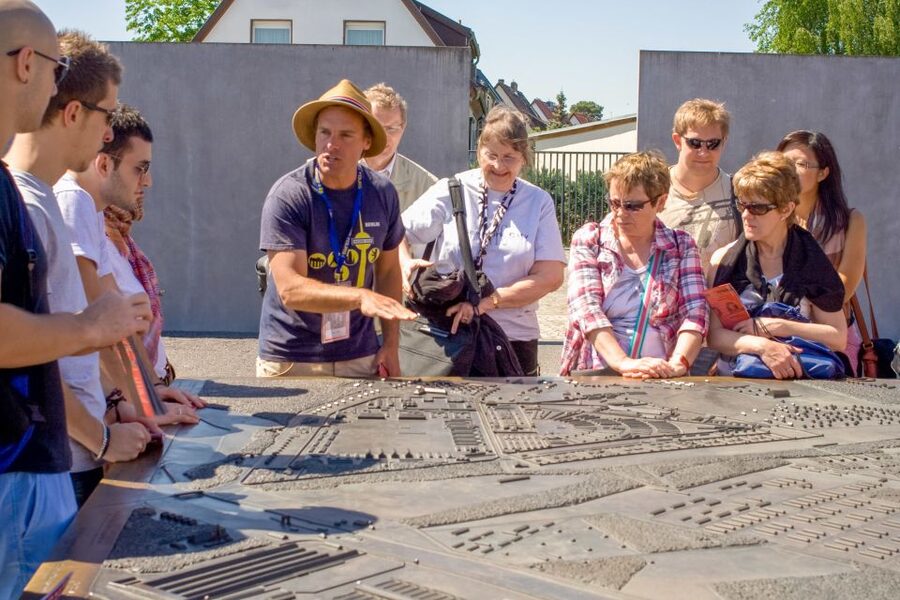
The tour starts at Reichstagufer 17 in central Berlin, with a 50-minute bus ride to the memorial. You meet your guide outside Friedrichstraße train station, on the square between the Tränenpalast (Palace of Tears) and the station, with guides wearing a blue lanyard and a yellow name tag holding yellow umbrellas.
What I like most here is the pacing. Rather than letting you arrive cold, the guide builds background on how the concentration camp system developed and how Nazi power expanded. Several guides have been praised for doing this clearly and compassionately—names that come up include Paul, Hannah, Jamie G, Georgia, and Klaus—and the common theme is context without turning the bus ride into a lecture marathon.
Practical tip: bring a light snack and a drink. The tour is only half a day, but you’ll do walking, and you’ll want your energy steady once you’re on site. Comfortable shoes are non-negotiable.
Your 2-hour guided walk: barracks, daily routine, and camp control
At Sachsenhausen Memorial, you get a guided tour for about 2 hours. That’s a good length for a first visit because the camp is large, and you’d never see the key ideas if you wandered on your own. The guide leads you into the stark barracks and explains harsh conditions and daily routines faced by people imprisoned there.
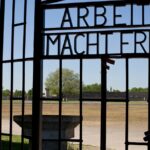
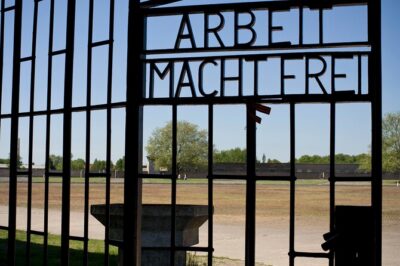
What makes this portion valuable is that the guide connects the physical space to what happened inside it. You’ll see the camp’s structure and hear how it functioned: the administrative side, the surveillance side, and the punishment side. The route also includes major checkpoints such as the commandant’s house and Tower A, where the slogan Arbeit Macht Frei still hangs over the entrance area.
A small heads-up: if you’re a slow reader who wants to absorb every exhibit label and document, you may wish for more time. One person noted wanting more time to read materials and go into some main entrance buildings—so if that’s you, plan to choose a few areas to focus on instead of trying to absorb everything in one pass.
The punishment and death-system stops you can’t skip
Sachsenhausen is famous for being brutally systematic. This is the part of the tour that can feel the heaviest because you’ll visit several locations tied to killing, confinement, and punishment.
Expect to see the crematoria and gas chamber area, along with references to the execution trench. You’ll also be shown isolation cells and other punishment cells, explained as part of how the camp maintained control through fear and suffering. The guide’s job here is crucial: the topic is overwhelming, so you need clear, respectful language and good pacing.
The most important thing you can do as a visitor is to slow your own brain down at these stops. The tour may move as a group, but you can still take a breath, step back when needed, and let the guide’s explanation land. Some guides are particularly praised for creating pauses for reflection, which is exactly what you want in places like these.
Also note: this isn’t a “comedy with history” kind of day. Your best accessory is mental readiness.
More hop-on, hop-off routes around Berlin




Infirmary barracks and experimentation: why this section matters
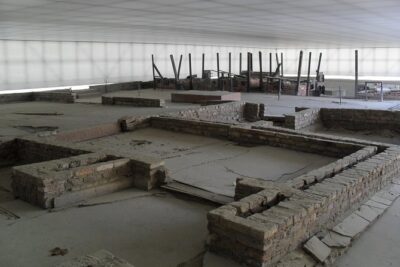
One of the most sobering parts of Sachsenhausen is the infirmary barracks, where the tour focuses on experimentation during the war. Even if you’ve read about Nazi crimes before, this part lands differently because you’re standing in the area connected to medical abuse, not just hearing it as a concept.
The guide will connect the infirmary spaces to the way human bodies were treated as instruments—part of the camp’s cruelty rather than an emergency response system. The focus here is historical explanation and careful wording, but you should still expect emotional discomfort.
This is also where your understanding of the camp deepens. Early on, you learn about the machinery of imprisonment. Later, the infirmary section shows how that machinery extended into medical “research” and suffering disguised as care. That contrast is one of the reasons people walk away feeling the tour is more than a surface visit.
If you want a takeaway that you can actually use in future conversations: think about how ideology, bureaucracy, and institutional settings worked together here. This tour helps connect the dots.
Drive-by Oranienburg: seeing the work beyond the main camp
Before and during the trip, you’ll also drive through Oranienburg. The tour uses this route to show where inmates would have worked outside the core camp space. That matters because it makes the system feel larger than a single compound with gates.
Instead of thinking of Sachsenhausen as one location where history happened, you start seeing it as part of a wider environment—people were exploited, moved, and used beyond the memorial’s boundaries. For me, this is a smart choice for an English bus tour because it stretches your understanding without adding extra walking time.
You won’t just be staring at buildings. You’ll be learning a geography of control—where work happened, where movement was likely directed, and how the camp’s influence extended into everyday regional life.
What the tour gets right about time: 4 hours total, including transport
Total duration is 4 hours, with the schedule built around efficiency:
- 50 minutes on the bus each way
- 2 hours guided at Sachsenhausen Memorial
- Back to Berlin after the tour
This is a “taste and understand” visit, not a deep research day. It’s ideal if you’re doing other Berlin sights and you want one strong, guided memorial experience that won’t swallow your whole afternoon.
You’ll also have a map of the former camp, which helps if you want to follow along with the guide’s route or return to your photos afterward and remember what you saw. A couple of visitors noted small practical issues—one mentioned the microphone cutting out on the coach due to a technical hiccup, not the guide’s effort. If you’re picky about audio, just know the tour depends on equipment like any other.
Price and value: is $55 fair for this format?
At $55 per person, this is not the cheapest Berlin excursion. But it includes what you’d otherwise pay for separately: a licensed professional guide, transportation by private air-conditioned vehicle, Sachsenhausen Memorial entry, a €3 donation per person to the memorial, and a map.
That bundle is where the value comes from. You’re paying for a guided structure that helps you interpret what you’re seeing—especially at a site where the details are easy to misunderstand if you go without context. The bus narration also adds real learning time during the travel window.
If you’d rather spend your money on trains and do memorial time solo, you might compare prices. But if you want someone to explain the camp’s layout and the “how it worked” parts, the cost makes sense for a 4-hour day with transport handled.
Who this tour suits best (and who should think twice)
This tour is a strong fit for you if you want an organized memorial visit from Berlin, with an English guide and a focused path through the most important areas. It’s also a great option if you’re traveling with teenagers or family members, because the pacing is built for learning without leaving people lost in the size of the site.
It’s less suitable if you have mobility limitations. The tour is not wheelchair accessible, and it’s not recommended for individuals with limited mobility or walking impairments. You’ll be doing enough walking for a concentrated memorial visit, and the route is not designed around slow, accessible movement.
If you’re the type who needs total control over pace and reading time, consider whether 2 hours is enough for you. It’s plenty to understand the main points with a guide, but not designed for absorbing every exhibit detail.
Should you book the Berlin to Sachsenhausen English bus tour?
Yes, if you want a guided memorial experience that’s practical, well-paced, and built around context. The best reason to book is the combination of coach background narration plus a guided walk through Sachsenhausen’s key sites, including Tower A, the crematoria and gas chamber area, punishment cells, and the infirmary experimentation context.
I’d skip it only if your mobility is limited or if you need much more than 2 hours on site to process at your own speed. Otherwise, this is a solid value way to do Sachsenhausen from Berlin without dealing with transit hassle.
If you do book, plan your day like it matters. Wear comfortable shoes, bring a snack and water, and give yourself permission to step back and reflect when the guide suggests it.
FAQ
FAQ
How long is the Berlin to Sachsenhausen tour?
It lasts about 4 hours total.
Where do I meet the guide in Berlin?
Meet outside Friedrichstraße train station on the square between the Tränenpalast (Palace of Tears) and the station. Guides wear a blue lanyard, a yellow name tag, and hold yellow umbrellas.
Is transportation included?
Yes. You ride in a private air-conditioned vehicle with a driver.
What’s included once I reach Sachsenhausen Memorial?
You get a guided tour of the memorial, plus Sachsenhausen Memorial entry and a map of the former concentration camp.
Is the tour in English?
Yes, the live guide provides the tour in English.
Is the tour wheelchair accessible?
No. It’s not wheelchair accessible and not recommended for people with limited mobility or walking impairments.
What should I bring?
Bring comfortable walking shoes and a camera. Also remember to bring a light snack and a drink.
More Tour Reviews in Berlin




Hop-On, Hop-Off Around Berlin
Sachsenhausen and Remembrance


Round out your days in Berlin
Sachsenhausen Memorial, compared.
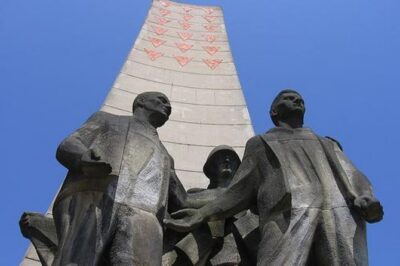 ★ 5.0Sachsenhausen Concentration Camp Tour in EnglishFrom $365,711 reviews
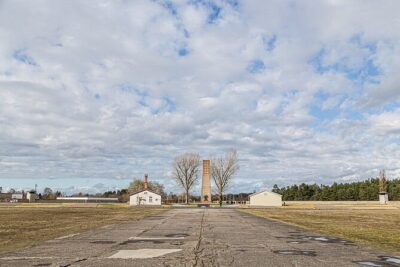 ★ 4.7Sachsenhausen Concentration Camp Memorial TourFrom $213,716 reviews
 ★ 5.0Sachsenhausen Concentration Camp Bus Tour in English from BerlinFrom $681,962 reviews
★ 4.8Sachsenhausen Concentration Camp Tour in EnglishFrom $221,889 reviews
★ 5.0Sachsenhausen Concentration Camp Bus Tour in English from BerlinFrom $681,962 reviews
★ 4.8Sachsenhausen Concentration Camp Tour in EnglishFrom $221,889 reviews
 ★ 5.0Sachsenhausen Concentration Camp Memorial Tour (Max. 15 Guests)From $351,516 reviews
 ★ 4.6Sachsenhausen Concentration Camp and Potsdam TourFrom $651,334 reviews
 ★ 5.0Sachsenhausen concentration camp.From $341,189 reviews
 ★ 5.0Visita en español al campo de concentración SachsenhausenFrom $341,170 reviews
Browse the lists this tour appears in