
REVIEW · SACHSENHAUSEN MEMORIAL
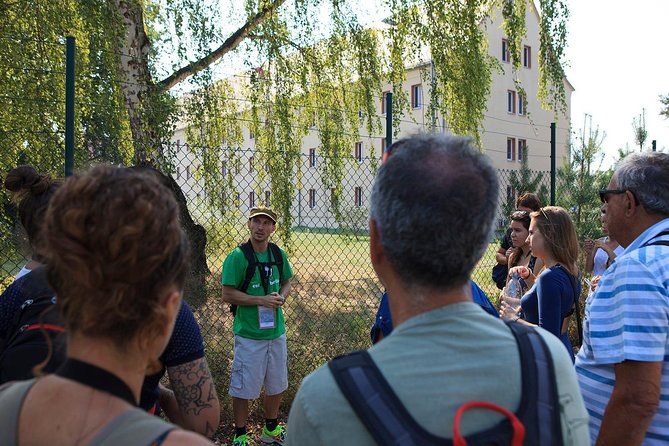
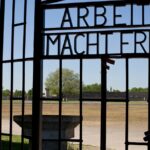
Sachsenhausen concentration camp.
Few places hit harder than Sachsenhausen. This tour is interesting because it connects the camp’s timeline from 1936 to May 1945 with the everyday reality prisoners faced, using the museum grounds and preserved structures as your classroom. I also like that you’re not just hearing dates—you’re getting a guided look at the prisoners and how the system worked.
The one real drawback is practical: you’ll be on your feet for a while, so plan for comfortable shoes and a steady walking pace. Since it includes the site admission and the guide in a small group (up to 30), you can focus on the message rather than logistics, and you’ll carry a mobile ticket instead of hunting for paper.
In This Review
- Key highlights before you go
- Why Sachsenhausen still matters when you visit Berlin
- Berlin TV Tower meeting point and how to not waste time
- The 6-hour format: what the timeline feels like
- Entering the museum grounds at Sachsenhausen
- 1936 to May 1945: the Nazi camp chapter
- After WWII: the NKVD special camp period (until 1950)
- Day-to-day life and prisoner profiles: what to listen for
- Price and value: is $34.76 a fair deal?
- Getting around after the tour: finishing in Mitte
- What to bring (and what to skip)
- Who should book this Sachsenhausen tour?
- Should you book this Sachsenhausen tour?
- FAQ
- How long is the Sachsenhausen tour?
- What is included in the ticket price?
- What is not included?
- Where do I meet the guide?
- Where does the tour end?
- What time does the tour start?
- Is there a mobile ticket?
- How many people are in the group?
- What should I wear or bring?
- What is the cancellation policy?
Key highlights before you go
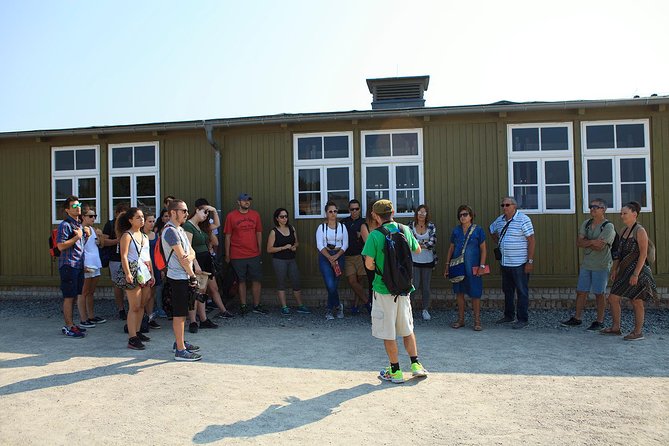
- Spanish-speaking guide focused on history, daily life, and prisoner profiles
- Admission to Gedenkstatte und Museum Sachsenhausen included
- About 6 hours total, with 3 hours at the museum site
- Small group cap of 30 people
- Meet at Berlin TV Tower area and get help orienting yourself around the city
- A respected, serious approach emphasized in reviews, including a guide named Juan
More memorial and remembrance tours from Berlin
- Berlin: Sachsenhausen Concentration Camp Tour in English★ 5.0 · 5,711 reviews
- Berlin: Sachsenhausen Concentration Camp Memorial Tour★ 4.7 · 3,716 reviews
- Berlin: Sachsenhausen Concentration Camp Tour in English★ 4.8 · 1,889 reviews
- Sachsenhausen Concentration Camp Memorial Tour (Max. 15 Guests)★ 5.0 · 1,516 reviews
Why Sachsenhausen still matters when you visit Berlin
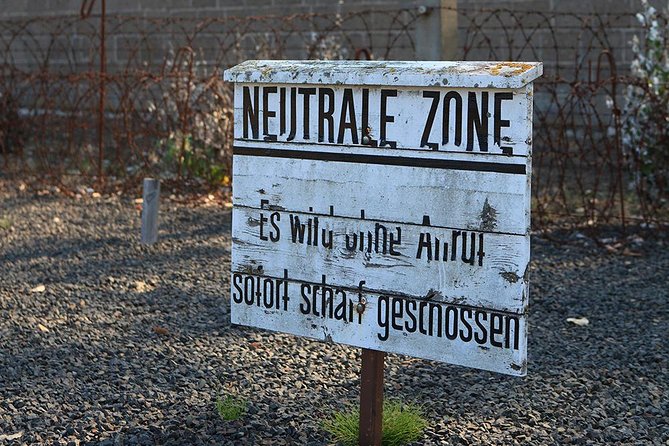
If Berlin feels like a city of layers, Sachsenhausen is one of the darkest ones. This is a Nazi concentration camp in Oranienburg that was used primarily for political prisoners starting in 1936 and lasting until May 1945. Seeing it in a guided format matters because you’re not left to guess what you’re looking at, or which parts of the story are essential.
What I like about a tour like this is that it treats the site as more than a set of ruins. The museum setting is designed for learning, and a good guide helps you understand what the camp was used for and how life was organized there. You’ll also get the postwar chapter, which is crucial for understanding what happened next.
There’s also a moral weight here. You don’t need to be an expert to respect that weight. All you need is attention, and a willingness to listen carefully.
Berlin TV Tower meeting point and how to not waste time
This experience starts at Berlin TV Tower (Panoramastraße 1A) at 10:00 am. The meeting point is easy to spot and gives you a clear anchor right in the city, which helps if you’re already juggling tram or metro connections that morning.
The guide is Spanish-speaking, and they’ll go with you and explain how to get to any point in Berlin you want afterward. That’s a nice touch, especially when the tour end isn’t a single fixed drop-off point. The tour ends in Mitte, but the guide doesn’t name a specific finishing location, so you should be ready to navigate from that general area.
Since there’s a mobile ticket, you can keep everything on your phone. That reduces last-minute stress, and it’s one less thing to manage while you’re traveling and walking.
The 6-hour format: what the timeline feels like
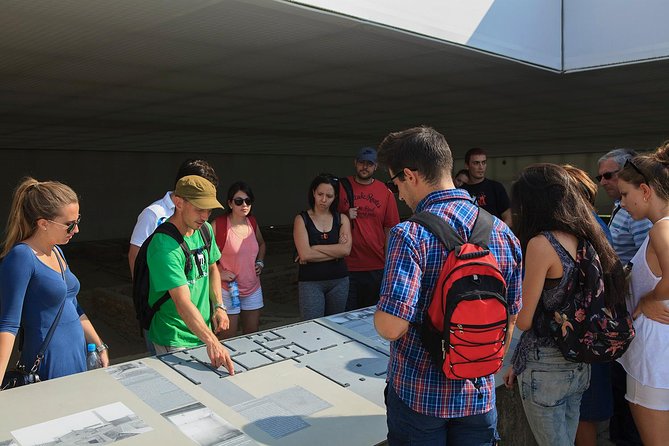
The overall duration is listed as about 6 hours. The museum stop itself is around 3 hours, with the rest of the time tied to getting there, meeting up smoothly, and maintaining the group flow.
I like this structure because it gives you enough time at the site to actually understand what you’re seeing, without turning the visit into a marathon. And because the tour is designed to cover the camp’s full arc—its early use, daily life, prisoners, and then the postwar use—you avoid the common problem of getting only one slice of the story.
Also, with a small maximum group size of 30 people, you’re less likely to feel like you’re shouting into a crowd. It’s still a walking experience, so you’ll want to move at a comfortable pace.
Entering the museum grounds at Sachsenhausen
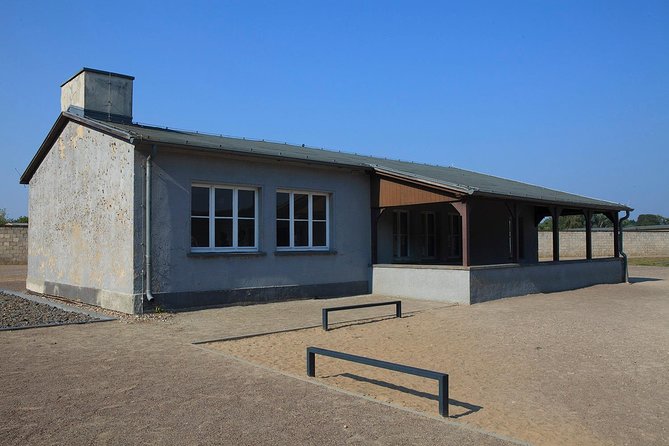
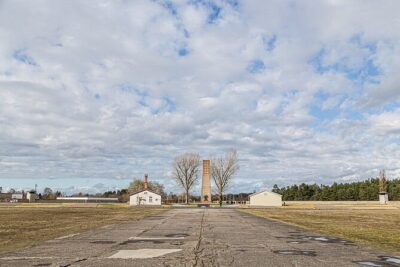
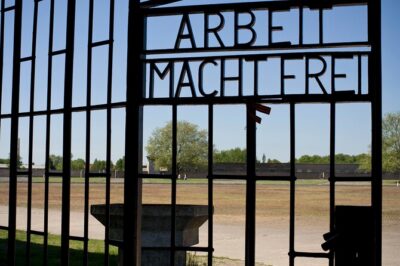
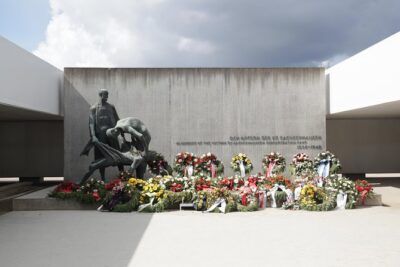
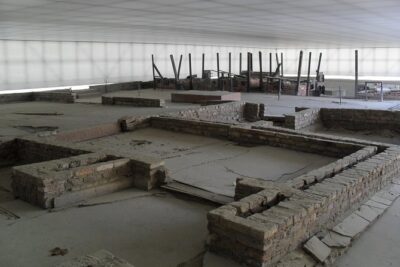
Your main stop is Gedenkstatte und Museum Sachsenhausen, where the remaining buildings and camp grounds are open to the public. That means you’re not visiting a generic memorial from the outside—you’re walking through a preserved environment where the museum can explain how the camp functioned.
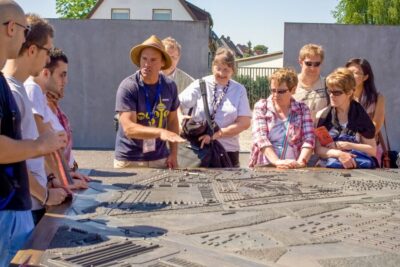
A guided visit is especially valuable here because many parts of a concentration camp site can feel confusing at first. The guide’s job is to help you read the layout and understand the purpose behind what you see. This tour is described as reviewing the camp’s history end to end, along with how prisoners lived there day to day.
One practical note: the tour materials emphasize moderate physical fitness and long walking. Even if you move slowly, you should plan for time on foot. Treat the shoes part seriously—your legs will remember.



1936 to May 1945: the Nazi camp chapter
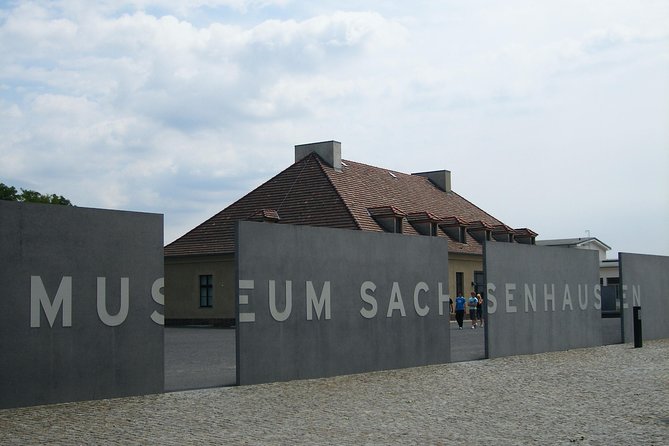
From 1936 to May 1945, Sachsenhausen was used primarily for political prisoners. That detail matters because it shapes the kind of people the camp held and how the system was used. In a tour format like this, you’ll learn not just that the camp existed, but why it operated the way it did over time.
I also appreciate that the tour doesn’t stop at a vague timeline. It’s set up to cover the entire history and to discuss prisoners and their profiles. That approach tends to make the story more concrete, because you’re not just hearing a generic outline—you’re connecting policy, imprisonment, and human outcomes.
Expect the tour to be serious and respectful. Reviews highlight that the guide approach stays respectful and focused, which is exactly what you want at a place like this.
After WWII: the NKVD special camp period (until 1950)
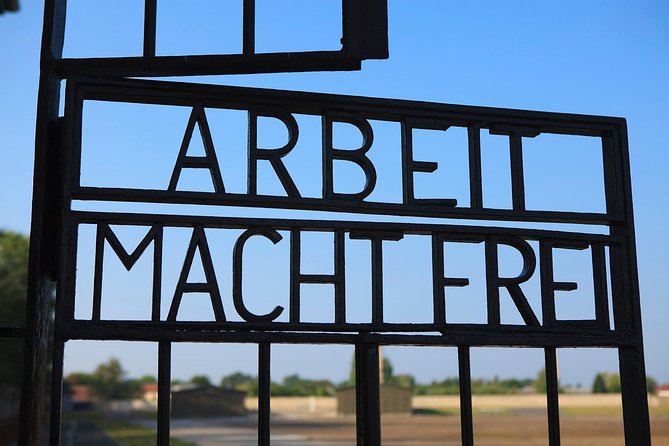
What many people miss when they hear about wartime camps is what came next. After World War II, Oranienburg was in the Soviet Occupation Zone, and the camp structure was used as an NKVD special camp until 1950.
This postwar chapter is one of the most valuable parts of the visit. It adds context to how detention systems didn’t magically disappear at the end of the Third Reich. Instead, the site’s use shifted under new authorities, and learning that helps you understand how complex and painful the postwar years were.
If you come expecting only the Nazi-era story, you may be surprised—in a learning way. The guide’s role is to keep it clear and organized so the history doesn’t blend together.
Day-to-day life and prisoner profiles: what to listen for
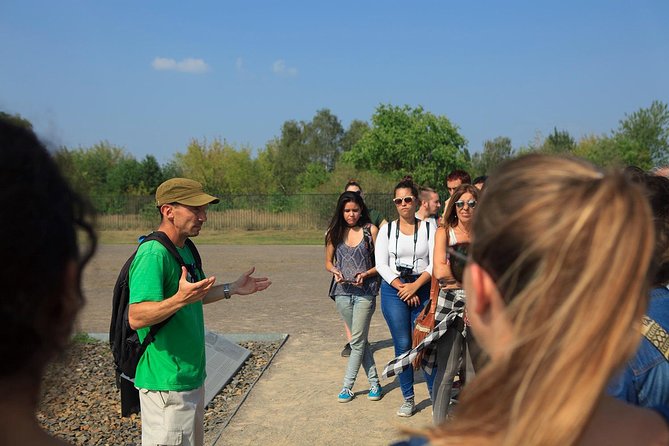
The tour promises a look at day-to-day life in the camp and the profile of each of the prisoners discussed during the visit. You should pay attention to the human scale of the story—how people were held, what their lives were like under the camp system, and what “profile” means in terms of the individual circumstances the camp processed.
What helps most is listening for the guide’s structure. A well-run guided tour turns broad events into something you can follow: what happened, when, and who was affected. The best guides also handle the sensitive material with care, not just facts.
In the feedback you provided, a guide named Juan was singled out for seriousness and deep knowledge on such an important topic. That kind of preparation matters. At Sachsenhausen, sloppy explanations can turn into disrespect. A serious guide helps you stay grounded.
Price and value: is $34.76 a fair deal?
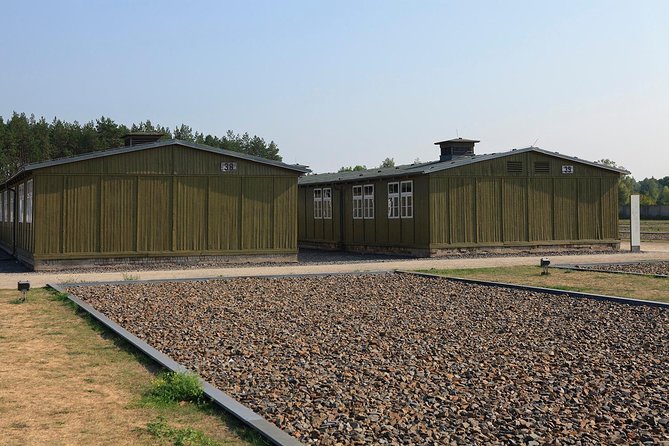
The listed price is $34.76 per person, and it includes the admission ticket for the museum stop. It also includes a local Spanish-speaking guide and the guided time that turns the grounds into a learning experience.
What’s not included is also clear: food and drink, and an ABC transportation ticket. That means your real total depends on how you handle getting around and whether you plan to buy lunch or snacks on your own.
Here’s how I’d think about value: if admission is included and you’re getting guided context for about 6 hours, the price is relatively straightforward. The tour pays for the guide and your time at the site, which is the main cost driver. The only extra you’ll likely need is what you eat, plus your local transport planning.
One more detail: it’s booked about 17 days in advance on average, which suggests it can fill, especially with a maximum of 30 travelers. If you’re traveling in a busy season, don’t wait.
Getting around after the tour: finishing in Mitte
The experience ends in Mitte, Berlin, but the guide doesn’t state a specific finishing point. That sounds minor, but it affects your plan. You’ll want to know your next steps ahead of time—like where you’ll go for lunch, or which line you want to use to get back to your hotel.
The good news is that the guide will explain how to get to any point you want in the city. That gives you flexibility even without a pinpoint end location.
I’d treat the end as an orientation win: you’ll leave with a sense of how to move around Berlin, not just a museum ticket and a walk back into uncertainty.
What to bring (and what to skip)
Because the tour notes long distances and a moderate physical fitness level, plan for the physical side. Bring comfortable shoes you can wear for extended walking, and dress for Berlin weather since the visit likely includes time outdoors around the camp grounds.
Food and drink aren’t included, so bring a simple plan. If you know you’ll need water, consider bringing it with you. If you prefer buying on the way, plan where you’ll stop after the tour ends in Mitte.
Since you have a mobile ticket, keep your phone charged and accessible. You don’t want a low-battery moment right when you’re meeting the group.
Who should book this Sachsenhausen tour?
This tour is a strong fit if you want a structured, respectful visit to an important site in Germany and you prefer learning in Spanish with a local guide. It’s also good if you care about understanding not only the Nazi-era period but the later use of the same location as an NKVD special camp until 1950.
It’s less ideal if you don’t handle heavy historical topics well, or if you’re expecting a casual sightseeing outing. Sachsenhausen isn’t about pretty views; it’s about understanding what happened and why it matters.
Because it’s about walking and includes moderate fitness requirements, it’s best for people comfortable spending time on foot. If mobility is a challenge for you, you may want to consider a different format.
Should you book this Sachsenhausen tour?
Book it if you want a guided, organized story of Sachsenhausen—from 1936 to May 1945, and then the postwar NKVD period until 1950—with admission handled and a serious Spanish-speaking guide. At $34.76, the value comes from getting context while you’re standing on the grounds, not just reading placards at your own pace.
Skip (or choose a different option) if you know you can’t handle long walking, or if you strongly prefer a self-guided format where you control every minute. Also factor in that food, drink, and the ABC transport ticket aren’t included, so plan your day around that.
If your goal is to leave with real clarity instead of vague impressions, this is the kind of tour that can get you there.
FAQ
How long is the Sachsenhausen tour?
It runs for about 6 hours. The museum site portion is around 3 hours.
What is included in the ticket price?
The price includes the local Spanish-speaking guide and admission to Gedenkstatte und Museum Sachsenhausen.
What is not included?
Food and drink aren’t included, and an ABC transportation ticket is not included.
Where do I meet the guide?
You start at Berlin TV Tower (Panoramastraße 1A, 10178 Berlin).
Where does the tour end?
The end is in Mitte, Berlin. The guide does not have a specific finishing point.
What time does the tour start?
The start time is 10:00 am.
Is there a mobile ticket?
Yes, the tour uses a mobile ticket.
How many people are in the group?
The maximum group size is 30 travelers.
What should I wear or bring?
Wear comfortable shoes since you’ll be walking long distances. The tour also lists a moderate physical fitness level.
What is the cancellation policy?
You can cancel for a full refund up to 24 hours before the start time. If you cancel less than 24 hours before, the paid amount is not refunded.
More Tour Reviews in Berlin

Sachsenhausen and Remembrance

Round out your days in Berlin
Sachsenhausen Memorial, compared.
 ★ 5.0Sachsenhausen Concentration Camp Tour in EnglishFrom $365,711 reviews
 ★ 4.7Sachsenhausen Concentration Camp Memorial TourFrom $213,716 reviews
 ★ 5.0Sachsenhausen Concentration Camp Bus Tour in English from BerlinFrom $681,962 reviews
★ 4.8Sachsenhausen Concentration Camp Tour in EnglishFrom $221,889 reviews
★ 5.0Sachsenhausen Concentration Camp Bus Tour in English from BerlinFrom $681,962 reviews
★ 4.8Sachsenhausen Concentration Camp Tour in EnglishFrom $221,889 reviews
 ★ 5.0Sachsenhausen Concentration Camp Memorial Tour (Max. 15 Guests)From $351,516 reviews
 ★ 4.9English Bus Tour to Sachsenhausen Concentration CampFrom $551,380 reviews
 ★ 4.6Sachsenhausen Concentration Camp and Potsdam TourFrom $651,334 reviews
 ★ 5.0Visita en español al campo de concentración SachsenhausenFrom $341,170 reviews
Browse the lists this tour appears in