
REVIEW · SACHSENHAUSEN MEMORIAL
Berlin: Sachsenhausen Concentration Camp Memorial Tour
Sachsenhausen teaches fast and hard. This 5-hour Berlin-to-memorial tour brings you to one of Nazi Germany’s key camps, with a licensed guide from Berlin framing what you see in clear, respectful terms. I like that it connects the train ride context to the on-site monuments, so the place stops feeling like a checklist and starts feeling like a timeline.
Two things I really like: the guided flow from Alexanderplatz to the memorial, and the way your guide keeps the tone steady—facts first, no sensationalizing. You’ll also get help sorting what you’re looking at across different memorial elements, including areas tied to Jewish prisoners and later postwar remembrance.
One drawback to consider: it’s not a light walkabout. You’ll cover a lot of ground at the site and the tour isn’t suitable for mobility impairments or wheelchair users, so plan on comfortable shoes and a pace that fits you.
In This Review
- Key highlights you’ll feel in real life
- Berlin to Sachsenhausen: why this tour works as a 5-hour timeline
- The ride out from Alexanderplatz: more than just getting there
- Tower A and the main entrance: reading the camp’s message
- Barracks 38 and 39: the cramped reality behind the exhibits
- Punishment cells and the camp’s control system
- The infirmary and morgue: medical experiments, explained with restraint
- The former prisoner kitchen museum: how daily life fit into the machinery
- Station Z remains and the Soviet memorial of 1961: how memory changes
- Price and the real value of a $21 guided memorial
- Comfort tips that make a difference on site
- Guides really do set the tone
- Should you book this Sachsenhausen memorial tour?
- FAQ
- Where do I meet my guide in Berlin?
- What’s the duration of the Sachsenhausen memorial tour?
- How much does it cost?
- Is the memorial entrance fee included?
- Do I need train tickets for getting to Sachsenhausen?
- Is there a skip-the-line option?
- What will we see at the memorial?
- What languages are offered for the live guide?
- What should I bring?
- Is the tour accessible for wheelchair users?
Key highlights you’ll feel in real life
- Alexanderplatz meeting + guided train ride: you get context before you even step onto memorial grounds
- Tower A at the main entrance: you’ll see Arbeit macht Frei and understand what the entrance meant
- Barracks 38 & 39: Jewish prisoners’ cramped conditions, with Barracks 38 now functioning as a museum
- Punishment cells + infirmary and morgue: explanations that make the camp system’s cruelty concrete
- Station Z remains and the Soviet memorial (1961): how memory shifted after the war
More memorial and remembrance tours from Berlin
- Berlin: Sachsenhausen Concentration Camp Tour in English★ 5.0 · 5,711 reviews
- Berlin: Sachsenhausen Concentration Camp Memorial Tour★ 4.7 · 3,716 reviews
- Berlin: Sachsenhausen Concentration Camp Tour in English★ 4.8 · 1,889 reviews
- Sachsenhausen Concentration Camp Memorial Tour (Max. 15 Guests)★ 5.0 · 1,516 reviews
Berlin to Sachsenhausen: why this tour works as a 5-hour timeline
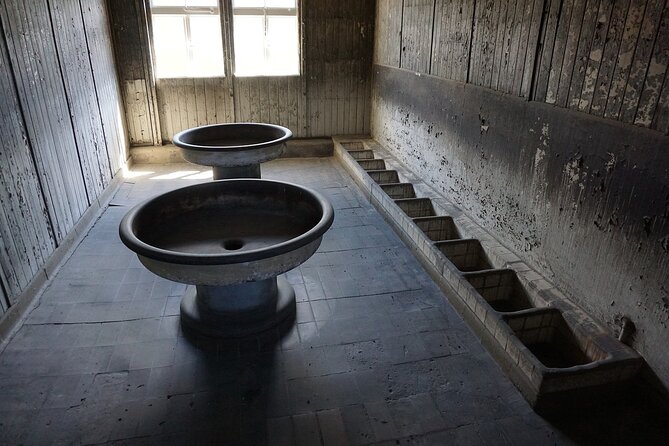
Sachsenhausen is one of those places where you can’t just wander and hope it makes sense. The value of this tour is the structure: you get enough background to read the memorial, then you see the key locations without being rushed into random stops.
You start in Berlin at Alexanderplatz, meeting your guide next to the World Time Clock. The guide is wearing their Buendía accreditation, which matters because it reduces the guesswork and keeps your group together from the first minute.
A lot of the impact here comes from how the tour is paced. Even though the subject is heavy, the experience is organized so you’re not just staring at buildings—you’re learning what each area was for and why later generations placed different memorials here.
The ride out from Alexanderplatz: more than just getting there
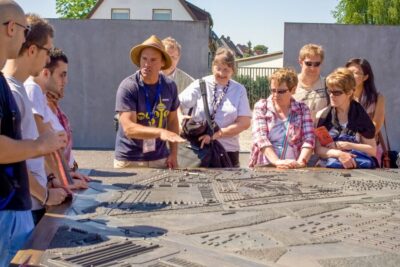
The tour doesn’t treat the journey like dead time. You board the train from Alexanderplatz and your guide gives historical background during the ride so you arrive with a framework.
Here’s the practical part: you need to buy an ABC zone train ticket in advance (it’s not included). That’s the one logistics step that most strongly affects your stress level. If you show up without it, you’ll lose time at machines or online on the Berliner Verkehrsbetriebe site.
Why I like this “context first” approach: it helps you connect the memorial’s layout to the camp’s function. By the time you reach the main entrance, you’re not just reading markers—you’re understanding how the Nazis built a system meant to control, punish, and exploit.
Also, groups are helped with navigation during the day. In multiple tour experiences, guides are praised for keeping things smooth and even assisting with train choices back into Berlin at the end.
Tower A and the main entrance: reading the camp’s message
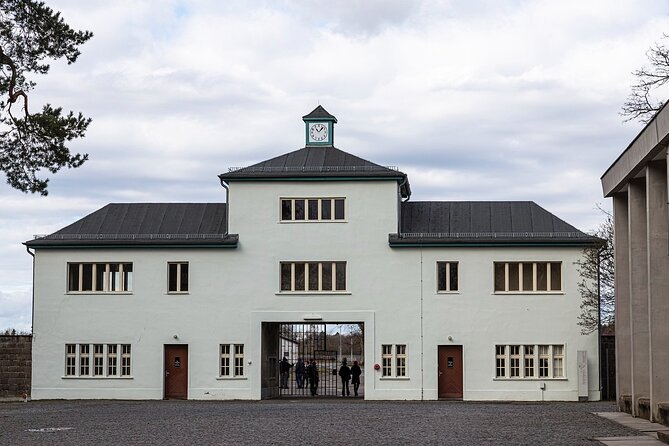
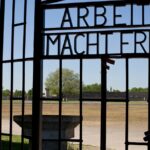
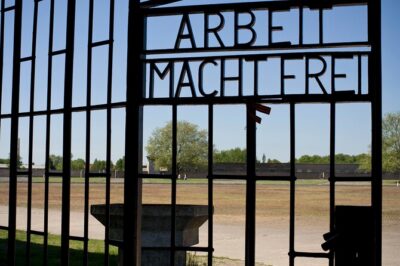
Your on-site visit starts at Tower A, the main entrance of Sachsenhausen. This is where you’ll see the infamous gate inscription, Arbeit macht Frei, and your guide explains what it meant within the camp’s logic.
This moment matters because the entrance isn’t just a photo-op spot. It’s part of how the camp communicated power—an attempt to impose meaning on victims through propaganda. Your guide’s job is to strip away the false tone and connect it to real history.
From there, you move into the camp’s internal spaces in a way that stays chronological and thematic. That’s what helps most people: you learn the “why” before you’re asked to face the “where.”
Barracks 38 and 39: the cramped reality behind the exhibits
One of the strongest stops is Barracks 38 and 39, where Jewish prisoners were held in extremely cramped conditions. Your guide explains the limits of space and the daily reality of what confinement looked like.
Barracks 38 is now used as a museum showing daily life. That museum component can be surprisingly important. It shifts the experience away from only thinking about the worst moments and toward how the camp tried to break people day after day—through routine, overcrowding, and constant coercion.
Barracks 39 is part of the same story, with your guide helping you understand the differences in how spaces were used. The tour’s value is that you don’t just see rooms—you learn how those rooms functioned in the camp’s structure.
If you only skim, you’ll miss the point. Take your time in these barracks areas. Even if you’re tempted to move quickly for emotional reasons, slowing down for the guide’s explanations will make the rest of the memorial hit harder—in the right way.



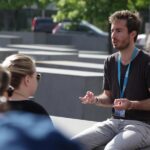

Punishment cells and the camp’s control system
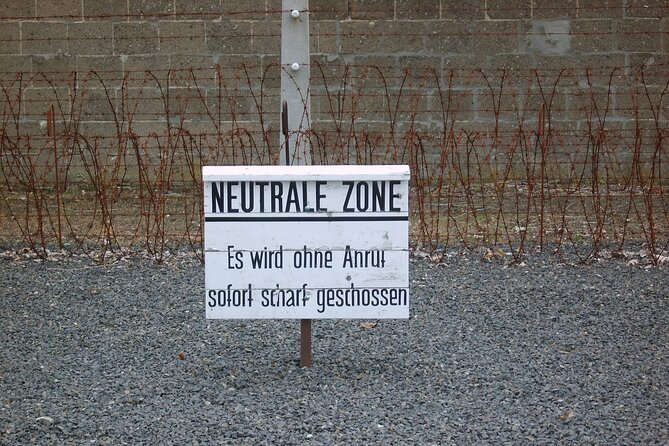
Next comes the original punishment cells, described by the guide as places used to detain prisoners for minor offenses. This stop is where the camp’s control becomes visible in an almost mechanical way.
Punishment here wasn’t random. It was a tool to enforce obedience and maintain fear. Your guide helps you understand how those small violations mattered to the Nazis because the goal was total dominance over prisoners’ bodies, time, and movement.
Practical note: this section can feel emotionally sharp. If you’re sensitive to harsh topics, it helps to use your breathing and step back when you need a moment—then come back when you’re ready to listen again. The tour is built to keep going, but you control your pace within reason.
The infirmary and morgue: medical experiments, explained with restraint
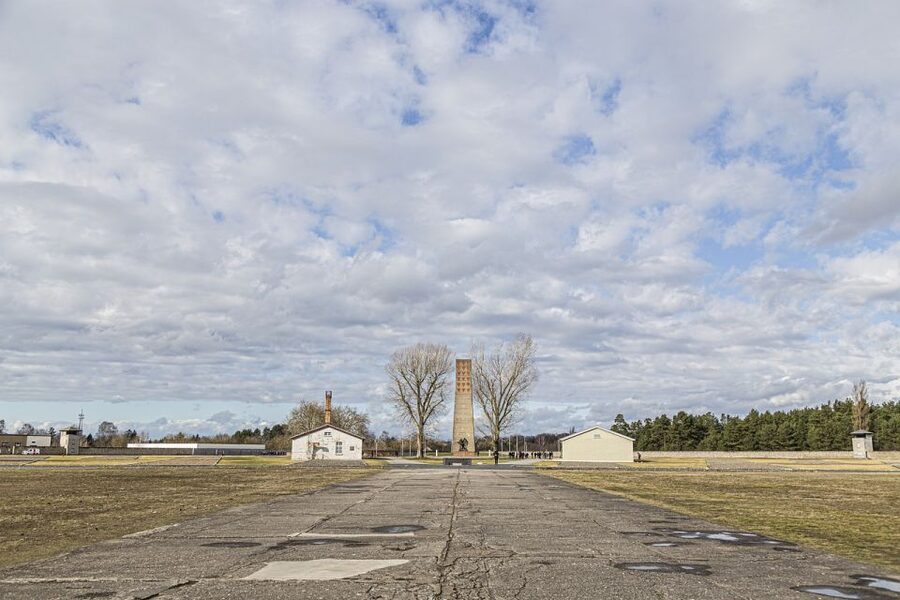
The tour includes discussion of cruel medical experiments conducted in the infirmary and morgue. This is one of the most difficult topics in any concentration camp memorial, and tone matters.
What I appreciate in how this tour is presented is the respect for victims. Guides are praised for handling the subject with care and clarity—explaining the system without turning suffering into theatre. You get the historical meaning, not just the shock value.
This part is also where “a clear and logical picture” becomes real. When your guide explains how the camp’s violence extended into medicine, you start to see how the Nazi system tried to weaponize everything it touched—including science and bureaucracy.
If you’re going with a parent, student group, or anyone who worries they won’t be able to take it, this stop is exactly where a skilled guide earns their fee. It can feel overwhelming, but the explanations help you stay oriented.
The former prisoner kitchen museum: how daily life fit into the machinery
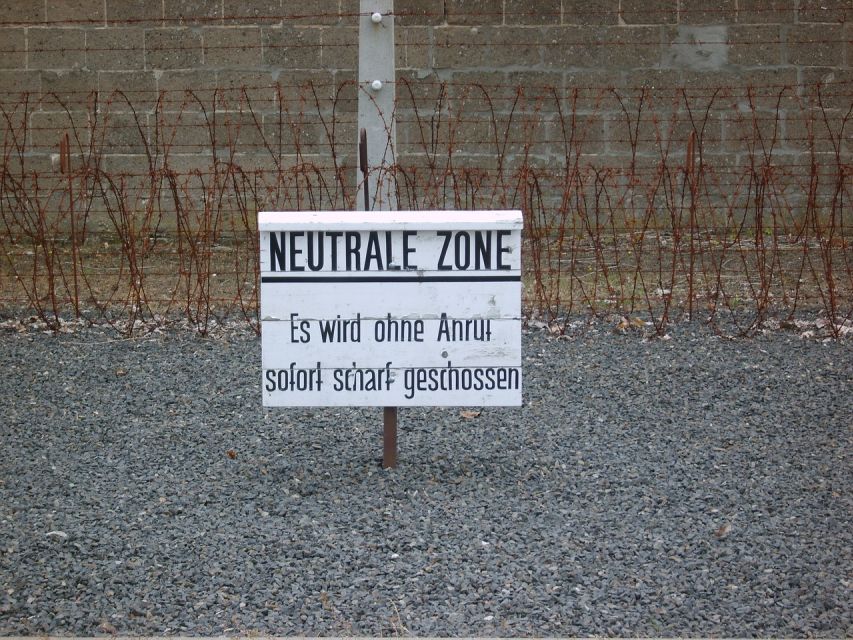
You’ll also visit the former prisoner kitchen, now a museum area that highlights key moments in the camp’s history. This sounds less dramatic than punishment cells or execution remains, but it’s a vital piece of the full picture.
Why? Because the kitchen connects the camp’s violence to survival logistics. Food and work were tools of control too—another lever to keep prisoners dependent and weak while the system ran.
Your guide ties this space to wider camp history, so it doesn’t feel like a detour. It’s part of understanding how daily routines supported the bigger machine of exploitation.
If you want an experience that’s both human-scale and historically grounded, this is the kind of stop that gives you more than just names and dates.
Station Z remains and the Soviet memorial of 1961: how memory changes
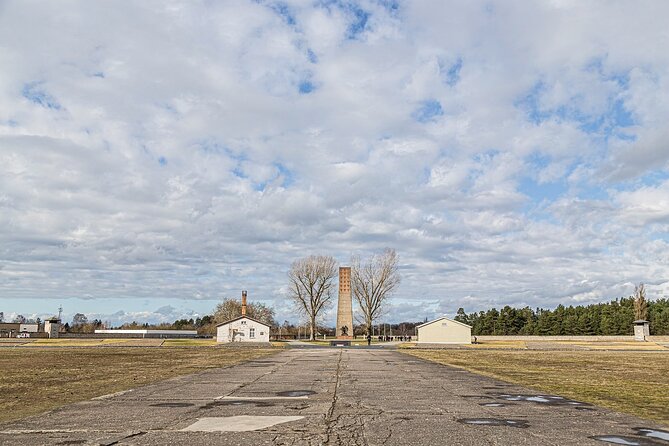
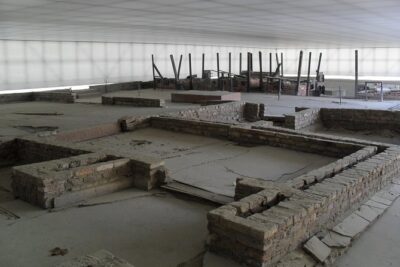
The tour then reaches the remains of Station Z, where many executions took place. This area is important because it’s not just about the act—it’s about what that act represented in the camp’s functioning.
You’ll see the physical remnants and your guide explains their meaning in context. The result is a memorial space that doesn’t let you forget how the camp ended lives.
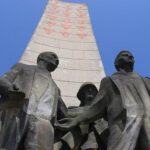
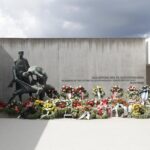
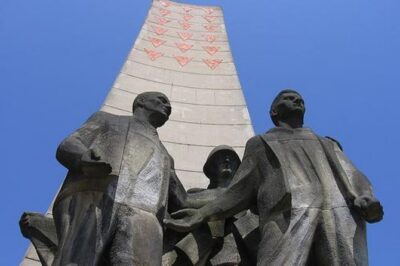
After that, you visit the Soviet memorial built in 1961. That part of the tour helps you understand Sachsenhausen’s role after World War II and how memory was shaped by different ideologies over time.
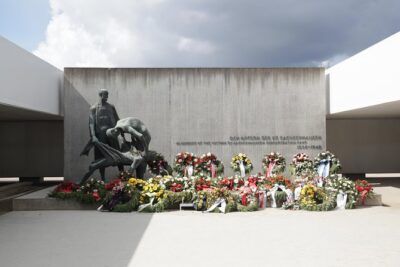
This is where the tour’s monument-by-monument approach pays off. Instead of treating everything as one static display, you learn why different memorial elements were placed later and what those choices reflected.
Price and the real value of a $21 guided memorial
At about $21 per person for a 5-hour guided experience, the value is mostly in what’s included: a professional guide from Berlin, a guided visit of the memorial site, and a memorial entrance fee (3€ included).
Train tickets aren’t included, so you still need the ABC ticket for transit in Berlin. But think of it this way: once you’re on site, you’re paying for interpretation, pacing, and making sense of complex locations. For many people, that’s the difference between looking at a place and truly understanding it.
Also, the tour includes skip-the-line access through a separate entrance. That might not sound glamorous, but it matters when you’re trying to maximize meaningful time inside a cold, open memorial area.
If you’re traveling solo or short on time in Berlin, this is one of the easiest ways to do Sachsenhausen without building logistics yourself.
Comfort tips that make a difference on site
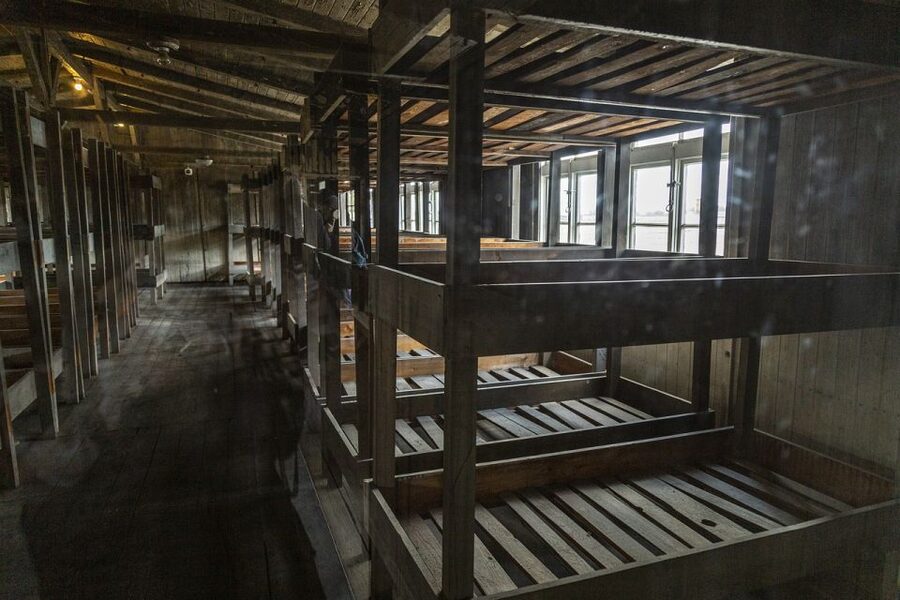
Wear comfortable shoes. You’ll be walking around an outdoor memorial with uneven surfaces and lots of standing time while your guide explains details. In winter, the cold can be intense, and multiple guide experiences mention bitter weather and keeping the group moving efficiently.
Bring snacks, especially if you tend to get hungry after long guided sessions. The tour is 5 hours long, and having a small plan helps you stay focused.
A small but useful tip from the day-to-day rhythm: when you get a chance to use the restroom, take it. Memorial tours often include stretches where the group needs to keep together, and it’s easier than trying to hunt facilities later.
Guides really do set the tone
One of the most praised parts of this experience is the guide. Different guides are named across bookings—Peter, Walid, Richard, Amelia, Hugo, Filipe, Mathis, Roshana, and Waleed show up in feedback—with a consistent pattern: organized guidance, respectful delivery, and clear historical explanations.
Some guides also earn praise for the right kind of lightness—humor used sparingly, never at the expense of victims, but enough to keep the group human and attentive.
Another theme: safety and care. Guides help with practical timing, keep an eye on group needs, and assist with the train ride back to Berlin if you choose to return with them. That support matters because the last thing you want after a heavy day is to struggle with transit decisions.
If you’re doing this as part of a longer Berlin visit, choose a day when you can handle emotional weight afterward. Many people find they process the site later in the evening, not right away.
Should you book this Sachsenhausen memorial tour?
Yes—if you want a guided experience that helps you understand the camp’s system, not just see its buildings. This tour is a strong choice for first-timers because it gives context during the train ride and then walks you through the memorial’s most important areas: Tower A, Barracks 38 and 39, punishment cells, infirmary and morgue, Station Z, and the Soviet memorial (1961).
Book it especially if you value respectful interpretation and clear explanations, like the ones many guides are praised for. If you’re going with someone who worries they’ll be overwhelmed, a skilled guide can make the experience more bearable without making it less serious.
Skip it or plan differently if mobility is an issue, since the tour is not suitable for wheelchair users or people with mobility impairments. And if you struggle with very dark history, be honest with yourself—this is not a casual day out, even though it’s managed with care.
FAQ
Where do I meet my guide in Berlin?
You meet next to the World Time Clock at Alexanderplatz. Your guide will be wearing Buendía accreditation.
What’s the duration of the Sachsenhausen memorial tour?
The tour lasts 5 hours.
How much does it cost?
The price is listed as $21 per person. The tour also includes an entrance fee to the memorial.
Is the memorial entrance fee included?
Yes. The 3€ entrance fee to the Sachsenhausen Concentration Camp Memorial is included.
Do I need train tickets for getting to Sachsenhausen?
Yes. Train tickets are not included, and you need to purchase an ABC zone train ticket in advance.
Is there a skip-the-line option?
Yes. You get skip the line through a separate entrance.
What will we see at the memorial?
You’ll start at Tower A (main entrance) and see places including Barracks 38 and 39, the punishment cells, the infirmary and morgue areas (including discussion of medical experiments), the former prisoner kitchen museum, the remains of Station Z, and the Soviet memorial built in 1961.
What languages are offered for the live guide?
The live tour guide is available in Spanish, English, German, French, and Italian.
What should I bring?
Bring comfortable shoes and snacks.
Is the tour accessible for wheelchair users?
No. The tour is not suitable for mobility impairments and wheelchair users.
More Tours in Berlin


More Tour Reviews in Berlin
Sachsenhausen and Remembrance

Round out your days in Berlin
Sachsenhausen Memorial, compared.
 ★ 5.0Sachsenhausen Concentration Camp Tour in EnglishFrom $365,711 reviews
 ★ 5.0Sachsenhausen Concentration Camp Bus Tour in English from BerlinFrom $681,962 reviews
★ 4.8Sachsenhausen Concentration Camp Tour in EnglishFrom $221,889 reviews
★ 5.0Sachsenhausen Concentration Camp Bus Tour in English from BerlinFrom $681,962 reviews
★ 4.8Sachsenhausen Concentration Camp Tour in EnglishFrom $221,889 reviews
 ★ 5.0Sachsenhausen Concentration Camp Memorial Tour (Max. 15 Guests)From $351,516 reviews
 ★ 4.9English Bus Tour to Sachsenhausen Concentration CampFrom $551,380 reviews
 ★ 4.6Sachsenhausen Concentration Camp and Potsdam TourFrom $651,334 reviews
 ★ 5.0Sachsenhausen concentration camp.From $341,189 reviews
 ★ 5.0Visita en español al campo de concentración SachsenhausenFrom $341,170 reviews
Browse the lists this tour appears in