
REVIEW · SACHSENHAUSEN MEMORIAL
Berlin: Sachsenhausen Concentration Camp Tour in English
A train ride to a hard lesson. This Berlin–Sachsenhausen tour turns grim ground into clear, respectful context—before, during, and after WWII—so you can understand how the camp functioned. Two things I like a lot are the licensed English guide and the focus on specific, visitable locations like Station Z and the punishment areas. One drawback to plan for: it’s a lot of walking on uneven, outdoor paths and it’s not wheelchair accessible.
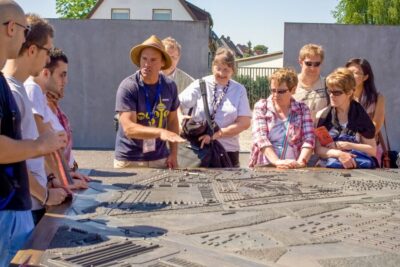
The route is simple: meet at Friedrichstraße near the Traenenpalast (look for guides with yellow umbrellas), take the train to Oranienburg, then walk into the memorial for a guided tour that’s serious but well-paced. Afterward, you head back to Berlin with your guide. The emotional weight is real, so bring water, snacks, and patience for a topic that asks you to slow down.
In This Review
- Key highlights I’d prioritize
- What This Berlin to Sachsenhausen Tour Really Gives You
- Friedrichstraße Meeting Point and the Train Ride to Oranienburg
- Administration Center: How the Camp Was Managed
- The Path Through the Camp Grounds: What You’ll Actually See
- Station Z and mass murder sites
- Watchtower and command power
- Jewish barracks and daily reality
- Punishment cells
- Resistance Stories That Add Human Meaning
- Experimentation and Forced Medical Suffering
- Special Camp 1/7: After the Nazis
- The SS Training Camp and Gallows
- Price and Logistics: Good Value for a Berlin Day Trip
- Guide Matters: Why the Best Ones Keep This Respectful
- What to Pack (and What to Skip) for a Smoother Day
- Who This Sachsenhausen Tour Is Best For
- FAQ
- FAQ
- Where do we meet the guide in Berlin?
- How long is the Sachsenhausen tour?
- How do we get from Berlin to Sachsenhausen?
- Do we need public transport tickets?
- What’s included in the tour price?
- What are the main places you visit at the memorial?
- Is food provided?
- Is the tour wheelchair accessible?
- Should You Book This Sachsenhausen Tour?
Key highlights I’d prioritize
- Licensed English guide with clear context from the camp’s early purpose to the post-war Soviet use
- Full camp walkthrough moments, including barracks, punishment cells, and key sites tied to mass murder
- Station Z and gallows areas that give shape to what the camp machinery looked like
- Stories of resistance (Jewish revolt in 1942, defiance by British POWs, sabotage by Soviet and Polish prisoners)
- Good logistics for a day trip, with a guided Berlin-to-Oranienburg train transfer and a fixed return
More memorial and remembrance tours from Berlin
- Berlin: Sachsenhausen Concentration Camp Tour in English★ 5.0 · 5,711 reviews
- Berlin: Sachsenhausen Concentration Camp Memorial Tour★ 4.7 · 3,716 reviews
- Berlin: Sachsenhausen Concentration Camp Tour in English★ 4.8 · 1,889 reviews
- Sachsenhausen Concentration Camp Memorial Tour (Max. 15 Guests)★ 5.0 · 1,516 reviews
What This Berlin to Sachsenhausen Tour Really Gives You
Sachsenhausen isn’t just a name in a textbook. This tour is built to help you connect the camp’s physical layout to the decisions behind it: who was imprisoned, why they were targeted, how they were controlled, and what happened after liberation.
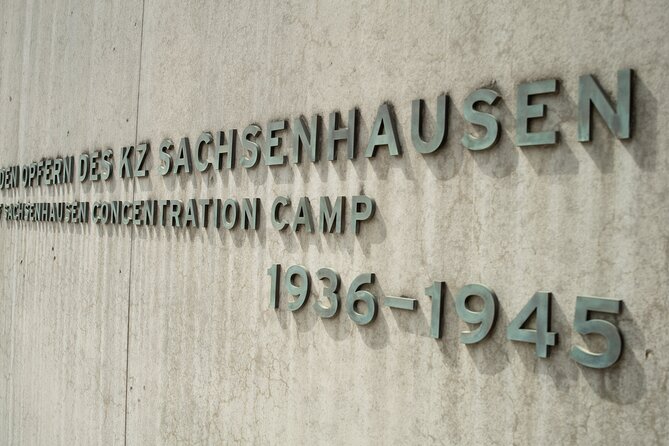
I like that the guide work isn’t just facts on a wall. You’ll get the camp’s timeline: construction starting in 1936, expansion to hold people the Nazi regime saw as threats, then the way the site was later used by the Soviets. That structure matters because it answers the question you’ll have while walking the grounds: how did this place keep serving different power systems?
You’ll also see several of the most recognizable stop-types at Sachsenhausen—areas tied to mass murder, brutal living conditions, punishment, and execution—so you aren’t left piecing it together on your own.
One more practical point: the tour runs around 5.5 to 6 hours, which is long enough to do justice to the memorial, but not so long that you lose the thread. That’s a big deal at a place like this, where your brain needs time to process.
Friedrichstraße Meeting Point and the Train Ride to Oranienburg
Your day starts at Friedrichstraße train station, outside on the square beside the Traenenpalast. Bring your eyesight—your group is easy to spot because guides carry yellow umbrellas.
From there, you take a short train ride to the Oranienburg area (it’s described as about 25 minutes in one direction, and the return is about 45 minutes, so treat it as a half-day rail transfer, not a rushed sprint). This matters for two reasons.
First, you avoid the mental load of figuring out how to get there from central Berlin. Second, you get time to settle before the memorial walk begins. Many visitors find the emotional shift easier when the transition is paced.
Administration Center: How the Camp Was Managed
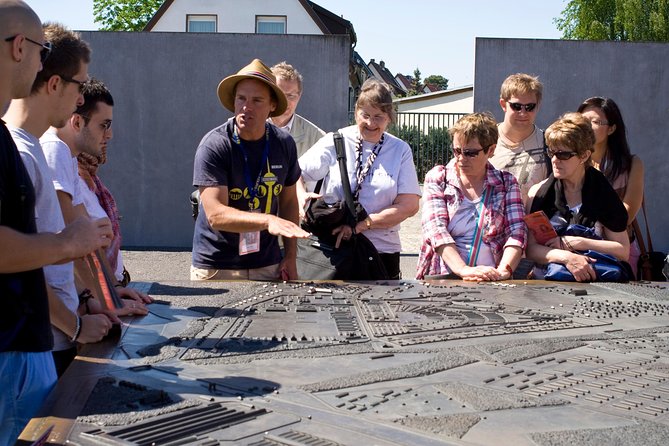
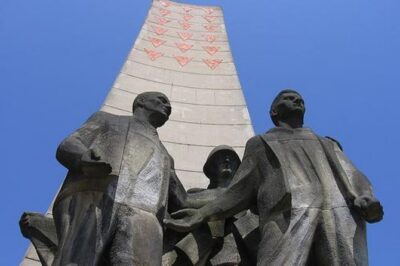
The first main stop inside the memorial is the Camp Administration Center, which is now an on-site museum. This building used to be the headquarters overseeing the Third Reich’s 32 main camps and over 1,000 satellite camps.
Why I think this start works: it helps you stop thinking of Sachsenhausen as a random prison site and start seeing it as part of a whole system. When you’re later standing near barracks or punishment areas, that administrative “control center” context makes the rest of the tour feel less like isolated exhibits and more like a machine.
Expect your guide to connect the dots across time. You’ll hear about conditions in the camp during WWII, the harrowing Death March that happened before liberation in 1945, and how the Soviets later repurposed the site. That after-history piece is important. It helps explain why Sachsenhausen is not only a Holocaust memorial; it’s also a reminder of post-war re-use of terror infrastructure.
The Path Through the Camp Grounds: What You’ll Actually See
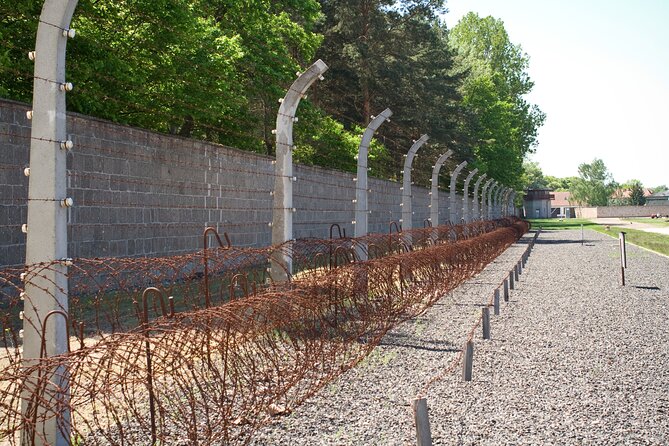
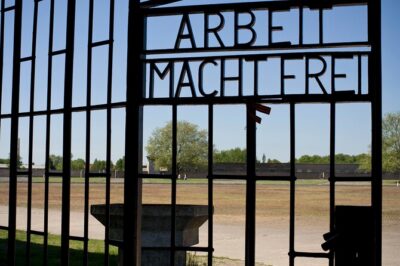
Once you’re on site, you’ll move through a sequence of specific locations. These aren’t there to shock you. They’re there to inform you—what those spaces were used for, and what that meant for prisoners.
Here are the places the tour includes and what each one adds.



Station Z and mass murder sites
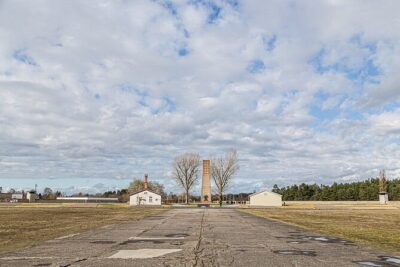
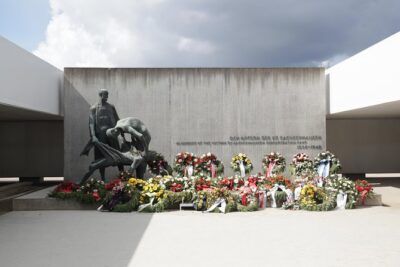
One of the standout stops is Station Z, described as a location tied to mass murder. When you’re standing there, you’re not meant to “tour” it like a monument. You’re meant to understand that industrial-scale killing was built into daily camp life.
If you want a tour that helps you read the site like a map, this is the part that does it.
Watchtower and command power
You’ll also see the watchtower and the Commandant’s House. These aren’t only architectural facts. They help you visualize how control worked: surveillance, intimidation, and the distance between those who decided and those who suffered.
This is where the guide’s tone really matters. The goal isn’t spectacle; it’s clarity.
Jewish barracks and daily reality
The tour includes the Jewish Barracks. That stop is key because it brings you back from the most extreme sites to what prisoners lived through day after day—housing, forced schedules, and vulnerability inside a cage you couldn’t leave.
From the guide side, the best tours don’t treat barracks like empty rooms. They explain how prisoners were used, categorized, and stripped of safety. That’s also where listening carefully pays off, even when the material feels heavy.
Punishment cells
You’ll visit Punishment Cells, which is one of the stops most visitors remember because it makes the camp’s logic feel brutally personal. The point here is not just brutality as an idea. It’s how punishment was used to control behavior, crush resistance, and keep the system running.
Resistance Stories That Add Human Meaning
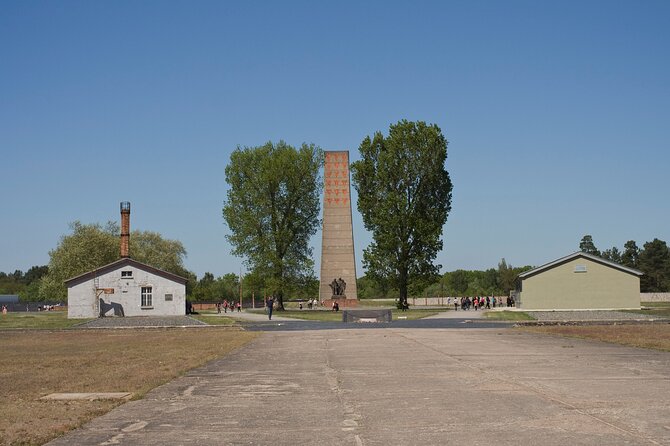
A big reason this tour earns strong ratings is that it doesn’t only count victims. It also covers resistance and survival strategies—stories that show people were not simply passive.
During the tour you’ll hear about:
- a Jewish revolt in 1942
- defiance by British POWs
- sabotage carried out by Soviet and Polish prisoners
And you’ll also learn about different prisoner groups and their tragic fates, plus notable individuals held at Sachsenhausen, including Stalin’s son.
Why I think this matters: resistance history turns your understanding from only “what happened” into “what people tried to do.” It’s the difference between memorizing events and understanding human agency under extreme oppression.
Experimentation and Forced Medical Suffering
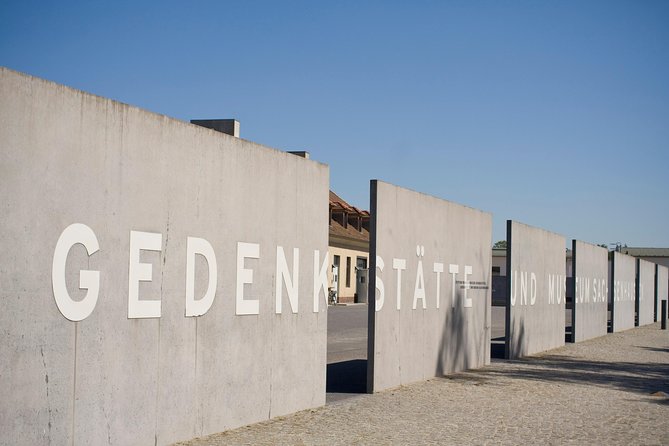
The tour includes stops tied to experimentation and medical abuse: the Pathology Laboratory and the Infirmary.
This is a hard section because it forces the question: how did the camp’s violence expand into so-called scientific or medical processes? Your guide should handle this carefully and keep it grounded in what happened to real people, not abstract horror.
Practically, this is also where you may want to pause, take a sip of water, and let your brain reset. If you’re prone to rushing through dark subjects, slow down here.
Special Camp 1/7: After the Nazis
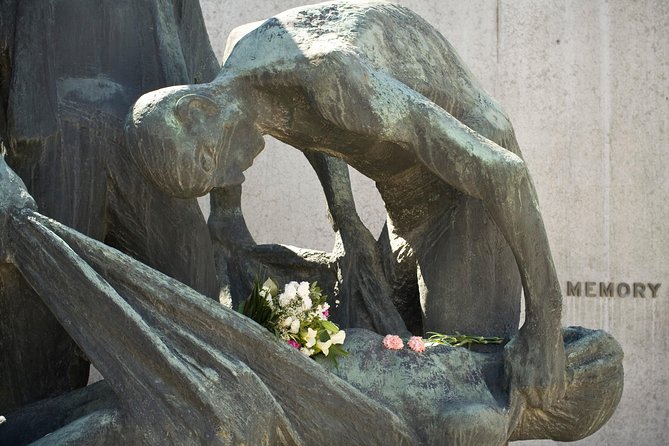
One of the most important “why this tour is worth it” additions is Special Camp 1/7, explained as part of how the Soviets used Sachsenhausen after WWII.
This stop complicates the story in the right way. It doesn’t erase Nazi crimes; it shows how the machinery of repression could be repurposed under another regime. That’s a key lesson for anyone who wants to understand the full post-war history of the site.
You’ll also hear context about Soviet-era use as part of your guide’s overall timeline, which makes this section feel connected rather than tacked on.
The SS Training Camp and Gallows
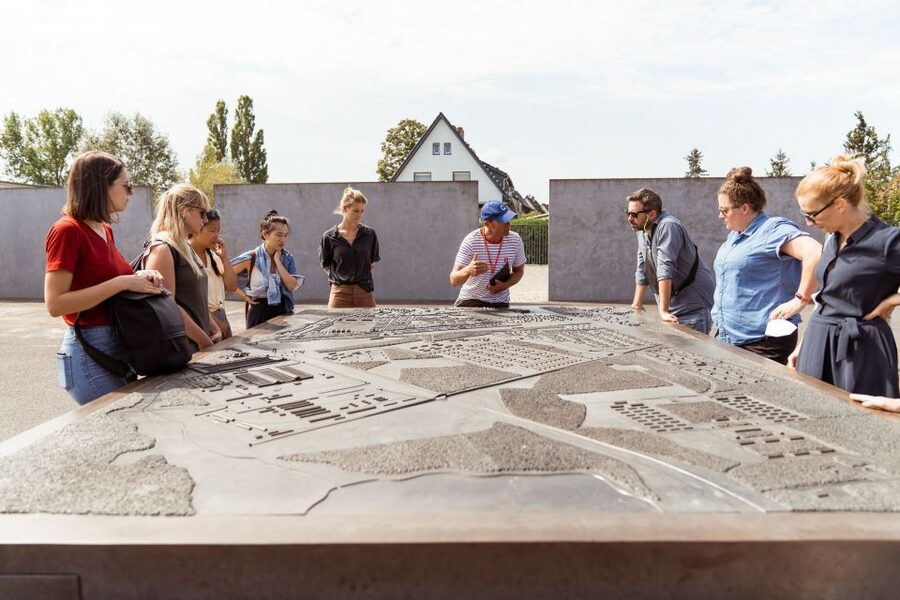
Two final types of stops help you see the camp’s training and execution functions:
- the SS Training Camp, which ties to how Nazi personnel were formed and managed
- the gallows, which brings the reality of execution into physical view
These are the places that make the camp’s “justice” system feel terrifyingly real. Execution wasn’t a vague threat; it was embedded in procedures and infrastructure.
If you’re sensitive to details tied to hanging or punishment, you can prepare yourself mentally: expect the guide to explain the purpose of the sites and keep the focus on victims and history rather than graphic reenactment.
Price and Logistics: Good Value for a Berlin Day Trip
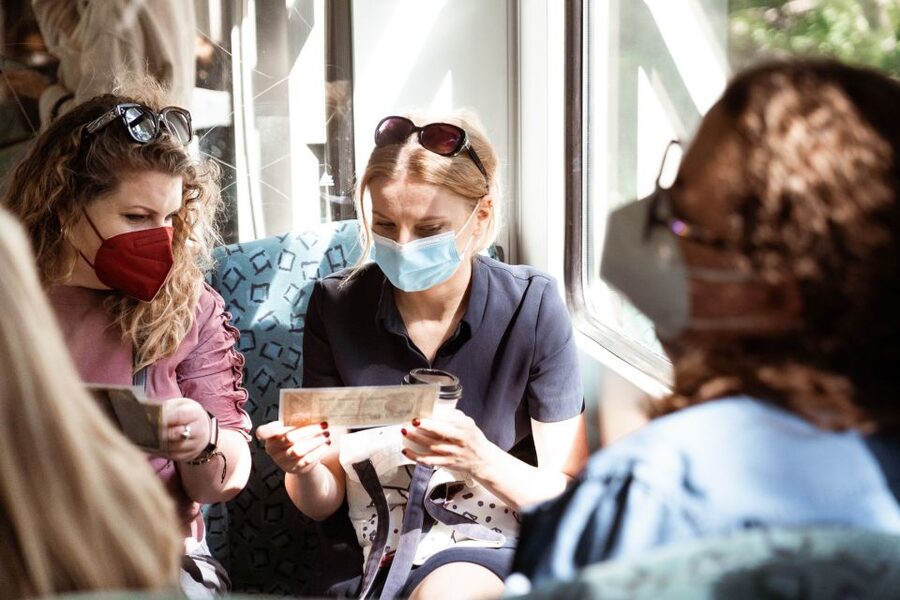
The price is listed at $22 per person, with a small €3 donation to the memorial included.
For a Berlin day trip, that’s strong value when you compare it to what you’re getting: a licensed English guide, a full guided walk through major camp areas, and structured transport between Berlin and the memorial site. You’re also paying for interpretation—exactly what makes this kind of visit more than “walking around and hoping you understand.”
The one logistics cost to plan for is public transport. You need an ABC zone ticket for the travel in and out of Berlin, and it can be purchased on the day with help from on-site staff. Bring some patience for that moment, especially if the meeting point is busy.
Also, your tour time includes the trains plus the guided memorial time, so it’s not a short “quick hit.” It’s a full-minded appointment with history.
Guide Matters: Why the Best Ones Keep This Respectful
This is one of those tours where the guide’s approach can make or break the day. The most praised guides get three things right at once:
1) They use a tone that stays respectful even when facts are brutal.
2) They answer questions without rushing people.
3) They pace the group so you don’t get overwhelmed too fast.
From the experiences shared, guides like Daniel, Lucia, Xavier, Georgia, Emma, Gregor, Mikhail, Ariel, Jamie, Chris (Canadian Chris), and Paul (often mentioned as Irish Paul) come up again and again for patient answers, clear explanations, and care for the group.
That doesn’t mean every guide is the same, of course. But it does suggest the operator takes guide quality seriously—especially on this sensitive topic.
What to Pack (and What to Skip) for a Smoother Day
You’ll do moderate walking and you’ll be outside in all weathers, so pack like it’s a normal outdoor walking day—just with heavier subject matter.
Bring:
- comfortable shoes
- water
- snacks
- comfortable clothes for the weather
Skip:
- pets
- alcohol and drugs
One practical tip: because food and drink aren’t included, having a small snack and water ready helps you stay focused during breaks. It’s a small thing, but it makes the emotional load easier to carry.
Who This Sachsenhausen Tour Is Best For
This tour fits best if you:
- want an organized, guided walk with context from a licensed English guide
- care about understanding how a camp operated, not just the headline facts
- prefer seeing multiple key sites in one day rather than piecing together your own route
You might reconsider if:
- you have serious mobility limits or need wheelchair access (the tour is not wheelchair accessible and isn’t recommended for limited mobility)
- you’re expecting a light day trip (the topic is dark and emotionally demanding)
- you need minimal walking or minimal time outdoors
It also works well for families, as long as everyone can handle the content. Some guides are praised for helping children understand the history in a careful way, but you’ll still want to judge your group’s tolerance.
FAQ
FAQ
Where do we meet the guide in Berlin?
Meet outside Friedrichstraße train station on the square beside the Traenenpalast and look for the guides holding yellow umbrellas.
How long is the Sachsenhausen tour?
The total duration is about 5.5 to 6 hours.
How do we get from Berlin to Sachsenhausen?
You take a train to the Oranienburg area, then walk a short distance to the memorial site, and you return the same way with your guide.
Do we need public transport tickets?
Yes. You need an ABC zone public transport ticket for travel to and from Sachsenhausen, and it can be purchased on the day with help from on-site staff.
What’s included in the tour price?
You get a licensed English-speaking guide, the guided tour of the camp, and a €3 donation to the memorial.
What are the main places you visit at the memorial?
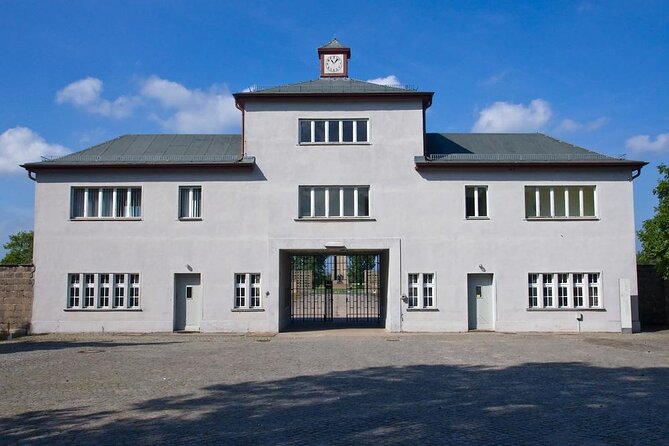
The tour includes stops such as the Camp Administration Center, Station Z, watchtower, Commandant’s House, Jewish Barracks, Punishment Cells, Pathology Laboratory, Infirmary, Special Camp 1/7, SS Training Camp, and gallows.
Is food provided?
No. Food and drink are not included, so you should bring snacks and water.
Is the tour wheelchair accessible?
No. The tour is not wheelchair accessible and isn’t recommended for people with limited mobility or walking impairments.
Should You Book This Sachsenhausen Tour?
Book it if you want a guided, structured way to understand Sachsenhausen from the inside out—administration, living conditions, punishment, sites tied to mass murder, and what happened after WWII. The combination of a licensed English guide and a route that hits key locations makes it good value for a Berlin day.
Skip it if you can’t handle extended walking, outdoor time, or the emotional weight of concentration camp history. If you’re ready for that, this is the kind of tour where you leave with clearer understanding—and a stronger sense of why these places must be remembered.
More Tours in Berlin


More Tour Reviews in Berlin
Sachsenhausen and Remembrance
Round out your days in Berlin

Sachsenhausen Memorial, compared.
 ★ 5.0Sachsenhausen Concentration Camp Tour in EnglishFrom $365,711 reviews
 ★ 4.7Sachsenhausen Concentration Camp Memorial TourFrom $213,716 reviews
 ★ 5.0Sachsenhausen Concentration Camp Bus Tour in English from BerlinFrom $681,962 reviews
 ★ 5.0Sachsenhausen Concentration Camp Memorial Tour (Max. 15 Guests)From $351,516 reviews
 ★ 4.9English Bus Tour to Sachsenhausen Concentration CampFrom $551,380 reviews
 ★ 4.6Sachsenhausen Concentration Camp and Potsdam TourFrom $651,334 reviews
 ★ 5.0Sachsenhausen concentration camp.From $341,189 reviews
 ★ 5.0Visita en español al campo de concentración SachsenhausenFrom $341,170 reviews
Browse the lists this tour appears in