
REVIEW · SACHSENHAUSEN MEMORIAL
Sachsenhausen Concentration Camp Bus Tour in English from Berlin
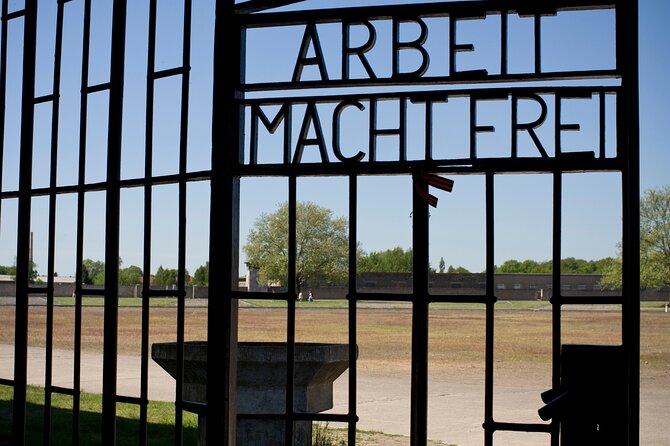
Sachsenhausen has a way of sticking with you. This English coach tour turns a hard-to-grasp site into a clear, structured lesson in WWII, with stops that include the commandants house and Tower A, plus the gate slogan Arbeit macht frei. I like the way the tour is led by a licensed guide (names you may hear include Ariel and Hannah) trained with the memorial’s authority, so the tone stays respectful and grounded.
I also like the practical small-group format and the round-trip ride out of central Berlin, which keeps the day from turning into a logistics chore. One thing to consider: it’s still a 4-hour “main points” visit, so if you want long, quiet time with individual inmate stories spread throughout the memorial, you may feel there’s not enough room for it.
In This Review
- Key Highlights You’ll Notice Fast
- Why Sachsenhausen Makes Sense on a Berlin Day
- Meeting Point and Central Berlin Transfer (No Time Lost)
- The Memorial Walk: From Commandants House to Tower A
- Learning the Camp Machinery: Labor, Infirmary Experiments, and Control
- The WWII-to-Postwar Shift: Soviet Special Camp and 1945–1950
- 4 Hours on Foot: What You’ll See and What Might Feel Tight
- Price and Value: What $68.77 Gets You
- Returning to Berlin With Real Questions Answered
- Who Should Book This English Sachsenhausen Tour
- Should You Book It
- FAQ
- How long is the Sachsenhausen Concentration Camp bus tour from Berlin?
- What language is the tour offered in?
- Is admission to the Sachsenhausen memorial included?
- Where does the tour start in Berlin?
- Do I need to bring food or drinks?
- Is the tour suitable for limited mobility?
Key Highlights You’ll Notice Fast
- Licensed memorial-trained guiding with clear WWII context before and during the walk
- Small-group coach transfer with air-conditioned comfort from central Berlin
- Core Sachsenhausen sights in one route, including commandants house and Tower A
- Real concentration-camp details, from labor sites to infirmary barracks experimentation
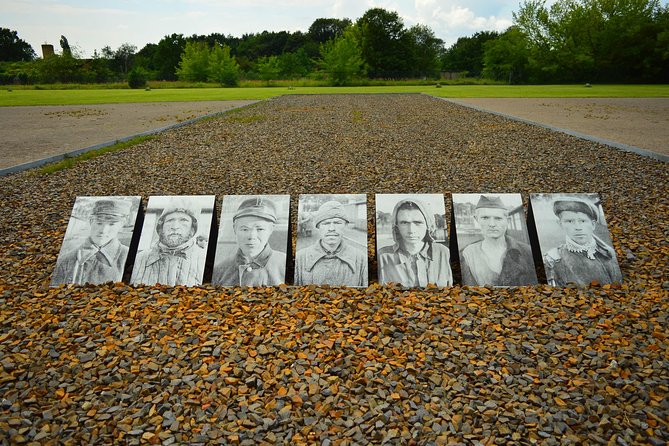
- Post-war chapter covered too, including Soviet repurposing as a special camp and deaths after 1945
- You get Berlin help on the way back, with your guide happy to answer travel questions
More memorial and remembrance tours from Berlin
- Berlin: Sachsenhausen Concentration Camp Tour in English★ 5.0 · 5,711 reviews
- Berlin: Sachsenhausen Concentration Camp Memorial Tour★ 4.7 · 3,716 reviews
- Berlin: Sachsenhausen Concentration Camp Tour in English★ 4.8 · 1,889 reviews
- Sachsenhausen Concentration Camp Memorial Tour (Max. 15 Guests)★ 5.0 · 1,516 reviews
Why Sachsenhausen Makes Sense on a Berlin Day
If you only scratch the surface of Germany’s WWII story in Berlin, you miss a major piece of how the Nazi system worked on the ground. Sachsenhausen was both a concentration camp and a machinery of control, labor, punishment, and terror. The numbers given for the years of operation (about 35,000 deaths between 1936 and 1945) tell you this wasn’t a small side story.
This tour is interesting because it connects what happened in the camp to what Berlin and surrounding communities could or did know. You’ll hear about how the camp developed and how the local population fit into the broader landscape of the time, not just the buildings and barbed wire.
It also matters that the visit includes the post-war reality. Sachsenhausen didn’t simply close and become history overnight. The tour explains how the Soviets repurposed it as a special camp after WWII, when an additional 12,500 deaths are described for the period 1945 to 1950. That gives you a fuller, less tidy picture of what “after the war” really meant for prisoners.
Meeting Point and Central Berlin Transfer (No Time Lost)
The best kind of day trip is the one that respects your time. This one starts with a clear departure plan and uses a hired coach to get you to Oranienburg area efficiently. Your day kicks off at 10:00 am, and the instructions are blunt: arrive 15 minutes early so the group can leave on schedule.
The meeting point listed is Reichstagufer 17, 10117 Berlin. The ride itself is coordinated around central rail access, and the itinerary also references Friedrichstraße station as the boarding area. Either way, the design is the same: you’re not left hunting for the correct train, the right platform, and the right transfer.
You’re also getting an air-conditioned vehicle for the round trip. That sounds like a small detail until you remember how Berlin weather can change fast, or how long you may feel you’re waiting if you’re doing it all yourself. On cold days, that coach time can feel like a breather before you face the hardest parts of the memorial.
Group size stays sensible. The tour operates with a cap listed at 28 travelers, which is large enough for comfort and small enough that your guide can actually keep an eye on the group during stops and crossings.
The Memorial Walk: From Commandants House to Tower A
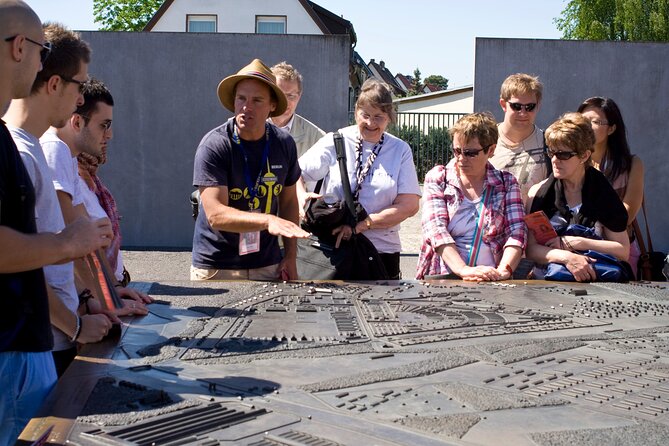
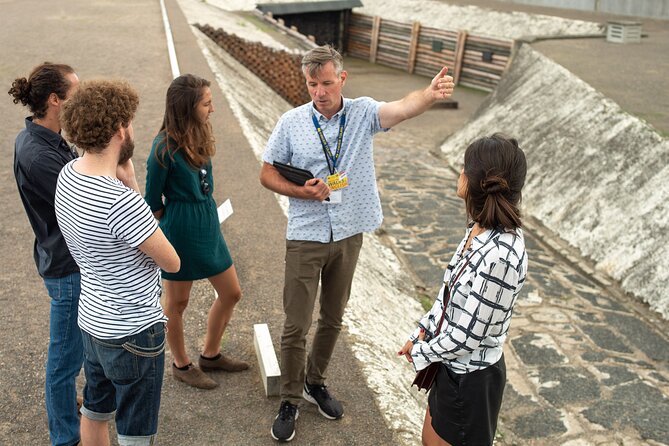
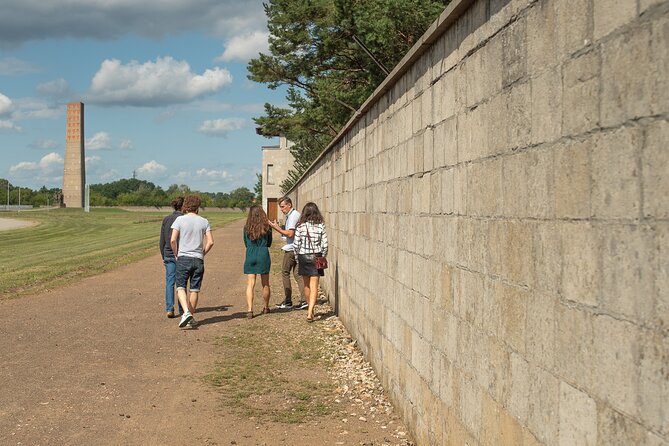
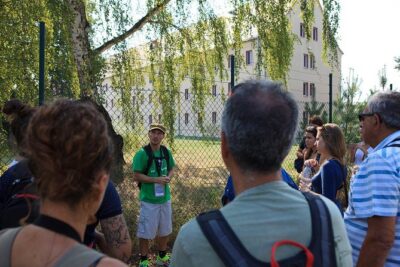
Once you arrive at Gedenkstätte und Museum Sachsenhausen, the guide leads you through the memorial’s core sections at a pace that’s designed for a half-day format. The goal isn’t to turn Sachsenhausen into a speed run, but it is meant to hit the most important spaces so you leave with a coherent timeline.
One of the first stops you’ll make is the interior area tied to the camp’s command function, including the commandants house. This matters because it helps you understand the camp as a system, not just a collection of suffering. In many concentration-camp visits, it’s easy to focus only on where victims were kept. Here, the guide brings in the other side too: where decisions were made and control was enforced.
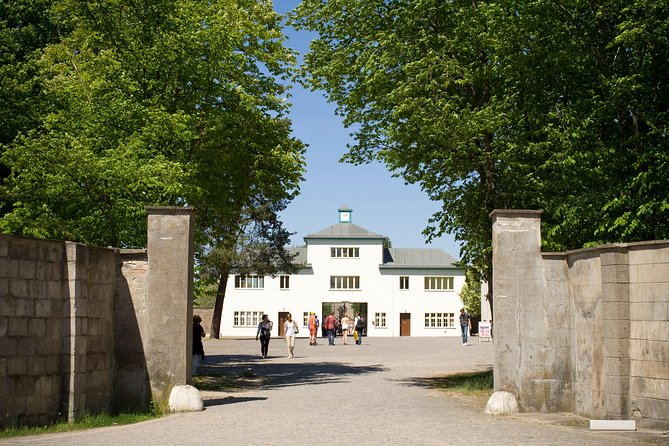
Then you’ll move toward Tower A, where you can still see the gate words Arbeit macht frei. Seeing those letters on-site hits differently than reading about them. The phrase is propaganda in plain form, and your guide’s explanations give you the context for why it was used and what it was meant to do.
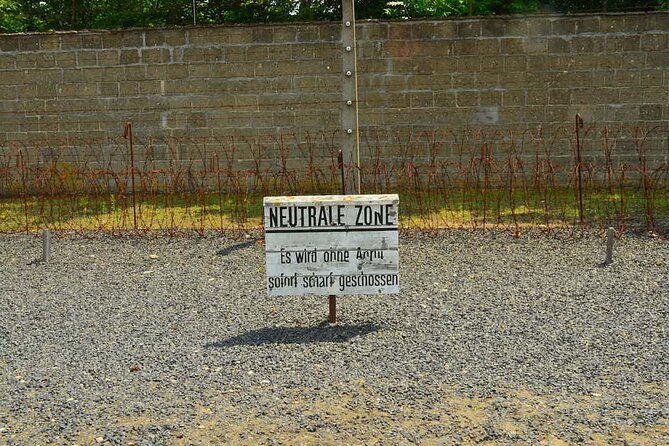
You’ll also walk through areas that show how prisoners were forced into the camp’s labor logic. The tour description includes an in-route education about places inmates would have worked around Oranienburg, and how the wider community could see pieces of the camp system even if they didn’t understand the whole machine.
Learning the Camp Machinery: Labor, Infirmary Experiments, and Control
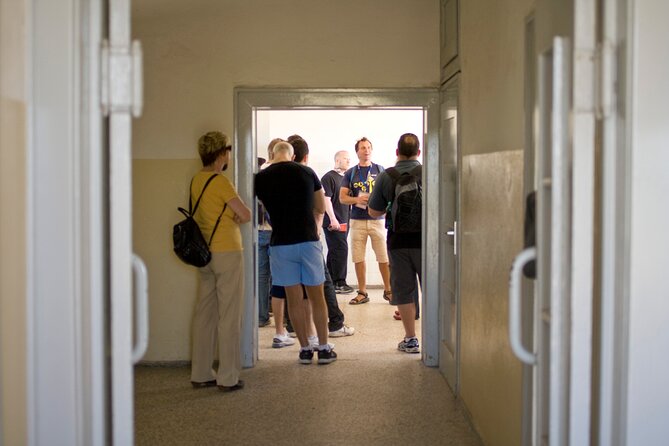
This is where the tour feels like a real masterclass. A strong guide turns the grounds into a story with cause and effect, not a list of sites. The tour includes explanations of daily cruelty and the structure behind it.
Expect coverage of labor inside the camp system and how it connected to the broader Nazi approach to punishment and exploitation. The guide also includes background about what people locally knew about the realities of the immense camp network. That’s a hard conversation, but it’s one of the most important lessons a visit like this can teach: history has witnesses, and silence has consequences.
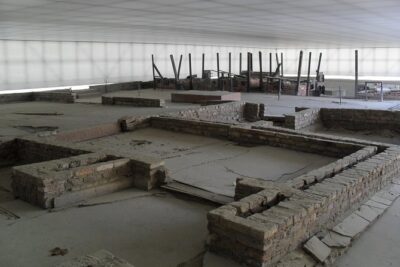
You’ll also visit the infirmary barracks, where the tour notes experimentation took place during the war. This part of the memorial visit can land in your body as much as your brain. It’s not just about where things happened; it’s about what human beings did to other human beings under institutional power.
Throughout the walk, your guide is also giving the kind of details that help you read the memorial properly: what each structure likely meant, why certain areas are preserved the way they are, and what questions to ask as you look at remains and markers.
From the guide names shared in real-world feedback, you’ll often see people praising the tone and pacing—Ariel, Hannah, Joseph, Rebecca, Maria, and Irish Paul are all mentioned as examples of guides who kept the delivery clear and respectful while still keeping you moving. That combination is key. Sachsenhausen is heavy, and the worst version of this day is when it becomes either rushed or strangely cheerful.
More hop-on, hop-off routes around Berlin




The WWII-to-Postwar Shift: Soviet Special Camp and 1945–1950
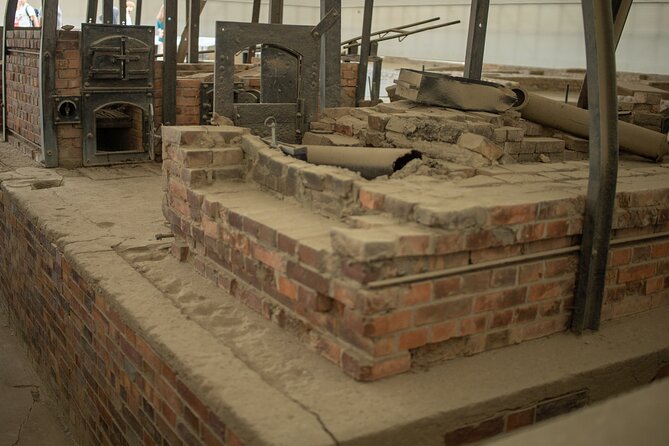
Many WWII sites end the story at 1945, like the calendar changes and horror stops. Sachsenhausen doesn’t work that way, and this tour makes sure you don’t miss the continuation.
Your visit includes the fact that Sachsenhausen was repurposed by the Soviets as a special camp after WWII. The tour explanation includes the additional 12,500 deaths after the war, during 1945–1950. That doesn’t erase Nazi crimes. It adds clarity to a broader truth: prisons and forced control didn’t end neatly when the war ended.
This is one of the reasons the guide-led format is valuable. Walking the grounds on your own can still be powerful, but you might spend more time guessing what changed over time. With a trained guide, you can track the story across regimes and still keep the focus on the victims.
It’s also the part of the tour that can feel most emotionally demanding, because it challenges the comforting idea that liberation immediately equals safety. If you want an honest, not-polished, understanding of what Sachsenhausen became, this tour delivers that.
4 Hours on Foot: What You’ll See and What Might Feel Tight
The tour lasts about 4 hours. That includes bus time and the memorial visit with walking through multiple areas. You should expect a moderate walking level, and the tour is not recommended for limited mobility or walking impairments.
If you’re the type who likes to read every small panel, stop for long silent moments in every section, and carefully absorb every individual story marker, you may feel constrained. Some people specifically wanted more time to read the more personal accounts placed throughout the memorial. That’s the tradeoff of a coach day trip: it aims to make the visit meaningful and structured, but it doesn’t pretend it can do everything.
On the practical side, plan your clothing for real ground conditions. Reviews frequently mention cold weather making the visit even more harrowing, which is understandable. Bring layers, comfortable shoes, and a way to manage snow or wet ground if you’re visiting in winter.
The tour also asks you to bring snacks and a drink, since food isn’t included. That’s more important than it sounds in a somber setting. Waiting until you’re hungry can make the emotional load harder to carry. A small snack and water keep you steady through the memorial’s most intense parts.
Finally, note that the tour is described as covering main points. You’ll see the major sections, but it’s not a slow, museum-only marathon. If you want extra reading afterward, you can always plan an additional visit later using the memorial’s resources.
Price and Value: What $68.77 Gets You
At $68.77 per person, this tour isn’t a bargain in the street-market sense. But it’s also not just a bus ride with a few headlines. Here’s what you’re paying for that you would otherwise have to build yourself:
- Licensed guide trained by the memorial authority, which matters for accuracy and sensitivity
- Admission included to the Sachsenhausen memorial
- Round-trip transfer from central Berlin by air-conditioned coach
- A €3.00 donation per person to the memorial included in the package
That donation piece may not be the headline for everyone, but it’s the right sort of practical value. You’re not only learning; you’re supporting the preservation and education mission.
If you’re short on time in Berlin, the guided structure becomes even more valuable. You’re effectively buying a day plan that gets you there, guides you through the spaces, and returns you to the city so you don’t lose your evening.
If you already plan to go independently, you can still visit Sachsenhausen by yourself. But you’ll spend more time solving navigation, figuring out what to prioritize, and interpreting what you’re seeing. This tour gives you that work up front through a focused, guided route.
Returning to Berlin With Real Questions Answered
The end of the day isn’t a dead stop. After your memorial visit ends, you’ll board the coach again and return to Berlin. The description says you’ll be taken back to a West meeting point at Friedrichstraße station, where the guide can answer questions about your stay.
That’s a small feature that makes a big difference in real life. You’ll likely have practical needs after a long day: where to eat, what to see next, and how to fit Berlin’s neighborhoods into the remaining hours you have. A good guide can save you guesswork.
It also gives your brain a soft landing. You’ve spent hours processing difficult history. Talking through logistics on the way back can help you regain control of the day rather than stumbling around hungry and tired.
Who Should Book This English Sachsenhausen Tour
This tour is a strong fit if you want a clear, guided WWII lesson that covers both the camp’s Nazi-era operation and the post-war chapter. It’s also ideal if you prefer a coach transfer over figuring out public transport for a tough day trip.
I’d also put it on your list if you’re visiting Berlin with people who need structure. First-time visitors often get more value from a guide-led route, especially when the topic is emotionally heavy and you want context without hunting for it.
It’s less ideal if you need a low-walking experience or you require accessibility accommodations, since the tour is explicitly not recommended for limited mobility or walking impairments.
If you’re the kind of person who reads every label for a long time, you might want to treat this tour as your first pass, then schedule additional time on your own later for deeper reading at your own pace.
Should You Book It
Book this English Sachsenhausen Concentration Camp bus tour if you want the day to feel guided, coherent, and respectful, without forcing you to plan the route yourself. The combination of licensed memorial-trained guiding, central coach transfers, and admission included makes it good value for a short visit window.
Skip it or consider a different format if you need a very slow memorial experience. With only around 4 hours, you’ll focus on the main parts and the story arc, not every scattered individual testimony.
If you can handle a heavy visit and you appreciate clarity over free-form roaming, this is one of the better ways to do Sachsenhausen from Berlin.
FAQ
How long is the Sachsenhausen Concentration Camp bus tour from Berlin?
It lasts about 4 hours.
What language is the tour offered in?
The tour is offered in English.
Is admission to the Sachsenhausen memorial included?
Yes, entry into the Sachsenhausen Memorial is included.
Where does the tour start in Berlin?
The meeting point is at Reichstagufer 17, 10117 Berlin, Germany.
Do I need to bring food or drinks?
Food and drinks are not included, so it’s recommended that you bring snacks and a drink.
Is the tour suitable for limited mobility?
No. It is not recommended for individuals with limited mobility or walking impairments.
More Tour Reviews in Berlin



Hop-On, Hop-Off Around Berlin
Sachsenhausen and Remembrance


Round out your days in Berlin
Sachsenhausen Memorial, compared.
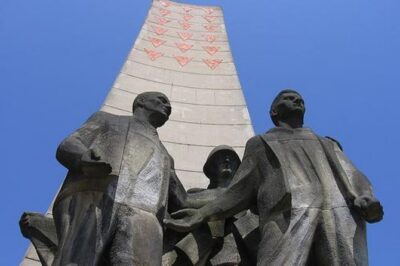 ★ 5.0Sachsenhausen Concentration Camp Tour in EnglishFrom $365,711 reviews
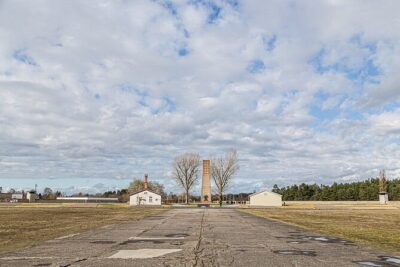 ★ 4.7Sachsenhausen Concentration Camp Memorial TourFrom $213,716 reviews
★ 4.8Sachsenhausen Concentration Camp Tour in EnglishFrom $221,889 reviews
★ 4.7Sachsenhausen Concentration Camp Memorial TourFrom $213,716 reviews
★ 4.8Sachsenhausen Concentration Camp Tour in EnglishFrom $221,889 reviews
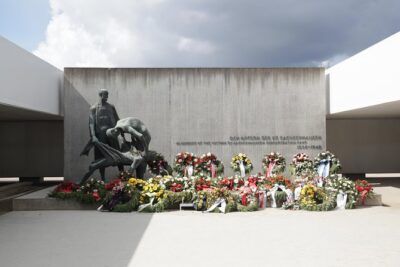 ★ 5.0Sachsenhausen Concentration Camp Memorial Tour (Max. 15 Guests)From $351,516 reviews
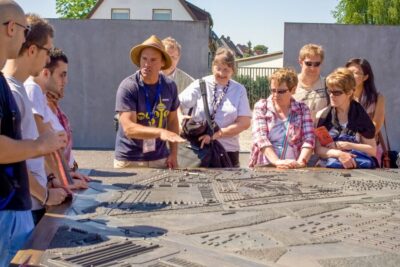 ★ 4.9English Bus Tour to Sachsenhausen Concentration CampFrom $551,380 reviews
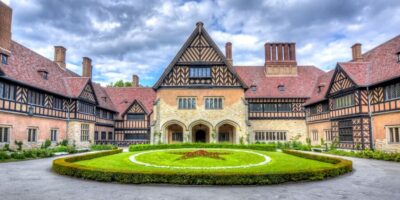 ★ 4.6Sachsenhausen Concentration Camp and Potsdam TourFrom $651,334 reviews
 ★ 5.0Sachsenhausen concentration camp.From $341,189 reviews
 ★ 5.0Visita en español al campo de concentración SachsenhausenFrom $341,170 reviews
Browse the lists this tour appears in