
REVIEW · KREUZBERG & ALTERNATIVE DISTRICTS
Berlin: Hansaviertel Modernist Architecture Tour
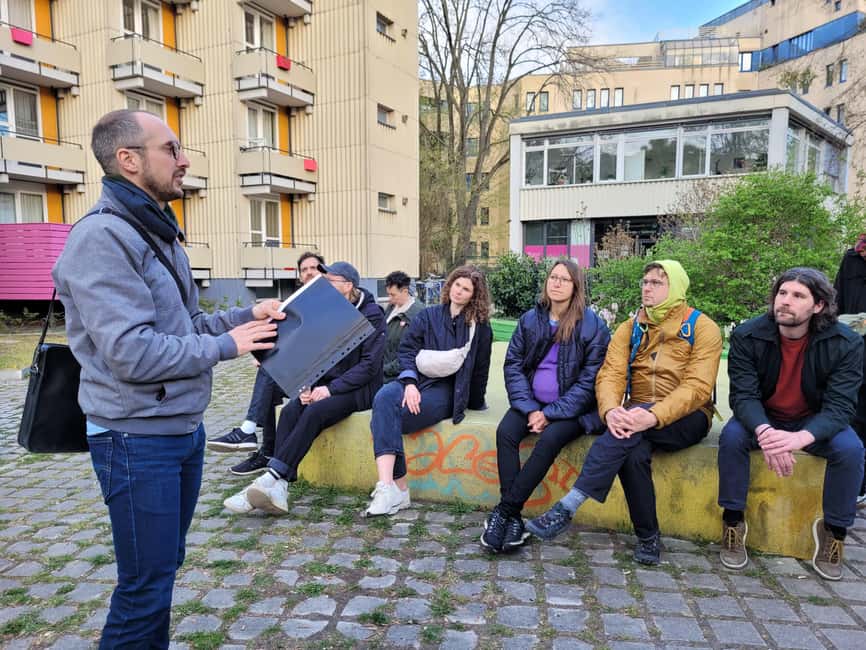
Berlin’s best architecture lessons are off the main streets. This Hansaviertel modernist architecture tour turns a calm riverside corner into a real-life classroom of Cold War design and lost Jewish life. I especially like how the tour pairs big-name architecture with the human stories around it.
I also love the structure: you start in the neighborhood’s 19th-century phase, then the walk pivots to the postwar rebuilding story behind Interbau 1957. One possible drawback: this is a walking tour through the exterior of the area, so if you were hoping to go inside many buildings or apartments, you may find the experience more about views and context than interior access.
In This Review
- Quick hits: what makes Hansaviertel worth your time
- Why Hansaviertel feels like a smart Berlin detour
- The walk starts at Tiergarten S-Bahn, right by a beer garden
- 19th-century Hansaviertel: villas, gardens, and famous residents
- A quiet memorial stop that carries real weight
- Interbau 1957: how rubble became a Cold War showcase
- Seeing modernism in real scale: the architects you’ll recognize
- How to get more out of the buildings (without needing a design degree)
- Pace, group vibe, and what to bring for a comfy two hours
- Value for $29: what you’re really paying for
- Should you book the Hansaviertel modernist architecture tour?
- FAQ
- FAQ
- How long is the Berlin: Hansaviertel Modernist Architecture Tour?
- Where do I meet the guide?
- Where does the tour end?
- What languages is the tour available in?
- Is the tour wheelchair accessible?
- What should I bring for the walk?
- Is this tour suitable for children, and is food included?
Quick hits: what makes Hansaviertel worth your time
- Tiergarten–Spree setting: a leafy, central corner that feels calmer than Berlin’s headline sights
- Two time periods in one walk: 19th-century elegance, then Cold War modernism (Interbau 1957)
- A memorial stop tied to Jewish life destroyed by Nazis and later bombing raids
- Big modernist names you’ll hear in context: Gropius, Niemeyer, Aalto, and more
- Clear guiding style: an overview at the start helps you catch the threads without information overload
- Good Q&A energy: guides often stick around after the route to answer follow-up questions
Deeper into Kreuzberg and the eastern districts
- Berlin: Kreuzberg Guided Walking Evening Tour★ 4.7 · 555 reviews
- Berlin: Alternative Bike Tour of Kreuzberg & Friedrichshain★ 4.7 · 548 reviews
- Berlin: 2.5-Hour Walking Tour through Kreuzberg 61★ 4.9 · 525 reviews
- Berlin Off-the-Beaten-Path Walking Tour: Kreuzberg, Mitte and Friedrichshain★ 5.0 · 412 reviews
Why Hansaviertel feels like a smart Berlin detour
If you’ve already done the usual Berlin highlights, Hansaviertel is a refreshing change of pace. It’s not about one landmark. It’s about how an entire neighborhood was rebuilt to answer a question: what should a modern city look like after war and political division?
The setting helps. Hansaviertel sits between the Spree and the Tiergarten, so you walk in a quieter pocket of the center. That calm matters, because the tour isn’t only about style. It’s about what style tried to accomplish, and what it couldn’t erase.
At the start, the tour also gives you an orientation moment—so you’re not just looking at buildings, you’re learning how to “read” them. That’s a big part of the value when you’re spending only about two hours in total.
The walk starts at Tiergarten S-Bahn, right by a beer garden
Your day begins in a practical, easy-to-find spot: in front of the Berlin-Tiergarten S-Bahn station (Exit Siegmunds Hof / Bachstraße), next to the beer garden Biergartenquelle. Look for the guide holding an orange umbrella.
This matters for two reasons. First, you get a straightforward meeting point that’s simple to reach. Second, the starting area is already in the neighborhood’s “feel”—green, central, and not locked into a museum vibe.
Once you’re with the group, you’ll get the kind of launch that helps you absorb history without getting lost. Expect a clear overview of what’s coming, then a steady set of stops that builds a timeline from the late 1800s to the post-WWII years.
19th-century Hansaviertel: villas, gardens, and famous residents
Before the modernist showpiece, Hansaviertel had an older identity. The tour begins in the period when Berlin was growing fast and the neighborhood became a middle- to upper-class enclave. Think villas, manicured gardens, and elegant façades—much more “city suburb” than “architecture exhibit.”
What I like about this opening is that it prevents the modernist part from feeling random. You’re not just thrown into abstract design talk. You see that people lived here with expectations of comfort and status, long before the postwar planners arrived with their big ideas.
You’ll also hear about notable residents associated with this broader Berlin era. Names that come up include Rosa Luxemburg, Nelly Sachs, and Käthe Kollwitz. Even if you know them mainly as historical figures, the context helps you understand why their presence matters in a neighborhood story that stretches across social change and tragedy.
A quiet memorial stop that carries real weight
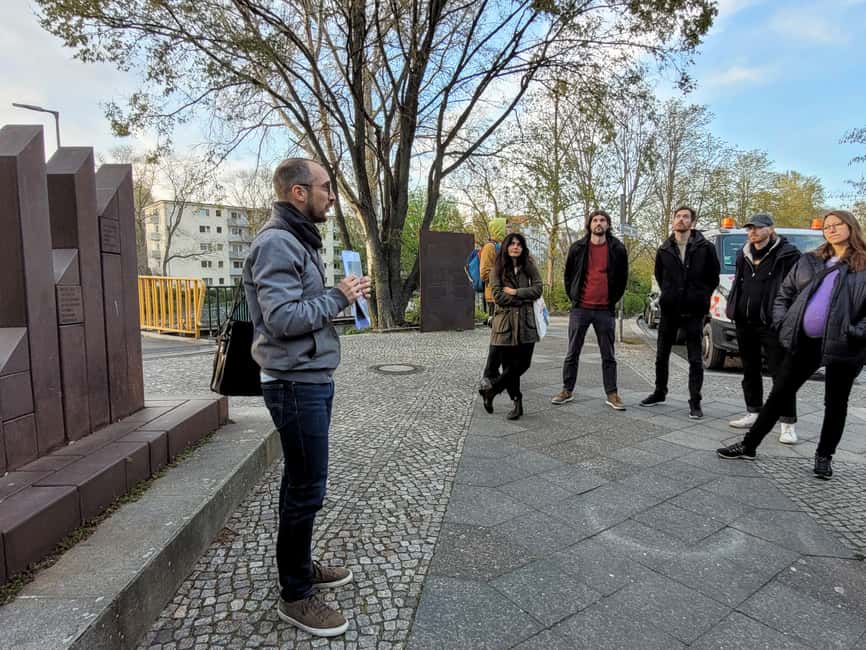
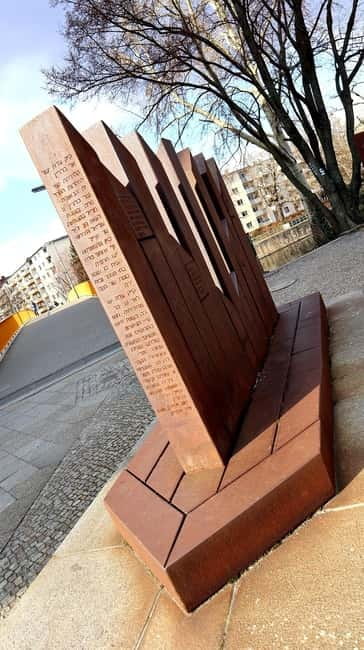
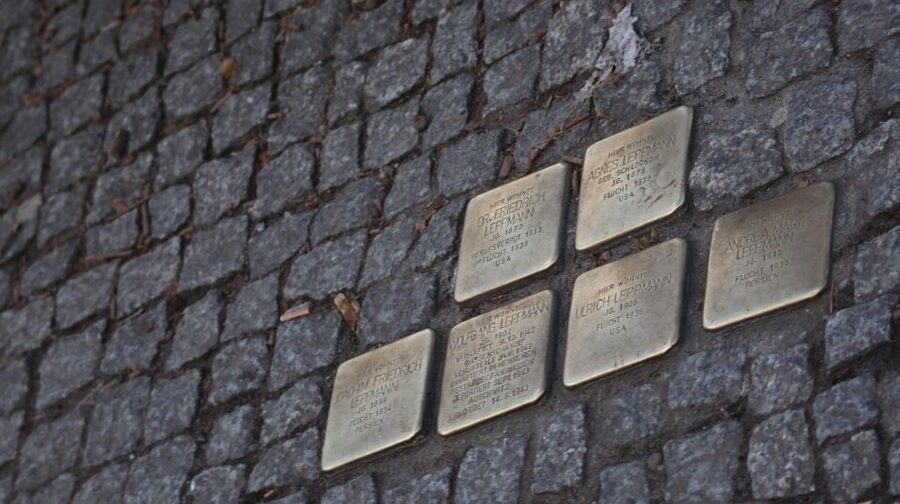
Then the walk turns from elegance to remembrance. You’ll reach a memorial at the site of an important Jewish community in Berlin that was destroyed socially and physically—by the Nazi regime and also by the Allied bombing raids that followed.
This is the emotional pivot of the tour. The architecture lessons are still there, but the purpose of the visit becomes clearer: modern rebuilding in West Berlin didn’t happen on a clean slate. It happened after real loss, displacement, and the destruction of community life.
A practical note: the tour moves through multiple themes in a short time. If you’re the kind of person who likes to pause and take a moment at memorials, bring a little extra patience for your own rhythm. The best experience comes when you let this stop land, not when you rush it.





Interbau 1957: how rubble became a Cold War showcase
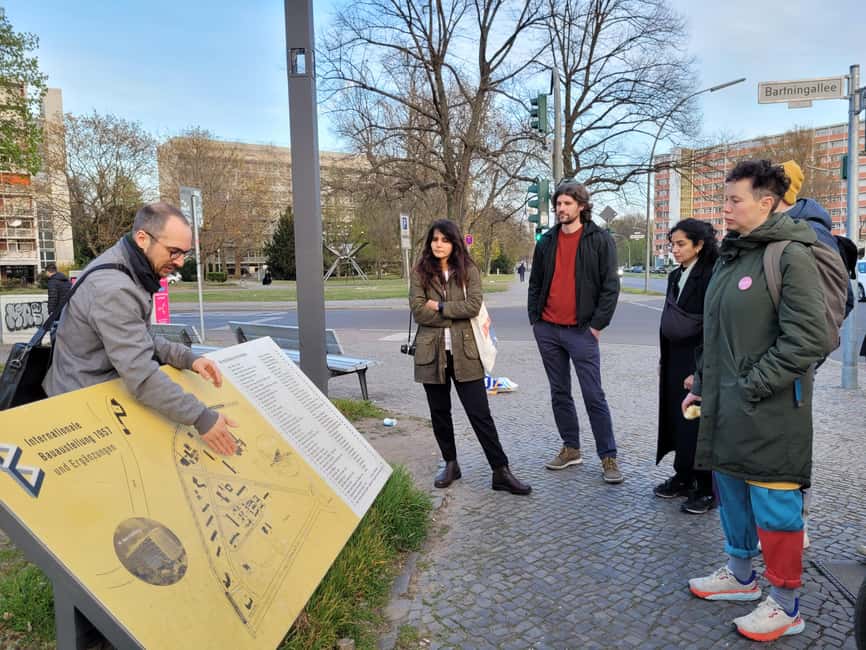
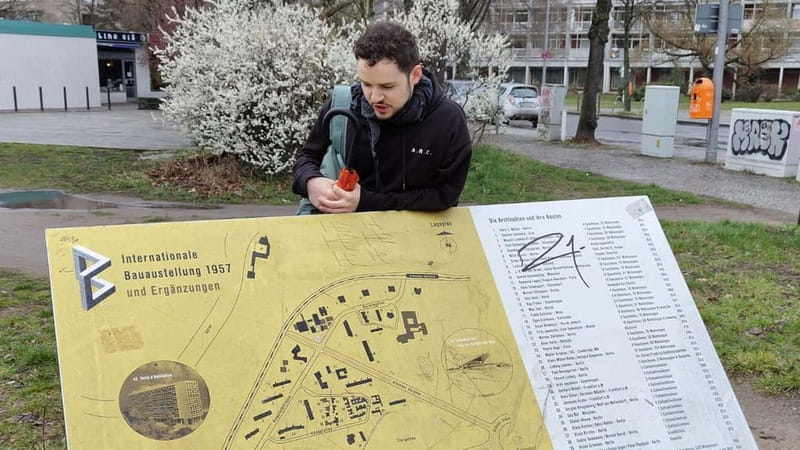
Now for the dramatic shift. In 1957, West Berlin hosted Interbau, an international architecture exhibition meant to redefine what a postwar city could be. The Hansaviertel area—cleared by war damage—became the stage.
This is where you start hearing how architecture can function like politics. The tour frames Interbau as a showcase of modern identity in a Cold War environment: design wasn’t just about shelter. It was about presenting a future and proving a system’s vision.
Walking this part of Hansaviertel helps you see how planners used space itself—streets, green areas, building placement—to make a statement. You’re not only looking at façades. You’re watching a city try to model a way of life.
The key question the guide raises along the way is one you should keep in your own head as you walk: what did these buildings promise, and how did they imagine daily living?
Seeing modernism in real scale: the architects you’ll recognize
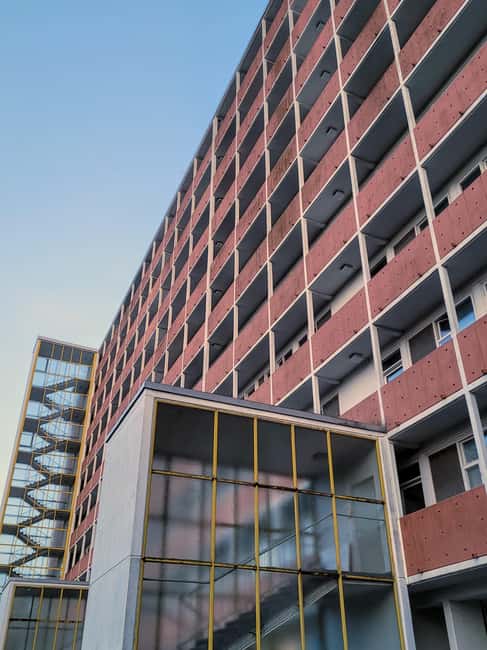
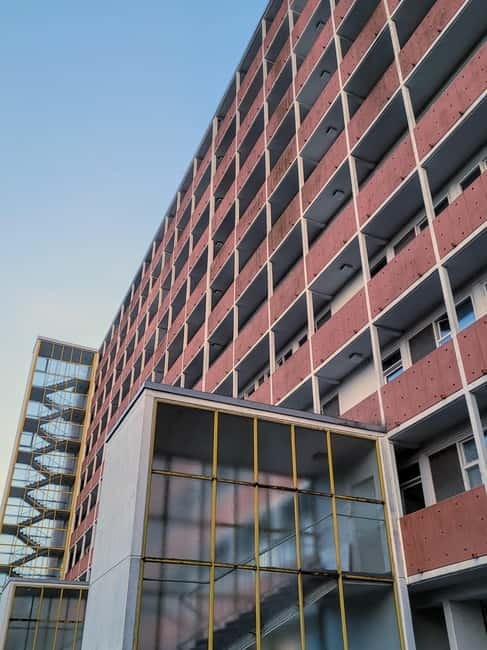
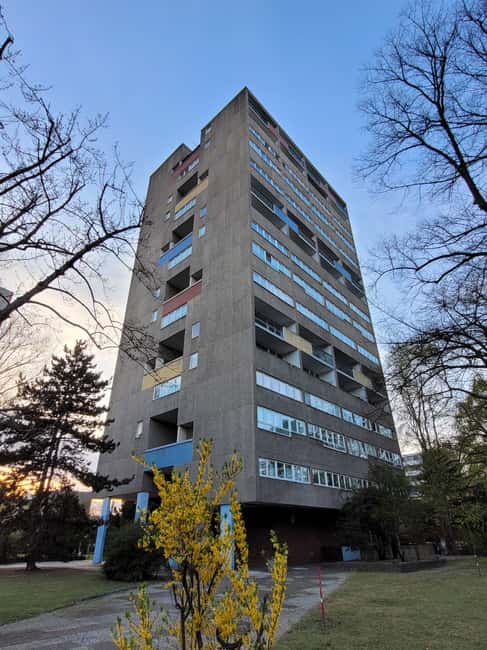
One of the tour’s biggest strengths is that it connects recognizable modernist names to what you can actually see on the ground. You’ll hear about architects including Walter Gropius, Oscar Niemeyer, and Alvar Aalto, along with others tied to the Interbau redesign.
Here’s the practical payoff: if modernism can sometimes feel like a style you either love or don’t get, this tour helps you understand why it looked the way it did. You’ll hear the philosophies behind the forms, and you’ll also get a sense of what each architect was pushing—sometimes elegant, sometimes experimental, sometimes provocative.
And because the walking route is in one compact area, you’re able to compare ideas side by side. That comparison is where modernism starts to make sense, not just as “futuristic buildings,” but as a set of competing answers to the same postwar problem.
How to get more out of the buildings (without needing a design degree)
You don’t need to be an architecture expert to enjoy Hansaviertel. But you will enjoy it more if you switch from passive looking to active noticing.
As you walk, try to think in questions:
- Where does the building want your attention—lines, angles, or open space?
- Does it feel planned for privacy, community, or movement?
- Do the forms read as optimistic, strict, playful, or unsettling?
- What does the design suggest about daily routines—light, access, views, or social space?
The guide’s storytelling helps you answer those questions, but you’ll do it faster if you’re watching for patterns. One review mentioned that the tour’s pacing and amount of information felt well judged—enough to understand each stop without swallowing you in details.
And here’s a small bonus: after the tour, some guides stick around to talk and answer additional questions. If you’re curious, don’t be shy about staying a few minutes.
Pace, group vibe, and what to bring for a comfy two hours
This is a straightforward walking format. Plan on being on your feet for about two hours total, with comfortable shoes making a noticeable difference.
The group vibe tends to mix locals and tourists, which can make the discussion sharper. Locals often notice what’s been right in front of them for years. Tourists often ask the questions locals stopped asking—like why the design choices feel so intentional.
Bring water and wear shoes you can walk in comfortably on city sidewalks. Also, plan for the tour’s historical depth. The recommended minimum age is 14, and it’s not suitable for children under 14. If you’re bringing a teenager, it’s a solid choice because modernism connects well to how teens think about the future and how societies rebuild.
Wheelchair access is supported, so this is one of the more approachable architecture experiences in Berlin if mobility needs are part of your planning.
Value for $29: what you’re really paying for
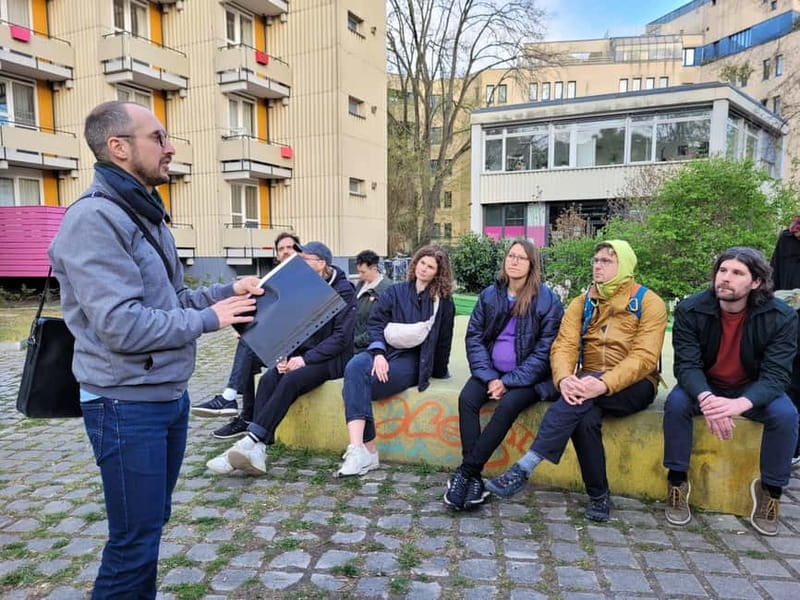
At $29 per person for about two hours, this tour’s value comes from one thing: an expert local guide who can tie buildings to meaning. You’re not paying for access to a museum gallery. You’re paying for the interpretation you’d otherwise have to piece together yourself.
And the content isn’t shallow. You get:
- a neighborhood timeline from the late 19th century,
- a memorial connected to Jewish life erased by the Nazis and later bombing,
- and the Interbau 1957 Cold War design story,
- plus an architect lineup most people only ever see in books.
If you’re trying to spend your Berlin time efficiently—without sacrificing depth—that’s where this tour shines.
Should you book the Hansaviertel modernist architecture tour?
Book it if you want Berlin off the most crowded route. Hansaviertel is central, but it feels like a different kind of city lesson: calm walking, strong context, and architecture names you can connect to real space.
I’d also book it if you like tours that explain the why, not only the what. This route repeatedly connects design choices to ideas about how people should live—then asks whether those ideas still feel modern.
Skip it (or at least lower expectations) if you mainly want interior access, museum-style stops, or lots of time sitting down. This is built around walking the neighborhood and interpreting what you see outdoors.
FAQ
FAQ
How long is the Berlin: Hansaviertel Modernist Architecture Tour?
The tour lasts about 2 hours.
Where do I meet the guide?
Meet in front of the Berlin-Tiergarten S-Bahn station (Exit Siegmunds Hof / Bachstraße), next to the beer garden Biergartenquelle. Look for the guide with an orange umbrella.
Where does the tour end?
The tour finishes at Hansaplatz.
What languages is the tour available in?
The live guide offers German and English.
Is the tour wheelchair accessible?
Yes, the tour is wheelchair accessible.
What should I bring for the walk?
Wear comfortable shoes and bring water.
Is this tour suitable for children, and is food included?
The tour is not suitable for children under 14, and minors must be accompanied by an adult. Food and drinks are not included.
More Tours in Berlin


More Tour Reviews in Berlin
Kreuzberg and the Eastern Districts





Round out your days in Berlin


Kreuzberg & Alternative Districts, compared.
 ★ 4.5Kreuzberg: Culinary Food TourFrom $589770 reviews
 ★ 4.7Kreuzberg Guided Walking Evening TourFrom $27555 reviews
 ★ 4.7Alternative Bike Tour of Kreuzberg & FriedrichshainFrom $41548 reviews
 ★ 4.92.5-Hour Walking Tour through Kreuzberg 61From $23525 reviews
 ★ 5.0Berlin Off-the-Beaten-Path Walking Tour: Kreuzberg, Mitte and FriedrichshainFrom $30412 reviews
 ★ 4.8Experience the Alternative Kreuzberg on a Bike TourFrom $41395 reviews
 ★ 4.9Prenzlauer Berg District Guided Walking TourFrom $23316 reviews
 ★ 4.8Gay Berlin Out in Schöneberg Walking TourFrom $23281 reviews
Browse the lists this tour appears in