
REVIEW · KREUZBERG & ALTERNATIVE DISTRICTS
Berlin: Prenzlauer Berg District Guided Walking Tour
Prenzlauer Berg reads like a story. This guided walking tour uses everyday streets to explain Berlin’s past and the neighborhood’s fast new personality. You’ll cover both sides of Schönhauser Allee, with stops that make the history feel real instead of textbook-like.
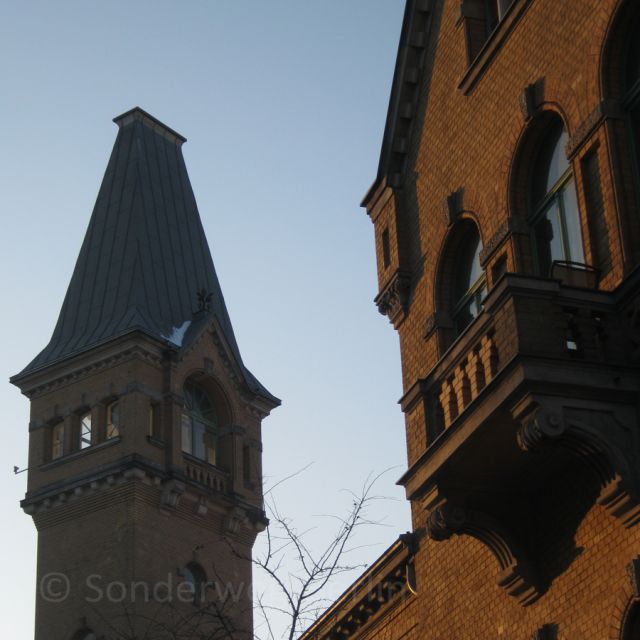
I especially like the pairing of places with strong meaning and great visuals, like the Jewish Cemetery and the Wasserturm (water tower). Then the tour keeps moving into public spaces where the neighborhood shows its current rhythm, including time at Mauerpark.
One drawback to consider: it’s a 2.5-hour walk, and it doesn’t include food or drinks. If you’re sensitive to long stretches outside, plan a snack stop before you go out.
In This Review
- Key highlights you’ll care about
- Why Prenzlauer Berg works best on foot
- Schönhauser Allee: Jewish Cemetery and Wasserturm viewpoints
- Kollwitzplatz and the neighborhood’s shifting identity
- Mauerpark: the weekly show (and what to notice even outside it)
- Bernauer Straße and the Messel House contrast
- Rykestraße synagogue and Oderberger Straße pool
- What the guide brings (and why it matters more than you think)
- Pace, timing, and what to bring for a comfortable 2.5 hours
- Is it worth $23? Value check for a Berlin neighborhood walk
- Who should book this Prenzlauer Berg tour
- Should you book this Prenzlauer Berg walking tour?
- FAQ
- How long is the Prenzlauer Berg guided walking tour?
- How much does the tour cost?
- What is included in the price?
- Which sights will we see during the walk?
- Is the tour available in English and German?
- Are food and drinks included?
- Where is the meeting point?
- Can I cancel and get a refund?
Key highlights you’ll care about

- Schönhauser Allee, east and west as the spine of the walk, so you can see how the area evolved on both sides.
- Jewish Cemetery + Wasserturm in one stretch, pairing memorial space with a classic Berlin landmark.
- Mauerpark time with the famous Sunday atmosphere (even if you’re not there on a Sunday).
- Bernauer Straße and the Messel House to connect the district’s architecture with major historical shifts.
- Rykestraße synagogue and Oderberger Straße pool for a look at how community life is built into the neighborhood.
- A guide-led Q and A style, with humor and context that turns street corners into explanations.
Deeper into Kreuzberg and the eastern districts
- Berlin: Kreuzberg Guided Walking Evening Tour★ 4.7 · 555 reviews
- Berlin: Alternative Bike Tour of Kreuzberg & Friedrichshain★ 4.7 · 548 reviews
- Berlin: 2.5-Hour Walking Tour through Kreuzberg 61★ 4.9 · 525 reviews
- Berlin Off-the-Beaten-Path Walking Tour: Kreuzberg, Mitte and Friedrichshain★ 5.0 · 412 reviews
Why Prenzlauer Berg works best on foot
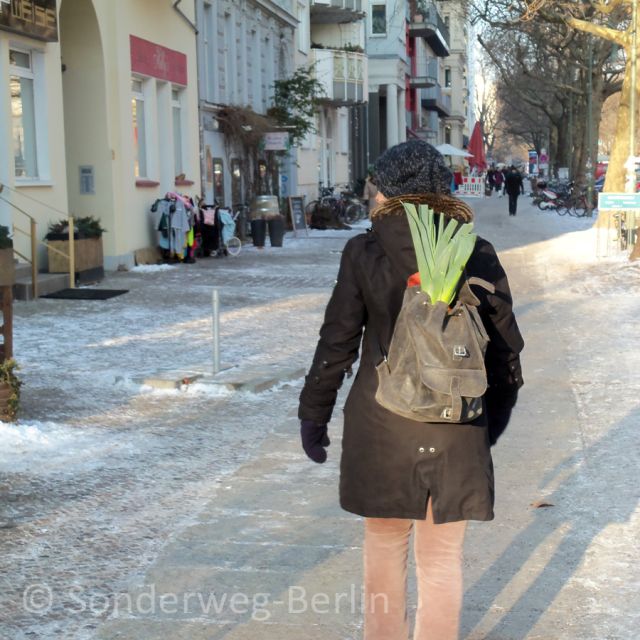
Prenzlauer Berg is the kind of district where the details matter. On a bus, you’ll see landmarks. On foot, you notice building scale, street patterns, and how people actually use the blocks. This tour leans into that: a relaxed pace, lots of stops, and commentary that ties what you see to why it happened.
The route also helps you get your bearings fast. You’re not bouncing around random sights; you’re walking the neighborhood’s most important spine and nearby streets, so the geography starts to make sense. And since it covers both sides of Schönhauser Allee, you avoid the common mistake of only seeing one slice of Prenzlauer Berg.
If you like Berlin for its mix of history and everyday life, you’ll appreciate how the tour keeps switching lenses. Memorial sites and religious buildings show one kind of Berlin. Parks, pools, and apartment-heavy streets show another. That contrast is the point, not a side effect.
Schönhauser Allee: Jewish Cemetery and Wasserturm viewpoints
Schönhauser Allee is the tour’s anchor, and it’s a smart choice. It’s a major artery in the area, which means you get a clear sense of where neighborhood life flows and where important institutions sit.
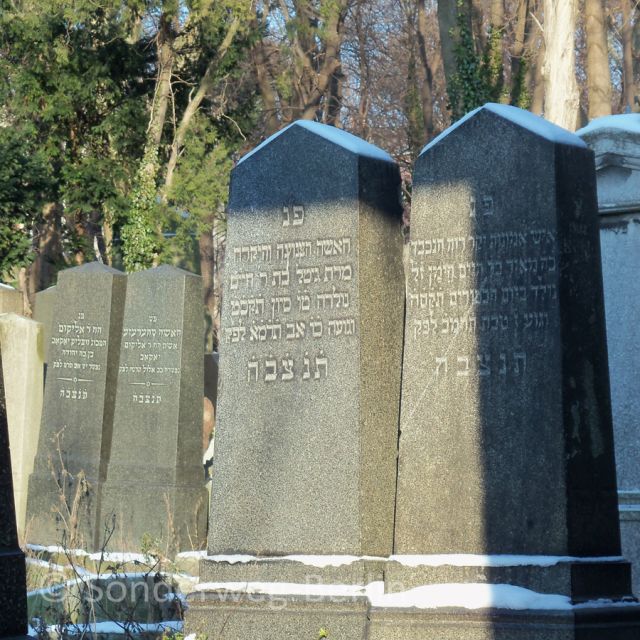
The tour starts with a stop at the Jewish Cemetery. Even if you’re not a history expert, you’ll feel the weight of the place. Cemetery visits can be complicated on tours because you don’t want it to feel rushed. Here, it’s handled as part of the district story: how the neighborhood has held different communities and how Berlin’s layers stayed in place while the city changed around them.
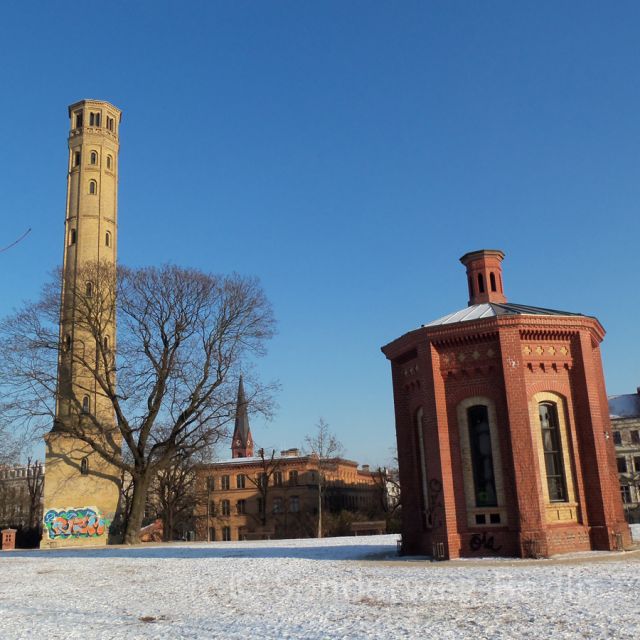
A short move from there brings you to the Wasserturm (water tower). This isn’t just a photo stop. The tower adds a vertical landmark to an otherwise “street-level” district, so your brain maps the area in multiple directions. Expect the guide to connect it to the neighborhood’s planning and growth, not just its looks.
A practical thought for this stretch: bring your patience. Places like the cemetery are best taken slowly. If you’re the kind of person who likes reading plaques and standing for a minute, this stop will suit you.
Kollwitzplatz and the neighborhood’s shifting identity
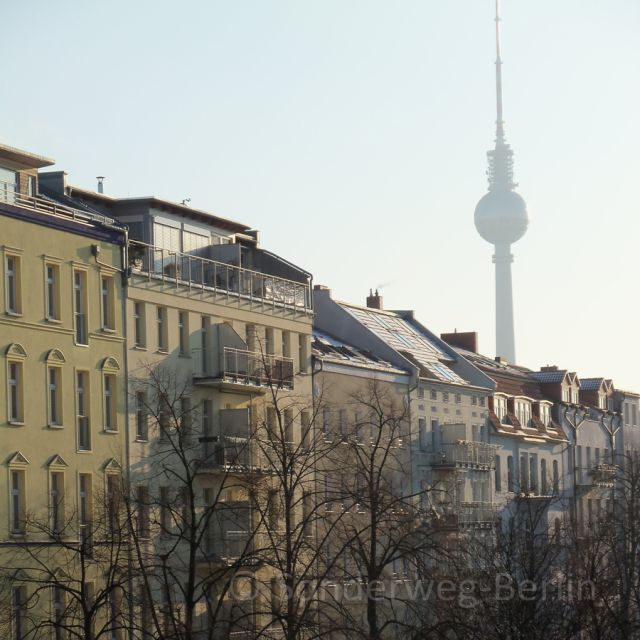
From the main street, you move through the broader area that people now describe as trendy and creative. That’s true in a visible way, but the tour’s angle is the opposite of surface-only sightseeing. You’re meant to understand how a district’s reputation changes while its physical and social roots remain.
Stops like Kollwitzplatz help you see how public space anchors daily life. Even without a long break, you’ll get a sense of why this area draws people in: it’s walkable, built for human scale, and surrounded by buildings that have been repurposed over time.
The commentary typically focuses on how long history and big political changes shaped the streets you’re walking today. Then it brings you back to what’s happening now—how prosperity, diversity, and redevelopment have reshaped the feel of Prenzlauer Berg.
If you’re newer to Berlin, this is one of the most valuable parts. You leave with a mental map that connects architecture to the city’s larger story, so your later visits to cafés, galleries, or parks feel intentional instead of random.
Mauerpark: the weekly show (and what to notice even outside it)
Then you hit Mauerpark, which is famous for two things: the Sunday fleamarket and live music. Even if your day isn’t Sunday, Mauerpark still works as a “how a neighborhood lives” lesson. It’s one of those places where locals and visitors share the same open space, and you can see how Berlin mixes cultures in public.
On the tour, Mauerpark is more than a highlight name. It’s a chance to notice what kind of space the neighborhood values. Big parks in Berlin often feel like stage sets. Here, you start to see how people claim the space—walking paths, gathering areas, and the way sound travels when the park is active.
What I like is that the guide links the present-day vibe to past realities. Prenzlauer Berg’s modern character didn’t appear out of nowhere, and the tour uses Mauerpark as a bridge between eras: from historical division and rebuilding to today’s public energy.
If you’re sensitive to crowds, be aware that Mauerpark can get lively, especially on Sundays. The good news: you’re not stuck there for hours. It’s a focused walk-through and explanation, which usually keeps things comfortable.
More of Berlin on foot

Bernauer Straße and the Messel House contrast
Walking along Bernauer Straße gives you another layer of Berlin. This is the kind of street where you can’t fully separate the present from the past, because the area’s story is physically written into the city’s layout.
The tour spotlights the Messel House, a notable architectural marker that helps you see how buildings tell time. When a guide brings architecture into the district narrative, it changes how you see ordinary streets. Suddenly, a facade, a courtyard, or a street line becomes evidence of a particular era’s priorities.
This stop is also about contrasts. Prenzlauer Berg has a distinct former character, but it’s evolving fast. The tour aims to show you both sides without pretending the transition is simple or evenly experienced by everyone. That balanced framing is a big part of why the walk earns such strong scores.
If you enjoy urban design—how cities decide what matters—this is a section you’ll likely want to linger in mentally, even if the walk keeps moving.
Rykestraße synagogue and Oderberger Straße pool
The tour doesn’t stay stuck in one theme. It keeps pointing you toward different kinds of community spaces, which is exactly what a real neighborhood does.
On Rykestraße, you’ll see a grand synagogue, an anchor point for understanding how faith and identity shaped the district. Religious buildings in Berlin aren’t just landmarks; they’re part of the neighborhood’s human network. The guide’s job here is to connect the site to the larger story of how the area has changed.
On Oderberger Straße, you’ll also get to the public pool. That may sound like an odd pairing, but it’s a smart one. A synagogue points to formal community life. A neighborhood pool points to everyday life—health, recreation, and how public services support city living.
This combination is a great reminder: Berlin’s history isn’t only museums and monuments. It’s also in places where people go weekly, in buildings that keep functioning even after politics and eras change.
What the guide brings (and why it matters more than you think)
The quality of this tour is tied to the guide’s delivery. The strongest praise centers on three things: history-and-architecture focus, a knack for answering questions, and a sense of humor that keeps the walk from turning stiff.
In particular, one guide named Tobias is highlighted for a museum-and-history background and for explaining with both clarity and entertainment. Another theme that shows up is interaction. Whether you’re part of a small group or something larger, the guide handles questions and keeps momentum.
That matters because Prenzlauer Berg isn’t a “one-click” destination. If you only skim, you might miss why a building type matters or why a street alignment matters. A good guide turns you into a better observer. And once you’re observing, Berlin rewards you fast.
You should expect plenty of time for chat. The tour is built around conversation, not just a monologue. If you like asking why something looks the way it does, this is one of those walks where the answers actually change how you see the district.
Pace, timing, and what to bring for a comfortable 2.5 hours
This is a 2.5-hour walking tour. That’s long enough to learn a lot, but short enough that you still feel free afterward—grab a coffee nearby, stroll a bit more, or explore on your own.
Because food and drinks aren’t included, I recommend doing one small pre-plan move:
- Eat first, or at least bring a light snack.
- If it’s warm, bring water. On Berlin sidewalks, shade can be uneven.
Weather matters too. You’ll be outside for most of it, so dress for walking conditions. Comfortable shoes beat fashion here. You’ll stand and look at buildings, not just pass through them.
Language is also a practical point: the tour runs in English and German. If you’re comfortable in either, you’ll get more out of the commentary by matching your language to your listening comfort.
One more tip: the meeting point can vary depending on the option you book. So I’d check your exact confirmation details before you head out—Berlin has enough similar streets that a quick mistake can cost you time.
Is it worth $23? Value check for a Berlin neighborhood walk
At $23 per person, this tour sits in the “good value” lane for a guided experience. You’re paying for two main things: a live guide and a structured walk that connects multiple meaningful sites without you having to plan routes yourself.
A self-guided stroll could get you the landmarks. But it’s hard to assemble the story in a way that makes the district feel coherent. This walk does that work for you: it links memorial and public space, religion and recreation, and old character with new development.
Also, the time-to-learning ratio is strong. In about 2.5 hours, you cover major points like the Jewish Cemetery, the Wasserturm, Mauerpark, Bernauer Straße/Messel House, and stops around Rykestraße and Oderberger Straße. That’s exactly what a short guided format should do: make a dense neighborhood legible.
Who should book this Prenzlauer Berg tour
This is a good fit if you:
- Want a neighborhood walk instead of a museum-heavy day
- Like architecture and street-level history
- Prefer a guide who talks through context and takes questions
- Plan to explore Prenzlauer Berg afterward and want an instant map in your head
It’s also a solid pick for first-timers to Berlin who already know they’ll come back for neighborhoods later. You get enough orientation to make the district feel familiar on subsequent visits.
If you want a fast hit of famous monuments with minimal walking, you might find a different style tour better. This one rewards curiosity and the willingness to walk slowly and notice details.
Should you book this Prenzlauer Berg walking tour?
Yes, if you want Prenzlauer Berg to make sense. The biggest reason is the way the route connects places with meaning—Jewish heritage, public space, architecture, and community institutions—so you understand what you’re seeing rather than just collecting names.
Book it when you can match the pace. Put on good shoes, arrive with a bit of curiosity, and let the guide do the heavy lifting of connecting past and present. You’ll finish with a stronger feel for Berlin’s layers, and you’ll know where to wander next—without getting lost in the trendier streets.
FAQ
How long is the Prenzlauer Berg guided walking tour?
The tour lasts 2.5 hours.
How much does the tour cost?
It costs $23 per person.
What is included in the price?
The price includes a walking tour and a live guide.
Which sights will we see during the walk?
You’ll see places such as the Jewish Cemetery on Schönhauser Allee, the Wasserturm (Water Tower), Mauerpark (known for its Sunday fleamarket and live music shows), Kollwitzplatz, Bernauer Straße with the Messel House, the synagogue on Rykestraße, and the public pool on Oderberger Straße.
Is the tour available in English and German?
Yes. The live guide offers tours in German and English.
Are food and drinks included?
No. Food and drinks are not included.
Where is the meeting point?
The meeting point may vary depending on the option you booked.
Can I cancel and get a refund?
Yes. You can cancel up to 24 hours in advance for a full refund. You can also reserve now and pay later.
More Tours in Berlin





More Tour Reviews in Berlin

Kreuzberg and the Eastern Districts


Round out your days in Berlin
Kreuzberg & Alternative Districts, compared.
 ★ 4.5Kreuzberg: Culinary Food TourFrom $589770 reviews
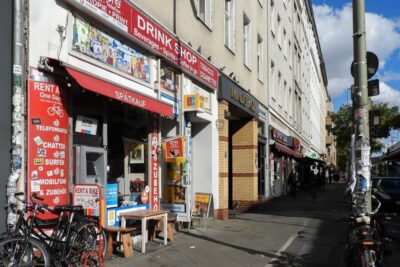 ★ 4.7Kreuzberg Guided Walking Evening TourFrom $27555 reviews
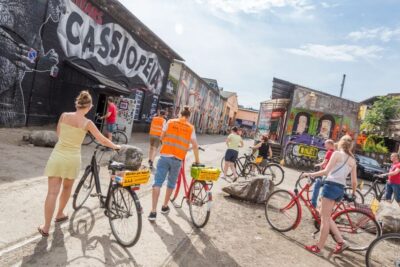 ★ 4.7Alternative Bike Tour of Kreuzberg & FriedrichshainFrom $41548 reviews
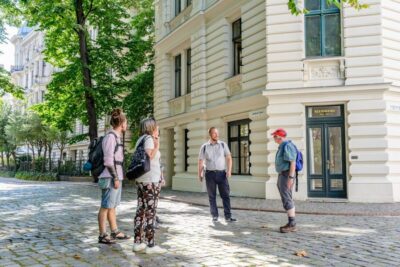 ★ 4.92.5-Hour Walking Tour through Kreuzberg 61From $23525 reviews
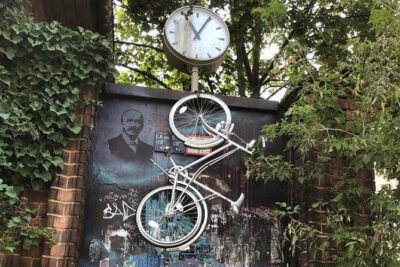 ★ 5.0Berlin Off-the-Beaten-Path Walking Tour: Kreuzberg, Mitte and FriedrichshainFrom $30412 reviews
 ★ 4.8Experience the Alternative Kreuzberg on a Bike TourFrom $41395 reviews
 ★ 4.8Gay Berlin Out in Schöneberg Walking TourFrom $23281 reviews
 ★ 5.0Hansaviertel “The City of Tomorrow” Guided TourFrom $23219 reviews
Browse the lists this tour appears in