
REVIEW · KREUZBERG & ALTERNATIVE DISTRICTS
Berlin: Kreuzberg Guided Walking Evening Tour
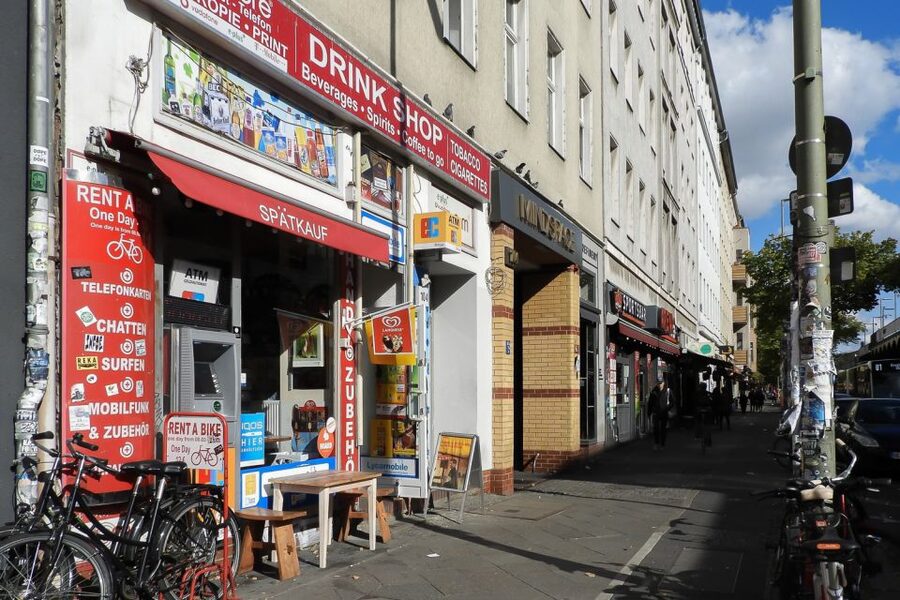
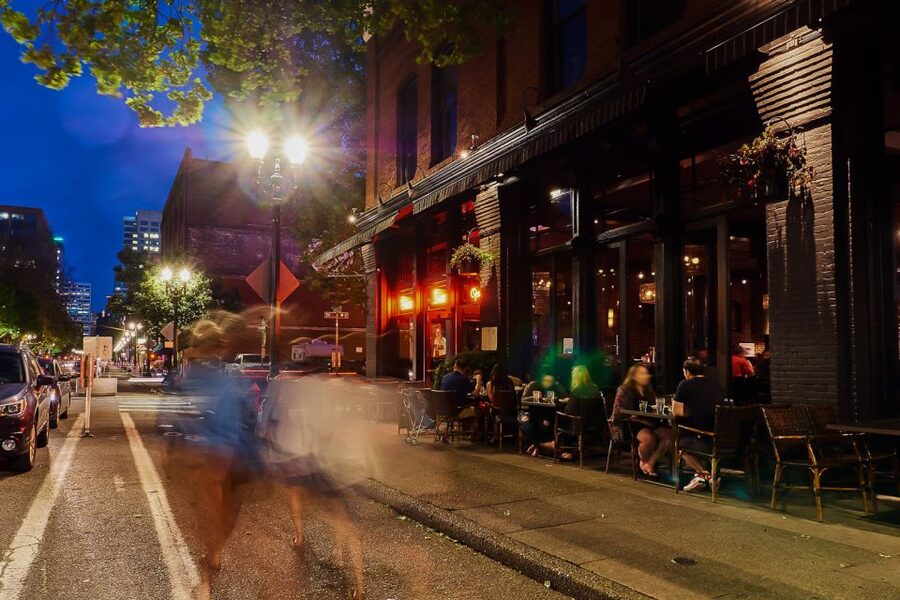
Kreuzberg feels different after dark. This 2-hour guided evening walk turns familiar streets into a story you can follow, from Kottbusser Tor to old music venues and parks. I love how the tour connects neighborhood life to Berlin’s troublemaking past, and you’ll likely notice the district’s attitude right away.
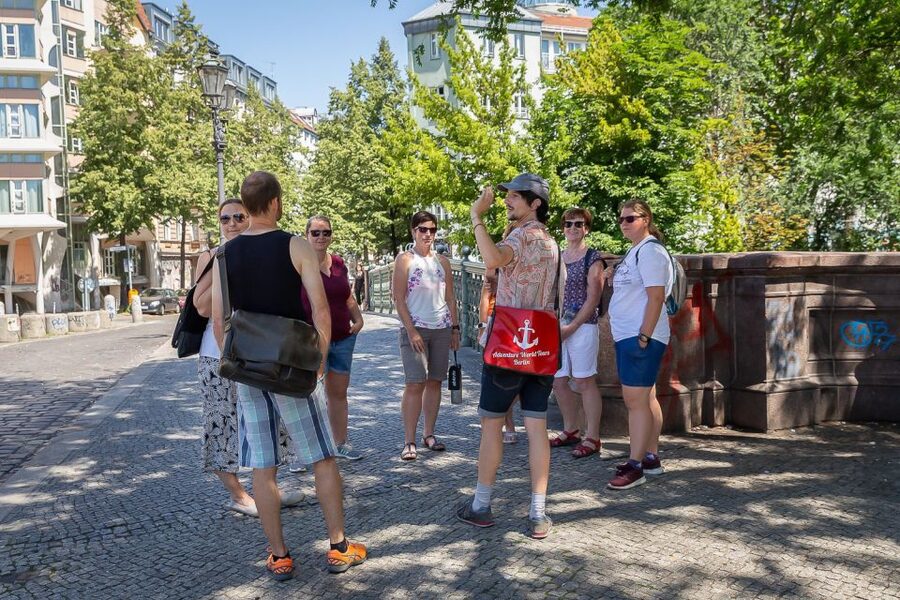
My favorite part is the way the guide makes names, places, and dates stick. If you get Stefan or Kevin, you’ll hear the kind of inside-knowing explanations that answer your next question before you even ask it, and you get plenty of time to do just that.
The main drawback is simple: it’s still a walking tour. Wear shoes that handle a couple hours on city streets, and plan for evening weather so you don’t spend the whole time thinking about your cold hands instead of the stories.
In This Review
- Key things you’ll get from the Kreuzberg evening walk
- Kotti to Oranienstraße: the quickest way to get your bearings
- 19th-century density and a rebellious reputation you can actually feel
- SO36: where punk and new wave turned into conflict
- Görli Park after dark: the park stop that doubles as a story engine
- Ruinen des Pamukkale-Brunnens and the power of noticing details
- Smaller street corners that turn into big context
- Ending at Bevernstraße: a good place to keep exploring
- Price and value: what $27 buys you in Berlin time
- Who this tour is best for (and who might want a different plan)
- Guides, language, and small-group energy
- How to make the most of the evening (without overthinking it)
- Should you book the Berlin Kreuzberg evening walking tour?
- FAQ
- How long is the Kreuzberg guided evening walking tour?
- Where does the tour start?
- What’s included in the price?
- What languages is the tour offered in?
- Is it a small-group or private experience?
- What should I bring?
- Can I cancel and get a refund?
- Is there a reserve now, pay later option?
Key things you’ll get from the Kreuzberg evening walk
- Kotti (Kottbusser Tor) as the perfect starting heartbeat for understanding the area
- Oranienstraße street-level history tied to how Kreuzberg grew and packed in over time
- SO36 music-club stories that explain why punk and new wave mattered politically
- Görli Park and the Jack-the-Ripper thread for a darker Berlin side of the map
- A tight 2-hour route that fits an evening without eating your whole night
- Small group energy and Q&A time, especially when your guide is energetic and thorough
Deeper into Kreuzberg and the eastern districts
- Berlin: Kreuzberg Guided Walking Evening Tour★ 4.7 · 555 reviews
- Berlin: Alternative Bike Tour of Kreuzberg & Friedrichshain★ 4.7 · 548 reviews
- Berlin: 2.5-Hour Walking Tour through Kreuzberg 61★ 4.9 · 525 reviews
- Berlin Off-the-Beaten-Path Walking Tour: Kreuzberg, Mitte and Friedrichshain★ 5.0 · 412 reviews
Kotti to Oranienstraße: the quickest way to get your bearings
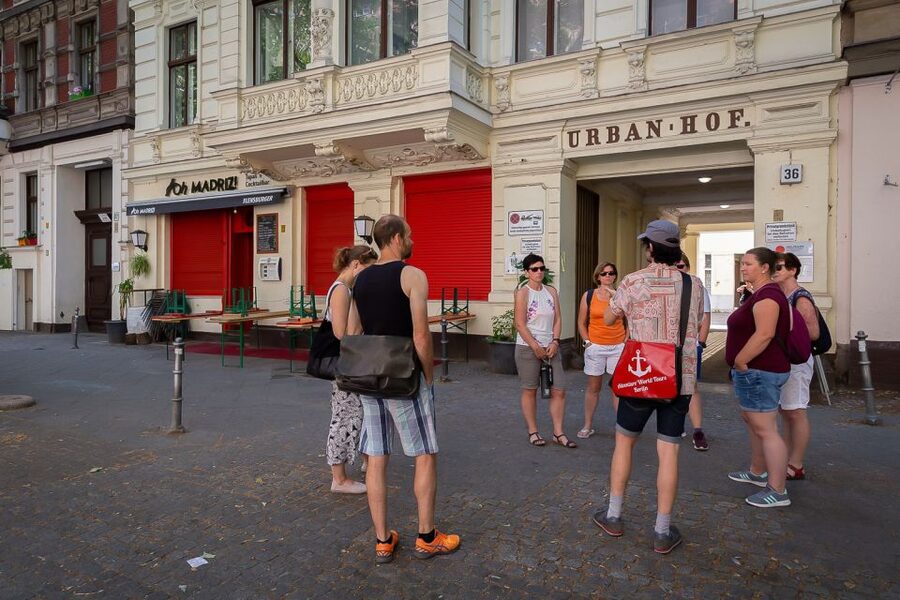
The tour begins at Kottbusser Tor, nicknamed Kotti, which is basically the district’s moving center. You’ll get the kind of orientation that makes the streets around you feel logical instead of random, including how Kreuzberg became what it is today.
Then you head along Oranienstraße, where the neighborhood’s history shows up in plain sight. This is one of those streets where the past isn’t behind glass; it’s in the layout, the density, and the mix of old and new life. You’ll learn what shaped the district in the 19th century, and why that early pattern still affects how people live and gather here.
One practical benefit: the guide’s pacing keeps you from feeling lost while also moving quickly enough to enjoy the evening energy. By the time you reach the next big stops, you’ll already understand why these corners matter, not just that they exist.
19th-century density and a rebellious reputation you can actually feel
Kreuzberg’s reputation for pushback isn’t just a slogan. The tour frames the district’s rebellious spirit as something that grew from real conditions—crowding, local politics, and conflict that created a tough, outspoken culture.
As you walk, you’ll get a story that explains how the neighborhood filled in and why tensions kept spilling into the streets. Even if you’ve read about Berlin history before, you’ll get a street-by-street version that makes the timeline easier to hold in your head.
This part is also useful if you’re the type who likes to understand why places feel the way they do. Instead of treating Kreuzberg as a cool area to pass through, you’ll start seeing it as a living result of social pressures and people fighting for space, voice, and identity.
SO36: where punk and new wave turned into conflict
One of the tour’s standout stops is SO36, a legendary club linked to anarchistic punk and new wave nights in the 1970s and 1980s. The guide connects the music scene to what was happening around it, including how performances didn’t stay safely in the background.
You’re not just being told that the club was famous. You’re getting the story behind why it provoked authorities and police, which changes how you see the surrounding nightlife today. It’s a reminder that culture can be a form of resistance, and that the energy you hear in a neighborhood today often has older roots.
If you’re into live music history, politics, or subcultures, this section is the reason to book. It’s also where a strong guide can really shine, and the reviews back that up with praise for the kind of insider knowledge that makes places feel real.
Görli Park after dark: the park stop that doubles as a story engine
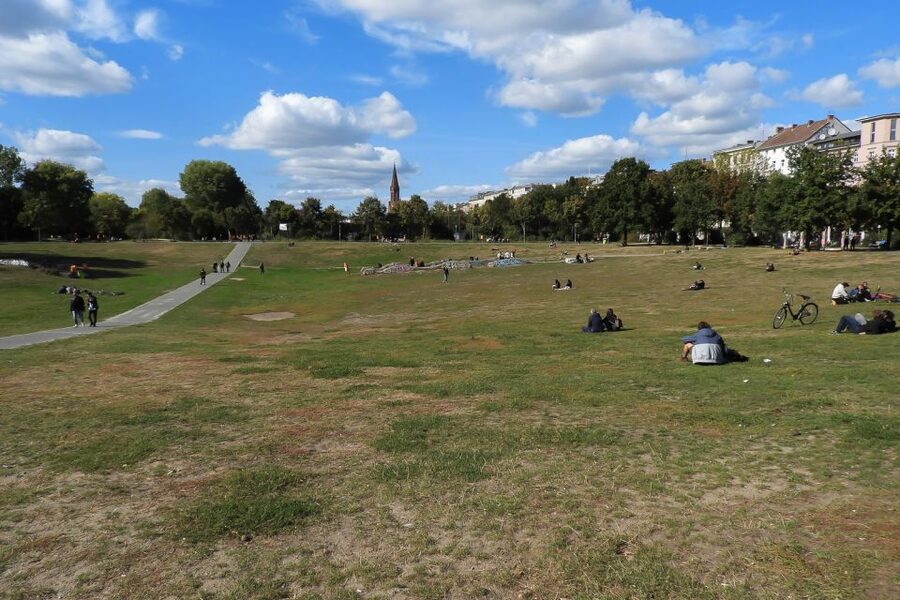
Next comes Görli Park, and the vibe shifts from street history to a more open, evening-feeling space. The park acts like a pause in the route where you can reset your senses, while the guide tells you the story tied to Berlin’s Jack the Ripper.
This is the kind of stop where the “creepy” thread works best if you let it. Don’t treat it like a trivia quiz; let it be a way to hear how urban legends attach themselves to real neighborhoods. Berlin has a talent for turning rumor into atmosphere, and this tour uses that skill instead of rushing past it.
Even if you don’t care about the specific legend, you’ll still benefit from learning how stories get placed into the city. Legends like this often explain the same thing history does: fear, outsiders, and the way a city talks to itself through narrative.
More of Berlin on foot



Ruinen des Pamukkale-Brunnens and the power of noticing details
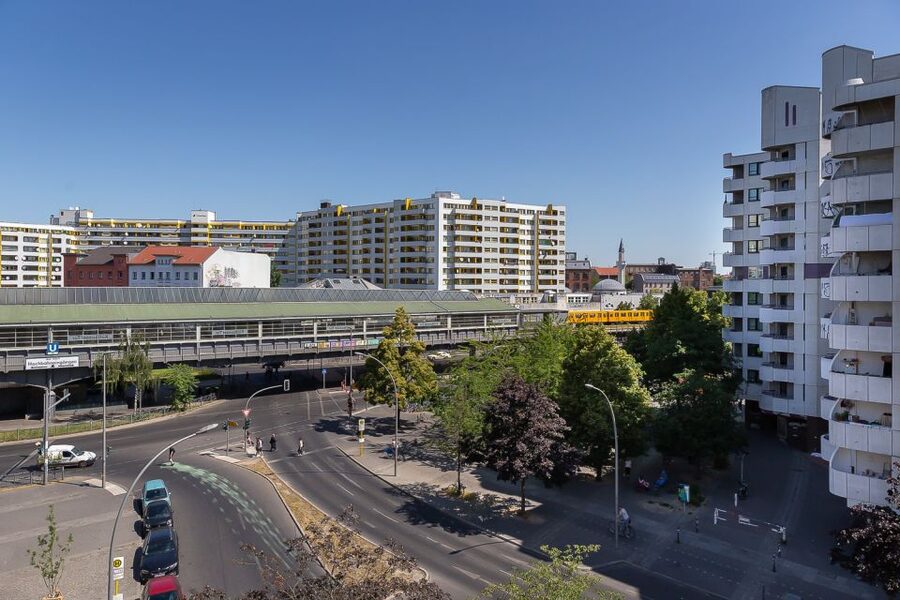
Midway through the walk, you’ll pass Ruinen des Pamukkale-Brunnens. This stop is short but meaningful because it trains your eye. You’ll hear what it is and why it matters, and that helps you notice how Kreuzberg holds traces of different eras at once.
What I like about including a small stop like this is that it breaks the route into manageable pieces. You get the rhythm of walking, learning, and looking, instead of a long stretch of only talking or only sightseeing.
It’s also a reminder that city history isn’t always dramatic on its surface. Sometimes it’s what’s still there, what’s been damaged, and what people choose to keep.
Smaller street corners that turn into big context
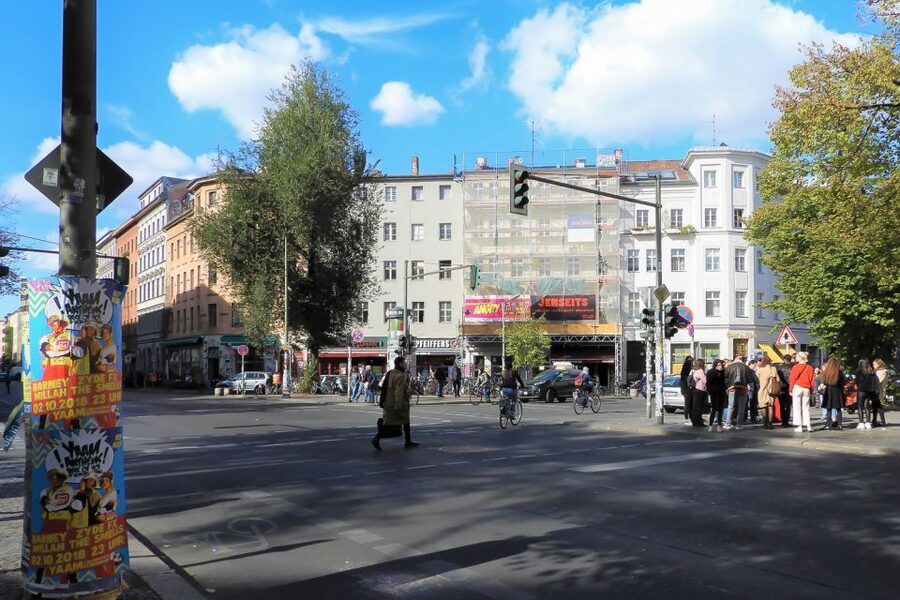
The tour continues through other streetfront areas—Oranienstraße addresses, Lausitzer Platz, Oppelner Straße, and Bevernstraße—each chosen to keep the narrative moving. You’ll get photo stops and guided explanations, but the goal isn’t to photograph landmarks like souvenirs. The goal is to understand how the district’s character shows up in everyday space.
These shorter stops matter because they teach you how to read a neighborhood. You’ll start connecting street width, building density, and the presence of cafés and bars to the kind of social life Kreuzberg supports at night.
This is also where Q&A can be most useful. If you’re curious about why certain places feel more political, more rebellious, or more “local,” this is the moment to ask. The guide’s habit of answering with detail is what keeps the tour from becoming a scripted lecture.
Ending at Bevernstraße: a good place to keep exploring
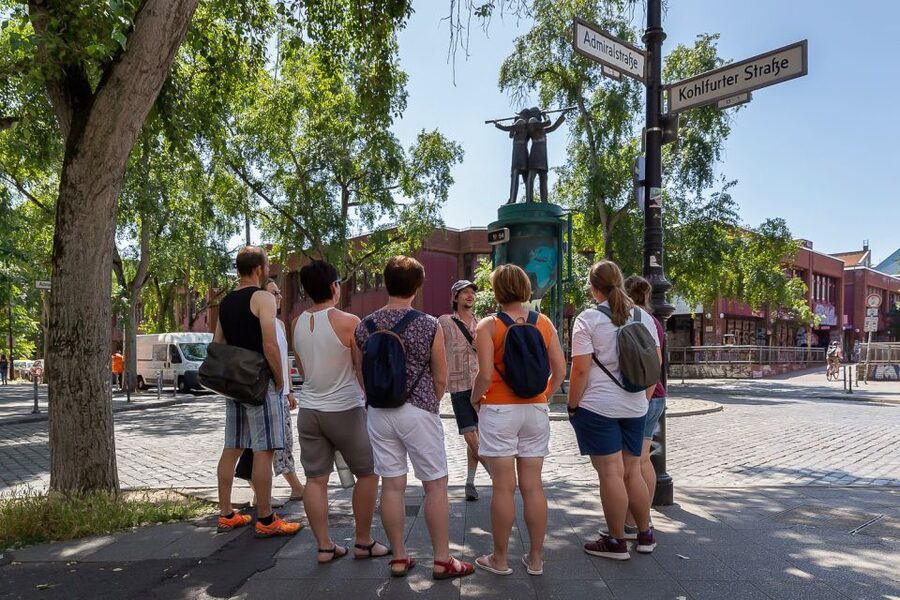
The walk finishes at Bevernstraße 6, where you’re set up to continue on your own. By this point, you’ll understand why Kreuzberg looks and feels the way it does, which makes choosing dinner or a drink easier.
And because you started in the evening, the neighborhood won’t feel like an empty stage. You’ll likely notice that bars and cafés are part of the district’s living culture, not just background scenery.
If you want a practical next step, plan to use what you learned to choose where you sit. You’ll be able to ask yourself: does this place feel like it belongs to the neighborhood’s deeper story, or just to the tourist version of it?
Price and value: what $27 buys you in Berlin time
At about $27 per person for a 2-hour walking tour, this sits in the “reasonable evening activity” range. The value comes less from the length and more from the storytelling density: you’re not just walking around; you’re getting guided context for multiple parts of Kreuzberg’s identity.
You also get a live guide in German and English, and small groups or private options are available. That matters because it usually leads to more interaction and better pacing, which is a big deal for a neighborhood walk where your questions will keep popping up.
So if you have limited time in Berlin and want more than surface-level “what to see,” this is the kind of booking that can tighten your trip. You end the night with a map in your head, not just photos on your phone.
Who this tour is best for (and who might want a different plan)
This tour is a great fit if you like stories that connect culture and politics, especially through music, street life, and urban legend. It’s also ideal when you want an evening activity that doesn’t feel like a long bus ride with a few quick stops.
If you’re traveling with friends who disagree about what to do—one wants history, another wants a cool neighborhood vibe—this format can help. You get both in the same two hours.
If you dislike walking or you’re traveling on days when you’re already exhausted, you may feel the route more than you’ll enjoy it. The tour requires comfortable shoes and some weather-ready clothing, because Berlin evenings can switch moods fast.
Guides, language, and small-group energy
The guide makes a huge difference on tours like this, and the feedback you can infer from the guide praise is consistent: strong insider knowledge and an ability to make Kreuzberg feel personal. Names like Stefan and Kevin show up in strong reviews, and that’s a good sign that at least some of the guides bring energy and detail.
The tour is offered in German and English, so you should be able to pick the language that matches your comfort level. If you’re the type who asks questions, this setup tends to reward you; the best parts of neighborhood tours are often the moments where you steer the conversation.
Group size is listed as private or small groups, which typically helps you hear the guide clearly and keep the route moving without bottlenecks. For a walking tour, that’s not a small point.
How to make the most of the evening (without overthinking it)
Go in ready to notice. Kreuzberg is one of those neighborhoods where the story lives in the street layout and daily rhythms, not only in famous sights. Keep your camera handy for the photo stops, but save your full attention for the explanations the guide gives as you pass key corners.
Bring comfortable shoes, because the tour is built around walking between multiple locations. Dress for the evening weather too, so you can stay focused instead of counting minutes until you’re warm.
Finally, treat it like orientation plus entertainment. You’re learning enough history to understand what you’re seeing, and you’re collecting enough atmosphere to make your post-tour night feel smarter.
Should you book the Berlin Kreuzberg evening walking tour?
You should book if you want an easy, high-value way to understand Kreuzberg after dark, with a guide who knows how to connect street life to culture, punk-club history, and darker legends like the Jack-the-Ripper thread. The route is short enough to fit real plans, and the storytelling is the main draw.
Skip it if you want a purely museum-style experience or you can’t handle walking for two hours. Also, if you already know Kreuzberg deeply and want very specific, niche details beyond what a general neighborhood narrative covers, you might feel the pacing is too broad.
FAQ
How long is the Kreuzberg guided evening walking tour?
The tour lasts 2 hours.
Where does the tour start?
You can choose between two starting options: FightClub Casino or Cems Burgerhouse. The meeting point may vary depending on the option booked.
What’s included in the price?
The price includes a walking tour and a tour guide.
What languages is the tour offered in?
The live guide is available in German and English.
Is it a small-group or private experience?
Yes, private or small groups are available.
What should I bring?
Wear comfortable shoes and bring weather-appropriate clothing.
Can I cancel and get a refund?
Yes. Free cancellation is available up to 24 hours in advance for a full refund.
Is there a reserve now, pay later option?
Yes. You can reserve your spot and pay nothing today.
More Tours in Berlin





More Tour Reviews in Berlin

Kreuzberg and the Eastern Districts




Round out your days in Berlin
Kreuzberg & Alternative Districts, compared.
 ★ 4.5Kreuzberg: Culinary Food TourFrom $589770 reviews
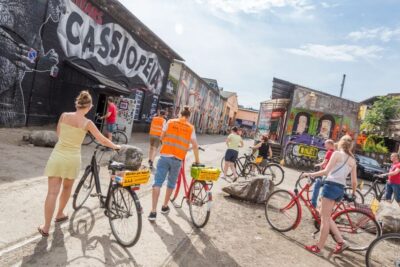 ★ 4.7Alternative Bike Tour of Kreuzberg & FriedrichshainFrom $41548 reviews
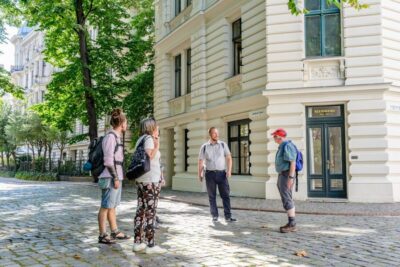 ★ 4.92.5-Hour Walking Tour through Kreuzberg 61From $23525 reviews
 ★ 5.0Berlin Off-the-Beaten-Path Walking Tour: Kreuzberg, Mitte and FriedrichshainFrom $30412 reviews
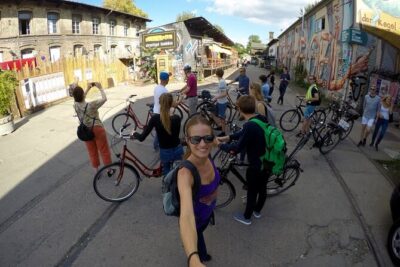 ★ 4.8Experience the Alternative Kreuzberg on a Bike TourFrom $41395 reviews
 ★ 4.9Prenzlauer Berg District Guided Walking TourFrom $23316 reviews
 ★ 4.8Gay Berlin Out in Schöneberg Walking TourFrom $23281 reviews
 ★ 5.0Hansaviertel “The City of Tomorrow” Guided TourFrom $23219 reviews
Browse the lists this tour appears in