
REVIEW · STREET ART & ALTERNATIVE BERLIN
Berlin: Private Kreuzberg Street Art Walking Tour
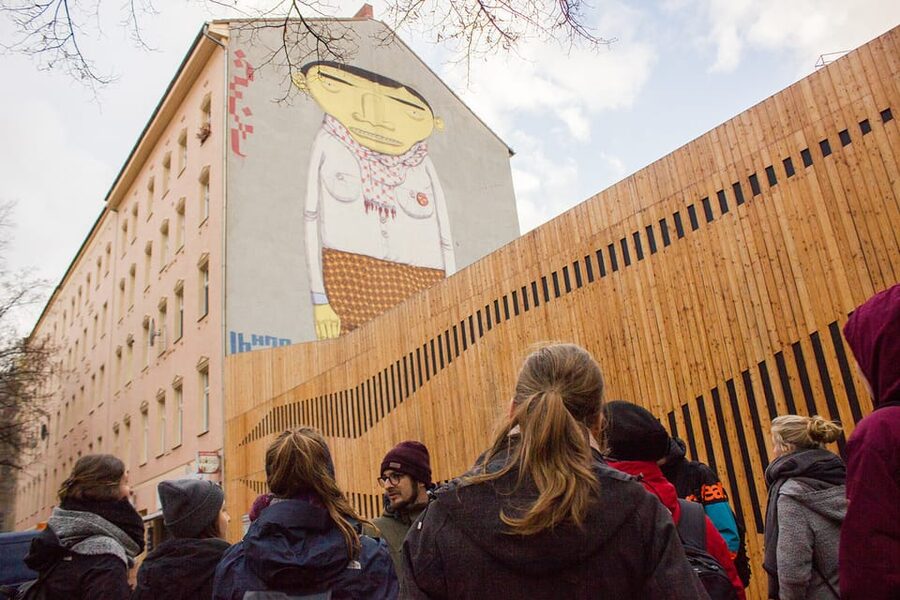
Street art in Kreuzberg tells real Berlin stories. On this 2-hour private walk, you track how walls became an open-air gallery, with international murals you can actually stand close to. It’s not just pointing and shooting; it’s a story walk through the neighborhood’s attitude.
I also like that the guides bring first-hand street art perspective, and at least one guide named Tijmen has been praised for explaining techniques in a way that makes the artwork easier to read. One possible drawback: the depth of technical how-to info can vary, so if you want lots of specialist detail, you may want to mentally grade the tour as history-and-context first.
In This Review
- 6 Key Things I’d Want You to Notice First
- Kreuzberg: Where Street Art Grew Up
- Schlesisches Tor Meeting Point and the Walking Rhythm
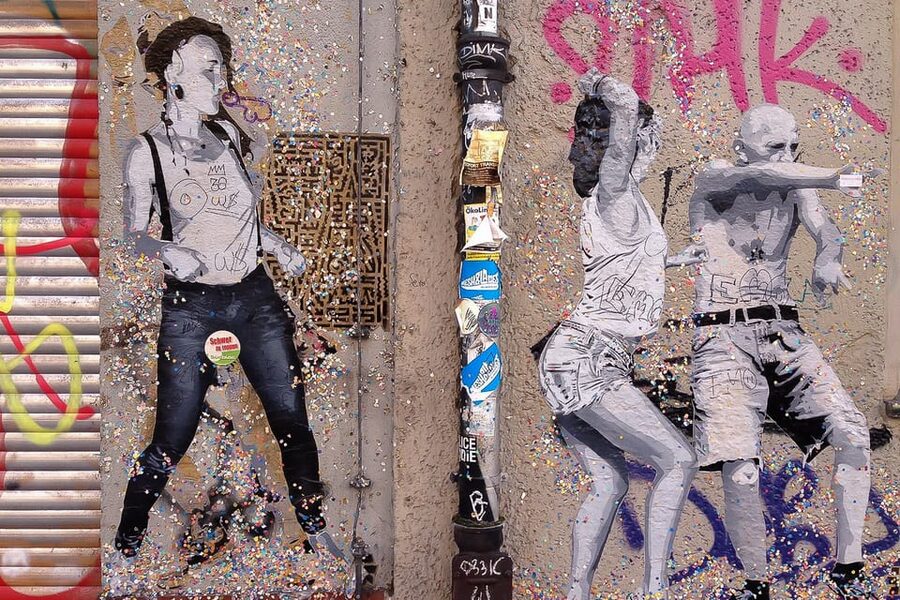
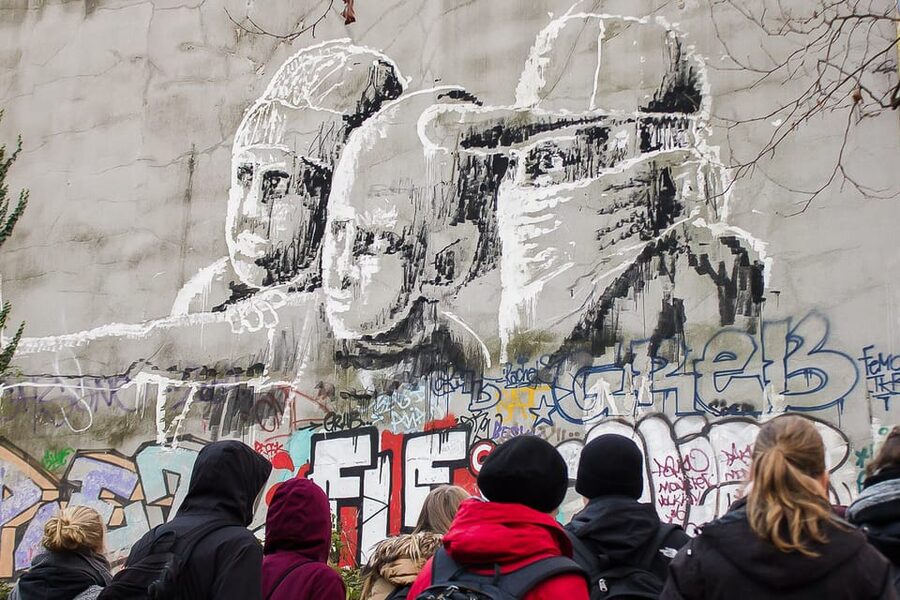
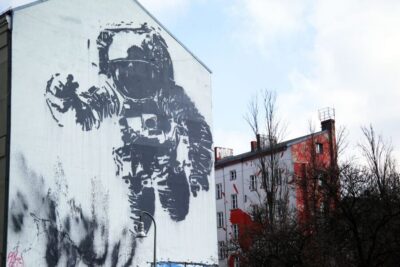
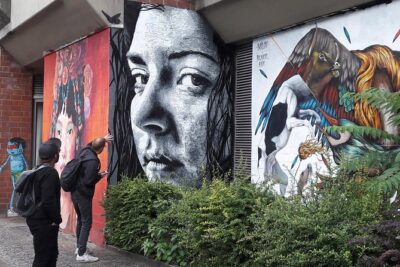
- Huge Murals and the Open-Air Museum Feeling
- The Politics of Graffiti: More Than Just Aerosol Art
- Squatters, the Turkish Community, and Kreuzberg’s Identity
- Oberbaumbrücke: A Landmark That Helps You Read the City
- Private Group Value: When $200 Works (and When It Might Not)
- What to Expect From the Guide (and How to Choose the Right Mindset)
- Pace, Comfort, and the Real-World Stuff That Matters
- Who This Kreuzberg Street Art Tour Is Best For
- Should You Book This Tour?
- FAQ
- How long is the Berlin Kreuzberg street art walking tour?
- Where is the meeting point?
- Is this tour private?
- What languages are the guides available in?
- Is the tour wheelchair accessible?
- Are luggage or large bags allowed?
- Can I cancel for a refund?
6 Key Things I’d Want You to Notice First
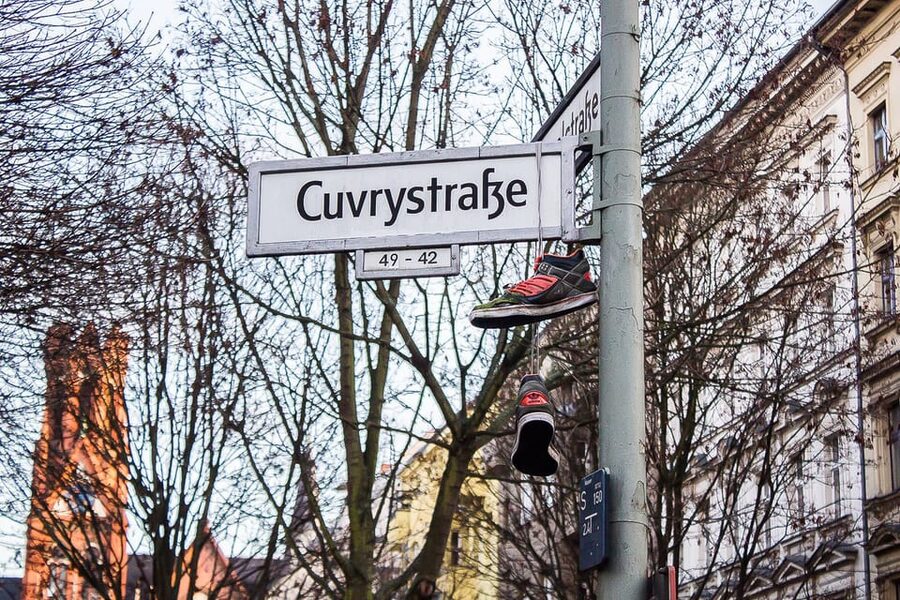
- Big mural scale in a compact route: you’ll see large pieces up close without spending half a day commuting.
- Political and historical context: graffiti and street art are explained as part of Berlin’s debates, not just decoration.
- Kreuzberg’s mixed neighborhood story: the tour connects art to squatters, and to the Turkish community that shaped daily life.
- Real street life, not just landmarks: cafés, bars, and restaurants sit right inside the walking path.
- A classic Berlin photo stop: you’ll pass along the Oberbaumbrücke area as part of the loop.
- Private-group format: the group stays small, which usually makes questions and conversation easier.
Deeper into Kreuzberg and the eastern districts
- Berlin: Kreuzberg Guided Walking Evening Tour★ 4.7 · 555 reviews
- Berlin: Alternative Bike Tour of Kreuzberg & Friedrichshain★ 4.7 · 548 reviews
- Berlin: 2.5-Hour Walking Tour through Kreuzberg 61★ 4.9 · 525 reviews
- Berlin Off-the-Beaten-Path Walking Tour: Kreuzberg, Mitte and Friedrichshain★ 5.0 · 412 reviews
Kreuzberg: Where Street Art Grew Up
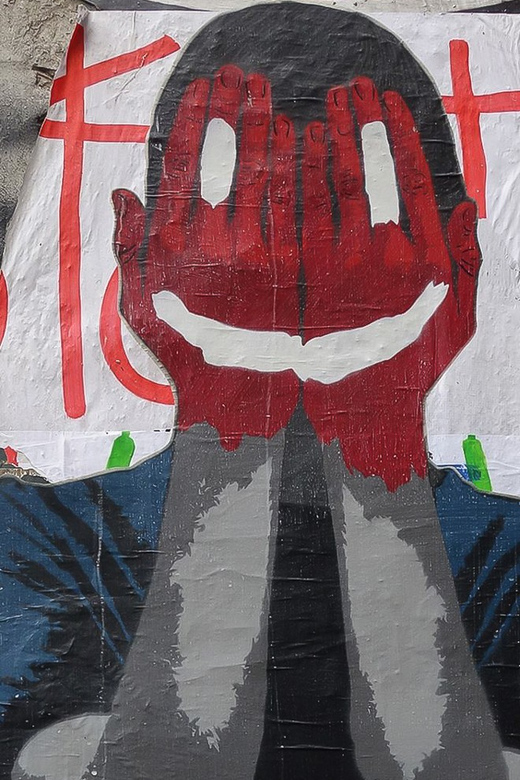
Kreuzberg is one of those Berlin districts where “wall art” feels like a public language. This tour leans hard into that idea. You’re walking through a neighborhood shaped by migration, political friction, and creative outsiders, so the murals don’t feel random. They feel like commentary—sometimes funny, sometimes sharp, often both.
What helps is that you’re not stuck in a museum setting. You’re on streets with shops and people moving past you. That matters because street art is built for the real world: weather, daylight, foot traffic, and the constant remix of the city around it. You’ll understand why artists choose walls here, and why Berliners treat the subject with more seriousness than you might expect.
Schlesisches Tor Meeting Point and the Walking Rhythm
You start at the exit of the U Schlesisches Tor metro station, on the side next to the elevator. That’s a practical detail because it makes it easy to regroup quickly if someone arrives late—or if you’re coming in by U-Bahn.
The tour is designed as a steady 2-hour walk. You won’t spend long sitting around. Instead, you stop at key artworks and street corners, then move again. One stop includes the Oberbaumbrücke area, which also helps break up the “wall after wall” feel. If you like walking tours that stay active without rushing, this format fits.
Also note what’s not allowed: luggage or large bags. That’s a big deal in a city where you might grab a train, then want to stretch your day with a tour. If you’re traveling light, you’ll enjoy this more.
Huge Murals and the Open-Air Museum Feeling
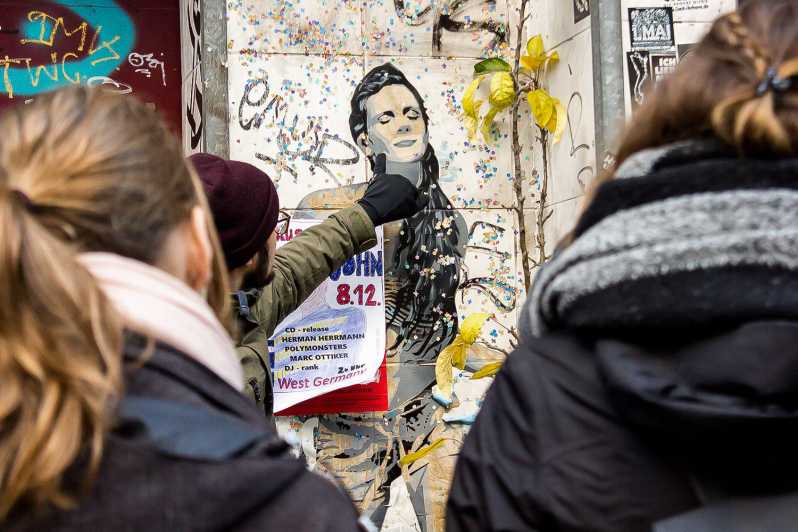
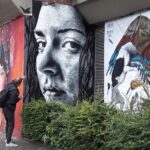
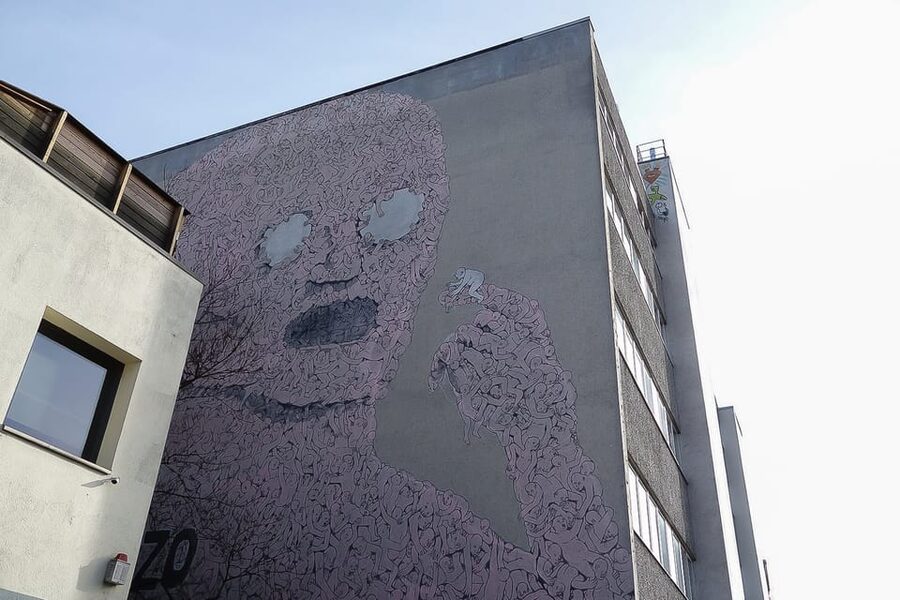
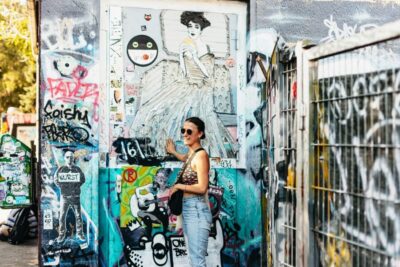
A core promise here is seeing huge murals by international street artists. The value is that the tour makes you slow down enough to actually look. Big pieces are easy to admire from far away. Up close, you start noticing layers—style choices, composition decisions, and how the artist’s message fits the wall they chose.
The guide also frames street art and graffiti as cultural work with historic and political dimensions. That’s what turns the experience from sightseeing into learning. If you’ve ever wondered why graffiti isn’t treated as vandalism in the same way everywhere, you’ll get a clearer answer here: context matters. In Kreuzberg, the walls have long been a place where people express identity, protest, and community memory.
And because it’s a live guide in English or German, you can ask follow-up questions on what you’re seeing. That’s one reason the private group format helps—less time waiting your turn, more time talking about what you notice.
The Politics of Graffiti: More Than Just Aerosol Art
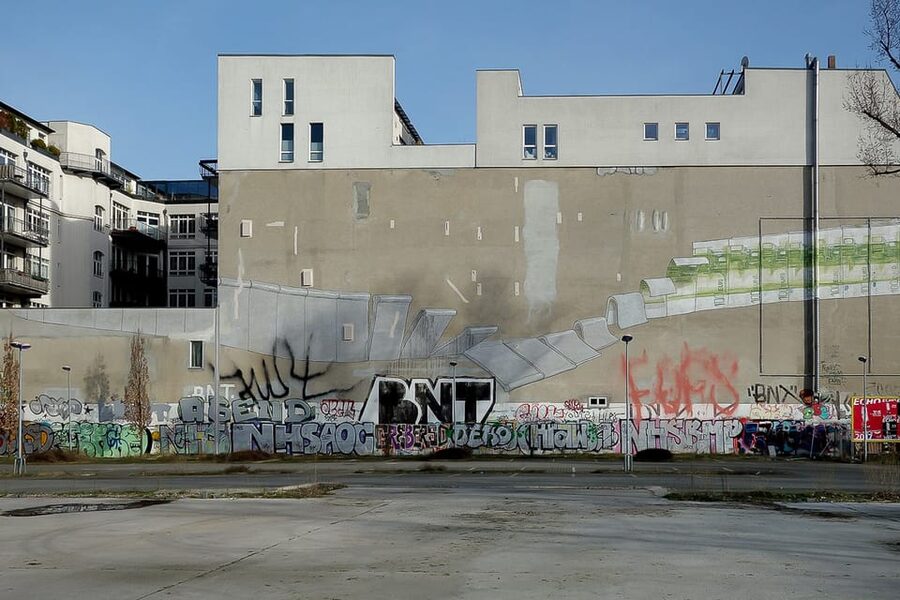
This tour doesn’t treat graffiti as a trend. It treats it as a story about power and visibility. You’ll hear how street art can challenge official narratives, and how graffiti traditions developed from people wanting to be seen—even when they weren’t welcomed into formal spaces.
That framing also changes how you look at a mural. Instead of asking only what it looks like, you start asking why it’s there. Why this wall? Why this spot? Why now? Kreuzberg’s layers make those questions feel natural, because the neighborhood itself has long carried social tensions and creative energy in the same streets.
If you love thinking about art as communication, you’ll get a lot out of this. If you’re mainly in it for the visuals, you can still enjoy it—but you might find you want more time just staring and less time on discussion. Either way, the tour is clearly set up to connect the artwork to the city’s reality.
More murals and back-street Berlin

Squatters, the Turkish Community, and Kreuzberg’s Identity
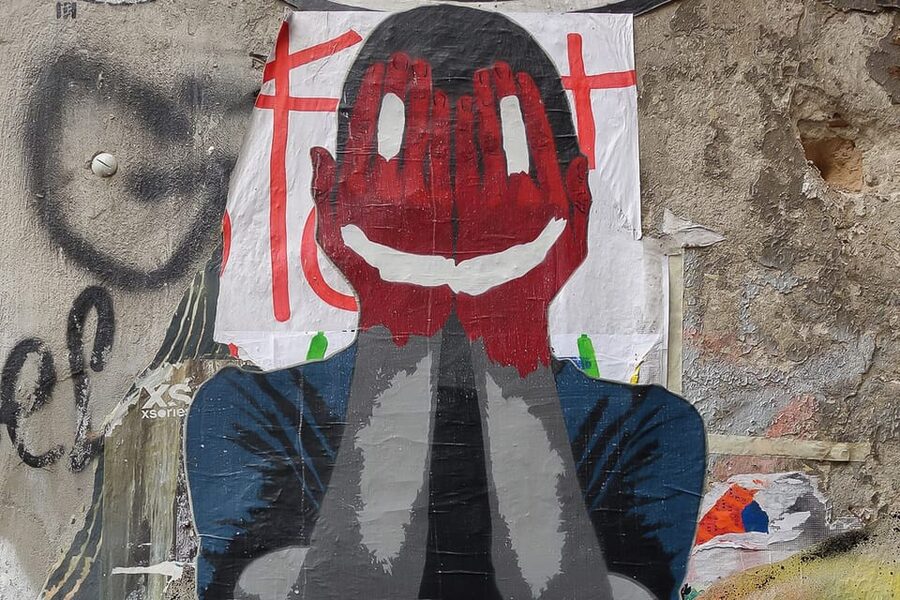
One of the tour’s most interesting threads is Kreuzberg’s history: it was once home to squatters and a major Turkish community. That background matters, because street art here isn’t only about individual artists. It’s also about how communities use space, symbols, and public voice.
The tour ties those roots to what you see today. Kreuzberg is now known as a nightlife hotspot, and the art landscape fits that same pattern: outsider energy mixed with mainstream attention. In other words, the area didn’t “become creative” from nowhere. Creative expression grew from the neighborhood’s social dynamics.
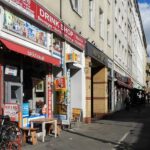
You’ll also notice how the route passes places like cafés, bars, and restaurants. That’s not just scenery. It reinforces the point that street art lives alongside everyday life. The neighborhood doesn’t pause for murals. People eat, talk, and move past them—and the art becomes part of the street’s rhythm.
Oberbaumbrücke: A Landmark That Helps You Read the City
Walking toward the Oberbaumbrücke area adds a nice change of pace. It’s a recognizable Berlin landmark, but it also works as a “city context” marker: you get a stronger sense of geography while still staying in the Kreuzberg storyline.
For street art lovers, that matters. Kreuzberg’s walls and artworks don’t exist in isolation. They’re part of a larger city map—bridges, borders, neighborhoods shifting and blending. Seeing a well-known crossing while your guide talks about the area helps your brain lock the street art to place.
If you like photos, you’ll have chances to capture both the built environment and street-level details. Just remember: street art is often best photographed when you’re a bit closer and angled, not straight-on from far away.
Private Group Value: When $200 Works (and When It Might Not)
This tour costs $200 per group up to 5 for 2 hours. That’s a key detail because the value depends on how you split it.
If you’re a small group of friends or traveling as a family unit, the private format can make a lot of sense. You get a guide speaking directly to your group, with room for questions and discussion. And because it’s only 2 hours, you’re not paying for a half-day that competes with other priorities.
If you’re traveling solo, the cost per person can feel steep compared with standard group tours. In that case, it’s still worth it if you strongly prefer conversation, or if you want a guide who can tailor explanations to your interests (history vs techniques vs standout murals). But if you’re mostly there to walk and look, you might hesitate—unless you’ll genuinely use the guide time.
What to Expect From the Guide (and How to Choose the Right Mindset)
The most praised aspect in the experience is the guide’s ability to connect what you see to why it matters. At the same time, one caution shows up: the level of technical depth can vary. One group felt the guide’s professional knowledge wasn’t deep enough for their expectations.
So here’s the practical way to plan your expectations:
- If you want context, stories, and meaning, this tour is set up well.
- If you want a lot of technical step-by-step detail, ask yourself whether you’re booking primarily for art literacy rather than specialized instruction.
On the positive side, a guide named Tijmen has been specifically mentioned for being entertaining and for sharing technique knowledge alongside the artworks you see. That’s exactly the kind of guide who turns murals into something you understand, not just something you pass.
Pace, Comfort, and the Real-World Stuff That Matters
This is a walking tour. That sounds obvious, but what matters is how the 2-hour duration tends to feel: active stops, then movement. If it’s hot, you may find time spent standing at murals feels longer than the clock suggests.
The tour also states it’s wheelchair accessible. You’ll still want to think about the sidewalk reality in older European neighborhoods—uneven surfaces, curb cuts, and tight corners can affect comfort. If wheelchair access is a must, it’s smart to go prepared and arrive on time so the start doesn’t get stressed.
Finally: late arrivals won’t be refunded. So treat the U Schlesisches Tor meeting point like a real appointment, not a suggestion.
Who This Kreuzberg Street Art Tour Is Best For
You’ll likely enjoy this most if you:
- love street art but want the “why” behind it, not just the “what”
- enjoy walking through neighborhoods like Kreuzberg, with everyday life around you
- prefer a private group format where you can ask questions in English or German
- want a short, focused tour that still includes a major landmark stop near Oberbaumbrücke
It’s also a good fit if you’re the type who can read a city by its walls—political edges, community history, and the way art shows up when people want a public voice.
If you want a strictly visual experience with zero discussion, you might find parts of the talk slow you down. If you want lots of hands-on technique training, you should expect an art-and-context style rather than a full workshop.
Should You Book This Tour?
I’d book it if you’re coming to Berlin specifically to understand what street art means in real neighborhoods. The tour has the right ingredients: huge international murals, a guided explanation of graffiti’s history and politics, and a route that connects art to daily life in Kreuzberg—plus the Oberbaumbrücke landmark moment.
Skip it or rethink it if you’re mostly chasing a quick photo walk and don’t care about context, or if you strongly need very deep technical instruction. In that case, you might want a different kind of street art experience.
If you do book, arrive at U Schlesisches Tor on time, travel without large bags, and go in ready to look closely. You’ll get much more out of the murals when you treat the guide’s explanations as part of the artwork.
FAQ
How long is the Berlin Kreuzberg street art walking tour?
It lasts 2 hours.
Where is the meeting point?
You meet at the exit of the metro station Schlesisches Tor (Lines U1, U3), next to the elevator.
Is this tour private?
Yes, it is a private group, for up to 5 people.
What languages are the guides available in?
The live guide offers English and German.
Is the tour wheelchair accessible?
Yes, it is wheelchair accessible.
Are luggage or large bags allowed?
No. Luggage or large bags are not allowed.
Can I cancel for a refund?
Free cancellation is available up to 24 hours in advance for a full refund. Late arrivals are not refunded.
More Tour Reviews in Berlin


Street Art and Alternative Berlin
Kreuzberg and the Eastern Districts

Round out your days in Berlin
Street Art & Alternative Berlin, compared.
 ★ 4.6Alternative Berlin Walking TourFrom $291,204 reviews
 ★ 4.8City Street Art Guided Walking TourFrom $231,051 reviews
 ★ 4.73-Hour Street Art TourFrom $23778 reviews
 ★ 4.7Alternative Bike Tour of Kreuzberg & FriedrichshainFrom $41548 reviews
 ★ 5.0Berlin Off-the-Beaten-Path Walking Tour: Kreuzberg, Mitte and FriedrichshainFrom $30412 reviews
 ★ 4.8Experience the Alternative Kreuzberg on a Bike TourFrom $41395 reviews
 ★ 5.0Berlin Street Art Walking Tour – Off The GridFrom $24270 reviews
 ★ 5.0East Meets West: Berlin Food Culture & Street ArtFrom $169157 reviews
Browse the lists this tour appears in