
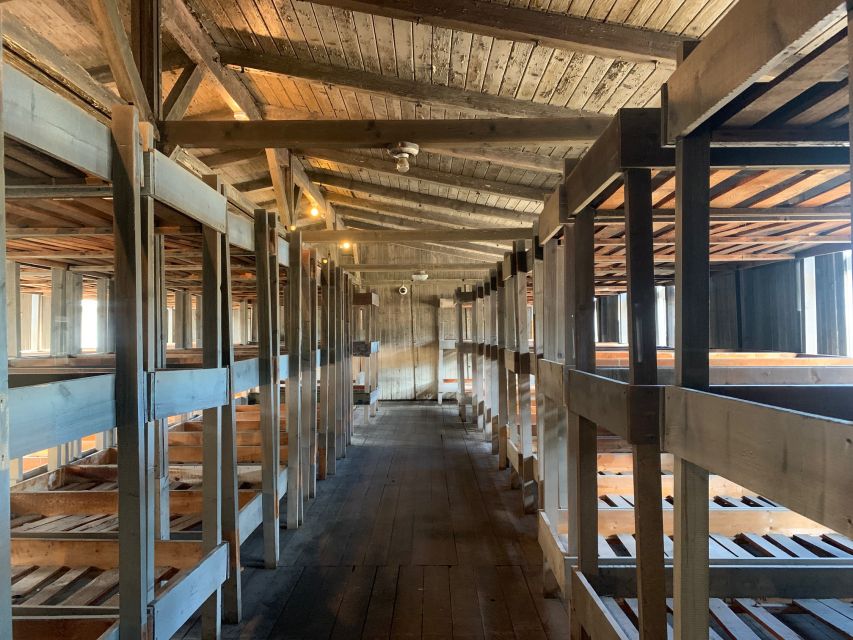
REVIEW · SACHSENHAUSEN MEMORIAL
Berlin: Sachsenhausen Memorial 6-Hour Tour in Spanish
Sachsenhausen won’t let you look away. What I love most is that this tour focuses on A Tower and Station Z—the spaces where the camp’s logic becomes visible. Add a Spanish-speaking guide who connects artifacts to real human stakes, and you get clarity fast. One thing to plan for: it’s an outdoors-heavy, emotionally intense visit, and you’re advised to bring snacks and drinks since there’s no shop on site.
You start in the center of Berlin at Alexanderplatz, right by the Fernsehturm. You meet a guide at a green flag marked tours en español near the only entrance to the TV tower, by Espresso House, and then you ride the train north for about 50 minutes.
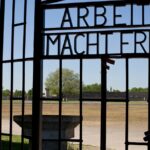
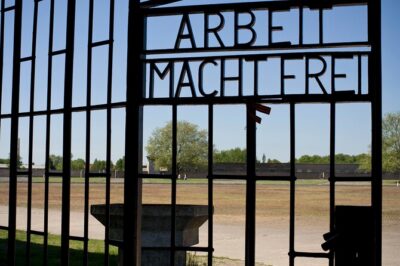
Sachsenhausen is preserved as a memorial for a reason. The camp served as a model facility for the Nazis and later was transformed by the Soviets into a gulag system for their prisoners—so you’re not just looking at one regime’s violence, but two eras of oppression in one place.
In This Review
- Key highlights worth planning for
- Meeting at Alexanderplatz: where your Spanish tour actually begins
- The bigger picture: why Sachsenhausen is more than a single tragedy
- The ride north: using the train time to get oriented
- A Tower: the roll-call system you can read in the space
- Station Z: 1942 and the idea of killing efficiently
- Museum and exhibits: documents, photos, and personal accounts in Spanish
- The GDR memorial layer: remembering beyond the Nazi era
- Food, weather, and comfort: how to handle 6 hours well
- Cost and value: how the €3 surcharge fits in
- Who should book this Spanish Sachsenhausen tour
- Should you book this 6-hour Spanish tour?
- FAQ
- FAQ
- Where is the meeting point for the Sachsenhausen tour in Spanish?
- How long is the tour?
- Is the guide speaking Spanish?
- Do I need a public transport ticket?
- How long is the train ride?
- What parts of Sachsenhausen will I see?
- Is there a shop at Sachsenhausen?
- What’s included in the price?
- Is the tour wheelchair accessible?
- Can I cancel for free?
- Does reserve & pay later work?
Key highlights worth planning for
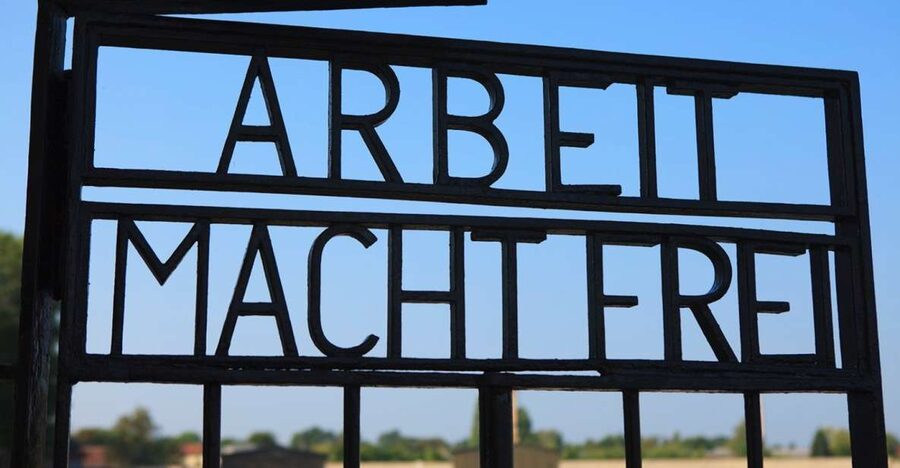
- A Tower roll-call point: you’ll learn how prisoners were processed and counted
- Station Z, added in 1942: the tour explains how killings were organized quickly and clinically
- National Memorial Sachsenhausen: museum space, personal accounts, photographs, and official documents
- Nazi-to-Soviet timeline: the site’s shift into a gulag is part of the story
- GDR memorial: a later layer of remembrance at the camp complex
More memorial and remembrance tours from Berlin
- Berlin: Sachsenhausen Concentration Camp Tour in English★ 5.0 · 5,711 reviews
- Berlin: Sachsenhausen Concentration Camp Memorial Tour★ 4.7 · 3,716 reviews
- Berlin: Sachsenhausen Concentration Camp Tour in English★ 4.8 · 1,889 reviews
- Sachsenhausen Concentration Camp Memorial Tour (Max. 15 Guests)★ 5.0 · 1,516 reviews
Meeting at Alexanderplatz: where your Spanish tour actually begins
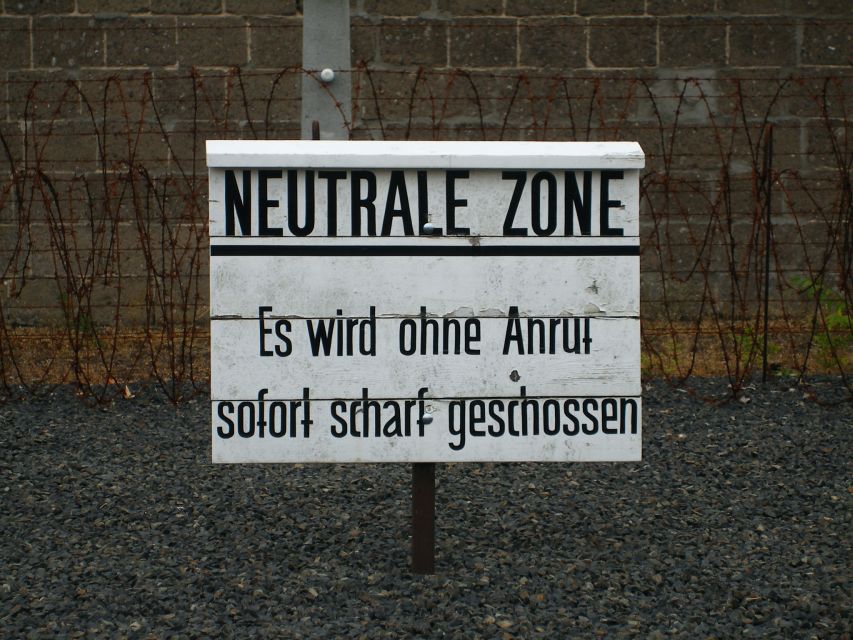
Your meeting spot is hard to miss once you know where to look. Find a green flag with the text tours en español next to the only entrance to the Berlin TV Tower (Fernsehturm) at Alexanderplatz. It’s between the Fernsehturm and the Alexanderplatz train station, beside Espresso House.
This matters more than you might think. For a 6-hour memorial tour, you want zero stress at the start so you can focus when the day turns serious. It also helps if you’re dealing with a new transit system or you’re traveling in Spanish—having a clear, in-person pickup point reduces the chance of wasting time.
From there, the group heads out of central Berlin by train. Plan on about 50 minutes of train time as part of the total tour length.
The bigger picture: why Sachsenhausen is more than a single tragedy
Sachsenhausen sits close enough to Berlin that it became part of the machinery of control early on. The Nazis designed it as a model camp, and it also became an administrative center for other concentration camps. That’s not just a label. It helps you understand why the camp’s structure feels so systematic—how rules, schedules, and paperwork translated into suffering.
The numbers are staggering: over 200,000 people passed through Sachsenhausen, and at least 50,000 died. You won’t just hear that in passing. The tour is built to explain what life in the camp would have been like, including the type of work prisoners were forced to do.
After the fall of Hitler, the story doesn’t end. The Soviets transformed Sachsenhausen into a gulag for their own prisoners. Seeing how the site changed hands is one of the key reasons this memorial tour feels weighty. You’re not asked to remember only one regime’s cruelty; you’re shown how state power can be repackaged into new forms while still using cages, forced labor, and mass incarceration.
The ride north: using the train time to get oriented
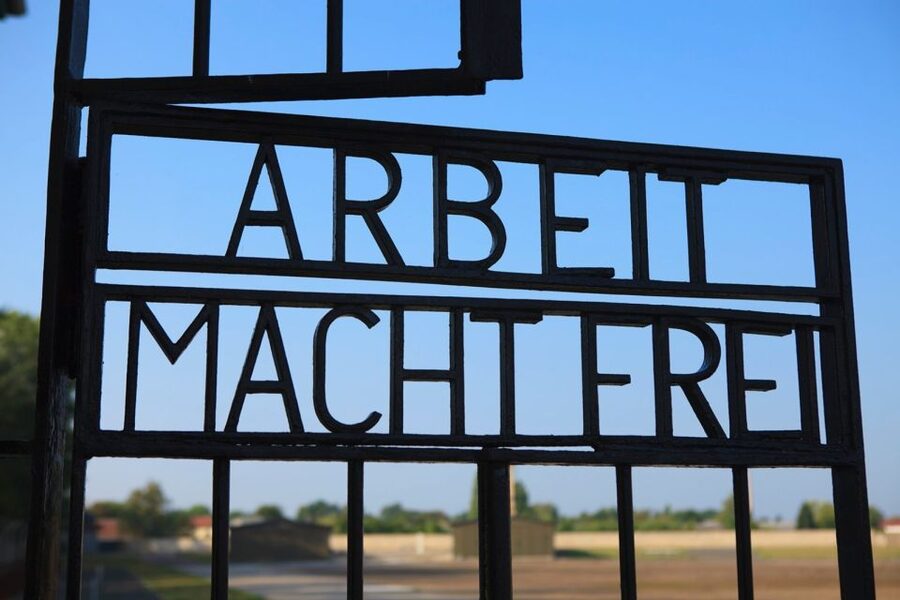
The about-50-minute ride out of the city gives you a useful reset. It’s not just travel time. It’s the moment when the guide can frame what you’ll see next in Spanish, and you can mentally switch gears from Berlin sightseeing to memorial thinking.
If you’re a first-time visitor to Germany—or you’re still getting comfortable with the language—this kind of pacing helps. In the feedback for this tour, people highlighted how the guide’s explanations made the camp’s workings easier to follow, including how it functioned from a legal/administrative angle. When a site is built on systems, that kind of explanation keeps you from feeling lost.
Practical tip: if you hate carrying bags, keep it simple. You’ll want your hands free for photos only where allowed, and you’ll likely move through multiple parts of the complex over the day.
A Tower: the roll-call system you can read in the space
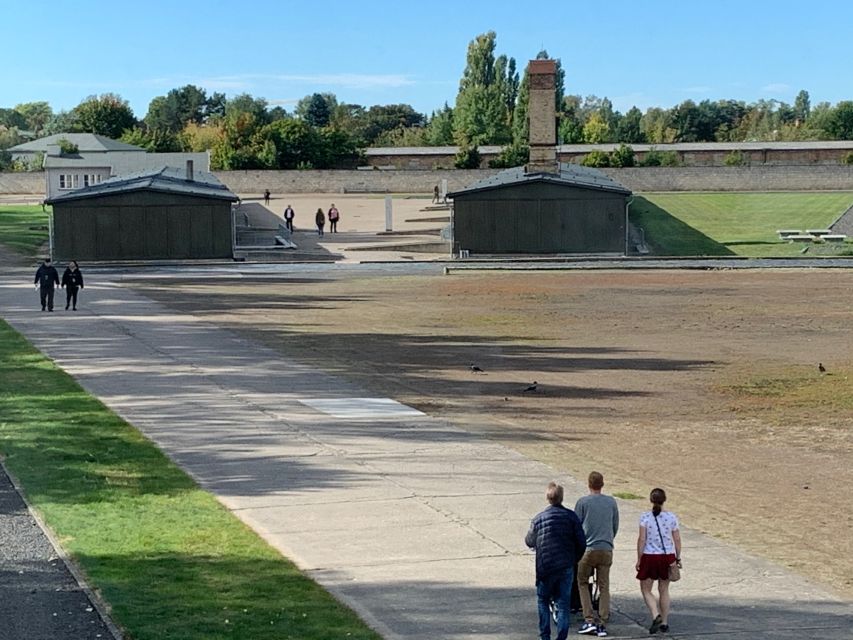
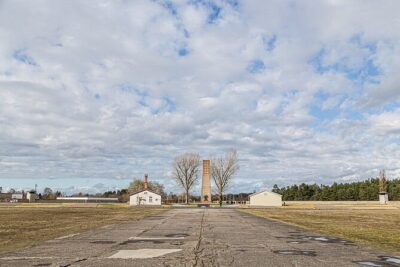
One of the tour’s core stops is the A Tower—described as the camp’s roll-call location. Standing where prisoners were counted and processed makes the idea of control feel physical. This isn’t history as a concept. It’s history as procedure.
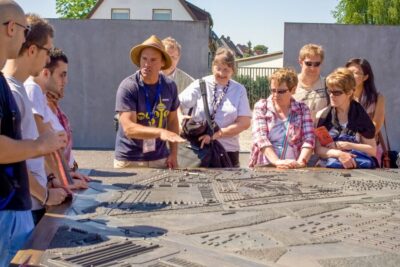
You’ll hear how the camp’s daily routine relied on constant monitoring and on that strict, repeatable rhythm. The guide uses the space itself—where people gathered, where schedules mattered, where power was positioned—to explain why even small actions in the camp had consequences.
What I like about how this tour frames A Tower is the way it connects structure to human reality. It’s not only about what happened; it’s about how the system was set up so harm could happen again and again without needing improvisation. That’s why the roll-call point is so central to understanding Sachsenhausen.

Station Z: 1942 and the idea of killing efficiently
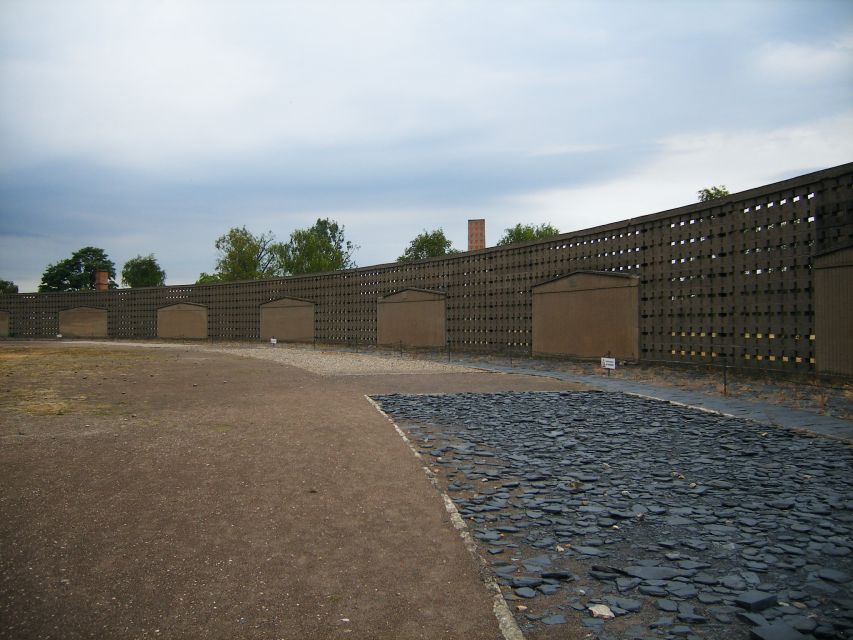
Then comes one of the most sobering parts of the memorial: Station Z. This section was added in 1942, and the tour explains its purpose as the killing of victims quickly and clinically.
The word clinically isn’t meant to soften anything. It’s meant to explain mindset: how human beings were turned into numbers that a system treated as tasks. Even if you know the Nazis were brutal, the way the tour ties the physical site to that intention can hit hard.
This is also where Spanish interpretation matters. A clear, direct explanation helps you stay with the facts rather than getting lost in emotional guesses. The goal isn’t shock for shock’s sake. It’s understanding how violence was organized.
If you get easily overwhelmed, give yourself permission to pause. Look, listen, and take breaks when you need them. This tour is designed to guide you through the story responsibly, but you still control your pace.
Museum and exhibits: documents, photos, and personal accounts in Spanish
Sachsenhausen isn’t only outdoor space. The memorial complex includes a museum and exhibits that help you place what you’ve just seen into a fuller picture.
The tour includes explanations supported by:
- personal accounts of survivors
- photographs
- official documents
That mix is important. Visual material helps you grasp scale. Documents help you understand procedure. Survivor accounts give you names, voices, and the lived effects behind the facts. And because the tour is in Spanish, you’re more likely to follow the details without relying on summaries or translation apps.
In feedback for this tour, one guide name came up repeatedly: Héctor. People praised his knowledge and his direct style, including the way he helped them understand how the camp operated even from a legal standpoint. Another note that stood out: on a very cold, windy day, Héctor adapted in a way that made the experience feel more connected to the atmosphere outside—again, not as performance, but as context.
The GDR memorial layer: remembering beyond the Nazi era
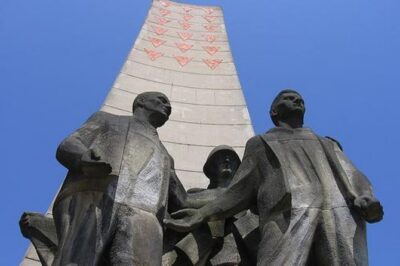
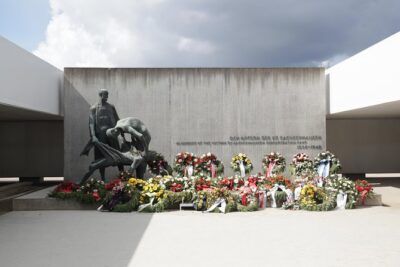
A lot of camp visits focus only on the Nazi years. Sachsenhausen has a later layer too, and this tour includes time at the GDR memorial area.
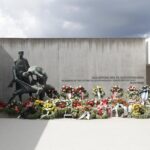
Why it matters: the camp complex’s history doesn’t stop at 1945. Since the Soviets transformed it into a gulag-style prison system after Hitler’s defeat, and since later decades shaped how the site would be remembered, the memorial becomes a multi-era space for education and mourning.
When you see the different layers on the same ground, you start to understand that memorial work isn’t only about facts. It’s also about how societies choose to remember, teach, and warn.
Food, weather, and comfort: how to handle 6 hours well
This is a 6-hour tour. A big chunk of that is walking through the memorial areas plus the train ride. You’ll want to dress like you’re spending time outside for a while, because you are.
The practical note I’d listen to closely: there’s no shop at Sachsenhausen, so it’s advisable to bring snacks and drinks. Even if you’re not a snack person, having something small helps you stay steady through the longer stretches.
Also consider your clothing. In winter, people mention cold and wind during this kind of visit, and that affects concentration. If you keep warm, you’ll process the Spanish explanations better and you won’t burn out early.
One more practical point: if you rely on your phone for everything, keep your booking confirmation handy. In feedback, it was suggested that having solid contact details from the start can be helpful if messages don’t go through smoothly through the app.
Cost and value: how the €3 surcharge fits in
The price listed is $41 per person, and the tour includes a concentration camp foundation surcharge of €3. That matters because it signals you’re paying not just for a guide, but for the memorial’s educational support.
What’s not included is equally important: you need a public transport ticket covering zones ABC. So your real cost is the tour price plus your transit ticket.
Is it good value? For me, the answer is yes—if you care about accurate context. You’re paying for a structured 6-hour experience with a Spanish-speaking guide and access to the key interpretive areas (A Tower and Station Z) plus museum/exhibits. Independent visits can be done, but you’d have to do a lot more reading and translating to reach the same level of clarity.
Who should book this Spanish Sachsenhausen tour
This tour makes the most sense if you want:
- a Spanish-speaking guide so you can follow details
- a guided walkthrough of the A Tower and Station Z parts of the memorial
- a story that connects Nazi camp systems with the later Soviet gulag transformation
- museum time with survivor accounts, photos, and documents
It’s also a strong choice if you’re new to Germany and want a guided structure rather than figuring everything out on your own. In one piece of feedback, people said the experience worked especially well because the guide explained not only what happened, but how the system operated.
If you’re extremely sensitive to graphic subject matter or you’re unsure you can handle an intense memorial setting for several hours, consider shortening your day plan. But note: this tour’s structure tends to keep you informed and grounded rather than leaving you to wander alone.
Should you book this 6-hour Spanish tour?
I’d book it if your goal is understanding, not just sightseeing. The combination of A Tower, Station Z, and museum materials gives you a full view of how Sachsenhausen functioned across time. Plus, the Spanish-language interpretation makes the difference between a memorial you sort of understand and one you really grasp.
I’d think twice only if you’re not prepared for long, serious outdoor time and you’d rather be somewhere with cafes nearby. If you plan for snacks, dress for weather, and give yourself breaks, this tour has the kind of clarity that sticks with you.
FAQ
FAQ
Where is the meeting point for the Sachsenhausen tour in Spanish?
You’ll meet next to a green flag that says tours en español, by the only entrance to the Fernsehturm (TV Tower) at Alexanderplatz. It’s between the TV tower and Alexanderplatz train station, beside Espresso House.
How long is the tour?
The tour lasts 6 hours.
Is the guide speaking Spanish?
Yes. The live tour guide speaks Spanish.
Do I need a public transport ticket?
Yes. You need a transport ticket covering zones ABC.
How long is the train ride?
The train ride to the northern outskirts of Berlin takes about 50 minutes.
What parts of Sachsenhausen will I see?
The tour includes the A Tower, Station Z, the National Memorial Sachsenhausen, the museum, various exhibits, and the GDR memorial.
Is there a shop at Sachsenhausen?
No shop is mentioned on site, so it’s advisable to bring snacks and drinks.
What’s included in the price?
Included are the full tour of Sachsenhausen with a Spanish-speaking guide and a concentration camp foundation surcharge of €3.
Is the tour wheelchair accessible?
Yes, it is wheelchair accessible.
Can I cancel for free?
Yes. You can cancel up to 24 hours in advance for a full refund.
Does reserve & pay later work?
Yes. You can reserve now and pay later to keep your plans flexible.
More Tours in Berlin


More Tour Reviews in Berlin
Sachsenhausen and Remembrance
Round out your days in Berlin
Sachsenhausen Memorial, compared.
 ★ 5.0Sachsenhausen Concentration Camp Tour in EnglishFrom $365,711 reviews
 ★ 4.7Sachsenhausen Concentration Camp Memorial TourFrom $213,716 reviews
 ★ 5.0Sachsenhausen Concentration Camp Bus Tour in English from BerlinFrom $681,962 reviews
★ 4.8Sachsenhausen Concentration Camp Tour in EnglishFrom $221,889 reviews
★ 5.0Sachsenhausen Concentration Camp Bus Tour in English from BerlinFrom $681,962 reviews
★ 4.8Sachsenhausen Concentration Camp Tour in EnglishFrom $221,889 reviews
 ★ 5.0Sachsenhausen Concentration Camp Memorial Tour (Max. 15 Guests)From $351,516 reviews
 ★ 4.9English Bus Tour to Sachsenhausen Concentration CampFrom $551,380 reviews
 ★ 4.6Sachsenhausen Concentration Camp and Potsdam TourFrom $651,334 reviews
 ★ 5.0Sachsenhausen concentration camp.From $341,189 reviews
Browse the lists this tour appears in