
REVIEW · STREET ART & ALTERNATIVE BERLIN
Berlin: Street Art and Alternative Tour
Street art here is politics on concrete. This 3-hour walk connects Berlin’s Cold War story to the way Kreuzberg’s murals still speak today, from big Wall-era panels to small hidden tags you’d miss on your own.
What I like most is the way the tour keeps art tied to real life: history, economics, and social change, not just pretty spray paint. I also really enjoy the small-group pace, which makes it easier to ask questions and get clear explanations from a French- or Italian-speaking guide.
One thing to plan for: it’s a walking tour, so you’ll want comfortable shoes, and you must buy a 24-hour AB transit ticket because public transport isn’t included.
In This Review
- Key things to watch for on this street art walk
- Why Berlin’s street art feels different on this tour
- Kreuzberg: where alternative culture and murals share the same roots
- Friedrichshain and the Wall’s afterlife: why scale matters
- The East Side Gallery: when the Wall becomes a mural wall
- How the guides shape the experience (and why that matters)
- Walking pace and what to expect during the 3 hours
- Price and value: $31 for context-driven street art
- What to bring and transit tips that save time
- Who this tour is best for
- Should you book this Berlin Street Art and Alternative Tour?
- FAQ
- How long is the Berlin Street Art and Alternative Tour?
- How much does the tour cost?
- Is this a walking tour?
- What language are the guides?
- What is included in the price?
- Do I need public transport for this tour?
- Where does the tour start?
- What should I bring?
- Is there free cancellation?
- Is it good for small-group attention?
Key things to watch for on this street art walk
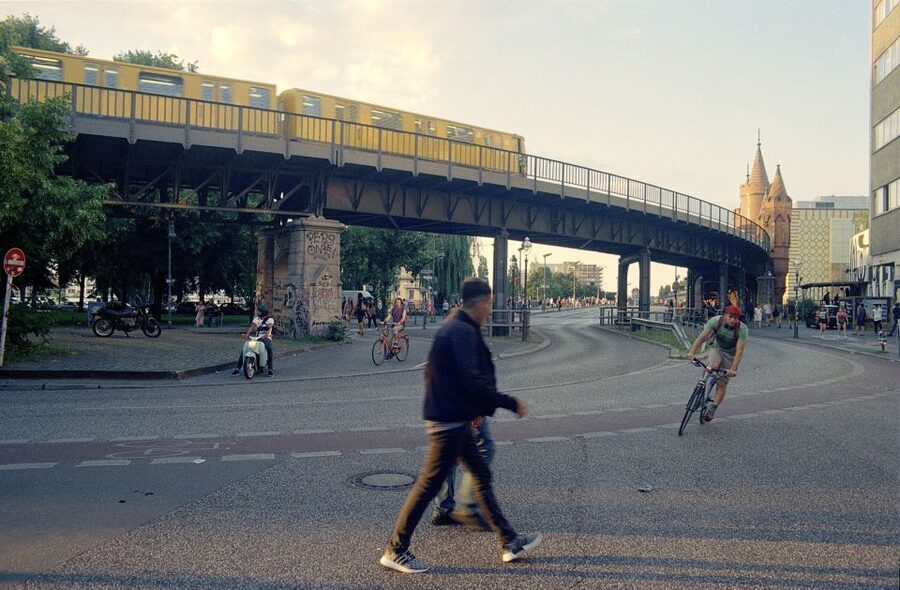
- Kreuzberg’s alternative quarter: you’ll see why this neighborhood became a magnet for underground culture
- Cold War to today: the murals are explained as living commentary, not museum pieces
- East Side Gallery time: you get the Wall story where it’s most visible and most studied
- Huge pieces and tiny details: look for both the big works and the little art in corners and courtyards
- Guide-led context: you’ll hear the city’s shifts, including what happened after 1989 and what’s happening now
More murals and back-street Berlin
- Berlin: City Street Art Guided Walking Tour★ 4.8 · 1,051 reviews
- Berlin: 3-Hour Street Art Tour★ 4.7 · 778 reviews
- Berlin: Alternative Bike Tour of Kreuzberg & Friedrichshain★ 4.7 · 548 reviews
- Berlin Off-the-Beaten-Path Walking Tour: Kreuzberg, Mitte and Friedrichshain★ 5.0 · 412 reviews
Why Berlin’s street art feels different on this tour
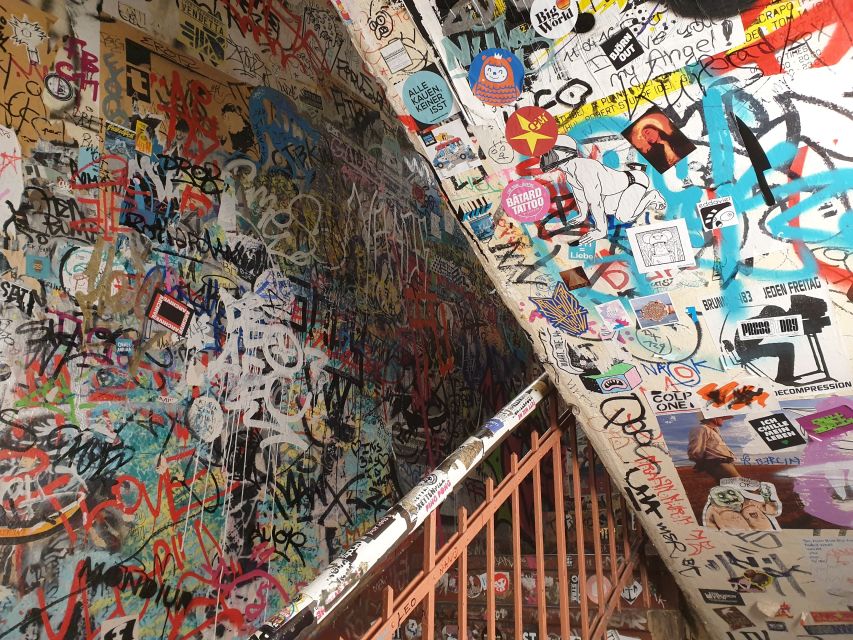
Berlin street art isn’t just decoration. The city’s past is carved into it. This tour frames the murals around the Cold War border—along the wounds of the Wall—where art and politics got tangled together long before “street art tours” became a thing.
You’ll walk through areas where murals act like local history. The goal is simple: you see colors and you also understand the stories behind them. The best parts are the moments when you realize the same wall that once divided people later became a surface for voices, demands, and identity.
And because this is built as a 3-hour small-group walk, you don’t just glance at buildings and move on. You get enough time to notice scale, placement, and mood—and then connect it back to what shaped Berlin after 1989.
Kreuzberg: where alternative culture and murals share the same roots
Kreuzberg is often the shorthand for Berlin’s offbeat side, and this tour uses it for a reason. You’ll spend time in an alternative quarter where street art sits inside the neighborhood’s changing identity—between past struggles and present-day pressures.
What you’re going to like here is how the tour treats art as a response to the city. Berlin’s story after the Wall fell wasn’t instant progress and happy reunions. It came with big economic and social shifts. The guide’s job is to connect those shifts to what you see on the walls—why certain styles show up, why certain messages stick, and why the street becomes a place to argue, remember, or claim space.
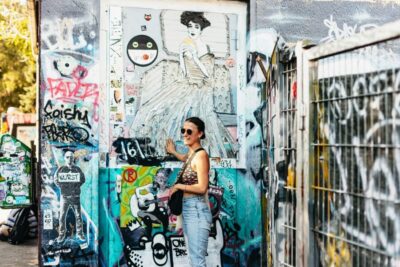
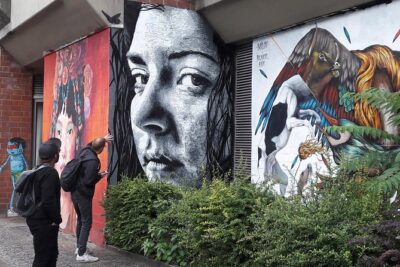
You’ll also catch the contrast between the obvious and the easy-to-miss. The tour description points out that there are gigantic works between buildings in areas such as Kreuzberg and Friedrichshain, alongside small pieces wedged into corners and hidden along courtyards. On your own, you might spot one mural and miss the rest. With a guide giving context, you start to read the whole street like a gallery.
If you’re the kind of person who enjoys architecture at street level—doorways, courtyards, alley angles—this part pays off. The art often makes those spaces feel like part of the narrative, not just backdrops.
Friedrichshain and the Wall’s afterlife: why scale matters
Even when the tour is focused on street art, it keeps circling back to the Wall. Berlin’s Wall-era split created conditions where people found creative ways to make statements. After 1989, the city went through a major reset, but the markings didn’t vanish—they transformed.
That’s why the tour calls out large works that appear between buildings in Kreuzberg and Friedrichshain. Scale is part of the message here. Big walls and wide facades don’t just show off artistic talent; they create public visibility. They turn private feelings into something the whole street has to deal with.
You’ll also notice how the tour doesn’t treat this as a fixed “past.” It explicitly connects the post–Wall fall period up to the current phase of gentrification. That matters because street art in Berlin isn’t only about remembering. It’s also about who gets to belong in the city now, and how neighborhoods change when rents, demographics, and attention shift.
There can be a slight risk that you’ll want more time in the alleys and courtyards once you start seeing details. The walk is only three hours, so the pace is meant to hit the highlights. Still, the context helps you know where to look once the tour ends.
The East Side Gallery: when the Wall becomes a mural wall
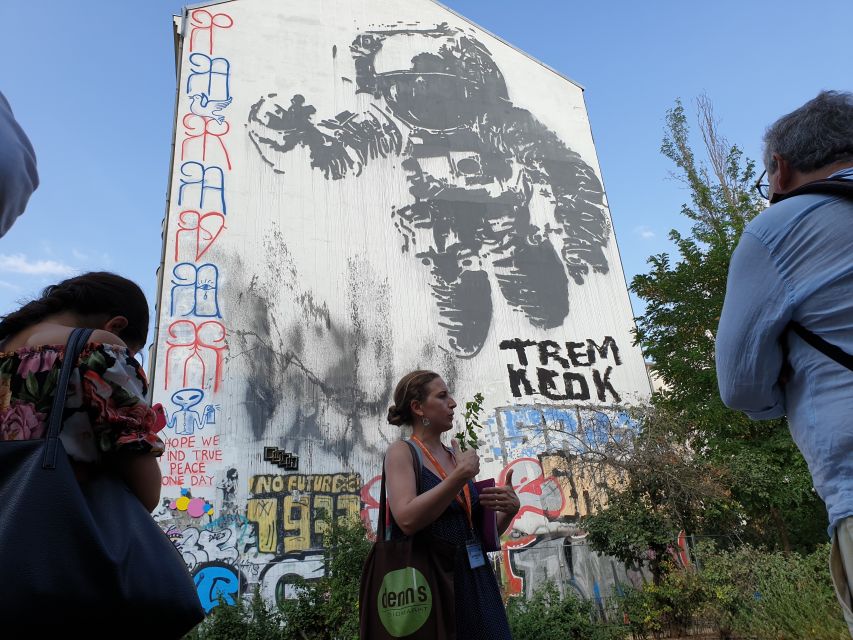
The East Side Gallery is the obvious stop on any Wall-and-art-focused itinerary, and this tour includes it for good reason. This is where the Wall’s physical presence makes the art impossible to detach from history. You’re not only seeing street art. You’re seeing what happens when a barrier turns into a long-lasting public canvas.
What makes this portion valuable is the framing. The tour explains the Cold War background and then shows how that history fed Berlin’s alternative culture. Standing in front of Wall-era work, it becomes easier to understand why Berlin later earned a reputation as a hub for underground expression and why street art became a kind of street-level communication.
A practical note: plan to slow down your pace here. The East Side Gallery is the kind of place where your eyes start moving fast—over layers, colors, and panels—so it’s worth taking a few pauses to really look. The guide’s explanations help you connect what you’re seeing to the city’s shifts over time, including what happened after 1989 and what’s happening more recently.
If you’re short on time in Berlin, this stop alone is a strong reason to book. It’s also one of the easiest ways to turn street art into a clearer story, not just a photo moment.
More Berlin tours to line up side by side



How the guides shape the experience (and why that matters)
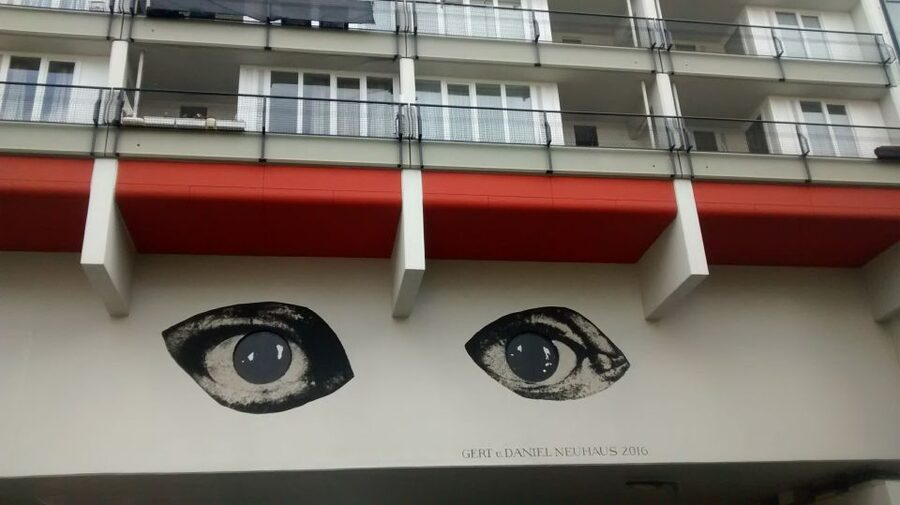
This tour includes a live guide speaking French or Italian. That language choice matters more than you might think. Street art messages can be political, slang-heavy, or culturally specific. Having a guide who can explain what you’re looking at—and why it was created—changes the whole experience.
In the guide pool, you may meet people like Antonella and Iacopo, who are described as highly prepared and enthusiastic about the city’s story. Others named include Martin, and Marie, who are credited with making the street art and the neighborhood feel easier to understand. Even without knowing which guide you’ll get, the key point stays the same: you’re not just following someone around. You’re getting an interpretation.
That interpretation is what turns random walls into a meaningful walk. It also makes the questions worthwhile. If you care about how politics shows up in design, how communities express identity in public space, or how Berlin’s “alternative” reputation actually formed, you’ll get more out of this tour than a generic photo stroll.
Walking pace and what to expect during the 3 hours
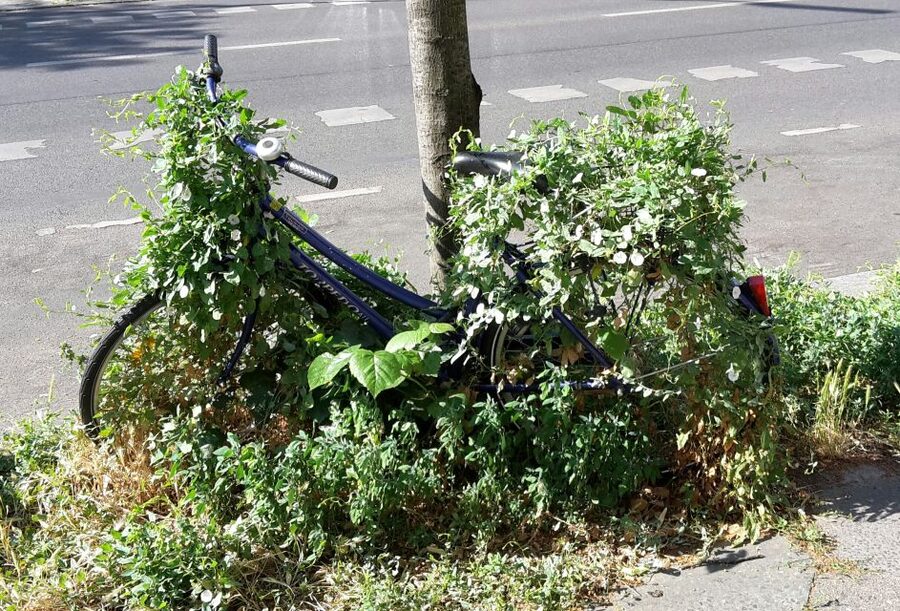
This is built as a small-group walking tour with a total duration of 3 hours. In practical terms, that means you’ll cover enough ground to see multiple neighborhoods, but you won’t spend so long in one spot that you feel exhausted or lost.
You can expect a rhythm like this:
- a set-up of the context (why Berlin’s division shaped alternative culture),
- focused time in Kreuzberg,
- then movement toward the Wall-linked experience at the East Side Gallery,
- and finishing with enough room to connect what you’ve seen back to the big picture, including changes after 1989 and today’s neighborhood pressures.
Because meeting point can vary by option, don’t assume it’s a single universal location. Double-check your confirmation before you leave your hotel. Also, the guide will be doing more talking than you might get on a “just show me the murals” walk, so arriving ready with good shoes is more important than you might expect.
Price and value: $31 for context-driven street art
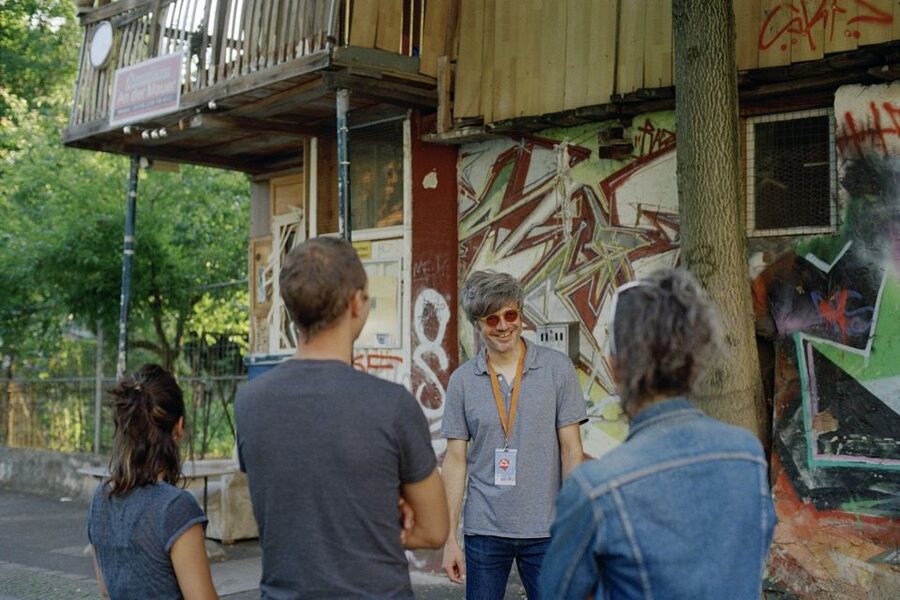
At about $31 per person for three hours, this is priced like a practical city experience rather than a premium museum tour. The value comes from two things you don’t easily replicate on your own: a trained guide connecting art to history, and a route that prioritizes neighborhoods where the story is visible.
The cost becomes a bit more meaningful when you include transit. Public transport isn’t included, and you’ll need a 24-hour AB ticket for the day. That’s a fair add-on cost, especially if you’re already planning to use Berlin’s network.
Still, compared to paying for multiple separate experiences, this offers a concentrated slice of what makes Berlin feel different. Instead of collecting random street art photos, you leave with a clearer sense of how Berlin’s wounds became a creative surface—and how that creativity continues to negotiate identity in today’s changing city.
What to bring and transit tips that save time
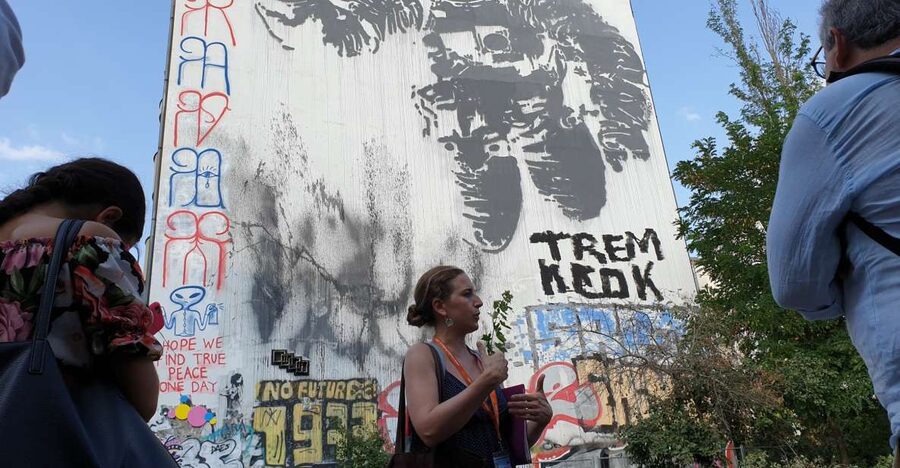
Bring comfortable shoes. This is the simplest “must-do” on the list, and it’s real. You’ll be walking long enough that uncomfortable footwear becomes a distraction, especially when you want to stop for views or to read details on walls.
For transit, remember the AB ticket rule. You’ll need a 24-hour AB public transport ticket to cover your ride during the tour. That’s not included, so plan to buy it before you head out. This avoids the awkward start where you’re trying to sort out tickets while everyone else is already moving.
Meeting point may vary depending on your booking option, so verify where to meet. If you’re coming from far away, build in a few extra minutes to reduce stress.
Who this tour is best for
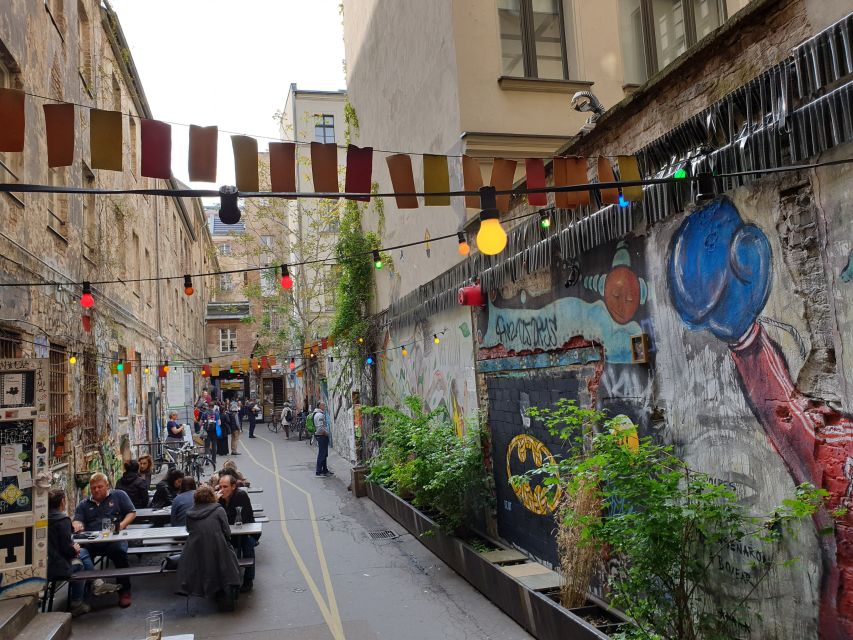
This tour is a great fit if you want Berlin street art with context. It’s also ideal if you enjoy the idea of history showing up in unexpected places—on walls, in courtyards, and along streets—rather than only in monuments.
You’ll probably enjoy it if:
- you like alternative culture and want to understand why Berlin became a center for it,
- you care about the relationship between art and politics,
- you want to connect the post–Wall period to what you see now, including gentrification.
If you only want an action-packed sprint with maximum photos and minimal explanations, you might feel this is slower than expected. But if you enjoy meaning as much as visuals, this is exactly the kind of walk that rewards attention.
Should you book this Berlin Street Art and Alternative Tour?
Book it if you want street art that comes with a story you can actually use while you’re exploring Berlin on your own. The strongest reason is the tour’s focus on why Berlin’s alternative culture formed and how murals link back to the Cold War, the fall of 1989, and today’s neighborhood changes.
Skip it only if you’re mostly after quick photo stops and don’t care about explanations. In that case, you could piece together your own Wall-and-mural route. But if you want the art to make sense—politically, socially, and historically—this is a smart, affordable way to get there in just three hours.
FAQ
How long is the Berlin Street Art and Alternative Tour?
The tour lasts 3 hours.
How much does the tour cost?
It costs $31 per person.
Is this a walking tour?
Yes. It’s a walking tour with a small group.
What language are the guides?
The guide speaks French or Italian.
What is included in the price?
The price includes the walking tour with a small group and a live guide (French or Italian).
Do I need public transport for this tour?
Yes. You need to purchase a 24-hour AB public transport ticket for the day because it’s not included.
Where does the tour start?
The meeting point may vary depending on the option booked, so check your confirmation.
What should I bring?
Wear comfortable shoes.
Is there free cancellation?
Yes, you can cancel up to 24 hours in advance for a full refund.
Is it good for small-group attention?
It’s designed as a small-group walking experience, which helps make the explanations easier to follow.
More Tours in Berlin


More Tour Reviews in Berlin
Street Art and Alternative Berlin

Round out your days in Berlin
Street Art & Alternative Berlin, compared.
 ★ 4.6Alternative Berlin Walking TourFrom $291,204 reviews
 ★ 4.8City Street Art Guided Walking TourFrom $231,051 reviews
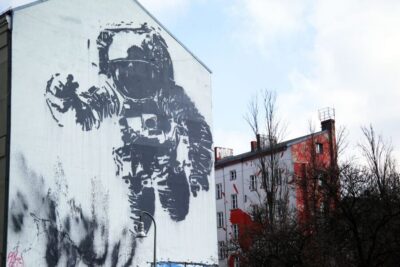 ★ 4.73-Hour Street Art TourFrom $23778 reviews
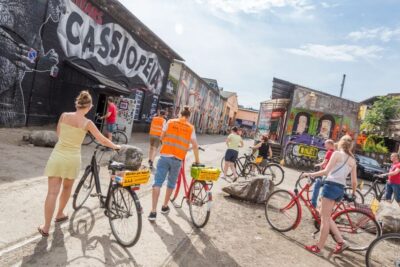 ★ 4.7Alternative Bike Tour of Kreuzberg & FriedrichshainFrom $41548 reviews
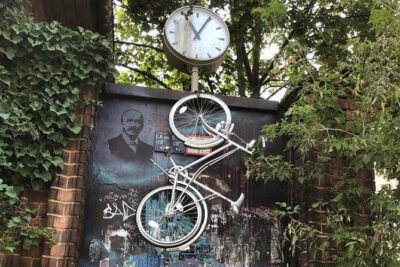 ★ 5.0Berlin Off-the-Beaten-Path Walking Tour: Kreuzberg, Mitte and FriedrichshainFrom $30412 reviews
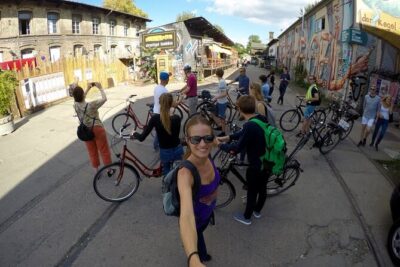 ★ 4.8Experience the Alternative Kreuzberg on a Bike TourFrom $41395 reviews
 ★ 5.0Berlin Street Art Walking Tour – Off The GridFrom $24270 reviews
 ★ 5.0East Meets West: Berlin Food Culture & Street ArtFrom $169157 reviews
Browse the lists this tour appears in