
REVIEW · BERLIN WALL & COLD WAR
Berlin Wall: Small Group Guided Tour
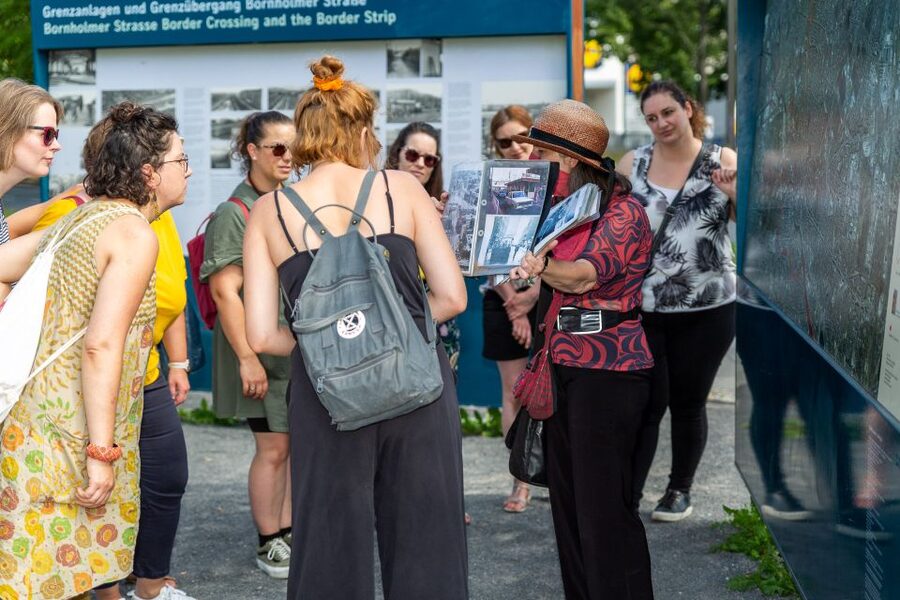
The Wall keeps its secrets in plain sight. On this small-group walk, you’ll trace the former border at Bornholmer Straße and along the old death strip, where even the smallest traces matter. I like how the tour connects big turning points to specific places, and I really like the way the route includes details you’d miss on your own, like the cherry-tree line and the Ulbrichtkurve bend.
One thing to plan for: this is an all-weathers outdoor walk. If rain shows up, you’ll need the provided poncho and you should dress for wet sidewalks. Also, there’s a minimum-group rule, and in at least one recent case the lack of short-notice communication hurt—so check messages close to departure.
In This Review
- Key highlights you’ll feel on the walk
- Bornholmer Straße to the Wall Memorials: where the border “opened” in your mind
- Berlin Wall Memorial stop: traces, documentation, and the cherry-tree line
- Ulbrichtkurve and the death strip: learning to read the ground
- Mauerpark and Schwedter Steg Bridge: from former constraints to present-day public space
- Chapel of Reconciliation: turning a route into a reflection stop
- Gleim Tunnel and the annual party: how history keeps being used
- Berlin Nordbahnhof: ending at a former ghost station
- Small-group format, $24 price, and what’s actually included
- Getting there and staying comfortable for all-weather walking
- The main reason it works: story clarity and which side you’re standing on
- One potential snag to watch for: short-notice cancellation communication
- Who should book this Wall walk—and who might prefer something else
- Should you book this Berlin Wall: small group walk?
- FAQ
- How long is the Berlin Wall: Small Group Guided Tour?
- Where do I meet the guide?
- What’s the tour language?
- Is food included?
- Does the tour run in bad weather?
- Is there a cancellation deadline?
- Can I reserve and pay later?
- What if the minimum number of participants isn’t reached?
Key highlights you’ll feel on the walk
- Bornholmer Straße: the border crossing tied to the day the wall fell
- Cherry trees along the former death strip: a strange, memorable line of symbolism
- Ulbrichtkurve: a famous bend that helps you picture how the border worked
- Schwedter Steg Bridge near Mauerpark: a strong contrast between history and everyday life
- Gleim Tunnel: a dark past site that hosts a big annual party
- Nordbahnhof: ending at a former ghost station instead of just looping back
More of the Wall and the divided city
- Berlin’s Best: 2 Hour Walking Tour Third Reich and the Cold War★ 5.0 · 5,486 reviews
- Skip-the-Line: Berlin Wall Museum at Checkpoint Charlie★ 4.1 · 2,041 reviews
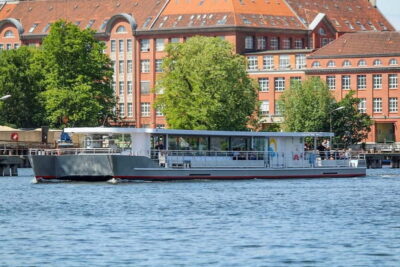
- Berlin: East Side Gallery Spree Cruise in a Solar Catamaran★ 4.1 · 1,086 reviews
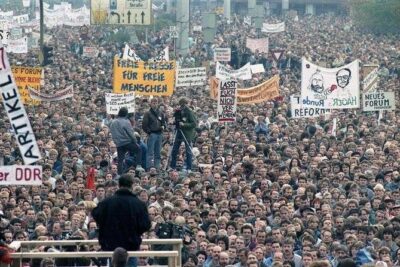
- Cold War, Berlin Wall, Spies and the East Side Gallery★ 5.0 · 1,024 reviews
Bornholmer Straße to the Wall Memorials: where the border “opened” in your mind
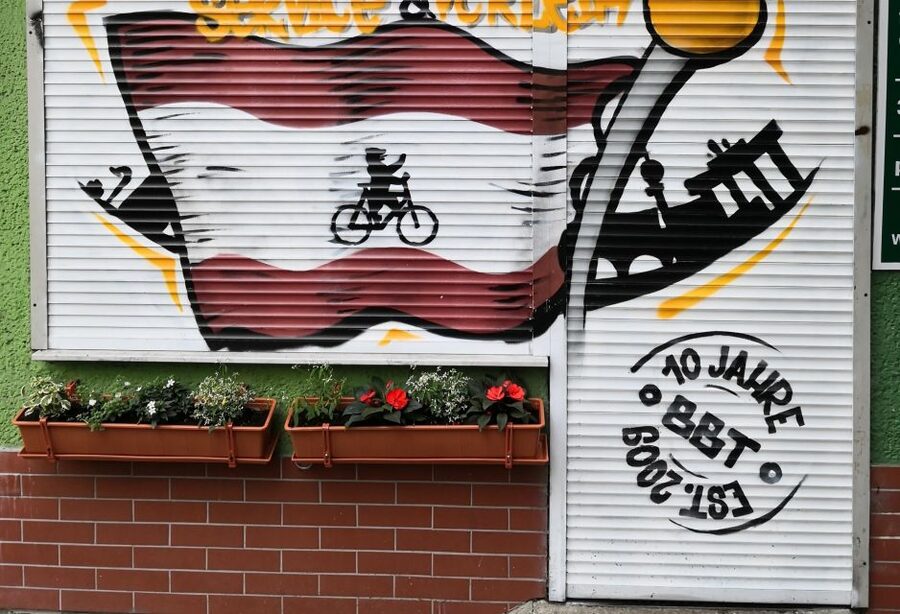
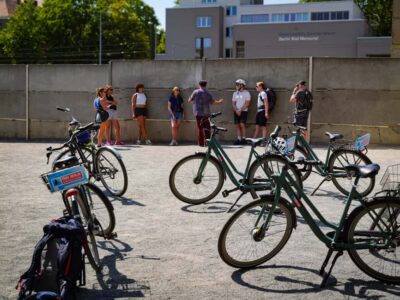
This tour is built around one simple idea: the Berlin Wall isn’t just a wall. It’s geography. It’s angles. It’s lines on the ground. You start at the Berlin Bike Tours office at BBT – Fahrradladen, Fahrradwerkstatt & Fahrradverleih, and from there you head straight to Bornholmer Straße, a crossing steeped in the moment East and West Berliners came together when the wall fell and Germany was reborn.
What I like is how the tour keeps the story anchored. Instead of treating history like a slideshow, you stand where events unfolded. That matters because the Wall felt different depending on the exact place. Here, at a major crossing, the atmosphere changes from impersonal to human-fast.
The route also has a built-in rhythm for understanding. You walk, stop, and then you re-scan what you’re seeing with fresh eyes. That’s when the small markers along the former border become meaningful—especially the “traces” people often miss.
Berlin Wall Memorial stop: traces, documentation, and the cherry-tree line
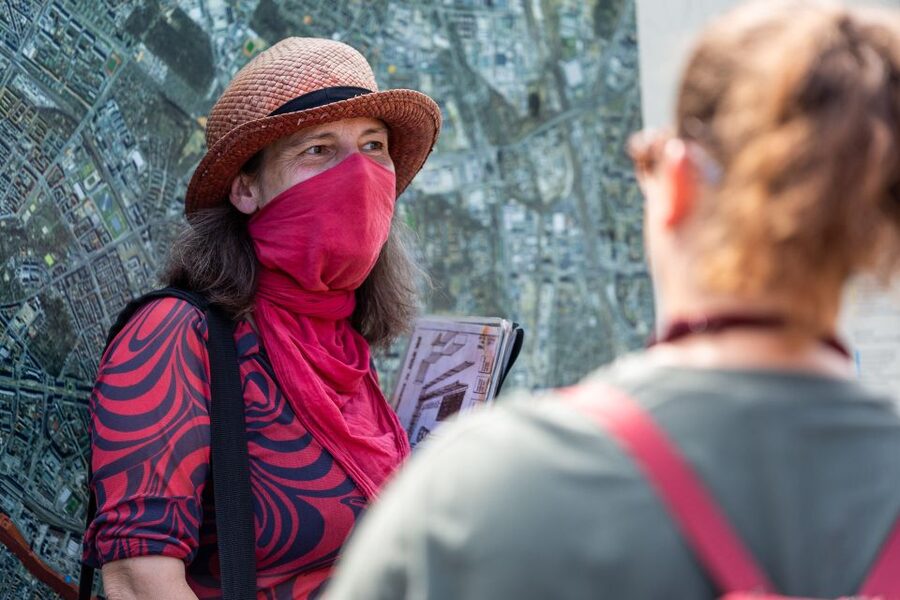
At the Berlin Wall Memorial, you’re not only looking at what’s left—you’re learning how traces get recorded and explained. The tour focuses on where remnants can be subtle, sometimes even only detectable by experts. That’s a helpful concept for you, because it changes how you look even after the tour ends.
Then comes one of the strangest, most effective details: the cherry trees that grew along the line where the death strip once ran. It’s a memorable counterpoint—life continuing along a space designed to prevent life. You also get context on how the trees fit into the story of the border area over time, which turns a pleasant sight into a history lesson you actually remember.
A good sign: guides in this format tend to make the Wall feel close, not distant. Past guides named Katrin and Ferenc have been praised for making the story vivid and personal, and for keeping the route clear about which side of the border you’re on while walking.
Ulbrichtkurve and the death strip: learning to read the ground
One of the best parts of this itinerary is the section focused on the old border layout, including the Ulbrichtkurve—a well-known bend—and the walk along the former death strip. This is the spot where you’ll start understanding that the Wall wasn’t only a barrier. It was a system.
The tour highlights how the border area worked in practice, using the layout to explain things you can’t fully grasp just from photos. You’ll be encouraged to pay attention to where walls and borders aligned, and why certain corners and segments were so significant.
Here’s the practical takeaway: you’ll leave with an ability to “decode” what you see in Berlin neighborhoods that once felt like no-man’s land. And you’ll probably notice similar patterns elsewhere in the city the next day, because your eyes got trained.
Mauerpark and Schwedter Steg Bridge: from former constraints to present-day public space
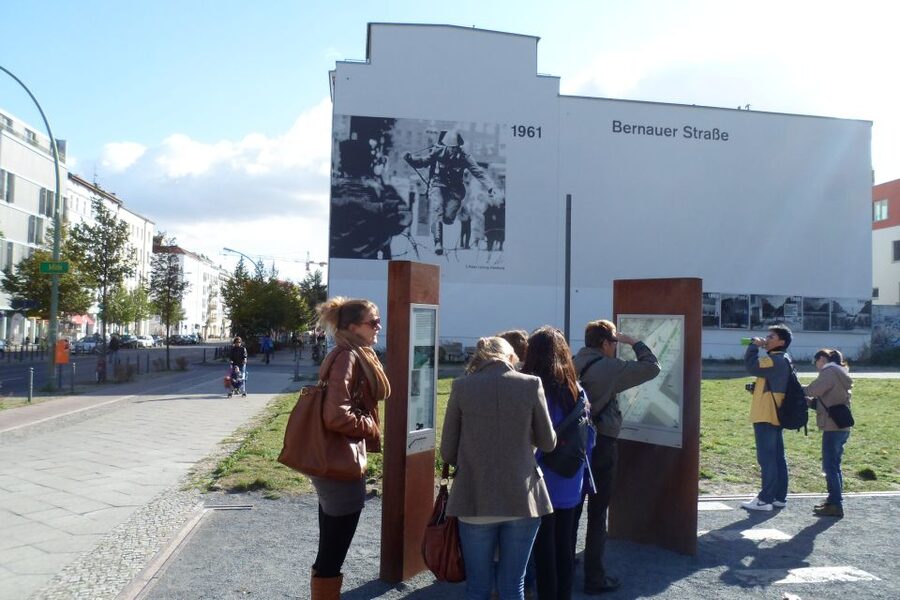
After the Wall Memorial area, the route turns toward Mauerpark—today one of Berlin’s more active social spaces. That contrast is part of the value. You’ll walk toward the Schwedter Steg Bridge near Mauerpark, and the bridge crossing helps you understand movement and viewpoints: who could see what, where the routes funneled, and how access has changed.
This section often lands well because it’s not all heavy. There’s room for normal life to show up while you’re still talking history. The tour even builds in time for a break—there’s a moment to relax over coffee along the way—so you don’t feel like you’re sprinting through a timeline.
If you like learning history through daily city settings, this is a strong moment. You’re not just looking at a monument; you’re walking through a neighborhood that has absorbed the past and repurposed it.
More guided walks through Berlin




Chapel of Reconciliation: turning a route into a reflection stop
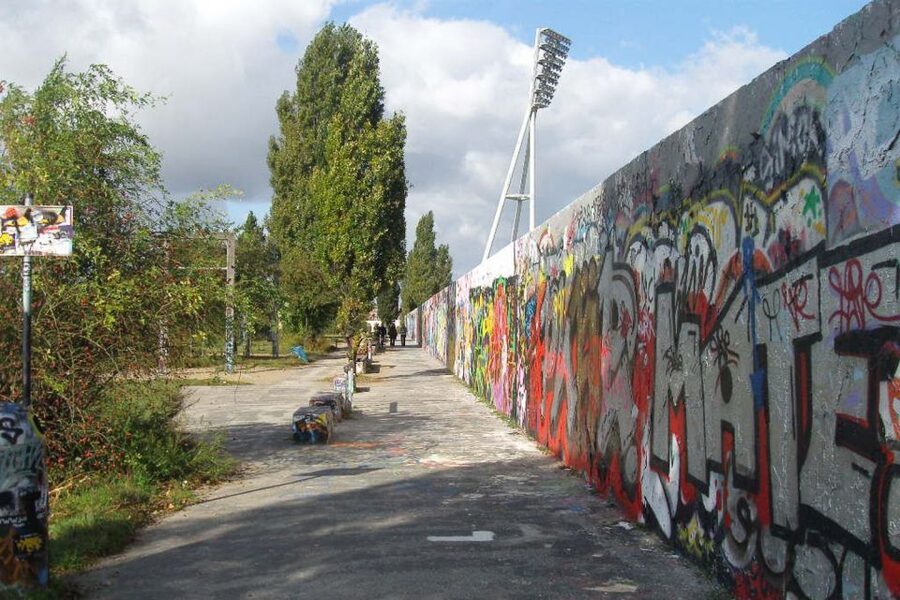
One of the scheduled sightseeing stops is the Chapel of Reconciliation. It’s a different kind of stop from the Wall traces: instead of markers on the ground, it’s about memory and moral repair.
This is the kind of place that benefits from a guide who can connect the location to the broader story. The Chapel works best as a pause—not a long detour. It helps the tour feel like more than geography. You start to see why Berlin’s Wall sites matter in how the city talks about identity, conflict, and responsibility.
Expect the guide to keep the focus on meaning without turning the stop into a lecture you’d only remember halfway through.
Gleim Tunnel and the annual party: how history keeps being used
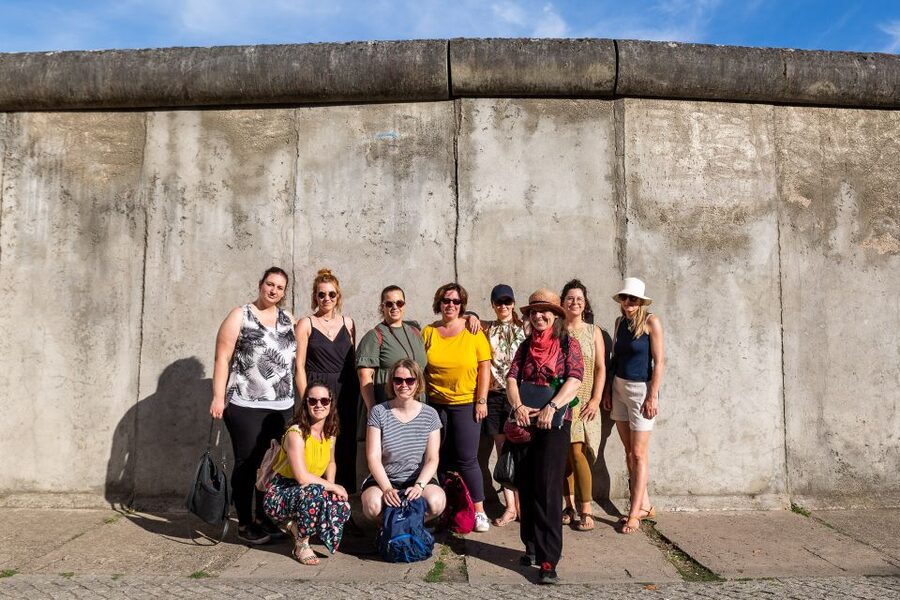
The tour includes a visit to the Gleim Tunnel, a spot where a huge party happens every year. That sounds almost too fun for a Wall-era story, but it’s exactly why this stop works.
You’ll get the sense that Berlin doesn’t treat Cold War infrastructure as untouchable museum glass. People use it, adapt it, and in a way, keep it from becoming a dead end. The result is memorable: you’re learning about confinement and surveillance, and then you’re seeing how the space becomes a venue again—people gathering rather than people being trapped.
If you’ve ever wondered how post-conflict cities stay alive, this is a very practical example.
Berlin Nordbahnhof: ending at a former ghost station
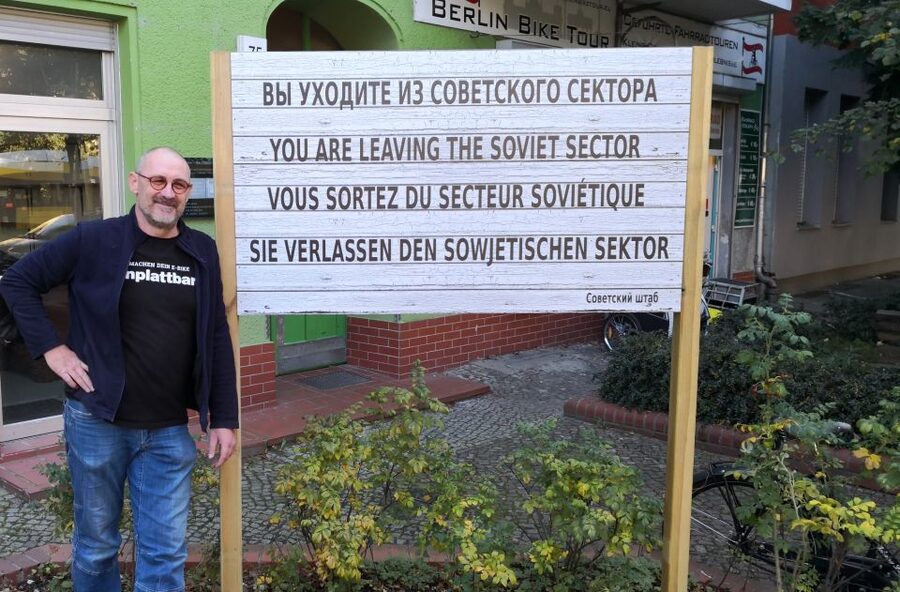
The walk ends at Berlin Nordbahnhof, described as a former ghost station. That label matters because you don’t just end at a nice transit stop—you end in a place that once captured the feeling of separation.
This ending point is good value for your time. Many Wall tours stop earlier with just a monument and a quick return. Here, the finish is a location that helps you close the loop: you start at a border crossing tied to dramatic change, and you end at a station space shaped by exclusion.
If you want something that sticks in your mind, “ghost station” is the kind of phrase that turns into a mental image while the guide ties it back to the Wall’s system.
Small-group format, $24 price, and what’s actually included
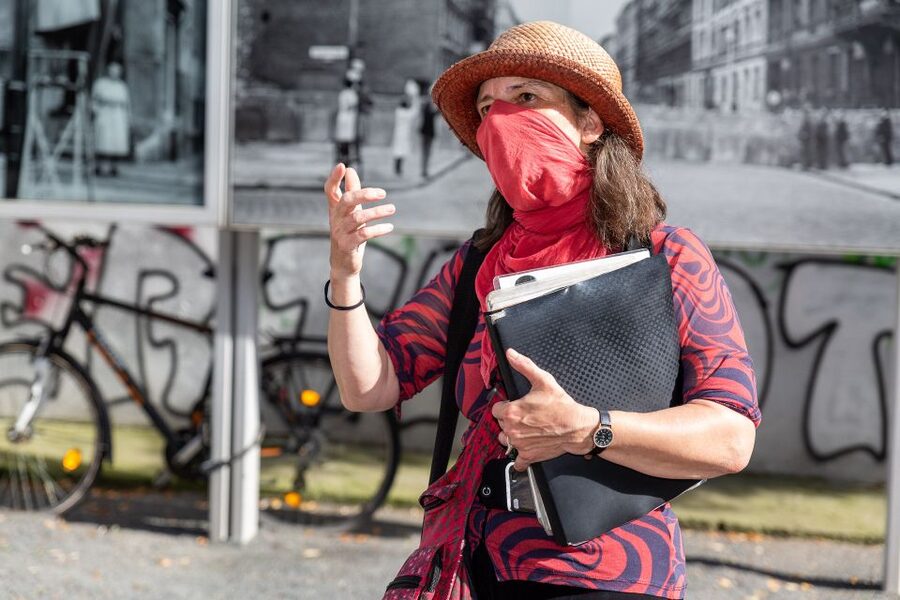
The price is $24 per person for a 2.5-hour guided walk. For Berlin, that’s the kind of cost where you’re paying for time, local guidance, and a route that already does the hard thinking for you. The tour includes a guide, extras, and a rain poncho if necessary. Food and drink are not included.
That matters for planning. You might see or be pointed toward a coffee break along the way, but you should still treat it as a day where you’ll want to buy your own snacks or drinks if you need them.
Also note the tour is guided in German. That’s a real decision point. If you don’t read or understand German, you might be able to follow along only partially, unless the guide’s explanations match your level.
Getting there and staying comfortable for all-weather walking
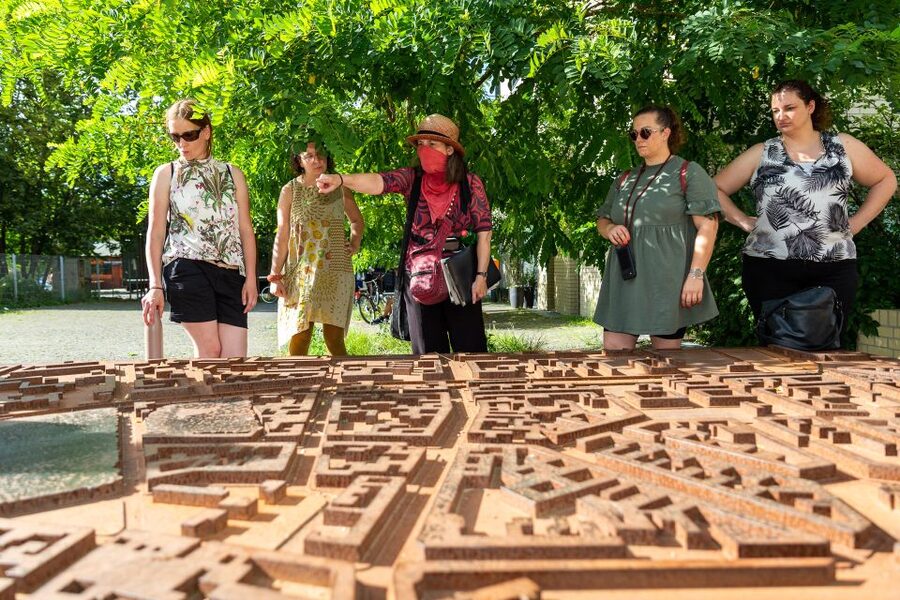
This tour runs in all weathers. On rainy days, you’ll get the poncho, but your shoes still take the hit—so go for grippy soles and clothing that can handle misty Berlin sidewalks.
The meeting point is easy to reach by transit. It’s about:
- 1 minute on foot from tram-stop Björnsonstraße (lines M1, M13, M50)
- 2 minutes on foot from S-Bahn Bornholmer Straße (lines S1, S2, S8, S25, S85)
- 10 minutes on foot from Schönhauser Allee (lines S8, S41, S42, S85, U2)
That’s handy because you can arrive, drop straight into the tour, and not waste time hunting for the start.
The main reason it works: story clarity and which side you’re standing on
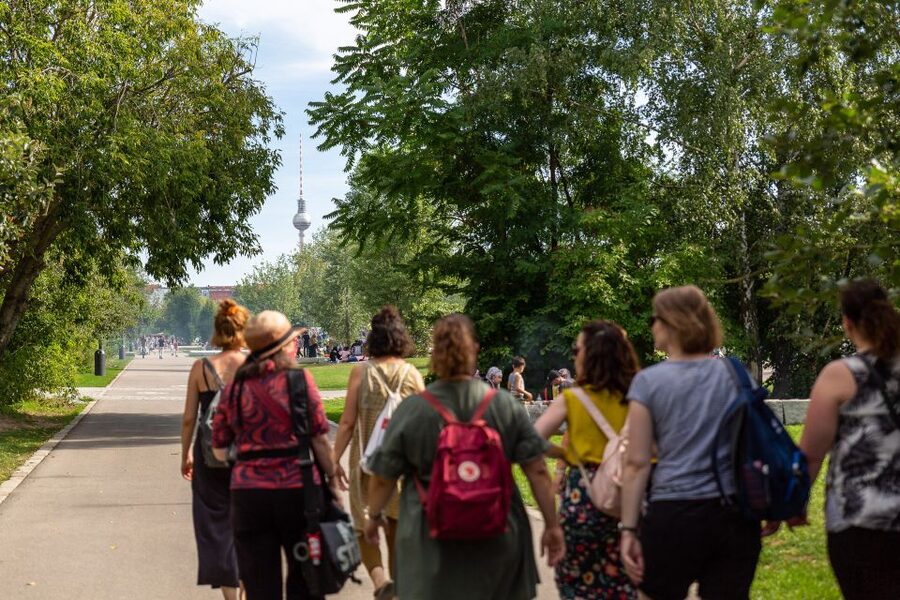
The most praised aspect of this experience is how the guide makes the Wall feel legible. You’re not only hearing dates—you’re getting story context tied to the exact spot you’re standing in.
In particular, guides are commended for:
- keeping the narrative moving without turning it into a textbook
- sharing vivid accounts of individual people alongside the big events
- explaining what you’re seeing, including which side of the border you’re on
- handling questions well in smaller groups
That last point is big. When groups are small, your guide can answer your specific curiosity instead of pushing everyone through the same script.
One potential snag to watch for: short-notice cancellation communication
There’s a clear downside to acknowledge. The tour has a minimum number of participants (2). If that minimum isn’t reached, the operator can cancel at short notice. In at least one recent case, that led to disappointment because the booking party arrived at the meeting point and got no one there.
So here’s your practical move: before you leave, check the latest confirmation or message right before departure. And if you’re coming from farther out, consider building in a small buffer so you’re not stuck with zero options if plans change.
Who should book this Wall walk—and who might prefer something else
This tour is ideal for you if you want a guided walk that:
- focuses on specific locations (crossing, bridge, memorials, tunnel, station)
- teaches you to spot subtle traces instead of only seeing obvious remnants
- gives you a strong understanding of how the border area worked, not just when it existed
It’s also a good choice if you like walking outdoors with a structured route and a clear finish point.
You might want to rethink it if:
- you rely on English commentary (the guide is German)
- heavy rain would ruin your comfort—because it truly takes place in all weathers
- you need a strict schedule with no wiggle room due to the minimum-participant rule
Should you book this Berlin Wall: small group walk?
If you want the Wall story told through places you can physically stand in, I think this is a strong option. The $24 price for 2.5 hours, the included guidance, and the focus on details like cherry trees, Ulbrichtkurve, Schwedter Steg, Gleim Tunnel, and ending at Nordbahnhof make it feel efficient and memorable.
Just do two things to make it smooth: wear rain-ready gear, and confirm right before you go. If that’s handled, you’ll come away with a Wall route that makes sense, not just a list of sights.
FAQ
How long is the Berlin Wall: Small Group Guided Tour?
The tour lasts 2.5 hours.
Where do I meet the guide?
Meet your guide at the Berlin Bike Tours office at BBT – Fahrradladen, Fahrradwerkstatt & Fahrradverleih.
What’s the tour language?
The live tour guide speaks German.
Is food included?
No. Food and drink are not included.
Does the tour run in bad weather?
Yes, it takes place in all weathers. Rain ponchos are provided if necessary.
Is there a cancellation deadline?
You can cancel up to 24 hours in advance for a full refund.
Can I reserve and pay later?
Yes. You can reserve now and pay later, keeping travel plans flexible.
What if the minimum number of participants isn’t reached?
A minimum of 2 participants is required. If it’s not reached, the operator may cancel the tour at short notice and notify you accordingly.
More Tours in Berlin





More Tour Reviews in Berlin

The Wall and the Cold-War City



Round out your days in Berlin
Berlin Wall & Cold War, compared.
 ★ 4.9Third Reich & Cold War Guided Walking TourFrom $238,378 reviews
 ★ 5.0Berlin’s Best: 2 Hour Walking Tour Third Reich and the Cold WarFrom $245,486 reviews
 ★ 4.1Skip-the-Line: Berlin Wall Museum at Checkpoint CharlieFrom $212,041 reviews
 ★ 4.1East Side Gallery Spree Cruise in a Solar CatamaranFrom $281,086 reviews
 ★ 5.0Cold War, Berlin Wall, Spies and the East Side GalleryFrom $181,024 reviews
 ★ 4.8Wall Tour – Fates, Love Stories, and HeroesFrom $282585 reviews
 ★ 4.5THE WALL: asisi Panorama Berlin TicketFrom $16580 reviews
 ★ 4.8The Wall and Third Reich Guided Bike TourFrom $41578 reviews
Browse the lists this tour appears in