
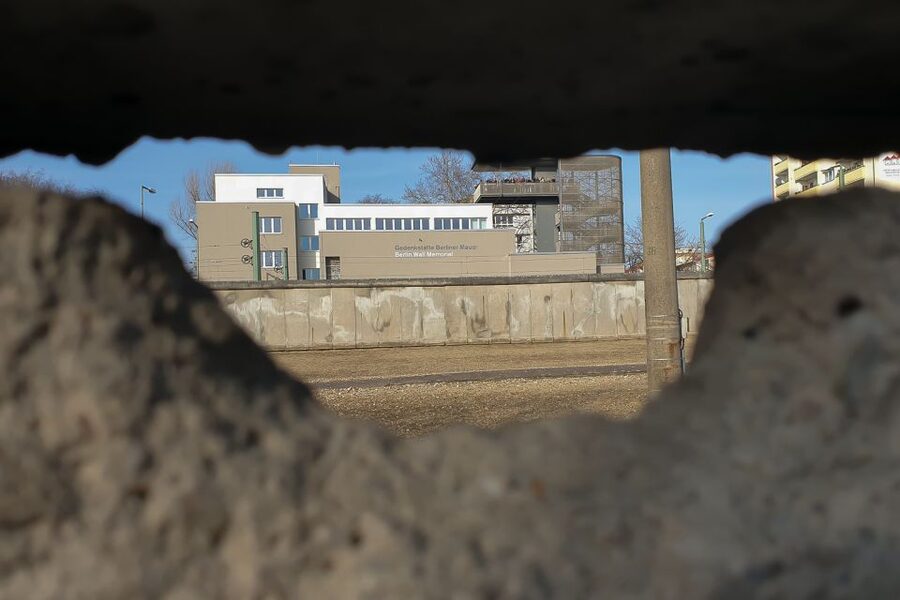
REVIEW · BERLIN WALL & COLD WAR
East Berlin and the Wall: Walking Tour
Cold War history turns real fast on this walk. You’ll follow the story of Berlin’s division through the places where people fled, suffered, and protested, ending with the wall reborn as art.
I really like how the tour is paced: short transit hops plus focused stops, so you’re not stuck in long dead air. I also love that the guides connect landmarks to everyday East Berlin life, including how people lived under the GDR and how repression was felt in public space.
One thing to consider: you’ll need a day public transport ticket for zones AB, and you should wear comfortable shoes because it’s a walking tour with a few metro connections over about 3 to 3.5 hours.
In This Review
- Key takeaways
- Starting East Berlin at Potsdamer Platz instead of “in the middle”
- The short S-Bahn hop to Nordbahnhof’s ghost-station story
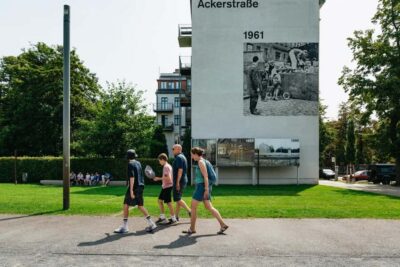
- Bernauer Strasse: the Wall Memorial and the “death strip” context
- Alexanderplatz and the STASI-era pressure you can feel in public space
- A look toward the Berlin TV Tower: ideology in the skyline
- East Side Gallery: the Wall as murals, and why the Brezhnev–Honecker image matters
- Price and logistics: where the value really comes from
- Guide quality: what stands out from real-world experiences
- Who should book this East Berlin and the Wall walk
- Should you book it?
- FAQ
- Do I need a public transport ticket for this tour?
- Where does the tour start?
- How long is the walking tour?
- What languages are the live guides available in?
- Is hotel pickup available?
- What’s the refund policy if plans change?
Key takeaways
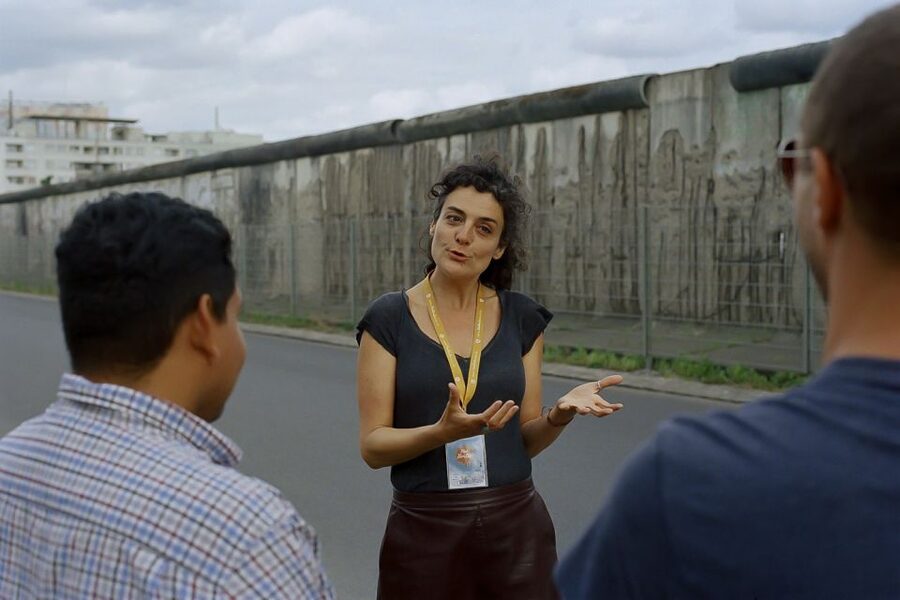
- Small-group walking keeps the storytelling personal and easy to follow
- Bernauer Strasse gets intensely moving, with original wall-area details and escape-attempt context
- A train ride includes Nordbahnhof, a former ghost station closed for nearly three decades
- Alexanderplatz and STASI-era tension are explained through the architecture and demonstrations
- East Side Gallery ends the tour with murals, including the famous Brezhnev–Honecker kiss
More of the Wall and the divided city
- Berlin’s Best: 2 Hour Walking Tour Third Reich and the Cold War★ 5.0 · 5,486 reviews
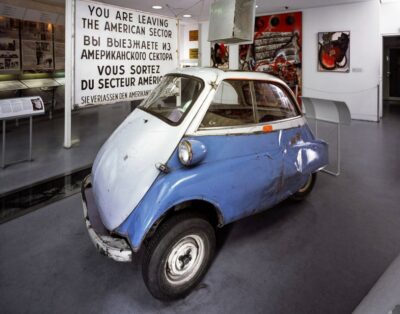
- Skip-the-Line: Berlin Wall Museum at Checkpoint Charlie★ 4.1 · 2,041 reviews
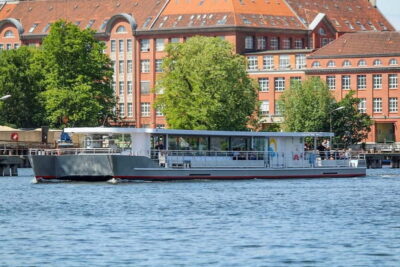
- Berlin: East Side Gallery Spree Cruise in a Solar Catamaran★ 4.1 · 1,086 reviews
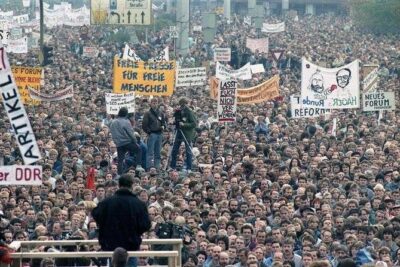
- Cold War, Berlin Wall, Spies and the East Side Gallery★ 5.0 · 1,024 reviews
Starting East Berlin at Potsdamer Platz instead of “in the middle”
Berlin is one of those cities where history sits on top of history. This tour uses that to your advantage by starting at Potsdamer Platz and moving east by S-Bahn toward Nordbahnhof. That first leg matters because it gets you oriented fast—before you hit the most emotional sections, you learn how the city flows and where the old fault line ran.
You’ll board the S-Bahn for a quick ride (about 8 minutes), then the guide adds structure before you reach the key sites. It’s a smart way to keep the tone steady: less random wandering, more cause-and-effect storytelling. If you’ve never studied the Cold War, you’ll still follow. If you have, you’ll appreciate that it’s anchored to specific places you can stand on.
The short S-Bahn hop to Nordbahnhof’s ghost-station story
One of the most memorable parts for me is the transit itself, because you’re not just traveling—you’re time-traveling. After leaving Potsdamer Platz, the tour heads toward Nordbahnhof, a station that was closed for nearly three decades after the Wall went up. The guide uses that fact to explain the practical reality of division: movement was controlled, routes changed, and everyday routines were broken.
Even if you don’t love trains, this segment works because it gives you a physical sense of how the border shaped Berlin’s skeleton. You get the feeling that the Wall wasn’t only a barrier; it rewired mobility and daily life. And because it’s only about 8 minutes, it doesn’t drag.
Bernauer Strasse: the Wall Memorial and the “death strip” context
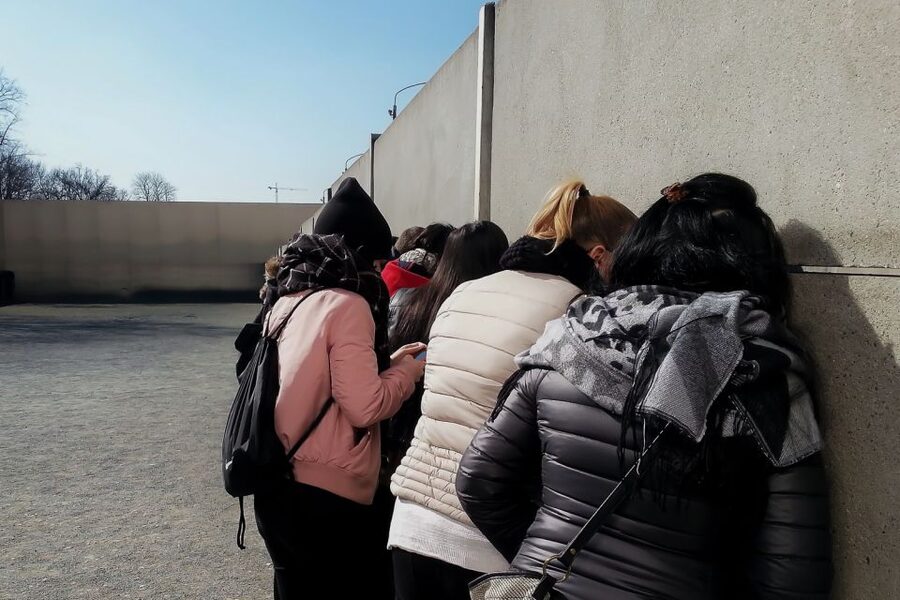
When the tour reaches Berlin Wall Memorial on Bernauer Strasse, the mood shifts. This is where you go from understanding division in theory to seeing it in the layout and details of the site. The time here is the longest guided segment (about 50 minutes), and you’ll spend it learning about the trauma of separation through the story of escape attempts and the tragic people who didn’t make it.
What makes this stop especially valuable is the emphasis on original parts of the wall-area environment—because the setting helps you grasp why the border was so lethal. You’re shown the remnants connected with what’s often called the death strip, and you’re taught how the geography of surveillance and barriers turned the border into a trap.
A quick, practical note: this part can be emotionally heavy. If you prefer lighter sightseeing, you might feel it more than other stops. Still, it’s also the most honest stop on the route. It teaches you how the Wall functioned, not just what it looked like.
Alexanderplatz and the STASI-era pressure you can feel in public space
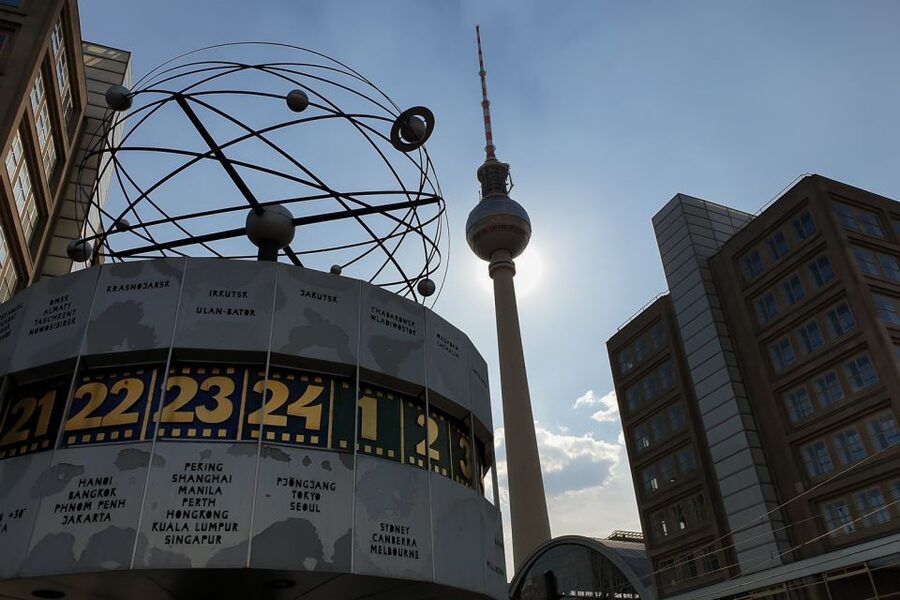
After Bernauer Strasse, you move by subway/metro (about 10 minutes) to Alexanderplatz, where socialist-era planning and Cold War politics intersect in a very visible way. The tour includes a short guided segment here (around 10 minutes) focused on peaceful demonstrations that challenged STASI repression—helping explain how dissent built momentum until the Wall fell.
This stop is valuable because it connects power to place. It’s easy to think of authoritarian systems as abstract. Here, you see how public squares, prominent buildings, and mass visibility shaped both control and protest. You come away with a clearer sense of why the fall of the Wall wasn’t only a diplomatic event—it was also the result of pressure that accumulated in the streets.
More of Berlin on foot
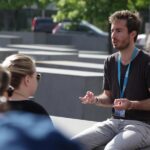
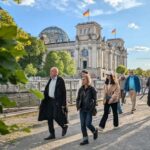

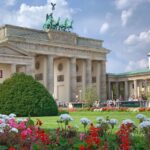
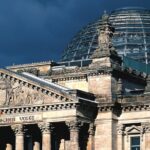
A look toward the Berlin TV Tower: ideology in the skyline
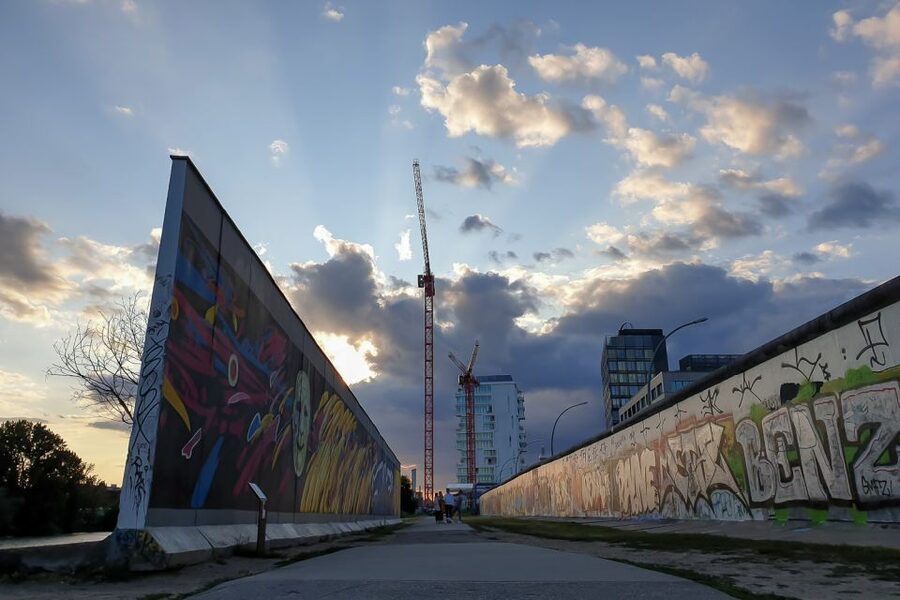
From Alexanderplatz, the tour adds another short guided moment (about 10 minutes) with the TV Tower area included. The point isn’t just to “see a famous landmark.” It’s to understand how the skyline communicated a certain kind of modernity in East Berlin.
If you’re a person who likes your history tied to architecture, you’ll like this. The tour uses the TV Tower setting to reinforce how East Berlin projected identity and authority through major city markers. It’s a quick stop, but it adds another layer: not just the border, but the worldview.
East Side Gallery: the Wall as murals, and why the Brezhnev–Honecker image matters
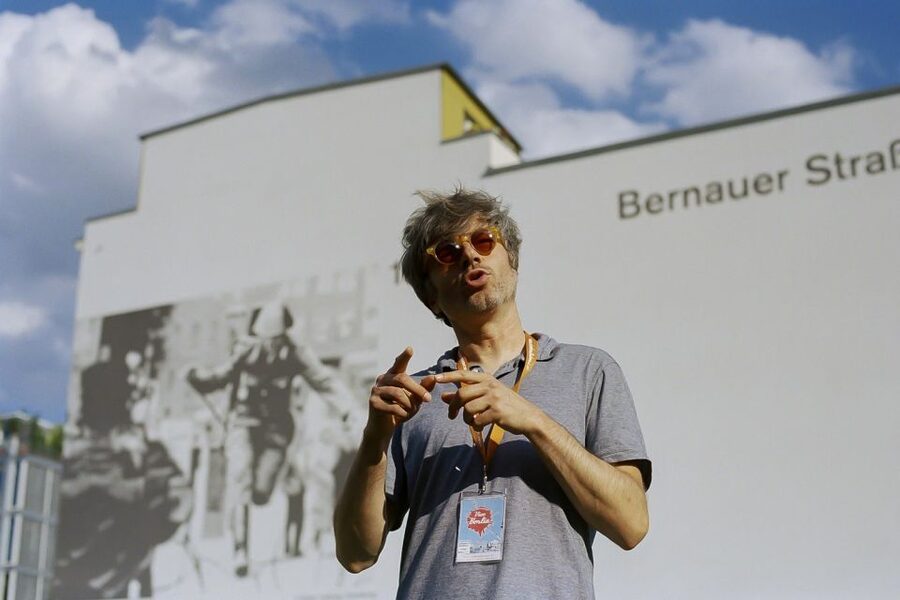
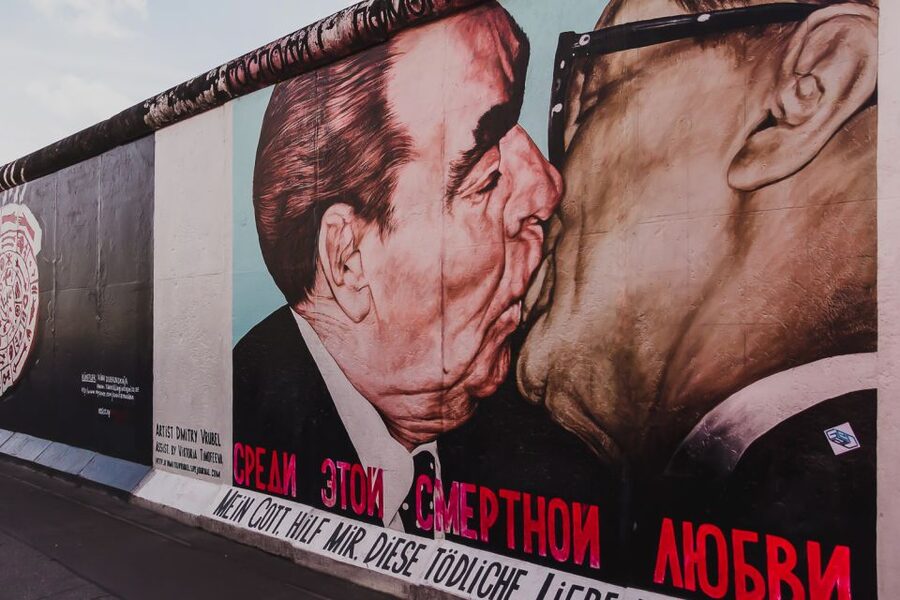
To finish strong, the tour lands at the East Side Gallery, the stretch of wall covered in 104 murals. This is where the story flips from separation to reinterpretation. The guided time here is about 15 minutes, and you’ll hear about the famous Brezhnev–Honecker kiss mural among the many artworks.
I like ending here because it gives you a release valve after the heavier Bernauer Strasse portion. You see how Berlin processed trauma by turning the Wall into a canvas. You also get a chance to look at the murals without feeling rushed, even though the tour keeps a firm timeline.
The practical upside: you’ll get iconic photo stops without the full-day wandering. The emotional upside: the ending doesn’t ignore the past—it re-frames it.
Price and logistics: where the value really comes from
The tour costs $351 per group up to 6, running about 3 to 3.5 hours. That price is easiest to judge based on group size. If you’re traveling solo, it can feel pricey compared with per-person group tours. If you’re two to six people, it starts to look like a fair deal because you’re paying for one guide and small-group time, not just basic transportation.
You should also plan for the extra “small but important” item: you’ll need a valid public transport ticket for zones AB during the tour. That’s not a reason to skip the experience, but it’s a reason to buy your ticket before you’re on the move. Comfortable shoes also matter here—this route includes walking plus transit segments.
Finally, guides are live and offered in Italian, French, English, Spanish, and German. The small group setup is part of the value. It means you can ask questions and get answers that fit your curiosity, not a rushed script.
Guide quality: what stands out from real-world experiences
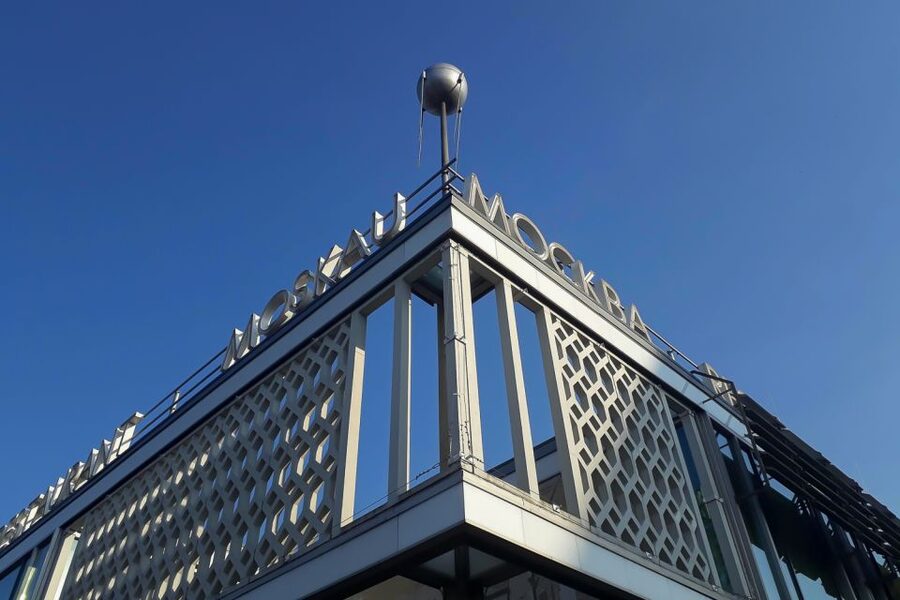
The reviews you provided point to a clear pattern: the guides are strong on clarity and engagement. Several names show up repeatedly, including Paolo, Paul, Elisa, Claudia, and Catherine. What they were praised for wasn’t just facts—it was how those facts were delivered.
Common threads from the feedback:
- Guides kept the tour moving with an engaging, easy-to-follow structure
- They added anecdotes and personal-style storytelling, which makes the GDR feel less like a textbook
- They maintained interest throughout, not just at the biggest sights
That matters for a Wall tour because the danger is either oversimplifying or getting stuck in dates. This approach seems to do the opposite: it keeps history tied to human behavior—escape attempts, demonstrations, everyday life, and the meaning people gave to East Berlin after it was gone.
Who should book this East Berlin and the Wall walk
This tour is a good fit if you:
- want a guided, small-group way to understand East Berlin beyond the obvious
- like your Cold War story anchored to specific places you can stand on
- enjoy walking history with clear explanation, especially about life under the GDR and STASI-era pressure
It may not be ideal if you:
- want a purely visual sightseeing day and less on-the-ground context
- are sensitive to heavy, separation-focused history—Bernauer Strasse is powerful and not “light”
Should you book it?
Yes, I’d book it if you want the Wall story in a tight, well-sequenced route with strong guiding. The route hits the essentials: Nordbahnhof’s closure story, the emotional weight of Bernauer Strasse, the political energy around Alexanderplatz, and the cultural afterlife of the Wall at the East Side Gallery.
It’s also a smart choice for groups up to six because the pricing is per group, not per person. If you’re traveling with friends and you’re willing to plan for the AB transit ticket and wear comfortable shoes, this tour offers real value and a clear path through a part of Berlin that can feel confusing until someone puts it in order.
FAQ
Do I need a public transport ticket for this tour?
Yes. You’ll need a valid public transportation ticket for the day for zones AB during the tour.
Where does the tour start?
The starting point can vary depending on the option booked. The tour commonly begins at Potsdamer Platz, and pickup may be offered based on the selected option.
How long is the walking tour?
The duration is 3 to 3.5 hours.
What languages are the live guides available in?
The tour offers live guides in Italian, French, English, Spanish, and German.
Is hotel pickup available?
Pickup is optional. If you choose it, you’ll wait in the hotel lobby 10 minutes before your scheduled pickup time, and you should confirm details with the provider.
What’s the refund policy if plans change?
You can cancel up to 24 hours in advance for a full refund.
More Tours in Berlin



More Tour Reviews in Berlin
The Wall and the Cold-War City
Round out your days in Berlin
Berlin Wall & Cold War, compared.
 ★ 4.9Third Reich & Cold War Guided Walking TourFrom $238,378 reviews
 ★ 5.0Berlin’s Best: 2 Hour Walking Tour Third Reich and the Cold WarFrom $245,486 reviews
 ★ 4.1Skip-the-Line: Berlin Wall Museum at Checkpoint CharlieFrom $212,041 reviews
 ★ 4.1East Side Gallery Spree Cruise in a Solar CatamaranFrom $281,086 reviews
 ★ 5.0Cold War, Berlin Wall, Spies and the East Side GalleryFrom $181,024 reviews
 ★ 4.8Wall Tour – Fates, Love Stories, and HeroesFrom $282585 reviews
 ★ 4.5THE WALL: asisi Panorama Berlin TicketFrom $16580 reviews
 ★ 4.8The Wall and Third Reich Guided Bike TourFrom $41578 reviews
Browse the lists this tour appears in