

REVIEW · BERLIN WALL & COLD WAR
East Berlin: City of Shadows Walking Tour
Berlin has a second story. This East Berlin: City of Shadows tour turns serious landmarks into a guided narrative about life behind the Iron Curtain, from the Wall to the spaces where families were separated. I like the focus on surviving monuments you can actually see today, and I like that the tour is led by a historian-style guide. One consideration: you’ll use public transport between stops, and the ticket cost is not included.
You’ll cover a tight loop in just 3 hours, starting at Unter den Linden 42 and ending around key public life in East Berlin. The tone is reflective, especially at places like the Palace of Tears, but the guide keeps it understandable and grounded in what the city looked like day to day. If you want politics-as-a-floor-plan—how rules shaped streets, stations, and everyday routines—this is a strong fit.
In This Review
- Key things you’ll notice on this tour
- Where it starts: Unter den Linden 42 and the Soviet Embassy remnant
- Brandenburg Gate to Friedrichstrasse: borders made bureaucratic
- The Berlin Wall memorial and the Death Strip: understanding escape by what remains
- Stasi headquarters: why surveillance worked so well
- Alexanderplatz: where 1989 turned mass demonstrations into the end of an era
- Price and logistics: is $153 good value for a 3-hour story?
- Guide style and small-group feel: what “historian guide” means in practice
- What to wear, and how to handle the emotional stops
- Who should book this East Berlin tour
- Should you book this walking tour of East Berlin?
Key things you’ll notice on this tour
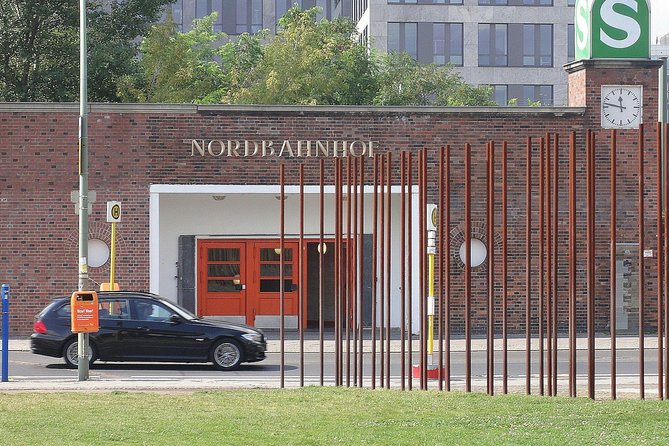
- A historian guide voice: often professors, doctoral students, historians, journalists, art critics, or published authors.
- From East-West border to daily surveillance: you connect the dots between buildings and systems.
- Real sites tied to escape attempts: you stop at the Wall memorial area and hear what the Death Strip meant.
- Friedrichstrasse’s human stories: the tour includes the office known as the Palace of Tears.
- Stasi headquarters context: you learn how surveillance networks worked and why it mattered.
- Alexanderplatz as a turning point: you end at the square that hosted mass demonstrations in 1989.
More of the Wall and the divided city
- Berlin’s Best: 2 Hour Walking Tour Third Reich and the Cold War★ 5.0 · 5,486 reviews
- Skip-the-Line: Berlin Wall Museum at Checkpoint Charlie★ 4.1 · 2,041 reviews
- Berlin: East Side Gallery Spree Cruise in a Solar Catamaran★ 4.1 · 1,086 reviews
- Cold War, Berlin Wall, Spies and the East Side Gallery★ 5.0 · 1,024 reviews
Where it starts: Unter den Linden 42 and the Soviet Embassy remnant
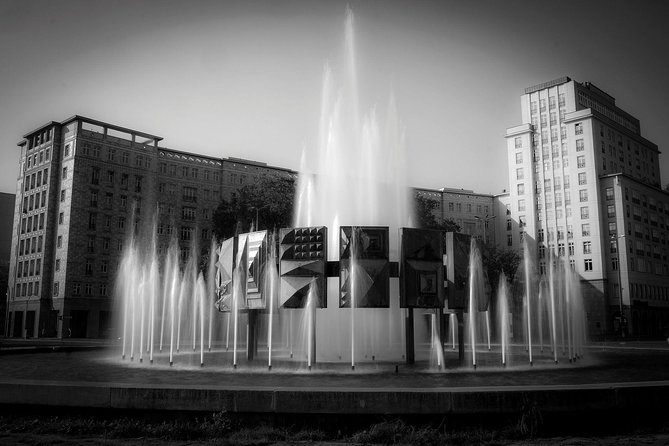
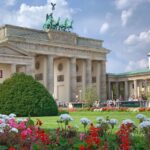
The meeting point is Unter den Linden 42, putting you right in the zone where Berlin’s modern shine sits beside scar tissue. From there, the tour begins near the Brandenburg Gate area, where you can get your bearings fast: this is the central stage where East and West Berlin faced each other in plain sight.
A key early stop is the former Soviet Embassy monument, built from World War II rubble. That detail matters more than it sounds. It’s not just a dramatic backdrop; it’s a reminder that power in Berlin was often laid down literally from broken things. A good guide will help you read the city like evidence, not decoration.
Practical tip: arrive a few minutes early and give yourself time to confirm you’re at the right exact spot. With a 3-hour schedule, delays cut into the “meaning time” pretty quickly.
Brandenburg Gate to Friedrichstrasse: borders made bureaucratic
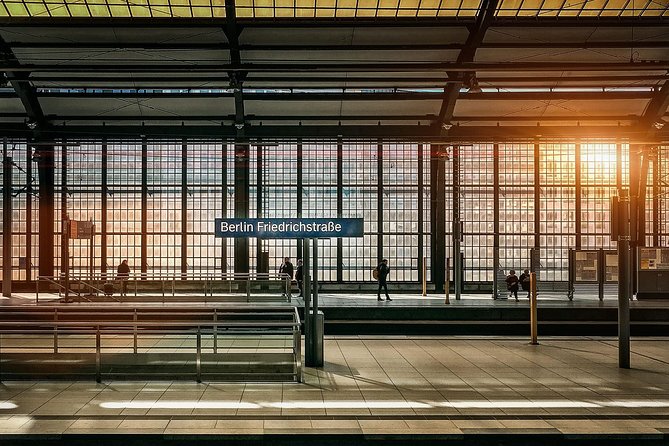
From the start area, the tour moves toward Friedrichstrasse station, one of the major crossing points between East and West Berlin. This is where the story shifts from monuments to movement—how people tried to travel, and how East German rules shaped what was possible.
The emotional center here is the office known as the Palace of Tears at Friedrichstrasse. The name isn’t poetic; it’s a summary of what happened when families were torn apart by East Germany’s strict immigration laws. On this kind of stop, the tour’s real value is how it makes bureaucracy feel human. You’re not just hearing about laws in the abstract; you’re seeing the setting where goodbyes were processed like paperwork.
What you’ll likely appreciate: you get the sense that the border wasn’t only a wall on the map. It was an experience—waiting, forms, decisions, and the uncertainty of what might be allowed.
A heads-up: this is not a casual “photo and move on” segment. If you prefer light storytelling only, this stop might feel heavy. If you want to understand the human cost behind the Iron Curtain, it’s one of the most important parts of the route.
The Berlin Wall memorial and the Death Strip: understanding escape by what remains
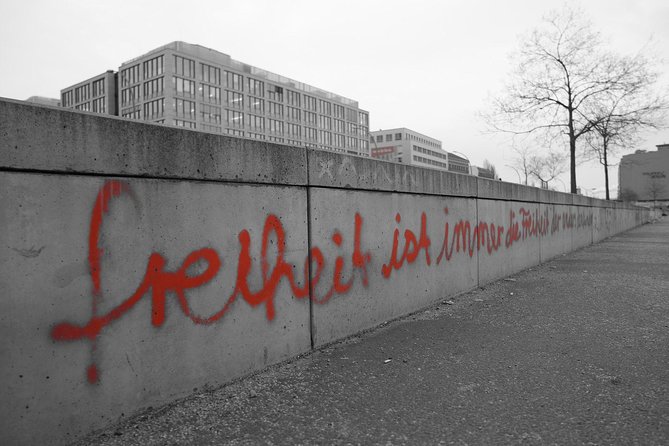
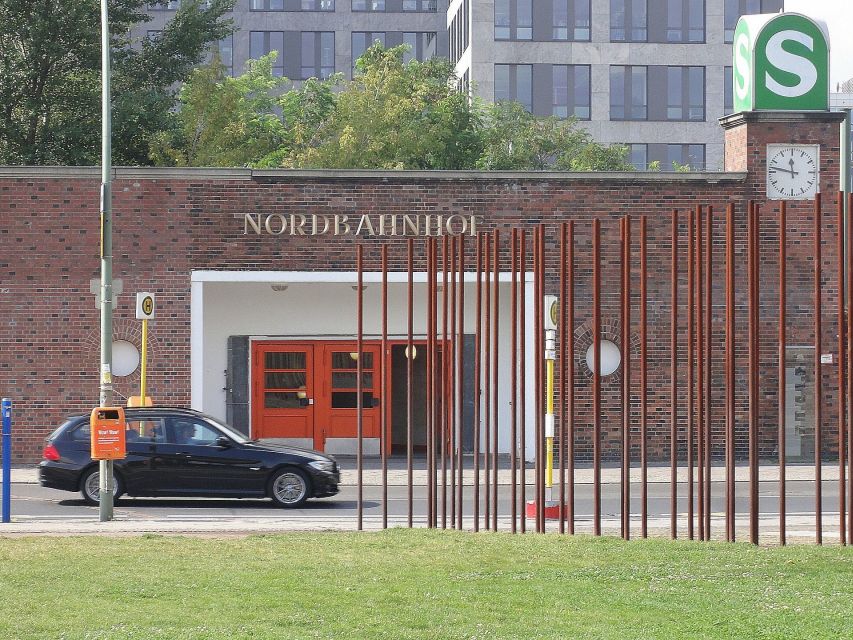
Next you’ll reach the Berlin Wall memorial, including the area that corresponds to the notorious Death Strip. Even with parts removed or replaced over time, the location still communicates the logic of control: a fenced boundary, a cleared space, and consequences for anyone who tried to cross.
This is a moment where the guide’s job is crucial. You don’t just want to know that people tried to escape—you want to understand why the attempt was so risky, and how the setting turned geography into punishment. The stories of people who attempted escape (and the tragic outcomes) are part of what makes the Wall more than a backdrop.
The practical value: you’ll see how the city’s layout preserves memory. Berlin doesn’t hide its past well here. The challenge is interpreting it without turning it into a theme-park version of history. A strong historian-style guide helps keep the focus on meaning rather than spectacle.
If you’re the type who likes to take in details quietly, this is a good stop to slow down. Give yourself a minute to just look around before the explanations start wrapping everything together.
Stasi headquarters: why surveillance worked so well
Then the tour heads to the former Stasi headquarters, where you’ll learn how feared leadership—Erich Mielke is named in the tour framing—helped build an enormous network of spies. You’ll also hear about the surveillance techniques that came out of that system.
This segment is important because it moves from border control to interior control. The Wall is a barrier you can point at. The Stasi system was the one that reached inside life—into conversations, jobs, and trust. You’ll learn how the built environment and the social environment reinforced each other, so people didn’t just obey rules; they often self-censored.
What I like about this stop in particular is that it’s described as links between the present-day city and its dark history. That means you’re not left with only feelings. You get a framework for why certain patterns of authority and fear shaped East German daily life—and why you can still trace echoes in how Berlin functions now.
One small consideration: the topic is grim by nature. If you prefer your history more focused on culture or art, you might want to prepare for a sharper edge here.
More of Berlin on foot



Alexanderplatz: where 1989 turned mass demonstrations into the end of an era
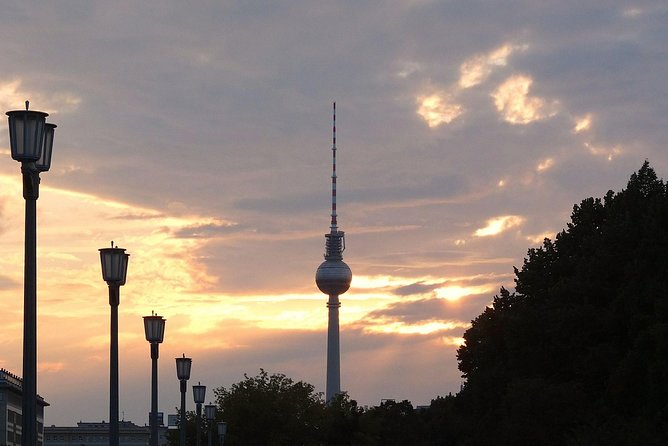
The tour ends at Alexanderplatz, the center of public life in East Berlin, rebuilt in the 1960s. This matters because it’s not only a place of government power. It’s a place where crowds gather, news travels, and public mood becomes visible.
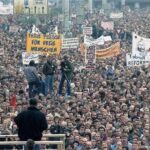
Here’s the specific historical connection you’ll cover: Alexanderplatz was the setting for mass demonstrations that helped drive the regime’s downfall in 1989, ending about 40 years of Communist rule. That means your final stretch isn’t just about what happened earlier. It’s about how public space became a stage for change.
I like this ending because it’s a narrative payoff. You start with monumental symbols and borders, then you move through separation and deadly enforcement, then you arrive at a square where people showed up in public anyway. The tour gives you a sense of the arc: control tries to contain life, but people can still reshape it.
If you’re a practical planner, keep an eye on how you’ll get home afterward. The tour doesn’t spell out extra time, so plan your next tram or train based on where you’ll be standing when the walking finishes.
Price and logistics: is $153 good value for a 3-hour story?
The price is $153 per person for a 3-hour live guided tour with a historian-style guide. What you get for that money is the interpretive layer: the guide ties together multiple sites that could otherwise feel like disconnected stops. You’re paying for context, not just access.
Where costs can surprise you: public transport is needed for longer distances, and transport tickets are not included. That’s not a deal-breaker, but it is real money and it’s something you should budget for up front. If you’re traveling with a tight budget, factor in transit as part of the total “out the door” cost.
Logistics fit this tour well. The route includes stations and key landmarks, so shoes and time management matter. A 3-hour schedule is short enough that you’ll likely be walking continuously or moving quickly between points—so plan for that pace.
My rule of thumb: if you want a guided story that connects architecture to political systems, the price makes sense. If you mainly want photos and light background, you might feel it’s pricier than a DIY walk.
Guide style and small-group feel: what “historian guide” means in practice
The guides for this tour are live and in English, and the guide profile is broad: professors, doctoral students, historians, journalists, art critics, or published authors. In plain terms, you’re likely to get structured explanations rather than casual talking points.
I also like that the tour notes private or small groups available. In a subject like this, smaller group dynamics can help. Questions and pacing matter when the material is emotional and specific.
If you care about clarity, this is where you’ll benefit. The tour’s descriptions emphasize links between modern Berlin’s built environment and its hidden history. That kind of connection takes good storytelling, and the guide role here is clearly central.
A practical tip: bring a notebook or save notes on your phone. The Stasi and border-control sections can pack in ideas fast, and it’s nice to capture terms the guide uses so you can look them up later if you want.
What to wear, and how to handle the emotional stops
This is a walking tour that includes stations and memorial areas. That means comfort matters more than fashion. Wear shoes that handle pavement and weather. Layers help because you’re outside for stretches of the route, and Berlin seasons can be changeable.
Emotionally, there are two strong anchors: the Palace of Tears and the Death Strip story connected to the Wall memorial. If you’re sensitive to heavy history, go in with eyes open. If you’re ready to learn, these stops are also where the tour becomes genuinely memorable, because you’ll understand the human weight behind the physical landscape.
Who should book this East Berlin tour

Book it if you:
- Want a guided explanation of how East German systems shaped daily life and city design.
- Like history connected to real places you can stand in, not only museum panels.
- Enjoy political history, especially border control and surveillance.
- Prefer a structured 3-hour tour that doesn’t drag on all day.
Skip it if you:
- Want a mostly light, entertainment-style city walk.
- Dislike heavy topics like separation of families and escape attempts.
Should you book this walking tour of East Berlin?
I think this tour is a good match when you want meaning, not just landmarks. For a 3-hour schedule, it covers a tight set of powerful sites: Brandenburg Gate area origins, Friedrichstrasse and the Palace of Tears, the Wall memorial and Death Strip, the Stasi headquarters, and the public-center ending at Alexanderplatz with 1989 demonstrations.
If you’re willing to add a bit for public transport tickets and you want a serious guided narrative, the value is strong—especially because the guide is positioned as an historian or academic-style communicator. If you prefer total freedom and don’t want to pay for interpretation, you could DIY parts of it, but you would lose the storyline that makes the city click.
If you’re on the fence, here’s the simplest test: do you want to understand how Berlin’s geography carried an entire political system? If yes, book it.
More Tours in Berlin





More Tour Reviews in Berlin
The Wall and the Cold-War City


Round out your days in Berlin

Berlin Wall & Cold War, compared.
 ★ 4.9Third Reich & Cold War Guided Walking TourFrom $238,378 reviews
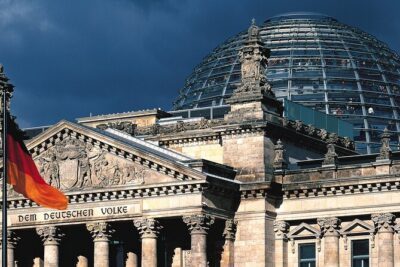 ★ 5.0Berlin’s Best: 2 Hour Walking Tour Third Reich and the Cold WarFrom $245,486 reviews
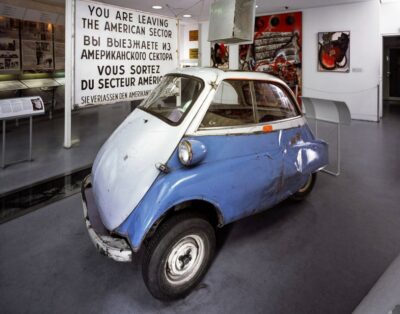 ★ 4.1Skip-the-Line: Berlin Wall Museum at Checkpoint CharlieFrom $212,041 reviews
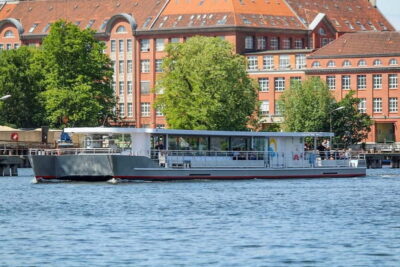 ★ 4.1East Side Gallery Spree Cruise in a Solar CatamaranFrom $281,086 reviews
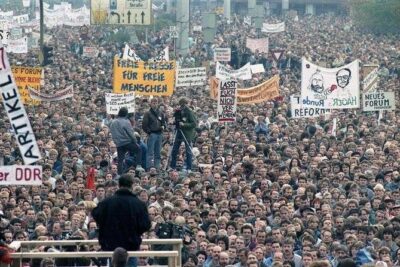 ★ 5.0Cold War, Berlin Wall, Spies and the East Side GalleryFrom $181,024 reviews
 ★ 4.8Wall Tour – Fates, Love Stories, and HeroesFrom $282585 reviews
 ★ 4.5THE WALL: asisi Panorama Berlin TicketFrom $16580 reviews
 ★ 4.8The Wall and Third Reich Guided Bike TourFrom $41578 reviews
Browse the lists this tour appears in