
REVIEW · BERLIN WALL & COLD WAR
East Berlin: City of Shadows Walking Tour
Berlin changes fast once you learn the names. This small-group tour brings you to the Communist-era sites that shaped East Germany, with a local historian guiding the story. I like that it’s a clear 3-hour orientation across major places you’ll keep seeing later, not a slow museum slog.
My other favorite part is how the walk turns big politics into human moments: family separations at Friedrichstraße, the fear created by the Stasi, and what the Wall meant on the ground. The one thing to consider is timing and depth. It moves quickly and it’s built for street-level context, so if you want full museum time (like a deeper Stasi Museum visit), you’ll likely need a second stop on your own.
You’ll cover a handful of key locations in East Berlin, plus you should expect a bit of public transport between stops since some distances are too far to walk. If you have moderate physical fitness, comfortable shoes will do a lot of the heavy lifting for you.
In This Review
- Key things to know before you go
- Price and logistics: what you’re really paying for
- Brandenburg Gate: Cold War flashpoints in a 20-minute opener
- Friedrichstraße and the Palace of Tears: border rules as heartbreak
- Nordbahnhof’s ghost stations: how division shaped even subways
- Karl-Marx-Allee: socialist dreams, then the cost
- Berlin Wall Memorial: stepping up to the Death Strip
- Stasi stop: learning how fear was built into daily life
- Alexanderplatz: East Berlin’s public life and the 1989 demonstrations
- Who this tour fits best (and who should skip it)
- Should you book East Berlin: City of Shadows?
- FAQ
- Where does the tour start and end?
- How long is the East Berlin: City of Shadows walking tour?
- Is the tour offered in English?
- Is hotel pickup available?
- How many people are in the group?
- What’s included in the price?
- What’s not included?
- Are there admission tickets required at the stops?
- What public transport ticket should I plan for?
- Is free cancellation available?
Key things to know before you go
- Small group size (max 8): you get easier questions and a more conversational pace.
- Local historian guide: the story links sites together, so the places make sense as a system.
- Free entry at stops: the tour timing focuses on the outside and key areas; full museum visits may take extra time on your own.
- Practical transit help: you’ll use public transport a few times, and the guide can help with ticketing if needed.
- DDR political legacy in real places: from Brandenburg Gate to Alexanderplatz, you’ll connect architecture and power.
More of the Wall and the divided city
- Berlin’s Best: 2 Hour Walking Tour Third Reich and the Cold War★ 5.0 · 5,486 reviews
- Skip-the-Line: Berlin Wall Museum at Checkpoint Charlie★ 4.1 · 2,041 reviews
- Berlin: East Side Gallery Spree Cruise in a Solar Catamaran★ 4.1 · 1,086 reviews
- Cold War, Berlin Wall, Spies and the East Side Gallery★ 5.0 · 1,024 reviews
Price and logistics: what you’re really paying for
This tour costs $156.53 per person and runs about 3 hours. For that price, what you’re buying isn’t just walking. You’re paying for a guide who can explain how Allied division became decades of Cold War pressure, and how East German life was shaped by surveillance, fear, and propaganda.
It’s also good value for travelers who want structure. With a max group of 8, you’re not stuck in a big herd. You’ll get a steady rhythm: short stops, clear explanations, and enough orientation to plan the rest of your Berlin days.
Two practical notes to budget for: food and drinks aren’t included, and transport to/from attractions isn’t included either. The tour suggests public transport a few times between sites. If you don’t already have a Berlin visitor transit pass, it’s smart to plan for the day options listed for you:
- Day metro ticket: 7 Euro (or 4.70 Euro senior discount)
- One-way ticket AB: 2.8 Euro (or 1.70 Euro senior discount)
You’ll meet at Unter den Linden 42, 10117 Berlin, and the tour ends in Berlin.
Pickup is listed as available from any hotel or accommodation in Berlin. Since pickup rules can be specific in practice, I’d check your confirmation message for the exact pickup timing and point.
Brandenburg Gate: Cold War flashpoints in a 20-minute opener
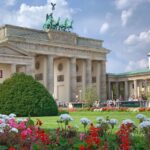
You start near Brandenburg Gate, which is a clever place to begin because it forces the question: why does this famous landmark carry so much tension?
From here, your guide frames how modern Berlin’s built environment sits on top of darker, often hidden layers. In particular, you’ll connect the Allies’ postwar division of Germany into four parts to the long Cold War that followed. Then you’ll get the famous Reagan moment as a historical anchor: in June 1987, Ronald Reagan called on Soviet Premier Mikhail Gorbachev to tear down this wall.
What I like about starting here is that you don’t just get dates. You get a sense of how Western and Soviet ambitions shaped the same city from opposite directions, and how symbols were used to pressure rivals.
There’s also an immediate architectural story nearby: the former Soviet Embassy. It’s described as a grandiose monument built in 1945 amid WWII rubble, tied to Stalin’s drive to control Berlin. That contrast—rubble and ambition—is the kind of detail that makes the rest of the tour click.
The stop runs about 20 minutes, so it’s enough time to set context and then move on before the story gets repetitive.
Friedrichstraße and the Palace of Tears: border rules as heartbreak
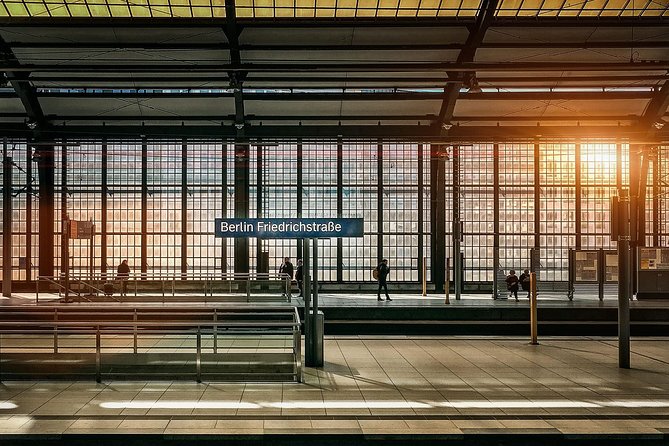
Next you head to Friedrichstraße, one of the key crossing points between East and West Berlin. This is where policy stops being abstract.
Your guide focuses on the impact of East Germany’s immigration laws—described as ironfisted—and how they could tear families apart. The most emotional marker here is the office known as the Palace of Tears, where people were forced into sad goodbyes.
I find this stop especially effective because it explains why the border locations mattered so much. You’re not only hearing about political systems. You’re watching how those systems created daily grief, and how the city’s geography was built for separation.
This segment is about 15 minutes, so you’ll want to listen closely and catch the guide’s timeline cues. If you’re the type who likes to read placards afterward, Friedrichstraße is a good area to circle back to later with fewer people and more time.
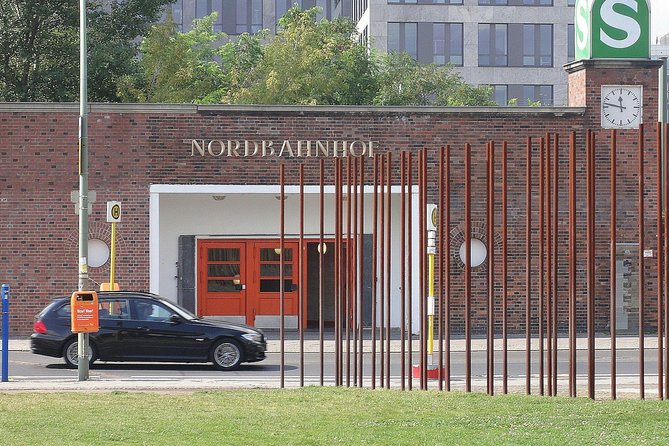
Nordbahnhof’s ghost stations: how division shaped even subways
The tour then moves to Park am Nordbahnhof, where you’ll explore how Berlin’s division created “ghost” stations.
The idea is simple but chilling: West Berlin’s subway lines crossed into East German territory, so some stops became unused. They were still present—and heavily guarded—even though people weren’t meant to use them like normal stations.
That detail matters because it shows division as infrastructure, not just walls and guards. When the city’s transit system is altered to prevent movement, control becomes physical and routine.
You’ll spend about 10 minutes here. It’s short, but it’s one of the stops that makes you look twice at what you normally treat as neutral—tracks, platforms, and routes.
More of Berlin on foot


Karl-Marx-Allee: socialist dreams, then the cost
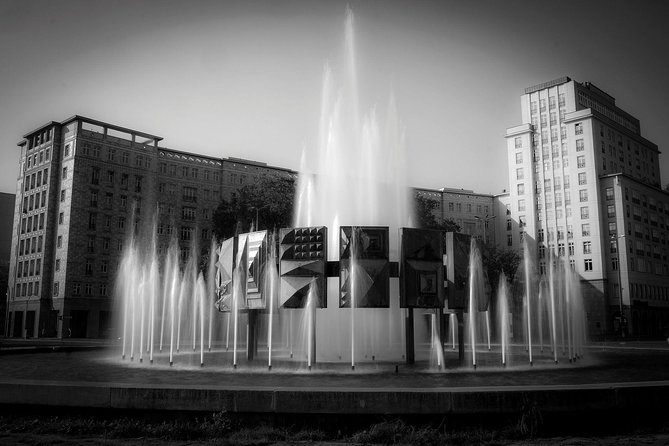
Next is Karl-Marx-Allee, the grand mile-long housing complex that East Germany promoted as a socialist showcase.
This stop is built around a painful contrast: East Germans’ dreams for a Socialist paradise compared with what the reality became—deprivation, suppression, and paranoia. The architecture is important here because it was meant to signal permanence and legitimacy.
What I like about this segment is that it helps you interpret East Berlin’s “grand” look. Large-scale construction wasn’t only about style. It was also about projecting authority and shaping how people felt about the state.
This stop runs about 10 minutes, so it’s a thematic waypoint. It won’t turn into an essay on East German urban planning, but you’ll leave with a lens that makes it easier to recognize propaganda intent when you see other buildings later.
Berlin Wall Memorial: stepping up to the Death Strip
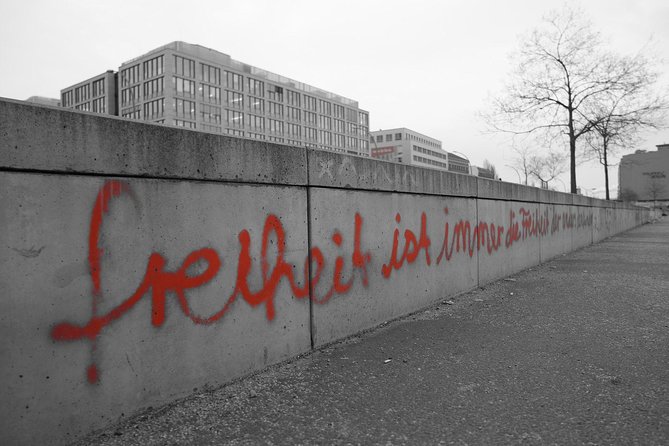
The tour’s emotional center is at the Memorial of the Berlin Wall. Here, your guide helps you experience the notorious Death Strip and share stories about East Berliners whose escape attempts ended in tragedy.
This is the moment where the walk becomes more than orientation. You’re looking at how the Wall functioned as a mechanism of control, with real consequences for people trying to flee.
This stop is about 15 minutes. That’s long enough to absorb the basic mechanics and hear the key human stories, but it’s not long enough to replace deeper learning.
If you want more depth, plan to return later on your own for museum-style exhibits and documents in the area. The tour gives you the why and the what-to-look-for. You bring the extra hours for the how and the details.
Stasi stop: learning how fear was built into daily life
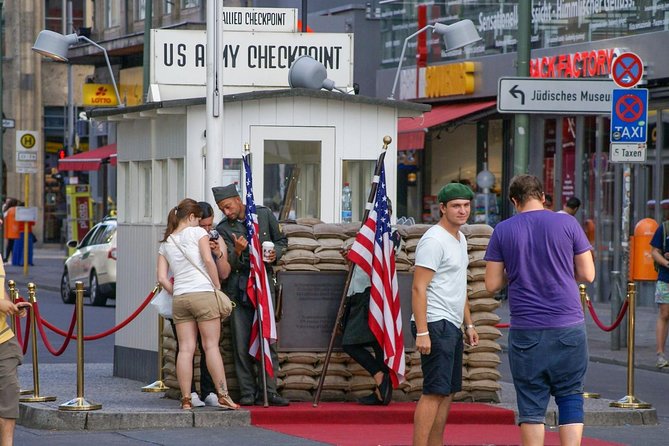
After the Wall memorial, you’ll head to the Stasimuseum area tied to former Stasi headquarters. This is one of the most important parts of the tour because it explains how the system worked from the inside.
Your guide talks about the East German secret police, the Stasi, and how it coerced neighbors and even family members into spying. You also learn about the Stasi’s feared leader Eric Mielke and how he recruited a massive network of informants and used innovative surveillance techniques.
I like this stop because it avoids being purely dramatic. It shows surveillance as a web—pressure, fear, and social control—so it makes sense why people could feel unsafe even around friends.
This segment is about 10 minutes, which can feel brief given the subject. But it’s also why the tour is useful. It gives you a starter map of terms and themes so that if you choose to visit Stasi-focused exhibits afterward, you’ll understand what you’re seeing.
Alexanderplatz: East Berlin’s public life and the 1989 demonstrations
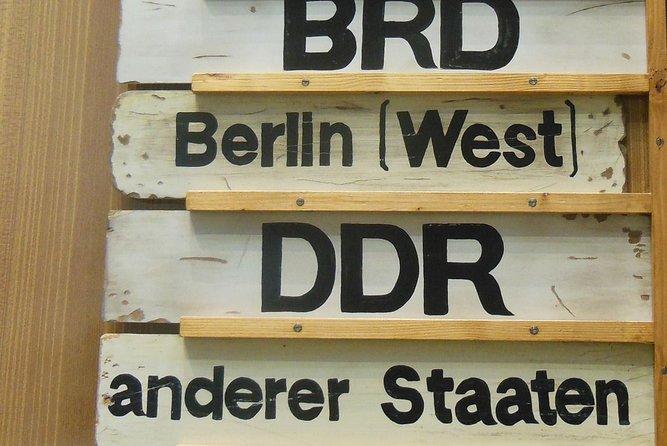
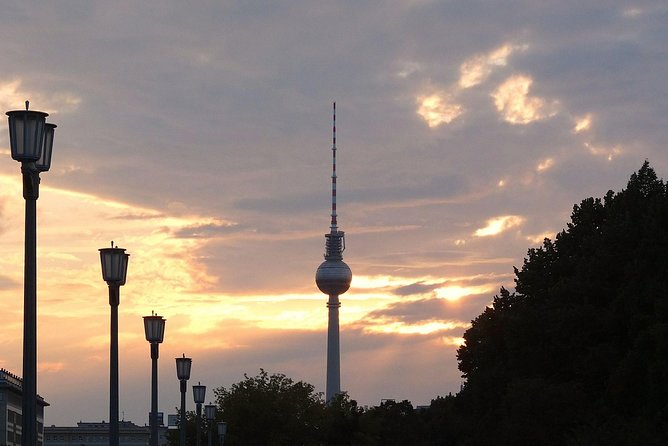
The tour ends at Alexanderplatz, described as the center of public life in East Berlin. Here, you’ll see how the area was rebuilt in the 1960s, including major monuments such as the futuristic parliament building and the iconic TV Tower.
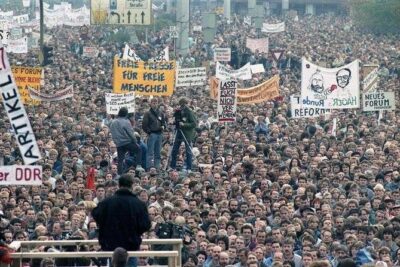
The story then snaps back to 1989. Alexanderplatz is where massive demonstrations took place—linked to the setting for the regime’s downfall and the end of 40 years of Communist rule. Your guide connects this to the idea of East German pride, showing how the same public space could become a stage for change.
This stop runs about 10 minutes, so it’s a quick payoff. You’ll leave with a clearer sense of how the political system was reflected in everyday landmarks—and how quickly that reflection changed when people moved into the streets.
It’s also a practical ending point because Alexanderplatz is easy to reach and useful as a transport hub for the rest of your Berlin plans.
Who this tour fits best (and who should skip it)
This is a great match if you want a structured, street-level picture of East Berlin’s DDR years without spending half a day on ticket lines.
You’ll probably enjoy it most if you:
- like learning by walking between meaningful landmarks
- want a guide to connect Cold War history to physical places
- want an orientation so you can plan independent visits afterward
You might want to skip or adjust expectations if you:
- mainly want deep museum time inside exhibits (this walk sets context and points you onward)
- have limited interest in political and surveillance history
The tour also fits travelers who value small-group energy. With a max of 8, it’s easier for a guide to answer questions and for you to hear the story without noise overload.
Should you book East Berlin: City of Shadows?
I’d book it if you’re the type of traveler who wants to understand Berlin’s layers fast. With a rating of 4.8 and a recommendation rate of 91%, this isn’t a gamble for people who want a guided overview with clear takeaways.
It’s especially worth it as a first pass through East Berlin. Afterward, you’ll know what themes to chase—border grief at Friedrichstraße, division as infrastructure near Nordbahnhof, the propaganda in large housing projects, and the mechanics of fear tied to the Stasi.
My only caution is depth. If your dream trip is hours inside major museums, you’ll need additional time beyond this 3-hour walk. Treat it as your map and your story starter, not your full course.
If you want a focused, human-scale introduction to the DDR’s main sites—with a local historian and a small group—this tour is a strong choice.
FAQ
Where does the tour start and end?
It starts at Unter den Linden 42, 10117 Berlin, Germany, and ends in Berlin.
How long is the East Berlin: City of Shadows walking tour?
The duration is about 3 hours (approx.).
Is the tour offered in English?
Yes, it’s offered in English.
Is hotel pickup available?
Pickup is listed as available from any hotel or accommodation in Berlin. Check your confirmation for the exact pickup details.
How many people are in the group?
The tour has a maximum of 8 travelers.
What’s included in the price?
A local guide is included.
What’s not included?
Food and drinks aren’t included, and transportation to/from attractions isn’t included.
Are there admission tickets required at the stops?
Admission tickets are listed as free for the tour stops.
What public transport ticket should I plan for?
If you don’t already have a visitor transit pass, the tour suggests a day metro pass (7 Euro, 4.70 Euro senior discount) or one-way AB tickets (2.8 Euro, 1.70 Euro senior discount). If you can’t purchase in advance, your guide can help you buy at the first metro station on the tour.
Is free cancellation available?
Yes, you can cancel for a full refund up to 24 hours in advance of the experience’s start time.
More Tours in Berlin




More Tour Reviews in Berlin
The Wall and the Cold-War City
Round out your days in Berlin
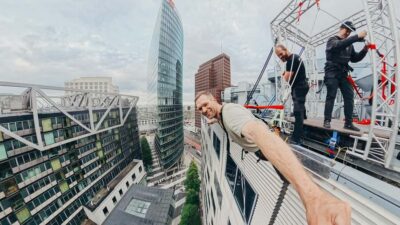
Berlin Wall & Cold War, compared.
 ★ 4.9Third Reich & Cold War Guided Walking TourFrom $238,378 reviews
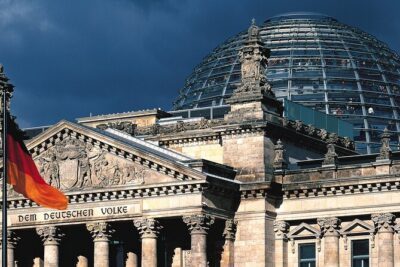 ★ 5.0Berlin’s Best: 2 Hour Walking Tour Third Reich and the Cold WarFrom $245,486 reviews
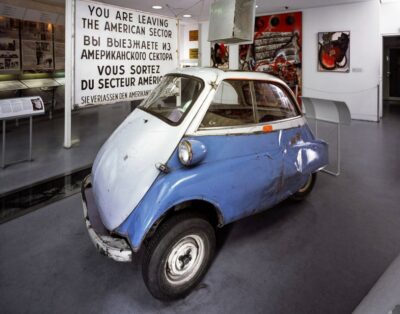 ★ 4.1Skip-the-Line: Berlin Wall Museum at Checkpoint CharlieFrom $212,041 reviews
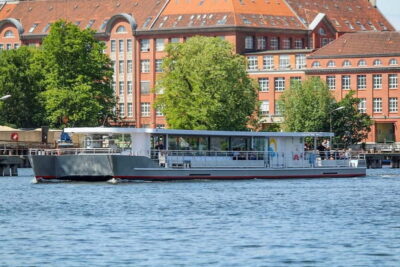 ★ 4.1East Side Gallery Spree Cruise in a Solar CatamaranFrom $281,086 reviews
 ★ 5.0Cold War, Berlin Wall, Spies and the East Side GalleryFrom $181,024 reviews
 ★ 4.8Wall Tour – Fates, Love Stories, and HeroesFrom $282585 reviews
 ★ 4.5THE WALL: asisi Panorama Berlin TicketFrom $16580 reviews
 ★ 4.8The Wall and Third Reich Guided Bike TourFrom $41578 reviews
Browse the lists this tour appears in