
REVIEW · SACHSENHAUSEN MEMORIAL
From Berlin: Licensed Sachsenhausen Tour with max. 15 people
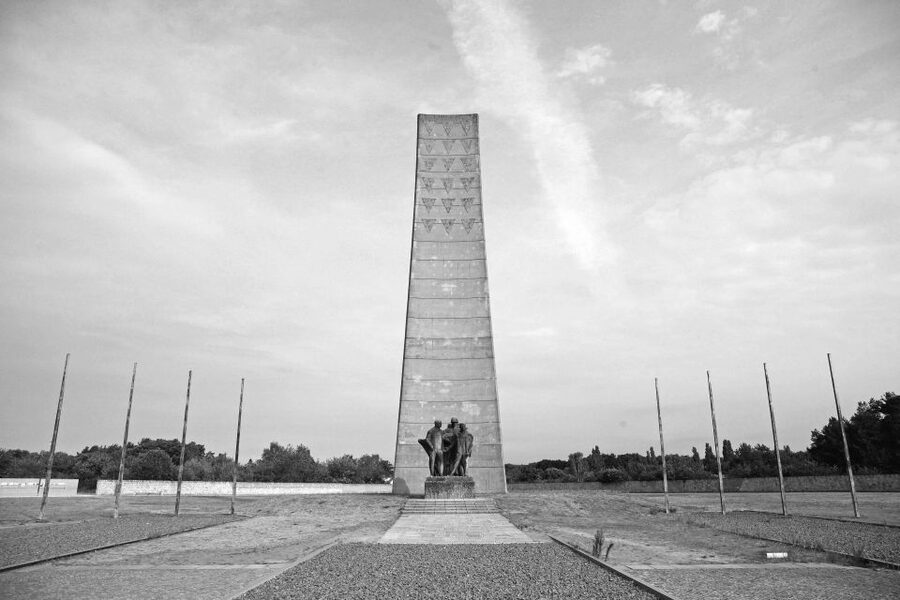
Sachsenhausen hits hard—and the guide keeps you steady. This small-group trip takes you north of Berlin to the Sachsenhausen Concentration Camp Memorial, where you’ll learn how the Nazi camp system worked and see major sites in the right order, not just as random ruins. I love the focus on Tower A and the work sets you free gate slogan, and I love that you also walk through Station Z with clear historical context instead of vague facts. Guides like Sarah and Georgia have been specifically praised for making the day feel serious without making it cold or clinical.
There is one big catch: it’s a long day with lots of walking. You’re planning on roughly 5.5–6 hours total, and the ground can turn muddy after rain, so you’ll want real shoes and weather-appropriate gear.
In This Review
- Key highlights before you go
- Sachsenhausen, explained like you actually need it
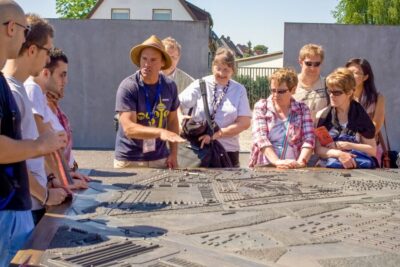
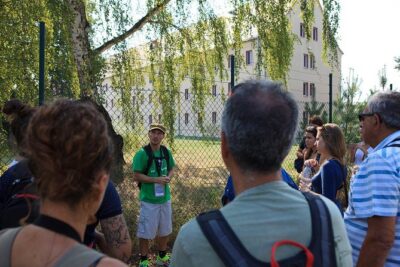
- The small group (15 max) is the real luxury
- Getting there from Berlin: train and public transport, not a private car
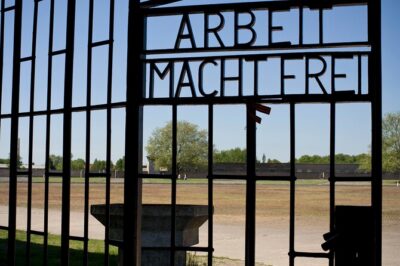
- Tower A and the work sets you free gate slogan
- Station Z: walking through the execution-center memorial
- The Jewish barracks, shoe-testing track, and medical barracks
- Resistance stories: 1942 revolt, forgery workshop, Jimmy James tunnel
- Timing on the ground: plan for slow, steady endurance
- What the $38 price buys (and why it’s fair for this kind of visit)
- If you should book this Sachsenhausen tour
- FAQ
- Where is the meeting point?
- How long is the tour?
- How big is the group?
- What language is the tour in?
- Do I need a public transport ticket?
- Are there places to buy food or drinks at the memorial?
- What important parts of Sachsenhausen will we see?
- Can I cancel or pay later?
Key highlights before you go
- Licensed guide, trained by the tour provider and approved by the Memorial: you’re not stuck with vague storytelling.
- Small group (max 15): easier questions, quieter pacing, less waiting around.
- Unmissable camp structures: Tower A and its gate slogan, plus Station Z’s execution-center memorial.
- Hard-to-forget details: Jewish barracks, shoe-testing track, prison kitchen, and infirmary barracks.
- Resistance and survival stories: including the 1942 Jewish prisoner revolt, the forgery workshop, the tunnel dug by Jimmy James, and the Death March context.
- Practical Berlin day trip setup: travel by public transport and return by train to central stations like Hauptbahnhof, Friedrichstraße, or Gesundbrunnen.
More memorial and remembrance tours from Berlin
- Berlin: Sachsenhausen Concentration Camp Tour in English★ 5.0 · 5,711 reviews
- Berlin: Sachsenhausen Concentration Camp Memorial Tour★ 4.7 · 3,716 reviews
- Berlin: Sachsenhausen Concentration Camp Tour in English★ 4.8 · 1,889 reviews
- Sachsenhausen Concentration Camp Memorial Tour (Max. 15 Guests)★ 5.0 · 1,516 reviews
Sachsenhausen, explained like you actually need it
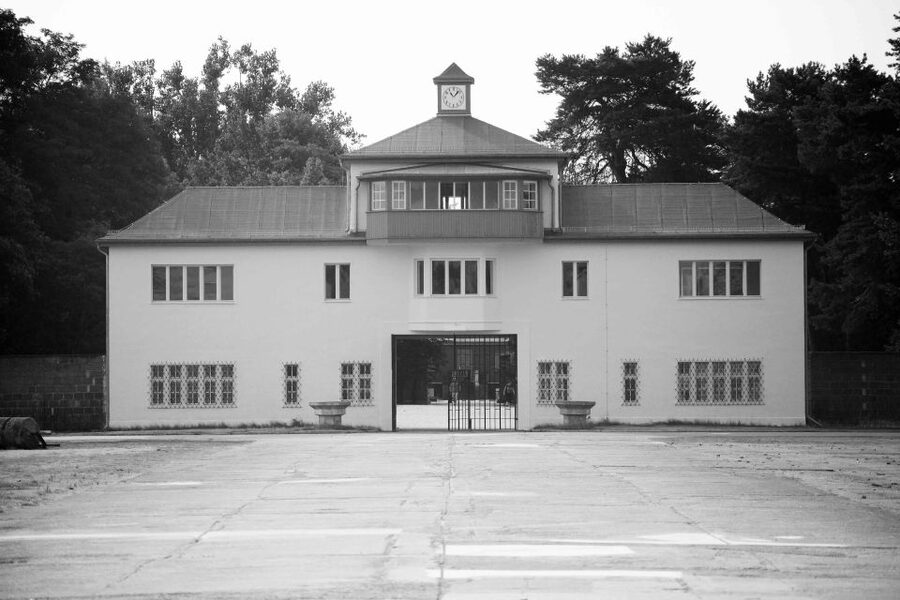
Sachsenhausen isn’t a museum you casually stroll through. It’s a place built for a purpose, and the tour helps you understand that purpose without trying to shock you for shock’s sake. The camp was established in 1936 by the SS, the second major camp after Dachau, and it was designed to detain people the Nazi regime saw as opposition.
What makes this day work is the structure of the explanations. Instead of throwing dates at you, I like how the guide ties the camp’s design to how the system ran day to day: forced labor, brutal conditions, and the logic of control. You also get witness accounts and updated historical research, which matters because you want the story to feel grounded, not like a scary legend.
And yes, it’s emotionally heavy. The guides on this program get praised for handling the tone carefully—getting you through the hard material without turning it into either propaganda or watered-down trivia.
The small group (15 max) is the real luxury
At Sachsenhausen, the difference between a good tour and a mediocre one is often simple: can you ask your questions. With a max of 15 people, you’re not shouting over a crowd or worrying your question will get cut off.
This is also where the guide quality shows. Reviews highlight guides like Lewis, Rebecca, Ronja, Emma, and Anya for clarity, patience, and the ability to respond in depth. In practice, that means you can ask the why behind what you’re seeing: why certain areas exist, how different prisoner groups were treated, and what specific memorial details are telling you.
Another practical benefit: the group stays together. The grounds require concentration—watchtowers, barrack remains, plaques, and memorial sculptures all blend together if you’re on your own. In a small group, you get those bearings faster.
Getting there from Berlin: train and public transport, not a private car
The whole day is built around public transport. You start at the meeting point outside Starbucks opposite Hackescher Markt S-Bahn station, then you take public transport north. Expect about 50 minutes of travel before you reach the Sachsenhausen memorial area.
Once you arrive, there’s a short walk of about 20 minutes to settle into the space. The guide uses that time to set the scene—why Sachsenhausen was created and how the Nazis built their concentration camp system. This matters because when you first see the grounds, your brain will try to make sense of it visually. The early context helps your eyes land on the right details.
One more thing I appreciate: the return to Berlin is by train again, and the tour lists central drop-off areas such as Hauptbahnhof, Friedrichstraße, or Gesundbrunnen. That means you’re not stranded in the suburbs wondering how to get home.
Tower A and the work sets you free gate slogan
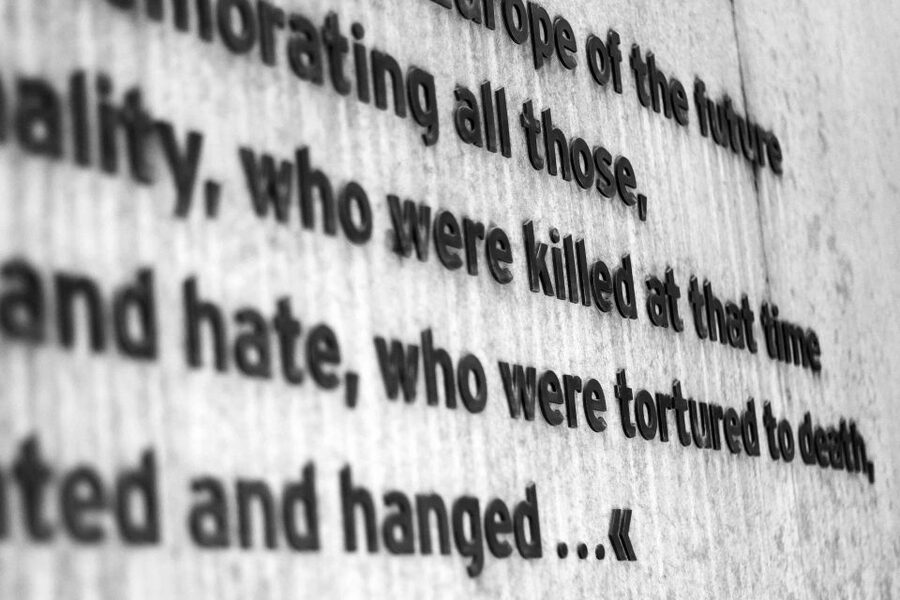
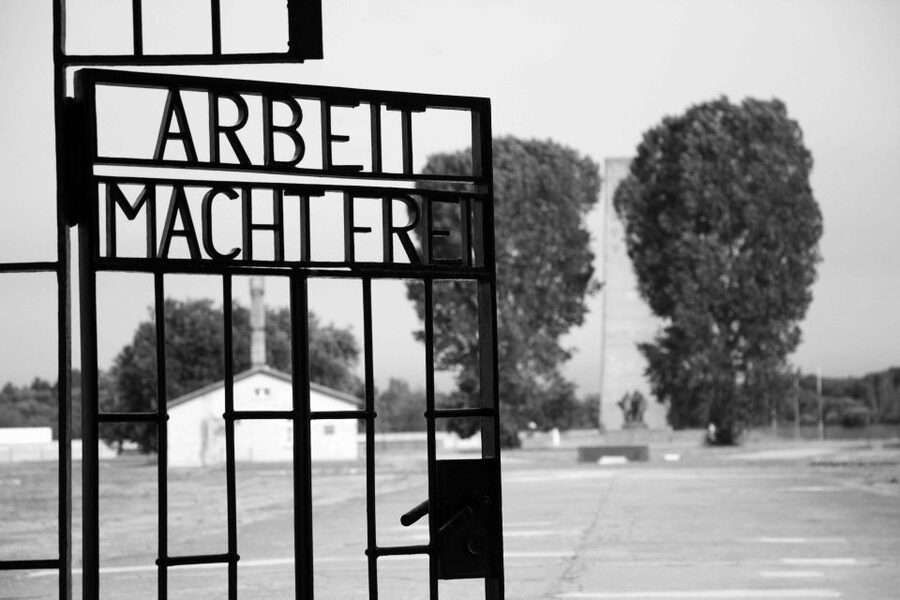
Tower A is one of the signature photo-and-memory stops, but the tour treats it like more than a landmark. You’ll see the gate slogan work sets you free, which is exactly the kind of cruel propaganda that makes your stomach drop once you understand what was happening beyond the words.
This is where the guide’s job gets tough. The sentence on the gate sounds like a threat disguised as a motivational phrase, and you need context to read it correctly. I like how the tour frames it as part of the camp’s system of control and psychological domination—not just an ugly slogan.
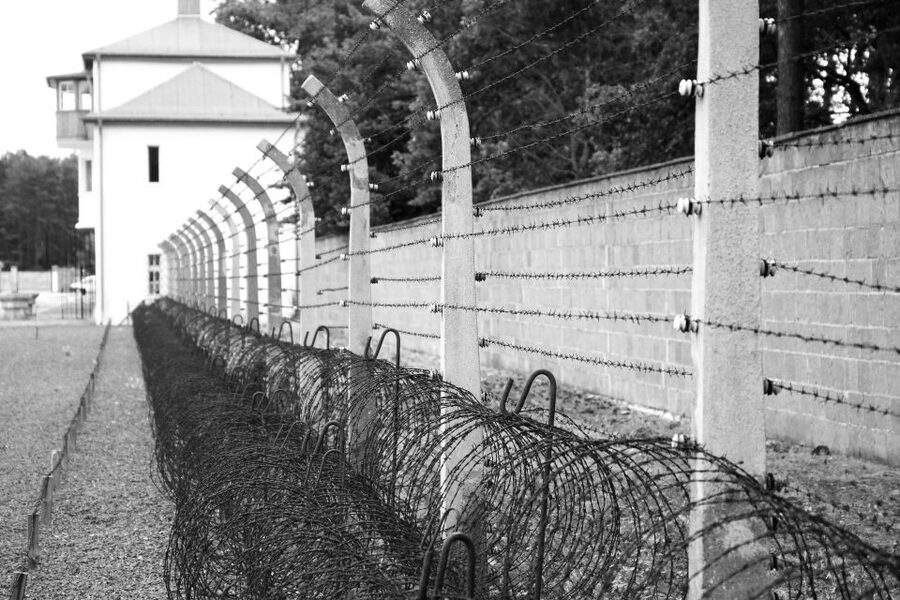
You also get directed attention to the surrounding remains and memorial markings that show how watchtowers and surveillance shaped prisoner behavior. If you’ve never visited a concentration camp memorial before, this is the stop where it clicks: the site isn’t only about the past. It’s about the mechanisms that made cruelty routine.


Station Z: walking through the execution-center memorial
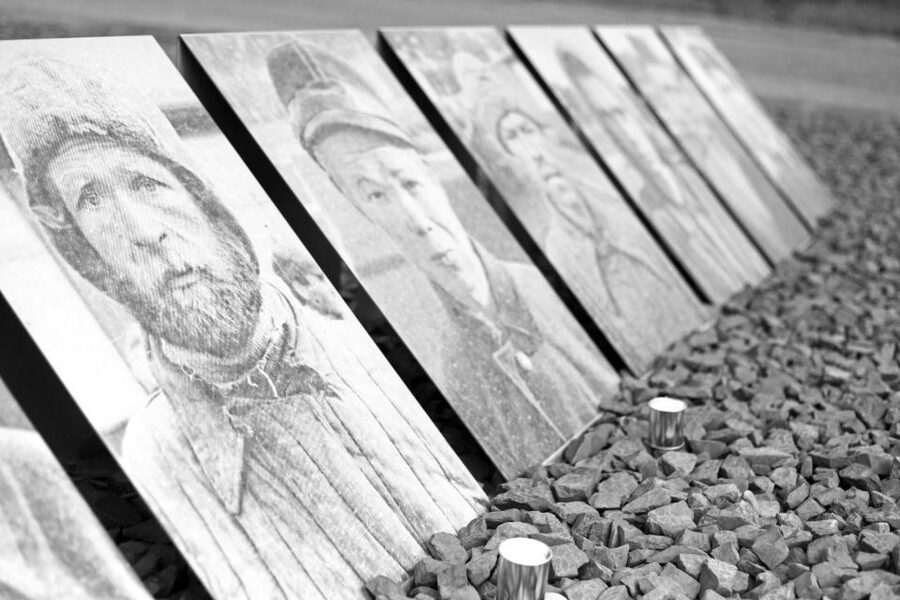
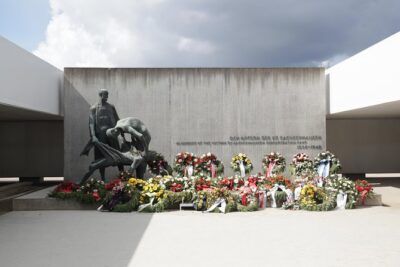
Station Z is the area described as an execution center, and it’s one of the places where the tour shifts from history lesson to moral reality. You’ll walk through the Station Z memorial area and hear how the Nazis organized violence as an institutional process rather than random brutality.
The value here is the balance between description and restraint. You get what you need to understand what happened and how it was carried out, but you’re not left with graphic details as entertainment. The guide’s tone is built for a group setting—serious, careful, and designed to let you absorb without being overwhelmed.
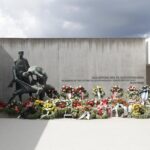
Also, this stop is where the memorial’s physical design matters. Plaques, statues, and the layout of the memorial walk help you understand what the camp wanted people to accept. A guided approach keeps you from getting lost in the geometry and missing the point.
The Jewish barracks, shoe-testing track, and medical barracks
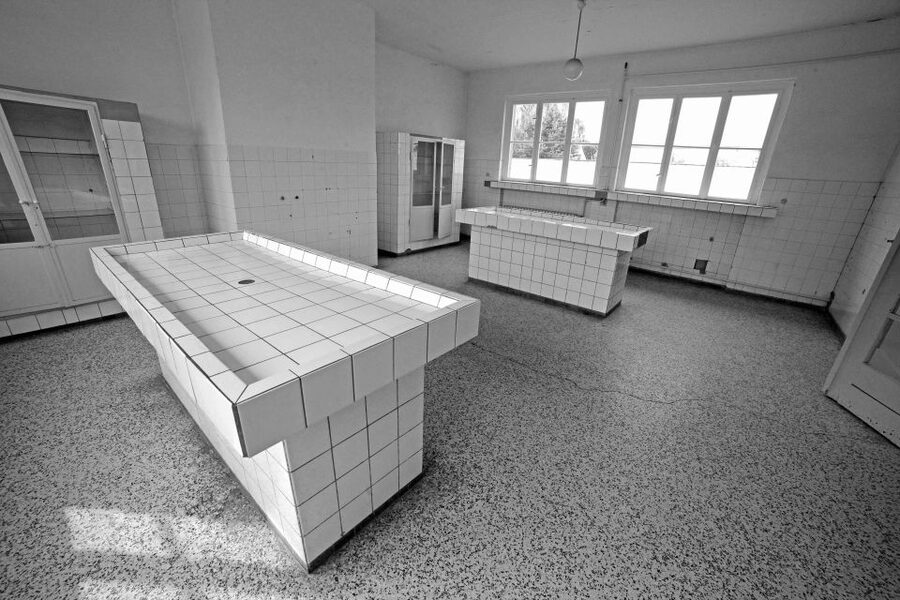
This tour doesn’t stay at the general level. You’ll see specific camp features that connect policy to lived suffering.
Among the stops: Jewish barracks, a shoe-testing track, the prison kitchen, and the infirmary barracks. Each one tells a slightly different story about the cruelty of the system.
- The Jewish barracks help you understand how different prisoner groups were categorized and treated, not treated as a single undifferentiated mass.
- The shoe-testing track is part of the camp’s brutal use of people for experiments and harm.
- The prison kitchen shows daily survival pressures—how even basic food needs were controlled.
- The infirmary barracks illustrate the collapse of care under forced detention.
If you go in expecting just walls and guard towers, these details are what will stick with you. They show how the camp’s bureaucracy reached into bodies, routines, and basic necessities.
Resistance stories: 1942 revolt, forgery workshop, Jimmy James tunnel
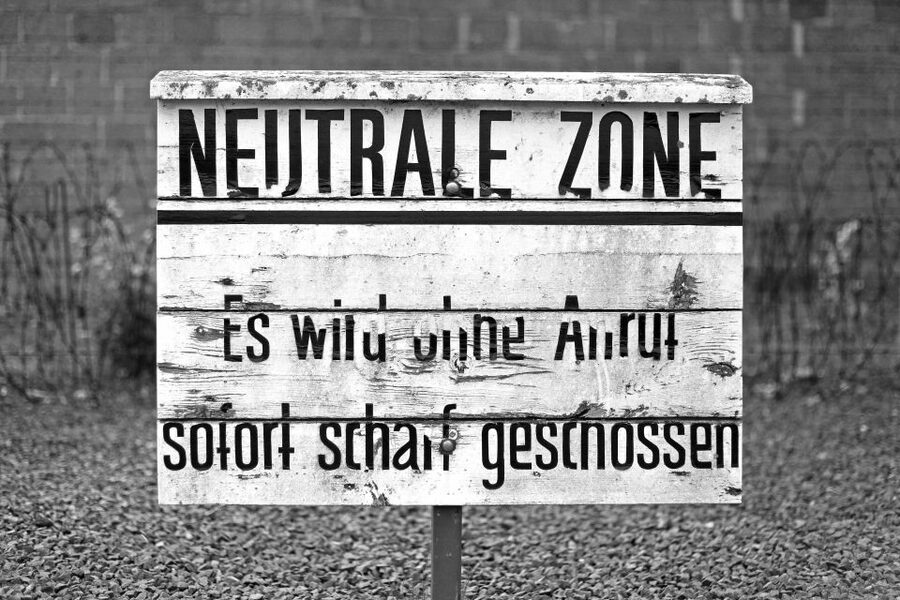
The emotional weight doesn’t only come from suffering. A big reason people rate this tour so highly is the inclusion of resistance and survival stories, given at the moments they matter in the overall narrative.
You’ll hear about the revolt of Jewish prisoners in 1942, and you’ll learn about survival through unlikely methods—like counterfeiting millions of pounds sterling in the forgery workshop. That detail is more than a plot twist; it shows how prisoners used skills, networks, and improvisation even under extreme pressure.
You’ll also hear about escape attempts, including the tunnel dug by Jimmy James. Then the tour connects the story to the late-war period, including the history of the ‘Death March’ leading up to liberation in 1945.
These sections can feel almost unfair in their contrast, and that’s okay. The point isn’t to soften the horror. It’s to remind you that human agency didn’t disappear completely inside the system.
Timing on the ground: plan for slow, steady endurance
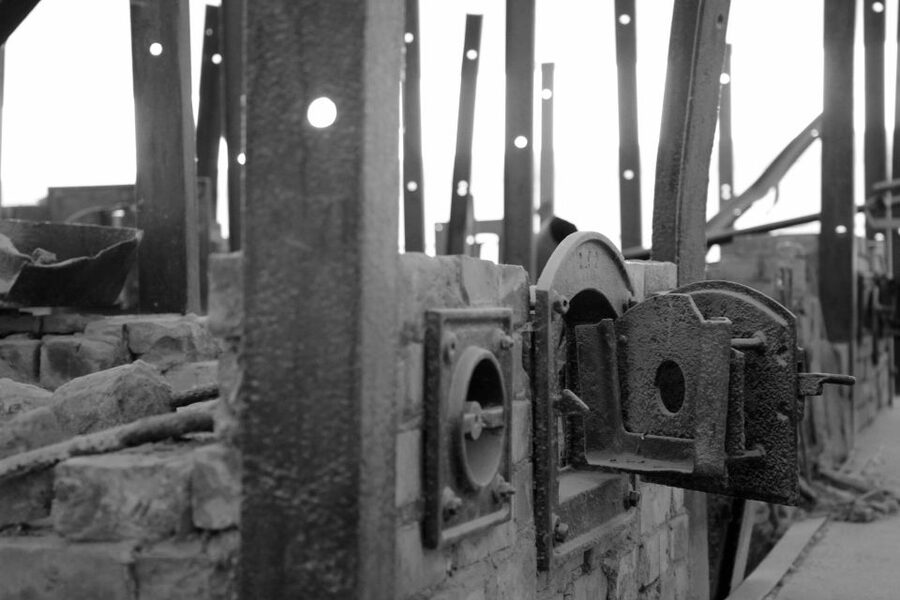
This is not a quick hit. Plan for about 3 hours of guided touring once you’re at the Sachsenhausen memorial grounds, plus travel time and walking that totals about 5.5–6 hours overall.
That 3-hour block is exactly the right length for a site with lots of smaller details. The guide needs time to explain, and you need time to look at plaques, remains, and memorial structures without rushing.
The tour also includes a walk through Oranienburg for about 20 minutes before heading back toward Berlin by public transport. That short stretch helps break the day up slightly, but it won’t turn it into an easy stroll.
Practical advice: bring water and a snack. The tour notes there are no shops or cafés in and around the memorial site, and that also shows up in real-life planning. I’d rather you be slightly over-prepared than do the arithmetic on the fly with low energy and a hard conversation in your head.
What the $38 price buys (and why it’s fair for this kind of visit)
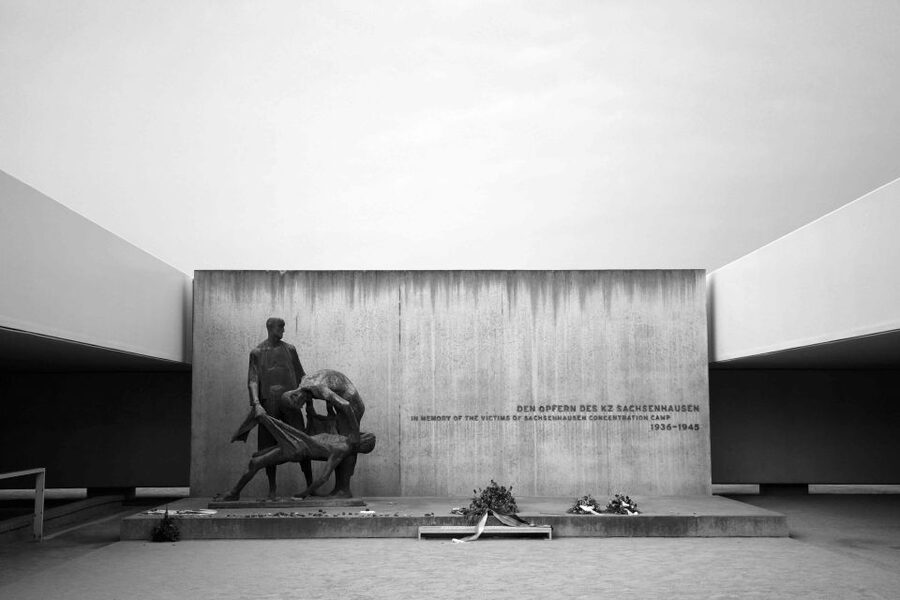
At around $38 per person, this tour is priced as a value day trip for two main reasons: you’re paying for a licensed guide and you’re also paying into the memorial directly.
Included in the price are:
- the licensed and trained guide
- a memorial fee
- a €3 donation to the camp memorial
You also skip the ticket line, which can save time on a day where you’re already working within a fixed schedule.
Is it cheap? No, not compared to a standard free-walking audio tour. But compared to what it costs to get a trained, memorial-licensed guide who can explain the camp system and answer questions, it feels fair. This is one of those places where the “cost” is mostly paid in your attention—and the guide helps you spend it wisely.
If you should book this Sachsenhausen tour
Book it if you want your visit to be structured, respectful, and grounded in real context—not just a checklist of sights. I think it’s especially worth it when you care about understanding how the Nazi concentration camp system functioned and why specific memorial features matter.
You should also book it if you appreciate a small group format. The praise for guides like Sarah, Georgia, Lewis, Rebecca, Ronja, and Emma points to something real: people are leaving the tour feeling helped, not lectured or brushed off. When you can ask questions and get direct answers, Sachsenhausen becomes harder to misunderstand.
Skip it (or reconsider) if you know you struggle with long days, heavy walking, or emotionally intense sites. This tour runs in all weather, and muddy ground after rain is part of the deal. If that’s a problem for you, plan to be extra cautious about shoes, clothing, and your energy.
FAQ
Where is the meeting point?
You meet outside Starbucks opposite Hackescher Markt S-Bahn station in Berlin.
How long is the tour?
The total duration is about 330 minutes, including travel time.
How big is the group?
The group is limited to a maximum of 15 participants.
What language is the tour in?
The tour is offered in English.
Do I need a public transport ticket?
Yes. A public transport ticket is required, and an ABC day pass is recommended.
Are there places to buy food or drinks at the memorial?
No. There is no possibility to buy drinks or snacks on site, so you should bring water and a snack.
What important parts of Sachsenhausen will we see?
You’ll focus on major memorial sites and features such as Tower A (including the work sets you free gate slogan), Station Z, the Jewish barracks, the shoe-testing track, the prison kitchen, and the infirmary barracks.
Can I cancel or pay later?
Yes. You can cancel up to 24 hours in advance for a full refund, and you can reserve now and pay later to keep plans flexible.
More Tours in Berlin


More Tour Reviews in Berlin
Sachsenhausen and Remembrance
Round out your days in Berlin
Sachsenhausen Memorial, compared.
 ★ 5.0Sachsenhausen Concentration Camp Tour in EnglishFrom $365,711 reviews
 ★ 4.7Sachsenhausen Concentration Camp Memorial TourFrom $213,716 reviews
 ★ 5.0Sachsenhausen Concentration Camp Bus Tour in English from BerlinFrom $681,962 reviews
★ 4.8Sachsenhausen Concentration Camp Tour in EnglishFrom $221,889 reviews
★ 5.0Sachsenhausen Concentration Camp Bus Tour in English from BerlinFrom $681,962 reviews
★ 4.8Sachsenhausen Concentration Camp Tour in EnglishFrom $221,889 reviews
 ★ 5.0Sachsenhausen Concentration Camp Memorial Tour (Max. 15 Guests)From $351,516 reviews
 ★ 4.9English Bus Tour to Sachsenhausen Concentration CampFrom $551,380 reviews
 ★ 4.6Sachsenhausen Concentration Camp and Potsdam TourFrom $651,334 reviews
 ★ 5.0Sachsenhausen concentration camp.From $341,189 reviews
Browse the lists this tour appears in