
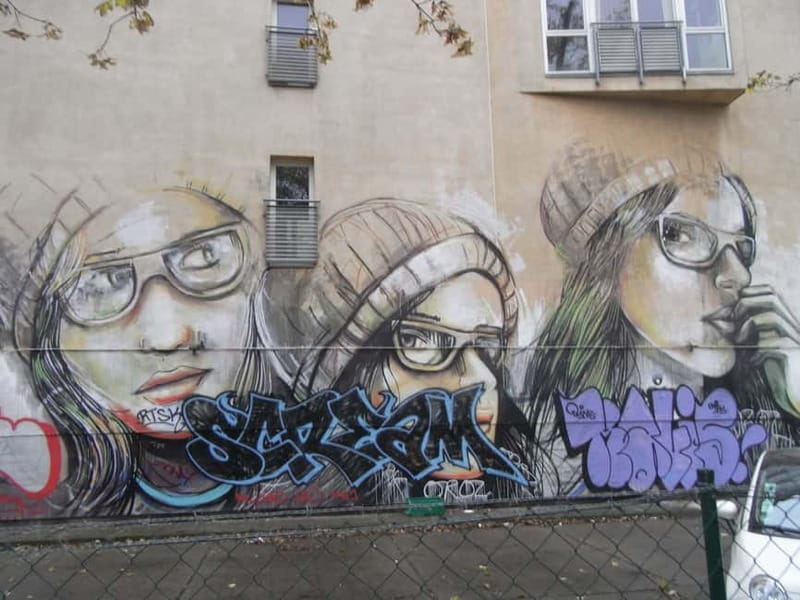
REVIEW · STREET ART & ALTERNATIVE BERLIN
Private Alternative Berlin Tour -Murals, Graffiti and Squats
Berlin street art tells stories if you listen. This is a private alternative Berlin tour that connects murals, wall graffiti, and squat-era culture to the city’s post–Wall creative boom. I like how it mixes famous sights with street-level corners where the message still feels current.
Two things I really like are the personal, flexible guiding style (guides like Jacob and Nadav are called out for adapting as you go) and the focus on both past and present street art. One possible drawback: it uses public transport plus walking, so comfortable shoes and a ready-to-move mindset matter more than you might expect for a 150-minute tour.
In This Review
- What you’ll remember most
- Berlin Street Art and Squat-Era Stories, in 150 Minutes
- Price and Group Size: How to Get Your Money’s Worth
- Hotel Pickup and the First Hops: Getting Oriented Fast
- Potsdamer Platz to a Viewpoint: Context Before the Street Art
- Dead Chicken Alley: Small Stop, Strong Attitude
- Alexanderplatz: Alternative Culture Meets a Major Hub
- Haus Schwarzenberg: Where Squat-Era Ideas Feel Concrete
- East Side Gallery: Wall Graffiti With Meaning Beyond the Instagram Shot
- Friedrichshain-Kreuzberg and Oberbaumbrücke: Closing With Now
- The Guide Is the Real Feature (Jacob, Nadav, and the Personal Touch)
- Picture Folder and WhatsApp: What You Carry Beyond 150 Minutes
- What to Budget and What to Bring
- Who This Tour Fits Best
- Should You Book This Alternative Berlin Tour?
- FAQ
- How long is the Private Alternative Berlin Tour – Murals, Graffiti and Squats?
- What is the group size for this private tour?
- What language is the tour guide?
- Is hotel pickup included?
- Do I need public transport tickets?
- Is food or coffee included?
- What should I wear or bring?
- Can I contact the guide before and after the tour?
- What is the cancellation policy?
What you’ll remember most
- Private guide who adjusts to your interests as you walk and ride between stops
- Murals and Wall graffiti tied to the real neighborhoods that made them possible
- Squat, punk, and hippie context explaining why Berlin got so “creative on purpose”
- Photo folder with interactive explanations to keep the story going after the tour
- Hotel pickup and WhatsApp support before and after, for extra recommendations
More murals and back-street Berlin
- Berlin: City Street Art Guided Walking Tour★ 4.8 · 1,051 reviews
- Berlin: 3-Hour Street Art Tour★ 4.7 · 778 reviews
- Berlin: Alternative Bike Tour of Kreuzberg & Friedrichshain★ 4.7 · 548 reviews
- Berlin Off-the-Beaten-Path Walking Tour: Kreuzberg, Mitte and Friedrichshain★ 5.0 · 412 reviews
Berlin Street Art and Squat-Era Stories, in 150 Minutes
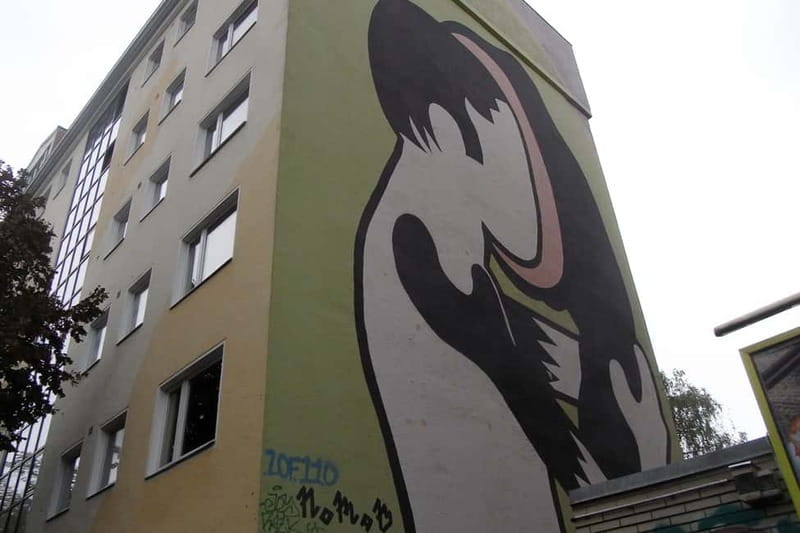
This tour is built for people who don’t just want to see graffiti, but want to understand why Berlin’s street art scene grew so fast after the Wall fell. You’ll hear how the city became a magnet for artists, hippies, punks, and improvisational communities, especially when housing was cheap and lots of buildings were in rough shape. In other words: the art wasn’t just decoration. It was a way of life, and sometimes a way of protesting.
I also like the tone. It’s fun and easy-going, but it’s not random wandering. You’re moving with a guide who can give you context without turning it into a lecture hall.
And since it’s private (up to 6 people), you can actually ask questions and steer the day a bit—something that matters a lot when you’re chasing a specific vibe like squats, murals, and punk corners.
Price and Group Size: How to Get Your Money’s Worth
The price is $313 per group (up to 6 people) for about 150 minutes. That can sound steep at first glance, but here’s the practical way to think about it: you’re paying for private time and a guide who focuses only on your group, not a crowd.
If you have a group of friends, the effective cost per person drops a lot. Even with just 2 people, you still get the advantage of hotel pickup, an English guide, and a route that targets the alternative side of Berlin rather than the standard “big sights only” sweep.
One more thing: the tour includes a picture folder with interactive explanations. Even if you only skim it, it’s a useful “memory booster” for turning what you saw into something you can remember later.
Hotel Pickup and the First Hops: Getting Oriented Fast
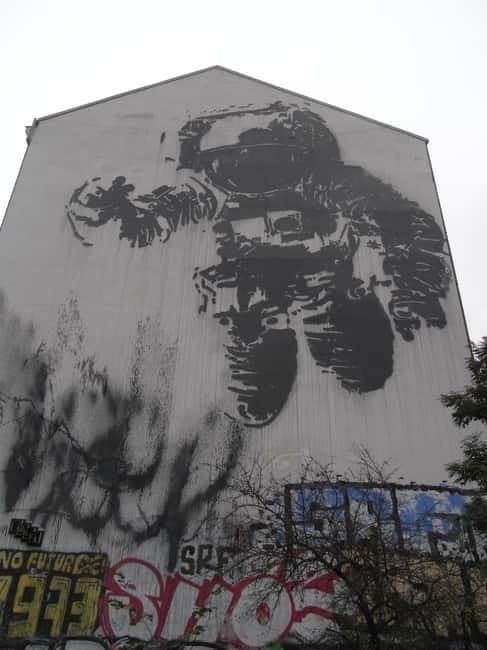
Berlin can be confusing if you’re trying to “eyeball” neighborhoods on the fly. Starting with pickup helps you get moving without wasting your energy. The tour also includes some short rides on public transport, which keeps the route efficient and helps you spend more time in the actual story spots.
You’ll get a quick walk-and-ride flow that feels more like a curated stroll than a long museum tour. And because it’s described as fun and easy walking, it’s not a grind—just a steady pace. If you’re the type who likes to stop for photos and keep moving anyway, this should fit well.
Practical tip: bring comfortable shoes. You’ll thank yourself when you hit the tighter street areas and bridge stretches.
Potsdamer Platz to a Viewpoint: Context Before the Street Art
The tour begins with Potsdamer Platz, followed by a short public transport hop and then a viewpoint stop. This early pattern is smart: it helps you understand where you are and how Berlin’s layout shapes the story.
Potsdamer Platz is one of those places where you can feel layers of history in the city’s modern structure. The guided time there is useful because it sets up the “why” before you chase the “where.” Without that framing, murals can feel like random visuals instead of part of a lived network.
Then you’ll head to a viewpoint for a short stop. Even if you’re not obsessed with skyline views, this kind of orientation helps you later connect the mural scenes to the neighborhoods you’re walking through.
More private tours of Berlin



Dead Chicken Alley: Small Stop, Strong Attitude
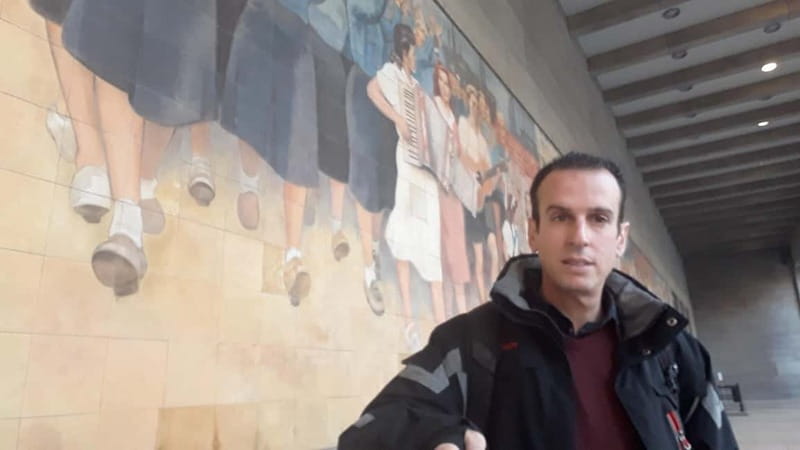
After more moving via public transport, you’ll reach Dead Chicken Alley. This is the kind of name that tells you what to expect: more street energy than “photo-op promenade.”
The guided time here is short, but it matters. These kinds of alley stops usually teach you how Berlin’s alternative scene expresses itself at the human scale. You’re looking at the messages and the style, but you’re also learning how the space itself supports the culture—tight, gritty, and made for improvisation.
The only consideration here is tempo. Because the tour keeps a steady schedule, you might not have unlimited time to sit and study every wall like you would on a solo explore. If you’re the type who wants to research one mural for 40 minutes, tell your guide early that you want one stop to slow down.
Alexanderplatz: Alternative Culture Meets a Major Hub
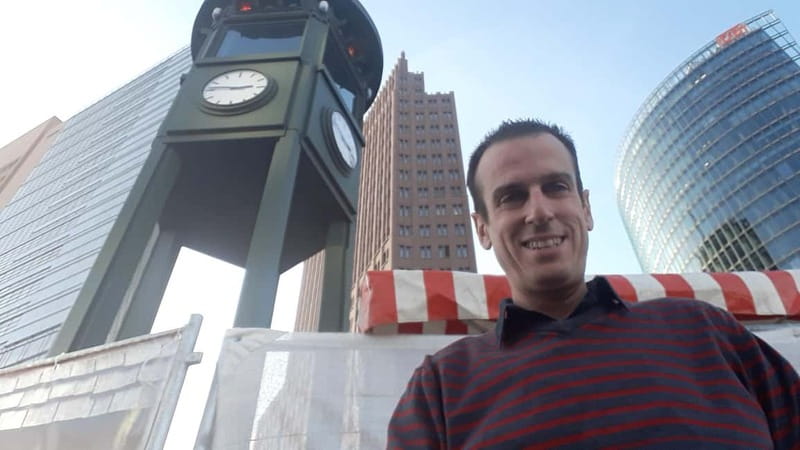
Next up is Alexanderplatz, a major central point. That choice is deliberate. Alternative culture doesn’t only live in far-away corners; it also interacts with the city’s mainstream circulation.
You’ll get guided time that likely helps connect the street art and counterculture story to a place people actually pass through daily. It’s a good reminder that Berlin’s creative reputation didn’t grow in isolation. It grew in a city with movement, transit, and constant mixing.
This stop also helps you “reset” visually after the more niche alley feeling. You’ll come away with a clearer idea of how different Berlin layers overlap—especially when gentrification starts changing what you see.
Haus Schwarzenberg: Where Squat-Era Ideas Feel Concrete
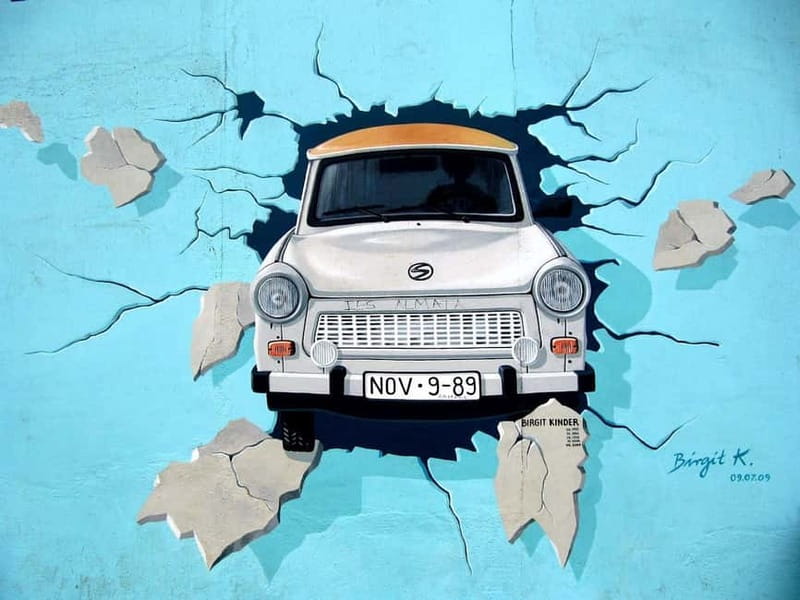
A major highlight is Haus Schwarzenberg, where you spend a good chunk of guided time. This is one of those stops that often works best when you’re interested in the practical side of alternative Berlin—how communities build spaces, not just how they decorate walls.
The tour frames Berlin’s shift after the Wall fall: once the city became cheap and full of damaged buildings, squats, house projects, galleries, and improvisational communities appeared. Even though the city has experienced constant gentrification, you’ll learn how some places still carry the energy of those earlier DIY systems.
Because this is a longer stop than some of the street-side segments, it’s usually where the tour’s storytelling can really land. You’ll likely get a better sense of how alternative culture uses physical locations to survive, evolve, and keep its identity—even when the surrounding area changes.
One caution: if you’re expecting a quiet, traditional “historic site” vibe, this may feel more like a living scene. That’s part of the point, but it helps to know the mood.
East Side Gallery: Wall Graffiti With Meaning Beyond the Instagram Shot
Then comes a big one: the East Side Gallery, with about 45 minutes guided time. This is the place where wall graffiti becomes more than street art. It becomes part of the public memory of Berlin itself.
The tour’s framing matters here. You’ll be taught to see wall graffiti and murals as cultural statements tied to the fall of the Wall era and what followed. Berlin’s alternative identity is often explained as a mix of freedom-seeking and creative survival, and the East Side Gallery is where those ideas become visually obvious.
You’ll likely spend enough time to notice style differences and to understand that not every mural is just aesthetic. Some are political, some are emotional, and many reflect the time and the people who shaped the conversation.
Practical note: expect to be outside and looking at walls for a while. Plan for it physically. This isn’t a quick drive-by.
Friedrichshain-Kreuzberg and Oberbaumbrücke: Closing With Now
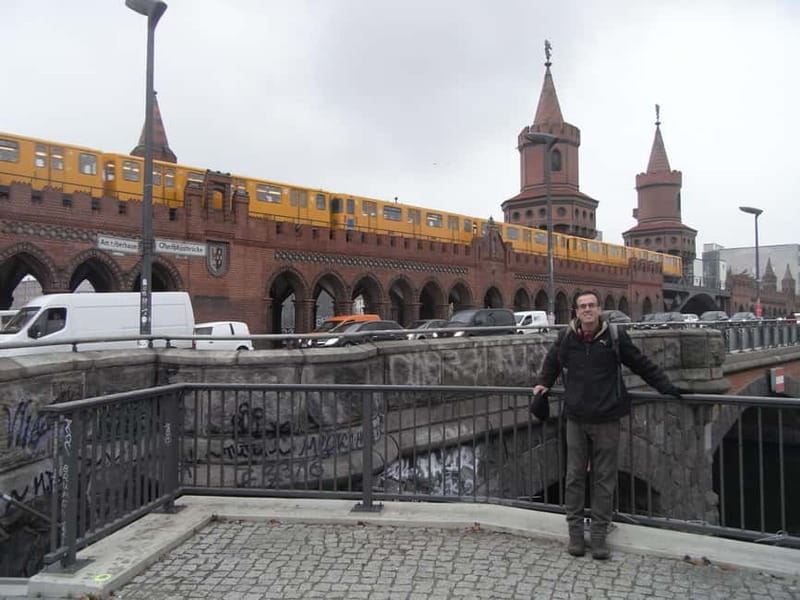
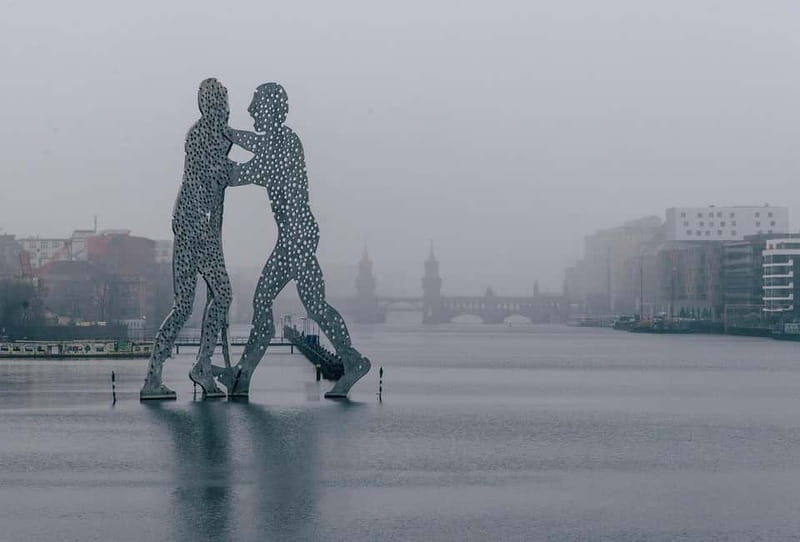
After East Side Gallery, the tour moves into Friedrichshain-Kreuzberg and then finishes at Oberbaumbrücke. The last stretch is useful because it brings you back to the “current” side of Berlin’s alternative scene.
Friedrichshain-Kreuzberg is a natural match for this theme. Even with gentrification, you can still see how the city remains a hub for artists, musicians, and wanderers. The guided time here helps connect the older squat-era story to what you see now, not just what happened in the past.
Then you end at Oberbaumbrücke, which gives you a strong final impression. Bridges often work as a good wrap-up point in walking tours because they offer an easy sense of direction—literal and mental. You’ll finish with the feeling that Berlin’s alternative identity isn’t stuck in a single era.
The Guide Is the Real Feature (Jacob, Nadav, and the Personal Touch)
If there’s one reason this tour earns strong scores, it’s the guide experience. People consistently highlight that the guide is easy to understand, entertaining, and willing to shift the day based on what you want to see.
I also like that personalization seems to be part of the method, not a bonus. One review specifically points out a guide like Nadav being able to tailor the route as interest comes up, and another calls out Jacob being flexible with start time and location. That kind of responsiveness is exactly what you want on a topic like alternative Berlin, where preferences vary wildly.
You don’t all want the same graffiti. Some people want murals. Some want squat culture. Some want punk-and-hippie context. A guide who adjusts helps you feel like the tour is actually about your curiosity, not just the clock.
This is also why the tour’s WhatsApp support after the walk is valuable. It’s not just “here’s the route.” It’s more like: you leave with ideas for what to chase next.
Picture Folder and WhatsApp: What You Carry Beyond 150 Minutes
Included in the tour is a 3A picture folder with interactive explanations about Berlin’s alternative style. That matters because street art can be fleeting: you see it, take a photo, and then it fades unless you connect it to meaning.
This folder helps you keep the context from turning into noise. If you’re the kind of person who likes to remember by reviewing notes later, you’ll probably appreciate it.
Also, the guide offers availability through WhatsApp before and after for recommendations and information. I love this because it helps you keep exploring without guessing. If you finish the tour and want a “what’s worth it next” nudge, that’s the kind of service that turns a good walk into a better trip.
What to Budget and What to Bring
This tour includes the essentials that keep the experience smooth, but you should plan for a few extras. Public transport tickets cost 4–10 euro, and coffee/snacks are on you (often 5–15 euro). You’re not expected to bring a backpack full of supplies, but you should budget a small amount so you don’t feel stuck.
What to bring is simple: comfortable shoes. Since you’ll be walking and riding, that’s the only gear advice that’s really worth acting on.
Who This Tour Fits Best
This tour is best for you if you want:
- Murals, graffiti, and Wall graffiti with context, not just photos
- Alternative Berlin culture explained in plain language
- A private group setting where you can ask questions and steer
It’s also a good match if you’re curious about squats and how creative communities formed after the Wall fell, even though the city has changed with gentrification.
If you’re only interested in classic, orderly sightseeing, this might feel too street-focused. But if you want Berlin with edges, this is a solid way to get there in just 150 minutes.
Should You Book This Alternative Berlin Tour?
I’d book it if you want a guided route through Berlin’s alternative art and squat-era context, with enough flexibility that the day won’t feel generic. The price makes more sense when you’re sharing the cost inside a group of up to 6, and the included photo folder plus WhatsApp follow-up adds value beyond the walk itself.
Skip it if public transport and walking stress you out, or if you prefer slow, solo exploration without a schedule. For everyone else, this is one of the better ways to see street art in Berlin with actual meaning attached.
FAQ
How long is the Private Alternative Berlin Tour – Murals, Graffiti and Squats?
The duration is 150 minutes.
What is the group size for this private tour?
It’s a private group, up to 6 people.
What language is the tour guide?
The live tour guide is English.
Is hotel pickup included?
Yes. Hotel pickup is included, either from the hotel reception or from any location you specify.
Do I need public transport tickets?
Yes. Public transport tickets are not included, and they can cost about 4–10 euro.
Is food or coffee included?
No. Food, coffee, and snacks during any break are not included (you may want to budget about 5–15 euro).
What should I wear or bring?
Bring comfortable shoes, since it’s a fun and easy walking and public transport tour.
Can I contact the guide before and after the tour?
Yes. You have availability through WhatsApp before and after the tour for recommendations or information.
What is the cancellation policy?
Free cancellation is available up to 24 hours in advance for a full refund.
More Tours in Berlin


More Tour Reviews in Berlin

Street Art and Alternative Berlin
Round out your days in Berlin
Street Art & Alternative Berlin, compared.
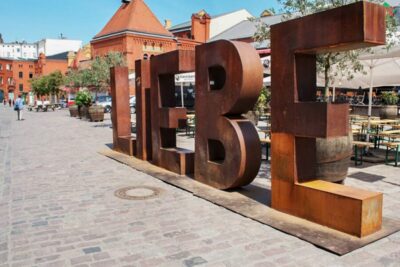 ★ 4.6Alternative Berlin Walking TourFrom $291,204 reviews
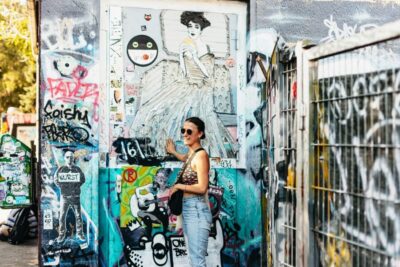 ★ 4.8City Street Art Guided Walking TourFrom $231,051 reviews
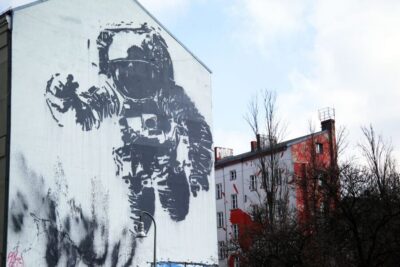 ★ 4.73-Hour Street Art TourFrom $23778 reviews
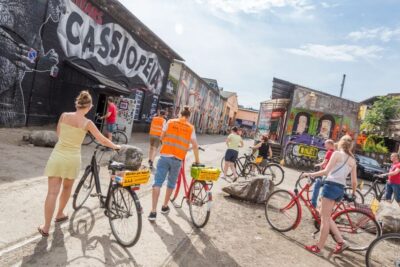 ★ 4.7Alternative Bike Tour of Kreuzberg & FriedrichshainFrom $41548 reviews
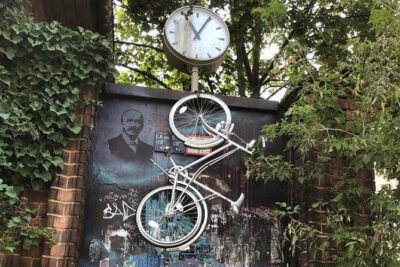 ★ 5.0Berlin Off-the-Beaten-Path Walking Tour: Kreuzberg, Mitte and FriedrichshainFrom $30412 reviews
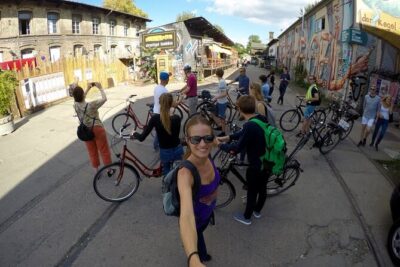 ★ 4.8Experience the Alternative Kreuzberg on a Bike TourFrom $41395 reviews
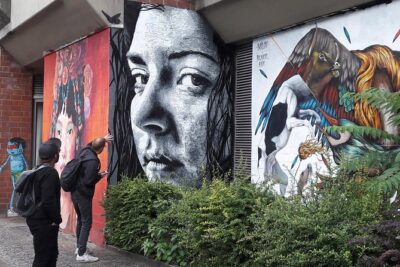 ★ 5.0Berlin Street Art Walking Tour – Off The GridFrom $24270 reviews
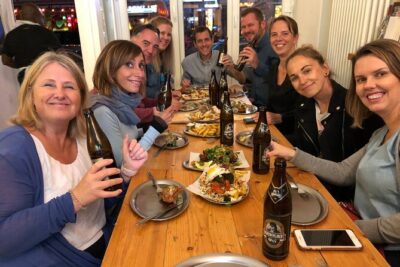 ★ 5.0East Meets West: Berlin Food Culture & Street ArtFrom $169157 reviews
Browse the lists this tour appears in