
REVIEW · BERLIN WALL & COLD WAR
Private Walking Tour: Behind the Iron Curtain and Berlin Wall
Cold War Berlin hits you in the gut, fast. This private walking tour follows the story of division with stops like Bernauer Strasse and the Berlin Wall Memorial, so it feels real instead of textbook. I love how the route is built around escape attempts and everyday impact, and I also love the way a guide ties the Soviet conflict to what people actually saw outside their door.
One heads-up: it’s still a walking tour. You should expect moderate walking and a bit of time on your feet between key sites, plus you’ll need a day pass for transit.
In This Review
- Key points to know before you go
- Berlin’s Cold War Reality, Walked Block by Block
- A Private Tour Means You Get the Story, Not Just the Stops
- Bernauer Strasse and the Berlin Wall Memorial: Where the “Death Strip” Becomes Real
- Gethsemane Church in Prenzlauer Berg: Activism Had a Meeting Place
- Bornholmer Strasse Border Crossing: One Street, Two Systems
- East Side Gallery and the Wall Afterlife: Art on Concrete
- Alexanderplatz Ending: From Border Tension to Everyday Berlin
- How the Cold War Story Fits Together in 4 Hours
- Price and Value for a Private Berlin Wall Walk
- Tips to Get the Most From Your Walking Time
- Who Should Book This Private Cold War Tour
- Should You Book This Private Walking Tour of the Iron Curtain Sites?
- FAQ
- FAQ
- How long is the private walking tour?
- Is this a private tour or shared group?
- Where does the tour start and where does it end?
- Which Cold War sites are included?
- Is hotel pickup included?
- Do I need a public transport day pass?
- Are food and drinks included?
- What fitness level do I need?
- What is the cancellation policy?
Key points to know before you go
- Private historian-led pacing: you get a focused route without the slowdown of a big group.
- Bernauer Strasse escape stories: the “death strip” isn’t abstract here.
- Both sides of the Wall: you hear what East and West life meant in practice.
- Church and border crossing stops: the activism isn’t just political theory.
- Alexanderplatz ending point: you finish at a major hub, easy to keep exploring afterward.
- Tour uses transit during the walk: plan for the required day pass for zones AB.
More of the Wall and the divided city
- Berlin’s Best: 2 Hour Walking Tour Third Reich and the Cold War★ 5.0 · 5,486 reviews
- Skip-the-Line: Berlin Wall Museum at Checkpoint Charlie★ 4.1 · 2,041 reviews
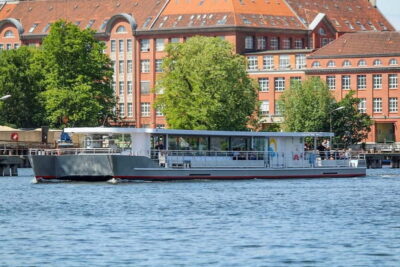
- Berlin: East Side Gallery Spree Cruise in a Solar Catamaran★ 4.1 · 1,086 reviews
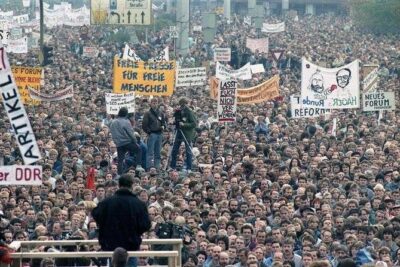
- Cold War, Berlin Wall, Spies and the East Side Gallery★ 5.0 · 1,024 reviews
Berlin’s Cold War Reality, Walked Block by Block
Berlin was the prize after World War II—and the problem. The city got cut into sectors, then hardened into a symbol: East versus West, communism versus capitalism, Soviet influence versus American-led policy. The result was not just politics. It was streets you could walk down today, but that could get you locked up tomorrow.
On this private tour, you don’t just learn what happened in 1945 and 1989. You walk through the physical geography that made the Cold War so tense. That’s the difference. Berlin’s past is built into sidewalks, corners, and station areas. When you stand near the places where people tried to get through, you understand why the wall wasn’t only steel and concrete—it was fear management.
I also like that the tour doesn’t treat the Wall as a single event. It’s presented as a long arc: war-torn Berlin, rising Soviet power, the mechanics of the GDR, and then the audacious pressure points that helped break the system. You’ll hear how Berlin became a collision point between superpowers, and how ordinary people lived inside the consequences.
A Private Tour Means You Get the Story, Not Just the Stops
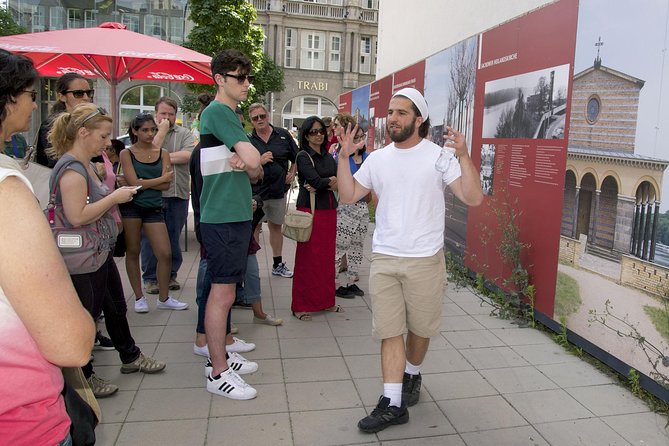
This is a private walking tour, which changes the feel right away. You move at one pace—your pace—and your guide can answer questions as you go. That matters on a topic like this, where details can shift depending on what you’re curious about: protest culture, escape attempts, daily life in the GDR, or how reunification was experienced on the ground.
The tour runs about 4 hours, and it’s structured as a half-day outing that starts in central Berlin and ends at Alexanderplatz, a huge transport square in Mitte. That ending point is practical. You won’t be stuck with a long transfer back to your hotel.
You’ll meet your guide in central Berlin and then walk your route from there. If your hotel is centrally located, pickup may be offered. Either way, the tour is near public transportation, so you’re not committing your entire day to remote logistics.
Bernauer Strasse and the Berlin Wall Memorial: Where the “Death Strip” Becomes Real
If you want one place to anchor your understanding, make it Bernauer Strasse. This area is famous for the escape attempts tied to the Wall. It’s also one of the best spots for grasping how the border worked in practice. Not just who lived where, but how a city can be redesigned to control movement.
When the guide talks about the “death strip,” you’ll understand it as more than a dramatic phrase. It was a designed buffer zone—built to limit access, expose escape attempts, and punish those who tried. Seeing it through Berlin’s actual streets and memorial points turns the story from abstract to immediate.
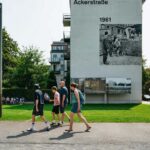
Then comes the Berlin Wall Memorial on Bernauer Strasse. This is where you’ll see remains of the wall and the memorial context that explains what happened here. The emotional weight is strong, but the experience also stays grounded. You’re not just looking at a monument. You’re learning why these specific blocks mattered.
This stop is also where I think the tour’s value is highest. Many visitors see a wall section and take photos. On this walk, you connect the wall to the choices people made—sometimes desperate choices, sometimes planned strategies, and sometimes protest actions that pushed the system.
Gethsemane Church in Prenzlauer Berg: Activism Had a Meeting Place
Not every Cold War story plays out on border fences. Some of it played out in churches, community spaces, and meeting rooms. That’s why Gethsemane Church is a smart stop on this tour.
The church is tied to civil rights activism in the late 1980s, when people gathered to protest. You’ll hear how activism formed under pressure—how the GDR’s heavy policing shaped daily life and also shaped what kinds of opposition were possible. Standing where people organized changes the tone of the story. It stops being only about escapes and starts becoming about persistent pressure.
Prenzlauer Berg matters here too. This isn’t treated as some distant museum district. It’s presented as a living neighborhood where politics got personal. The guide links protest energy to the broader Cold War timeline, so you can see how the fall of the Wall didn’t come out of nowhere.
If you want a balanced perspective, this is a key piece. The Wall collapsed through multiple forces, and activism is one of them. This stop helps you understand how people pushed back even when the state tried to limit movement, speech, and organization.
More of Berlin on foot

Bornholmer Strasse Border Crossing: One Street, Two Systems
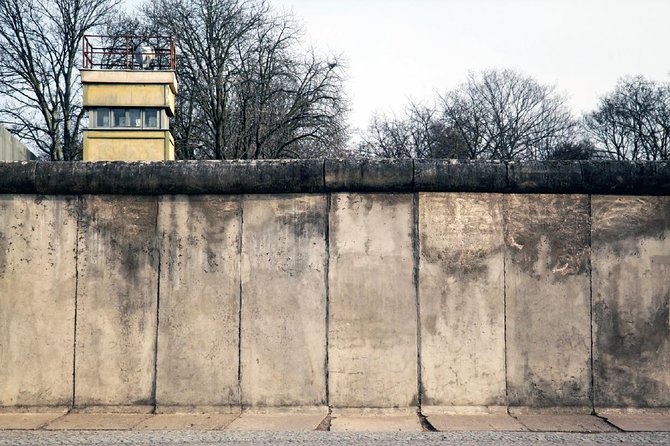
Border crossings are where the Cold War becomes operational. And Bornholmer Strasse is one of those named places that makes it easy to picture how East and West Berlin connected—or didn’t.
On the tour, you’ll learn why this crossing mattered and how it fit into the larger network of border points. The guide also frames the bigger picture: life in the GDR as one of the most heavily policed states in the Eastern Bloc. That context helps you interpret what it meant to be near a crossing. It wasn’t just travel. It was risk, monitoring, and political control.
You might notice a pattern as you walk: the physical spaces keep reinforcing the same idea. The Wall wasn’t only a barrier. It was a tool for regulating behavior and channeling movement. Bornholmer Strasse brings that home in a concrete way, because you’re literally walking through the corridor where decisions had consequences.
East Side Gallery and the Wall Afterlife: Art on Concrete
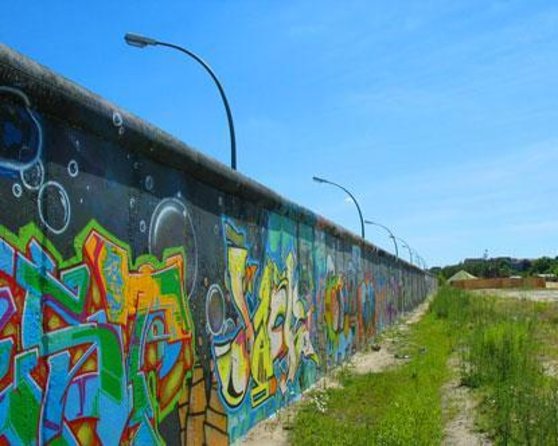
The tour also includes the East Side Gallery, where sections of the Wall were used for public art after the Wall fell. This can feel like whiplash at first—serious history beside bright murals—but that’s part of the point.
The guide doesn’t treat the Wall’s artwork as just decoration. You’ll see how the meaning of a place changes over time. A structure built for control can later become a canvas for expression—and that shift is part of what “rise and fall” means in a real city.
I like this part of the walk because it gives you a wider emotional range. You start with fear and division, you move through activism and border dynamics, and then you end up seeing how Berlin repurposed a hard symbol into something people could approach instead of avoid.
Still, you won’t lose the seriousness. The tour keeps returning to why the Wall existed and what it did to lives. The art is an afterlife of the Wall, not a replacement for its history.
Alexanderplatz Ending: From Border Tension to Everyday Berlin
You end at Alexanderplatz, which is a major square and transport hub in Mitte. That end point is more than convenient. It’s a reminder that Berlin is now a normal city, full of commuting, shopping, and everyday movement.
After standing near border history and memorial areas, finishing at a place like Alexanderplatz can feel strangely grounding. It’s like you step back into the present. You can use the location to keep going on your own—grab coffee, walk to nearby sights, or simply people-watch with a new lens.
This also helps you with timing. Since you’re back at a transport center, it’s easier to slip into the next plan without stress. You’ll be well-positioned for the rest of your afternoon or evening.
How the Cold War Story Fits Together in 4 Hours
Four hours can sound short for a topic like this. But the tour isn’t trying to cover everything about the Cold War. It focuses on the Berlin layer: how division happened here, why the Wall became the centerpiece, and how the fall of the system played out in visible locations.
You’ll get the story from WWII into the Cold War, with a clear through-line toward the Soviet Union’s rise and the eventual collapse of Communist control in East Germany. The tour connects that larger geopolitical arc to Berlin’s streets, especially around escape efforts, protests, and the border crossings that made separation tangible.
One thing I appreciate is the balance between sides of the Wall. You won’t get a one-note version. You’ll learn what it meant to live in the GDR and how the state worked to control public life. Then you’ll also see West-linked context through the border story and the Wall’s role as the dividing line.
If you’re a history nerd, you’ll enjoy the specificity. If you’re not, you’ll still get it because your feet keep grounding you in place.
Price and Value for a Private Berlin Wall Walk
At $166.52 per person for a private tour, the pricing may look like a splurge—until you compare what you’re actually paying for. You’re paying for a dedicated guide, about 4 hours of focused storytelling, and a route that hits multiple Cold War anchors rather than one quick photo stop.
The value improves if you care about depth. A public tour can cover basics, but a private guide can adjust pacing and explanations to your interests, and they can build context as you move from site to site. That matters on this subject. The difference between skimming and understanding is mostly time and attention, and you’re buying that.
Also helpful: pickup may be available if your hotel is centrally located, and there’s a mobile ticket. Group discounts may apply, which can lower the per-person cost if you’re traveling with others.
One more practical thought: you’ll need a public transport day pass for zones AB during the tour, and food and drinks are not included. So budget for transit passes and a snack or meal on your own.
Tips to Get the Most From Your Walking Time
This tour involves moderate walking, so pack smart. I’d plan for comfortable shoes first—no hero sneakers, no new shoes you’re hoping will break in. The whole experience works better when you can focus on the story instead of your feet.
Because a transit day pass is required for zones AB, I’d arrive with your plan set for how you’ll get there and how you’ll move during the tour. Also check weather. Berlin can do sudden changes, and you’ll be outside for stretches.
If you want to get more out of the stops, come with one question in mind before you start. For example:
- How did escape attempts work in practice?
- What role did protest play in the Wall’s collapse?
- What did everyday life in the GDR feel like?
Your guide can shape answers around that as you walk.
Who Should Book This Private Cold War Tour
This tour is a great match if you want history tied to real locations, not just a lecture. It’s especially good for:
- Couples and small groups who want a calm, private pace
- People who want context for how Berlin became a Cold War hotspot
- Anyone interested in activism, border crossings, and how the Wall affected daily life
You’ll also like it if you prefer structured half-day plans. The tour ends at Alexanderplatz, so it’s easy to stitch into the rest of your itinerary.
If you’re the type who only wants “high points” and quick photos, you might find it a bit heavy. But if you’re okay with serious material and you want understanding, it’s an excellent use of a half day.
Should You Book This Private Walking Tour of the Iron Curtain Sites?
I’d book this tour if you want the Berlin Wall story told where it happened, with stops like Bernauer Strasse, Gethsemane Church, Bornholmer Strasse, and the East Side Gallery tied together into one clear Cold War narrative. The private format is a big part of why it feels worth the price—your guide can make the history click, not just recite facts.
Skip it only if you’re trying to cover Berlin in speed-run mode, or if you dislike walking tours that move you between multiple sites. Otherwise, this is one of the most meaningful ways to understand Berlin’s Cold War identity in just 4 hours.
FAQ
FAQ
How long is the private walking tour?
The tour lasts about 4 hours.
Is this a private tour or shared group?
It’s a private tour/activity, so only your group participates.
Where does the tour start and where does it end?
You begin in central Berlin and the tour ends at Alexanderplatz in the Mitte district.
Which Cold War sites are included?
The tour includes stops such as the Berlin Wall Memorial on Bernauer Strasse, Gethsemane Church, Bornholmer Strasse, and the East Side Gallery, plus Alexanderplatz.
Is hotel pickup included?
Pickup is offered if your hotel is centrally located.
Do I need a public transport day pass?
Yes. A public transport day pass covering zones AB is required during the tour.
Are food and drinks included?
No. Food and drinks are not included.
What fitness level do I need?
You should have a moderate physical fitness level for walking.
What is the cancellation policy?
You can cancel up to 24 hours in advance for a full refund. If you cancel less than 24 hours before the start time, you won’t receive a refund.
More Tours in Berlin



More Tour Reviews in Berlin
The Wall and the Cold-War City
Round out your days in Berlin
Berlin Wall & Cold War, compared.
 ★ 4.9Third Reich & Cold War Guided Walking TourFrom $238,378 reviews
 ★ 5.0Berlin’s Best: 2 Hour Walking Tour Third Reich and the Cold WarFrom $245,486 reviews
 ★ 4.1Skip-the-Line: Berlin Wall Museum at Checkpoint CharlieFrom $212,041 reviews
 ★ 4.1East Side Gallery Spree Cruise in a Solar CatamaranFrom $281,086 reviews
 ★ 5.0Cold War, Berlin Wall, Spies and the East Side GalleryFrom $181,024 reviews
 ★ 4.8Wall Tour – Fates, Love Stories, and HeroesFrom $282585 reviews
 ★ 4.5THE WALL: asisi Panorama Berlin TicketFrom $16580 reviews
 ★ 4.8The Wall and Third Reich Guided Bike TourFrom $41578 reviews
Browse the lists this tour appears in