
REVIEW · BERLIN WALL & COLD WAR
The Berlin Wall / Cold War Berlin (Private 3 Hours Walking Tour)
Berlin’s Cold War story is still written into its streets. This private 3-hour walk trades big bus tours for a licensed guide and a Berlin Wall Memorial focus. I especially like that you move at a human pace, with time at the key sites, and that the guide connects the dots between places like the Brandenburg Gate and the No-Man’s-Land that surrounded the Wall.
The main drawback to consider is time: with about three hours total, you won’t get a long museum-style session everywhere. It’s built for understanding and orientation, not for spending half a day deep in archives—so wear comfy shoes and plan to stay fully present for the walking parts.
In This Review
- Key things you’ll notice on this Cold War Berlin walk
- Why a private, 3-hour Wall tour fits Berlin well
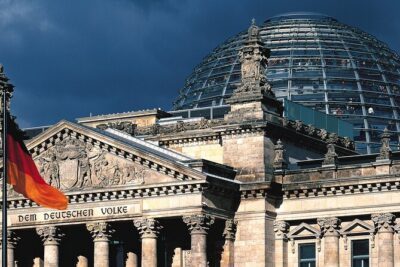
- Brandenburg Gate: the symbol you can actually connect to the Wall
- Palace of Tears: where departures were part of the system
- Memorial of the Berlin Wall: original relics and the meaning of No-Man’s-Land
- Museum in der Kulturbrauerei: East German everyday life in 30 minutes
- The guide’s job: keeping the story clear as you walk
- Price and value: what you’re really paying for
- Timing, pace, and what to pack for walking
- Who this tour is best for (and who might want something else)
- Should you book this Berlin Wall / Cold War private tour?
- FAQ
- How long is the Berlin Wall / Cold War Berlin private walking tour?
- What does the tour include?
- Is this a private tour?
- Is hotel pickup included?
- What language is the tour offered in?
- Are admission tickets included for the stops?
- What is not included in the tour price?
- FAQ
- Can I cancel for a full refund?
- Where does the tour take place?
- What should I bring if there are no snacks included?
- Is there a mobile ticket?
- What if I need public transportation after the tour?
Key things you’ll notice on this Cold War Berlin walk
- Private group (up to 15) so you can keep questions in motion and not wait for the loudest voice.
- Hotel lobby pickup plus a mobile ticket, which cuts friction at the start of your day.
- Wall Memorial time is the centerpiece with about 1 hour 30 minutes at the site and original relics preserved.
- Palace of Tears is personal, tied to a real crossing point and the emotional goodbye it forced on families.
- Daily-life context in East Germany at the Museum in der Kulturbrauerei keeps the story from staying abstract.
- All stop admissions are free for this experience, helping you keep the trip within budget.
More of the Wall and the divided city
- Berlin’s Best: 2 Hour Walking Tour Third Reich and the Cold War★ 5.0 · 5,486 reviews
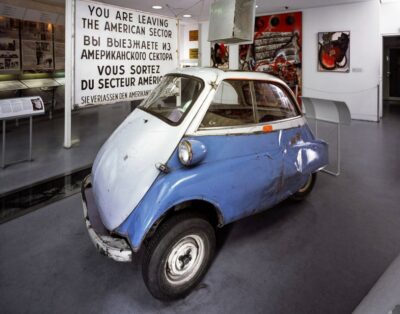
- Skip-the-Line: Berlin Wall Museum at Checkpoint Charlie★ 4.1 · 2,041 reviews
- Berlin: East Side Gallery Spree Cruise in a Solar Catamaran★ 4.1 · 1,086 reviews
- Cold War, Berlin Wall, Spies and the East Side Gallery★ 5.0 · 1,024 reviews
Why a private, 3-hour Wall tour fits Berlin well
Berlin can feel like it’s telling two stories at once: the modern city you see today, and the political fight that shaped where people lived, worked, and moved. This tour is designed to help you read that second story without needing a day-by-day lesson plan. You get a guide who keeps the narrative tight while you walk, then you spend the bulk of your time at the Wall Memorial where the physical evidence is still there.
The value for me is the balance. You get the big symbols first—Brandenburg Gate—then you hit the places where daily life and departures happened, like the Palace of Tears. Finally, you land at the Wall Memorial, where the preserved remnants make the system feel real instead of theoretical. For you, the payoff is clarity: you leave with a working mental map of how Berlin was divided and why the Wall mattered beyond headlines.
Because it’s private, your group doesn’t have to move in lockstep with strangers. If you’re with kids or you just learn best by asking questions, this format usually works better than crowded group tours where you never catch the thread.
Brandenburg Gate: the symbol you can actually connect to the Wall
You start at the Brandenburg Gate, and it’s a smart first stop. It’s not just a pretty landmark; it represents the arc of the Wall era, from its construction period to its collapse. In a few minutes, your guide can frame why a single monument became a stand-in for both division and freedom.
This stop is short—about 20 minutes—so think of it as your “anchor.” You’re likely to see the area from outside and then move on quickly. The short time is not a problem as long as you treat it as orientation. If you linger too long, you’ll lose time for the Wall Memorial later, and that’s the part where you’ll feel the strongest connection to what the Wall actually did to movement and choices.
If you want to take photos, do it efficiently. Early in the tour is when the light may help, but the schedule is built so you can keep momentum.
Palace of Tears: where departures were part of the system
Next comes the Palace of Tears, a crossing point on Friedrich Street that became known by that emotional nickname. The idea is simple but heavy: West Berliners had to say goodbye to their families there, then take the train back home. The site is authentic, and the museum helps explain what that crossing meant in everyday terms, not just political slogans.
You get about 30 minutes here. That’s long enough to understand the purpose of the place and still short enough to prevent the tour from turning into a half-day museum visit. The museum setting matters, because it uses the space itself to explain how crossings worked and why emotions ran high. If you’re the type who likes “what it felt like” details, this is a stop that can click quickly.
Possible drawback: this is an emotional theme, so if your group is easily overwhelmed or you’re traveling with anyone who prefers lighter content, you may need to set expectations beforehand. A private guide can usually pace the discussion to fit your group tone, but it’s still a real story.
Memorial of the Berlin Wall: original relics and the meaning of No-Man’s-Land
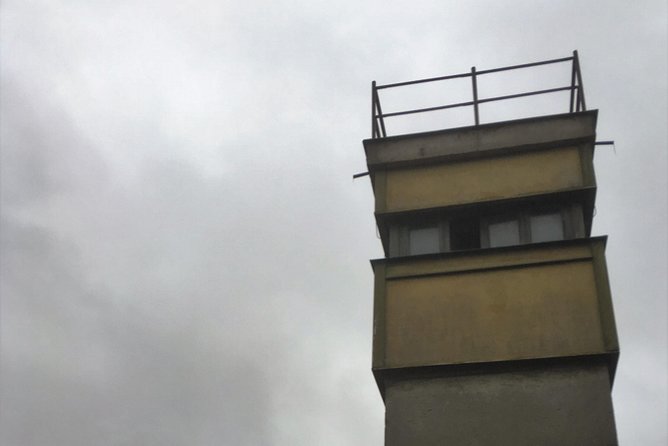
The Memorial of the Berlin Wall is where the tour earns its name. You spend about 1 hour 30 minutes here, and it’s not just a viewpoint. The key point is that original relics were preserved, not only from the Wall itself but from the surrounding No-Man’s-Land. That matters because you’re not only learning about a wall; you’re seeing the “buffer zone” idea in physical form.
This is also where the tour gets specific about escape routes. The site preserves connections to tunnels dug in the area and escape attempts that happened despite the barriers. Your guide’s job here is to help you connect three things:
1) how the Wall functioned as a system,
2) how movement was controlled, and
3) why some people still tried to flee.
If you’ve ever tried to understand the Cold War from books alone, this stop can correct your mental picture. It’s easier to grasp why escape efforts were so risky when you can imagine the space and constraints in front of you. Even if you don’t memorize every detail, you should come away with a more realistic sense of how hard it was to make progress and how the Wall shaped behavior for both sides.
Because this is the longest segment, it’s also the best place to slow down and ask questions. If you have one “must-understand” topic—like what people faced at crossings or why certain routes were attempted—this is where to ask.
More of Berlin on foot

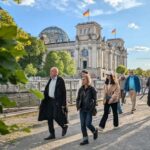

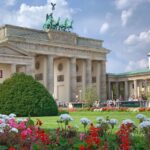

Museum in der Kulturbrauerei: East German everyday life in 30 minutes
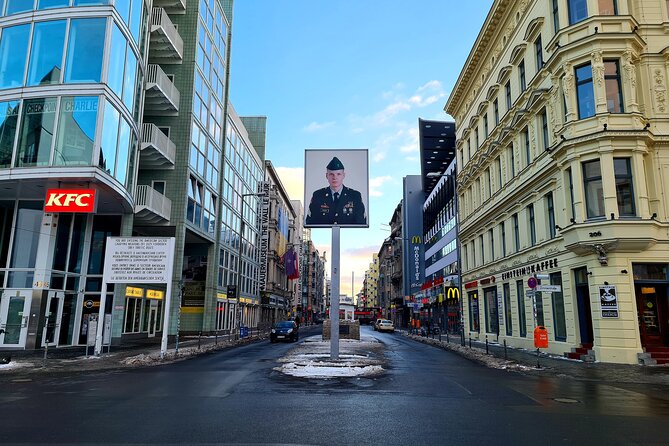
After the Wall Memorial, the tone shifts slightly at the Museum in der Kulturbrauerei. The focus here is East Germany daily life, and that’s a useful counterweight. The Wall can dominate your thinking because it’s the headline. But people still worked, shopped, commuted, and raised families behind the system.
You’ll have about 30 minutes. That length isn’t meant to replace a full museum day. Instead, it gives you enough context to avoid a common trap: seeing the Wall era as only security checkpoints and political drama. When you pair this stop with the Wall Memorial and Palace of Tears, daily life becomes the missing layer that makes the story feel human.
One practical tip: since you’re only here for half an hour, pick a few topics that interest you and let the guide steer your attention. If your group tries to read every label, you’ll run out of time before you get the “so what” lesson.
The guide’s job: keeping the story clear as you walk
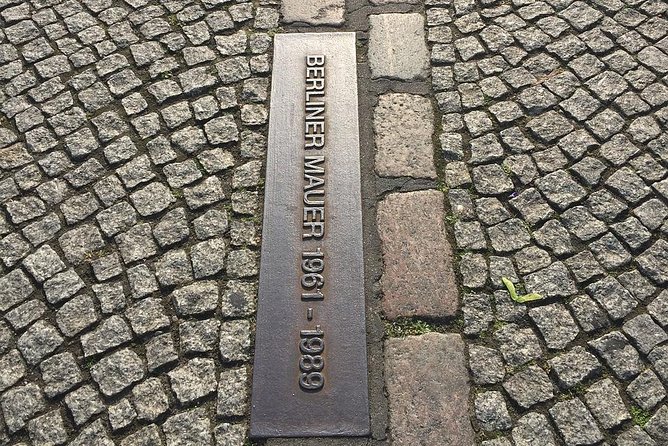
A private guide changes how this kind of tour feels. Instead of absorbing a timeline like homework, you get explanation in the moments you need it. The strongest reports of the experience point to guides who make complex themes understandable and who weave in human details that help the facts stick.
Names that show up in standout accounts include Sandra, Monti, and Andrés. Across these examples, the theme is clear: good teaching and strong commitment to making the Cold War make sense, even for children. If you’re traveling with kids, that can be a big deal. A Wall tour that’s handled well can turn history into something your group can actually talk about afterward.
If you’re an adult traveling with questions, you’ll still benefit. You’ll get a guided pace and a chance to ask why things happened, not just what happened. That’s especially helpful at the Wall Memorial, where the physical remnants can look confusing if you don’t have a framework.
Price and value: what you’re really paying for
The cost is $331.37 per group (up to 15 people) for about 3 hours, with hotel pickup offered. That group pricing matters in two ways.
First, the tour includes highly experienced and licensed guidance and all fees and taxes. You’re not paying extra for the guide, and you’re not stuck with surprise add-ons that turn the total into something else. Second, all the site admissions listed for the stops are ticket free for this experience. That doesn’t mean you’ll never spend money around Berlin—snacks and local transit aren’t included—but it does help keep the core plan predictable.
To judge value for your group, do a simple per-person check:
- If you’re 2 people, it’s about $166 per person.
- If you’re 4 people, it’s about $83 per person.
- If you’re 8 people, it’s about $41 per person.
Private tours usually make the most sense when you’re more than 2 people or when you care about your time and your questions. In this case, even for couples, it can be worth it if you want a guide to steer you through emotionally and historically complex sites without getting lost.
My practical advice: treat this as a guided orientation to Cold War Berlin’s “how it worked” places. If you want to spend days reading every plaque, you’ll need additional time. If you want a smart, structured walk that gives you a workable understanding in a few hours, it’s strong value.
Timing, pace, and what to pack for walking
The tour runs daily, and pickup is offered from your hotel lobby. The listed operating window is 8:00 AM to 5:00 PM. With an experience length of about 3 hours, you’ll usually be able to fit it into a morning or early afternoon plan.
Because you’re walking between stops and the Wall Memorial is a longer segment, pack for comfort, not fashion points. Wear comfortable, supportive sneakers. Plan for a few stretches of standing and moving around museum areas.
Also, bring water. The tour doesn’t include snacks, so if you’re sensitive to low energy, plan ahead. And if you’re using local transit to reach the pickup area (since public transport tickets aren’t included), have a plan for how you’ll get back after the tour.
Who this tour is best for (and who might want something else)
This private Wall and Cold War tour is a great match if you:
- want a clear explanation instead of reading alone,
- prefer a small, private group where questions can happen naturally,
- like a mix of symbols (Brandenburg Gate) and places tied to real crossings (Palace of Tears),
- want the Wall story plus a daily-life context at the Museum in der Kulturbrauerei.
It’s also a good choice for families, since there are accounts of guides like Monti making complicated Cold War ideas understandable for kids.
If your group only wants lighter sightseeing, you may find the Palace of Tears and Wall Memorial themes intense. And if you want deep museum time at multiple sites, this schedule may feel tight. For those situations, you might pair this walk with self-guided time later on your own.
Should you book this Berlin Wall / Cold War private tour?
Book it if you want the fastest way to get oriented to Berlin’s division and see the physical places where the system operated. I like this format because it’s structured: symbol first, emotional crossing second, Wall Memorial third, daily life fourth. That flow helps your brain connect the politics to the people, and then to the reality on the ground.
Skip it only if you already plan to spend a full day at museums and you don’t care about guided context. Otherwise, for a group up to 15 people, it’s a practical way to get a private guide, focused time at the Wall Memorial, and admission costs handled for the main stops.
FAQ
How long is the Berlin Wall / Cold War Berlin private walking tour?
It lasts about 3 hours.
What does the tour include?
It includes all fees and taxes and a highly experienced, licensed guide.
Is this a private tour?
Yes. It’s private, and only your group participates. The group size can be up to 15.
Is hotel pickup included?
Pickup is offered. Your guide picks you up from the lobby of your hotel.
What language is the tour offered in?
The tour is offered in English.
Are admission tickets included for the stops?
The listed admissions for each stop are ticket free for this experience.
What is not included in the tour price?
Snacks and public transportation tickets are not included.
FAQ
Can I cancel for a full refund?
Yes. There is free cancellation, and you can cancel up to 24 hours in advance for a full refund.
Where does the tour take place?
The tour is in Berlin, Germany, and includes stops at Brandenburg Gate, Palace of Tears, the Memorial of the Berlin Wall, and the Museum in der Kulturbrauerei.
What should I bring if there are no snacks included?
You’ll want to plan for your own snacks or carry something small, since snacks are not included.
Is there a mobile ticket?
Yes, a mobile ticket is included.
What if I need public transportation after the tour?
Public transportation tickets are not included, so you’ll need to arrange those separately.
More Tours in Berlin





More Tour Reviews in Berlin
The Wall and the Cold-War City
Round out your days in Berlin
Berlin Wall & Cold War, compared.
 ★ 4.9Third Reich & Cold War Guided Walking TourFrom $238,378 reviews
 ★ 5.0Berlin’s Best: 2 Hour Walking Tour Third Reich and the Cold WarFrom $245,486 reviews
 ★ 4.1Skip-the-Line: Berlin Wall Museum at Checkpoint CharlieFrom $212,041 reviews
 ★ 4.1East Side Gallery Spree Cruise in a Solar CatamaranFrom $281,086 reviews
 ★ 5.0Cold War, Berlin Wall, Spies and the East Side GalleryFrom $181,024 reviews
 ★ 4.8Wall Tour – Fates, Love Stories, and HeroesFrom $282585 reviews
 ★ 4.5THE WALL: asisi Panorama Berlin TicketFrom $16580 reviews
 ★ 4.8The Wall and Third Reich Guided Bike TourFrom $41578 reviews
Browse the lists this tour appears in