
REVIEW · KREUZBERG & ALTERNATIVE DISTRICTS
Understanding Kreuzberg: The roots of local (sub)culture
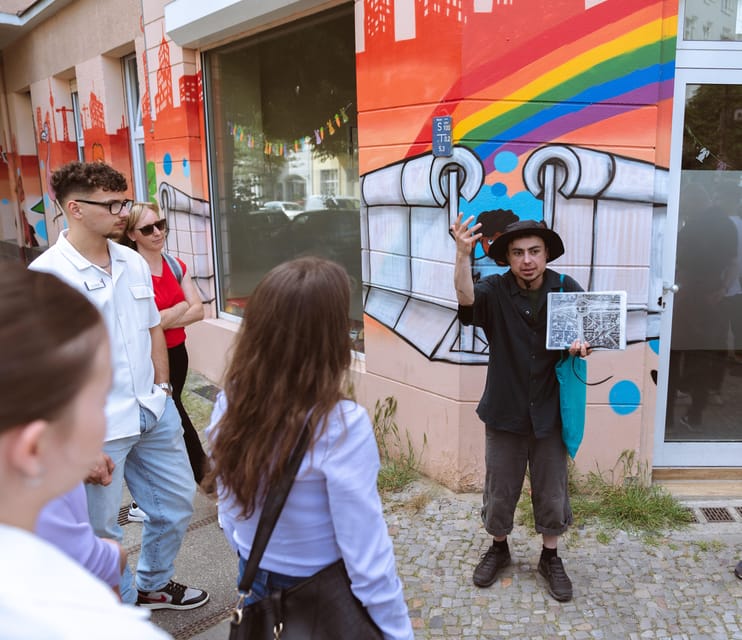
Kreuzberg has a way of telling stories. This walk explains how squatting and activism helped shape everyday life in the district, and why the 1970s still show up in what you see today. I like that it stays down-to-earth instead of doing a museum-style lecture, and I liked the street-level focus on real places—not just headlines.
My second big love is the stop for hot chocolate, made with Berlin Chocolatiérs—and yes, it’s treated as a highlight for a reason. The only drawback to flag: if your goal is a classic highlights tour with famous monuments every few minutes, this is more about neighborhood culture and context, so the pace feels deliberately local.
Practically, the tour starts by the YAAM entrance near Ostbahnhof and finishes at U Kottbusser Tor. It runs anywhere from 2 hours up to 210 minutes, with a short break and a photo stop built in, and it’s offered with live guides in English, German, and Russian.
In This Review
- Key things to know before you go
- Why Kreuzberg turned into Berlin’s creativity magnet
- Meet Lee, then walk like you actually live here
- From Schillingbrücke area into Kreuzberg: the roots start close to the ground
- Hidden backyards and street art: what you see is part of the argument
- Rio-Reiser-Platz: a smart break in both timing and tone
- The Wall-era stories: what changed after, and what never did
- How residents shape Kreuzberg today: projects, not slogans
- Timing, walking flow, and the 15-minute reset
- Price and value: $35 for context plus a real neighborhood stop
- Who should book Understanding Kreuzberg, and who might not
- Should you book? My practical call
- FAQ
- Where do I meet for the tour?
- How long is the tour?
- What’s included during the walk?
- What languages are available?
- Is the tour wheelchair accessible? Can I book it as a private group?
- Can I cancel for a refund, and is pay later offered?
Key things to know before you go
- How the squatter scene helped create Kreuzberg’s identity
- Why activism and experimental arts still influence daily life
- Backyards, hidden corners, and street art sightings along the way
- Rio-Reiser-Platz as a natural pause point in the story
- Hot chocolate from Berlin Chocolatiérs included in the tour
- Route ends at U Kottbusser Tor, which makes it easy to continue exploring
Deeper into Kreuzberg and the eastern districts
- Berlin: Kreuzberg Guided Walking Evening Tour★ 4.7 · 555 reviews
- Berlin: Alternative Bike Tour of Kreuzberg & Friedrichshain★ 4.7 · 548 reviews
- Berlin: 2.5-Hour Walking Tour through Kreuzberg 61★ 4.9 · 525 reviews
- Berlin Off-the-Beaten-Path Walking Tour: Kreuzberg, Mitte and Friedrichshain★ 5.0 · 412 reviews
Why Kreuzberg turned into Berlin’s creativity magnet
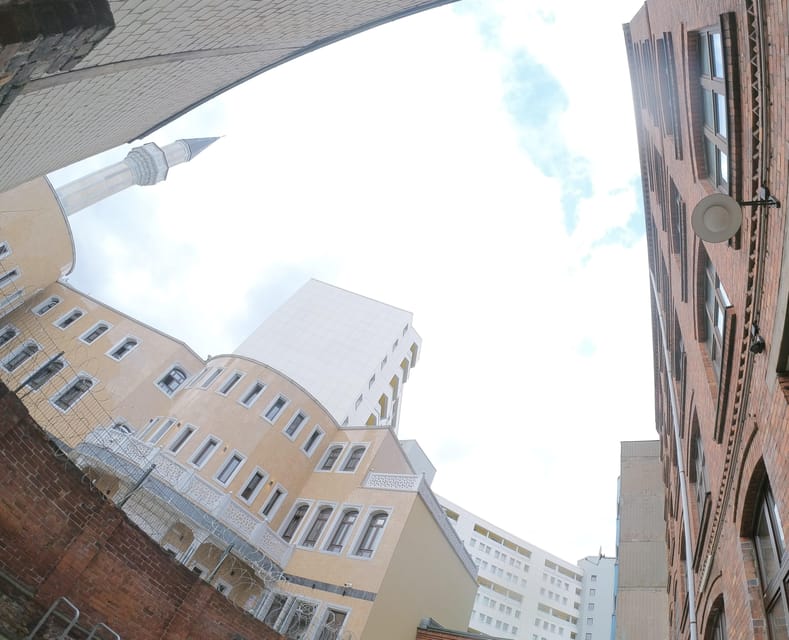
Kreuzberg gets labeled as artistic and underground, but this tour answers the real question: how did that become the norm here? You’ll hear how multiple forces stacked up over time—squatting, activism, and experimental arts—until they shaped not only the scene, but the attitudes of residents and the way spaces get used.
What I appreciate is that the story doesn’t stop at history class. The emphasis is on values that lived back then, and how those values keep showing up now—in community projects, social efforts, and shared urban ideas. You start looking at the district like a living workshop instead of a backdrop.
And Berlin’s Wall-era timeline matters here. You’ll hear stories tied to that period (and what changed after), which helps you understand why certain neighborhoods became places for reinvention. It’s not just political history; it’s also about people trying to make space for alternative lifestyles.
Meet Lee, then walk like you actually live here
The tour is run by Looking Glass Tours, and the guide name you’ll hear again and again is Lee. In practice, Lee’s style is what makes this kind of neighborhood history work: clear explanations, strong personal connection to the area, and a way of telling stories that doesn’t feel like it’s reading from a poster.
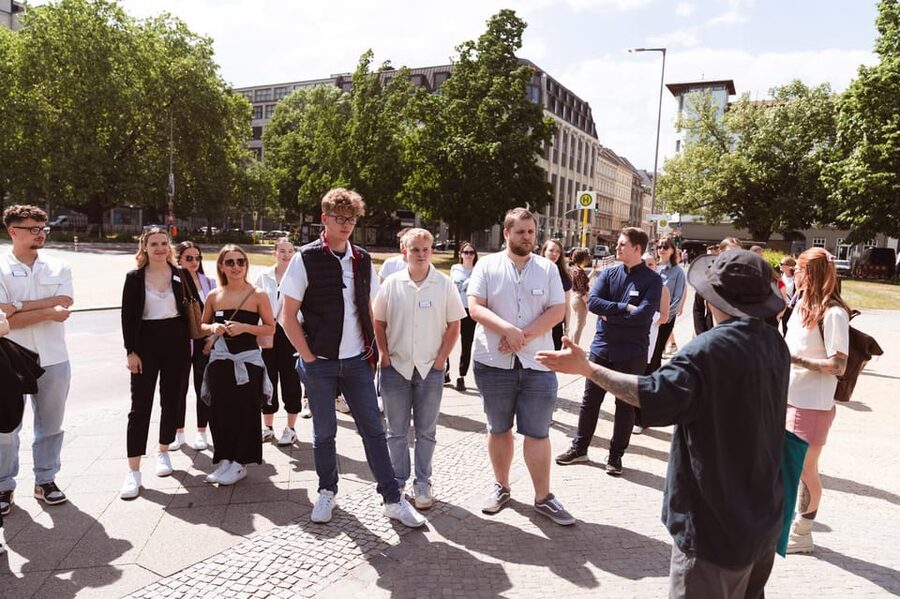
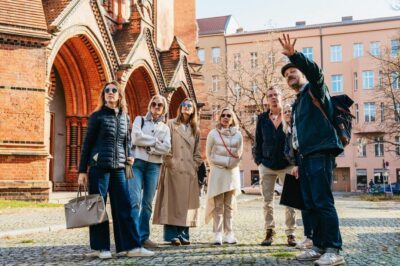
You meet in front of the YAAM entrance very close to Ostbahnhof, so you can usually get there without complicated transit planning. Once you start walking, you’re moving through Kreuzberg with the lens the tour is teaching you: look for what people built, what they organized, and what they refused to leave behind.
Group size can vary, but the experience is described as quite intimate at times—one reason it feels easy to ask questions and pick up extra tips for afterward. If you like your tours conversational, this format fits.
From Schillingbrücke area into Kreuzberg: the roots start close to the ground
The first guided stretch focuses on getting the roots right. You begin around the Kreuzberg area near An d. Schillingbrücke 4, and the walk quickly orients you to how Kreuzberg’s character formed in a specific Berlin setting.
This is where the “why” gets concrete: the district didn’t just attract creative people by accident. Squatting offered one model for taking unused or neglected spaces and turning them into community life. Activism added a purpose beyond art—pushing for fairness, visibility, and real change. Experimental arts brought energy and a constant willingness to try something new, even if it was messy.
As you move, you’ll also pick up the practical lesson that subcultures shape everyday life. That can mean how neighbors use outdoor space, how you notice local projects, or how street-level details hint at what matters to residents. You’ll start reading the neighborhood with a different set of eyes.
Hidden backyards and street art: what you see is part of the argument
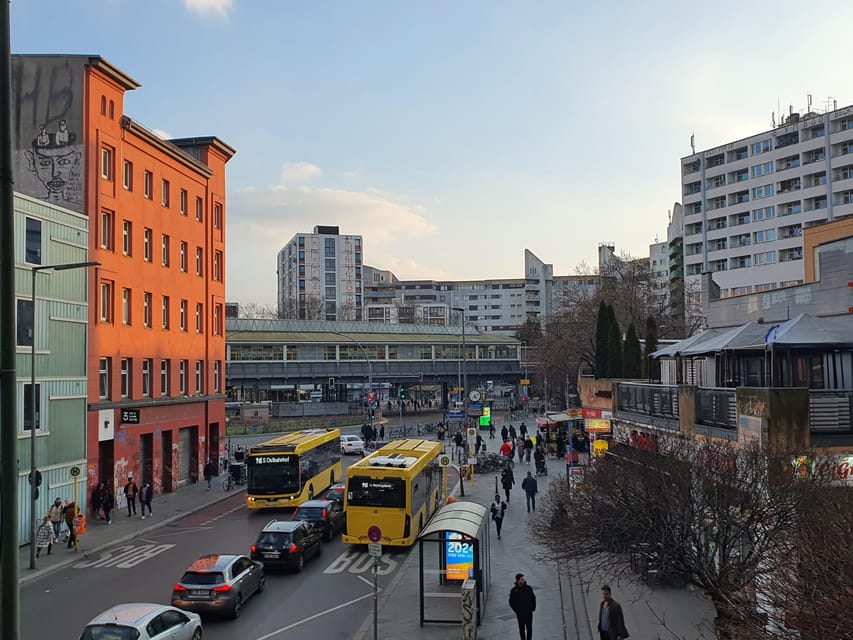
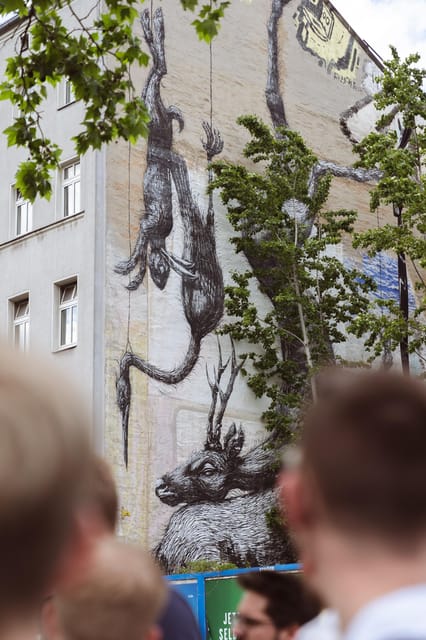
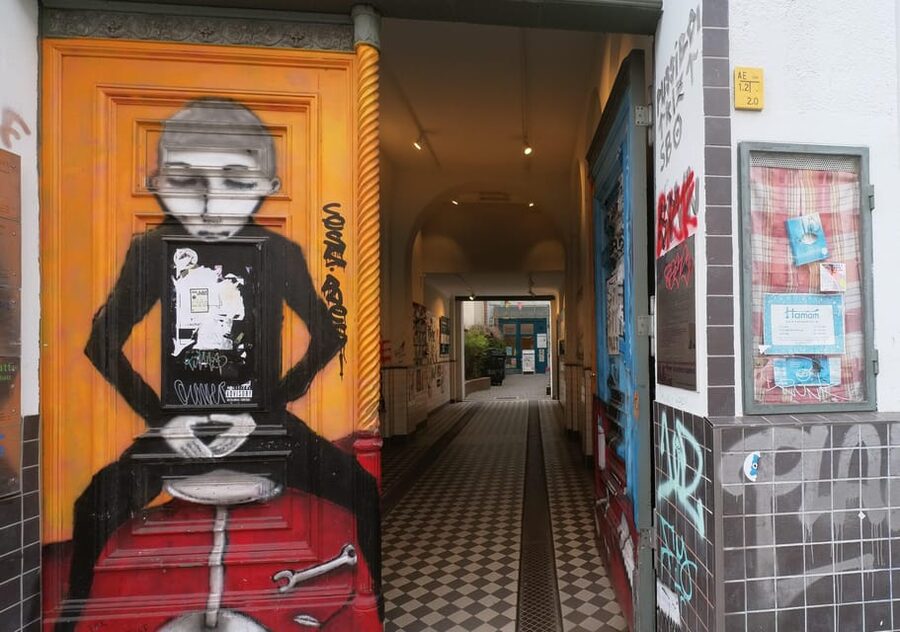
One of the best parts is that the tour doesn’t stay only on main streets. You’ll turn into hidden backyards and get pointed toward examples of local street art—small spaces where the culture feels more direct, less curated, and more like real life.
This matters because street art and graffiti here aren’t just decoration. In this story, they’re communication: political messages, community identity, and creative expression all at once. When your guide connects those visuals to the values of the squatter and activism era, the art becomes legible instead of random.
And the backyards are useful for another reason: they show how Kreuzberg developed a patchwork approach to space. Instead of one grand plan, people carved out places—often together. That’s a key theme on the tour: the district wasn’t built by one authority. It grew through cooperation, negotiation, and stubborn local involvement.



Rio-Reiser-Platz: a smart break in both timing and tone
At some point you’ll stop for a break at Rio-Reiser-Platz. This is a good moment in the tour’s rhythm because it shifts you from history-and-identity mode into a simple reset before the second guided stretch.
Then comes the treat: hot chocolate served in collaboration with a local small business, featuring Berlin Chocolatiérs. It’s included, and it’s treated as a real highlight, not an afterthought. If you’ve ever had lukewarm “tour drinks” while walking, this is the opposite—more like a reward that belongs to the neighborhood.
I also like that the tour doesn’t pretend this is just about food. It’s a social pause where you can mingle, catch your breath, and absorb what you’ve learned so far.
The Wall-era stories: what changed after, and what never did
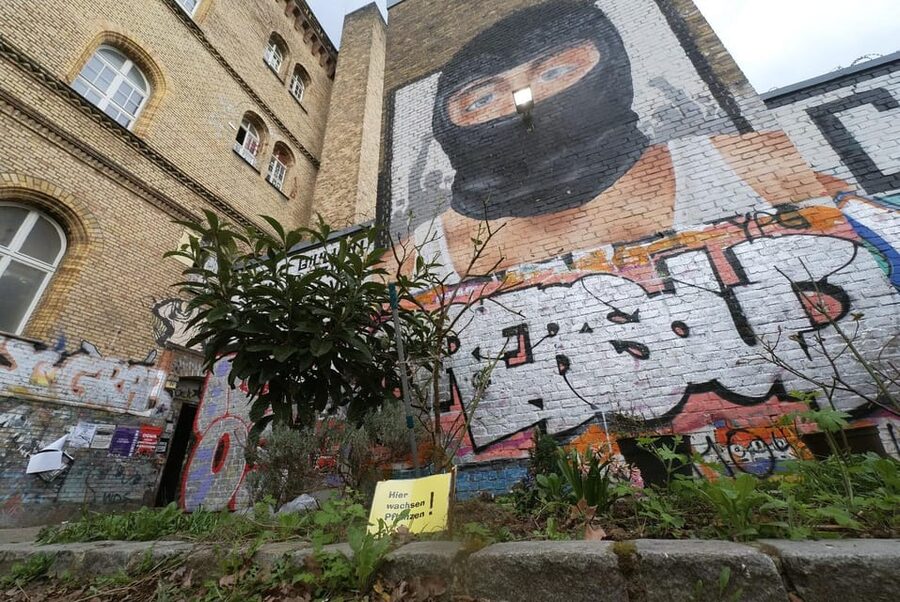
You’ll hear some crazy stories about life during the time of the Wall and afterward. Even when the details are surprising, the tour’s point stays clear: Kreuzberg’s subcultures didn’t appear in a vacuum.
The political reality of Berlin pushed people into making choices fast—how to live, where to live, and how to claim space. After the Wall, the district kept many of the same behaviors and values: community organization, experimentation, and a willingness to challenge the official version of how a city should work.
If you enjoy understanding how big events show up in daily life, this section delivers. It turns abstract “history” into something you can sense when you look at the neighborhood around you.
How residents shape Kreuzberg today: projects, not slogans
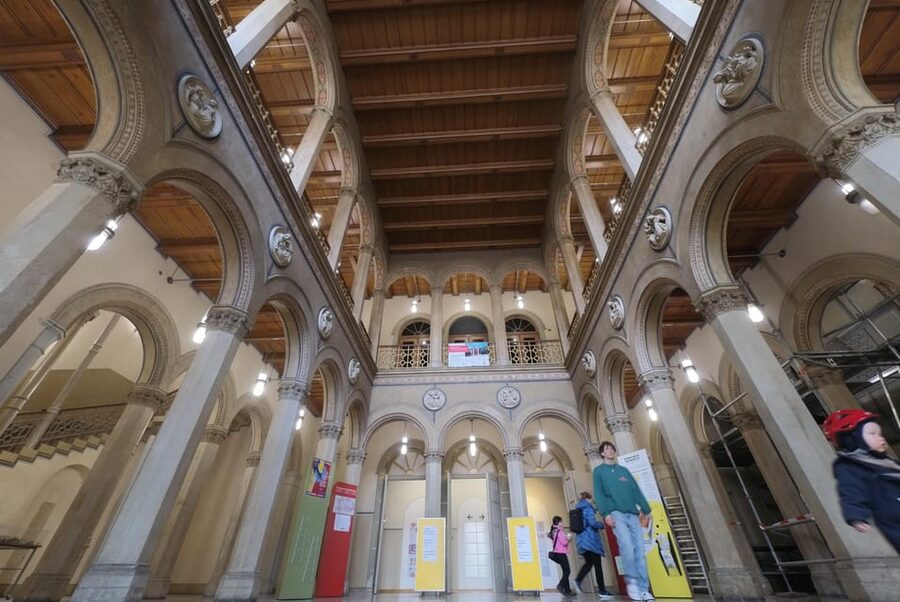
A key theme throughout is that Kreuzberg still gets shaped by people working together. You’ll learn about social and environmental projects that locals organized collaboratively, and you’ll hear how urban visions take shape on the ground rather than in a boardroom.
This is also where the tour becomes useful for your own visit planning. Once you understand the district’s logic, you’re better prepared to spot what’s going on around you after the tour ends. You’ll likely notice more projects, more community energy, and more signs that the area isn’t frozen in time.
And because the tour keeps tying present-day details back to the 1970s and later decades, you don’t leave with a list of facts. You leave with a framework—how to interpret the district as a place shaped by values, not just architecture.
Timing, walking flow, and the 15-minute reset
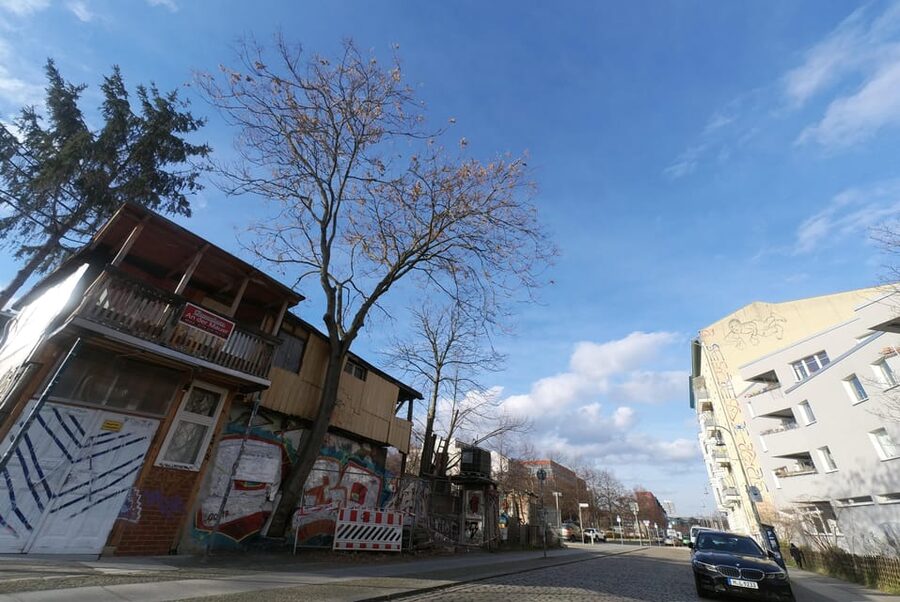
The tour is offered in a window from 2 hours up to 210 minutes, so plan for a few hours of comfortable strolling. There’s a short free time break (15 minutes), plus a photo stop, and then the second guided segment.
That break matters. Kreuzberg has lots of corners worth scanning—small signs, murals, and doorways that tell you where the culture is active. With even 15 minutes, you can catch the details you might miss while listening.
If you’re the type who likes to take photos constantly, don’t worry. The tour includes built-in time for stopping and looking, rather than treating every moment like it’s a straight-line march.
Price and value: $35 for context plus a real neighborhood stop
At about $35 per person, this isn’t a “just walk around and point” tour. You’re paying for a live guide, a story that connects specific cultural movements to what you can see, and a hot beverage stop that’s included and tied to a local business.
The drink part alone helps the economics make sense—this isn’t just water and a quick nod. Add the fact that you get explanations in multiple languages (English, German, Russian) and you’re likely to feel the value if you want to understand more than surface-level sights.
It’s also a good option if you prefer a smaller, focused experience. Private group availability is listed, and that’s ideal if you want a more personal pace or you’re traveling with people who have specific questions.
Who should book Understanding Kreuzberg, and who might not
This tour is a strong fit if you want Berlin that feels specific and human. If you like street-level culture, you want to understand the squatter scene and activism rather than just hear generic “creative Berlin” clichés, and you enjoy walking with a guide who names what you’re looking at, you’ll likely enjoy it.
It’s also a good choice if you’re staying near the east side of Berlin and want a Kreuzberg orientation that ends conveniently at U Kottbusser Tor. From there, you can keep going without feeling stuck backtracking.
If your travel style is mostly monuments and “must-see” landmarks on a tight clock, you may find this tour less satisfying. It’s about context, subcultures, and everyday expression—not about ticking famous buildings.
Should you book? My practical call
Book it if you want Kreuzberg to make sense. The big payoff is the explanation of how squatting, activism, and experimental arts helped form the district’s identity—and how those values still show up in projects and local life. The included hot chocolate from Berlin Chocolatiérs is the kind of small detail that makes the tour feel genuinely connected to the neighborhood.
Skip it (or choose something more landmark-heavy) if you want a standard sights route. The value here comes from learning how to read the area, not from seeing a stack of big-ticket attractions in rapid succession.
If you go, give yourself a little time after. The tour’s perspective makes Kreuzberg more legible when you’re still in that mindset.
FAQ
Where do I meet for the tour?
You meet in front of the YAAM entrance, very close to Ostbahnhof.
How long is the tour?
The duration is listed as 2 hours up to 210 minutes (about 3.5 hours), depending on the starting time.
What’s included during the walk?
You get 1 hot beverage (chocolate, coffee, or tea) in collaboration with a local small business, plus a guided walk with an experienced local guide.
What languages are available?
The live tour guide is available in English, German, and Russian.
Is the tour wheelchair accessible? Can I book it as a private group?
Yes, the tour is wheelchair accessible, and private group options are available.
Can I cancel for a refund, and is pay later offered?
Yes. You can cancel up to 24 hours in advance for a full refund, and you can reserve now and pay later.
If you want, tell me your travel dates and what neighborhood you’re staying in. I can suggest a simple pre- and post-walk plan that fits the rhythm of this tour.
More Tour Reviews in Berlin
Kreuzberg and the Eastern Districts

Round out your days in Berlin
Kreuzberg & Alternative Districts, compared.
 ★ 4.5Kreuzberg: Culinary Food TourFrom $589770 reviews
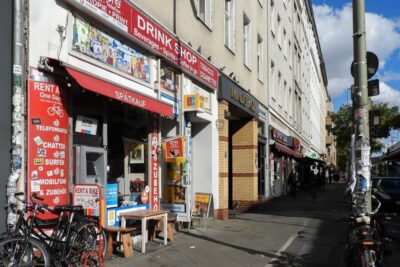 ★ 4.7Kreuzberg Guided Walking Evening TourFrom $27555 reviews
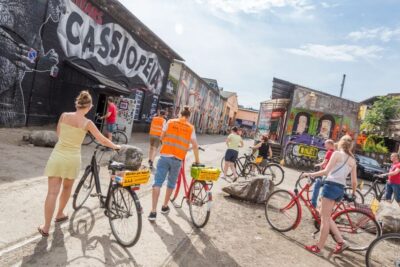 ★ 4.7Alternative Bike Tour of Kreuzberg & FriedrichshainFrom $41548 reviews
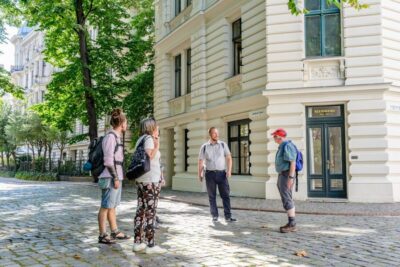 ★ 4.92.5-Hour Walking Tour through Kreuzberg 61From $23525 reviews
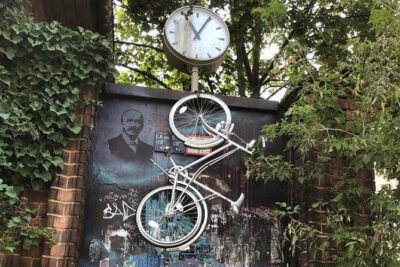 ★ 5.0Berlin Off-the-Beaten-Path Walking Tour: Kreuzberg, Mitte and FriedrichshainFrom $30412 reviews
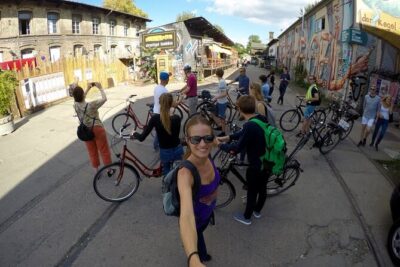 ★ 4.8Experience the Alternative Kreuzberg on a Bike TourFrom $41395 reviews
 ★ 4.9Prenzlauer Berg District Guided Walking TourFrom $23316 reviews
 ★ 4.8Gay Berlin Out in Schöneberg Walking TourFrom $23281 reviews
Browse the lists this tour appears in