
REVIEW · THIRD REICH & WWII HISTORY
Berlin: Battle for Seelow Heights WW2 tour -Clash of Titans
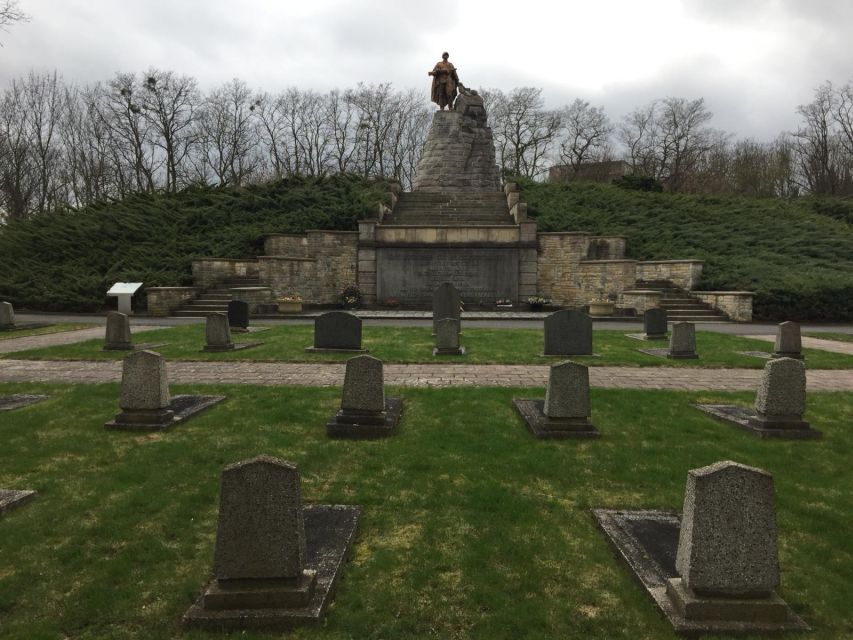
Seelow Heights hits harder than you expect. This small-group WW2 outing turns the Eastern Front into something you can actually see, using real trench positions and battle maps that explain the fight at human scale.
I especially love the Seelower Höhen War Museum setup, with artefacts and clear maps, because it gives you a framework before you walk the ground. I also like the chance to spot tank obstacle remnants and stand in the German positions instead of only looking at photos.
One catch: it runs rain or shine and involves walking on uneven ground, so it’s not a good fit if you have mobility limitations.
- Small group (up to 8) keeps the day focused and question-friendly
- Seelower Höhen War Museum gives you maps, artefacts, and context fast
- German trench positions let you understand distance, cover, and sightlines
- Tank obstacles show how Germany tried to slow down armor and momentum
- Panoramic battlefield views help you grasp the scale behind the tactics
- Tactics in plain English cover infantry, combined arms, and offensive vs defensive operations
In This Review
- Where the Seelow Heights battle squeezed the road to Berlin
- Meeting at Alexanderplatz and rolling out in comfort
- Seelower Höhen War Museum: maps and artefacts that make the ground readable
- Standing German trench positions: where tactics become physical
- Tank obstacles and battlefield views: seeing how momentum was planned
- Reitwein, Dolgelin, and Jahnsfelde: small pauses that connect the story
- Tactical mastery in plain language: infantry, combined arms, and timing
- How long is a full day, really? Timing and energy check
- Price and value: is $152 fair for this kind of day?
- Who should book this Seelow Heights tour?
- Should you book the Battle for Seelow Heights tour?
- FAQ
- Where is the meeting point in Berlin?
- How long is the tour?
- How far is Seelow Heights from Berlin?
- Is the tour guided in English?
- What’s included in the price?
- Is food included?
- Does the tour run in bad weather?
- Is this a small group tour?
- Does the tour include trench positions and tank obstacles?
- Is it suitable for people with mobility impairments?
Where the Seelow Heights battle squeezed the road to Berlin
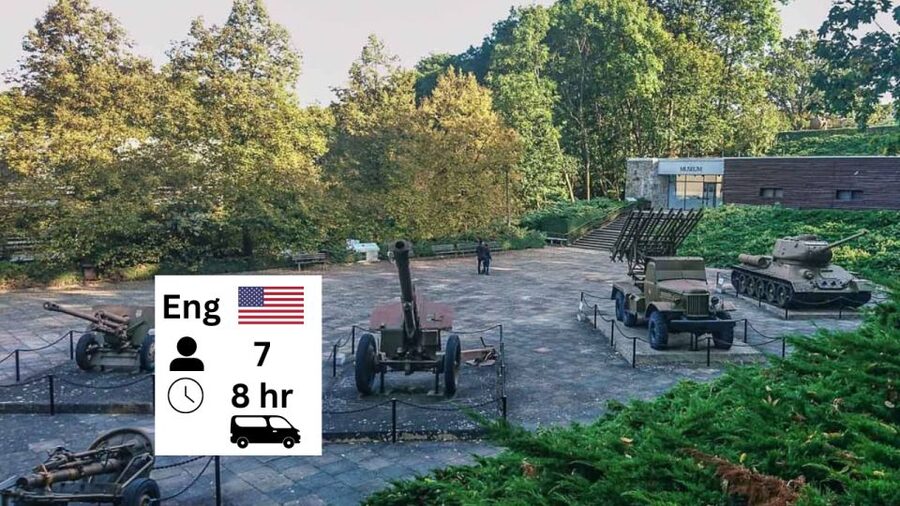
The Seelow Heights fight sits just outside Berlin, but it often gets less attention than other famous battles. That’s exactly why this tour works: you come away feeling like you’ve learned something real and specific, not just recycled WW2 talking points.
This was the Eastern Front in its brutal, endgame form. The numbers are staggering: about 768,000 Soviet troops pushing with over 22,000 tanks, backed by artillery and aircraft, met roughly 150,000 German defenders. When your guide connects those figures to where you’re standing, the battle stops being an abstract chapter.
What I like most is the tone. You’re not led through a sensational “wow factor” route. You get a grounded explanation of how infantry tactics, combined arms, and planning for attack and defense actually played out on the ground.
More walks through Berlin's wartime history
- Berlin: Third Reich & Cold War Guided Walking Tour★ 4.9 · 8,378 reviews
- Berlin’s Best: 2 Hour Walking Tour Third Reich and the Cold War★ 5.0 · 5,486 reviews
- Third Reich Berlin: Hitler and WWII Walking Tour★ 5.0 · 3,301 reviews
- Berlin: Third Reich, Hitler, and WWII Walking Tour★ 4.9 · 1,757 reviews
Meeting at Alexanderplatz and rolling out in comfort
You start at Park Inn by Radisson Berlin Alexanderplatz Hotel, at the main vehicle entrance (the side opposite Burger King). It’s a straightforward meet-up point, and you’ll want to arrive about 15 minutes early so you can get seated and settled.
Then you’re in a van for roughly 1.5 hours toward Seelow. The vehicle is heated and air-conditioned, and you’ll get WiFi access inside plus a small bottle of water. That matters more than it sounds: an 8-hour day is easier when you’re not fighting cold, heat, or boredom while you’re waiting to start walking.
If rain shows up, the operator has rain ponchos. Still, I’d bring your own rain gear too, because you’ll be outdoors and you don’t want to spend the day worrying about wet shoes.
Seelower Höhen War Museum: maps and artefacts that make the ground readable
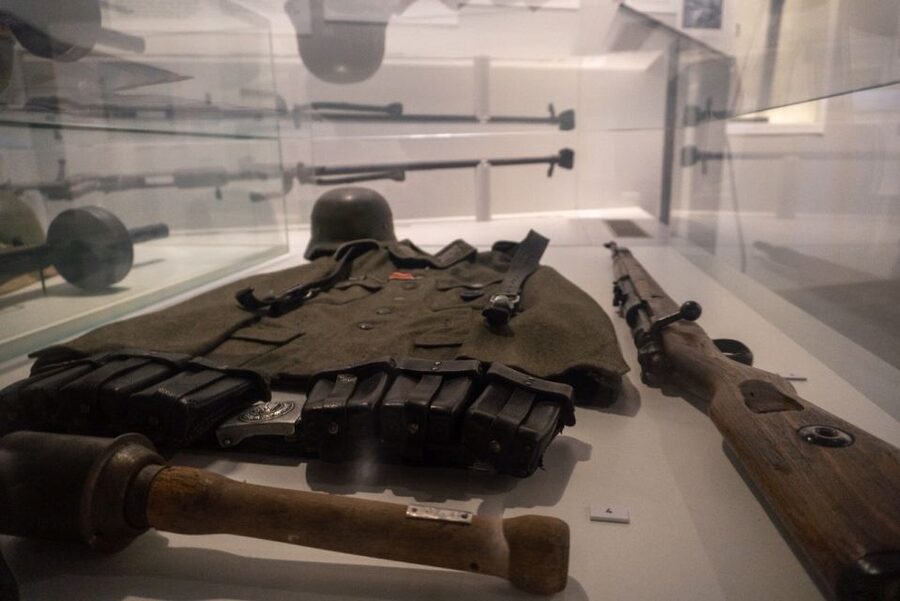
Your first real learning anchor is the Gedenkstätte/Museum Seelower Höhen, also called the Seelow Heights War Museum. Expect a guided visit plus some free time to look around at your own pace and take in the displays.
This museum works because it teaches you how to read what you’re about to see outside. The focus isn’t just “here was a battle.” You’re shown maps and artefacts, and the guide uses them to explain the shape of the fight—where forces concentrated, what defenders had to manage, and how attack plans collided with defensive preparation.
A big value here is sequencing. Doing the museum first means when you later reach trench lines and battlefield positions, you already have mental labels. Your brain can connect the dots instead of just absorbing random facts.
Standing German trench positions: where tactics become physical
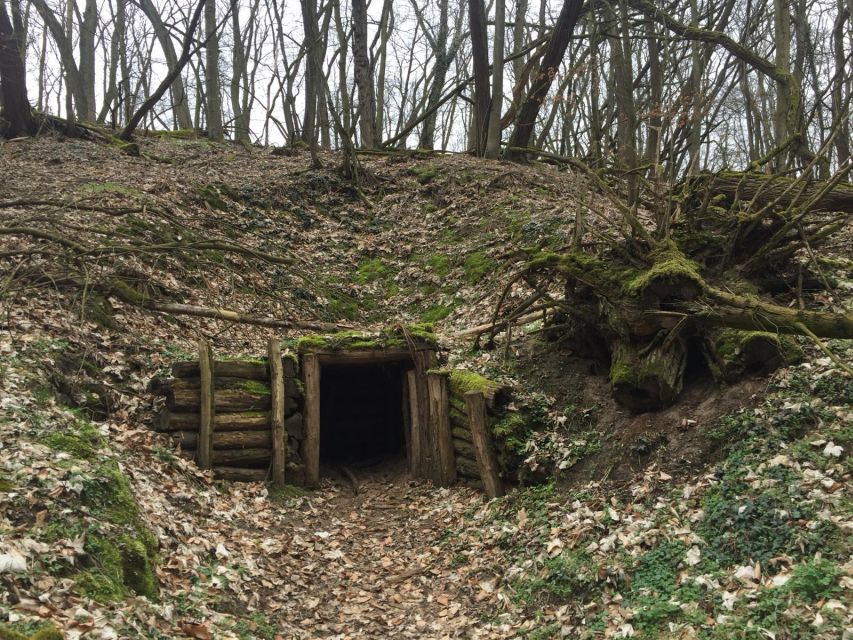
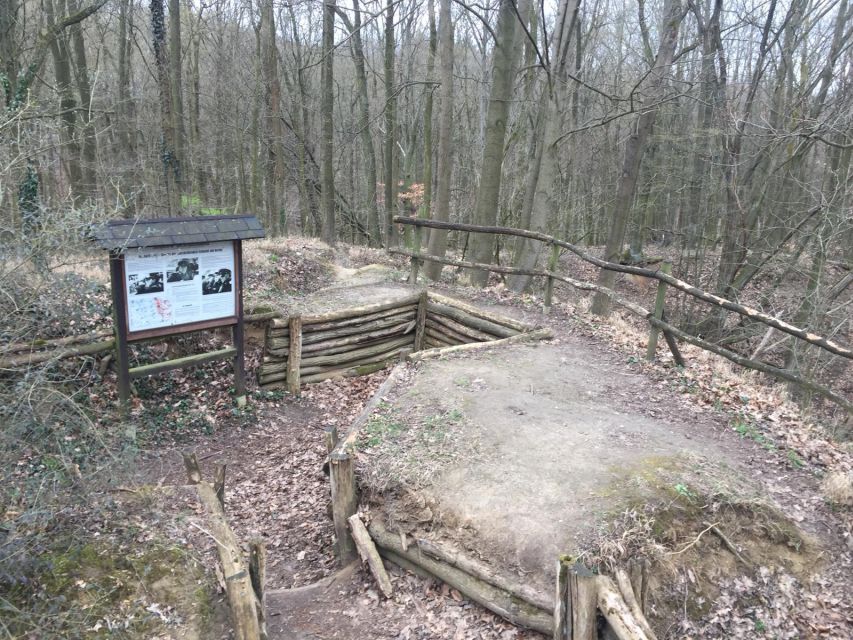
The most powerful moment comes when you stand in actual German trench positions. Photos can show trenches, sure. But being there gives you a different understanding of what it means to hold ground: where cover begins, where visibility changes, and how small changes in terrain can affect movement under fire.
This is also where the tour’s “learning outcomes” stop sounding like marketing. Your guide ties the positions into the bigger tactical story: how defenders tried to slow an advancing force, how they organized responses to pressure, and how offensive and defensive operations were built around infantry behavior and coordination.
If you’re a WW2 fan, this is the part you’ll talk about after. If you’re not a WW2 superfan, it still helps you follow the day, because trench lines are easy to visualize and surprisingly instructive. You don’t need a military degree—you need good context, and the tour delivers it.
Tank obstacles and battlefield views: seeing how momentum was planned
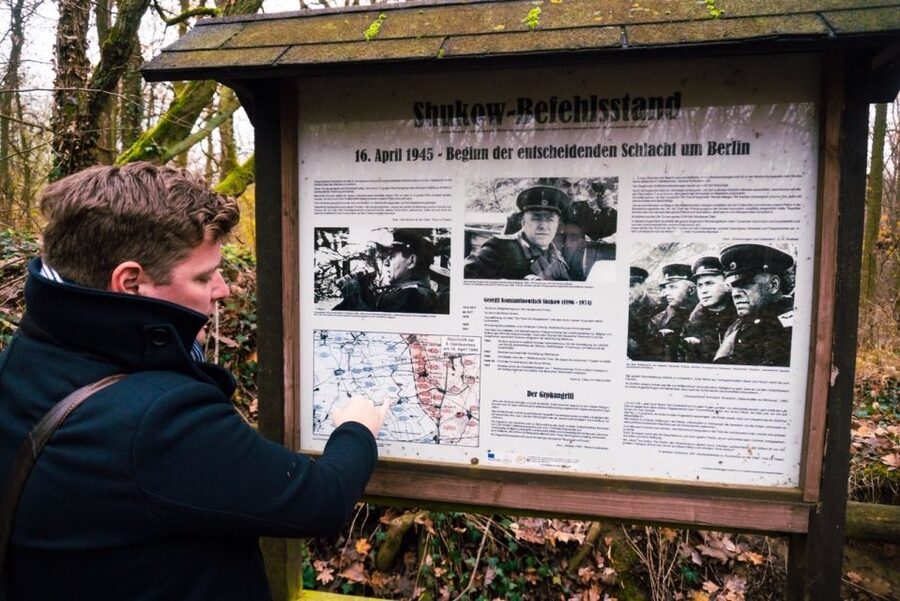
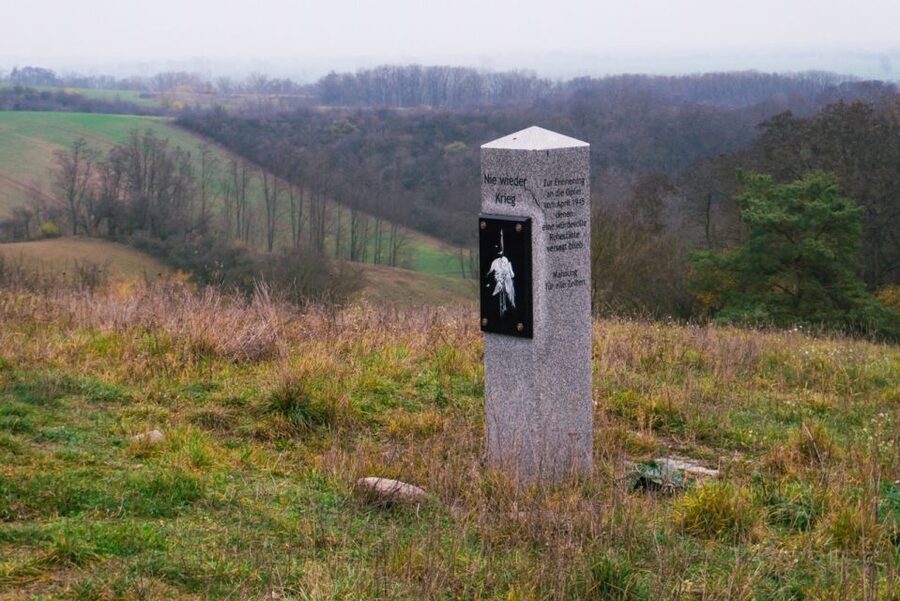
Next comes the chance to see remnants of tank obstacles. These are the kinds of defensive measures that look simple until you understand the goal: disrupt armor movement, break tempo, and force attackers into less favorable routes and timing.
When you pair obstacle remnants with a guided explanation of how attacks were organized, you start to feel how much of war is about controlling speed and direction. It’s not only about firepower—it’s also about shaping what the attacking side can do next.
Then you get panoramic views over the battlefield area. This isn’t a casual photo stop. Your guide uses these viewpoints so you can visualize the scale of the fighting. You’re learning why forces pressed where they did, and how lines of defense and lanes of advance connect across distance.
I found that panoramic time to be a quiet kind of lesson. From above, the battle stops being a collection of anecdotes and becomes a layout problem—one side trying to break through, the other trying to hold long enough for plans to work.





Reitwein, Dolgelin, and Jahnsfelde: small pauses that connect the story
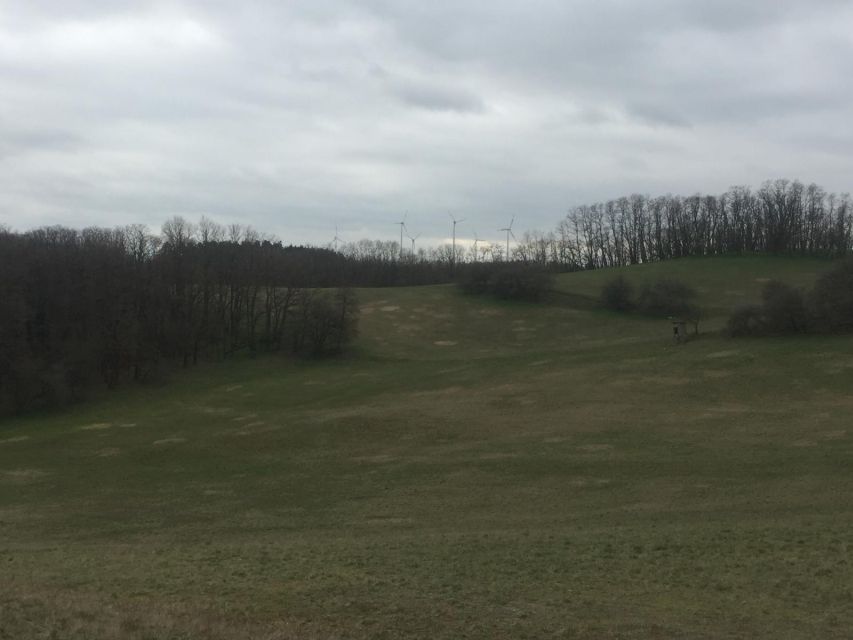
After the main museum and trench time, the tour moves through several nearby stops: Reitwein, Dolgelin, and Jahnsfelde. Each stop includes a guided component, sightseeing, and a walk.
These village visits are short, so they’re not about long sightseeing loops. Their value is that they stitch together the bigger battle narrative. You’ll get guided context for why these places matter within the overall fight, so the day feels connected rather than like separate unrelated “WW2 sites.”
The practical side: these are good moments to regroup, take photos, and ask questions without feeling rushed. The drawback is that the total day still stays active, and you’ll want those comfortable shoes on—especially if the ground is damp.
Tactical mastery in plain language: infantry, combined arms, and timing
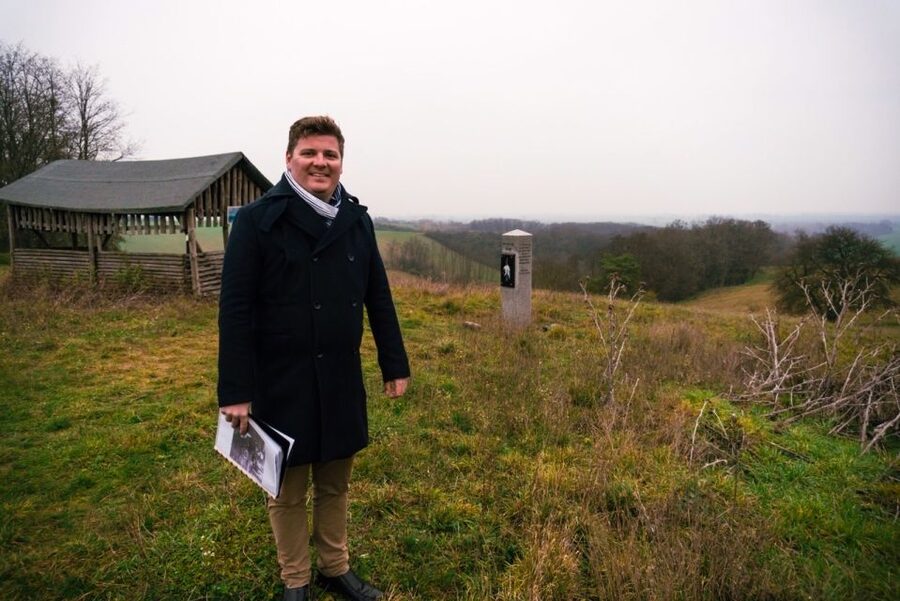
This tour’s standout teaching style is how it focuses on the mechanics of war. You’ll learn infantry tactics, combined arms, and how offensive and defensive operations worked as linked systems, not isolated events.
The guide also helps you understand the idea of battles within the battle. That matters because a huge battle like Seelow Heights wasn’t a single monolith. It was many linked actions happening at once—pressure where an attack could gain traction, resistance where defenders had prepared strong points, and responses driven by communication and terrain.
If you’re returning to Berlin after doing the more famous WW2 sites, this is what makes it worth your time. The core story is different. Instead of focusing only on large “icon” events, you get a tactical framework that makes the Eastern Front feel specific.
If you happen to be led by a guide such as Matt (Matthew), you may notice a style that several guests highlighted: he answers questions readily, uses supporting materials to keep facts grounded, and keeps explanations engaging across different knowledge levels. Even if you already know your WW2 basics, that teaching approach helps the day click faster.
How long is a full day, really? Timing and energy check
The day runs about 8 hours total. That includes transport and multiple outside segments, so it’s not the kind of tour where you can casually stroll and then drift into cafés afterward.
Plan your energy accordingly. You’ll be on your feet for museum time, trench time, and the village walks, plus you’ll be outdoors for the views and battlefield stops. Bring the right shoes and treat the day like a guided hike with serious educational content.
Also plan for meals. Food and snacks are not included, so if you don’t want to feel hungry or cranky halfway through, pack something small to keep you steady.
Price and value: is $152 fair for this kind of day?
At $152 per person, you’re paying for an experience that combines four things that are hard to package well in one day: transport from Berlin, a museum entrance, guided on-the-ground battlefield time, and the specialized tactical explanation you don’t get from a typical self-guided stop.
Here’s why I think it’s reasonably priced for what you get. The group stays small—up to 8 participants—so your guide can actually tailor pacing and answer questions. You also aren’t just driving past points; you’re walking into German trench positions and seeing tank obstacle remnants, which is where the value becomes physical.
Included extras help too: heated/air-conditioned vehicle, water, WiFi inside, and rain ponchos if the weather turns. None of these are life-changing on their own, but together they reduce the “hidden costs” of an all-day outing.
The one item you’ll need to cover yourself is food. If you treat that as part of your prep—snacks in a bag, a plan for where you’ll eat afterward—then the day feels like good use of your time.
Who should book this Seelow Heights tour?
This is a smart fit if you like WW2 history and you want more than major-city icons. It’s especially valuable if you’ve already done the big Berlin stops and want the Eastern Front story close to the German capital without it turning into generic “battle facts.”
It also suits people who enjoy structure. The museum-first approach, then trenches and obstacles, then panoramic scale, then tactical explanation is a clean learning progression. You’ll come away understanding not only what happened, but how it worked.
The biggest “nope” category is anyone who needs mobility-friendly conditions. The tour is not suitable for people with mobility impairments, and that matters because much of the experience depends on walking and standing outdoors.
Should you book the Battle for Seelow Heights tour?
I’d book it if you want one focused day that turns the Seelow Heights battle into something you can picture: maps in your head, trench lines under your feet, and tactics explained so you can follow the logic of attack and defense. The small group size and the guided battlefield time make it feel personal without getting overly touristy.
I’d think twice if you’re looking for a relaxed, mostly indoor experience, or if you’re sensitive to walking and damp weather. And since food isn’t included, come prepared with snacks so you stay comfortable through the full 8 hours.
If your goal is to learn a WW2 Eastern Front battle you don’t already know well, this one is a strong choice.
FAQ
Where is the meeting point in Berlin?
You meet at the main vehicle entrance at Park Inn by Radisson Berlin Alexanderplatz Hotel, opposite the entrance to Burger King. Your guide will be holding a Battle for Seelow Height Tour sign.
How long is the tour?
The tour duration is 8 hours.
How far is Seelow Heights from Berlin?
Seelow Heights is about 1.5 hours by van from Berlin.
Is the tour guided in English?
Yes. The live tour guide provides English narration.
What’s included in the price?
Included are the Seelow Heights War Museum entrance, a small bottle of water, WiFi access inside the vehicle, air-conditioned/heated transport, and rain ponchos if it rains.
Is food included?
No. Food and snacks are not included, so you should bring snacks.
Does the tour run in bad weather?
Yes. The tour takes place rain or shine.
Is this a small group tour?
Yes. It’s a small group limited to up to 8 participants.
Does the tour include trench positions and tank obstacles?
Yes. The tour includes German trench positions and you’ll also see remnants of tank obstacles.
Is it suitable for people with mobility impairments?
No. It is not suitable for people with mobility impairments.
More Tours in Berlin


More Tour Reviews in Berlin
Berlin's Wartime History



Round out your days in Berlin

Third Reich & WWII History, compared.
 ★ 4.9Third Reich & Cold War Guided Walking TourFrom $238,378 reviews
 ★ 5.0Berlin’s Best: 2 Hour Walking Tour Third Reich and the Cold WarFrom $245,486 reviews
 ★ 5.0Third Reich Berlin: Hitler and WWII Walking TourFrom $243,301 reviews
 ★ 4.9Third Reich, Hitler, and WWII Walking TourFrom $191,757 reviews
 ★ 5.0Berlin Third Reich Sites: Half-Day Walking TourFrom $21835 reviews
 ★ 4.7History of the Third Reich Guided Walking TourFrom $30791 reviews
 ★ 4.8The Wall and Third Reich Guided Bike TourFrom $41578 reviews
 ★ 4.8Hitler’s Germany: Berlin During the Third Reich & WWIIFrom $23476 reviews
Browse the lists this tour appears in