
REVIEW · THIRD REICH & WWII HISTORY
Hitler’s Germany: Berlin During the Third Reich & WWII
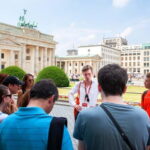
Hitler’s Germany in Berlin feels uncomfortably close. This 4-hour tour pairs expert English-speaking guides with a tight route through Nazi-era buildings and memory sites, and I especially like how you get both the political story and the human cost in one run. The possible drawback is that you do not enter any buildings, so you’re relying on your guide and the outdoor monuments to do the heavy lifting.
What makes this experience work is the pacing and the clarity. You start in central Berlin, take a short metro hop to a major WWII-era rail site, and then walk through the former government and policing machinery of the Third Reich—eventually finishing at the Reichstag with the end-game of Battle of Berlin explained.
In This Review
- Key things I think you’ll notice right away
- A Berlin walk where the Nazi story has physical places
- From your meeting point to the first WWII reset: Anhalter Bahnhof
- Passing Nazi power centers: Göring’s air force HQ and the machinery around it
- The Topography of Terror break and what it frames for you
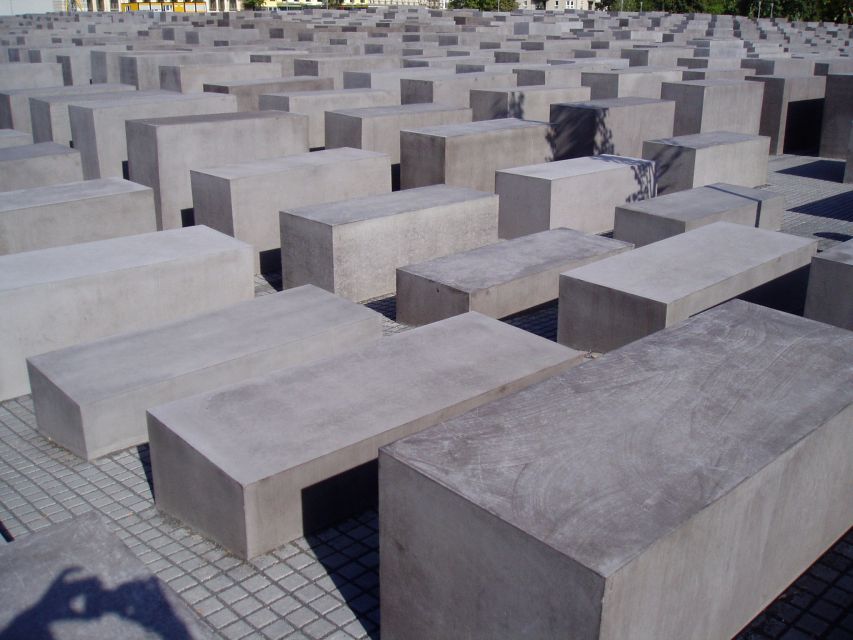
- Memorial stops near the Tiergarten: remembrance with context
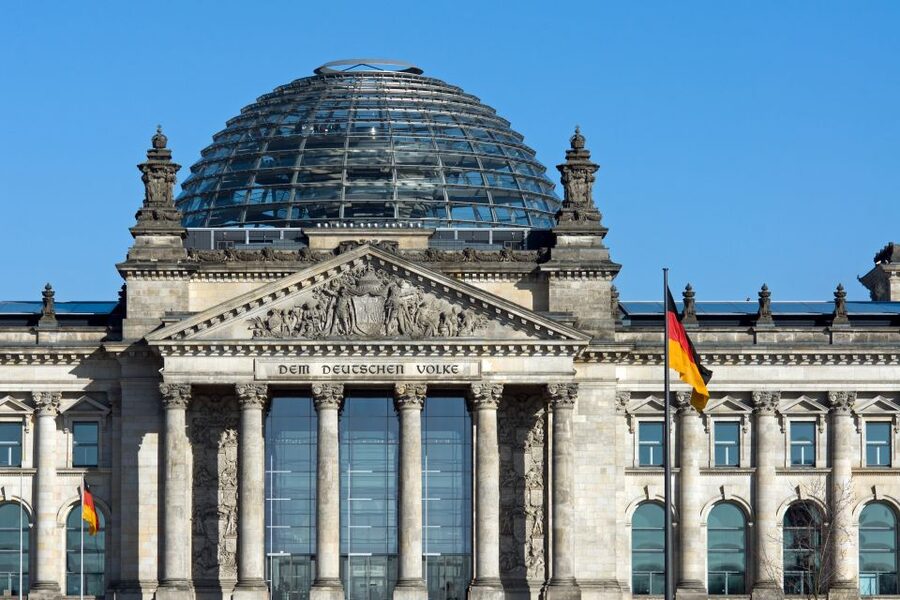
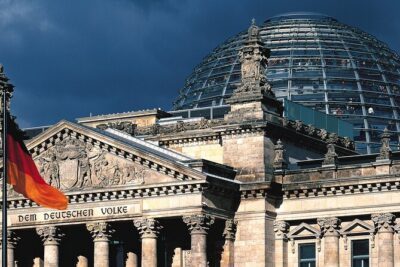
- The Reichstag finish: Germania dreams and the Battle of Berlin endgame
- Guide quality: why the tour length actually matters
- Price and value: what $23 buys you in real terms
- Who should book this tour, and who might want to adjust expectations
- Should you book Hitler’s Germany: Berlin During the Third Reich & WWII?
- FAQ
- How long is the tour?
- What does it cost?
- Do we enter any buildings on this tour?
- Is a public transport ticket required?
- Which languages is the guide available in?
- Is the tour offered in shared group and private formats?
- What sights does the tour cover?
- Will the tour run in bad weather?
- Is there free cancellation?
- Is there an option to reserve without paying immediately?
Key things I think you’ll notice right away
- Native-level English guides: multiple guides are singled out for engaging storytelling and answering questions clearly.
- A route you’d likely miss on your own: from the area of Anhalter Bahnhof to the Nazi government district and the Topography of Terror area.
- Remembrance isn’t an afterthought: Holocaust context is woven in, not treated like a quick stop.
- You see more than just the big names: you also pass places tied to air-power, policing, and propaganda.
- 4 hours is a real sweet spot: enough time to connect themes, not so long that your attention collapses.
- No building entry: you’ll spend the day outside, so dress for weather and come ready to read what’s in front of you.
More walks through Berlin's wartime history
- Berlin: Third Reich & Cold War Guided Walking Tour★ 4.9 · 8,378 reviews
- Berlin’s Best: 2 Hour Walking Tour Third Reich and the Cold War★ 5.0 · 5,486 reviews
- Third Reich Berlin: Hitler and WWII Walking Tour★ 5.0 · 3,301 reviews
- Berlin: Third Reich, Hitler, and WWII Walking Tour★ 4.9 · 1,757 reviews
A Berlin walk where the Nazi story has physical places
Berlin has a strange talent: it preserves the past in plain sight. This tour leans into that. Instead of treating WWII as a distant timeline, you’re shown where decisions were made, where repression operated, and where Berlin’s postwar memory now insists we look again.
I like that the route is built around cause-and-effect. You’re not just collecting landmarks. You’re following a chain: Nazi takeover in the early 1930s, the consolidation of power, the tools of terror, and then the collapse—ending at the German parliament where the city’s last dramatic days are described.
Be aware though: this is heavy material. The tour covers persecution and mass murder topics, including the Holocaust and the T4 euthanasia program. The tone may shift between explanation and silence at memorial spaces, but the subject matter stays serious.
From your meeting point to the first WWII reset: Anhalter Bahnhof
You meet your guide in central Berlin, and the exact spot can vary depending on what option you book. From there, your group heads out on foot for part of the start, then takes a short metro ride to Anhalter Bahnhof.
That first stop matters. Anhalter Bahnhof was a huge station, and WWII destroyed it. Standing in the area where that kind of infrastructure once pulsed helps you understand how war reshaped normal life—how the city’s movement, jobs, and daily routines were disrupted long before the final battles.
Even if you know Berlin fairly well, this is the kind of detail that turns a general sightseeing day into a story you can follow. The guide’s job is to connect the rail-era impact to the later Nazi government planning and the war’s momentum.
Passing Nazi power centers: Göring’s air force HQ and the machinery around it
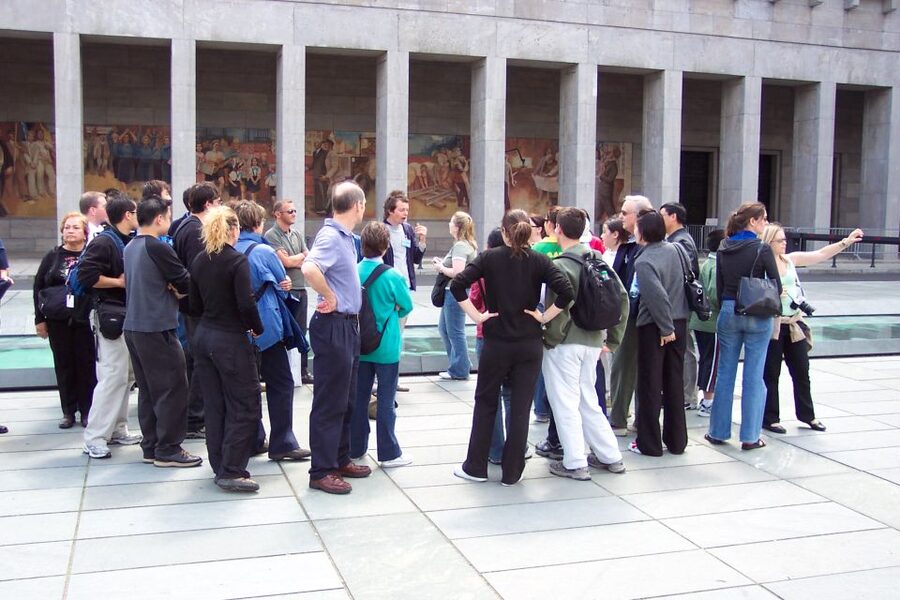
After the metro ride, you walk through the former Nazi government district. This is where the tour becomes very “Berlin”: buildings and street-level spaces that look ordinary today are tied to extraordinary violence in the past.
One of the standout pieces here is the former Luftwaffe headquarters area—the German air force—associated with Hermann Göring. Your guide points out why this structure is important: it’s one of the best surviving examples of Nazi architecture in the region, so you’re not only learning about policies, you’re seeing the aesthetic and the scale the regime wanted to project.
From there, you continue through the area linked to Nazi secret police and the SS—spaces now represented by the Topography of Terror Museum complex. The names you’ll hear while you walk matter because they connect different functions of the regime: control, interrogation, terror, and propaganda.
This part also includes the idea that Nazi rule wasn’t just one institution. It was a coordinated system. You’ll hear how Joseph Goebbels used propaganda, and you’ll also get context for how persecution moved from ideology into organized action.
The Topography of Terror break and what it frames for you
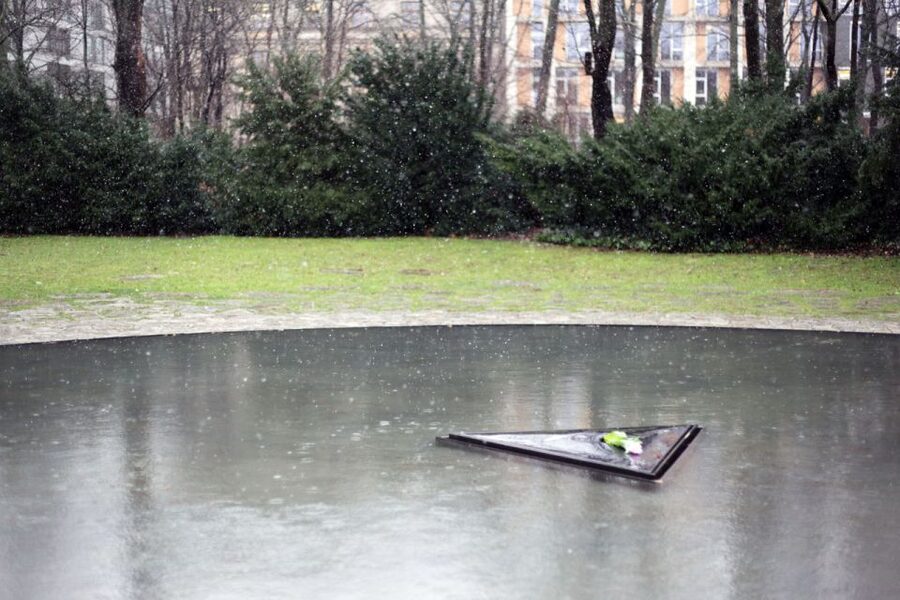
The tour includes a museum break at Topography of Terror. Since the tour does not enter buildings, plan to use this stop to absorb what’s there around the museum grounds and information areas while your guide connects it to the larger timeline you’re building.
This is also the section where some of the darkest concepts come in. Your guide covers the Nazi’s sinister actions, including the T4 euthanasia program and then the Holocaust. For me, the key value here is sequencing. The explanation doesn’t jump from politics to tragedy without bridges. You hear how the regime justified, enabled, and implemented brutality.
And because you’re walking outdoors afterward, the transition from explanation to remembrance is more gradual. You’re not stuck in a single indoor “facts dump.” Instead, the story continues through memorial spaces as the tour pushes toward Berlin’s largest park area.




Memorial stops near the Tiergarten: remembrance with context
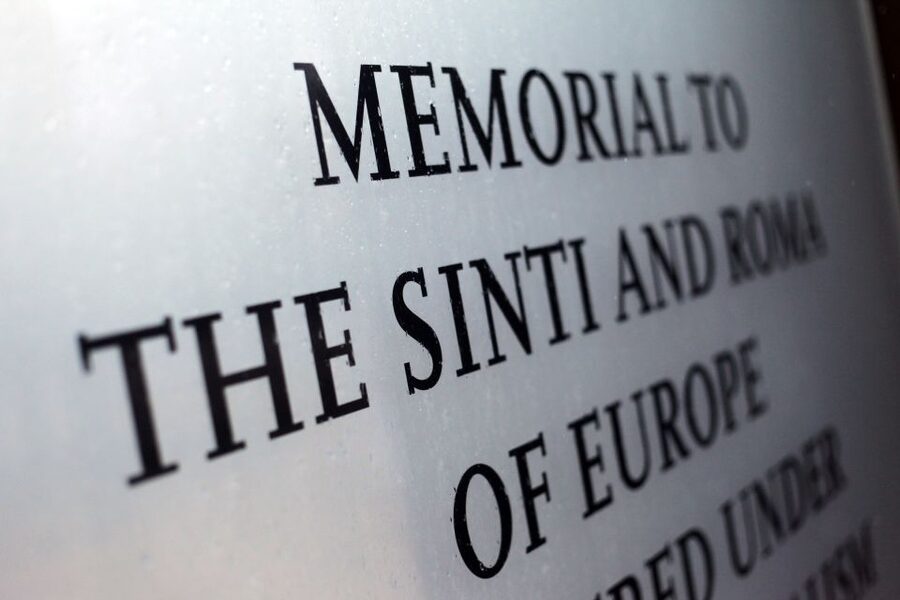
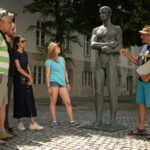
As you make your way toward the Tiergarten, you visit memorials that broaden the story beyond the best-known names. Two stops in particular stand out in what you’re set up to understand:
- The Memorial to the Sinti and Roma Victims of National Socialism
- A memorial connected to 96 politicians arrested by the Nazis when they seized power in 1933
These aren’t decorative side quests. They sharpen your understanding of persecution as something that hit multiple communities and multiple kinds of victims—political opponents as well as racialized targets.
I like that the tour uses these memorials to show memory as a living, civic responsibility in Berlin. The past is there, but it’s also part of how the city tells the story of what must never return.
The Reichstag finish: Germania dreams and the Battle of Berlin endgame
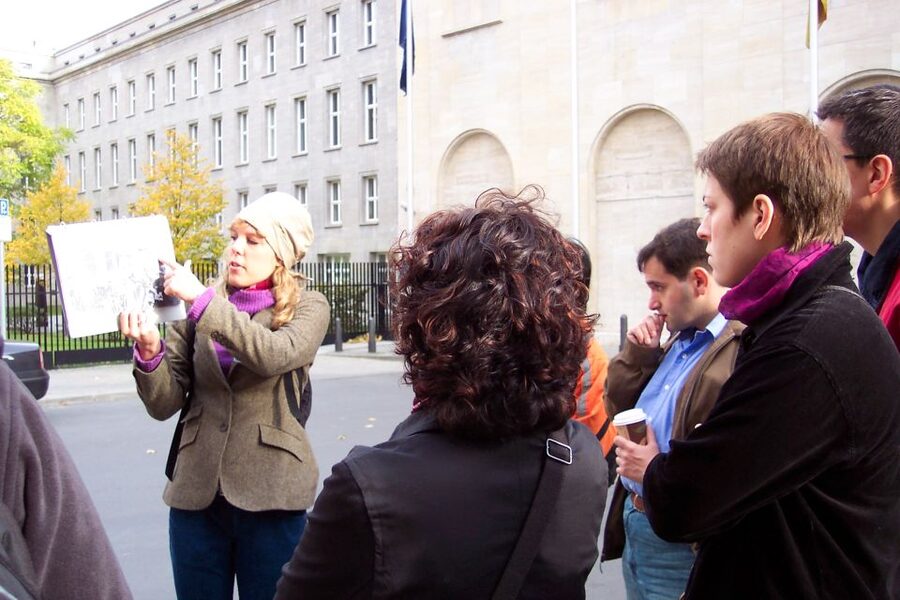
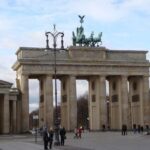
The tour finishes in front of the Reichstag. By this point, you’ve walked past enough “regime purpose” to make the Reichstag story feel earned rather than tacked on.
Your guide explains Hitler and Albert Speer’s plan to completely redesign Berlin into Germania—an empire-capital fantasy built to reflect Nazi power. You also get the culminating moment of the Battle of Berlin: Soviet soldiers assaulting the Reichstag under anti-aircraft fire, and Hitler’s suicide described as occurring nearby.
This ending works because it doesn’t treat WWII as one final explosion. It shows you how the regime’s grand plans collapsed in real time, and it places the Reichstag—today a symbol of German democracy—back into the same physical frame as the Third Reich’s ambitions.
Guide quality: why the tour length actually matters
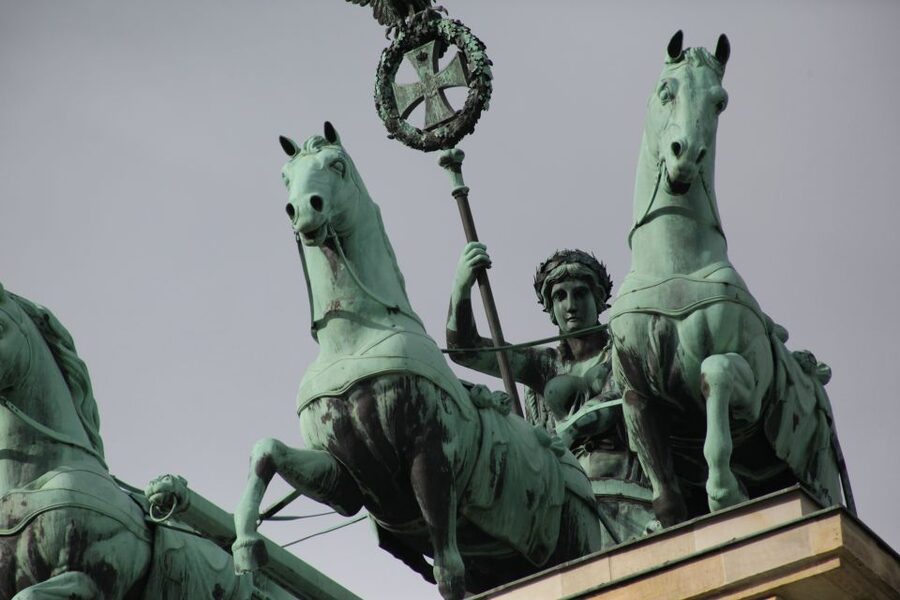
At 4 hours, this tour is ambitious without being exhausting. The route is long enough to connect themes, but it’s not trying to cover every single WWII-related site in Berlin.
In the pricing and structure, the guide is the difference-maker. The tour is described as being led by expert guides with native-level English, and the reviews you’ll likely see behind the scenes consistently highlight engaging presentation styles, humor that helps you stay with hard material, and guides who manage small-group dynamics so everyone can hear and ask questions.
You’ll also see that some guides bring lived context—especially those rooted in Berlin’s West or longtime residents who can frame how the city has changed since the war. That local angle doesn’t make the history less grim; it makes it more specific.
So if you tend to learn best when someone gives you a narrative, this tour fits your style. If you prefer unguided museum time, you might find the walking-heavy format less your pace—especially since you won’t be entering buildings as part of the experience.
Price and value: what $23 buys you in real terms
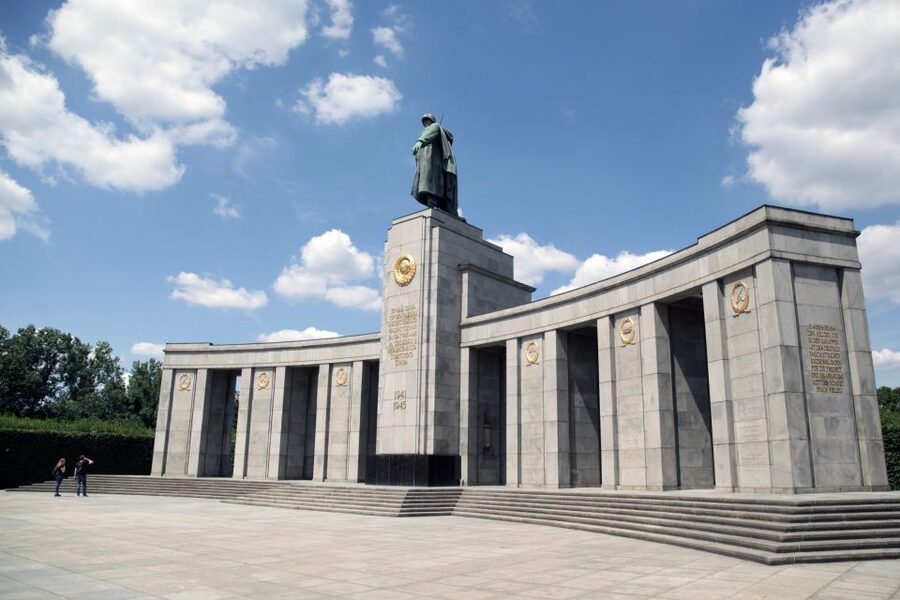
The price is listed at $23 per person for a 4-hour guided tour. For Berlin, that’s relatively solid value when you factor in two things:
- You’re not just watching from a distance—you’re getting an expert-led sequence of Nazi sites and memorials that many people would otherwise only partially understand on their own.
- The tour includes a metro ride segment and uses guided time to connect architecture, institutions, and historical events into one story.
You do need to budget one extra thing: a public transport ticket is needed on this tour if you use transit during the route. The listed info notes that a single AB ticket is not included. So your real cost may be your tour price plus whatever transit ticket you buy.
Also note: the tour includes skip the ticket line, but the tour info also says you don’t enter buildings. That combination suggests you may avoid waiting for certain timed entry elements at specific stops. Either way, it’s designed to keep your time moving.
For weather, the tour runs in all weather and on public holidays, which matters because Berlin can go from fine to wet quickly. If you’re someone who hates rain-walking, bring a real rain layer and shoes with grip.
Who should book this tour, and who might want to adjust expectations
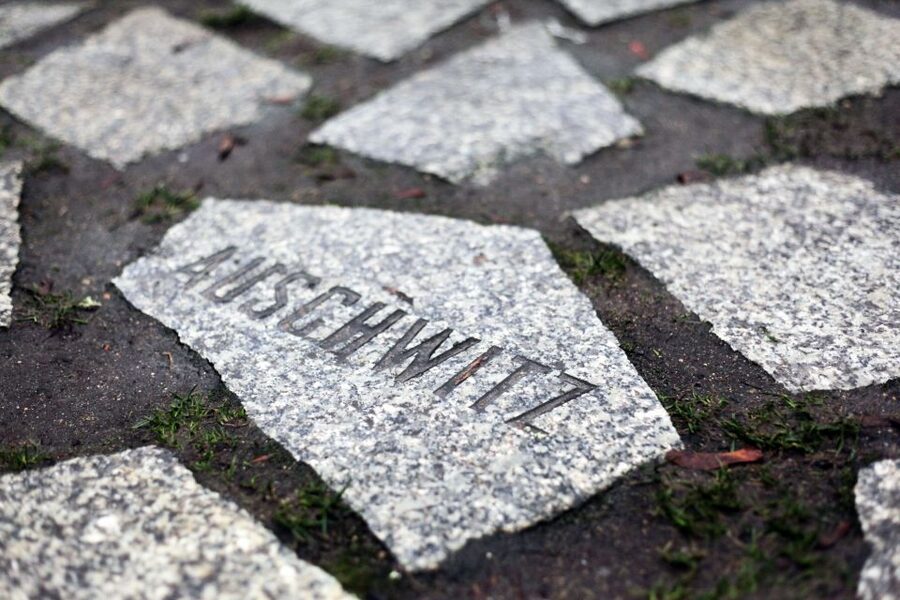
This is a strong fit if you want:
- A guided walk that connects Nazi government, terror institutions, propaganda, and the Holocaust into one coherent route
- A tour that ends at the Reichstag with the Battle of Berlin explained in plain language
- A memorial-focused Berlin experience, not just the most famous photos
It may not be the best match if:
- You’re hoping for lots of indoor museum time, because the tour states that no buildings are entered
- You need a lighter tone. This tour handles brutal history, including the T4 program and the Holocaust, so emotionally it’s not a casual stroll
Should you book Hitler’s Germany: Berlin During the Third Reich & WWII?
I’d book it if you’re the kind of person who likes your history grounded in real places. The value isn’t just that you’ll see famous points like the Reichstag and Holocaust remembrance spaces—it’s that the guide ties them together with what the regime actually did and how Berlin’s physical environment carried the story forward.
I’d think twice if you want mostly indoor time or if you’re sensitive to heavy subject matter without a slower pace. In that case, you might pair Berlin walking with separate museum visits at your own speed.
If you do book, wear comfortable shoes, plan to spend time looking at memorials, and come ready to ask questions. The guides are set up to keep you engaged, even when the topics are hard.
FAQ
How long is the tour?
The tour duration is listed as 4 hours.
What does it cost?
The price is listed as $23 per person.
Do we enter any buildings on this tour?
No. The tour states that it does not enter any buildings.
Is a public transport ticket required?
Yes. A public transport ticket is needed on this tour, and the single AB ticket is not included if you need it.
Which languages is the guide available in?
The tour is offered with a live guide in English and German.
Is the tour offered in shared group and private formats?
Yes. The tour notes that both shared group and private group options are available.
What sights does the tour cover?
The highlights include the site of Hitler’s bunker, the Reichstag, the Holocaust Memorial, the former Nazi Air Ministry, the Gestapo HQ, the Propaganda Ministry, and memorial stops in the Jewish Quarter area and toward the Tiergarten.
Will the tour run in bad weather?
Yes. The tour runs in all weather and on public holidays.
Is there free cancellation?
Yes. The tour offers free cancellation up to 24 hours in advance for a full refund.
Is there an option to reserve without paying immediately?
Yes. The tour lists a reserve now & pay later option, where you can keep plans flexible by paying nothing today.
More Tour Reviews in Berlin

Berlin's Wartime History

Round out your days in Berlin

Third Reich & WWII History, compared.
 ★ 4.9Third Reich & Cold War Guided Walking TourFrom $238,378 reviews
 ★ 5.0Berlin’s Best: 2 Hour Walking Tour Third Reich and the Cold WarFrom $245,486 reviews
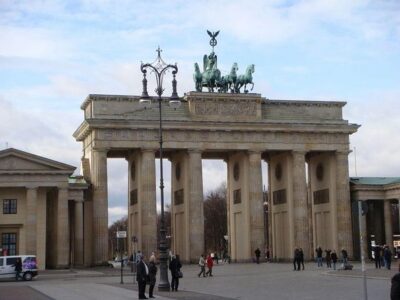 ★ 5.0Third Reich Berlin: Hitler and WWII Walking TourFrom $243,301 reviews
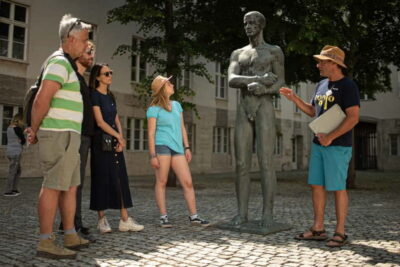 ★ 4.9Third Reich, Hitler, and WWII Walking TourFrom $191,757 reviews
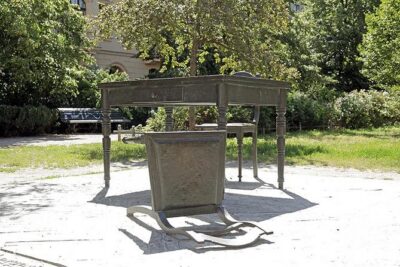 ★ 5.0Berlin Third Reich Sites: Half-Day Walking TourFrom $21835 reviews
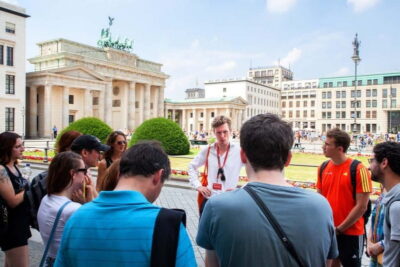 ★ 4.7History of the Third Reich Guided Walking TourFrom $30791 reviews
 ★ 4.8The Wall and Third Reich Guided Bike TourFrom $41578 reviews
 ★ 5.0Private Walking Tour Berlin Third Reich Hitler and World War IIFrom $192360 reviews
Browse the lists this tour appears in