
REVIEW · THIRD REICH & WWII HISTORY
Berlin Third Reich Sites: Half-Day Walking Tour
Berlin tells a brutal story on foot. This half-day walk strings together the Third Reich from its rise to its collapse, with expert context at each turn.
You’ll cover a lot more ground than you could manage alone, and you’ll get a guide who can answer your questions as you go. One thing to consider: this is heavy subject matter, so you’ll want to be mentally ready for a darker side of Berlin.
What I love most is the way the route stays focused while still widening the lens to multiple persecuted groups. I also liked the pacing: you get short, meaningful stops (not museum marathons), which leaves you time to explore on your own after the tour.
One possible drawback is simple: because the emphasis is Nazi-era sites and related memorials, you won’t get much detour into lighter, non-Nazi Berlin moments. If you want your afternoon to feel lighter, plan it as a separate outing—this tour sets a serious tone.
In This Review
- Key highlights to know before you go
- Why This Half-Day Nazi Sites Walk Works So Well
- Hackescher Markt Start: Getting Oriented in English (Near Your Transit)
- How the Guide Connects Nazi Power, Violence, and Deportation
- Berlin Jewish Landmarks: Otto Weidt and the Neue Synagoge Stop Short but Important
- Anhalter Bahnhof Ruins and Topography of Terror: Where the System Gets Real
- The Former Ministry of Aviation and the Broader Targeting of Victims
- Johann Georg Elser, Holocaust Memorial, and Memorials for LGBT and Soviet Victims
- Ending Outside the Reichstag: 1933 Power to 1945’s Final Days
- Guides You’ll Hear Clearly: Peter, Glen, Tom, Hannah, and More
- Price and Value: Is $21.77 a Good Deal?
- Who This Tour Suits (and Who Might Prefer Something Else)
- Quick Tips So You Get More From It
- Should You Book Berlin Third Reich Sites: Half-Day Walking Tour?
- FAQ
- Where does the tour start and end?
- What time does the tour begin?
- How long is the Berlin Third Reich Sites half-day walking tour?
- Is the tour offered in English?
- How many people are in a group?
- Do I need to buy admission tickets for the stops?
- Do I need public transport to reach the meeting point?
- Does the tour run in bad weather?
- Are service animals allowed?
- Is there a cancellation option if my plans change?
Key highlights to know before you go
- A tight 4-hour route that connects key sites without wasting time
- Historian-guided context for how the regime worked and why these places matter
- Multiple memorial stops: Jewish, Roma, LGBT, and Soviet victims are all included
- Free time after so you’re not stuck walking all day
- Small-group feel with a maximum of 25 people
- Choose-your-guide energy: guides like Peter, Glen, Tom, and Hannah are repeatedly praised for sensitivity and keeping questions flowing
More walks through Berlin's wartime history
- Berlin: Third Reich & Cold War Guided Walking Tour★ 4.9 · 8,378 reviews
- Berlin’s Best: 2 Hour Walking Tour Third Reich and the Cold War★ 5.0 · 5,486 reviews
- Third Reich Berlin: Hitler and WWII Walking Tour★ 5.0 · 3,301 reviews
- Berlin: Third Reich, Hitler, and WWII Walking Tour★ 4.9 · 1,757 reviews
Why This Half-Day Nazi Sites Walk Works So Well
This isn’t a slow, meandering “see what you can spot” stroll. The tour is built like a timeline you can walk through. You start with the political setup—why the Nazi Party gained traction—and then you move site to site to show how power turned into fear, deportation, and mass persecution between 1933 and 1945.
What makes it work for real life is the length. About four hours is long enough to get a coherent picture, but short enough that you still own the rest of the day. That matters in Berlin. You can end the tour near the Reichstag area and still pivot to something lighter afterward, or hop into a neighborhood you’re already curious about.
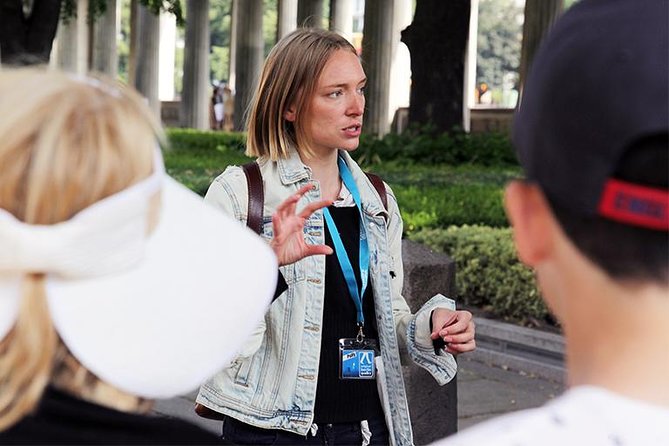
Also, you’re not doing this solo. The guide’s job is to give you context you’d likely miss if you just read plaques on your own. You can ask questions while the information is still fresh in your head, not later when you’re tired and trying to remember dates.
Hackescher Markt Start: Getting Oriented in English (Near Your Transit)
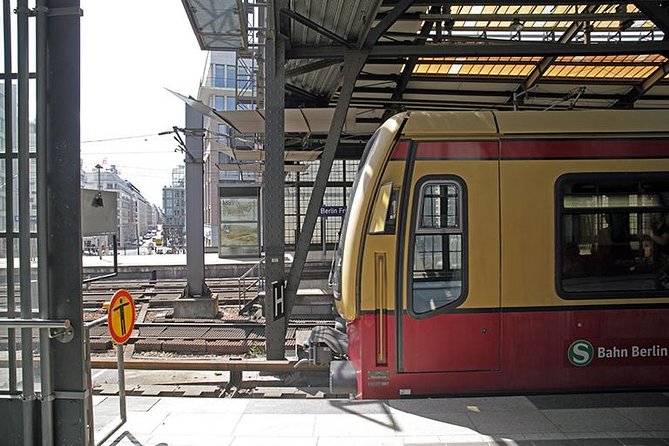
The meeting point is listed at Neue Promenade 3, 10178 Berlin, and it lines up with the Hackescher Markt S-Bahn area. The start time is 10:00 am, and you’ll walk through central Berlin before finishing outside the Reichstag, at Platz d. Republik 1 (11011).
This matters because it reduces friction. If you’re arriving by transit, starting near S-Bahn service helps you get to the start without extra hassle. And the tour is in English with a professional guide, so you can follow clearly without guessing.
The group size is capped at 25, which usually keeps the experience from turning into a rushed stampede. If you’ve ever tried to self-tour similar sites, you know how easy it is to miss the “why” behind what you’re standing in front of. With a smaller group, you’re more likely to actually hear explanations.
Practical tip: wear shoes you’re comfortable walking in. This route is built for movement, and you’ll spend your time on streets and memorial spaces, not seated breaks.
How the Guide Connects Nazi Power, Violence, and Deportation
The tour begins with an introduction to Adolf Hitler and the Nazi Party—set against Germany’s dictatorship period from 1933 to 1945. That first framing is key. It helps you understand that what you’re seeing later wasn’t random violence. It was organized, institutional, and designed to control society.
Then the walk turns into a chain of locations tied to how the regime operated. You’ll visit former sites connected to the SS and Gestapo, move toward areas associated with deportations, and stop at memorials that reflect the groups targeted by Nazi policy. Even if you think you know this history, a strong guide will connect the dots in a way that makes the geography feel meaningful, not just historical.
If you’re the type who likes to understand cause-and-effect, you’ll probably appreciate the way the tour explains institutional roles—why these offices mattered, and how state power translated into persecution on the ground.
Berlin Jewish Landmarks: Otto Weidt and the Neue Synagoge Stop Short but Important
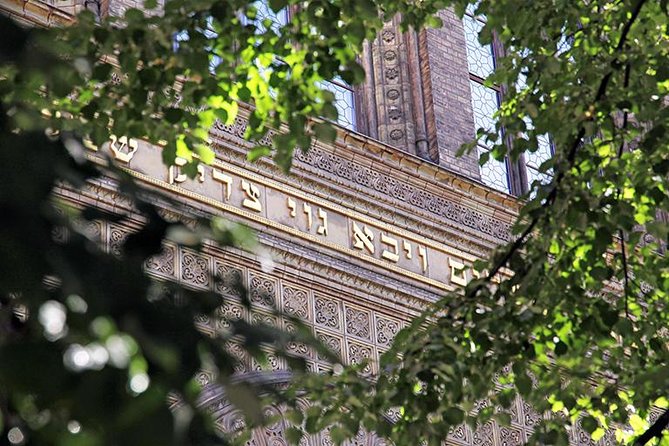
Early on, the tour includes Museum Blindenwerkstatt Otto Weidt and then Stiftung Neue Synagoge Berlin – Centrum Judaicum. Each of these is on the shorter side (about five minutes each), and that’s on purpose. They act like anchors—places tied to Berlin’s Jewish life and community history, helping you get perspective before the tour moves deeper into sites connected to persecution and state violence.
Even with limited time, you’ll gain value if you pay attention to what the guide points out: how each place fits into Berlin’s story and how community life existed alongside the machinery of repression that followed.
This pairing also helps you avoid a common problem with history tours: only seeing the “after.” By starting with Jewish-related locations, you get a better sense of what was targeted—and that makes the later memorials hit harder in a grounded way.
More of Berlin on foot


Anhalter Bahnhof Ruins and Topography of Terror: Where the System Gets Real
Next comes Anhalter Bahnhof, where the tour explains that many of Berlin’s Jewish residents were deported to concentration camps. Standing near the ruins (and hearing the context), it’s hard to treat the topic like something abstract. The guide’s explanation turns the location into a real part of the deportation story, not just another building site.
From there, you move to the former SS and Gestapo headquarters on what was once Prinz-Albrecht-Strasse—today the Topography of Terror museum area. You’ll spend around 15 minutes here, which is enough time to grasp what the regime was doing through those institutions, without pretending a short stop replaces the full museum experience.
If you’re the type who wants more, plan a follow-up. This is one of those stops where you’ll likely want extra reading and time once the walking part ends.
One consideration: because the tour is designed to cover many sites in a half-day, it won’t linger as long as a museum-only visit. It gives you the roadmap.
The Former Ministry of Aviation and the Broader Targeting of Victims
The tour then visits the former Aviation Ministry of Berlin, explained as the former headquarters related to the German Luftwaffe (Air Force). You’ll get about ten minutes here, plus the context you need to understand the consequences of Nazi rule for Jewish people and for Sinti and Roma communities.
This section is valuable because it pushes past a single narrative. Nazi persecution wasn’t only one group, and the regime’s system reached through many parts of government and society. Including Sinti and Roma is an important corrective to any “only one story” version of WWII history.
If you’re curious how one dictatorship’s policies spread across different institutions, this stop is a good example of how the regime’s reach went beyond the obvious political leadership.
Johann Georg Elser, Holocaust Memorial, and Memorials for LGBT and Soviet Victims
The tour makes a strong move from institutions to memory.
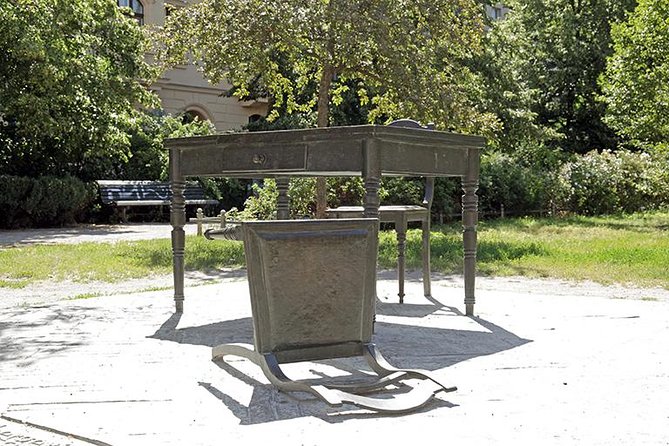
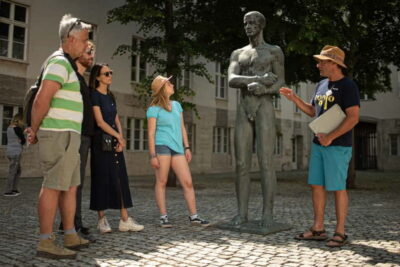
- Johann Georg Elser Sculpture: You’ll stop for about five minutes at the sculpture tied to an attempt on Hitler’s life. This provides an alternate angle—resistance, not just victimhood and aftermath.
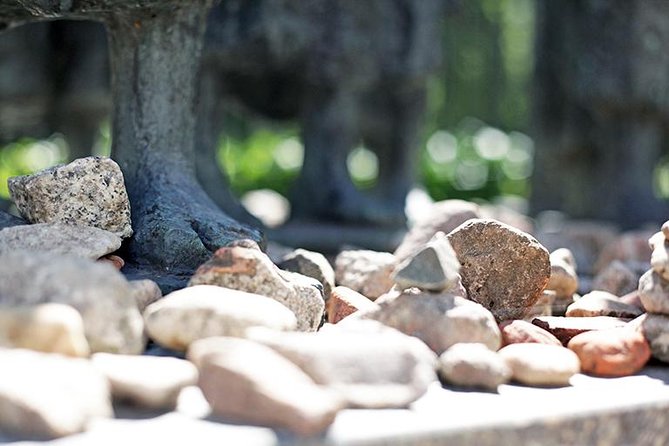
- The Holocaust Memorial: Around ten minutes at the Memorial to the Murdered Jews of Europe. This stop is emotionally heavy, and the guide’s framing helps you focus on what the memorial represents rather than just the shape and scale.
- Monument to Homosexuals Persecuted Under National Socialist Regime: About ten minutes. This adds a group that’s often missing from “standard” WWII site walks.
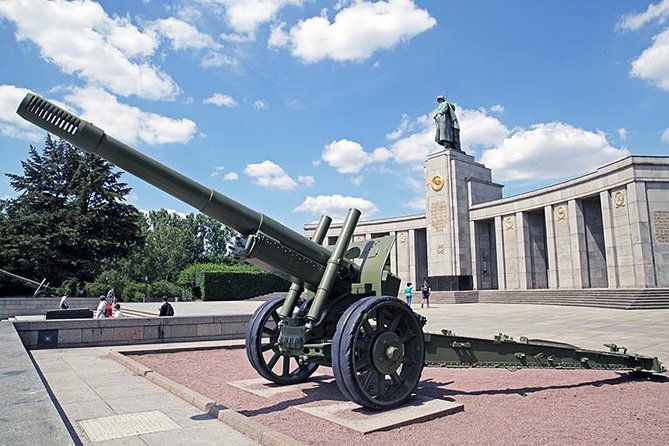
- Soviet Memorial Tiergarten: About ten minutes, again broadening the story to Soviet victims.
What I especially liked about this portion is the way it widens the circle. You’re not only hearing about one category of suffering. You’re also learning how Nazi persecution extended into sexuality and across nationalities and identities, including Soviet victims. That broader set of stops is one reason the tour tends to feel like more than a checklist of famous names.
A heads-up for expectations: this is not a cheerful stroll. If you prefer your Berlin days to be light and scenic, you may find this tour emotionally demanding. But if you want accuracy and context, this section delivers.
Ending Outside the Reichstag: 1933 Power to 1945’s Final Days
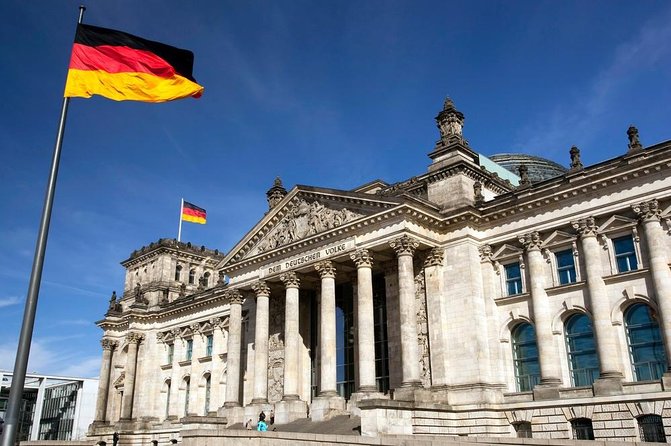
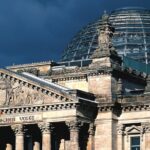
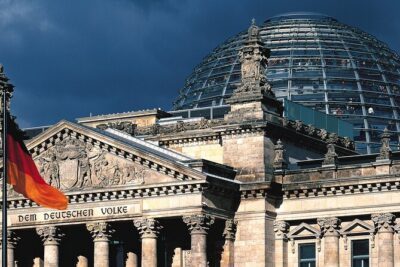
The tour concludes outside the Reichstag Building. You’ll spend about ten minutes here, with the guide explaining that the Nazis came to power in 1933 and that the final days of World War II unfolded in 1945.
That ending works because it closes the loop. The story you began with—Hitler and Nazi rise—lands at the center of German political power. You leave with the sense that these events weren’t isolated. They played out in the political heart of the country.
If you have energy afterward, this is also a convenient finish. You’re near a major sightseeing hub, so you can easily transition into independent exploring.
Guides You’ll Hear Clearly: Peter, Glen, Tom, Hannah, and More
One of the standout themes from guide feedback is communication. People repeatedly praised guides for being easy to hear and for staying open to questions—without turning the tour into a lecture you can’t interrupt.
You’ll also see names come up again and again. If your booking options allow it, consider requesting guides such as Peter (often described as fun while staying appropriately sensitive), Glen (praised for enthusiasm and strong historical explanation), Tom (noted for making the history feel vivid), and Hannah (praised for passion and clarity). Other guide names also show up with similar themes: patience, strong structure, and the ability to handle tough material respectfully.
The practical takeaway for you: a good guide doesn’t just provide facts. They help you connect what you’re seeing to how people lived, feared, resisted, and suffered. That’s why this kind of tour matters even if you’ve read a few books already.
Price and Value: Is $21.77 a Good Deal?
At $21.77 per person for about four hours with a professional English-speaking guide, I’d call this good value, especially if you factor in what’s included.
Here’s why the math works in real life:
- You’re paying for a trained guide to give you the story behind each stop, not just directions.
- You cover a sequence of major sites in a short time window.
- The listed stops are shown with admission tickets marked as free.
- You get a mobile ticket, which reduces the hassle of printing or hunting down paper vouchers.
The one cost you should plan for is local transit. If you’re using Berlin’s public transport within the AB zone, the tour notes an AB zone ticket at about €3.80. So yes, add a transit line item in your day budget. Still, even with that, the guided time is usually the main value driver.
In short: if you want a structured introduction to the Third Reich in Berlin—without spending your whole day on museums—this price level is sensible.
Who This Tour Suits (and Who Might Prefer Something Else)
This tour is a strong match for you if:
- You’re in Berlin for a limited time and want a focused overview.
- You like historical context tied to specific locations.
- You want memorial stops that cover Jewish, Roma, LGBT, and Soviet victims—so your understanding isn’t narrow.
It may not be ideal if:
- You want a lighter, more everyday Berlin experience.
- You prefer long museum time over walking and short explanation stops.
- You’re looking mainly for non–Nazi-era city stories. This tour stays largely within that dark frame.
One more fit note: the tour operates in all weather conditions. If Berlin is raining, you’ll still be moving—so dress for walking, not for standing still.
Quick Tips So You Get More From It
- Bring comfortable walking shoes. You’ll be on your feet for several hours.
- Think of this as one “theme block” of your day, not background noise. It’s heavy material, and you’ll benefit from taking it seriously.
- Have questions ready. The guide is open to them, and asking on the spot is far easier than trying to remember after the tour ends.
- If you use transit, plan for the AB zone ticket so you’re not scrambling at the last minute.
Should You Book Berlin Third Reich Sites: Half-Day Walking Tour?
If you want a short, well-led way to understand how the Nazi regime rose, operated, and left devastation behind, I think this is worth booking. The route is efficient, the guide component is the big value, and the memorial mix gives you a more complete picture than a single-site approach.
Book it if you’re ready for serious history and you want context tied to real places. If you’d rather keep your day lighter or you want long museum time, you might pair this with a different activity rather than expecting it to be a balanced all-day mix.
Either way, plan to end with a clearer sense of Berlin’s WWII story—and a better understanding of why remembrance matters.
FAQ
Where does the tour start and end?
It starts at Neue Promenade 3, 10178 Berlin and ends at Platz d. Republik 1, 11011 Berlin.
What time does the tour begin?
The start time is 10:00 am.
How long is the Berlin Third Reich Sites half-day walking tour?
The tour lasts about 4 hours.
Is the tour offered in English?
Yes, the guide speaks perfect English.
How many people are in a group?
The tour has a maximum of 25 travelers.
Do I need to buy admission tickets for the stops?
Admission is marked as free for the listed stops in the tour plan.
Do I need public transport to reach the meeting point?
The meeting point is near public transportation, and you may need an AB zone transport ticket (about €3.80) depending on where you’re coming from.
Does the tour run in bad weather?
Yes, it operates in all weather conditions, so dress appropriately.
Are service animals allowed?
Yes, service animals are allowed.
Is there a cancellation option if my plans change?
Free cancellation is available. You can cancel up to 24 hours in advance for a full refund. If you cancel less than 24 hours before start time, the amount paid is not refunded.
More Tours in Berlin




More Tour Reviews in Berlin
Berlin's Wartime History

Round out your days in Berlin
Third Reich & WWII History, compared.
 ★ 4.9Third Reich & Cold War Guided Walking TourFrom $238,378 reviews
 ★ 5.0Berlin’s Best: 2 Hour Walking Tour Third Reich and the Cold WarFrom $245,486 reviews
 ★ 5.0Third Reich Berlin: Hitler and WWII Walking TourFrom $243,301 reviews
 ★ 4.9Third Reich, Hitler, and WWII Walking TourFrom $191,757 reviews
 ★ 4.7History of the Third Reich Guided Walking TourFrom $30791 reviews
 ★ 4.8The Wall and Third Reich Guided Bike TourFrom $41578 reviews
 ★ 4.8Hitler’s Germany: Berlin During the Third Reich & WWIIFrom $23476 reviews
 ★ 5.0Private Walking Tour Berlin Third Reich Hitler and World War IIFrom $192360 reviews
Browse the lists this tour appears in