
REVIEW · KREUZBERG & ALTERNATIVE DISTRICTS
Berlin: Hansaviertel “The City of Tomorrow” Guided Tour
Berlin has a talent for showing you the future and the scars at once. The Hansaviertel guided tour is a focused walk through the 1957 City of Tomorrow idea, with real buildings you can point to and understand. I love how the route ties architecture to the political and social mood of postwar Berlin, and I love the design details you notice once someone explains what to look for. One drawback: it’s a walking tour, so in winter you may want a shorter day or an earlier start than the standard timing.
Here’s what makes this experience feel practical, not academic: you move block by block, and each stop answers a question like why this layout was chosen or what kind of modern life it imagined. The guide’s style tends to be friendly and question-friendly, with people like Tobias and Mr Schwabe associated with past runs and their energetic explanations. If you expect lots of inside access, you might feel a bit more outside than inside.
If you like seeing Berlin through architecture, this is a smart use of two hours. You’ll get a concentrated sampler of modernist landmarks, plus everyday anchors like a station, library, and hospital that help the district feel lived-in.
In This Review
- Key things I’d focus on before you go
- The Hansaviertel angle: future-city thinking in postwar Berlin
- Entering the district: getting your bearings before you start sight-hopping
- Berlin Pavilion and the Müller-Rehm/Siegmann House: the “exhibition” mindset
- Gropius-Haus, Kaiser-Friedrich Memorial Church, and the Swedish House
- Hansaplatz station plus the library and hospital: design meant for real life
- Van den Broek House, Schwippert House, and the Academy of Art
- Price and timing: is $23 for 2 hours worth it?
- Who this tour is best for (and who may want a different plan)
- Quick practical tips before you book
- Should you book the Hansaviertel City of Tomorrow tour?
- FAQ
- How long is the Hansaviertel guided tour?
- What languages are available for the guided tour?
- Where does the tour start?
- How much does the tour cost?
- Can I cancel for a refund?
- Is the tour wheelchair accessible?
Key things I’d focus on before you go
- The IBA 1957 planning idea: this district was designed using modern urban development principles for the International Building Exhibition of 1957.
- Standout modernist buildings: you’ll see the Müller-Rehm/Siegmann House, Gropius-Haus, and the Kaiser-Friedrich Memorial Church.
- The route mixes icons and daily services: Hansaplatz station, Hansaviertel Library, and Hansaviertel Hospital keep it grounded.
- You’ll get names, not just shapes: Berlin Pavilion, Swedish House, Van den Broek House, Schwippert House, and the Academy of Art are part of the story.
- Two languages are offered: your tour can run in English or German depending on your booking option.
- A human guide makes the difference: multiple guides have been praised for humor, patience, and staying on top of questions.
Deeper into Kreuzberg and the eastern districts
- Berlin: Kreuzberg Guided Walking Evening Tour★ 4.7 · 555 reviews
- Berlin: Alternative Bike Tour of Kreuzberg & Friedrichshain★ 4.7 · 548 reviews
- Berlin: 2.5-Hour Walking Tour through Kreuzberg 61★ 4.9 · 525 reviews
- Berlin Off-the-Beaten-Path Walking Tour: Kreuzberg, Mitte and Friedrichshain★ 5.0 · 412 reviews
The Hansaviertel angle: future-city thinking in postwar Berlin
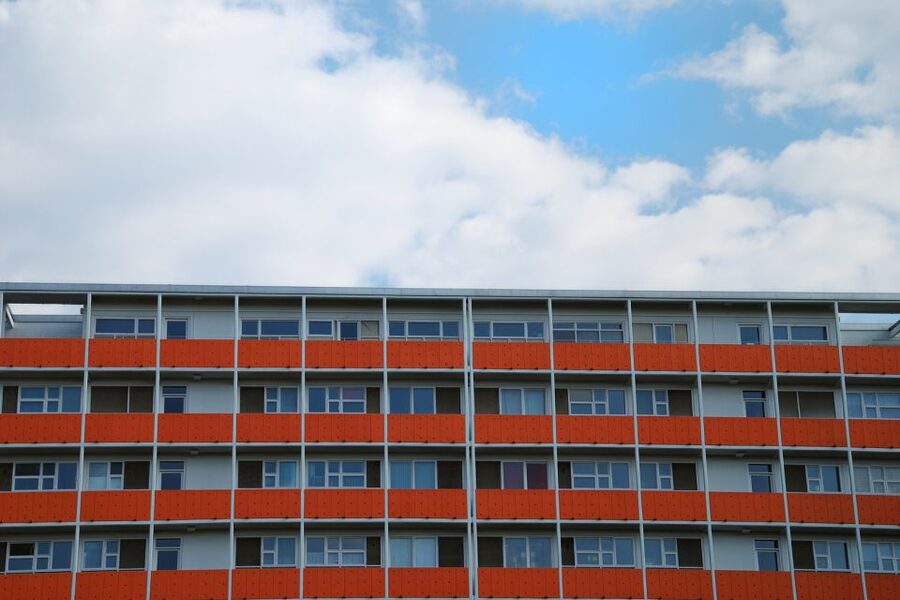
Hansaviertel is one of those places where Berlin’s contradictions show up fast. This part of town was laid out according to modern urban development principles tied to the International Building Exhibition of 1957, and the goal was a structured, spacious city. The interesting part is how that concept still reads today when you’re standing in front of the buildings.
I like that this tour doesn’t treat the district like a museum with dead explanations. Instead, it frames the architecture as an attempt to shape daily life—homes, community buildings, and public space—within a bigger story of rebuilding and identity. You’re not just looking at facades. You’re looking at an argument about how a city should work.
If you’re the kind of traveler who enjoys architecture, you’ll probably enjoy the way the guide keeps the buildings connected to the plan. That matters because modernist design can look like pure form from a distance, but it usually has practical logic behind it.
Entering the district: getting your bearings before you start sight-hopping
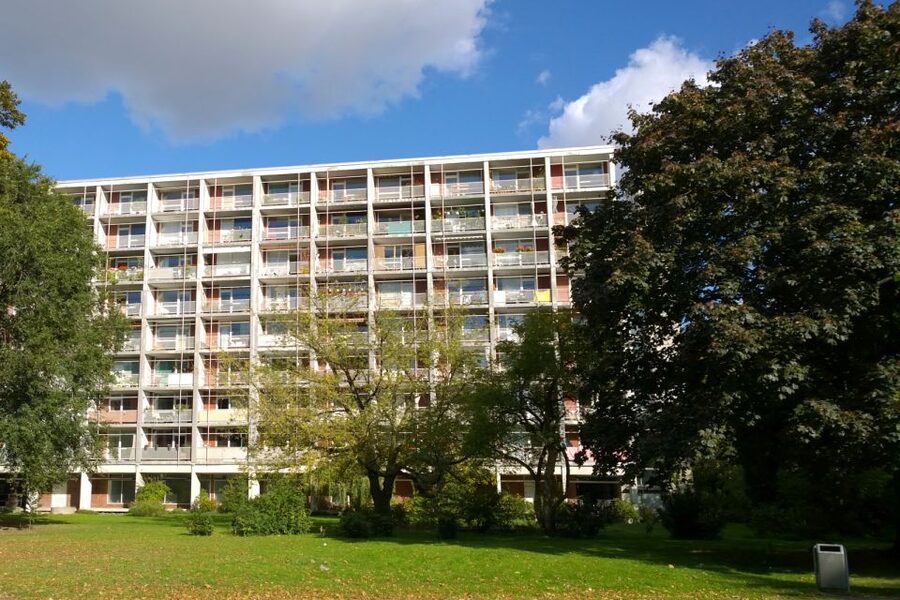
You meet your guide at a starting point that can vary depending on the booking option. From there, you’ll walk at a leisurely pace through Hansaviertel, so you can actually hear the context and not just catch the highlights while moving.
One of the smartest parts of this tour is the way it sets up the district before the big-name buildings. You’ll learn about how Hansaviertel was newly designed around the idea of a structured, spacious city, and the tour helps you spot what that plan looks like on the ground. That means you don’t just memorize stops. You start noticing patterns.
This is also where the guide’s tone really matters. In past experiences with guides associated with this route, Tobias and Mr Schwabe have been praised for being engaging, friendly, and patient with questions. If you like to ask why something was designed a certain way, this kind of approach can turn a short walk into a real learning loop.
Berlin Pavilion and the Müller-Rehm/Siegmann House: the “exhibition” mindset
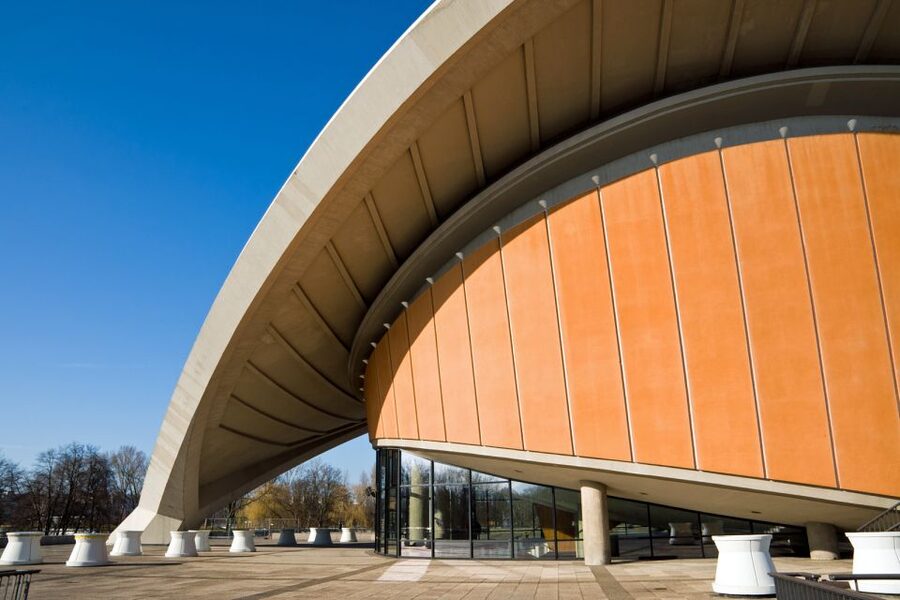
The Berlin Pavilion is your early anchor. It fits the district’s big theme: architecture as a showpiece for an era’s future ideas. Even if you’re not into exhibitions, the pavilion helps you understand the mood of the district—this was meant to demonstrate what modern urban living could look like.
From there you’ll head toward the Müller-Rehm/Siegmann House. This stop is about details and intent. When you look at a building like this without context, it can feel like a collection of surfaces. With the tour’s framing, you start to connect design choices to how people were expected to live and move through the area.
I like that this part of the walk gives you a foundation for everything that follows. Once you’ve got the “City of Tomorrow” lens, the other stops start making more sense quickly.
Gropius-Haus, Kaiser-Friedrich Memorial Church, and the Swedish House

Next comes a trio that’s great for stretching your brain. The Gropius-Haus represents a major modernist design language, and it helps you see how the district wasn’t built from one single style. The buildings don’t all behave the same way, and that’s exactly the point.
Then you’ll see the Kaiser-Friedrich Memorial Church. A church in this setting is a reminder that modernization didn’t erase older community needs. Instead, it produced a landscape where different kinds of meanings—spiritual, civic, residential—had to coexist inside the new plan.
You’ll also pass the Swedish House. The fact that this stop is listed alongside major architects’ names tells you something important: Hansaviertel wasn’t only a local project. It was part of a broader international conversation about design and city building.
This is where I think the tour really earns its two hours. The stops aren’t random. They’re arranged so you can compare approaches side by side and understand how modernism took multiple forms.
More guided walks through Berlin





Hansaplatz station plus the library and hospital: design meant for real life
It would be easy for a walking tour to focus only on the headline buildings. This one balances that out with more “everyday Berlin” anchors: Hansaplatz station, the Hansaviertel Library, and the Hansaviertel Hospital.
These stops matter because they show the district isn’t just a backdrop for architecture photos. A station means transit flow. A library points to learning and community access. A hospital signals long-term civic function.
If you tend to judge neighborhoods by their day-to-day services, you’ll appreciate this approach. You’re not stuck in a purely aesthetic loop. You get to see how the planning concept would support daily routines.
And since the tour is a walking route through the district, you can feel the spacing and the layout in a way that photos never fully explain. The tour’s theme is about the district as a planned environment, not just individual buildings.
Van den Broek House, Schwippert House, and the Academy of Art
As the walk continues, you’ll move through more architectural landmarks: the Van den Broek House and the Schwippert House. These are the kind of stops that help you see variety within a shared planning concept. They also help you confirm whether what you learned earlier about the district’s modern development principles matches the reality of the architecture you’re seeing.
Then comes the Academy of Art. This is another “function” stop, and it reinforces a point the tour makes repeatedly: Hansaviertel was designed with institutions in mind. Art education is an especially fitting match for a district built around modern ideas.
I’d treat these later stops as your final check. If earlier stops helped you learn how to look, these should help you connect what you learned to how the district works as a place for people—not just a lineup of famous buildings.
Price and timing: is $23 for 2 hours worth it?
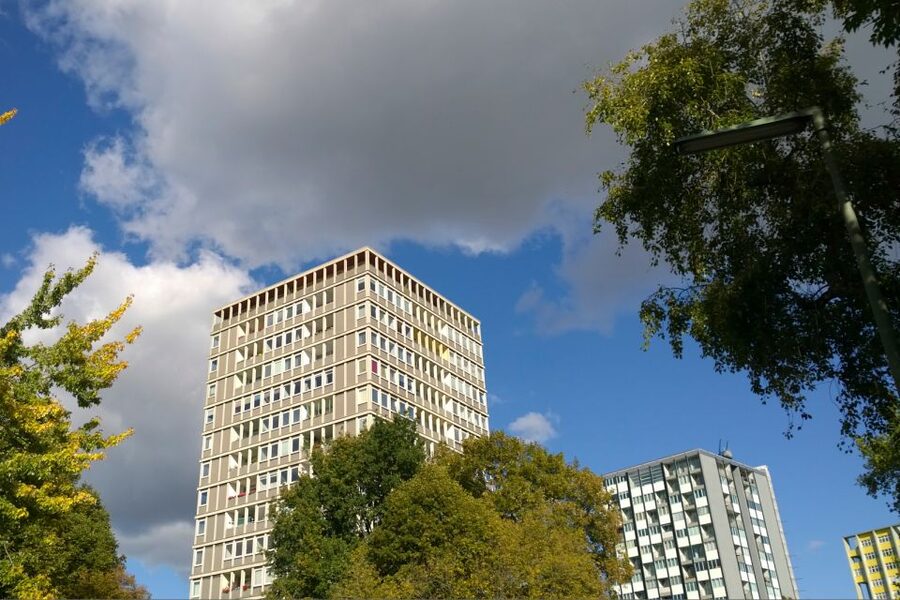
At $23 per person for a 2-hour guided walk, the value is mostly about concentration. In a relatively short time, you cover a cluster of named buildings and civic stops, which is perfect if you want architecture context without giving up a whole afternoon.
It’s also a good deal if you’re traveling with someone who likes city history but not endless walking. The tour is described as a leisurely walk, and the route is structured around a clear theme, which helps you feel like you’re going somewhere rather than just passing sights.
One timing consideration shows up in the feedback patterns: in winter, some people feel an earlier start and end would make more sense. If you’re booking in the colder months, it’s worth checking the available starting times and picking the one that protects your energy and daylight.
Who this tour is best for (and who may want a different plan)
This is a strong fit if you:
- Care about architecture and urban planning, especially modernist design.
- Want to understand Berlin’s postwar ambition through physical spaces, not just dates and stories.
- Enjoy walking tours that stay focused and thematic instead of trying to cover the whole city.
You might reconsider if you:
- Expect lots of indoor visits. The tour is set up as a walking experience through the district and the buildings are largely what you’ll be observing.
- Want a nightlife-style tour or a high-energy pace. The format here is calmer and more interpretive.
Quick practical tips before you book
A few things will make your experience smoother:
- Wear shoes you don’t mind using for steady walking.
- If you’re sensitive to cold or early dark, pick a starting time that keeps the return comfortable.
- Bring curiosity. The guide’s best work is in explaining what to look for, and you’ll get more out of it if you’re willing to ask questions.
Should you book the Hansaviertel City of Tomorrow tour?
I’d book it if you want a smart introduction to one of Berlin’s most specific design stories: the 1957 City of Tomorrow planning mindset translated into real buildings. At $23 for 2 hours, it’s hard to beat the value if your goal is architecture plus context without a huge time commitment.
If you’re mainly in Berlin for classic big monuments, you can still enjoy this as a refreshing change of pace. But if modern design doesn’t grab you, this tour won’t magically convert you. The payoff is highest when you like naming buildings, comparing design ideas, and understanding how planning affects daily life.
FAQ
How long is the Hansaviertel guided tour?
The tour lasts 2 hours.
What languages are available for the guided tour?
The tour is offered with a live guide in English and German.
Where does the tour start?
The meeting point may vary depending on the option booked.
How much does the tour cost?
The price is listed as $23 per person.
Can I cancel for a refund?
Yes. Free cancellation is available up to 24 hours in advance for a full refund.
Is the tour wheelchair accessible?
Yes, the tour is described as wheelchair accessible.
More Tours in Berlin




More Tour Reviews in Berlin

Kreuzberg and the Eastern Districts




Round out your days in Berlin

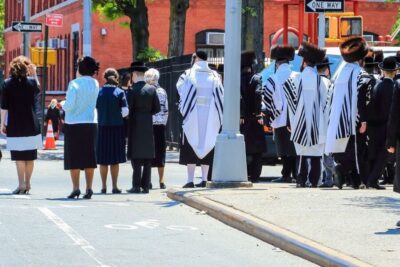

Kreuzberg & Alternative Districts, compared.
 ★ 4.5Kreuzberg: Culinary Food TourFrom $589770 reviews
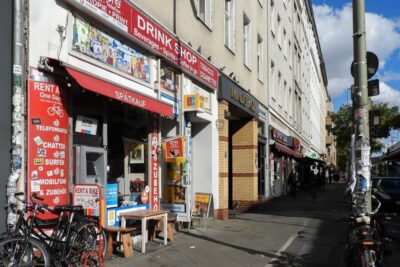 ★ 4.7Kreuzberg Guided Walking Evening TourFrom $27555 reviews
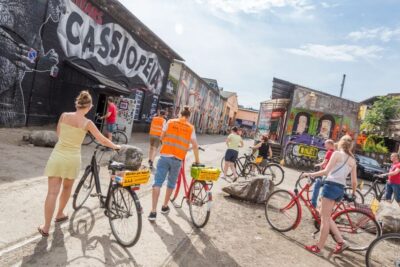 ★ 4.7Alternative Bike Tour of Kreuzberg & FriedrichshainFrom $41548 reviews
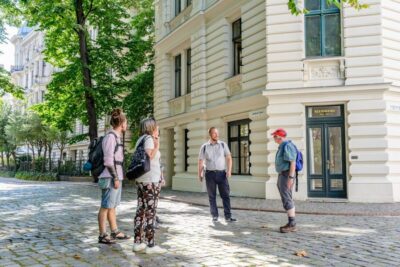 ★ 4.92.5-Hour Walking Tour through Kreuzberg 61From $23525 reviews
 ★ 5.0Berlin Off-the-Beaten-Path Walking Tour: Kreuzberg, Mitte and FriedrichshainFrom $30412 reviews
 ★ 4.8Experience the Alternative Kreuzberg on a Bike TourFrom $41395 reviews
 ★ 4.9Prenzlauer Berg District Guided Walking TourFrom $23316 reviews
 ★ 4.8Gay Berlin Out in Schöneberg Walking TourFrom $23281 reviews
Browse the lists this tour appears in