
REVIEW · SACHSENHAUSEN MEMORIAL
Berlin: Sachsenhausen Concentration Camp Guided Tour
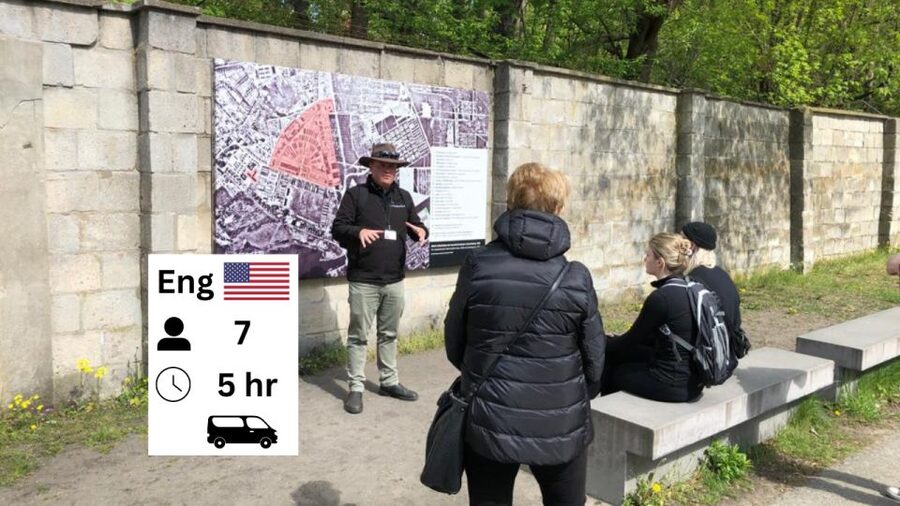
Tower A hits hard; this tour explains Nazi camps. Sachsenhausen, near Berlin, was the first template for the Nazi concentration camp system, so the story moves from cold planning to brutal daily life. I especially like the small group (7 people max) and the Alexanderplatz pickup that keeps things simple. One possible drawback: the total on-site time is 5 hours, so you may want more time to sit with the indoor exhibits.
The ride to the memorial is part of the lesson: a guide fills you in on the system’s method before you ever step through the gates. You also get a water bottle and the ticket includes a meaningful contribution to the camp memorial, which feels like more than a box-check.
Once you’re inside, expect a respectful, structured walk through the camp’s most difficult spaces. You’ll see how prisoner routine worked, where executions happened, and where post-war prisoners were held too. The tour runs rain or shine, so bring shoes that can handle mud and cold.
In This Review
- Key Highlights You’ll Actually Feel
- Sachsenhausen Near Berlin: Why This Camp Still Matters
- Getting There From Alexanderplatz: The 30-Minute Van Setup
- Inside the Camp: Tower A, Arbeit Macht Frei, and Roll Calls
- Jewish Sector, Barracks, and the Cell Block’s Hidden Cruelty
- Camp Kitchen Break and Exhibits With Prisoner Drawings
- Special Camp No. 7: The Soviet Post-War Chapter You Shouldn’t Miss
- Station Z: Execution, the Gas Chamber Area, and Crematorium
- Guides, Group Size, and the Pace That Lets Questions Land
- Time on Site: What 5 Hours Really Means
- Price and Value: Is $115 Worth It?
- Who Should Book This Tour (and Who Might Want Another Option)
- Should You Book This Sachsenhausen Guided Tour?
- FAQ
- How long is the Sachsenhausen concentration camp guided tour?
- Where do I meet the guide in Berlin?
- How many people are in the group?
- Is the tour in English?
- What should I bring?
- Is the tour wheelchair accessible and does it run in bad weather?
Key Highlights You’ll Actually Feel
- Small group limit of 7 means real time for questions instead of rushing along
- Alexanderplatz pickup and drop-off keeps this from turning into a headache day
- Tower A and the daily routine connect camp design to what prisoners faced every morning
- Station Z and the crematorium area show how the Nazi system carried out mass murder
- Soviet Special Camp No. 7 chapter adds necessary post-war context
- Included memorial contribution supports preservation of the site
More memorial and remembrance tours from Berlin
- Berlin: Sachsenhausen Concentration Camp Tour in English★ 5.0 · 5,711 reviews
- Berlin: Sachsenhausen Concentration Camp Memorial Tour★ 4.7 · 3,716 reviews
- Berlin: Sachsenhausen Concentration Camp Tour in English★ 4.8 · 1,889 reviews
- Sachsenhausen Concentration Camp Memorial Tour (Max. 15 Guests)★ 5.0 · 1,516 reviews
Sachsenhausen Near Berlin: Why This Camp Still Matters
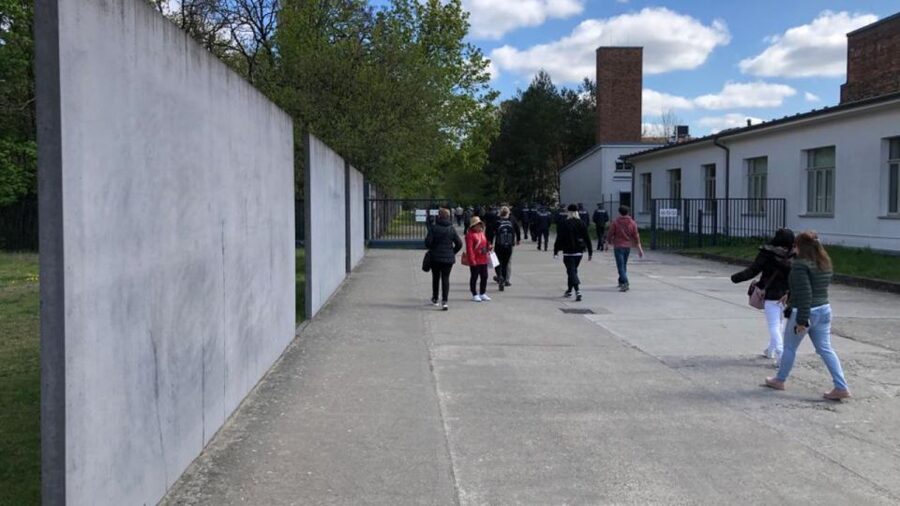
Sachsenhausen isn’t just one stop on a list. It’s tied to how the Nazi concentration camp system got built and expanded—Sachsenhausen became a model camp that shaped how later camps were designed.
That matters because you’re not only learning dates. You’re seeing a mechanism: how rules, administration, and guard mindset turned into routine cruelty. If you’re trying to understand the Holocaust as a system instead of isolated events, this tour is built for that kind of clarity.
Getting There From Alexanderplatz: The 30-Minute Van Setup
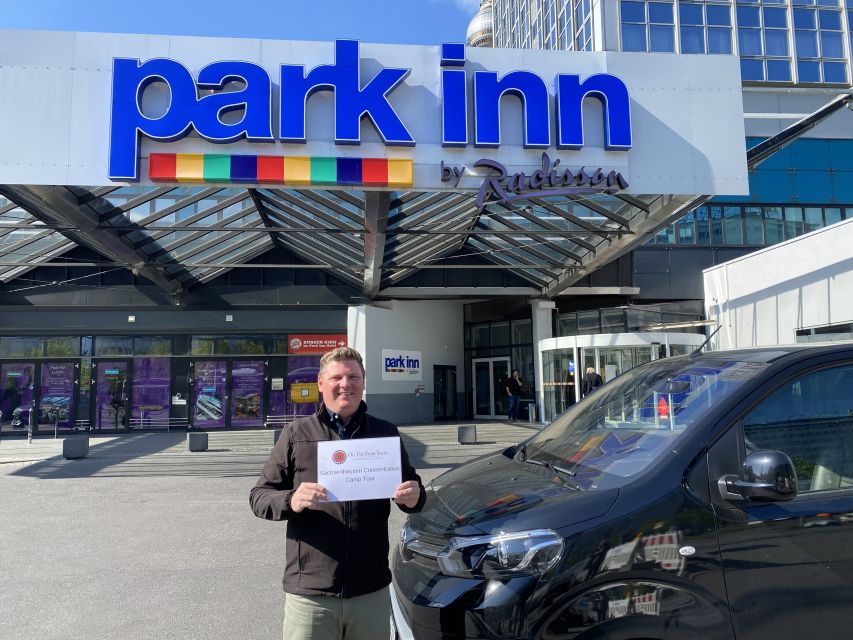
The day starts at Park Inn by Radisson Berlin Alexanderplatz. You meet at the main entrance at the taxi pick-up and drop-off point, then you’re taken by van for about 30 minutes.
That ride isn’t just transport. Your guide uses the travel time to explain the methodology of the Nazi concentration camp system and why Sachsenhausen became the prototype. It’s a smart pacing trick: you get context while you’re still fresh, before the emotional weight ramps up.
Inside the Camp: Tower A, Arbeit Macht Frei, and Roll Calls
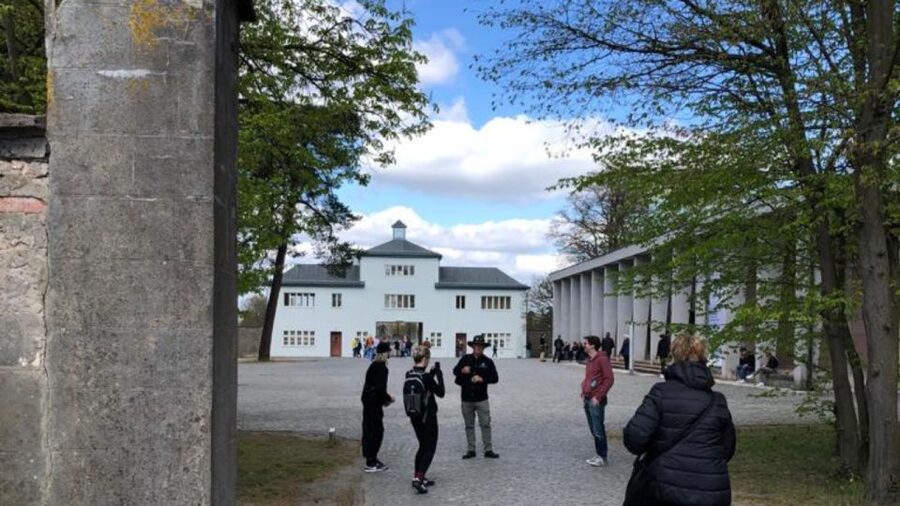
Once you reach Sachsenhausen Memorial, the guided portion takes you through the SS Concentration Camps Inspectorate—basically the administrative center that oversaw concentration camps across the Third Reich.
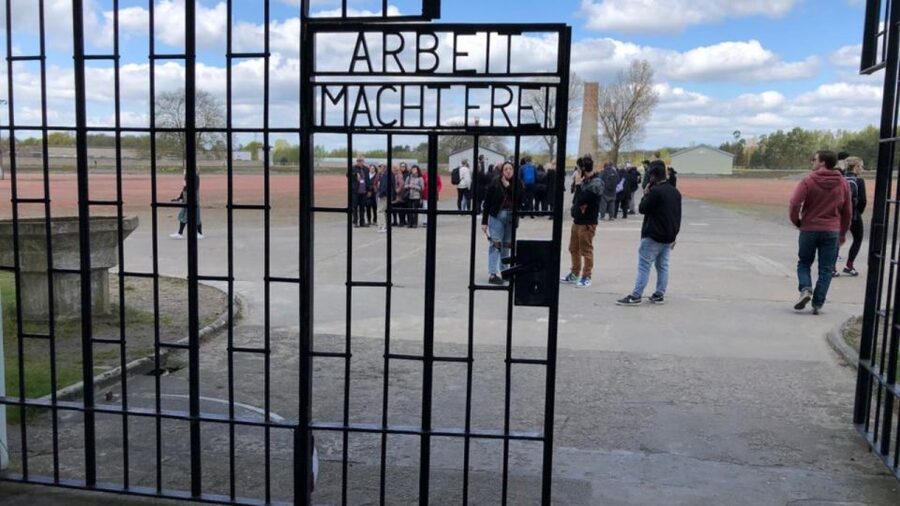
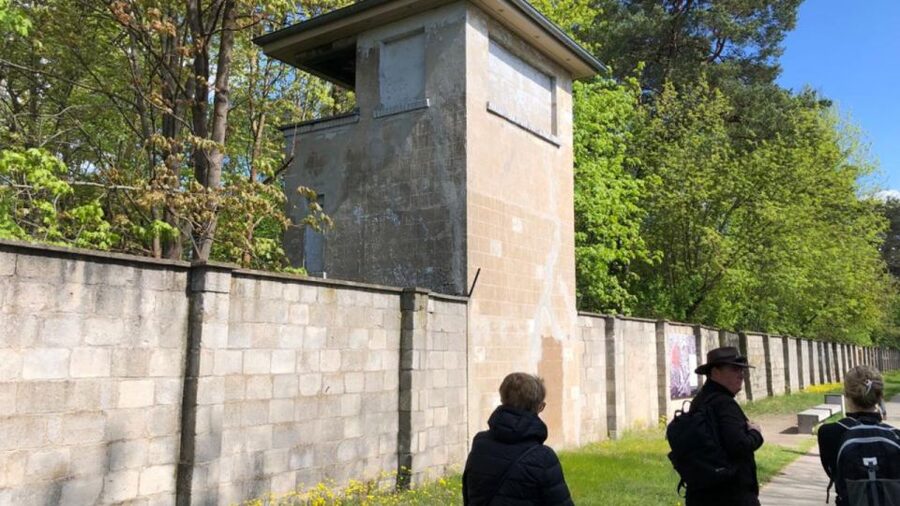
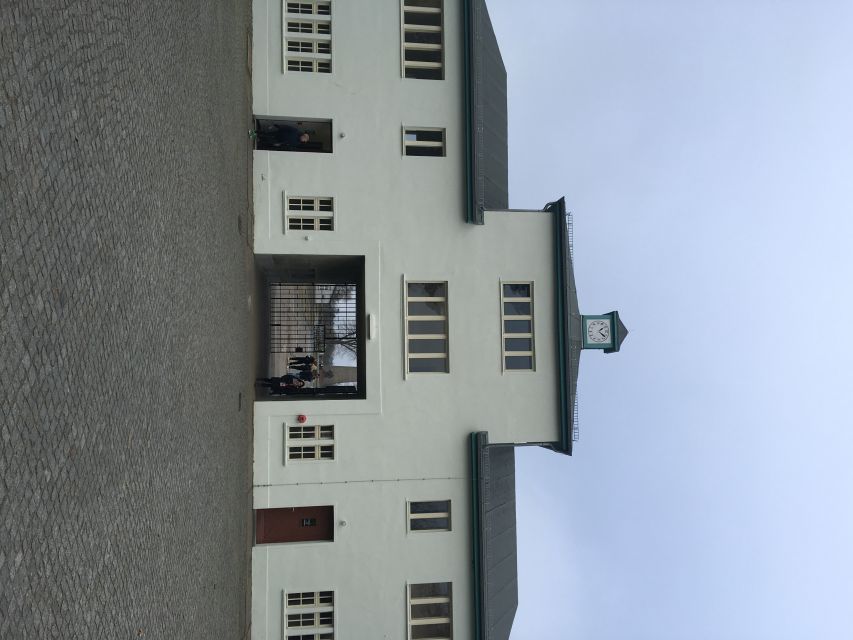
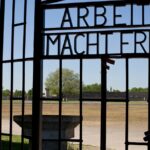
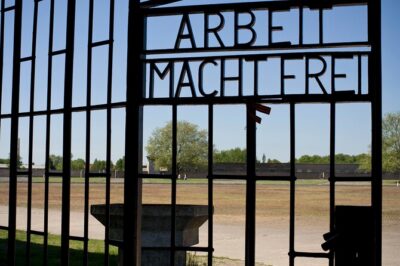
From there, you move through the main entrance and pass Tower A under the infamous words ARBEIT MACHT FREI. It’s a moment that can feel shocking on a physical level. The point isn’t just to read it; it’s to understand why propaganda-style cruelty sat right at the threshold of the real violence inside.
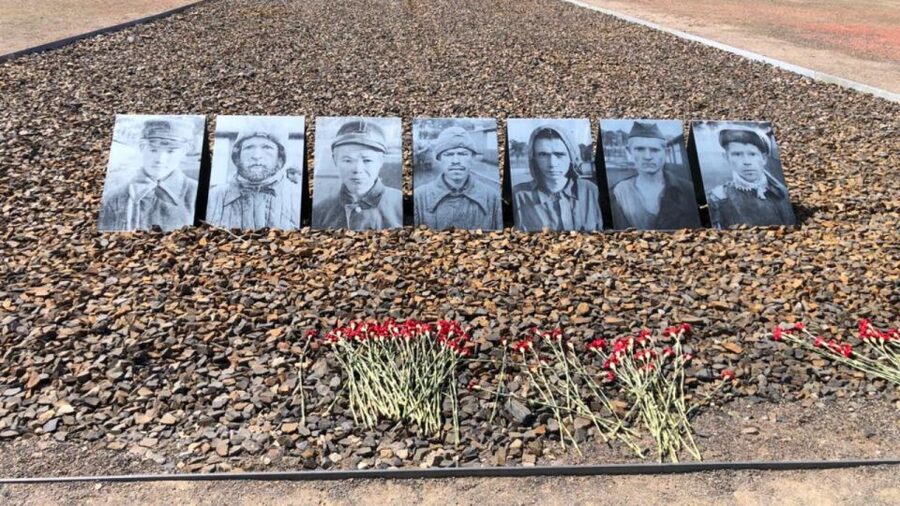
The tour then shifts to prisoner routine, including morning roll call and the feared shoe-testing track. These aren’t abstract ideas. They show how control was enforced through repetitive, humiliating procedures—built into everyday life rather than saved for special punishment days.
Jewish Sector, Barracks, and the Cell Block’s Hidden Cruelty
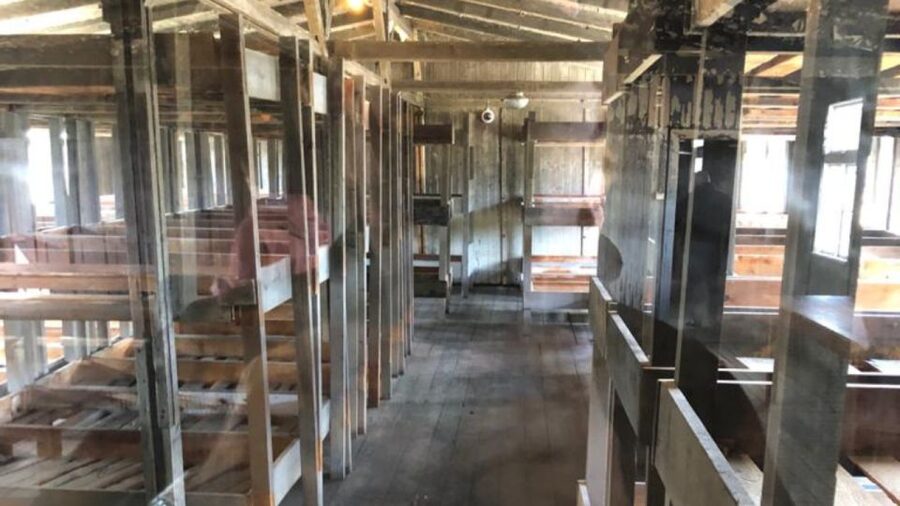
Next comes the Jewish sector of the camp. You’ll walk through the overcrowded barracks area and hear about the living conditions prisoners were forced into.
After that, you continue through the barracks and into the camp cell block. This is presented as a place marked by secrecy and cruel mistreatment. It also includes stories about specific groups of prisoners held there, including British POWs and special inmates such as Stalin’s son.
This part of the tour is valuable because it doesn’t treat prisoners as one flat category. It shows how the Nazi system held different people in different ways, but the goal of dehumanization and control stayed consistent.
More guided walks through Berlin




Camp Kitchen Break and Exhibits With Prisoner Drawings
You’ll reach the camp kitchen area, where the tour pauses for a short break. This is a practical moment: you can use the restroom, take a breather, and look at an exhibition of camp items.
A standout detail here is that you can see prisoner drawings still visible on the walls. That tiny shift—away from systems and toward human marks—hits differently than photos or text alone. It helps you remember that people resisted with what they could, even under conditions designed to erase them.
Special Camp No. 7: The Soviet Post-War Chapter You Shouldn’t Miss
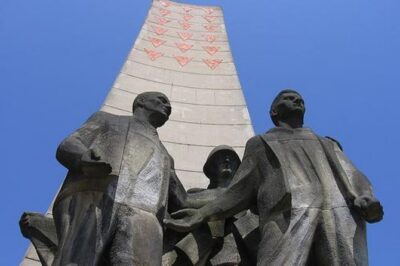
After the break, the tour covers Sachsenhausen’s post-war use by the Soviet Union. The camp became known as Special Camp No. 7 and was kept in use holding about 60,000 prisoners.
This section includes who was held there—German POWs, convicted war criminals, and political prisoners—and it discusses continued mistreatment. It also touches on post-war conservation efforts and how these events shaped modern Germany.
Why this matters: if you only learn about the Nazi period, the story can feel like it ended neatly. It didn’t. The tour’s inclusion of the Soviet period makes it easier to understand how violence and imprisonment didn’t simply disappear after 1945, and how memory work continues long after the war.
Station Z: Execution, the Gas Chamber Area, and Crematorium
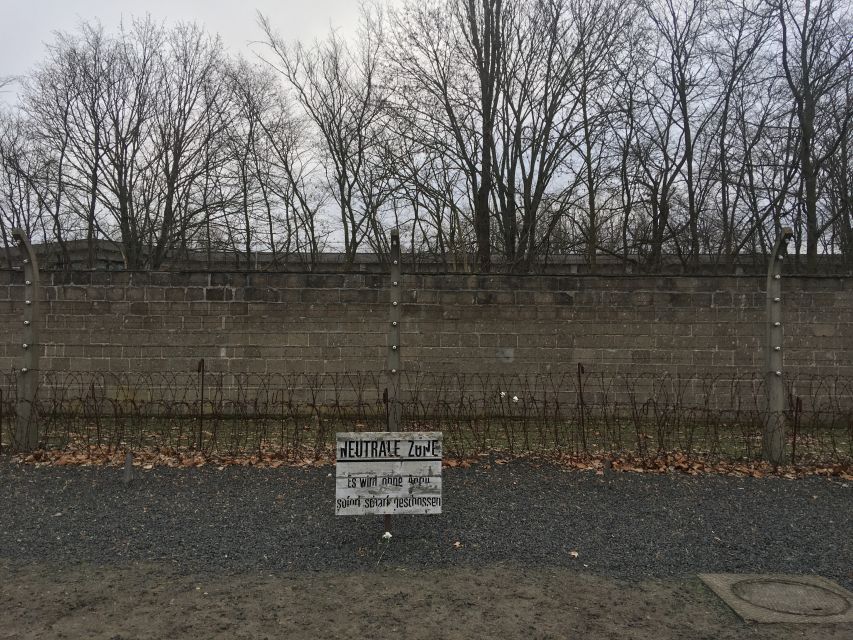
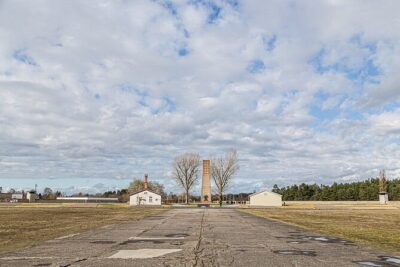
The tour continues to Station Z, the execution site area that includes the gas chamber and the crematorium. This is where the tour confronts the systematic murder carried out under the Nazi Final Solution.
Expect a heavy, factual presentation. The site layout helps you connect what you’ve learned about policy with what was physically happening there. It’s not graphic for shock value; it’s structured so the history stays anchored to place.
From there, the tour also passes through the infirmary area. Here, the focus is on medical experiments carried out on prisoners. Again, the point is not to sensationalize. It’s to show how even healthcare was distorted into another tool of harm.
Guides, Group Size, and the Pace That Lets Questions Land
A big reason this tour scores extremely well is the small group size—limited to 7 participants. That matters because the tour covers many emotionally complex spaces, and you’re more likely to get time to ask direct questions instead of swallowing them.
The guides themselves are described as passionate and compassionate in how they present the material. Names you may encounter include Matt and Tom, and guides like Jorg are also mentioned for answering questions with care. That kind of tone is important here: you need someone who can keep facts clear while staying sensitive to the subject.
I also like that the tour format allows for interaction. In a topic like this, one good question can change how you understand everything that came before it.
Time on Site: What 5 Hours Really Means
The whole tour is listed as 5 hours, with about 4 hours at the memorial. That’s a lot, and it’s also not a full day where you can wander slowly and read every exhibit wall at your own pace.
One detail to consider: the tour includes an exhibition stop, but there’s not much extra time to linger indoors. If you’re the type who loves to sit with museum text for a long while, you might find the schedule tight. It’s still a thorough tour, but it’s built around seeing key spaces in a set sequence.
Another practical point: it runs rain or shine. You’ll be walking on paths through the grounds, so come prepared. Comfortable shoes are not optional here—they’re your main safety plan and your comfort plan.
Price and Value: Is $115 Worth It?
At $115 per person for a 5-hour guided tour, you’re paying for more than a ride and a route. You’re paying for:
- Transport with pickup and drop-off from central Berlin
- A live English guide
- A small group format
- A ticket that includes a contribution to the camp memorial
- Access to a structured, place-based walkthrough of multiple sections
That contribution detail is a quiet value add. It means your ticket supports preservation, which feels more ethical than a purely commercial sightseeing day.
Also, the guide-led structure reduces stress. You don’t have to figure out the camp sequence on your own while processing difficult history. In experiences like this, that peace of mind is part of what you’re really buying.
Who Should Book This Tour (and Who Might Want Another Option)
This tour fits best if you want a clear guided explanation of how Sachsenhausen functioned within the Nazi camp system. It’s also a strong choice if you want the post-war context of Special Camp No. 7 rather than stopping at 1945.
It might be less ideal if you need longer, slower time at indoor exhibits or you prefer a lighter schedule. The site is heavy, and the tour moves through many areas in a single morning block, so people who get overwhelmed quickly may prefer a shorter format or additional time on their own before or after.
If you’re bringing kids or teens, you’ll want to think about maturity and readiness. The tour is structured and respectful, but it covers executions and experiments, so it’s not a casual outing.
Should You Book This Sachsenhausen Guided Tour?
If you want a respectful, tightly organized way to understand Sachsenhausen’s role in the Nazi camp system—and you also want the Soviet post-war story included—this is a smart booking. The small group limit, Alexanderplatz pickup, and guided pacing make it feel manageable even though the subject is anything but light.
I’d book it if you like learning with a guide and you’re okay with walking in all weather. I’d think twice if you need lots of free time in exhibitions or you’re hoping for a shorter, less intensive visit.
FAQ
How long is the Sachsenhausen concentration camp guided tour?
The tour duration is listed as 5 hours.
Where do I meet the guide in Berlin?
The meeting point is at the main entrance at the taxi pick-up and drop-off point at Park Inn by Radisson Berlin Alexanderplatz.
How many people are in the group?
The group is limited to 7 participants.
Is the tour in English?
Yes, the live tour guide is listed as English.
What should I bring?
You’ll want comfortable shoes and snacks.
Is the tour wheelchair accessible and does it run in bad weather?
It’s listed as wheelchair accessible, and the tour runs rain or shine.
More Tours in Berlin



More Tour Reviews in Berlin

Sachsenhausen and Remembrance

Round out your days in Berlin
Sachsenhausen Memorial, compared.
 ★ 5.0Sachsenhausen Concentration Camp Tour in EnglishFrom $365,711 reviews
 ★ 4.7Sachsenhausen Concentration Camp Memorial TourFrom $213,716 reviews
 ★ 5.0Sachsenhausen Concentration Camp Bus Tour in English from BerlinFrom $681,962 reviews
★ 4.8Sachsenhausen Concentration Camp Tour in EnglishFrom $221,889 reviews
★ 5.0Sachsenhausen Concentration Camp Bus Tour in English from BerlinFrom $681,962 reviews
★ 4.8Sachsenhausen Concentration Camp Tour in EnglishFrom $221,889 reviews
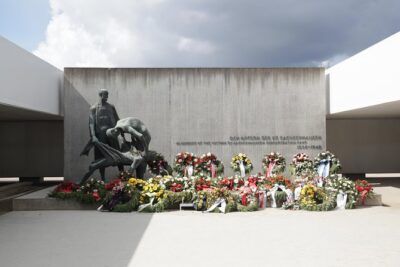 ★ 5.0Sachsenhausen Concentration Camp Memorial Tour (Max. 15 Guests)From $351,516 reviews
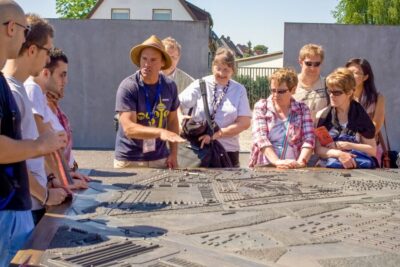 ★ 4.9English Bus Tour to Sachsenhausen Concentration CampFrom $551,380 reviews
 ★ 4.6Sachsenhausen Concentration Camp and Potsdam TourFrom $651,334 reviews
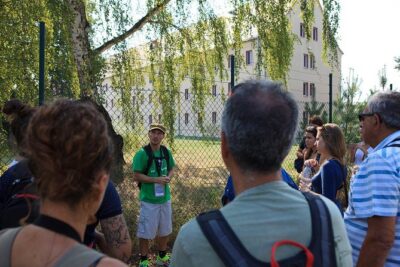 ★ 5.0Sachsenhausen concentration camp.From $341,189 reviews
Browse the lists this tour appears in