

REVIEW · BERLIN WALL & COLD WAR
Berlin: Stasi Museum Private Guided Tour with Entry Ticket
Cold War Berlin has a pulse, and it’s in here. This private visit to the Stasi Museum (Forschungs- und Gedenkstätte Normannenstraße) gives you a guided look at how East German State Security worked, with original spying equipment like bugs and hidden cameras. I especially like two things: the skip-the-line entry that locks in your time slot, and the chance to see the actual offices tied to key figures, including Erich Mielke’s famous red briefcase. The one drawback to think about upfront is price: it’s pricey for a 3-hour tour, and if you’re expecting a big museum crawl with lots of freedom, this format may feel steep.
What makes it worthwhile is the tight pairing of access plus an expert who can explain the politics, propaganda, and daily life in the GDR in your selected language. You also start in the center of Berlin’s history at Alexanderplatz, then head out by public transport—so you’re not spending energy figuring it out.
One more practical note: this is the Stasi Museum, not the former Stasi prison memorial at Berlin-Hohenschönhausen. If you’re hoping to see the prison setting, this tour won’t be that.
In This Review
- Key highlights you’ll care about
- Why the Stasi Museum experience hits harder than the posters
- Inside Forschungs- und Gedenkstätte Normannenstraße: rooms, offices, and spy gear
- Alexanderplatz start: where 1989 changed the temperature
- Skip-the-line entry and a private 3-hour rhythm
- What you learn about daily life under surveillance
- Getting around: two-way transit to a museum outside the center
- Price and value: what you’re paying for (and what to watch)
- Who should book this Stasi Museum private tour
- Practical tips so the 3 hours feel worth it
- Should you book this tour?
- FAQ
- Where is the meeting point for the tour?
- How long is the private Stasi Museum tour?
- What’s included with the tour?
- Does this tour include entry tickets to the Stasi Museum?
- Is the Stasi Museum tour the same as the Stasi prison memorial at Berlin-Hohenschönhausen?
- Which languages are available for the live guide?
- Is transportation included since the museum is outside the center?
- Is the tour wheelchair accessible?
- Can I cancel for a refund?
- Does the tour run as a private group?
Key highlights you’ll care about
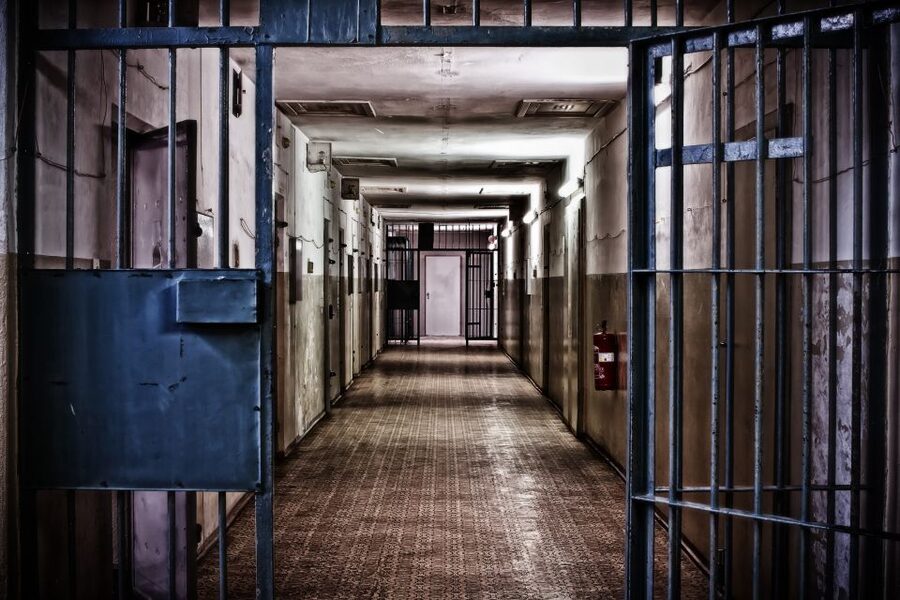
- Skip-the-line entry with a pre-booked entry time slot you must match
- Original Stasi surveillance hardware such as bugs and hidden cameras
- Former HQ of the Ministry of State Security, plus ministerial offices you can stand inside
- Erich Mielke’s red briefcase, tied to the most sensitive files
- A private guide in English or German, with expert commentary tailored to your language choice
- Two-way public transport tickets since the museum is outside the central area
More of the Wall and the divided city
- Berlin’s Best: 2 Hour Walking Tour Third Reich and the Cold War★ 5.0 · 5,486 reviews
- Skip-the-Line: Berlin Wall Museum at Checkpoint Charlie★ 4.1 · 2,041 reviews
- Berlin: East Side Gallery Spree Cruise in a Solar Catamaran★ 4.1 · 1,086 reviews
- Cold War, Berlin Wall, Spies and the East Side Gallery★ 5.0 · 1,024 reviews
Why the Stasi Museum experience hits harder than the posters

Berlin sells you Cold War ideas in a lot of ways—museums, walls, viewpoints. The Stasi Museum is different because it stays close to the system itself. You’re walking through the former headquarters of East Germany’s Ministry of State Security, which means the story isn’t just told to you on panels. It’s connected to the real rooms where surveillance, control, and paperwork were part of daily life.
I like that this tour focuses on the human mechanics of the regime: how the Stasi worked, how citizens were spied on and controlled, and why fear became normal. You also learn about the propaganda and the politics around the German Democratic Republic, which matters because surveillance didn’t happen in a vacuum. It was supported by an official narrative that shaped what people were allowed to know, say, and believe.
If you have a “big history” appetite, you’ll get that. If you care more about how it felt on the ground, you’ll get that too—because the guide’s job is to translate the system into everyday reality.
Inside Forschungs- und Gedenkstätte Normannenstraße: rooms, offices, and spy gear
This museum lives in the former building of the Stasi headquarters, which is why the visit feels concrete. In a standard museum, you might read about spying. Here, you’re shown the operational side of it.
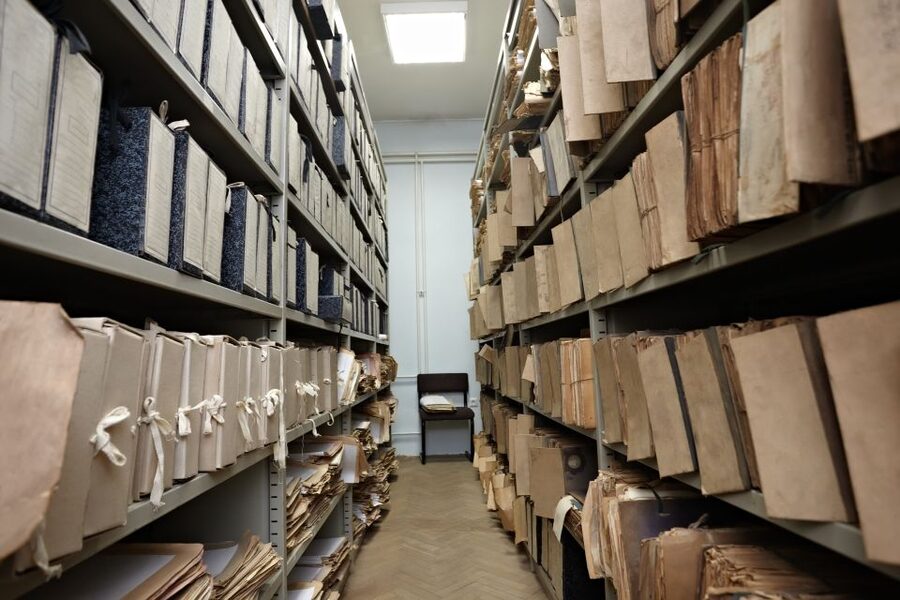
Expect to spend time in the ministerial offices and in the office connected with Erich Mielke. The tour highlights his famous red briefcase, which is a strong anchor object for the era’s most sensitive information. Even if you’re already familiar with Cold War names, seeing how the museum frames that power can shift your understanding from abstract to personal.
One of the most memorable parts for me would be the look at original spy technology, including bugs and hidden cameras. That’s not just creepy in a fun way—it helps you connect policy to practice. You start to see surveillance as an everyday toolkit, not just dramatic wiretaps in movies.
And then the guide ties it together with how informants were recruited and how citizens were monitored. That’s where the museum moves from objects to behavior—who watched whom, and how the system created pressure inside society.
Alexanderplatz start: where 1989 changed the temperature
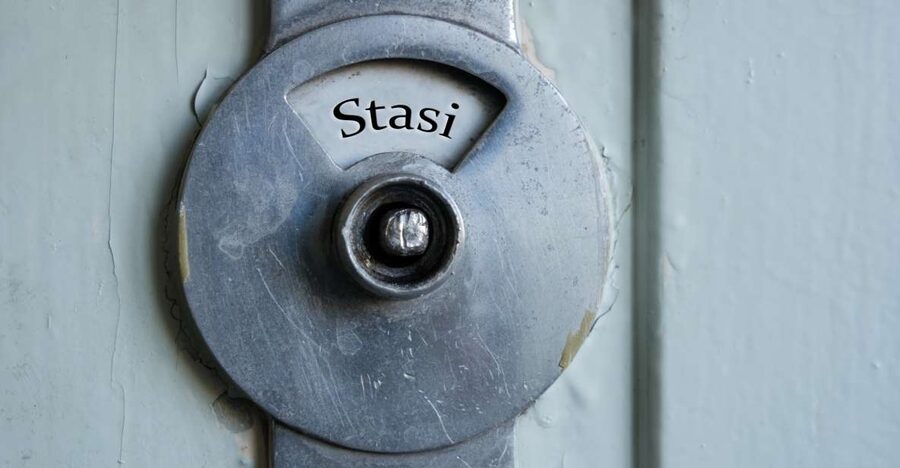
The tour begins at Alexanderplatz, meeting your guide in front of the DM drugstore. I like this choice because it plants you in a real public space tied to a real turning point. You’re told that 1989’s largest demonstration in GDR history took place here. That sets the stage fast: you’re not starting with museum doors, you’re starting with the moment the country began to crack.
After the briefing at the meeting point, you’ll take public transport to the museum. The operator provides two-ways tickets, which is a smart move. The Stasi Museum isn’t in the tight core of sights, so without transit help you’d be doing extra planning right when you want to be in history mode.
Also, don’t show up late. With skip-the-line entry, you’re stepping into a pre-booked entry time slot. The system runs on schedule, and the tour expects you to match it.
Skip-the-line entry and a private 3-hour rhythm

This is a private guided tour that lasts about 3 hours. That matters more than it sounds. A private format means you’re not waiting in a pack, and you’re more likely to get the explanations you actually need, not just the ones that fit a group’s time budget.
You also get expert commentary in the language you select when booking—English and German are listed. That’s a big deal for a topic like the Stasi, where word choices carry real weight. If you’re the type who likes to understand what specific terms meant in the GDR, this is the right setup.
The skip-the-line tickets come with a pre-booked time slot. Practically, that means you’ll spend less time stuck near the entrance and more time inside where the story is happening. Just remember: that benefit only works if you arrive at the meeting point on time and keep to the schedule.
And yes, the tour includes public transport tickets, so you don’t have to haggle with machines or guess routes mid-day. It’s built for comfort and time-saving.
More Berlin tours to line up side by side





What you learn about daily life under surveillance
The tour’s core promise is understanding daily life in the postwar GDR and why the Stasi police made people fear them. You’ll get guided explanations about how the State Security operated, plus how politics and propaganda supported the regime’s control.
Here’s the key for your expectations: the focus isn’t only on the dramatic headline events. It’s on how the system worked day to day—how surveillance affected what people did, said, and hoped for. That’s why the guide’s commentary is the main value-add. The museum building provides the setting, but the guide helps you connect the dots.
You’ll also hear about recruitment of informants. That piece is essential to understanding the Stasi’s reach. A surveillance state isn’t just one organization watching; it’s a network that can spread into communities. When that’s explained clearly, the topic stops being historical trivia and starts being a warning you can recognize in other places and other times.
Getting around: two-way transit to a museum outside the center
One practical reality: the Stasi Museum is located outside the city center. To handle that, the tour includes two-way public transport tickets. That’s especially helpful if you only have a short window in Berlin or if you’re trying to stack sights without adding stress.
You’ll depart from Alexanderplatz and ride public transport to reach the museum. While the exact lines aren’t provided in the information I have, the important point is simple: the transport is handled for you, and you don’t need to pay extra or plan your return separately.
If you care about mobility, this tour is listed as wheelchair accessible, which is another solid reason to choose a guided format. You still might want to plan your own arrival time with a buffer, since schedules matter when entry time slots are involved.
Price and value: what you’re paying for (and what to watch)
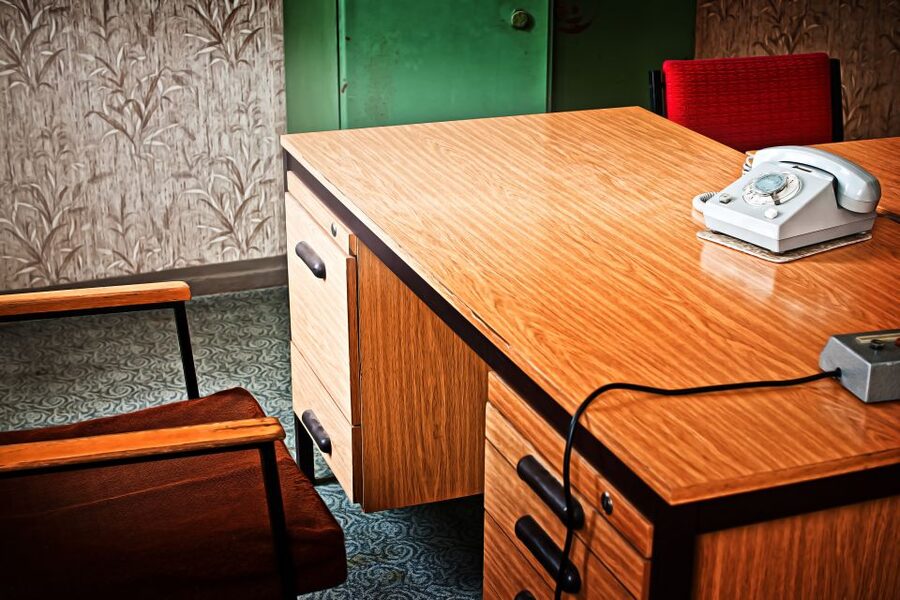
At $257 per person for a 3-hour private tour, this sits in the “don’t treat it like casual sightseeing” category. The value case is pretty clear: you’re paying for skip-the-line entry tickets, a licensed guide, expert commentary, and included two-way public transport.
There’s also a meaningful difference between reading about the Stasi and seeing original spying technology in the actual former headquarters. For many people, that’s the deciding factor.
Now, here’s the balancing point. One booking you might find out there described the experience as way too expensive at $435. That doesn’t automatically mean the tour is overpriced for everyone, but it’s a reminder to consider what “private” means for your group. If you’re solo, you’re paying the full private price. If you’re with a friend or partner and can share the cost, the experience becomes much more reasonable.
My practical advice: if you’re paying for the private format, make sure you’re genuinely interested in the Stasi system, not just a quick check-the-box. If your main goal is general Cold War atmosphere, you might find cheaper options. If your goal is to understand how surveillance actually worked, then this one is easier to justify.
Who should book this Stasi Museum private tour
I’d book this if you’re a history-focused traveler who wants expert interpretation. It’s also a good match if you want context on communism and what life in East Berlin used to look like before the fall of the Berlin Wall. The tour is designed for people who care about politics, propaganda, and daily life—not only dates and big events.
It’s also worth it if you like clear structure. The 3-hour length and private pacing mean you can focus without getting lost in a maze of exhibits.
But I’d be cautious if your top priority is the Stasi prison experience at Berlin-Hohenschönhausen. This tour explicitly notes it’s different from the former Stasi prison memorial. You can still learn a lot here, but it won’t replace the prison-focused visit if that’s what you came for.
Practical tips so the 3 hours feel worth it

Here are the habits that make a scheduled private tour feel smooth instead of rushed:
- Arrive on time at the Alexanderplatz meeting point (in front of the DM drugstore). With a pre-booked entry time slot, punctual beats optimistic.
- Check your email the day before the tour. Important details are sent out there.
- If you’re booking in English or German, choose the language you’ll understand best when terms get specific. This topic rewards precision.
- Plan your other Berlin stops around this one, because the museum is outside the city center and the transit time is part of the experience plan.
And if you enjoy guides who bring context beyond textbooks, you’ll likely appreciate the approach described by some guides in past experiences—one guide named Silvia, for example, was specifically praised for adding personal stories and additional material, which can make the mechanics of the Stasi feel less distant.
Should you book this tour?
Book it if you want a focused, guided look at the Stasi headquarters in real rooms, with original surveillance tech and expert commentary in your language. The combo of skip-the-line entry and private guide is the main reason to choose this format over doing it on your own.
Skip or compare if the price feels uncomfortable for your group size, or if you’re mainly chasing the prison memorial experience at Hohenschönhausen. In that case, you may want a different tour that matches your exact goal.
If you’re on the fence, use this rule of thumb: you’re paying to understand how the Stasi system worked, not just to see Cold War scenes. If that’s what you want, this private Stasi Museum tour is a strong, time-smart way to get there.
FAQ
Where is the meeting point for the tour?
Meet your guide in front of the DM drugstore at Alexanderplatz, 1, 10178 Berlin.
How long is the private Stasi Museum tour?
The tour duration is 3 hours.
What’s included with the tour?
The tour includes a private guided visit to the Stasi Museum (Forschungs- und Gedenkstätte Normannenstraße), skip-the-line tickets, a licensed expert guide in your selected language, and two-way public transport tickets.
Does this tour include entry tickets to the Stasi Museum?
Yes. It includes tickets to the Stasi Museum, with skip-the-line entry and a pre-booked entry time slot.
Is the Stasi Museum tour the same as the Stasi prison memorial at Berlin-Hohenschönhausen?
No. The information clearly notes that this is a different museum than the former Stasi prison memorial at Berlin-Hohenschönhausen.
Which languages are available for the live guide?
The live tour guide is available in English and German.
Is transportation included since the museum is outside the center?
Yes. Two-way public transport tickets are provided for convenience.
Is the tour wheelchair accessible?
The tour is listed as wheelchair accessible.
Can I cancel for a refund?
Free cancellation is available up to 24 hours in advance for a full refund.
Does the tour run as a private group?
Yes. The format is a private group.
More Tours in Berlin






More Tour Reviews in Berlin

The Wall and the Cold-War City






Round out your days in Berlin

Berlin Wall & Cold War, compared.
 ★ 4.9Third Reich & Cold War Guided Walking TourFrom $238,378 reviews
 ★ 5.0Berlin’s Best: 2 Hour Walking Tour Third Reich and the Cold WarFrom $245,486 reviews
 ★ 4.1Skip-the-Line: Berlin Wall Museum at Checkpoint CharlieFrom $212,041 reviews
 ★ 4.1East Side Gallery Spree Cruise in a Solar CatamaranFrom $281,086 reviews
 ★ 5.0Cold War, Berlin Wall, Spies and the East Side GalleryFrom $181,024 reviews
 ★ 4.8Wall Tour – Fates, Love Stories, and HeroesFrom $282585 reviews
 ★ 4.5THE WALL: asisi Panorama Berlin TicketFrom $16580 reviews
 ★ 4.8The Wall and Third Reich Guided Bike TourFrom $41578 reviews
Browse the lists this tour appears in