
REVIEW · BERLIN WALL & COLD WAR
Cold War, Berlin Wall, Spies and the East Side Gallery
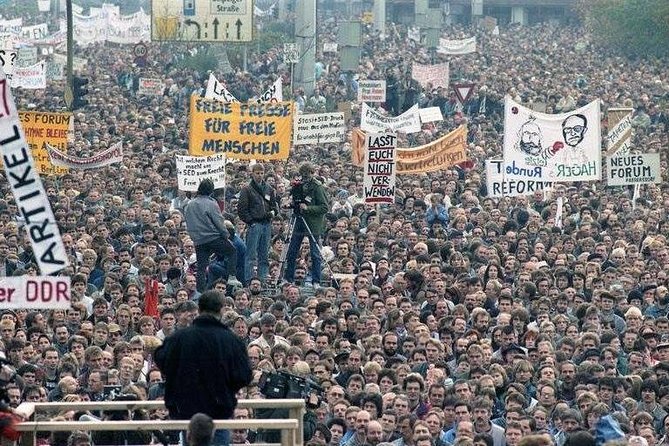
Concrete, fear, and art walk together in Berlin. This 3-hour guided tour threads together Berlin Wall history with spy stories, Stasi shadow games, and the human odds of getting out. You’ll move through places like Tränenpalast (Palace of Tears) and the former East’s key public spaces, where the Cold War is more than a theme—it’s built into the streets.
My favorite part is how the guide-led storytelling makes the Wall feel personal, not textbook. Hearing examples of the way guides like Paul and Xavier explain everyday risks—and in some cases, personal connections to East Germany—turns big events into real people. Second, I love the contrast: you go from East Side Gallery street art back to the Wall’s stark reality, including the death-strip area.
One thing to plan for: you’ll need an AB public transport day pass during the tour to travel between sites. It’s not hard, but it is one more thing to manage on the day.
In This Review
- Key highlights worth the time
- Starting at Friedrichstraße: where the Cold War starts feeling real
- Tränenpalast (Palace of Tears): the heartbreak built into a checkpoint
- Alexanderplatz and Karl-Marx-Allee: power on parade in socialist architecture
- Alexanderplatz: everyday life under a watchful system
- Karl-Marx-Allee: where propaganda looks like a boulevard
- Friedrichshain to the Wall: from past paranoia to present-day street-level reality
- Berlin Wall and the death strip area: the fear has a shape
- East Side Gallery: how the Wall becomes an open-air museum of messages
- Price and value: why $18 can work in your favor
- Transit, weather, and what to bring so the day feels easy
- Who this Cold War Berlin Wall walk suits best
- Should you book this tour or skip it?
- FAQ
- How long is the tour?
- Where do I meet the guide?
- Do I need public transportation during the tour?
- What Wall-related sites do we see?
- Is the tour wheelchair accessible?
- What should I bring?
- Does the tour run in bad weather?
Key highlights worth the time
- Palace of Tears (Tränenpalast) and the emotional side of reunification stories
- Alexanderplatz and GDR-era city life, framed by guided context
- Karl-Marx-Allee and the propaganda built into monumental design
- Berlin Wall + death strip area details you can still feel on foot
- East Side Gallery as the Wall’s big second life: art and memory
More of the Wall and the divided city
- Berlin’s Best: 2 Hour Walking Tour Third Reich and the Cold War★ 5.0 · 5,486 reviews
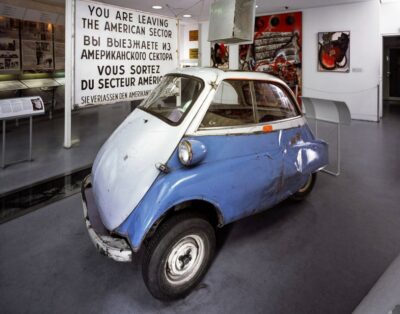
- Skip-the-Line: Berlin Wall Museum at Checkpoint Charlie★ 4.1 · 2,041 reviews
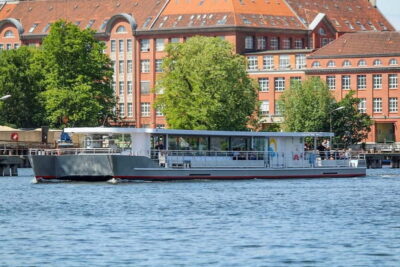
- Berlin: East Side Gallery Spree Cruise in a Solar Catamaran★ 4.1 · 1,086 reviews
- Cold War, Berlin Wall, Spies and the East Side Gallery★ 5.0 · 1,024 reviews
Starting at Friedrichstraße: where the Cold War starts feeling real
Most Berlin Wall tours try to hit the Wall first. This one starts with orientation, and that matters. You meet outside Friedrichstraße station, in the square beside the Traenenpalast (Palace of Tears). Look for a guide with a yellow name badge and a yellow umbrella—easy to spot, even if you’re rushing.
From the start, you’re placed in the geography of the border era: this part of Berlin is where movement, documents, and permission mattered. If you’ve ever felt that the Cold War is too big to picture, the setup here helps. You’re not just walking past landmarks—you’re stepping through nodes of control and escape.
Practical tip: wear shoes that handle uneven pavement and long standing. You’re on foot for multiple stops, and the tour keeps moving.
Tränenpalast (Palace of Tears): the heartbreak built into a checkpoint
Tränenpalast isn’t a generic museum stop. It’s a place-name that carries emotion. In a short visit (about 20 minutes), you get the sense of what the border system did to ordinary families—how it could turn goodbyes into procedures, and procedures into heartbreak.
What I liked here is the way the guide connects the building to the wider logic of East-West separation. You’re not only seeing the site—you’re learning why people feared paperwork, why reunification was complicated, and how surveillance shaped behavior even in public spaces.
This stop is a good early anchor. It sets the tone for the rest of the walk, especially once you move toward Wall remains and escape stories.
Alexanderplatz and Karl-Marx-Allee: power on parade in socialist architecture
After the first connections to the border world, the tour heads into East Berlin’s center of gravity.
Alexanderplatz: everyday life under a watchful system
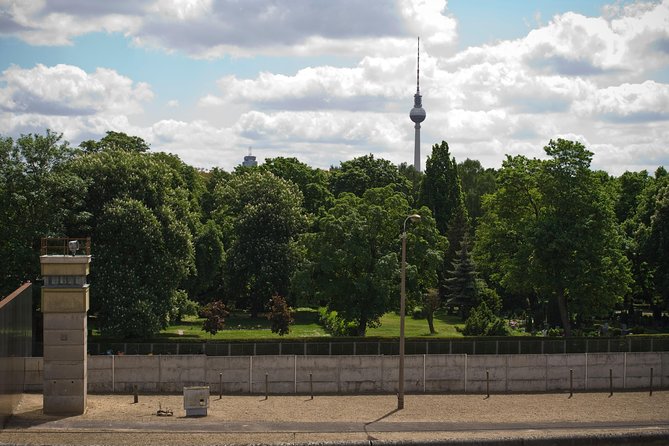
At Alexanderplatz, you get around 20 minutes with guidance. This isn’t only about the famous square. It’s about how spaces like this worked—how the GDR projected modernity, order, and certainty in places where people still had to live, shop, commute, and gather.
The best part is that the guide doesn’t treat architecture like decoration. The point is to help you read the city the way people in that era would have experienced it: as a setting where the state’s presence felt constant.
More of Berlin's museums and galleries

Karl-Marx-Allee: where propaganda looks like a boulevard
Then comes Karl-Marx-Allee, also about 20 minutes of guided walking. This is the kind of street that looks impressive even before you know the backstory. With a guide, it becomes a lesson in how systems use scale, symmetry, and form to sell an idea.
You’ll likely hear how this grand boulevard was planned to feel like a socialist future made physical. And once you understand that, it’s hard to “unsee” it. Even if you’re not an architecture nerd, you’ll start noticing the messages the city tried to broadcast.
Small drawback: if you prefer darker, more direct Wall material, this stretch can feel more about context than concrete. For me, it worked well because it explains why the Wall wasn’t the only symbol of division—the whole city layout helped enforce it.
Friedrichshain to the Wall: from past paranoia to present-day street-level reality
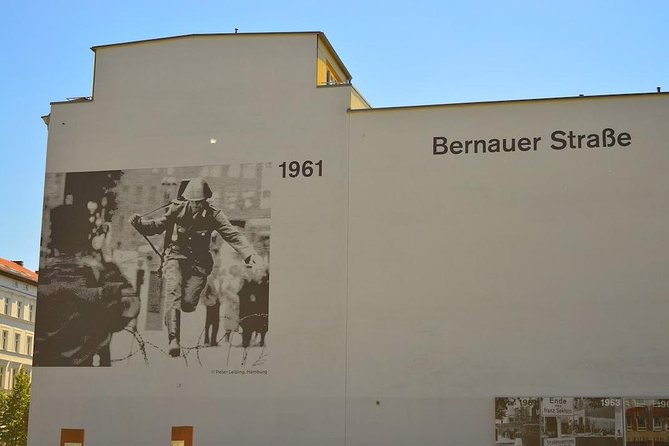
After the central squares and boulevards, the tour transitions toward the Wall’s remaining traces around Friedrichshain. This segment includes about 20 minutes of guided time in the neighborhood.
This is where the tour starts tightening its focus. The streets begin to feel like they lead somewhere specific, not just to an attraction. You’re getting closer to the Wall’s physical imprint, and the guide’s spy-and-informant framing often clicks more strongly here.
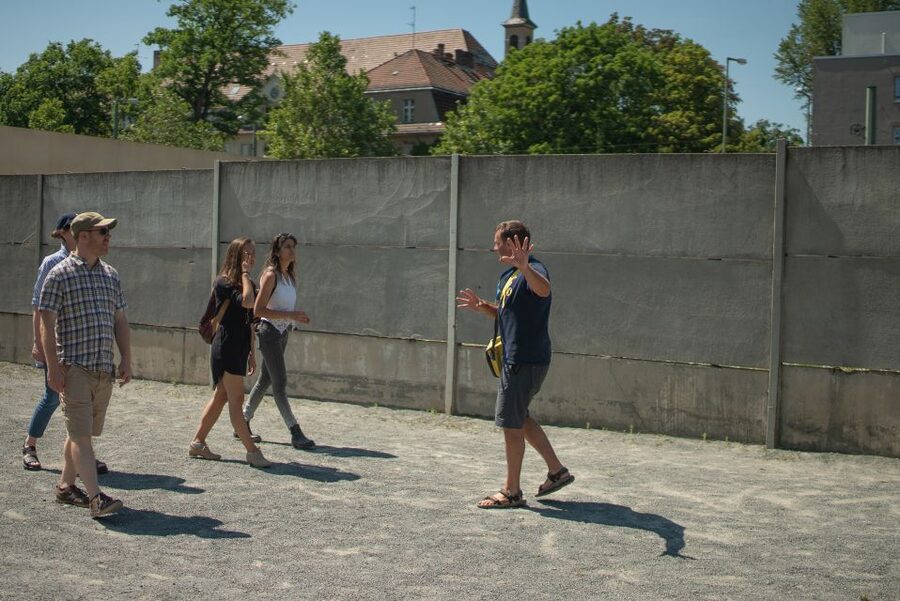
Then you reach the Wall itself, with about 16 minutes of guided sightseeing. Even in a short stop, the goal is clear: help you understand how the Wall operated as a system, not just a barrier.
Berlin Wall and the death strip area: the fear has a shape
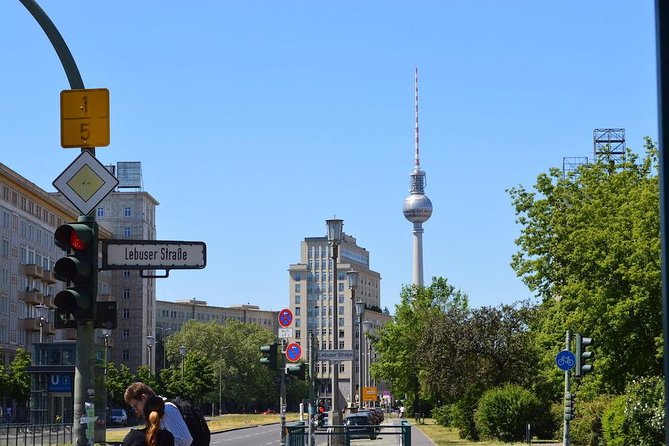
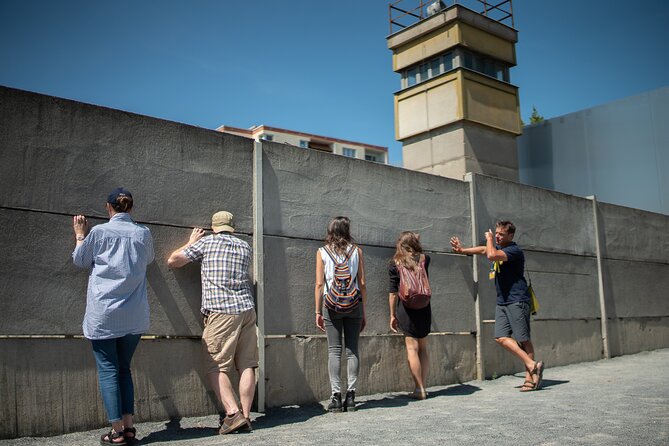
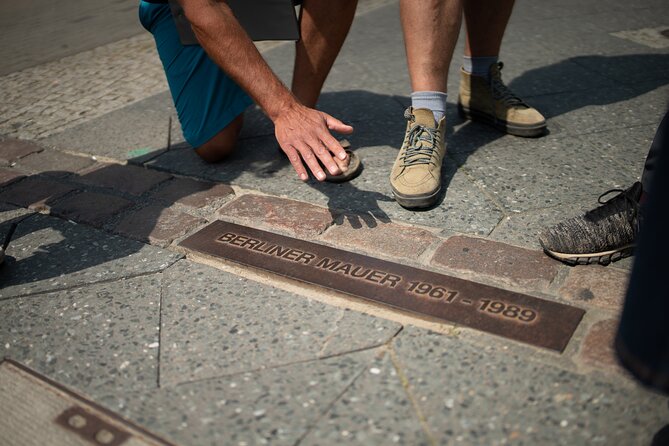
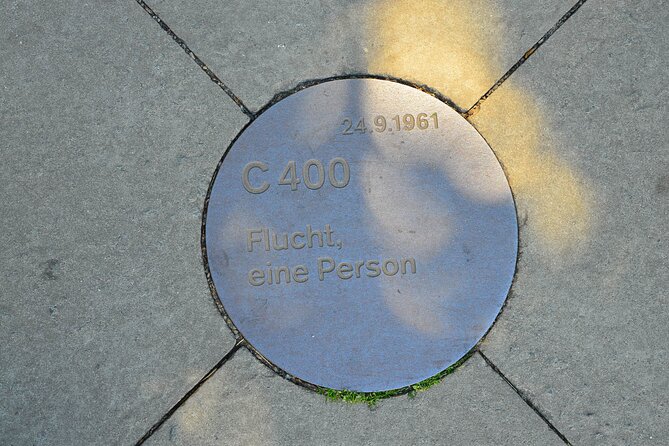
This is the tour’s heart. You’ll walk through Wall history that includes the original death strip area. The time is brief, but the explanation is what makes it matter.
What I appreciated is the balance between big historical claims and the “how it worked” details—how people tried, how surveillance watched, and how the threat shaped daily choices. When guides explain informants, escape attempts, and Stasi pressure in a concrete way, the Wall shifts from image to mechanism.
It’s heavy material. You don’t need theatrics to feel the weight of it. Concrete plus explanation is enough.
A note for your expectations: you’re not doing a long, slow memorial walk. This is a fast, guided pathway through key points, designed to give you clarity and momentum in only a few hours.
East Side Gallery: how the Wall becomes an open-air museum of messages
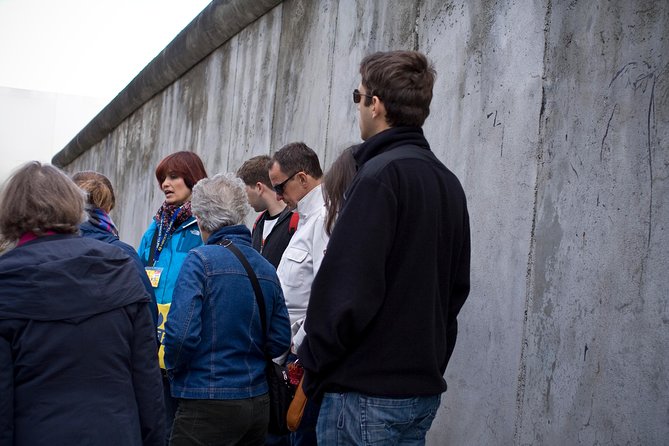
Finally, you end at the East Side Gallery, with about 20 minutes of guided focus and walking time along the graffiti wall.
Here’s the smart twist of this tour: it doesn’t end on destruction. It ends on how people re-used the Wall’s physical presence. The East Side Gallery is famous for street art, but with the Cold War context fresh in your mind, it reads differently. You’re seeing how a symbol of oppression can become a canvas for memory and argument.
I like this ending because it gives your brain a place to land. After learning about fear and control, you get to see how Berlin turned division into public speech—literally painted on the Wall.
If you’re the kind of traveler who takes photos obsessively (I am), bring a camera and be ready to pause. The best pictures happen when you stop trying to “complete the wall” and just frame the stories the art is telling.
Price and value: why $18 can work in your favor
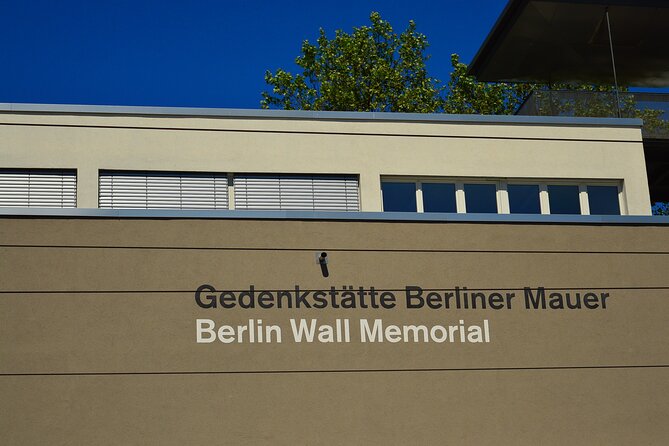
At $18 per person for a 3-hour, guide-led experience, this tour is priced like a value play rather than a premium museum day. And given what you cover—multiple major sites tied directly to Cold War separation and Wall memory—it often compares well with paying for separate tickets and self-guided wandering.
You do pay the small “Berlin reality tax,” though: public transport tickets aren’t included, and you need an AB day pass. Also, food and drink aren’t included, so plan to eat before or after.
Still, for the money, you’re buying three things that add up:
- guided interpretation (the difference between seeing a Wall and understanding it),
- efficient sequencing across central Berlin sites,
- and a human layer via the guide’s storytelling.
Transit, weather, and what to bring so the day feels easy
This tour runs regardless of weather. That means you should dress for the day you get, not the forecast you hope for. You’ll do multiple walking stretches and at least a couple train transfers.
A simple packing list:
- Comfortable shoes
- Camera
- Weather-appropriate clothing
Also, the tour doesn’t allow alcohol and drugs, so keep it clean and focus on the history.
If rain hits, don’t assume you’ll “stay dry and stop.” Guides tend to keep the flow going and use available shelter when they can—so having a light rain layer helps.
Who this Cold War Berlin Wall walk suits best
This tour fits you if you want:
- a focused 3-hour Berlin Wall experience without spending a full day,
- strong narrative explanations around spies, informants, and escape attempts,
- and a mix of “the Wall” plus the surrounding city spaces that shaped life in the GDR.
It’s also a great choice if you’re visiting with a history-leaning friend who likes stories more than timelines. Plenty of guides in this category are praised for bringing details to life, asking group-check questions, and answering follow-ups—especially when you’re curious about how life worked behind the Iron Curtain.
Should you book this tour or skip it?
Book it if you want a guided way to connect the Wall’s physical traces to the human system behind them—Palace of Tears, Alexanderplatz, Karl-Marx-Allee, the death strip area, then a meaningful ending at the East Side Gallery.
Skip or consider a different format if you hate public-transit segments or you want longer, slower time at each site. This tour moves briskly, and the time at any one stop is intentionally limited.
If you’re weighing value, $18 for a structured guided path through Berlin’s Wall-era highlights is a solid deal—especially when you’re aiming to leave with a clear mental map of how the Cold War divided daily life.
FAQ
How long is the tour?
It lasts 3 hours.
Where do I meet the guide?
Meet the guide outside Friedrichstraße station, in the square beside the Traenenpalast (Palace of Tears). Look for the guide with a yellow name badge and a yellow umbrella.
Do I need public transportation during the tour?
Yes. You’ll need an AB public transport day pass to travel between sites during the tour. You can purchase it on the day with help from on-site staff.
What Wall-related sites do we see?
You’ll see the Berlin Wall and the original death strip area, and you’ll also walk along the East Side Gallery.
Is the tour wheelchair accessible?
Yes, the tour is wheelchair accessible.
What should I bring?
Bring comfortable shoes, a camera, and weather-appropriate clothing.
Does the tour run in bad weather?
Yes. The tour proceeds regardless of weather.
Berlin's Museums and Galleries

More Tour Reviews in Berlin





The Wall and the Cold-War City


Round out your days in Berlin
Berlin Wall & Cold War, compared.
 ★ 4.9Third Reich & Cold War Guided Walking TourFrom $238,378 reviews
 ★ 5.0Berlin’s Best: 2 Hour Walking Tour Third Reich and the Cold WarFrom $245,486 reviews
 ★ 4.1Skip-the-Line: Berlin Wall Museum at Checkpoint CharlieFrom $212,041 reviews
 ★ 4.1East Side Gallery Spree Cruise in a Solar CatamaranFrom $281,086 reviews
 ★ 5.0Cold War, Berlin Wall, Spies and the East Side GalleryFrom $181,024 reviews
 ★ 4.8Wall Tour – Fates, Love Stories, and HeroesFrom $282585 reviews
 ★ 4.5THE WALL: asisi Panorama Berlin TicketFrom $16580 reviews
 ★ 4.8The Wall and Third Reich Guided Bike TourFrom $41578 reviews
Browse the lists this tour appears in