
REVIEW · BERLIN WALL & COLD WAR
DDR Museum Berlin Admission Ticket
Berlin’s Cold War story is built into rooms.
The DDR Museum Berlin turns East German history into hands-on scenes you can walk through, from propaganda TV to everyday apartment life. I love that the exhibits are interactive in a way that works for both adults and kids, and you get a steady flow of eras and topics instead of one long slideshow. You’ll also enjoy the Trabant focus, plus the mock homes and simulations that make the system feel real.
The one thing to plan around is that it can feel small and crowded, especially at peak times. If you’re heat-sensitive, note that the building can run hot since there’s no air-conditioning mentioned in visitor notes, so pick your time slot wisely.
In This Review
- Key things to know before you go
- Getting to DDR Museum Berlin: location and first impressions
- What “skip the line” really means in practice
- Your 1–2 hour route: what you’ll see and why it matters
- Stop 1: The reconstructed GDR home—propaganda, appliances, and the “Carat” living space
- The big payoff
- The potential downside
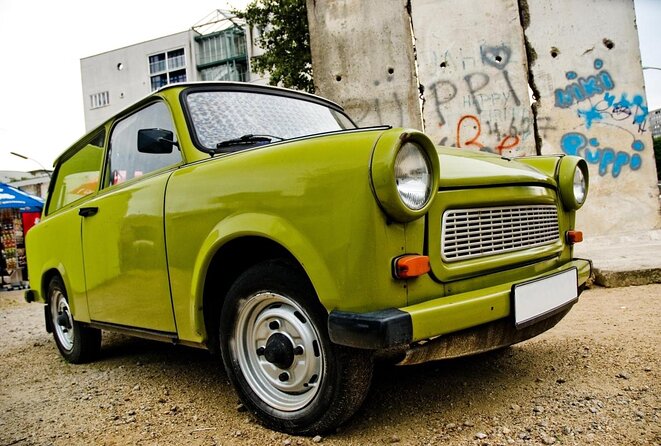
- The Trabant car exhibition: the vehicle as a symbol of everyday life
- One practical note
- Virtual GDR housing estate tour: seeing the system at street level
- Why this part works
- Stasi interrogation experience: a hard turn toward surveillance
- If you’re visiting with kids
- GDR elections and the Socialist Union Party: how participation was framed
- Exiting through the Berlin Wall hole: landing the emotional message
- Price and value: is the $16.26 ticket worth it?
- Timing strategy: when to go for comfort and better pacing
- Watch out for heat
- Ticketing and entry issues: what to do if your mobile ticket acts up
- Who this DDR Museum experience is best for
- Nearby day plan ideas (so this fits your Berlin rhythm)
- Should you book the DDR Museum Berlin ticket?
- FAQ
- How long does the DDR Museum Berlin visit take?
- Where is the DDR Museum located?
- What is included in the ticket price?
- Is the experience available in English?
- Do I need hotel pickup or drop-off?
- Are food and drinks included?
- What are the opening hours?
- Can I cancel for a refund?
- Is this suitable for kids as well as adults?
Key things to know before you go
- Timed entry helps you choose a slot that fits your day in Berlin.
- Interactive displays beat static exhibits, with hands-on moments sprinkled through the route.
- Expect a “walk-through” experience—rooms, props, and simulations move you through 1949 to 1989.
- Trabant + housing estate themes give you a clear sense of everyday life behind the Iron Curtain.
- Stasi interrogation and GDR election content add sharper, sobering history alongside the fun.
More of the Wall and the divided city
- Berlin’s Best: 2 Hour Walking Tour Third Reich and the Cold War★ 5.0 · 5,486 reviews
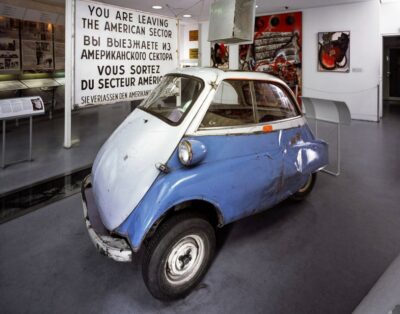
- Skip-the-Line: Berlin Wall Museum at Checkpoint Charlie★ 4.1 · 2,041 reviews
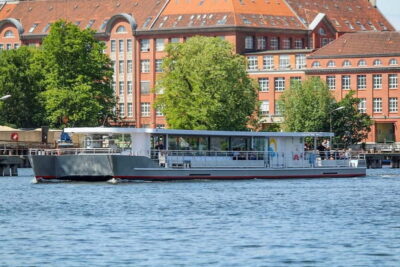
- Berlin: East Side Gallery Spree Cruise in a Solar Catamaran★ 4.1 · 1,086 reviews
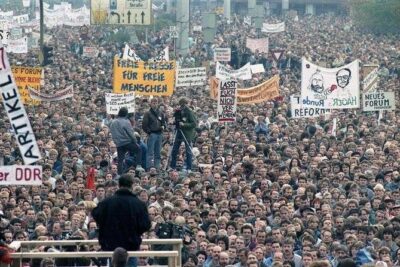
- Cold War, Berlin Wall, Spies and the East Side Gallery★ 5.0 · 1,024 reviews
Getting to DDR Museum Berlin: location and first impressions
DDR Museum Berlin sits in central Berlin at Karl-Liebknecht-Str. 1, conveniently placed opposite Berlin Cathedral. That’s a big deal: you can tack this onto a Cathedral/Spree river day without needing taxis or complex transit plans. It’s also described as being near public transportation, so you’ll likely have a smooth arrival.
Once you’re inside, the museum is set up like a living route through East Germany. The experience isn’t “look at artifacts from behind glass” so much as “move through the idea of daily life.” That approach is why the place works so well for families, but also why it can feel tight when lots of people arrive at once.
What “skip the line” really means in practice
Your admission is sold as a skip-the-line entrance ticket, and visitors typically find that showing up at their chosen time is enough to get started. Still, I’d treat the first 5–10 minutes like a warm-up: aim to arrive a few minutes early so you’re not stressed if lines are longer than expected.
Your 1–2 hour route: what you’ll see and why it matters
Most visits run about 1 to 2 hours, and that time window is honest. You won’t see every tiny label in a relaxed way unless you slow down. Instead, you’ll focus on the spaces that catch your interest and use the interactive parts to understand how people lived and how the regime shaped daily choices.
Here’s what the flow feels like, stop by stop.
Stop 1: The reconstructed GDR home—propaganda, appliances, and the “Carat” living space
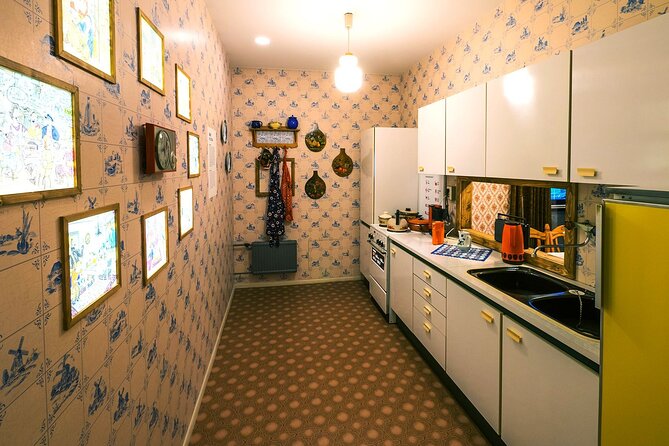
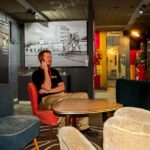
You’ll enter and immediately start thinking like a Berliner in the GDR era (1949–1989). The early rooms are designed to give you sight, sound, and small details—like the feeling of being in a normal space that also happens to be under political pressure.
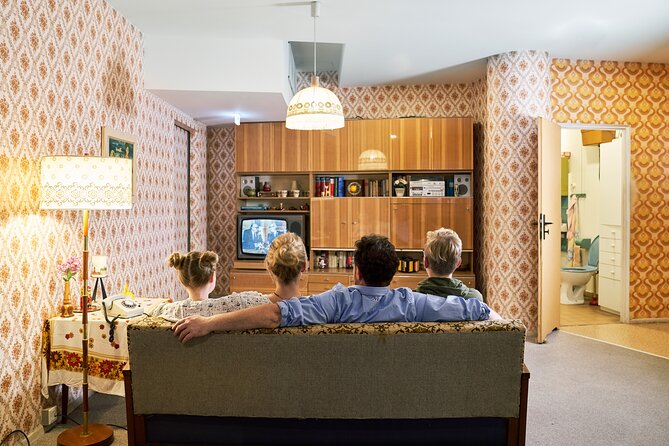
A standout is the reconstructed East German living room, including a version of a cupboard (the display notes call out the Carat living-room cupboard). In another moment you’ll see kitchen appliances and a setup that makes the home feel specific, not generic.
Then comes the propaganda angle: you can catch East German TV programming that plays as part of the exhibit. This matters because it shows how messaging wasn’t limited to posters or newspapers. It was part of leisure, part of routine, part of what people saw every day.
More Berlin tours to line up side by side


The big payoff
If you want history you can picture, these rooms do that fast. You’ll likely remember the “how it looked and felt” long after the visit.
The potential downside
Some interactive moments rely on small tasks or reading labels. If you come expecting a lot of big, cinematic attractions for kids only, you may find it more balanced (and sometimes text-heavy) than you hoped.
The Trabant car exhibition: the vehicle as a symbol of everyday life
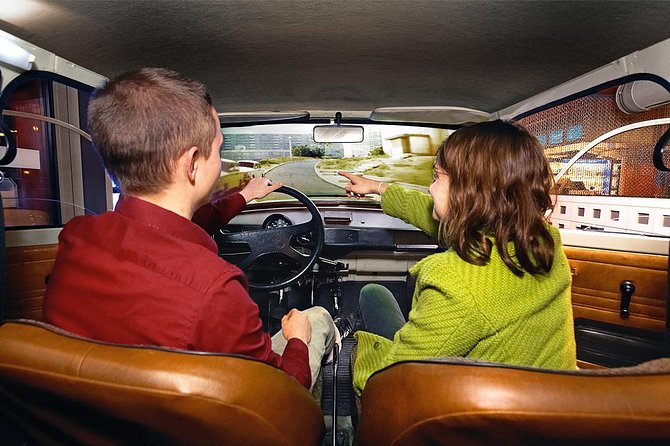
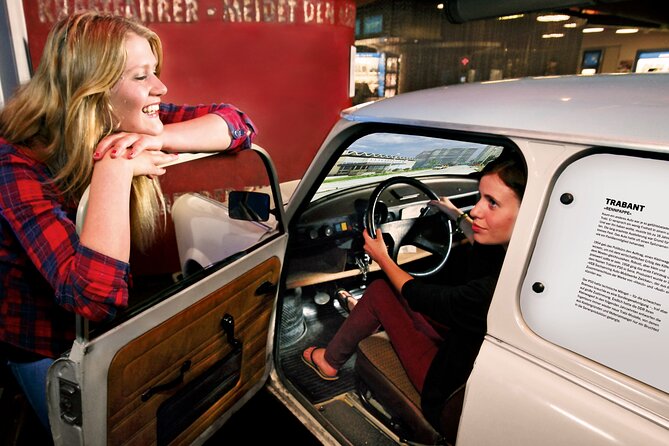
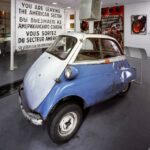
Next you’ll hit the famous Trabant section. This is more than a car display. You can climb aboard, and the exhibit uses film and simulation elements—so you’re not just observing the vehicle, you’re stepping into the idea of East Berlin streets and daily movement.
It’s also one of those exhibits that lands well with different ages. Kids love the novelty of the car and the chance to sit inside. Adults tend to appreciate that it shows how a “standard” car was part of life shaped by shortages, planning, and production under the system.
One practical note
When a museum is small and busy, the car section can be a traffic jam. If you see a dense cluster forming, don’t fight it—move along, then circle back when the crowd shifts.
Virtual GDR housing estate tour: seeing the system at street level
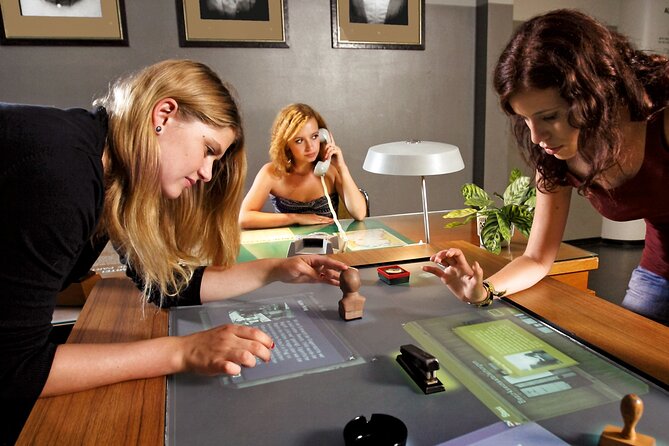
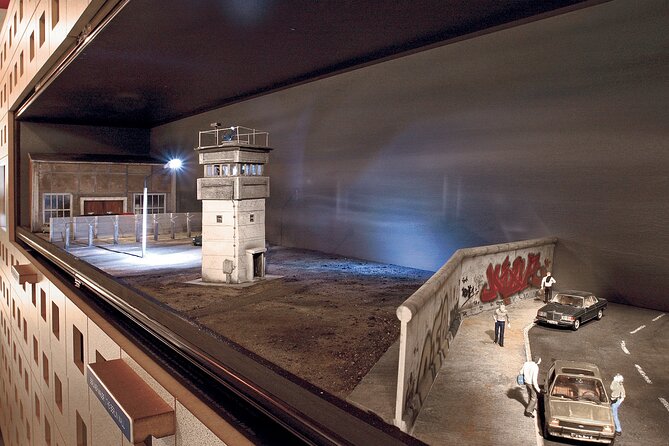
The route continues with a virtual tour of a GDR housing estate. This piece helps connect the dots between single apartments and the larger built environment—how neighborhoods were planned, how people moved, and how the regime shaped where everyday life happened.
You also get a broader view of domestic spaces through model-style recreations (including examples like an apartment model). Even if you think you know what “communist housing” means, this gives you a clearer mental picture of what was emphasized.
Why this part works
It’s easy to treat history as politics and forget the setting. Housing is where policy becomes daily routine. This exhibit nudges you to see the human scale: hallways, rooms, and the feel of living with limited space.
Stasi interrogation experience: a hard turn toward surveillance
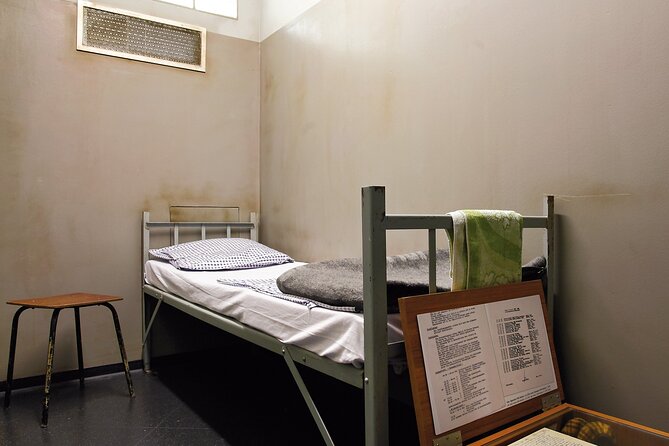
Then the museum shifts tone. You’ll move into a Stasi interrogation area. This is one of the sobering sections, because it puts the spotlight on surveillance and control rather than comfort or nostalgia.
The point isn’t to shock you with drama. It’s to show the mechanism of power: how people could feel watched, how systems could restrict speech, and how fear could become a background condition of life.
If you’re visiting with kids
The museum is described as fun for families, and there are playful interactive elements. Just be aware that you’ll still encounter darker content in this part of the route, so you may want to preview expectations with younger visitors.
GDR elections and the Socialist Union Party: how participation was framed
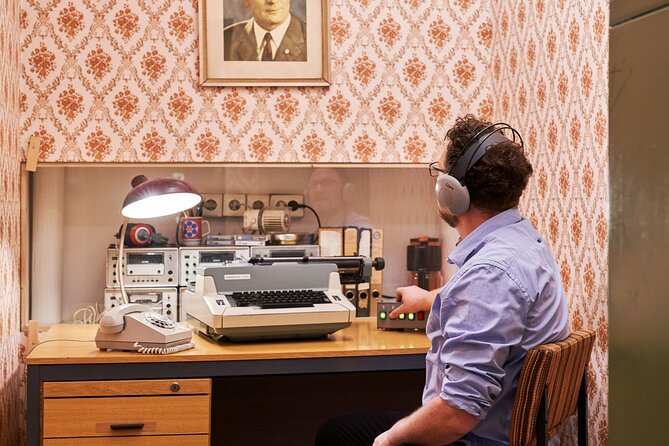
The museum includes content tied to the Socialist Union Party and features an activity related to voting in a GDR election. This matters because it forces you to confront a common misunderstanding: “elections” can exist in name while still being controlled.
The exhibit language and setup push you to see the gap between the idea of participation and the reality of how the system operated. Even if you’re not a politics person, it helps you understand why “official choice” didn’t mean the same thing it does in a free society.
Exiting through the Berlin Wall hole: landing the emotional message
At the end, you’ll exit through a hole in the Berlin Wall. That final design choice does something simple and effective: it turns the last step into a symbolic transition away from the world you just walked through.
It’s also a good time to check what stuck in your mind. You’ll likely be thinking about how normal routines were shaped—by housing, by media, by mobility, by control.
Price and value: is the $16.26 ticket worth it?
At $16.26 per person, this ticket sits in the “easy yes” category for many Berlin days. Why? Because you’re paying for more than entry. You’re paying for a guided, self-paced story with interactive elements, multiple themed rooms, and at least a few “you have to see it” moments like the Trabant and the Stasi interrogation setup.
It’s also a good value if you’re short on time. With a typical 1–2 hour visit, you don’t need a full half day to get meaningful content.
Where it can feel less worth it is if you’re expecting a large museum with space to wander quietly. Multiple notes point out that the museum is relatively small, and the experience can get harder to enjoy when it’s crowded.
Timing strategy: when to go for comfort and better pacing
The museum is open Monday through Sunday from 9:00 AM to 9:00 PM. That wide window is a gift. Use it.
Based on consistent visitor feedback, your best bet for an easier visit is to avoid the busiest hours. If you want a calmer pace, consider arriving earlier in the day or later in the evening, when crowds may thin out. The museum can get very crowded inside, and crowding matters here because the exhibits are room-sized and interactive, so people naturally bunch up.
Watch out for heat
Some visitors specifically note that the museum can run very hot inside and that there’s no air-conditioning. That doesn’t mean you can’t go. It means you should plan to move efficiently, take breaks when you can, and bring a bottle of water if you’re out for more than an hour.
Ticketing and entry issues: what to do if your mobile ticket acts up
Your ticket is sold as a mobile ticket and includes confirmation at booking time. In general, that makes arrival simple: show your ticket, enter, and start the route.
Still, a few visitor notes describe trouble when electronic passes didn’t scan cleanly and required staff to manually open access. To protect your time, I recommend having a backup ready:
- Keep your ticket details accessible offline (screenshots).
- If your voucher includes a barcode/QR option, make sure it’s visible.
- If you get a scan failure, don’t panic—staff can likely help when you show the ticket info again.
It’s the kind of small hassle that can turn a smooth visit into a stressful one, so a little preparedness goes a long way.
Who this DDR Museum experience is best for
This is a smart fit if you like history that feels lived-in. You’ll likely enjoy it if you:
- want an interactive museum style rather than purely informational panels
- enjoy everyday-life history (homes, appliances, transportation)
- are traveling with kids who respond to hands-on exhibits
- want a clear, emotional sense of East German life, including surveillance and political control
It’s also a solid choice for couples who want a short, meaningful cultural stop near major sights.
If you’re someone who strongly prefers quiet galleries, large spaces, and zero crowd friction, then you should treat it like a popular attraction: pick your time carefully.
Nearby day plan ideas (so this fits your Berlin rhythm)
Because it’s central and near Berlin Cathedral and the Spree river area, you can combine it with a walk through the historic core. Many people plan it as a “midday to early afternoon” activity, then balance it with outdoor sightseeing. The fact that it stays open until 9:00 PM makes it easy to slot in after museums or between evening plans.
If you’re also visiting the Wall area or memorials later, this museum can give you background that makes those stops feel more concrete.
Should you book the DDR Museum Berlin ticket?
Yes—if you want a high-impact, 1–2 hour history experience that’s easy to fit into a Berlin itinerary. For $16.26, you’re getting interactive rooms, a Trabant exhibit where you can get hands-on, a housing estate simulation, and a sobering Stasi interrogation component—enough variety to keep things from feeling repetitive.
I’d hold off or change your timing if you know you hate crowds or you’re sensitive to stuffy indoor spaces. The museum is popular, and the layout means people gather.
If you can go at a calmer hour, this is the kind of place you’ll leave feeling you actually understood the shape of everyday life behind the Iron Curtain—not just the headlines.
FAQ
How long does the DDR Museum Berlin visit take?
Plan on about 1 to 2 hours.
Where is the DDR Museum located?
It’s at Karl-Liebknecht-Str. 1, described as being opposite Berlin Cathedral.
What is included in the ticket price?
Your ticket includes DDR Museum admission.
Is the experience available in English?
Yes, it’s offered in English.
Do I need hotel pickup or drop-off?
No. Hotel pickup and drop-off are not included, and you make your own way to the museum.
Are food and drinks included?
No. Food and drinks are not included.
What are the opening hours?
The museum is open Monday to Sunday from 9:00 AM to 9:00 PM.
Can I cancel for a refund?
Yes. You can cancel for a full refund if you cancel at least 24 hours before the start time.
Is this suitable for kids as well as adults?
Yes. The museum is described as a fun destination for kids and adults, with interactive exhibits throughout.
More Tickets in Berlin

More Tour Reviews in Berlin





The Wall and the Cold-War City





Round out your days in Berlin

Berlin Wall & Cold War, compared.
 ★ 4.9Third Reich & Cold War Guided Walking TourFrom $238,378 reviews
 ★ 5.0Berlin’s Best: 2 Hour Walking Tour Third Reich and the Cold WarFrom $245,486 reviews
 ★ 4.1Skip-the-Line: Berlin Wall Museum at Checkpoint CharlieFrom $212,041 reviews
 ★ 4.1East Side Gallery Spree Cruise in a Solar CatamaranFrom $281,086 reviews
 ★ 5.0Cold War, Berlin Wall, Spies and the East Side GalleryFrom $181,024 reviews
 ★ 4.8Wall Tour – Fates, Love Stories, and HeroesFrom $282585 reviews
 ★ 4.5THE WALL: asisi Panorama Berlin TicketFrom $16580 reviews
 ★ 4.8The Wall and Third Reich Guided Bike TourFrom $41578 reviews
Browse the lists this tour appears in