
REVIEW · SACHSENHAUSEN MEMORIAL
From Berlin: Guided Sachsenhausen Concentration Camp Tour
Berlin to Sachsenhausen is a heavy day. This guided visit to the Sachsenhausen Memorial turns big, distant WWII facts into something you can actually see and follow, with an expert guide helping it make sense. I especially liked the way the tour balances context with what’s in front of you. It’s not just walking around; it’s guided, structured, and respectful.
I also liked the built-in access to key parts of the camp site. The route includes major surviving areas like the SS and Gestapo Prison Block and Station Z, so you understand how the camp system worked on a daily level, not only as an abstract tragedy. One drawback to keep in mind: you’ll need to handle public transit with an ABC zones ticket, and you’re walking on uneven ground in a memorial setting.
In This Review
- Key things to know before you go
- From Brandenburg Gate to Oranienburg: the ride you actually use
- Why the Sachsenhausen Memorial tour feels more “real” than a quick look
- What stops to expect during the camp walk
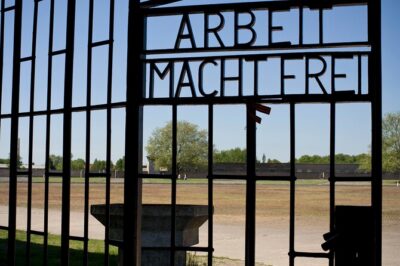
- Tower A and the main entrance: starting where control begins
- The SS and Gestapo Prison Block and infirmary: how the system worked inside
- Station Z: a purpose-built execution facility
- Camp kitchen, pathology, and mortuary: seeing the machinery behind the cruelty
- The second train ride: when the context keeps working after you leave
- Price and value: what $40 buys you in real terms
- Who this tour is best for (and who may want to rethink it)
- What to bring (and what to avoid) so the day stays smooth
- Guides and the tone of the experience
- Should you book this Sachsenhausen Concentration Camp Tour?
- FAQ
- How long is the guided Sachsenhausen tour from Berlin?
- Where do we meet for the tour?
- What public transport ticket do I need?
- Is the tour guided in English?
- What is included in the price?
- Which areas inside the memorial are included?
- Are children allowed?
- Are luggage, large bags, or pets allowed?
- Can I cancel or pay later?
Key things to know before you go
- A licensed guide, in English, who leads the full experience rather than giving you a quick orientation.
- Train transfer included so you’re not stuck figuring out how to get to Oranienburg.
- Access to major camp areas by name, including Station Z and the Pathology/ Mortuary buildings.
- Enough time on-site (3.5 hours) to see the important sections without rushing.
- You start right by Brandenburg Gate, which makes the meeting point easy to find.
More memorial and remembrance tours from Berlin
- Berlin: Sachsenhausen Concentration Camp Tour in English★ 5.0 · 5,711 reviews
- Berlin: Sachsenhausen Concentration Camp Memorial Tour★ 4.7 · 3,716 reviews
- Berlin: Sachsenhausen Concentration Camp Tour in English★ 4.8 · 1,889 reviews
- Sachsenhausen Concentration Camp Memorial Tour (Max. 15 Guests)★ 5.0 · 1,516 reviews
From Brandenburg Gate to Oranienburg: the ride you actually use
The day starts in central Berlin at Ebertstraße 24, outside Hopfingerbräu, right by the Brandenburg Gate. That location matters. It keeps the morning simple if you’re already sightseeing near the core, and it saves you from a complicated “how do I get there” scramble.
Then you take a train ride out to Oranienburg, where the Sachsenhausen camp memorial is located. The time on public transit (about 75 minutes one way) isn’t wasted. Your guide uses the journey to set the stage: how Hitler’s dictatorship was built, and how the earliest concentration camps became a tool for Nazi terror and for crushing political opponents.
This context is useful because Sachsenhausen isn’t just one sad stop along a list. It became a node in the concentration camp system, close enough to Berlin to matter strategically, and purpose-built early in the Third Reich. When the guide explains that during the ride, it makes the on-site signs, structures, and named locations feel less like disconnected exhibits and more like parts of a system.
Why the Sachsenhausen Memorial tour feels more “real” than a quick look
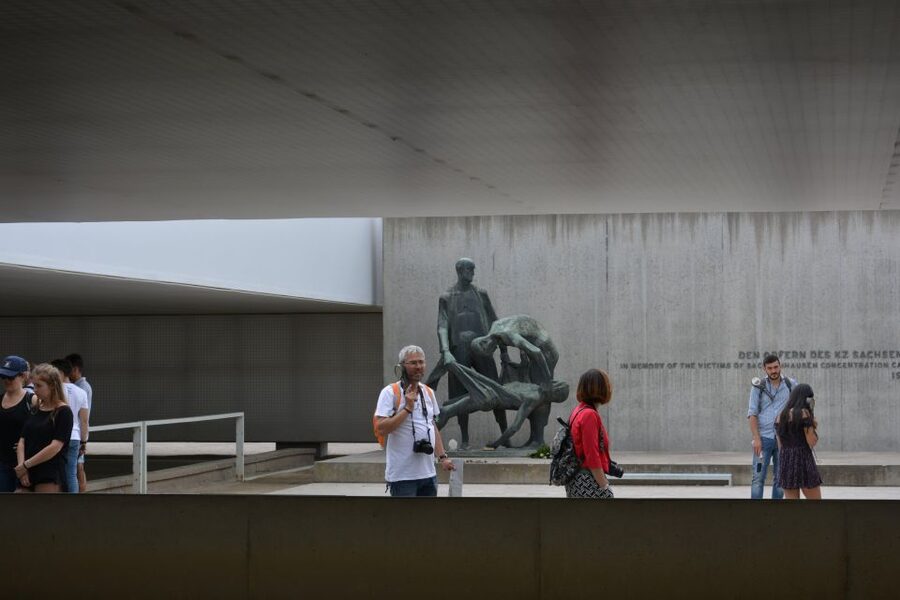
This is a full camp tour led by a licensed guide, not a short overview. Expect about 3.5 hours on-site at the memorial, with a route designed to show you the camp’s layout and major functions. You’re guided through multiple buildings and sections that connect to how people were imprisoned, processed, and abused.
Two things make this format work well:
First, you’re given a clear historical storyline before you start walking. That helps you track shifts over time, including how the victims’ demographics changed and how living conditions worsened as the war progressed.
Second, the tour focuses on specific places. The camp was important, even if it’s not always the first name people think of compared to other WWII sites. Sachsenhausen is less “famous by Hollywood,” which is precisely why a structured visit matters. You learn why it was significant—then you see the physical spaces where that significance played out.
What stops to expect during the camp walk
You get access to several named areas, which is a big deal for value and for clarity. The tour includes entry and guided access to:
- SS and Gestapo Prison Block
- Infirmary building
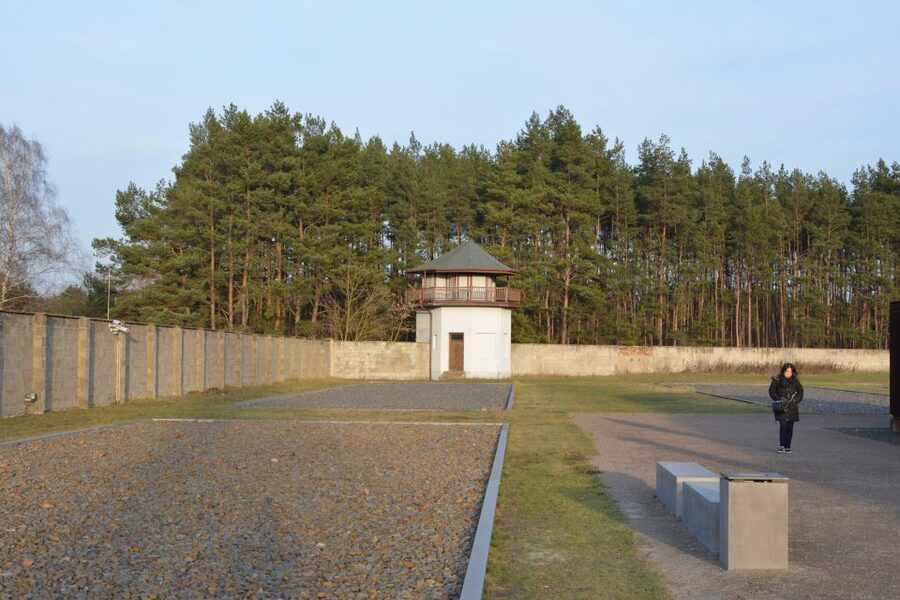
- Station Z (the purpose-built execution facility)
- Camp kitchen
- Pathology Building and Mortuary
- Cellar
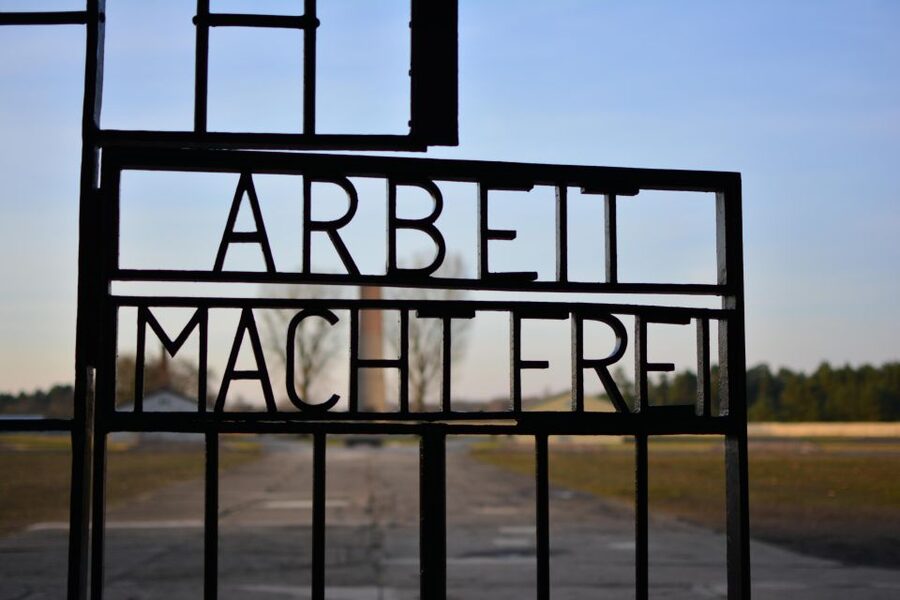
- Barrack Buildings including Tower A (the main entrance area)
You don’t have to guess what you’re looking at. The guide helps you connect the place to what happened there and how the camp operated.
And yes, this is a sobering visit. The sites are meant to be faced directly. Having a guide who keeps the pace steady and the explanation clear makes it more bearable without turning it into something casual.
Tower A and the main entrance: starting where control begins
When the tour moves through the main entrance area (Tower A) and the surrounding camp structures, you start to understand the camp as a built environment for control. Even before you get into the worst rooms and facilities, the layout gives you a sense of how power and confinement were organized.
This is a good moment to slow down mentally. The guide’s explanations help you see why this “entry space” is more than a landmark. It’s a point where people entered the Nazi system and were absorbed into a system designed to dehumanize and break resistance.
Practical note: wear comfortable shoes. There’s enough walking that tired feet will fight you. You’re on a schedule too—this is a 6-hour day total—so don’t rely on sneakers that look great but fail by mid-tour.
More guided walks through Berlin




The SS and Gestapo Prison Block and infirmary: how the system worked inside
The tour includes the SS and Gestapo Prison Block and the infirmary building. These stops matter because they shift the story from the camp as a place on a map to the camp as a place where abuse was managed, day after day, through institutions.
On the narrative side, this is where the guide’s “how did it work” approach really helps. You learn not only what happened but how the camp’s machinery fit together: imprisonment, treatment, punishment, and processing.
On the human side, it’s intense. A guided route doesn’t make it less difficult, but it gives you a framework to understand what you’re seeing rather than leaving you with only shock.
Station Z: a purpose-built execution facility
One of the most important named stops is Station Z, described on the tour as the camp’s purpose-built execution facility. This isn’t a “watch it from outside” viewpoint. The tour includes access to key areas, and Station Z is part of that.
This stop has a particular educational value: it ties back to the idea that Sachsenhausen wasn’t just improvised cruelty. It was planned as part of the Nazi camp system, with functions built into the site.
If you prefer tours that explain meaning—not just facts—this is likely where you’ll feel the guide’s job is at its best.
Camp kitchen, pathology, and mortuary: seeing the machinery behind the cruelty
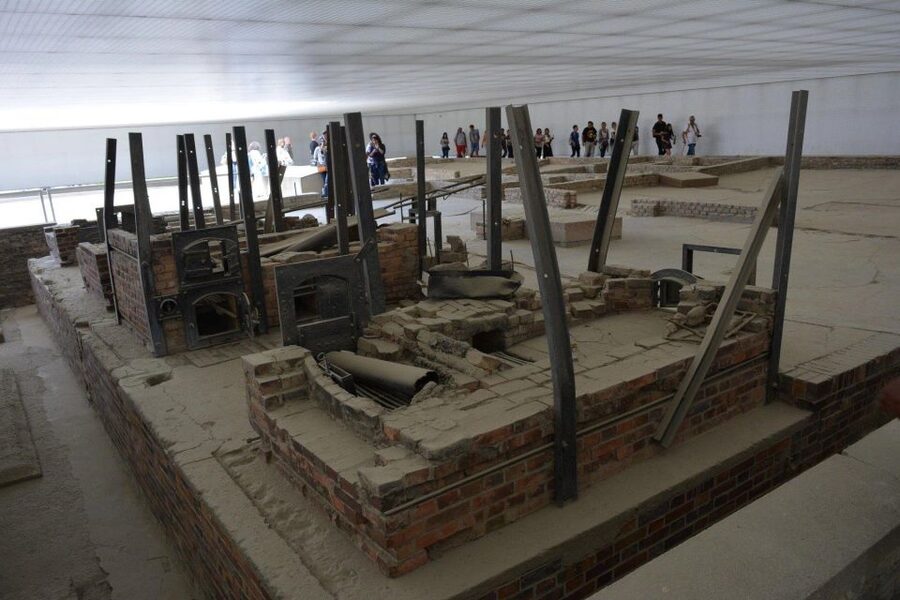
The tour also includes the camp kitchen as well as the Pathology Building and Mortuary. That combination can feel jarring. But it’s also one reason the experience is so powerful.
The camp kitchen stop helps you understand that the camp wasn’t only prisons and punishments. It had feeding and routine systems tied to forced labor and survival under brutal conditions. Then the pathology and mortuary areas connect to what happened when bodies were treated as evidence, inventory, or aftermath—part of the Nazi system’s cold logic.
I appreciate that this tour doesn’t skip the difficult parts. The best guides in this setting keep the tone serious and the pacing steady so you can absorb the purpose of each building without being overwhelmed.
The second train ride: when the context keeps working after you leave
After about 3.5 hours at the memorial, you head back toward Berlin. The return train time is about 1 hour, and then you arrive back at Ebertstraße 24.
There’s a real benefit to that timeline. By the time you’re on the return trip, the explanations you heard earlier start to connect with what you saw. It’s also a practical relief: the group isn’t left to wander and guess how to get home.
Price and value: what $40 buys you in real terms
At about $40 per person for 6 hours, this is good value if you want a guided, structured visit with included entrance. Here’s why:
- You get a licensed guide for the camp portion, not a self-guided experience.
- Entrance is included, which matters for sites like this where official access is part of the point.
- You’re also covered for the full camp tour with access to named areas (including Station Z and prison block areas).
The cost is mostly paying for the guide’s ability to explain what you’re looking at—and to keep the experience organized and respectful. In a day where you’re traveling out to Oranienburg and back, that guidance is what turns logistics into learning.
One cost to plan for: food and drinks are not included. Bring water. Consider a small snack for before or after, because a memorial day isn’t a great time to discover you’re hungry with no plan.
Who this tour is best for (and who may want to rethink it)
This is a strong choice if you:
- Want a guided WWII concentration camp visit with access to key areas.
- Prefer a tour that builds context first, then takes you through specific locations.
- Are comfortable with difficult topics and want a serious, respectful pace.
It’s also good if you like clear organization. The guides associated with this tour have been praised for thoughtful, engaging explanations, and for handling questions during the journey and on-site.
It may not be ideal if you’re traveling with children under 12, since the tour is listed as not suitable for children under 12. Also, if you have mobility limitations and need extra help managing walking time, check expectations in advance. The tour is wheelchair accessible, but the setting is still a memorial environment.
What to bring (and what to avoid) so the day stays smooth
Keep it simple:
- Bring comfortable shoes
- Dress for weather
The tour has restrictions: no luggage or large bags, and pets aren’t allowed (assistance dogs are allowed).
Also remember the transit requirement: you need a public transport ticket with ABC zones to travel to the camp. That one detail can make or break your morning if you show up without it.
Guides and the tone of the experience
A tour like this rises or falls on the guide. The good news: this experience is known for professional guidance with a careful approach to sensitive material.
In particular, Paul (sometimes referred to as Irish Paul) shows up in feedback as a guide who explains with clarity and care, answers questions, and keeps the day moving at a thoughtful pace. Another guide name you may see associated with this tour is Julian, also praised for strong information on the day.
If you get a guide who takes questions seriously, you’ll get more out of each stop. That’s a practical advantage: you can ask what you’re confused about while the context is fresh.
Should you book this Sachsenhausen Concentration Camp Tour?
If you’re in Berlin and you want one serious, guided WWII experience that goes beyond surface facts, I think it’s a smart booking. The biggest reasons: the licensed guide, the full camp tour, and access to named areas like the SS and Gestapo Prison Block, Station Z, and the Pathology/Mortuary buildings.
Book it if you want your day planned end-to-end, including the train out to Oranienburg and the on-site structure. Skip it only if you’re looking for something light, or if the memorial’s subject matter is something you’re not ready to face with a guided, in-depth route.
Plan your day around comfort: good shoes, weather-ready clothing, and something to drink. Then let the guide do the heavy lifting—because what you learn here is meant to stay with you.
FAQ
How long is the guided Sachsenhausen tour from Berlin?
The total duration is 6 hours, including train time to Oranienburg and back, plus about 3.5 hours of guided time at the Sachsenhausen Memorial.
Where do we meet for the tour?
You meet outside Hopfingerbräu, Ebertstraße 24, 10117 Berlin, right next to the Brandenburg Gate.
What public transport ticket do I need?
You need a public transport ticket with ABC zones to travel to the camp.
Is the tour guided in English?
Yes, the tour includes a live tour guide in English.
What is included in the price?
Included are entrance to the Sachsenhausen Concentration Camp Memorial and a licensed guide for a full camp tour.
Which areas inside the memorial are included?
The tour includes access to key areas including the SS and Gestapo Prison Block, infirmary building, Station Z, camp kitchen, pathology building and mortuary, cellar, and barrack buildings including Tower A.
Are children allowed?
The tour is not suitable for children under 12.
Are luggage, large bags, or pets allowed?
Luggage or large bags are not allowed, and pets are not allowed (assistance dogs are allowed).
Can I cancel or pay later?
Yes. You can cancel up to 24 hours in advance for a full refund. You can also reserve now & pay later.
More Tours in Berlin




More Tour Reviews in Berlin
Sachsenhausen and Remembrance
Round out your days in Berlin
Sachsenhausen Memorial, compared.
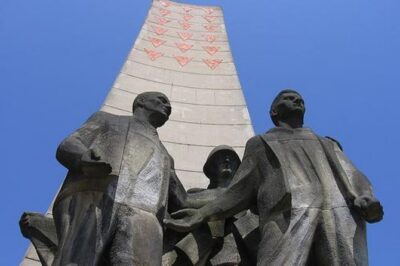 ★ 5.0Sachsenhausen Concentration Camp Tour in EnglishFrom $365,711 reviews
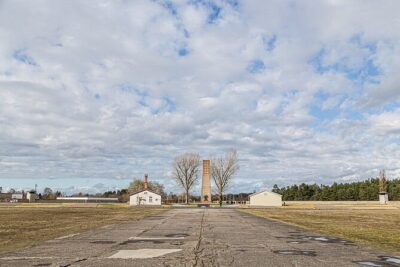 ★ 4.7Sachsenhausen Concentration Camp Memorial TourFrom $213,716 reviews
 ★ 5.0Sachsenhausen Concentration Camp Bus Tour in English from BerlinFrom $681,962 reviews
★ 4.8Sachsenhausen Concentration Camp Tour in EnglishFrom $221,889 reviews
★ 5.0Sachsenhausen Concentration Camp Bus Tour in English from BerlinFrom $681,962 reviews
★ 4.8Sachsenhausen Concentration Camp Tour in EnglishFrom $221,889 reviews
 ★ 5.0Sachsenhausen Concentration Camp Memorial Tour (Max. 15 Guests)From $351,516 reviews
 ★ 4.9English Bus Tour to Sachsenhausen Concentration CampFrom $551,380 reviews
 ★ 4.6Sachsenhausen Concentration Camp and Potsdam TourFrom $651,334 reviews
 ★ 5.0Sachsenhausen concentration camp.From $341,189 reviews
Browse the lists this tour appears in