
REVIEW · SACHSENHAUSEN MEMORIAL
From Berlin: Sachsenhausen Concentration Camp Day Trip
A day like this changes how you see Europe’s 20th century. This Sachsenhausen day trip pairs guided walking with real context—built around what happened at the camp and what it meant for the Nazis who ran it. I especially liked the way the tour turns the setting into understandable history, and how guides keep the pace steady without losing the somber tone.
Two things stood out for me: the quality of the guide and the care taken during key stops. Names like Tina and Will show up in feedback for a reason—guides explain clearly, use personal words like quotes and poems, and stay open to questions. One consideration: this tour runs rain or shine, so you’ll want clothing you can tolerate for time outdoors and on foot.
In This Review
- Key highlights to look forward to
- Why Sachsenhausen hits differently on a Berlin day trip
- Getting from Berlin to Oranienburg: simple transit, one clear meeting point
- Entering Sachsenhausen through the main gate with a guide
- The 1936 camp story: why Sachsenhausen was built and how the guide frames it
- Who was held at Sachsenhausen—and why each group was targeted
- The memorial stop: using the quiet time the right way
- Guides and group size: what makes this tour feel well-run
- Timing: what a 5-hour day trip feels like
- Price and value: $32 for entry plus a guide
- Who this tour is best for (and who should think twice)
- Should you book this Sachsenhausen day trip?
- FAQ
- How long is the Sachsenhausen Concentration Camp day trip?
- Where do I meet the guide?
- How do I get from Berlin to Sachsenhausen?
- What’s included in the price?
- What language is the tour in?
- Is the tour wheelchair accessible?
- What should I bring?
- Does the tour run in bad weather?
Key highlights to look forward to
- Small-group size (up to 15): enough attention from the guide without feeling rushed.
- Main gate entry experience: a guided walk that helps you understand what you’re seeing.
- 1936 context: the story of why Sachsenhausen was built starting in that year, and how it fit into the Nazi system.
- Who was imprisoned and why: you’ll hear about political prisoners and other persecuted groups and how Nazis targeted them.
- Memorial time: a built-in moment to reflect and pay respects at the victims’ memorial.
More memorial and remembrance tours from Berlin
- Berlin: Sachsenhausen Concentration Camp Tour in English★ 5.0 · 5,711 reviews
- Berlin: Sachsenhausen Concentration Camp Memorial Tour★ 4.7 · 3,716 reviews
- Berlin: Sachsenhausen Concentration Camp Tour in English★ 4.8 · 1,889 reviews
- Sachsenhausen Concentration Camp Memorial Tour (Max. 15 Guests)★ 5.0 · 1,516 reviews
Why Sachsenhausen hits differently on a Berlin day trip
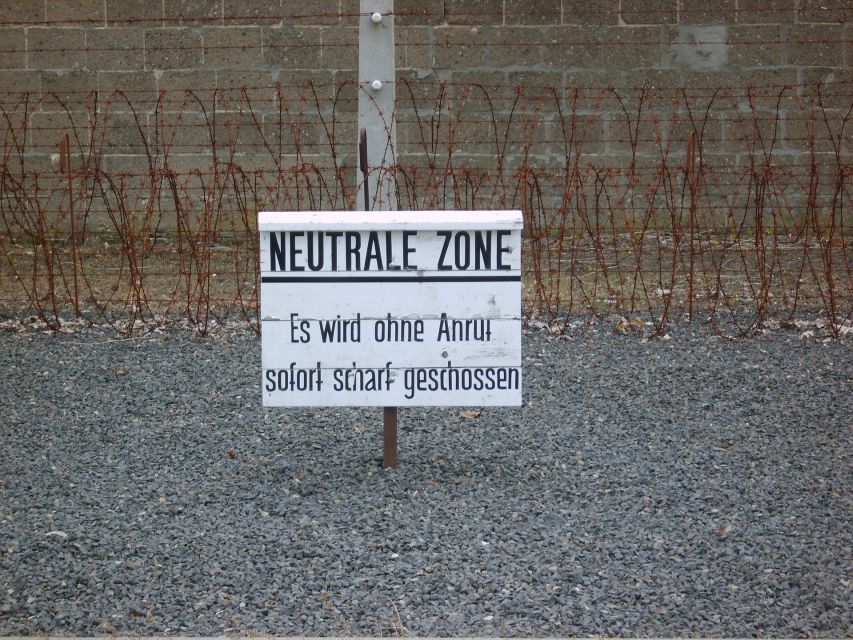
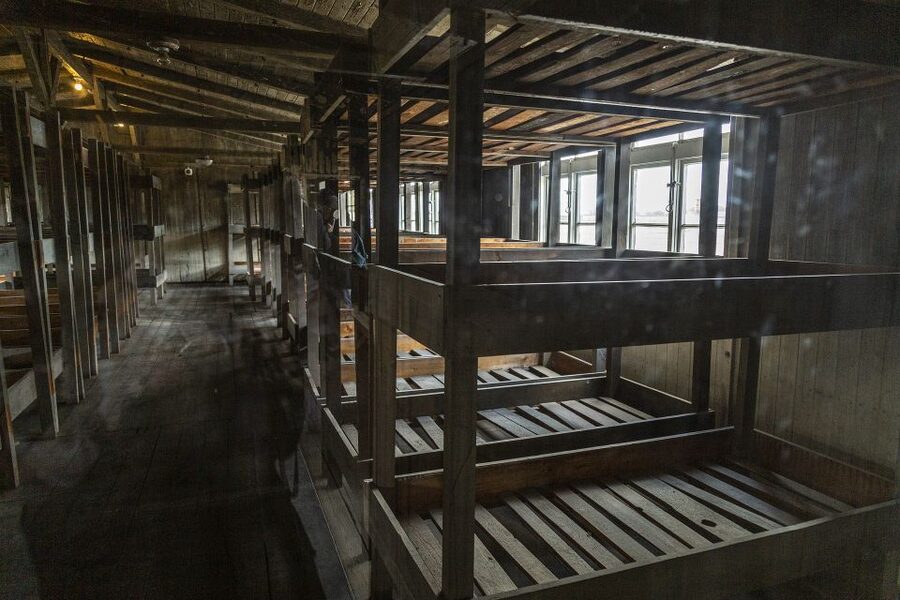
Sachsenhausen is close enough to do as a day trip from Berlin, but it’s not the kind of outing you tack on casually. The camp isn’t just a place to look at. It’s a place where you have to slow down and let the meaning land—starting with the walk through the grounds and continuing at the memorial stop.
What I like about this format is that it doesn’t treat the camp like a collection of facts. You’re guided through the story behind the walls, and you come away with a clearer sense of how the Nazi regime worked—through both the persecutors and the victims. That’s also why the emotional tone matters. The tour is built to be somber, and the guide’s job is to keep it respectful while still being clear.
Another plus: this isn’t a huge bus tour. With a group limited to 15, you’re more likely to get answers when you ask questions, and you’re less likely to feel swallowed by the schedule.
Getting from Berlin to Oranienburg: simple transit, one clear meeting point
The tour starts with a straightforward plan. You meet your guide in front of the Rotes Rathaus (Berlin’s Red Town Hall) entrance. From there, you take public transport to Oranienburg, where you enter the camp.
The practical catch is the transport ticket. You’ll need an ABC zone train ticket (the tour doesn’t include the ticket itself). Once you have that, the day stays manageable because you’re not figuring everything out alone—you’re meeting the guide, getting the route, and then following the group.
From a value standpoint, this matters. You’re paying for the guided experience and the camp entry, not for a private driver. If you’re comfortable with Berlin-area public transit, you’ll likely find this day trip easy to pull off. If you’re less comfortable, it still works, but you’ll want to arrive at the meeting point early so you’re not scrambling.
Entering Sachsenhausen through the main gate with a guide
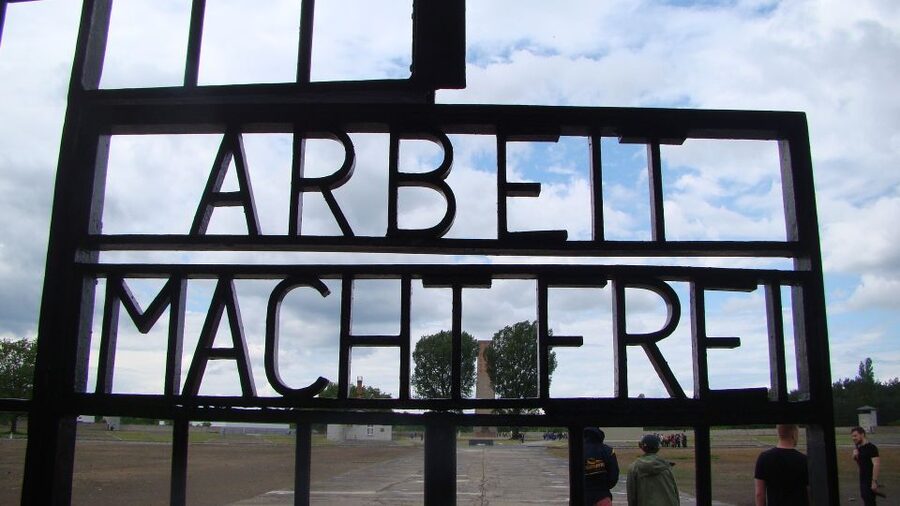
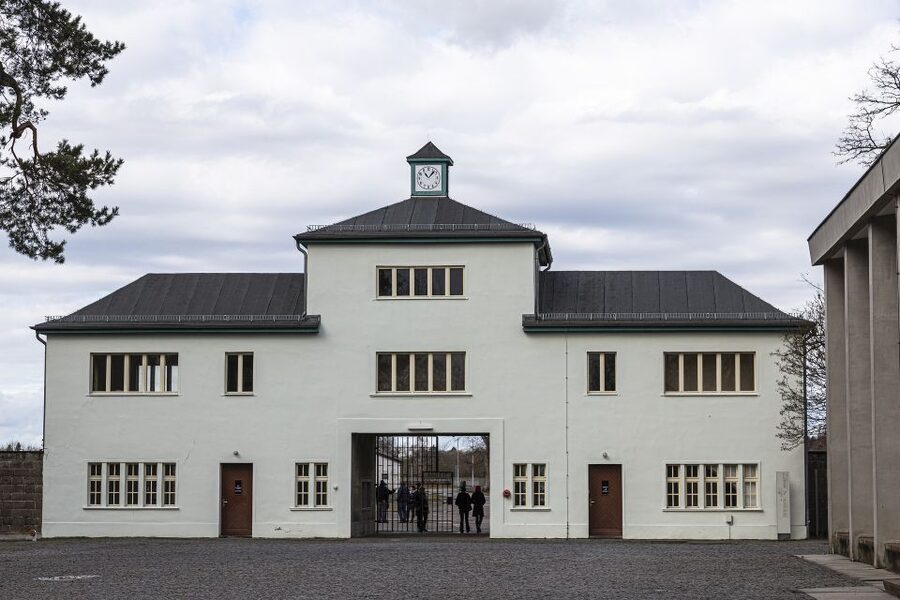
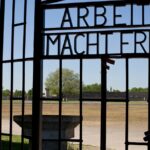
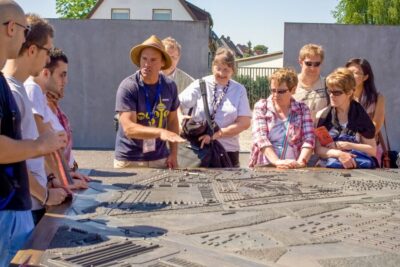
The experience centers on a guided walking tour of the facility. One of the most powerful moments is entering the camp through the main gate with your guide present, not after the fact. Standing there (and moving beyond it) changes the whole way you read the site. You’re not just looking—you’re being oriented.
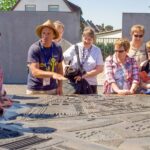
Your guide is also there to connect the physical layout to the story you’re hearing. As you walk, you’ll get explanations tied to what the Nazis did there and how the camp fit into their wider plans. That connection is what turns a visit into something you can actually process afterward.
In feedback, guides are praised for keeping their narration both clear and steady, including people traveling with kids. That’s useful if you want a tour that’s explanatory without becoming casual.
The 1936 camp story: why Sachsenhausen was built and how the guide frames it
Sachsenhausen wasn’t just any camp. Your tour focuses on its origin, including the fact that it was built starting in 1936 and was meant to serve as a model for other Nazi camps. That point matters because it explains why the Nazis cared so much about structure, discipline, and control.
On the tour, you’ll hear about the historical events that led to the camp’s creation in that year. Then, the guide helps you track what that decision meant in practice—how a camp like this becomes an instrument of the regime.
I like how this approach gives you a framework. Without it, the site can feel like a list of locations. With it, you start to see cause and intent: why the place was designed the way it was, and why the Nazi leadership treated incarceration as part of a broader system.
More Berlin tours to line up side by side




Who was held at Sachsenhausen—and why each group was targeted
A key part of the tour is hearing who was kept in the camp and why the Nazis targeted each group. The wording on this tour highlights two big categories: political prisoners and other persecuted groups.
Your guide’s job here is not only to name categories, but to connect them to the logic of persecution. That’s what makes the tour more than a memorial visit. It becomes a guided explanation of oppression: how the regime decided who counted as an enemy and then enforced that decision inside the camp.
If you’re the kind of person who likes to understand the human side of history—without losing the facts—this section tends to land well. In particular, guides described as especially strong use personal words and carefully chosen references (for example, quotes and poems shared on the tour). That can help you understand the impact on real people rather than only the mechanics of the camp.
The memorial stop: using the quiet time the right way
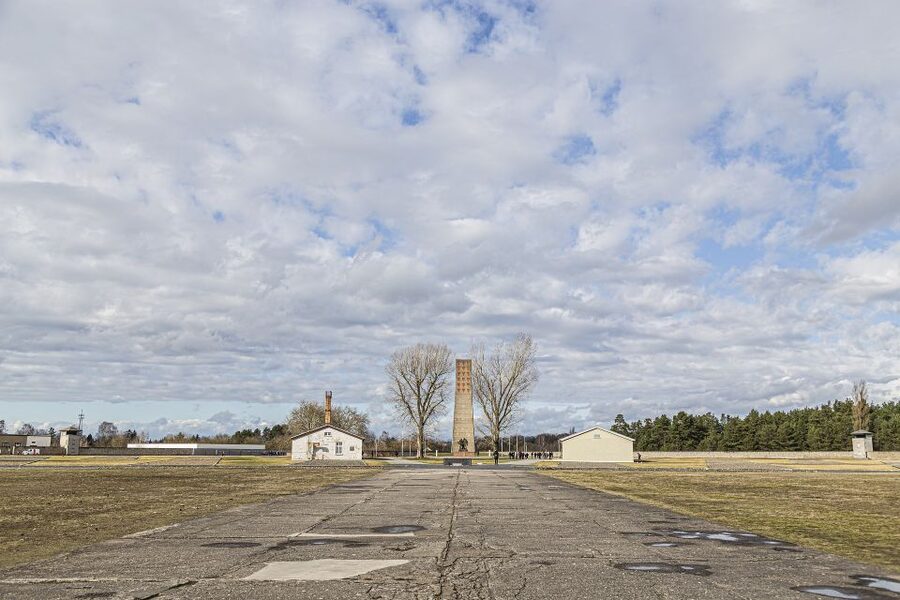
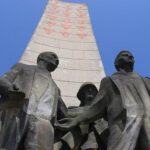
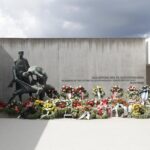
The tour ends by stopping at the memorial to the victims of the camp, giving you a chance to reflect and pay your respects. This is one of the most important parts of the day—not because it’s the last, but because it’s the moment that shifts you from learning to acknowledging harm.
What makes this valuable is that it’s not an add-on photo stop. It’s part of the tour structure, so you have context as you arrive. You’re coming from the guided walk through the facility, and your guide has already given you the framework for why the memorial matters.
Practical note: bring the right mindset for this stop. People often plan the day like it’s sightseeing. Here, you’ll get a better experience if you treat it like a remembrance moment—quiet, respectful, and unhurried in your own way.
Guides and group size: what makes this tour feel well-run
This is where the tour earns its strong reputation. The group is small—limited to 15—and that size matters. You’re not lost in a crowd, and the guide can handle questions without rushing.
In feedback, guides are repeatedly praised for being easy to follow, with clear explanations throughout the whole tour. You’ll also see mentions of guides being very open to questions, and helping with practical things like public transport directions when plans get disrupted. For example, there’s a note about a guide getting participants there and back without shortening the Sachsenhausen portion even when trains were shut down.
You should also expect a professional tone. One guide description stands out for blending clear narration with a somber experience, which is a tough balance to get right. From what’s described, guides manage it by staying focused on both context and respect.
If you care about learning while staying grounded, this tour structure fits.
Timing: what a 5-hour day trip feels like
The scheduled duration is 5 hours. That’s a sweet spot for a Berlin day trip to a site like this: long enough to do the walking tour and reach the memorial stop, but short enough that you’re not spending half your life in transit.
Still, plan your day around being outdoors and on your feet. The tour takes place rain or shine, so you’ll want weather-appropriate clothing. Also, keep some buffer in mind for trains and getting from the meeting point to the camp area. Starting on time matters here.
If you’re traveling with family, it can work. One piece of feedback specifically notes the tour working well for families, largely because the guide’s narration is understandable and the pacing doesn’t leave people behind. Your own needs will vary, but the tour seems designed to be listenable, not just informational.
Price and value: $32 for entry plus a guide
At about $32 per person, this tour isn’t trying to be a luxury experience. You’re paying for two real things that can be hard to DIY effectively: camp entry and an English-speaking guide.
The tour does not include the ABC zone train ticket, so budget a little extra for transit. But even with that in mind, the value comes from how the guide turns the site into an organized understanding: why the camp exists in the first place, who the Nazis targeted, and what you should do with the memorial stop emotionally and respectfully.
If you’re deciding between a self-guided visit and a guided one, ask yourself this: do you want to walk through Sachsenhausen with questions in your head, or do you want someone to help you connect what you’re seeing to what it means? In this tour format, the guide is the difference—and that’s what you’re paying for.
Who this tour is best for (and who should think twice)
This day trip is a strong fit if you:
- Want a structured, guided walking tour rather than a self-guided visit
- Prefer a small group with time for questions
- Appreciate a clear, factual explanation alongside respectful reflection
It may be less ideal if:
- You’re looking for a light, casual afternoon. This is built to be somber and reflective.
- You struggle with weather. Since it runs rain or shine, you’ll want to dress for it.
- You dislike walking tours that require paying attention throughout.
On the other hand, if you can handle the emotional weight and you’d like a guide to help you make sense of the camp’s purpose and the targeted groups, you’ll likely find it rewarding.
Should you book this Sachsenhausen day trip?
I’d book it if you want a well-guided experience that respects the place and gives you real context—especially since the camp entry and the guide are the heart of what you’re buying. The small-group size, the focus on why Sachsenhausen was built starting in 1936, and the memorial stop all point to a tour designed for understanding, not just ticking off a landmark.
If you’re unsure, here’s an easy test: can you commit to dressing for rain and staying thoughtful for several hours? If yes, this tour is a solid, practical choice for a Berlin day.
FAQ
How long is the Sachsenhausen Concentration Camp day trip?
The tour duration is 5 hours. Starting times vary, so you’ll need to check availability for the exact departure.
Where do I meet the guide?
You meet your guide in front of the Red Town Hall (Rotes Rathaus) entrance.
How do I get from Berlin to Sachsenhausen?
You travel by public transport to Oranienburg as part of the tour. You’ll need an ABC zone train ticket.
What’s included in the price?
The price includes Sachsenhausen Concentration Camp entry and a live English-speaking guide.
What language is the tour in?
The tour is in English.
Is the tour wheelchair accessible?
Yes, the activity is listed as wheelchair accessible.
What should I bring?
Bring weather-appropriate clothing and your public transport ticket (ABC zone train ticket).
Does the tour run in bad weather?
Yes. The tour takes place rain or shine.
More 1-Day Tours in Berlin


More Tour Reviews in Berlin




Sachsenhausen and Remembrance

Round out your days in Berlin
Sachsenhausen Memorial, compared.
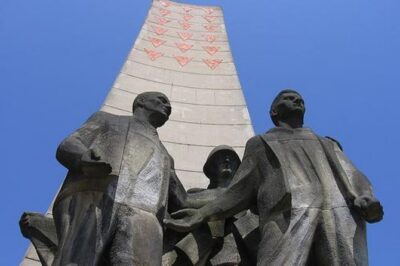 ★ 5.0Sachsenhausen Concentration Camp Tour in EnglishFrom $365,711 reviews
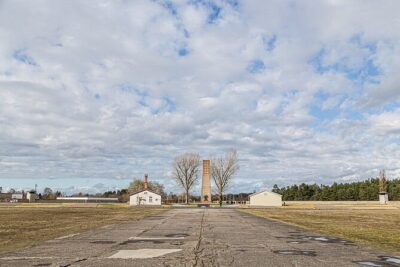 ★ 4.7Sachsenhausen Concentration Camp Memorial TourFrom $213,716 reviews
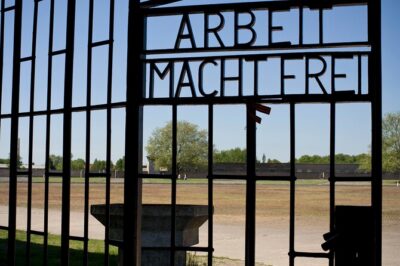 ★ 5.0Sachsenhausen Concentration Camp Bus Tour in English from BerlinFrom $681,962 reviews
★ 4.8Sachsenhausen Concentration Camp Tour in EnglishFrom $221,889 reviews
★ 5.0Sachsenhausen Concentration Camp Bus Tour in English from BerlinFrom $681,962 reviews
★ 4.8Sachsenhausen Concentration Camp Tour in EnglishFrom $221,889 reviews
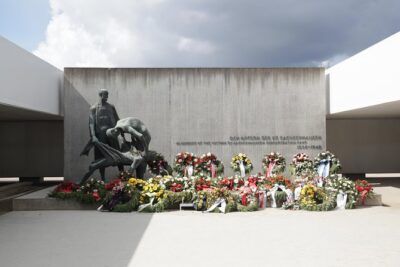 ★ 5.0Sachsenhausen Concentration Camp Memorial Tour (Max. 15 Guests)From $351,516 reviews
 ★ 4.9English Bus Tour to Sachsenhausen Concentration CampFrom $551,380 reviews
 ★ 4.6Sachsenhausen Concentration Camp and Potsdam TourFrom $651,334 reviews
 ★ 5.0Sachsenhausen concentration camp.From $341,189 reviews
Browse the lists this tour appears in