
REVIEW · SACHSENHAUSEN MEMORIAL
From Berlin: Sachsenhausen Concentration Camp Guided Tour
A four-hour ride turns history into facts. This private Sachsenhausen tour is interesting because it combines a licensed guide with a dedicated car transfer from Berlin, so you spend less time coordinating and more time learning on-site. I like how the visit stays focused on what happened inside the camp, including prisoner abuse and killings by both Nazis and Soviets. I also appreciate that the tour’s guides are skilled at handling a difficult subject with care, like Silvia and Gunnar did for other groups.
One thing to consider: this is a serious, heavy place. You’ll be walking through the former camp and seeing memorials tied directly to executions and mass burial sites, so dress warmly and mentally prepare for an emotional visit.
In This Review
- Key highlights you’ll care about
- Getting to Sachsenhausen: Quiet, Efficient, and Easy From Berlin
- Inside the Memorial: How Your Guide Frames the Camp
- The Command Headquarters and Prisoner Barracks: Seeing Control in the Layout
- Gas Chamber Site, Executions, and What the Tour Shows You
- The First Crematorium Site and the Mass Grave: Connecting Evidence to Victims
- Museum Exhibitions: Nazi and Soviet Camp Operations in One Visit
- What Makes This Tour Worth the Money: Value, Not Just Price
- Timing Tips and What to Bring for a Better Experience
- Who Should Book This Sachsenhausen Tour (and Who Might Prefer Otherwise)
- Should You Book This Sachsenhausen Guided Tour?
- FAQ
- How long is the Sachsenhausen guided tour from Berlin?
- Do I get picked up from my accommodation in Berlin?
- Is admission to the Sachsenhausen Memorial and Museum included?
- What sites will the guide show you at Sachsenhausen?
- Is the tour private?
- What languages are available for the live guide?
- Is the experience wheelchair accessible?
- What should I bring to the tour?
- Is there free cancellation?
Key highlights you’ll care about
- Private car transfer from Berlin in an air-conditioned vehicle avoids crowded buses and keeps your timing tight.
- Licensed, multilingual guide experience (German, English, French, Italian, Spanish, Polish).
- A true on-site route, including command areas, barracks, a gas chamber site, and the first crematorium location.
- Museum context on Nazi and Soviet operations, not just one-sided history.
- Mass grave and memorials that connect the physical remains to the victims.
More memorial and remembrance tours from Berlin
- Berlin: Sachsenhausen Concentration Camp Tour in English★ 5.0 · 5,711 reviews
- Berlin: Sachsenhausen Concentration Camp Memorial Tour★ 4.7 · 3,716 reviews
- Berlin: Sachsenhausen Concentration Camp Tour in English★ 4.8 · 1,889 reviews
- Sachsenhausen Concentration Camp Memorial Tour (Max. 15 Guests)★ 5.0 · 1,516 reviews
Getting to Sachsenhausen: Quiet, Efficient, and Easy From Berlin
The biggest practical win here is the transport. Instead of doing trains and transfers—or climbing onto a crowded group bus—you’re picked up from your accommodation in Berlin and taken to Sachsenhausen in a clean, air-conditioned vehicle reserved for your group. That matters because the day is only about four hours total. When time is tight, every minute you don’t spend on logistics becomes more time inside the memorial and museum.
You’ll also arrive with less stress. In a place like Sachsenhausen, your energy is better spent absorbing the facts your guide is sharing, not figuring out where to stand, where to queue, or how to get your bearings.
If you tend to get annoyed by long waits or unclear meeting points, this format is a relief. People who’ve taken the tour before have noted that pickup and return timing felt smooth, and the ride was comfortable.
Inside the Memorial: How Your Guide Frames the Camp
Sachsenhausen is not a casual historical stop. It’s a site where the physical layout helps explain a system built for persecution—one that moved from ideology to control, to exploitation, to violence.
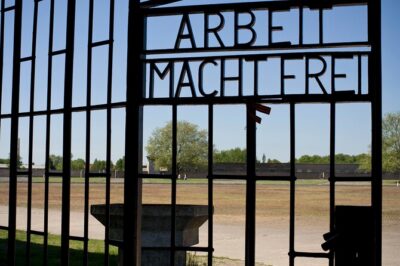
Your guided visit starts at the Memorial and Museum Sachsenhausen, where you join a licensed guide on a private tour. The tour is educational and touching at the same time, which is exactly what you want: the goal isn’t just to see buildings. It’s to understand how the camp worked and what it left behind.
A key part of why this tour is valuable is the way it sets context. Sachsenhausen was used as a Nazi model and training camp, including the idea of perfecting methods of cruelty and killing that were later applied in the death camp system. Then, after Germany’s collapse, the site’s story doesn’t end there—your guide also covers operations tied to Soviet control.
That dual focus can be uncomfortable, but it’s important. You get a fuller picture of how the machinery of abuse functioned across different regimes, and how victims were targeted for political and social reasons—not just ethnicity.
The Command Headquarters and Prisoner Barracks: Seeing Control in the Layout
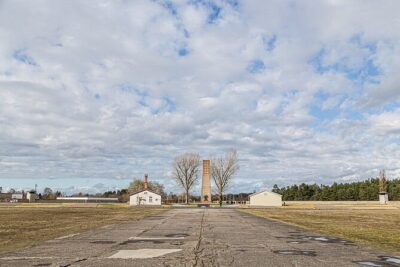
Once you’re on the grounds, the route is designed to help you read the camp like a map—where power was located, where prisoners were contained, and where routines of abuse would have played out.
You’ll pass by the Command Headquarters, an area that makes it easier to understand how decisions were centralized. From there, the tour continues to the prisoners’ barracks. Seeing living quarters in context is one of the most sobering parts of any camp visit. Even when you know the history already, the scale and layout can make it feel more immediate.
This is where a good guide earns their fee. Facts are essential here, but interpretation matters even more. Your guide’s job is to connect the physical remains to the human reality: how imprisonment worked day to day, how prisoners were treated, and why some groups were singled out.
The tour also includes insights into the camp’s targeted populations. You’ll hear about prominent prisoners tied to politics and society, and you’ll learn how the camp included people such as Jehovah’s Witnesses, Soviet POWs, Poles, Jews, Homosexuals, and Freemasons, along with political prisoners connected to major historical families and leaders. Those details can feel heavy, but they help you avoid turning the story into abstract numbers.
Gas Chamber Site, Executions, and What the Tour Shows You
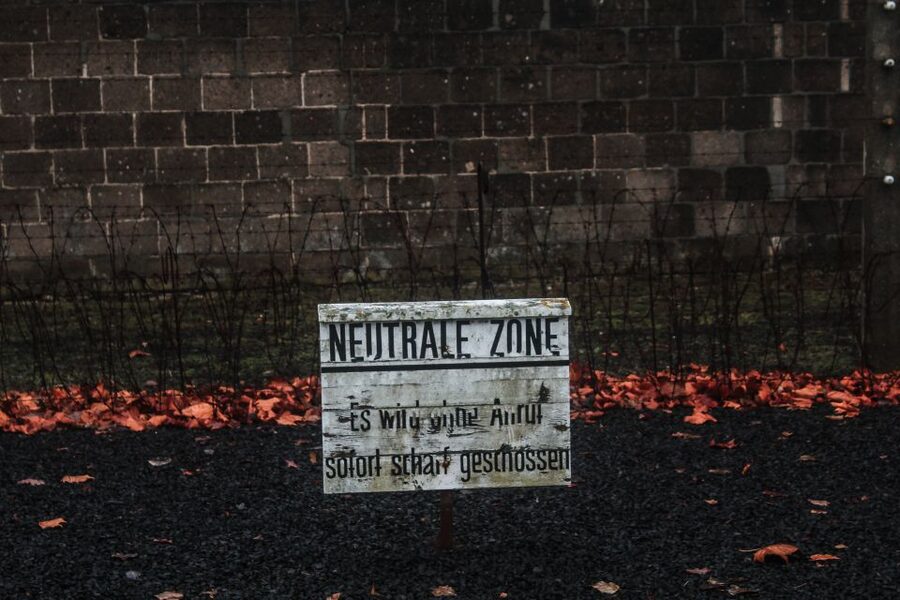
Sachsenhausen is known for multiple sites of murder and repression. During your guided route, you’ll see the gas chamber area and other key places tied to executions.
You should expect the guide to explain what happened there in straightforward language, including that Nazis carried out killings and that the camp’s role continued under Soviet control after the war. This matters because some visitors only expect the Nazi story. Here, the narrative is broader.
Because this tour is private, you also get flexibility that’s harder in big group formats. If something doesn’t click—names, dates, why certain prisoners were transferred—you can ask. That’s one reason people repeatedly mention how knowledgeable and careful the guides can be with a difficult subject. You’re not rushing through stops while someone else tells your group to move on.
Still, a gentle note: you can’t shield yourself from how disturbing these places are. The memorial itself makes sure you don’t treat the site as just another museum room. You’ll walk past elements that point directly to human suffering, including structures and spaces where people were held and killed.
More guided walks through Berlin




The First Crematorium Site and the Mass Grave: Connecting Evidence to Victims
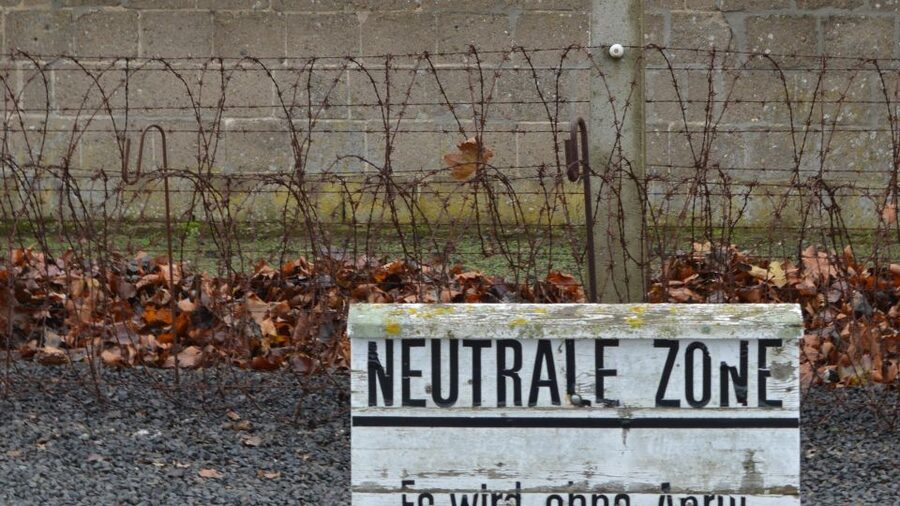
The tour includes the site of the first crematorium, which is a crucial point for understanding how the camp handled death. It’s not enough to know that killings occurred; the system also involved managing bodies and erasing traces. Seeing the location tied to cremation helps you grasp the scale of what the camp was designed to do.
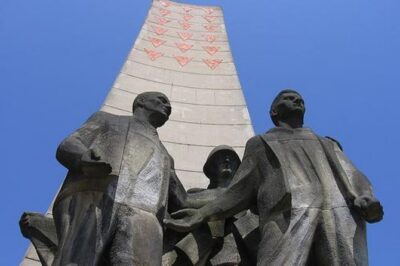
You’ll also visit the mass grave for concentration camp victims and burial grounds, along with memorials that mark these tragedies. This part of the tour often hits hardest because it forces you to connect the site’s physical remains to the reality that many victims never left the camp.
If you’re someone who learns best by connecting story and place, you’ll likely feel a stronger understanding here than you would from reading alone. The memorials and burial areas aren’t just decorative. They anchor the guide’s facts to something you can see.
And if you’ve ever left a history museum feeling like you only skimmed the surface, this tour’s structure helps prevent that. You’re guided through the places where the story is most difficult and most concrete.
Museum Exhibitions: Nazi and Soviet Camp Operations in One Visit

After the outdoor route, you move into the museum exhibits. This is where the tour adds depth to what you’ve seen outside. Expect explanations of how the camp operated under Nazi control—especially how the system tortured and executed prisoners of war and other targeted groups. The museum also covers camp operations under Soviet control, which adds an extra layer to the timeline.
The display content is tied to real categories of victims, including:
- political prisoners (with examples of prominent historical connections)
- Jehovah’s Witnesses
- Soviet POWs
- Poles and Jews
- people persecuted for being homosexual
- Freemasons
One reason I like this museum component is that it helps you avoid a common trap: focusing only on one moment in time. By showing what happened in different phases, the visit helps you understand that the camp wasn’t just a single event. It was a system that changed hands, but continued to harm people in horrifying ways.
The museum approach also helps you put Sachsenhausen in a wider WWII and Holocaust context, including why it mattered beyond its own fence line. Your guide will connect causes and consequences of Nazi extremism so it doesn’t feel like isolated cruelty.
What Makes This Tour Worth the Money: Value, Not Just Price
At $512 per person for about four hours, this is not a bargain-price outing. But it also isn’t just paying for a guide in the abstract. You’re buying three concrete things:
- Private, licensed guiding on-site through multiple key locations.
- Memorial admission included for the Sachsenhausen Memorial and Museum.
- Private round-trip transport from Berlin in a comfortable, air-conditioned vehicle reserved for your group.
When those elements are bundled together, the price starts to make sense—especially if you want a calm, focused experience rather than rushing through in a large group.
This tour can also be a strong pick if you’re traveling with a partner or small group and you’d rather spend your time learning than navigating transit. If you’re solo, you’re paying more per person compared with shared group tours, but you still gain the benefit of a private format and pickup/drop-off.
Timing Tips and What to Bring for a Better Experience
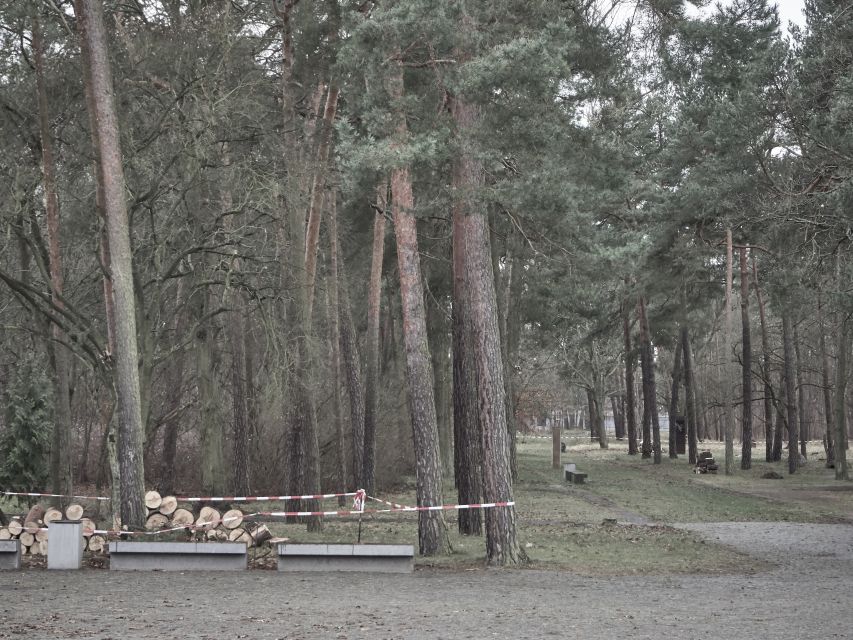
Because the duration is fixed at four hours, it’s smart to treat this like a focused session, not a flexible sightseeing day. You’ll want to arrive rested. The site includes outdoor walking, and the memorial experience benefits from staying comfortable so you can pay attention.
Bring warm clothing. Even if Berlin weather is mild, you can end up standing or walking in colder conditions around memorial grounds. Layers make a big difference.
If you wear bulky shoes or anything uncomfortable, you’ll feel it by the time you reach later stops. Keep it simple: comfortable walking shoes and a jacket you can tolerate for the full visit.
Who Should Book This Sachsenhausen Tour (and Who Might Prefer Otherwise)
This is best for you if you want:
- a private group experience where questions are easier
- a guided route through the most important physical locations tied to camp operations
- context on both Nazi and Soviet roles at Sachsenhausen
- multilingual support (useful if your travel partner prefers a language other than English)
It’s also a good choice if you care about accuracy and structure. Camp sites can feel repetitive if you walk through them without guidance. With a licensed guide, the tour becomes a story you can follow—from command to confinement, from exploitation to killing, and from evidence to memorialization.
You might hesitate if you’re looking for something light or casual. This isn’t that. It’s a serious, emotionally intense visit, and you should give it the attention it deserves.
Should You Book This Sachsenhausen Guided Tour?
Yes, I’d book it if you’re traveling in Berlin and you want Sachsenhausen done properly: private transport, licensed guidance, and a route that covers both the most significant outdoor sites and the museum context. The value is strongest when you prefer a focused learning experience without transit hassle.
Skip it only if you specifically want a self-guided approach or you’re not ready for a heavy, emotionally charged visit. Otherwise, this is one of those tours where the structure helps you understand the site faster and more clearly than you would on your own.
FAQ
How long is the Sachsenhausen guided tour from Berlin?
The tour duration is 4 hours.
Do I get picked up from my accommodation in Berlin?
Yes. Pickup is included from your accommodation in Berlin, and you’ll also be returned there after the tour.
Is admission to the Sachsenhausen Memorial and Museum included?
Yes, free admission to the Sachsenhausen Memorial and Museum is included.
What sites will the guide show you at Sachsenhausen?
You’ll see the Command Headquarters, prisoners’ barracks, the site of the first crematorium, a gas chamber area, the mass grave for concentration camp victims, burial grounds, and several memorials.
Is the tour private?
Yes. It’s a private group tour.
What languages are available for the live guide?
The live guide is available in German, English, French, Italian, Spanish, and Polish.
Is the experience wheelchair accessible?
Yes, it is wheelchair accessible.
What should I bring to the tour?
You should bring warm clothing.
Is there free cancellation?
Yes. You can cancel up to 24 hours in advance for a full refund.
More Tours in Berlin




More Tour Reviews in Berlin

Sachsenhausen and Remembrance

Round out your days in Berlin
Sachsenhausen Memorial, compared.
 ★ 5.0Sachsenhausen Concentration Camp Tour in EnglishFrom $365,711 reviews
 ★ 4.7Sachsenhausen Concentration Camp Memorial TourFrom $213,716 reviews
 ★ 5.0Sachsenhausen Concentration Camp Bus Tour in English from BerlinFrom $681,962 reviews
★ 4.8Sachsenhausen Concentration Camp Tour in EnglishFrom $221,889 reviews
★ 5.0Sachsenhausen Concentration Camp Bus Tour in English from BerlinFrom $681,962 reviews
★ 4.8Sachsenhausen Concentration Camp Tour in EnglishFrom $221,889 reviews
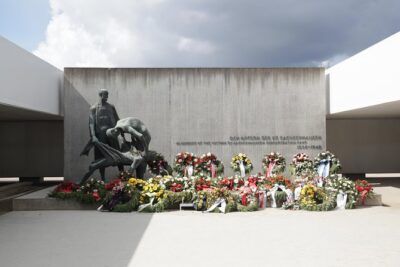 ★ 5.0Sachsenhausen Concentration Camp Memorial Tour (Max. 15 Guests)From $351,516 reviews
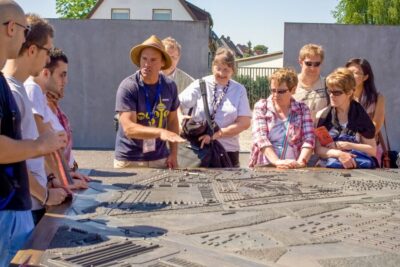 ★ 4.9English Bus Tour to Sachsenhausen Concentration CampFrom $551,380 reviews
 ★ 4.6Sachsenhausen Concentration Camp and Potsdam TourFrom $651,334 reviews
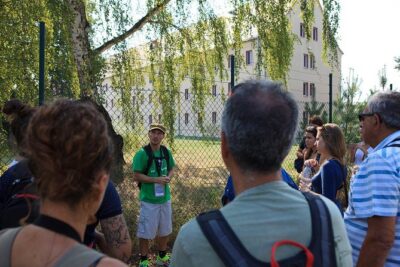 ★ 5.0Sachsenhausen concentration camp.From $341,189 reviews
Browse the lists this tour appears in