
REVIEW · KREUZBERG & ALTERNATIVE DISTRICTS
Kreuzberg kulinarisch – Die Food Tour
Kreuzberg tastes like a story. This 3-hour food tour pairs included food tastings with real talk about the neighborhood’s culture and architecture, so you leave with both full taste buds and better context.
I like that you do not have to stop and pay for meals—tastings and snacks are included—which makes the whole plan feel easy and good value. I also like that it is not only German food: you get a mix of international and fusion ideas alongside Berlin-style classics, with the guide threading it together with what Kreuzberg is and how it got that way.
One thing to think about: this is a public walking tour, and it runs in all weather. If you have major walking problems, it is not recommended, and you will need to keep up with the group.
In This Review
- Key things to know before you go
- Kreuzberg through your stomach and your eyes
- Kotti meeting point: the intro that frames everything
- Walking through old working-class courtyards and Berlin’s building logic
- The tastings model: eat without adding extra costs
- Beyond German classics: international and fusion stops
- Timing, group size, and what the 3 hours feels like
- Guide style: stories that make the food stops land
- Price and value: is $52.18 worth it?
- Who should book this Kreuzberg food tour
- Should you book? A practical decision
- FAQ
- How long is the Kreuzberg kulinarisch – Die Food Tour?
- How much does the tour cost?
- What is included in the price?
- Are drinks included?
- Where do I meet the tour?
- Where does the tour end?
- Is there a vegetarian option?
- Does the tour run in bad weather?
- Is there a limit on group size?
- Is it suitable for people with walking issues?
Key things to know before you go
- Tastings are included, plus snacks, so you can budget one set price and focus on eating
- Kotti (Kottbusser Tor) is your starting point, with an intro that sets up the neighborhood story
- You’ll walk through the Kreuzberg area with architecture and history commentary tied to what you’re eating
- The food mix goes beyond Germany, with international and fusion options built in
- Max 25 travelers, which keeps it from feeling like a big crowd march
- Vegetarian option is available if you request it during booking
Deeper into Kreuzberg and the eastern districts
- Berlin: Kreuzberg Guided Walking Evening Tour★ 4.7 · 555 reviews
- Berlin: Alternative Bike Tour of Kreuzberg & Friedrichshain★ 4.7 · 548 reviews
- Berlin: 2.5-Hour Walking Tour through Kreuzberg 61★ 4.9 · 525 reviews
- Berlin Off-the-Beaten-Path Walking Tour: Kreuzberg, Mitte and Friedrichshain★ 5.0 · 412 reviews
Kreuzberg through your stomach and your eyes
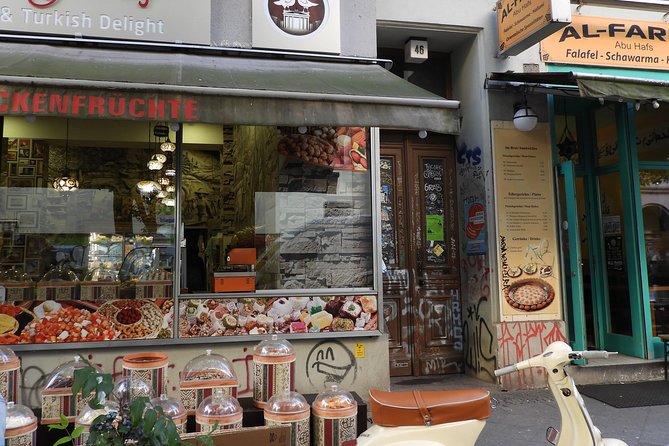
Kreuzberg has a reputation for being one of Berlin’s most interesting eating areas, and this tour leans into why. It is designed as more than a food-and-photo walk. You get a structured route where each stop connects to the neighborhood you’re moving through—how people lived, how buildings are shaped, and why the area became a crossroads of cultures.
What makes it work well is the balance. Yes, you’ll taste foods at multiple places. But you’ll also get commentary that explains what you’re seeing, so the meal stops feel grounded in place instead of just random bites from a list.
The setup is simple: you start near Kotti (Kottbusser Tor), then you keep walking through Kreuzberg for a few hours. The tour stays focused on food tastings and neighborhood context, not on dragging you into long museum-style lectures.
Kotti meeting point: the intro that frames everything
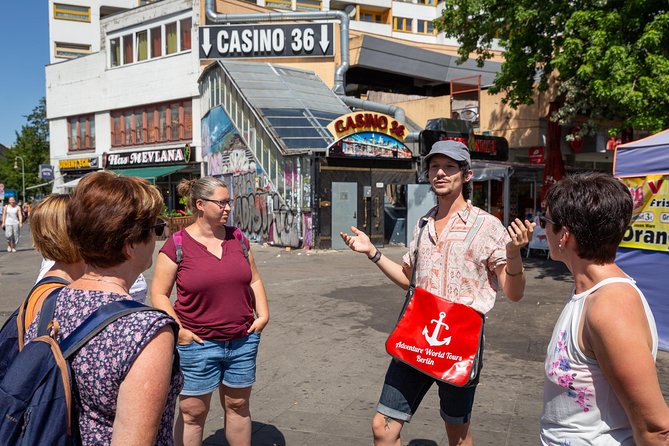
You meet at Reichenberger Str. 174 (near Kottbusser Tor), and the tour begins with a short introduction right where life in Kreuzberg is easy to feel. This first briefing matters because Kreuzberg can look like a patchwork of eras—modern storefronts, older courtyards, and streets that still carry working-class energy.
From there, the guide explains how Kreuzberg started as a working-class neighborhood in the middle of the 19th century. The story is blunt: people had a hard time, lived in large building complexes, and many spaces were cramped—sometimes described as backyards (including fifth or sixth backyards) where fresh air was hard to come by.
That context makes the rest of the tour click. When the guide points to the built environment—courtyards, back areas, and the way the neighborhood is laid out—you understand why it matters. Food becomes part of the same picture: where people gather, what changes over time, and what stays recognizable.
Walking through old working-class courtyards and Berlin’s building logic
One of the strongest parts of this tour is how it uses architecture as a storytelling tool. Kreuzberg is not just a place to eat. It is a place where the physical layout tells you how people lived—where they could breathe, where they worked, and how communities formed even during tough times.
As you move along, you’ll focus on streets like Oranienstraße and the idea of “backyards” inside big blocks. You get help imagining day-to-day life when many residents were not renting a full flat or room, but were making do with extremely limited space. The guide paints those details in a way that is meant to help you picture it, not just memorize it.
Is it heavy? It can be. But it is also the reason this tour scores so well: the architecture commentary turns Kreuzberg from a name on a map into something you can see with new eyes. And when you later sit down for tastings, you understand why this area became what it is—an ongoing mix of people, needs, and cultures.
A good practical tip: keep your energy up early. The history part is strongest when you can absorb it without getting distracted by hunger. You’ll be eating along the way, but the orientation phase sets the pace.
The tastings model: eat without adding extra costs
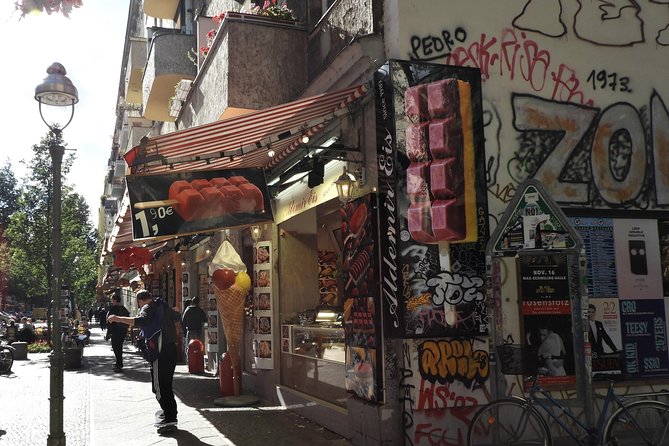
The tour’s value is pretty straightforward. Food tastings and snacks are included, so you’re not stuck doing math every time you reach a new stop. This is especially helpful in Berlin, where restaurant menus can be tempting but not always cheap.
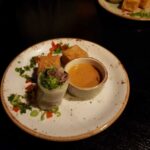
The tour is built around small bites rather than full meals. That means you’ll likely taste a range of things across different concepts—so you get variety without over-ordering.
What is not included is drinks. That matters because it nudges your budget planning back to you. If you want a beer, soda, or something else during the tour, expect to pay separately at the place where you’re served (since drinks are listed as not included).
Vegetarian diners get an important advantage. There is a vegetarian option available, as long as you request it at booking. If you’re vegetarian (or you avoid specific ingredients), do that early so the guide can plan tastings accordingly.
More tastings around the city


Beyond German classics: international and fusion stops
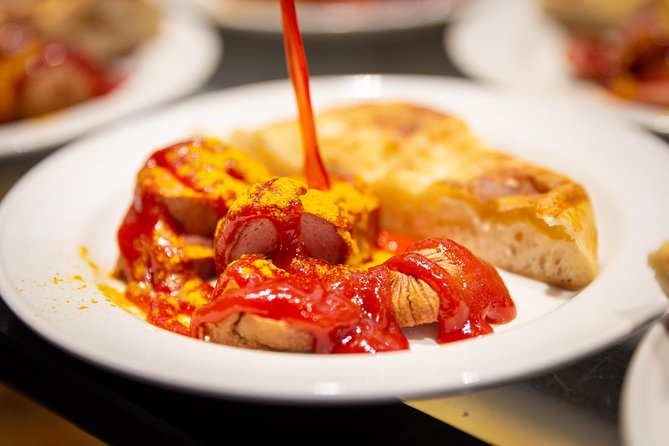
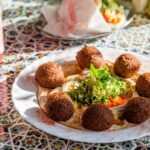
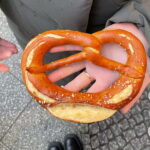
This is not a one-note tour. While you will experience traditional Berlin-style food, the tour also includes international and fusion cuisine concepts. That variety fits Kreuzberg’s real vibe: the neighborhood feels like a meeting point, not a single uniform style.
In practical terms, that means your tastings are more likely to surprise you. Instead of repeating the same flavors at every stop, you get different culinary angles. That keeps the tour interesting, especially if you already know Berlin’s most famous foods.
It also helps you understand how food culture moves. Kreuzberg’s story is not only about past hardships; it is also about how communities change and bring their tastes with them. The guide’s commentary ties that pattern to what you’re eating, so the fusion and international elements feel intentional rather than random.
A small consideration: because the tour is focused on tastings and walking, you might not leave feeling like you had a sit-down dinner. If you’re very hungry, plan for a meal after the tour. Think of this as a structured snack-meal plus neighborhood lesson.
Timing, group size, and what the 3 hours feels like
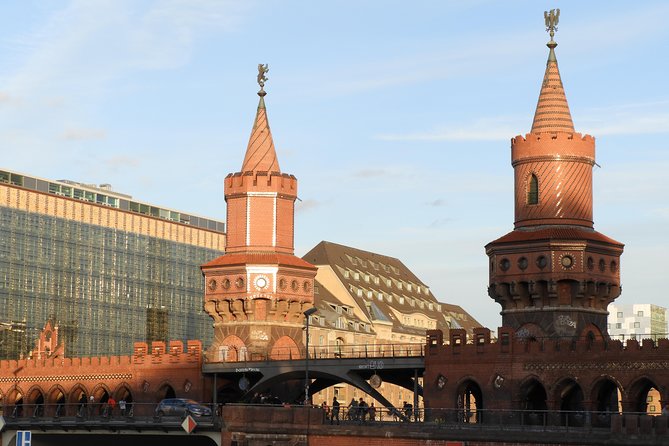
The tour runs about 3 hours. That’s long enough to cover several tastings and get real commentary, but short enough that you can still keep your day flexible after.
Group size is capped at 25 travelers, which tends to keep the experience from turning into a loud stampede. Smaller groups also make it easier for the guide to pace questions and explain details without feeling like a rush job.
The tour uses a mobile ticket, and it operates in all weather. That last part is not just marketing fluff. You should dress for real street walking—layers help, and shoes that work on uneven sidewalks make life easier.
Also, the route is near public transportation, which is a big plus. You’re not stuck trying to reach a far-off neighborhood address on foot. You can plan your Berlin day without building a complicated transit puzzle around the tour.
Guide style: stories that make the food stops land
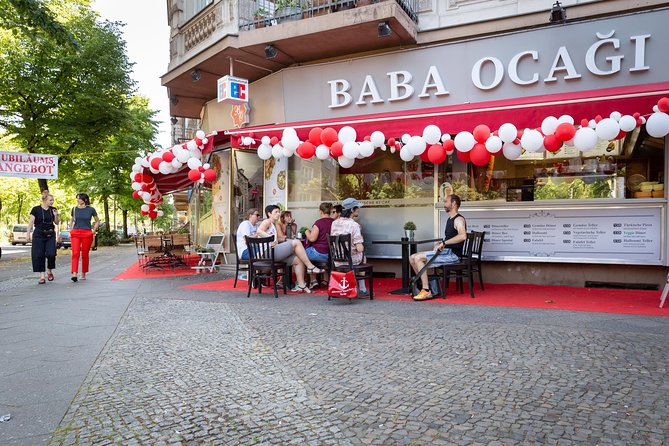
The guides are a key reason this tour earns high marks for satisfaction. People highlight that the guide tells the story in an engaging, authentic way and keeps the experience varied—so the walking and tasting do not blend into one long blur.
You may hear names like Nike and Dan in past experiences connected to this tour style. The common thread is that the guide doesn’t just announce food. They explain why Kreuzberg is what it is, and they bring the neighborhood details to life with examples you can actually picture.
That matters for you because it changes how you remember the tour. If you only tasted food, you’d likely remember flavors. If you connect those flavors to the neighborhood layout and history, you remember both—the taste and the place. That’s a big reason this format works so well.
Price and value: is $52.18 worth it?
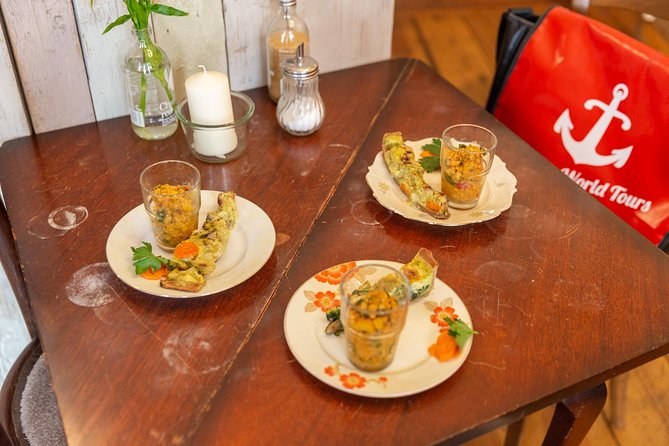
At $52.18 per person for about three hours, this tour lands in the category where value depends on what you like to get out of a tour.
Here’s the math-style thinking that helps:
- You’re paying for guided storytelling plus multiple included tastings and snacks.
- You are not paying for drinks during the tour.
- You still get something you would otherwise have to assemble on your own: a route, a guide, and context tying it together.
If you’re the type who likes to eat your way through a neighborhood, this can feel like a convenient bundle. You also avoid decision fatigue. Instead of picking where to go and risking mismatched budgets, you follow a planned path and sample what the guide thinks best represents Kreuzberg’s food scene.
If you prefer large meals, or you only want a single specialty, you might find the tasting format a bit lighter. But for most people, tastings are the sweet spot in a short walking tour: enough variety to be fun, not so much that you feel weighed down.
Who should book this Kreuzberg food tour
This tour is a great match if you want:
- A mix of food and neighborhood context rather than pure restaurant hopping
- Included tastings and snacks so you can keep your spending predictable
- International and fusion ideas alongside Berlin-style bites
- A guide who connects what you taste to what you see in the streets and buildings
It is not a great match if:
- You have major walking problems and know you cannot keep up
- You hate weather-based plans and do not dress for street walking
- You want drinks included in the price
Should you book? A practical decision
I’d book this tour if you want to understand Kreuzberg in a way that actually involves your senses. The included tastings and snacks are the obvious upside, but the real value is how the guide uses architecture and culture to explain why this neighborhood became a food crossroads.
If you’re short on time and you’d rather do one organized thing than piece together several meals, this is a smart way to get variety and context in about three hours.
If walking is hard for you, skip it and choose something more accessible. And if you’re hoping for a full sit-down dinner with drinks, plan on eating after the tour and bring your drink budget separately.
Bottom line: this is a food tour with real neighborhood meaning—and that usually leads to a better memory than a list of dishes.
FAQ
How long is the Kreuzberg kulinarisch – Die Food Tour?
It lasts about 3 hours.
How much does the tour cost?
The price is $52.18 per person.
What is included in the price?
Food tasting, snacks, and guided support by a local guide and a professional guide.
Are drinks included?
No, drinks are not included.
Where do I meet the tour?
You start at Reichenberger Str. 174, 10999 Berlin, near Kottbusser Tor.
Where does the tour end?
The tour ends at Kottbusser Damm 95, 10967 Berlin.
Is there a vegetarian option?
Yes. A vegetarian option is available if you advise at the time of booking.
Does the tour run in bad weather?
Yes, it operates in all weather conditions, so you should dress appropriately.
Is there a limit on group size?
Yes. The tour has a maximum of 25 travelers.
Is it suitable for people with walking issues?
It is not recommended for travelers with major walking problems because it is a public walking tour and you need to keep up with the guide.
More Tour Reviews in Berlin






Eating Your Way Through Berlin

Kreuzberg and the Eastern Districts


Round out your days in Berlin


Kreuzberg & Alternative Districts, compared.
 ★ 4.5Kreuzberg: Culinary Food TourFrom $589770 reviews
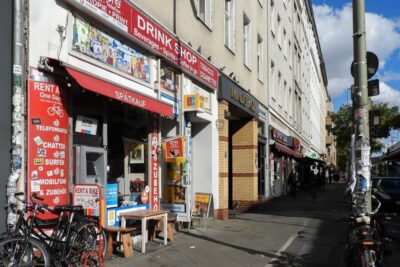 ★ 4.7Kreuzberg Guided Walking Evening TourFrom $27555 reviews
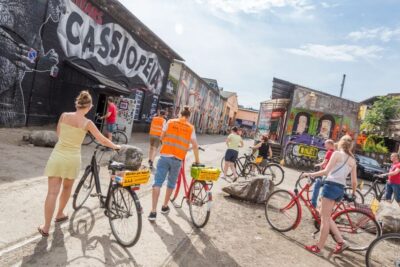 ★ 4.7Alternative Bike Tour of Kreuzberg & FriedrichshainFrom $41548 reviews
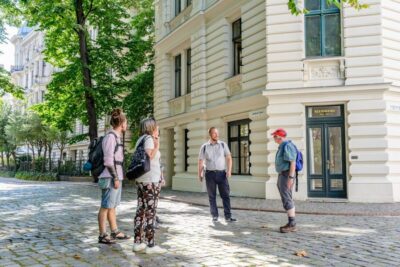 ★ 4.92.5-Hour Walking Tour through Kreuzberg 61From $23525 reviews
 ★ 5.0Berlin Off-the-Beaten-Path Walking Tour: Kreuzberg, Mitte and FriedrichshainFrom $30412 reviews
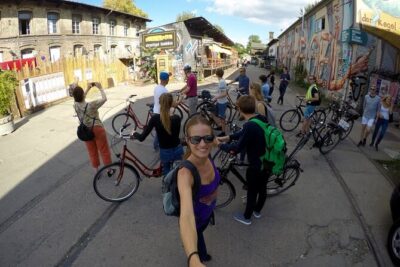 ★ 4.8Experience the Alternative Kreuzberg on a Bike TourFrom $41395 reviews
 ★ 4.9Prenzlauer Berg District Guided Walking TourFrom $23316 reviews
 ★ 4.8Gay Berlin Out in Schöneberg Walking TourFrom $23281 reviews
Browse the lists this tour appears in